
What if the materials we throw away could become some of the most interesting objects in our homes? For South African entrepreneur Lizl Naudé, a discarded wine bottle, a collection of plastic bottle caps or an offcut of timber represents more than waste. Each holds the possibility of becoming something beautiful, functional and commercially valuable.
Together with her husband, Ashley, Lizl founded Lilly Loompa, a South African circular-design business that transforms discarded materials into thoughtfully crafted homeware, hospitality products and bespoke gifts. What began as a means of supporting their family during a challenging period has evolved into a growing enterprise that champions sustainable design and responsible consumption.

Finding Beauty in Unexpected Materials
At the heart of Lilly Loompa is a simple philosophy: materials deserve more than one life. By working with discarded glass, recycled plastics and reclaimed timber, the business creates products that challenge conventional ideas about waste.
Rather than approaching recycling purely as an environmental responsibility, Lizl sees it as an opportunity to rethink the relationship between design, resources and everyday objects. “I’ve had to navigate some really difficult seasons in my life, and I think that’s where the heart of Lilly Loompa comes from,” says Lizl.
Her personal experiences have shaped an approach to design that prioritises resourcefulness and possibility. What began with making use of available materials has developed into a business that connects creativity with commercial opportunity.
The result is a collection of products that demonstrate how materials once considered disposable can find renewed relevance in contemporary interiors.
From Discarded Wine Bottles to Desirable Design
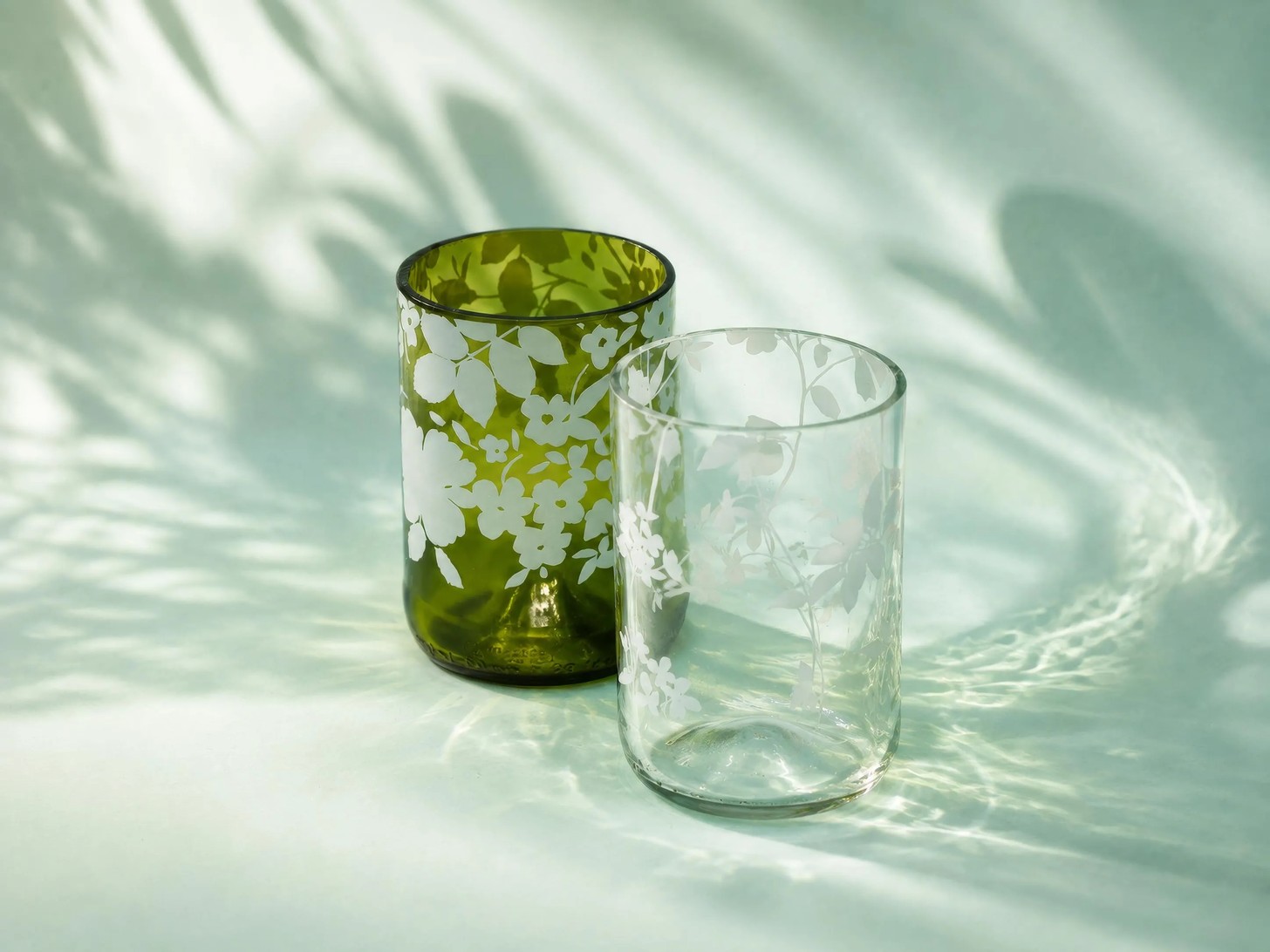
One example of Lilly Loompa's approach is its collaboration with Protea Wines, which demonstrates how discarded materials can become part of a circular production process.
Wine bottles used at the winery are collected and delivered to Lilly Loompa, where they are transformed into new products. These pieces are then sold through the winery's tasting room, allowing the original materials to return in an entirely different form.
The collaboration offers a practical example of circular design, where resources are kept in use rather than immediately discarded.
For Lizl, the challenge is not simply to create something from waste, but to develop products that people genuinely want to use and own. “But the exciting part is taking that idea further – creating something people actually want, finding a market for it and making it commercially viable,” she explains.
Sustainable Design With a Bigger Purpose
Beyond its homeware collections, Lilly Loompa works with businesses and organisations to identify opportunities within their existing waste streams.
Its services extend to bespoke product development, corporate gifting and sustainability-focused projects, helping companies translate environmental commitments into tangible outcomes.
The business has already created more than 50 000 products, undertaken over 100 collaborative projects and begun exporting to markets including the United States, the United Kingdom and Europe. Yet its ambitions extend beyond commercial growth.
Lizl is also developing a model through which communities could earn an income by collecting and supplying recyclable materials. Although still in development, the initiative reflects a broader vision of connecting sustainable design with local economic opportunities.
Rethinking the Future of South African Design
As conversations around conscious consumption become increasingly important, Lilly Loompa offers an example of how thoughtful design can contribute to a more resource-efficient future.
For homeowners and design enthusiasts, its work also encourages a different way of looking at everyday materials. A bottle, a timber offcut or a piece of plastic need not represent the end of a product's life. With imagination and craftsmanship, each can become something new.
“I don't want Lilly Loompa to be seen only as a business that makes products from waste,” says Lizl. “I want us to be part of a much bigger conversation about how we manage resources, how we create income and how we bring businesses and communities together.”
Ultimately, Lilly Loompa's story is about more than recycling. It is about recognising the potential of overlooked materials and creating objects with purpose, proving that good design need not begin with something new.
Credits
Images: Supplied


