
Wine estates are hardly few and far between in the Western Cape. While many celebrate their heritage, Stellenzicht Wine Estate has built its modern identity around uncovering and honouring it, making history a defining principle of its winemaking. Established in 1692 on the slopes of the Helderberg, the estate’s story is not simply one of heritage, but of understanding the land deeply enough to allow it to shape every decision made today.
That philosophy gained renewed focus in 2017, when Stellenzicht embarked on an ambitious revival rooted in regeneration rather than reinvention. Vineyards were replanted following an extensive study of the estate’s diverse terroir, ensuring each variety was matched to the soils best suited to it. Ancient sandstone, decomposed granite and koffieklip all influence the structure and character of the wines, while the cool maritime influence of False Bay brings balance to every vintage.

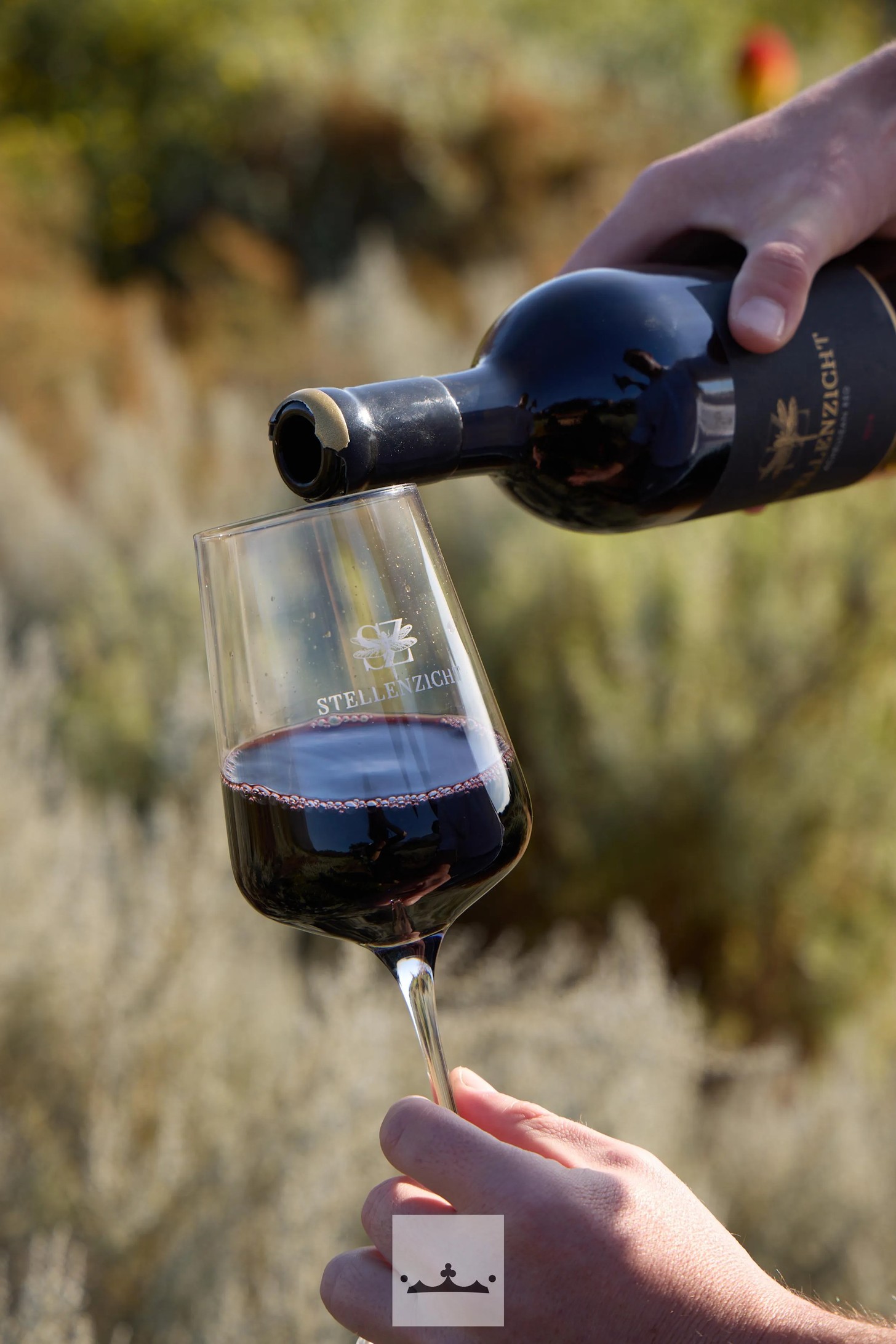
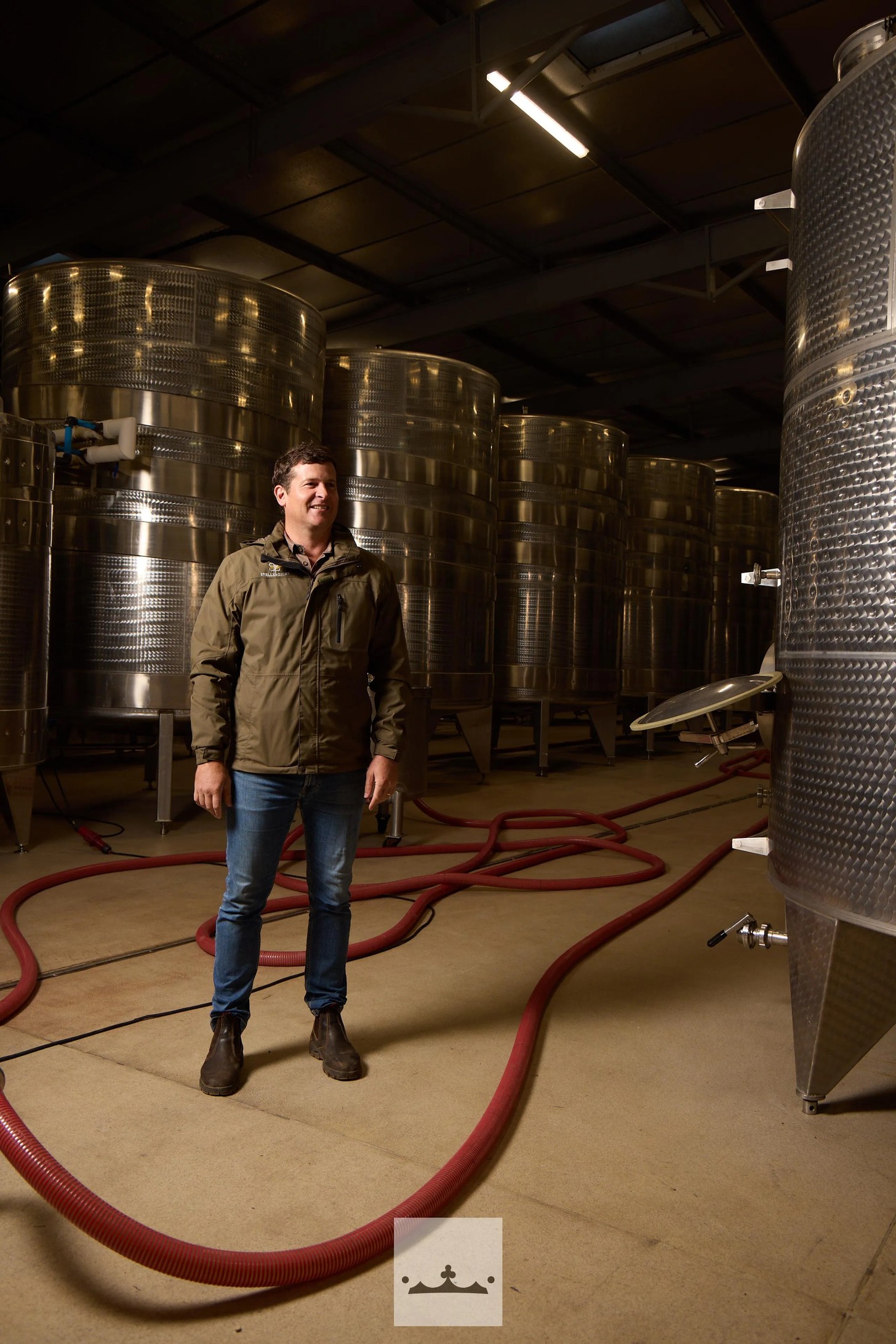
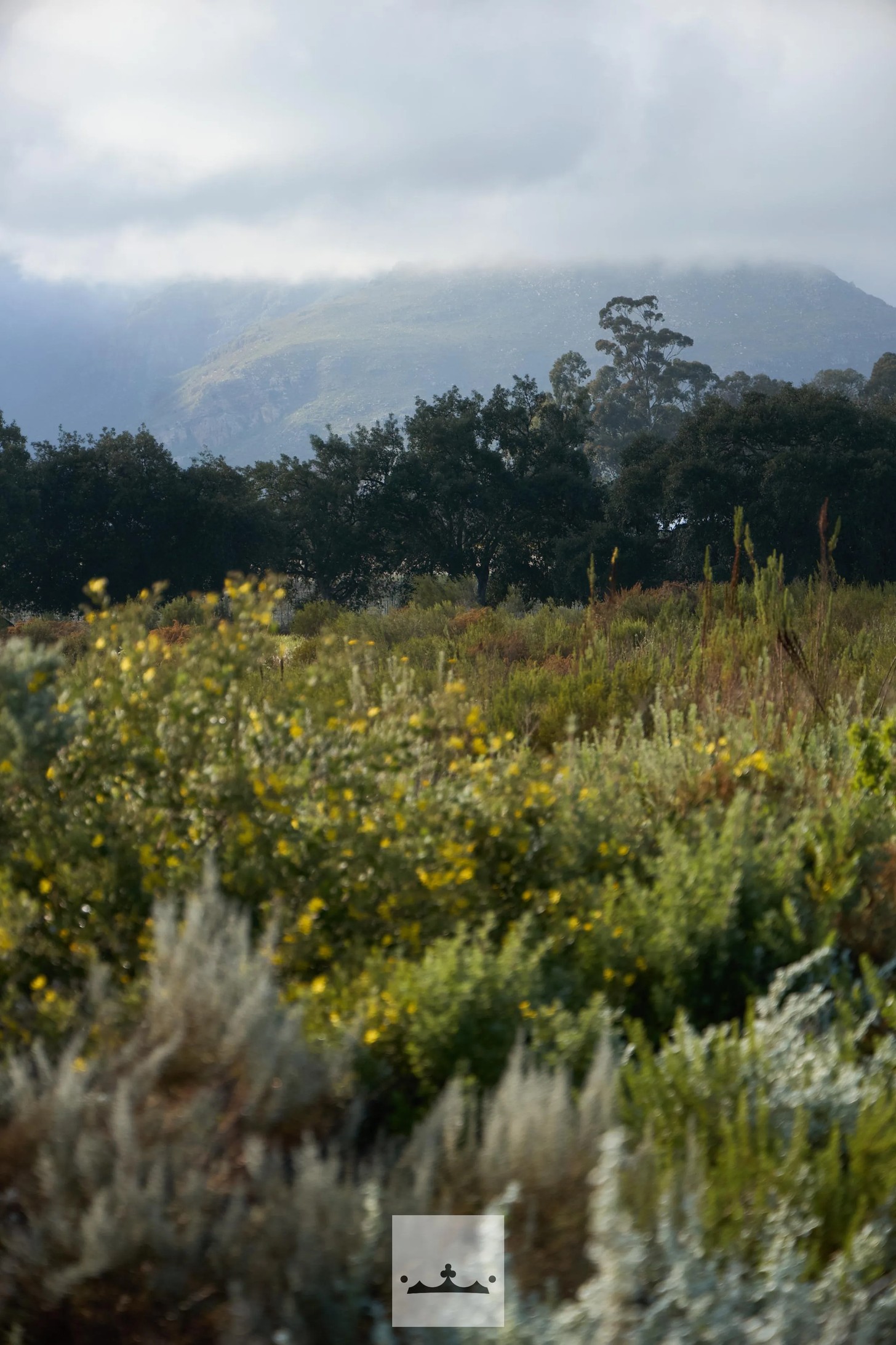
As custodian of the estate’s vineyards, viticulturist Nico Nortjé guides this process with a deep respect for nature. Sustainable farming, indigenous fynbos restoration and regenerative practices have returned biodiversity to the farm, where dragonflies once again hover above the vines as a natural indicator of ecological health. As part of the globally recognised Cape Floristic Region, the estate’s fynbos is as much a part of our natural heritage as the vineyards themselves, providing a vital habitat for birds, insects and wildlife found nowhere else on earth. A contented herd of cattle now forms part of that living system, enriching the soil, controlling weeds naturally and contributing to a healthier vineyard ecosystem.
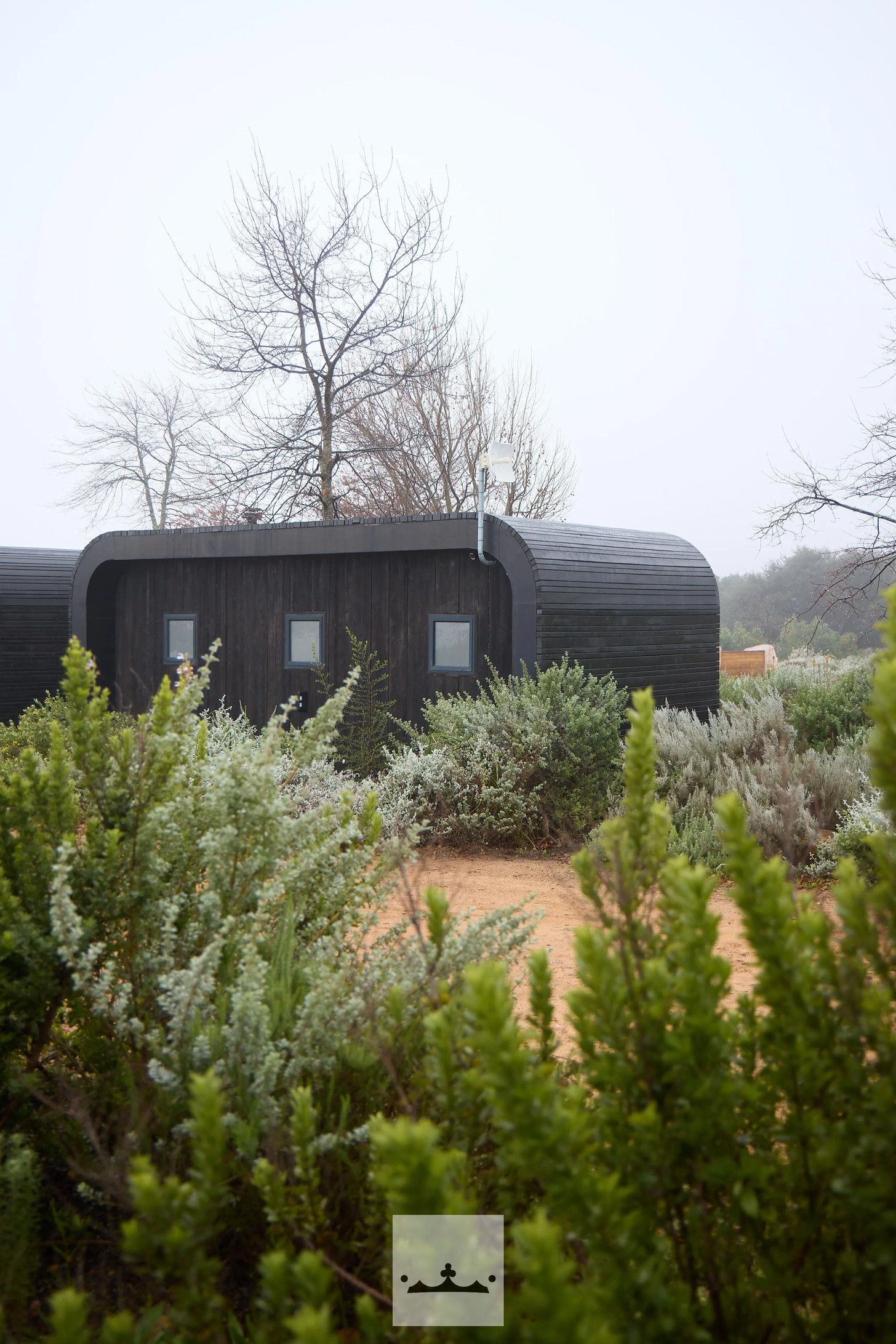
Heritage may define Stellenzicht, but it doesn’t confine it. The contemporary wine pod, discreetly nestled among the fynbos, offer a distinctly modern way to experience the estate, inviting guests to immerse themselves in the landscape without distracting from it. It’s a fitting expression of Stellenzicht’s philosophy: honouring the past while continuing to evolve.
Perhaps nowhere is Stellenzicht’s connection to its past more compelling than beneath the vines themselves. During the estate’s revival, prehistoric Acheulean hand axes were discovered scattered across the property, evidence of some of the earliest human inhabitants of the Cape. Once dismissed as land “too rocky for crops”, those sandstone-rich soils have become one of the estate’s greatest assets. Today, their flagship Acheulean Range pays tribute to those remarkable discoveries, proving that here, the past is not simply preserved, but continues to shape the future of every vintage.
Credits
Text by Catherine Mo
Photographs: Inge Prins


