
The home office had its moment. However, homeowners have the ability to carve out something far more personal.
Today's most coveted rooms aren't necessarily designed for productivity – they're designed for possibility. Whether it's a corner devoted to pottery, a space for pressing flowers, or a room dedicated entirely to music, the modern creative studio is becoming a luxury in the truest sense: a place where time slows down and hobbies become rituals.

Unlike the function workspaces that defined the past few years, these studios prioritise atmosphere, natural light, beautiful storage tips, and materials that invite you to enjoy the space a little longer.They're less about making money and more about making something meaningful.
Here are ten creative studios worth considering in your own home.
1. The Ceramic Atelier
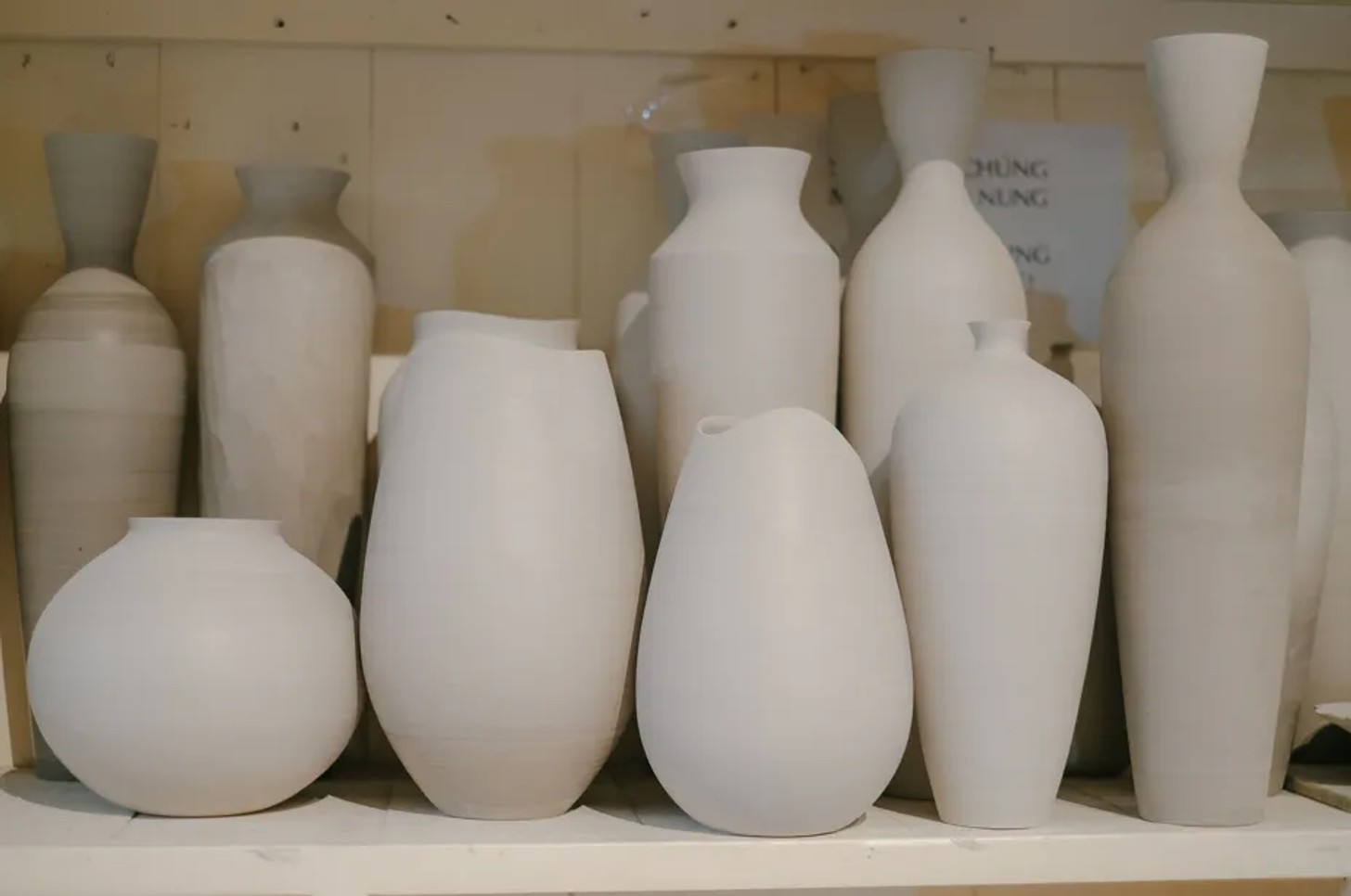
A pottery studio isn't reserved for artists with countryside barns. All it really requires is good ventilation, durable flooring, generous shelving, and a durable worktable.
Raw timber, stainless steel surfaces, and open shelving create a workshop aesthetic that feels effortlessly sophisticated. Displaying unfinished pieces alongside finished ceramics adds character, allowing the studio itself to become part gallery, part workspace.
Design tip: Keep clay, polishes, and tools hidden in storage boxes while displaying only your favourite containers.
2. The Botanical Studio
Some people arrange flowers. Others create botanical art.
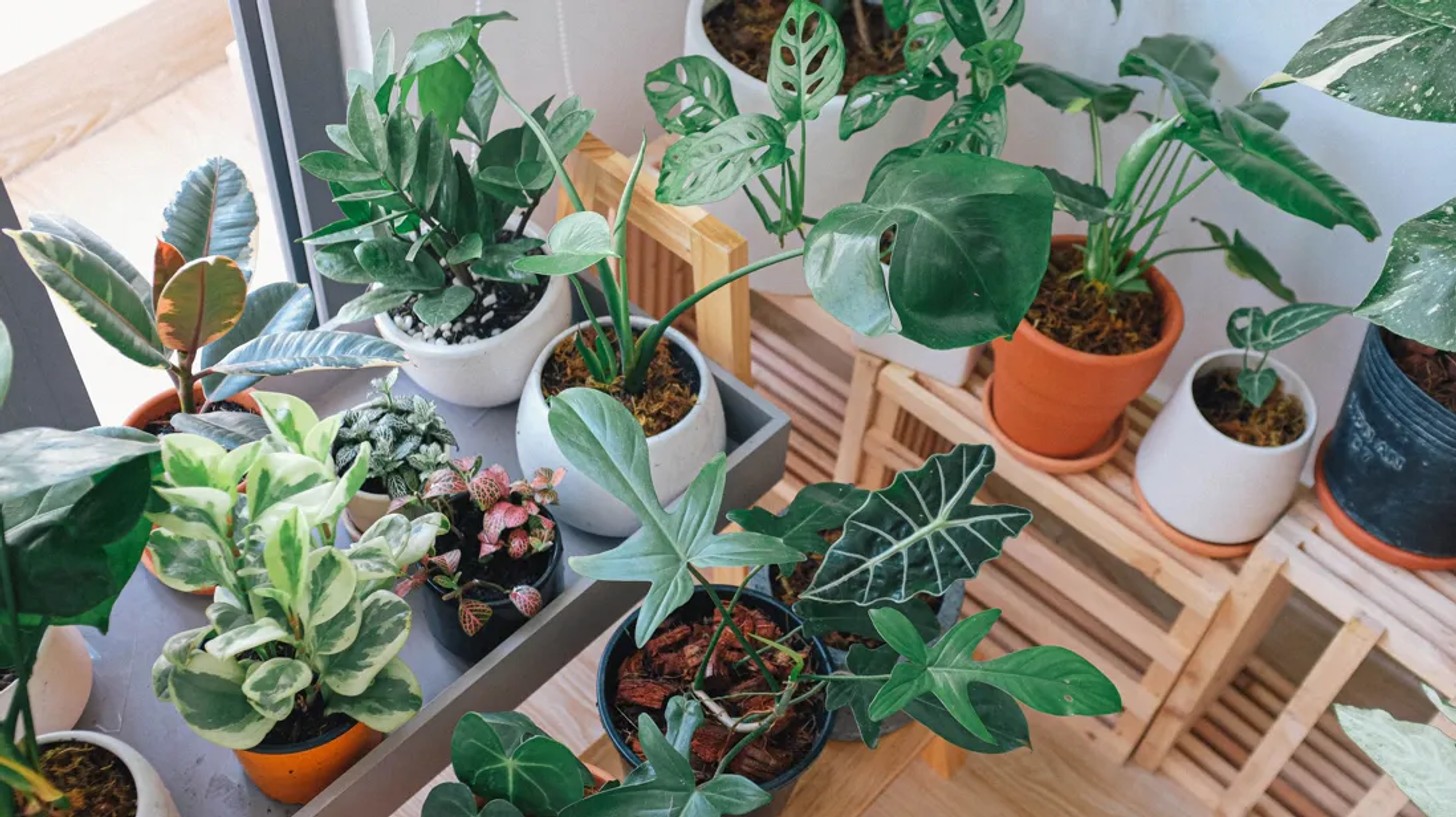
A botanical studio can be dedicated to drying blooms, creating seasonal arrangements, propagating plants, or pressing leaves for artwork. Long worktables, hanging herb racks,and oversized glass jars transform the room into something between a greenhouse and an artist's workshop.
Natural stone surfaces and linen curtains soften the space, while allowing changing light to become part of the experience.
3. The Home Library & Writing Room
Not every studio requires specialised equipment.
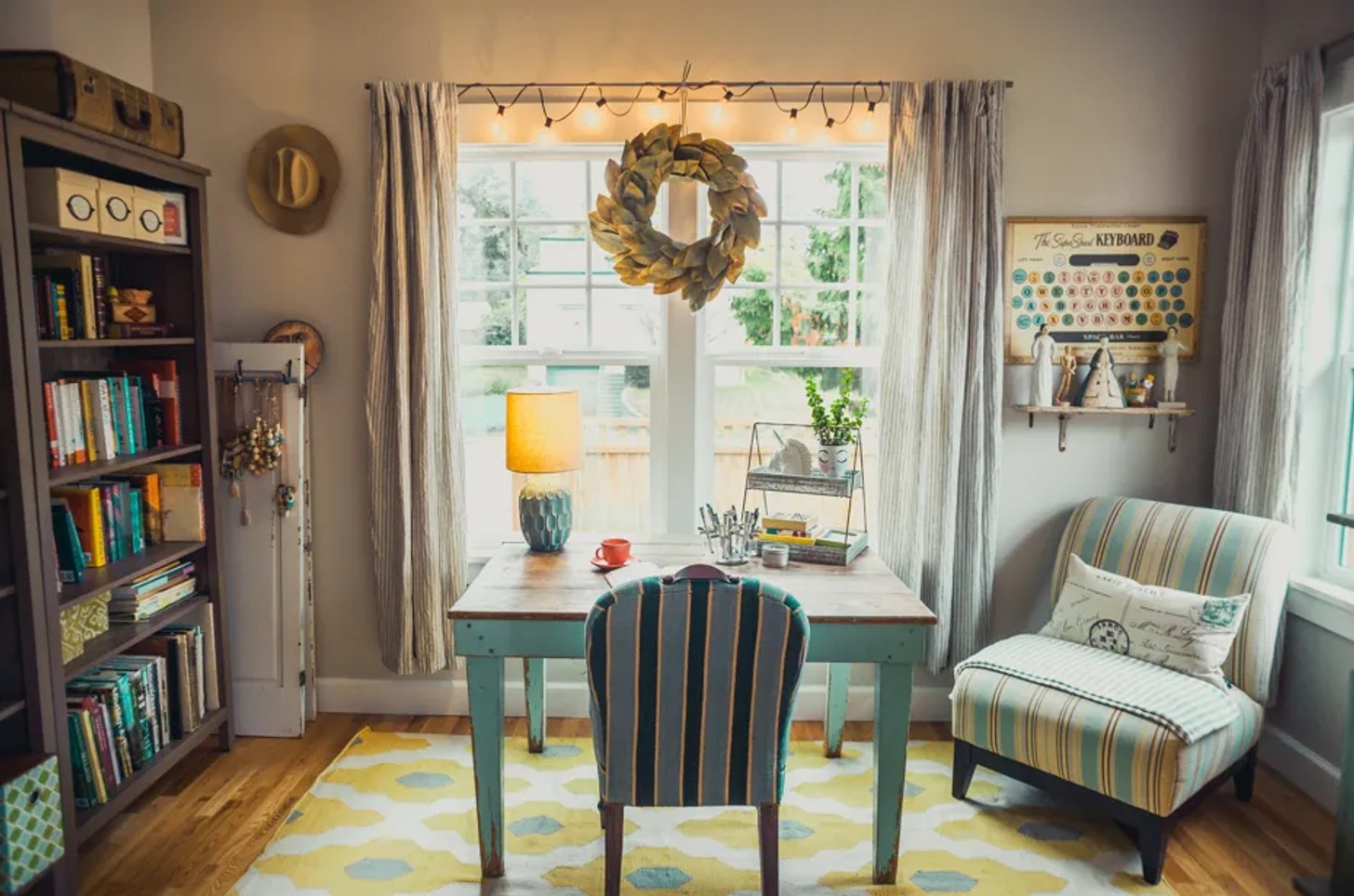
A writing room filled with books, collected objects, and comfortable seating creates a sanctuary for reading, journaling, and uninterrupted thoughts.
Unlike a conventional study, this space embraces texture – soft rugs, ambient lighting, vintage desks, and walls lined with useful books. It's a room designed for ideas rather than deadlines.
4. The Home Fragrance Laboratory
Candles, perfumes, essential oils, and natural botanicals have inspired more scent enthusiasts.
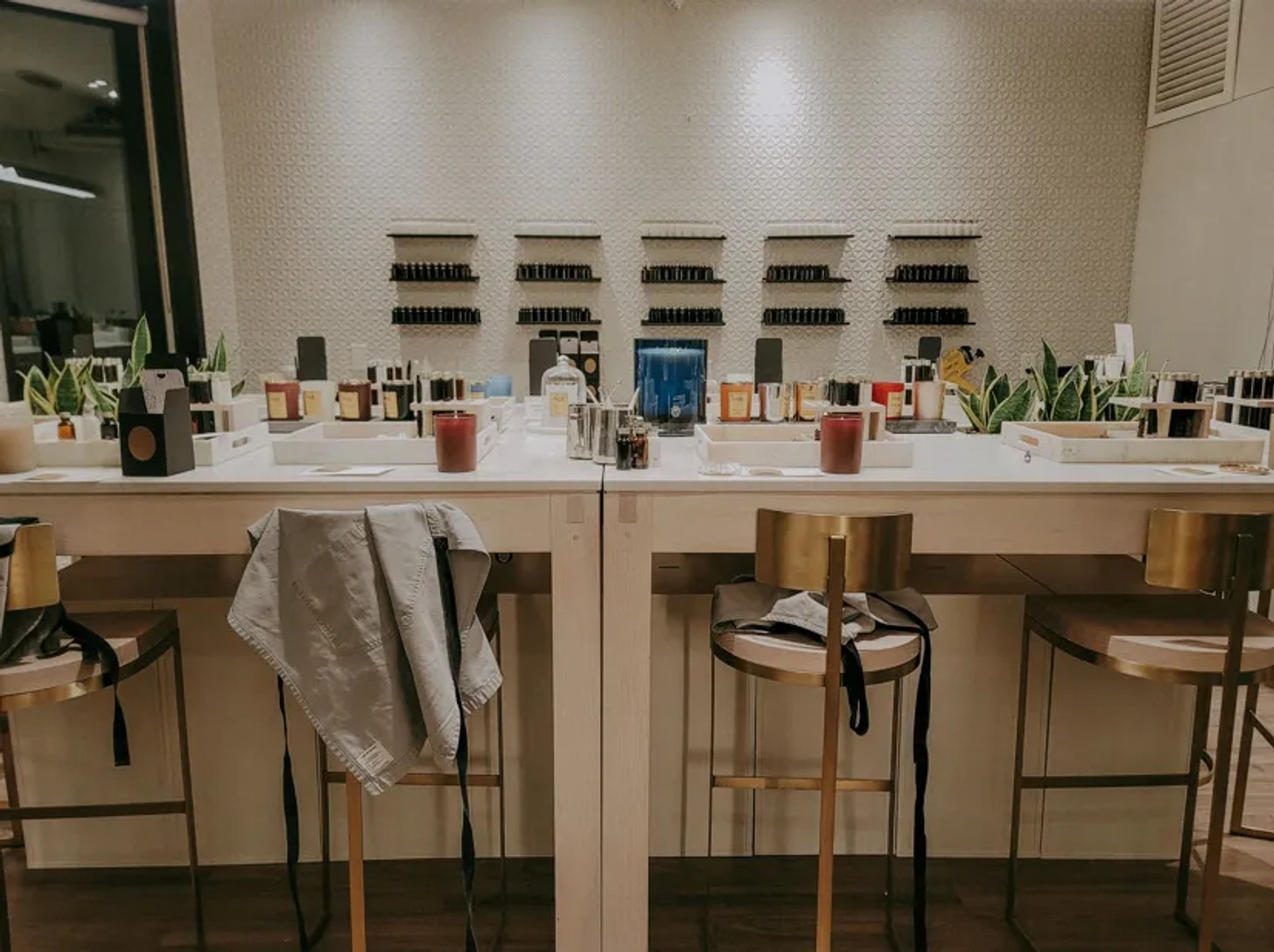
A dedicated fragrance studio combines chemistry with artistry, housing waxes, oils, glass holders, and beautifully labelled ingredients.
Open shelving becomes part of the décor, while marble countertops make mixing and pouring feel wonderfully tactile.
This is a room that feels closer to an artisan perfume house than just a DIY project.
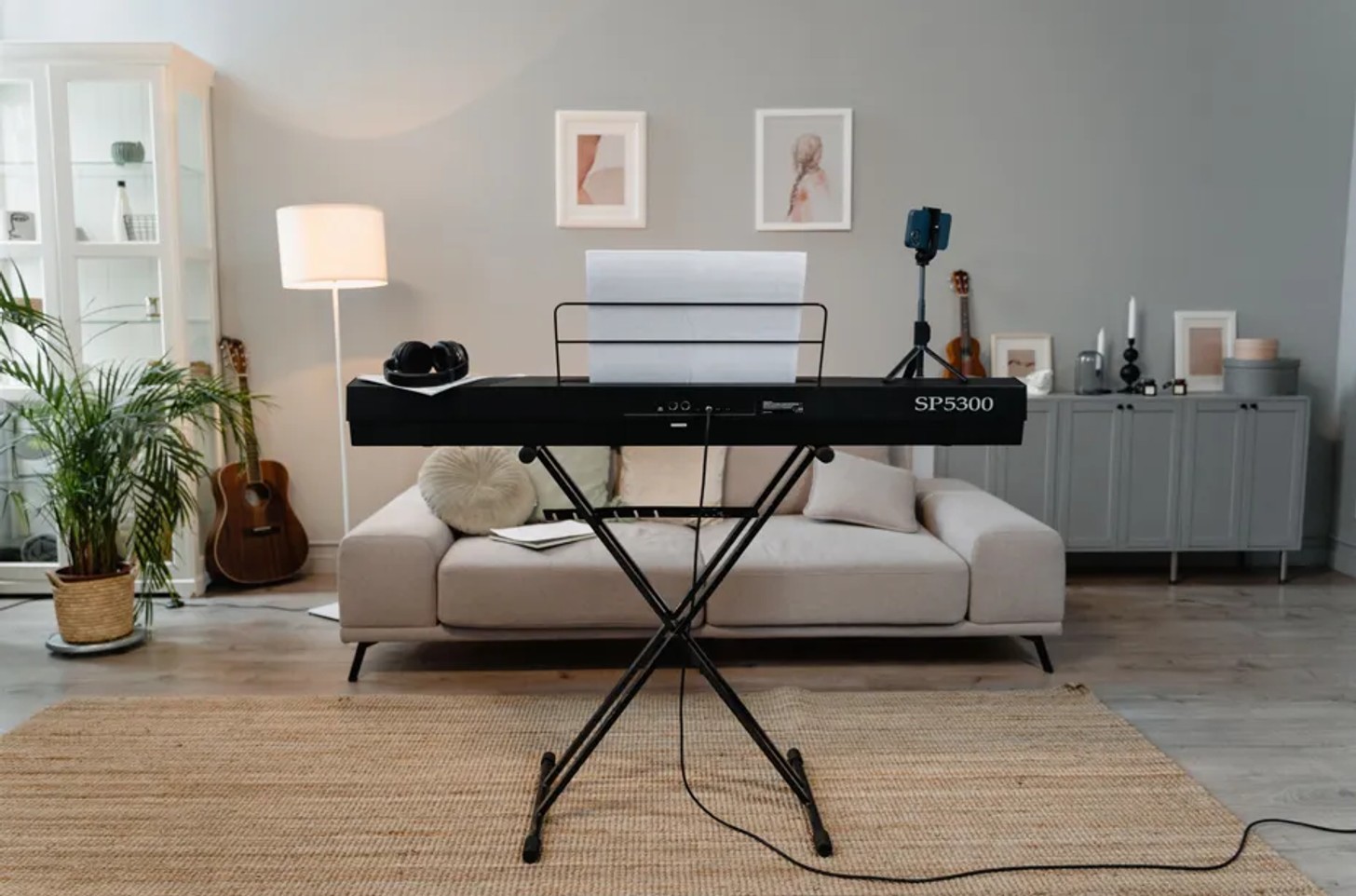
5. The Listening Room
For vinyl collectors and music lovers, the listening room has become one of the most desirable additions to contemporary homes.
Instead of filling every room with background music, this space encourages intentional listening.
Deep lounge chairs, acoustic panelling, a record storage, and carefully positioned speakers create an immersive retreat where albums are appreciated from beginning to end.
Lighting should remain warm and subdued, allowing the music to become the room's concentration.
6. The Textile Studio
Whether it’s sewing, embroidery, weaving or quilting, textile artists benefit from rooms where materials are displayed as beautifully as they are organised.
Floor-to-ceiling shelving showcases fabrics like a colour library, while oversized cutting tables double as creative workstations.
Natural light is essential, revealing the true colours and textures of each fabric throughout the day and when in use.

7. The Culinary Test Kitchen
For passionate home cooks, creativity often begins in the kitchen.
A secondary prep kitchen – or simply a dedicated baking and recipe-testing station – allows experimentation without disrupting everyday cooking.
Open ingredient storage, labelled spice collections, professional-grade lighting, and generous countertops turn cooking into a creative practice. Think less "chef's kitchen" and more culinary studio.

8. The Photography & Content Studio
Natural light remains the ultimate luxury.
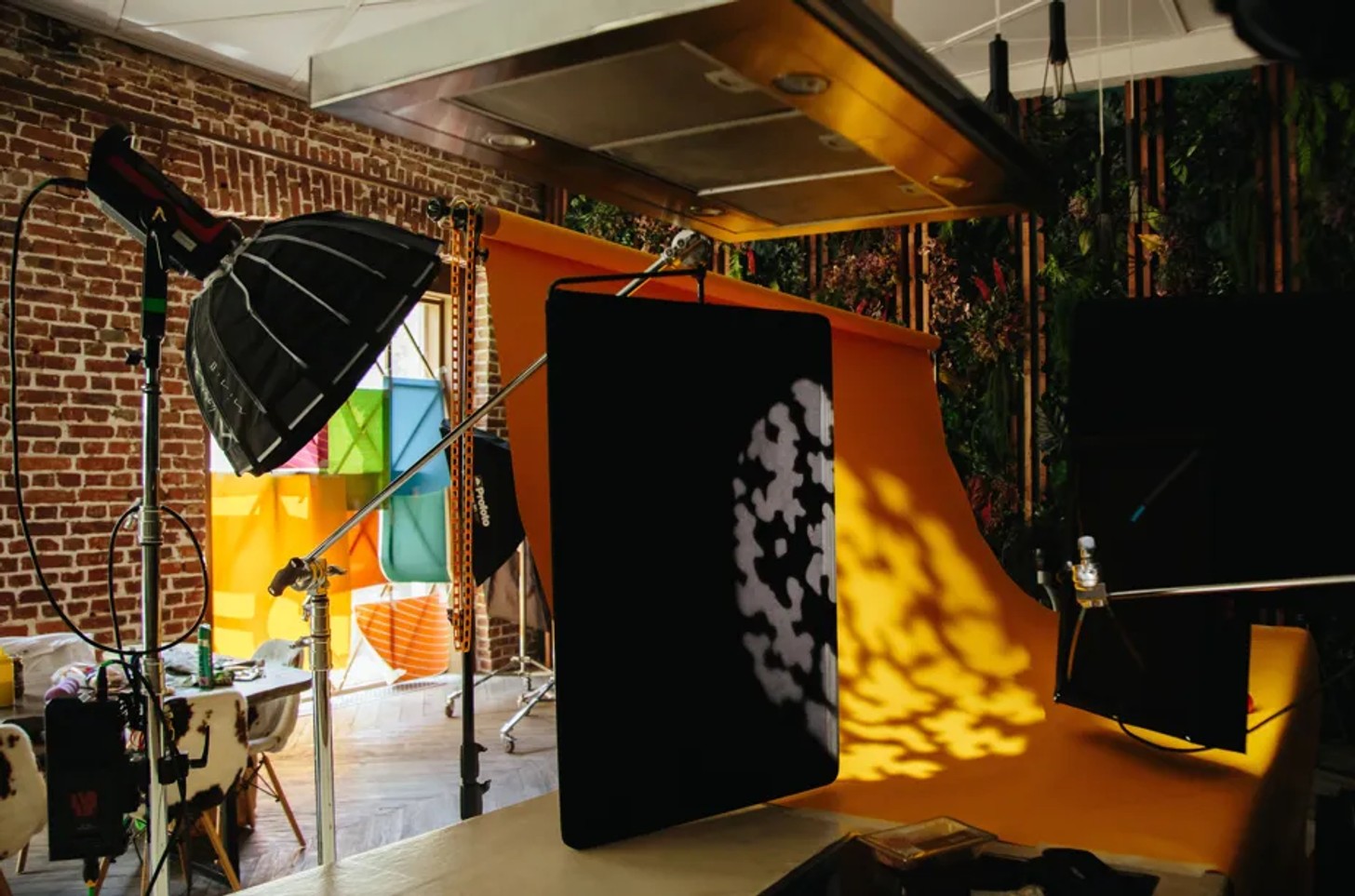
A spare room with north-facing windows, neutral walls, movable backdrops, and flexible furniture can quickly become a photography studio for food styling, interiors, fashion, product shoots, and many more.
Large linen curtains soften daylight, while modular shelving allows props and equipment to remain beautifully organised in the space.
The best studios disappear into the background, allowing the subject to shine.
9. The Painting Loft
Artists have always understood the importance of light and space.
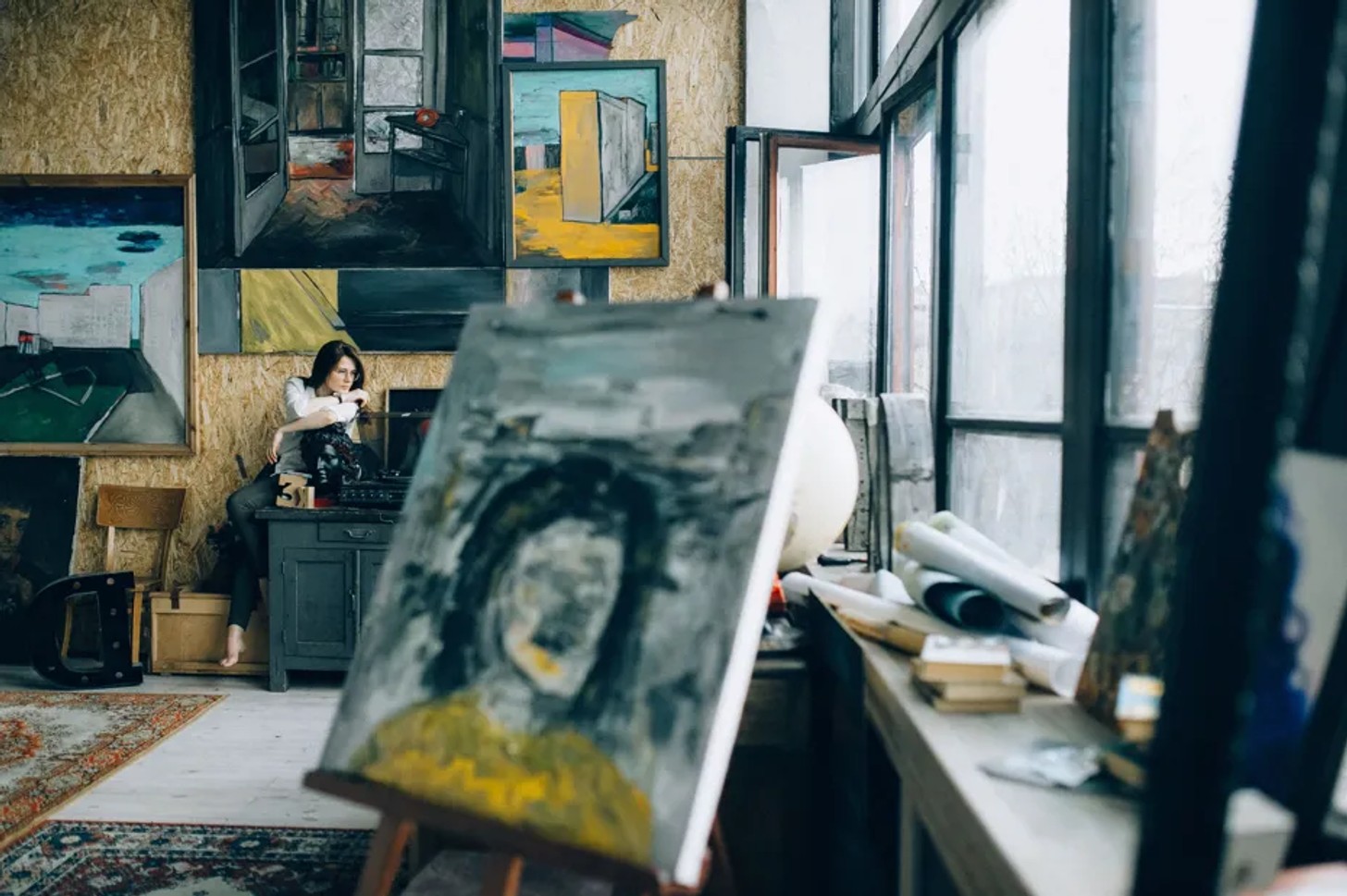
Whether working with oils, acrylics or watercolours, a painting studio benefits from high ceilings, white walls, and generous daylight.
Rolling easels, oversized pinboards, and layered paint-splattered furniture create an atmosphere that evolves alongside the work itself.
Finished canvases stacked casually against walls become part of the room's visual language.
10. The Curiosity Cabinet
Perhaps the most interesting creative studio doesn't revolve around one hobby at all.
Imagine a room dedicated to collecting.
Shells gathered while travelling. Vintage cameras. Antique maps. Design books. Sketches. Postcards.
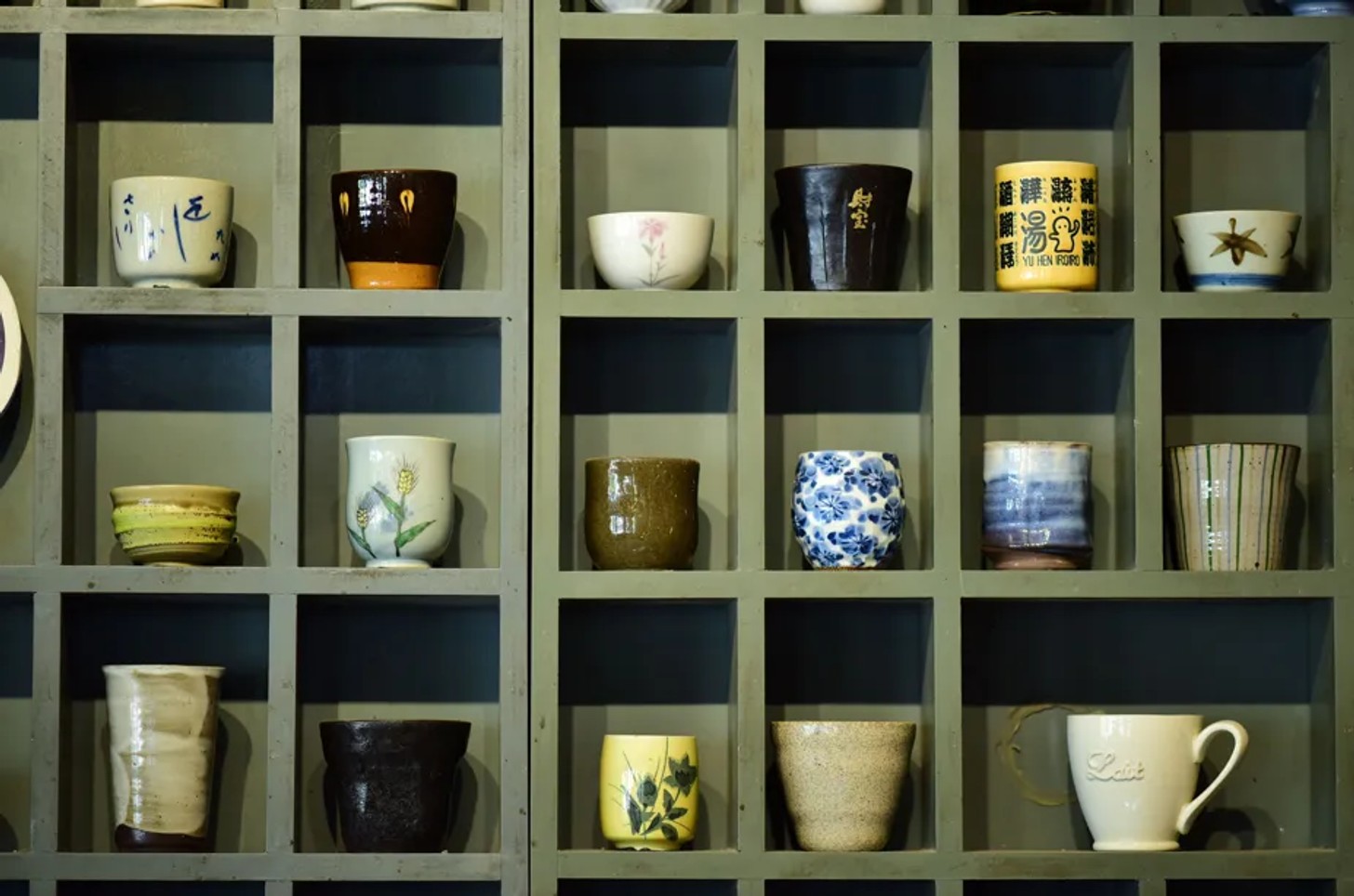
Inspired by the Renaissance concept of the cabinet of curiosities, this room celebrates lifelong interests through curated displays.
It becomes an equal parts archive, gallery, and source of inspiration – a personal space that no one else could recreate.
Designing a Studio That Inspires
The most successful creative studios aren't the largest – they're the most intentional. They reflect the personality of the person using them instead of chasing perfection. Materials are chosen because they age beautifully, storage is integrated, and natural light is treated as an essential design element.
As homeowners seek spaces that nurture creativity, these are some of the studios that represent a shift in how we define luxury. Not through excess, but through the freedom to pursue something purely because it brings joy.
In a world that constantly asks us to be productive, perhaps the most beautiful room in the house is the one where making something is enough.
Credit
Images: Pexels


