
For more than five decades, the Veuve Clicquot Bold Woman Award has recognised women who refuse to accept the status quo. Inspired by Madame Clicquot, the pioneering businesswoman who transformed the French champagne house into an international icon in the early 19th century, the award celebrates entrepreneurs whose ideas are reshaping industries through resilience, innovation, and vision.
Now in its fifth year in South Africa, the programme has announced its 2026 finalists, highlighting six women whose businesses span manufacturing, beauty, education, transport, agriculture, and sustainable design.

While their ventures differ dramatically, they share one defining characteristic: each founder has built something meaningful by solving real-world problems with determination and creativity.
Businesses built from lived experience
Many of this year's finalists didn't stumble upon a market opportunity – they lived it.
For Lindiwe Nkuna-Kgopa, a passing comment at a women's event sparked an ambitious idea. After hearing that no woman had ever owned a large-scale sanitary pad manufacturing facility in South Africa, she set out to change that narrative. Today, Lindiwe Sanitary Pads has become Africa's first industrial-scale sanitary pad factory owned and operated entirely by women.
The business now produces hundreds of sanitary pads every minute while supporting the National Sanitary Dignity Programme and creating opportunities for women across the continent through white-label manufacturing and distribution partnerships.
Her journey, however, was far from straightforward. During one of the company's most challenging periods, she successfully secured more than R27 million in funding without collateral – an achievement that speaks to the confidence investors ultimately placed in her vision.
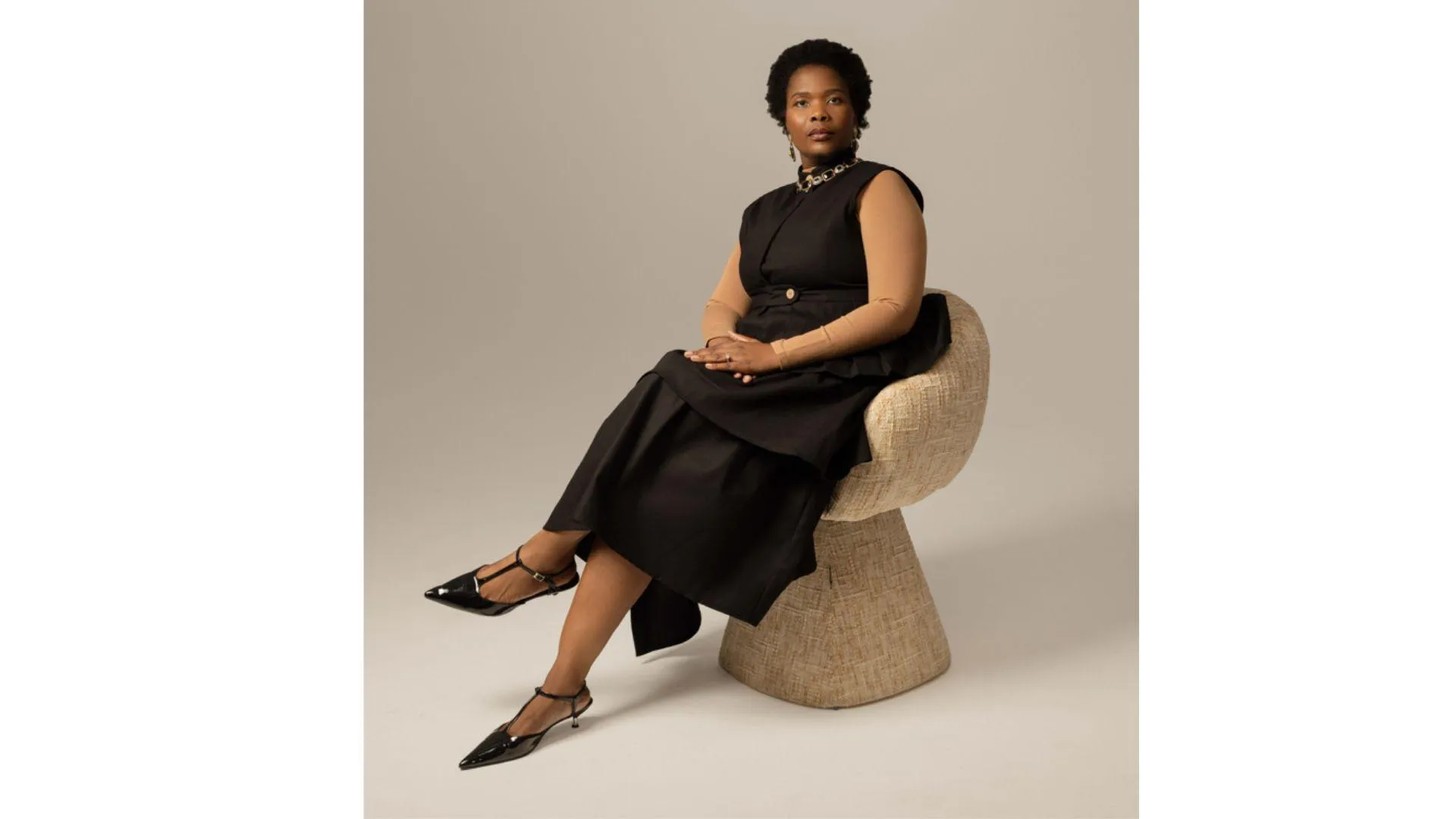
Similarly personal is the story behind Nativechild, founded by Sonto Pooe after childhood hair damage inspired her to rethink beauty products designed specifically for textured hair.
What started with a single castor oil product mixed in her kitchen has evolved into one of South Africa's best-known Black-owned natural haircare brands, stocked by major retailers and expanding into international markets.
At a time when chemical hair treatments dominated store shelves, Nativechild embraced natural hair long before it became mainstream, helping reshape conversations around beauty, identity, and self-confidence.
Turning adversity into innovation
Several finalists transformed personal setbacks into thriving businesses.
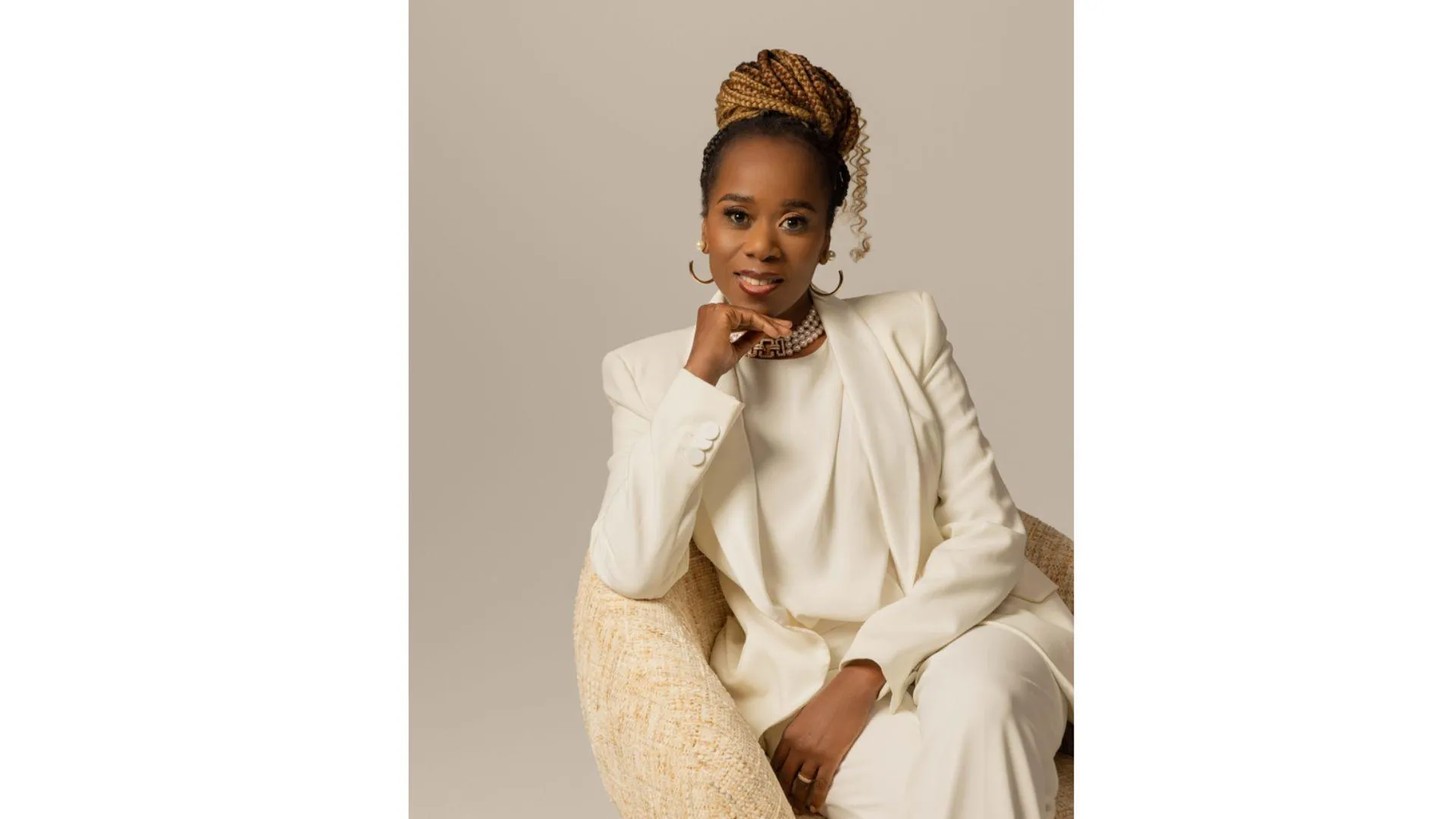
After suffering a stroke before university, Xolile Mabuza found inspiration in an unlikely place: a discarded rubber tube lying beside the road. That single piece of waste became the first product for Tendalo Trading, a sustainable accessories brand that now diverts around 1.2 million rubber tubes from landfill every month, transforming them into premium handcrafted bags and accessories.
Her work has since gained international attention, demonstrating that circular design can sit comfortably alongside luxury craftsmanship while creating meaningful environmental impact.
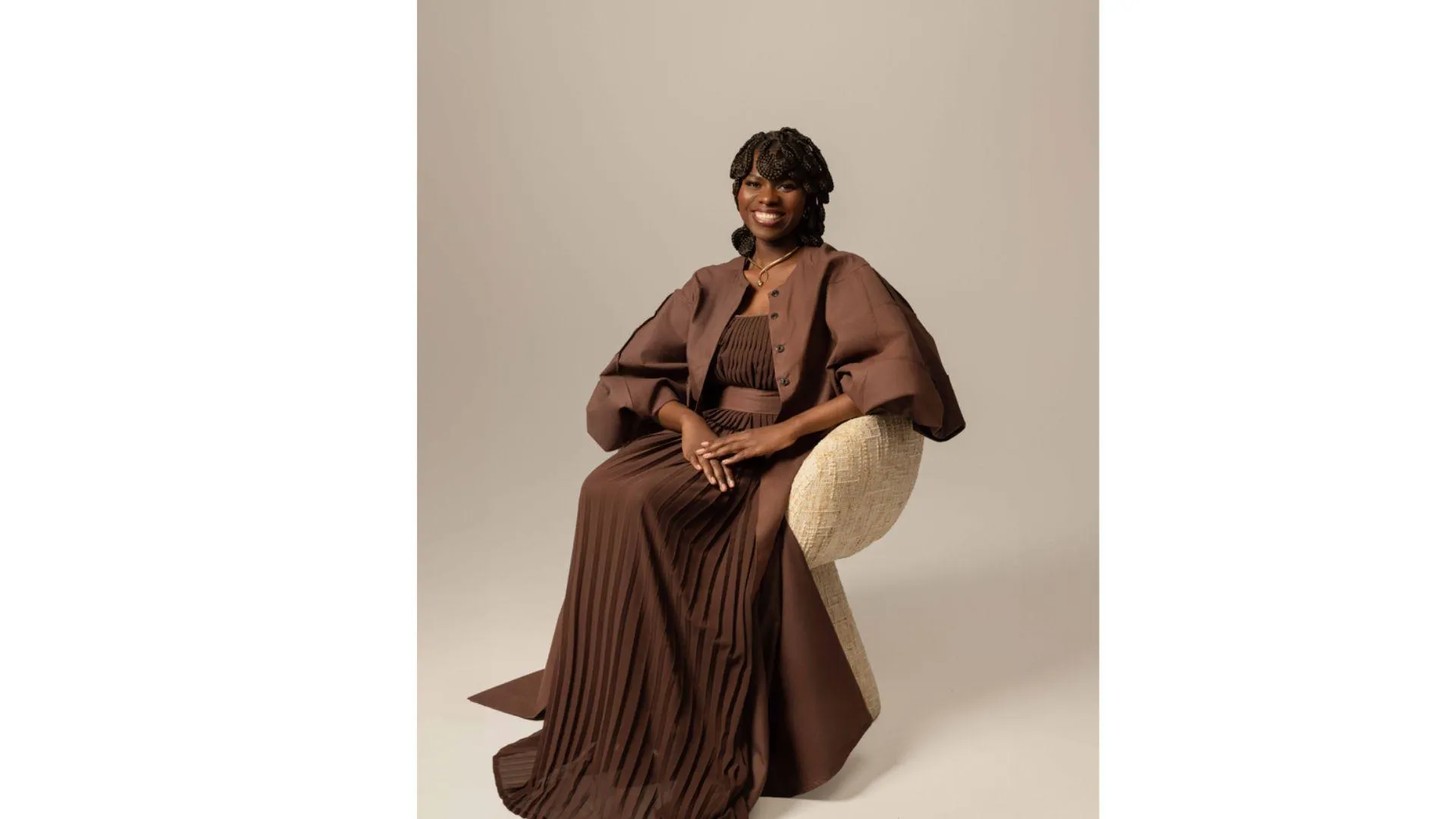
Education entrepreneur Tshaamano Mabuba also built her business from personal necessity. While navigating serious health challenges as a student, she used tutoring income to pay for medical treatment before eventually launching Buddy Learning.
Today, its flagship platform, BuddyAI, delivers multilingual AI-powered tutoring through WhatsApp, helping learners access educational support regardless of where they live or how much data they can afford.
Having already supported more than 10,000 families, the platform reflects a growing movement towards technology designed for accessibility rather than exclusivity.
Solving everyday challenges
The finalists in the Bold Future Award category are equally focused on practical solutions with lasting social impact.
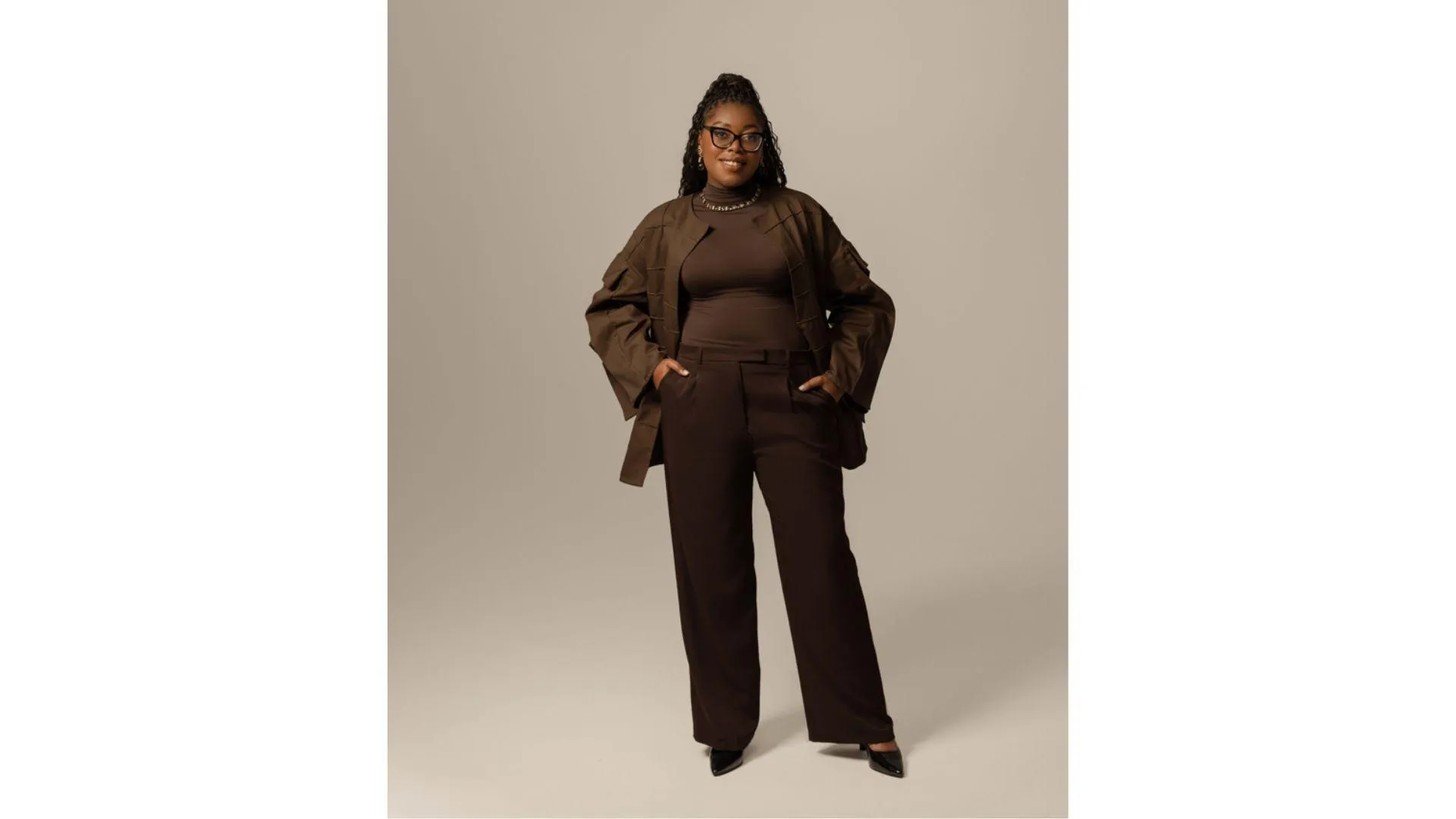
For Maambele Khosa, concerns around women's safety became the catalyst for SheCab, a women-led e-hailing platform that connects female passengers with female drivers while creating employment opportunities for women throughout its operations.
What began with WhatsApp bookings has grown into a transport platform built around trust, community and economic empowerment, proving that businesses addressing social issues can also create sustainable commercial value.
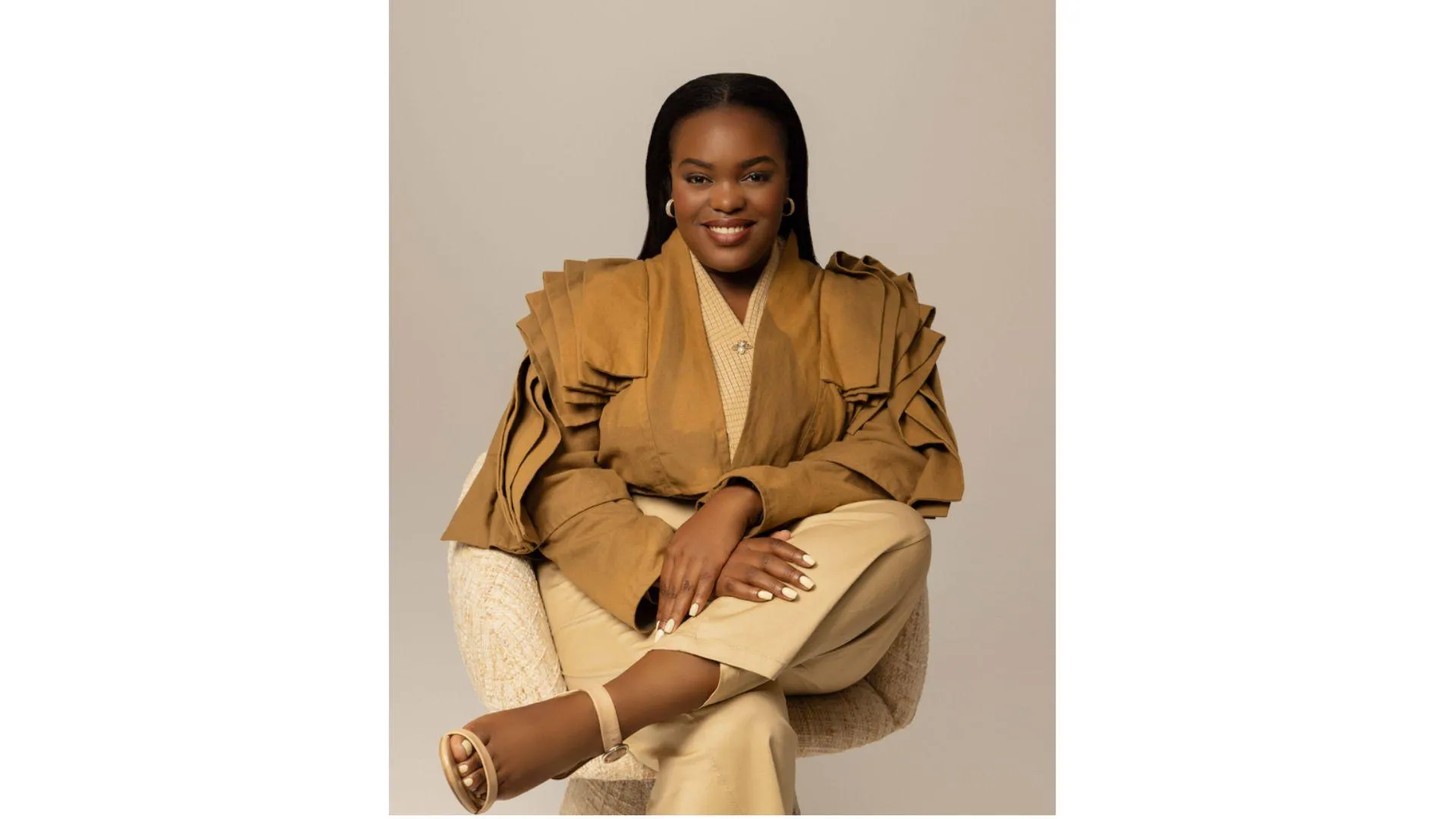
Meanwhile, Pretty Kubyane, co-founder of eFama App, is helping modernise agriculture through technology. By connecting farmers directly with buyers and using AI-driven insights to support production decisions, the platform is improving market access while making supply chains more efficient.
Her journey also highlights the persistence often required of women in technology.
Despite early scepticism from investors, Kubyane continued developing her technical expertise, earning dozens of professional certifications while building one of South Africa's emerging AgTech success stories.
A changing picture of entrepreneurship
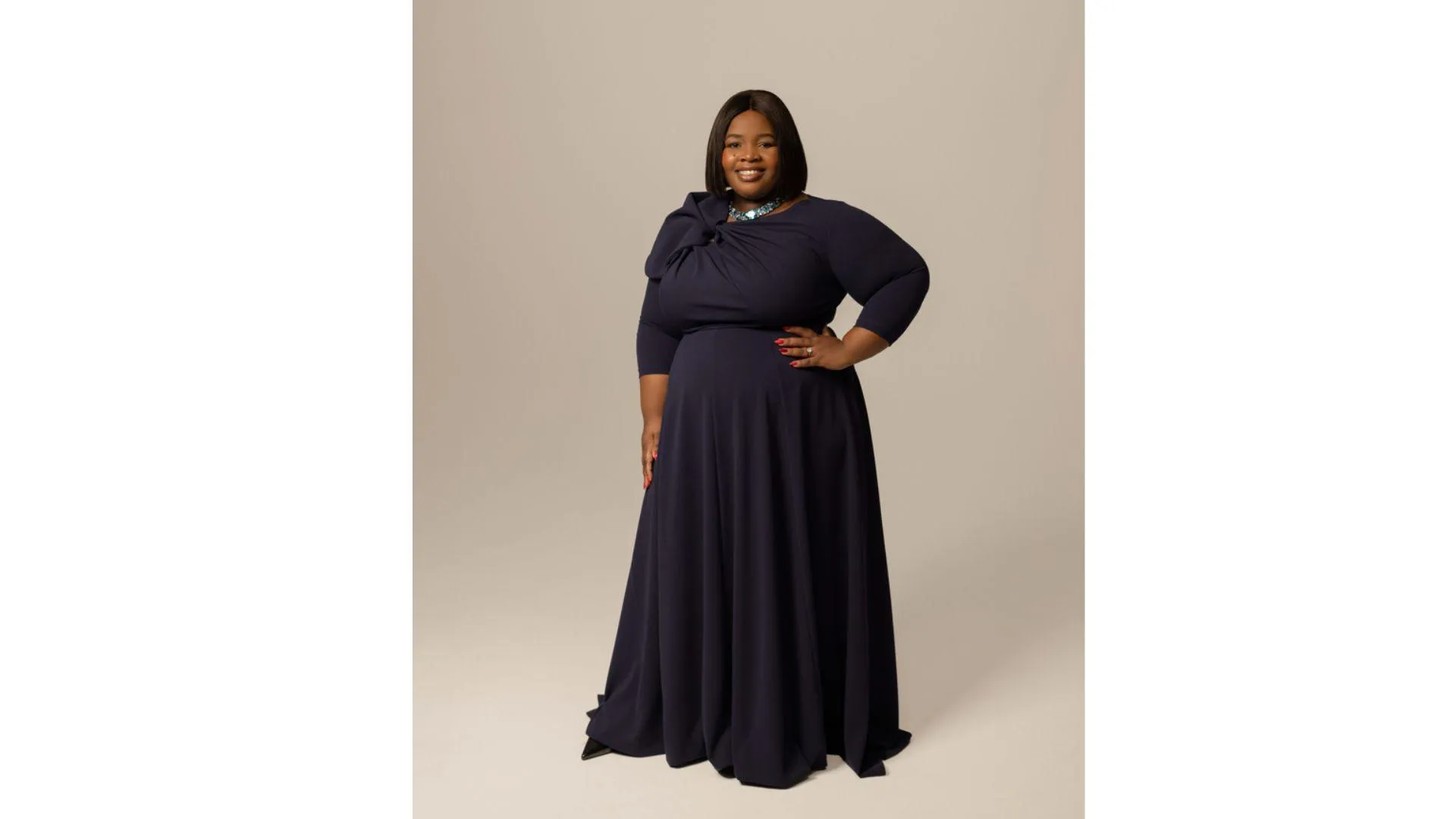
Together, this year's finalists reflect a broader shift in African entrepreneurship. Instead of chasing disruption for its own sake, these founders are addressing healthcare access, sustainability, education, agriculture, transport, and consumer products with businesses grounded in real experiences.
Their ventures are creating jobs, opening industries traditionally closed to women, and demonstrating that commercial success and social impact can exist side by side.
The winners of the 2026 Veuve Clicquot Bold Woman Award and Bold Future Award will be announced on 15 July 2026, joining an international network of entrepreneurs recognised for challenging convention and building businesses that create lasting change.
If this year's finalists are any indication, the future of South African entrepreneurship is increasingly female, purpose-driven and unapologetically bold.


