
Before African contemporary art became one of the most closely watched movements in the international art world, a generation of artists already challenged the way Africa was represented and understood.
These are some of the names who helped lay the groundwork for what came next.

El Anatsui – Ghana
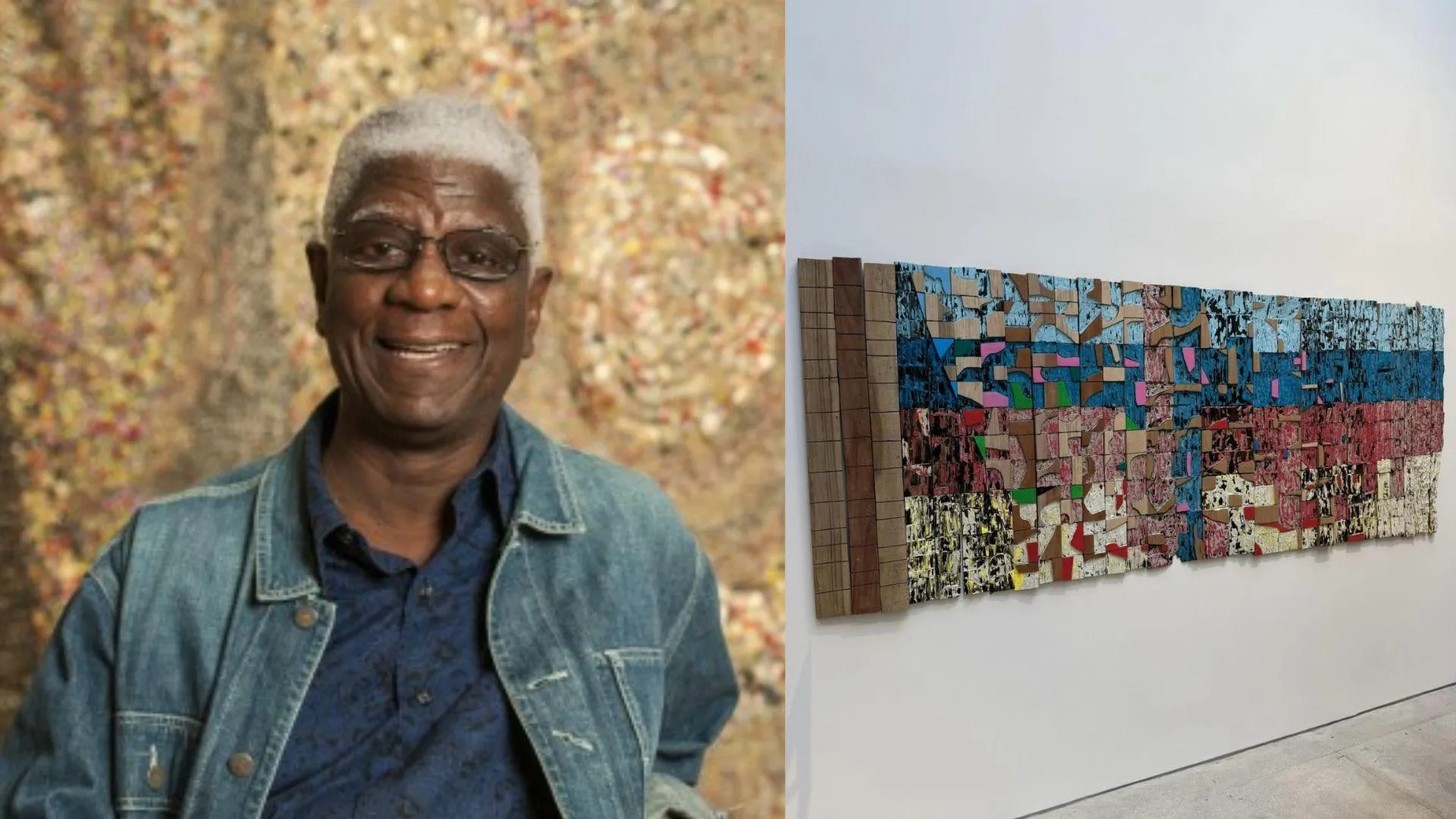
Ghanaian artist El Anatsui is celebrated for his monumental sculptural works, often made from discarded bottle caps and other reclaimed materials, that turn something associated with consumption and waste into objects of scale and beauty.
However, the power of Anatsui's work lies in more than its material transformation. His sculptures speak to trade, movement, consumption, history, and the complicated routes through which materials and people travel.
They also resist being pinned down geographically: work that can carry Ghanaian histories while speaking to a global audience.
Anatsui helped prove that African artists could be firmly situated within the broader history of contemporary art without having to abandon the materials or visual references closest to home.
William Kentridge – South Africa
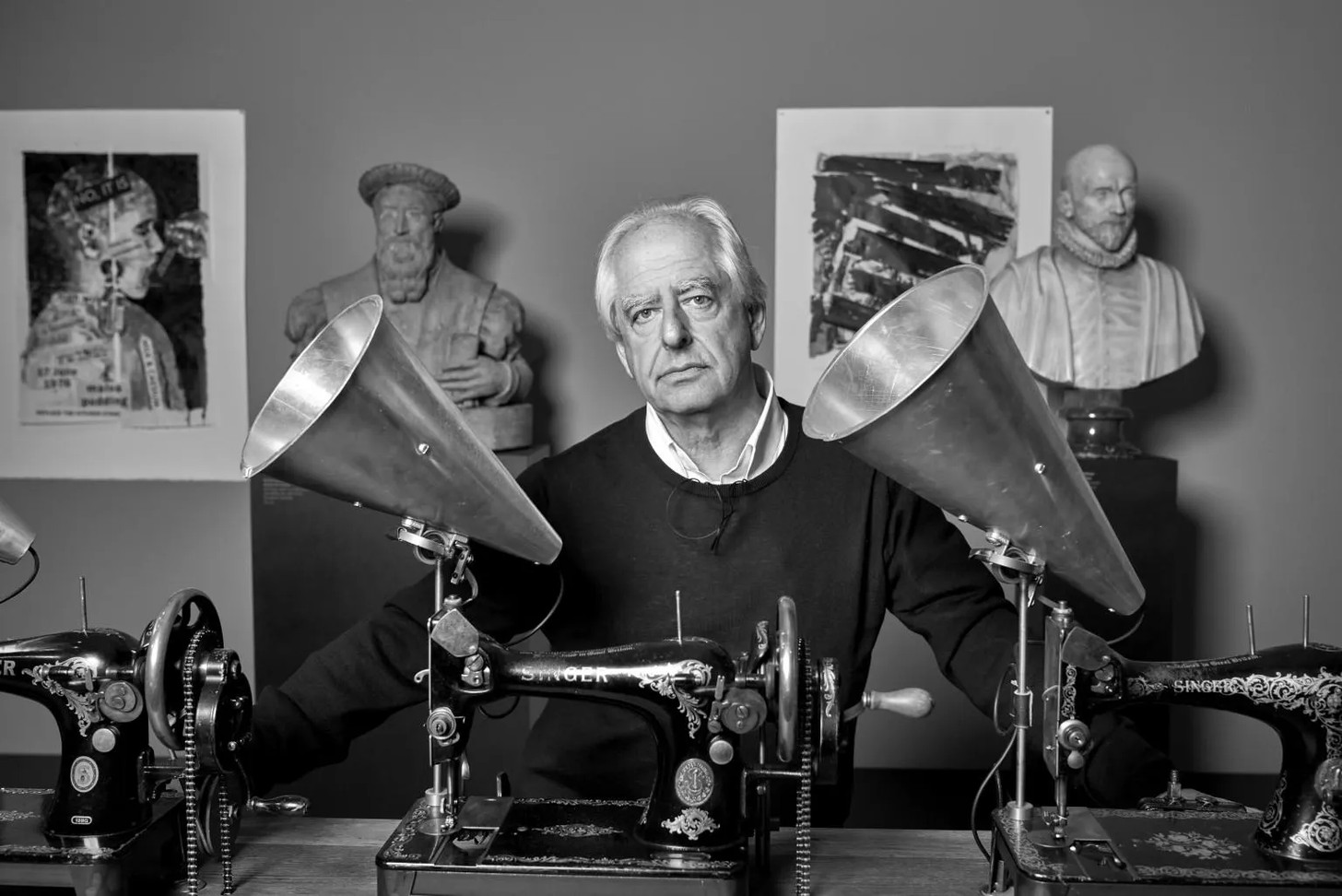
William Kentridge's work begins with drawing, but rarely ends there. Born in Johannesburg in 1955, the artist, filmmaker, and theatre-maker moves between charcoal, animation, printmaking, sculpture, opera and performance, often engaging with South Africa's complicated political history.
His signature animations are made by repeatedly drawing, erasing, and redrawing charcoal images, leaving traces of what came before.
That visible process gives his films a haunting sense of memory and change – and has made Kentridge one of South Africa's most internationally recognised artists.
Yinka Shonibare – Nigeria / United Kingdom
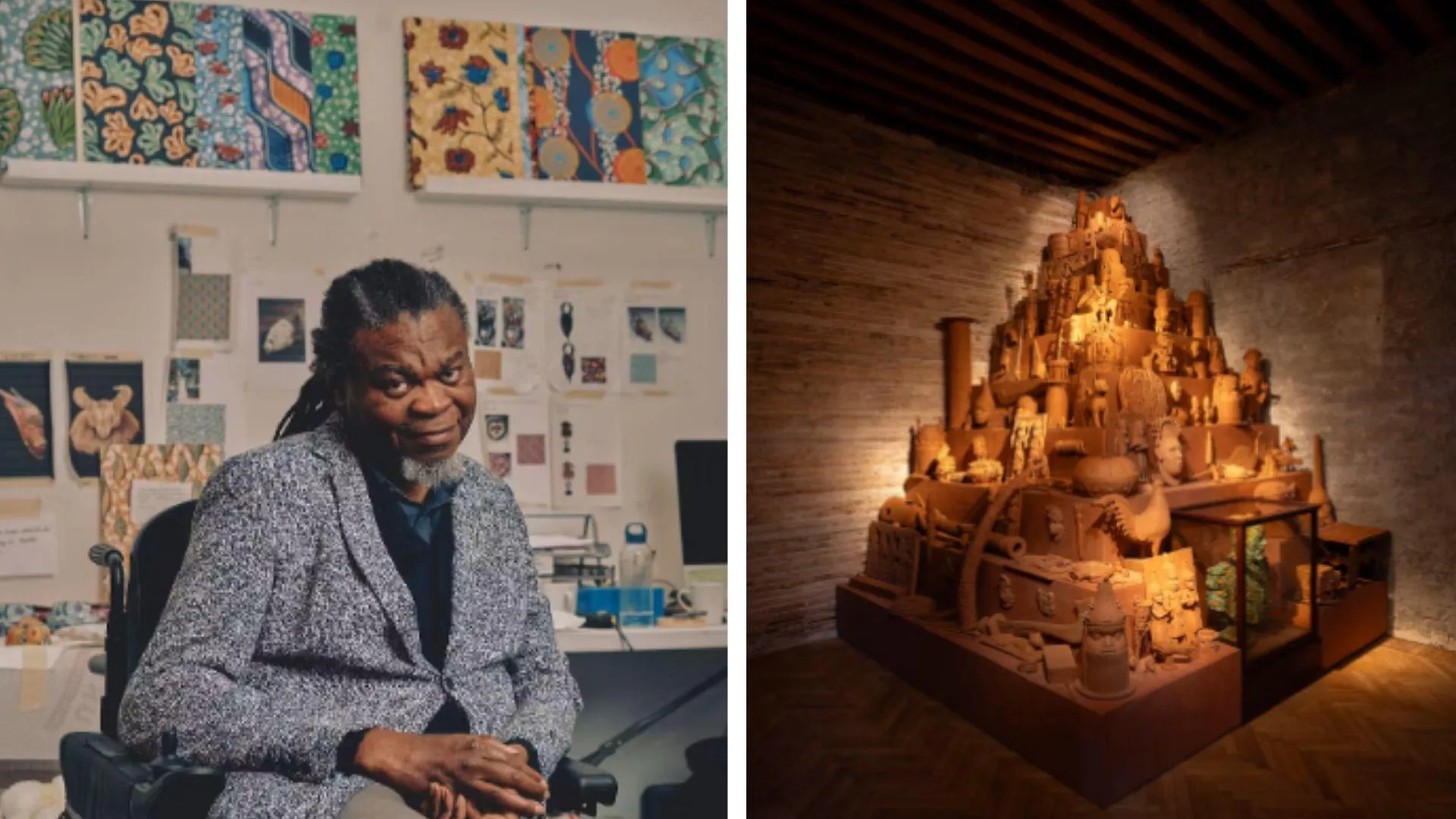
Born in London to Nigerian parents and raised partly in Lagos, Yinka Shonibare uses sculpture, photography, film, and installation to explore identity, empire and cultural exchange. His best-known works feature brightly patterned Dutch wax textiles – fabrics often read as quintessentially African, despite their complex European manufacturing and colonial history.
His headless figures, frequently dressed in elaborate Victorian clothing, place these fabrics within European historical scenes, creating a witty but pointed commentary on race, class, power, and the legacy of empire.
His work is held by major collections including Tate and MoMA.
Njideka Akunyili Crosby – Nigeria / United States
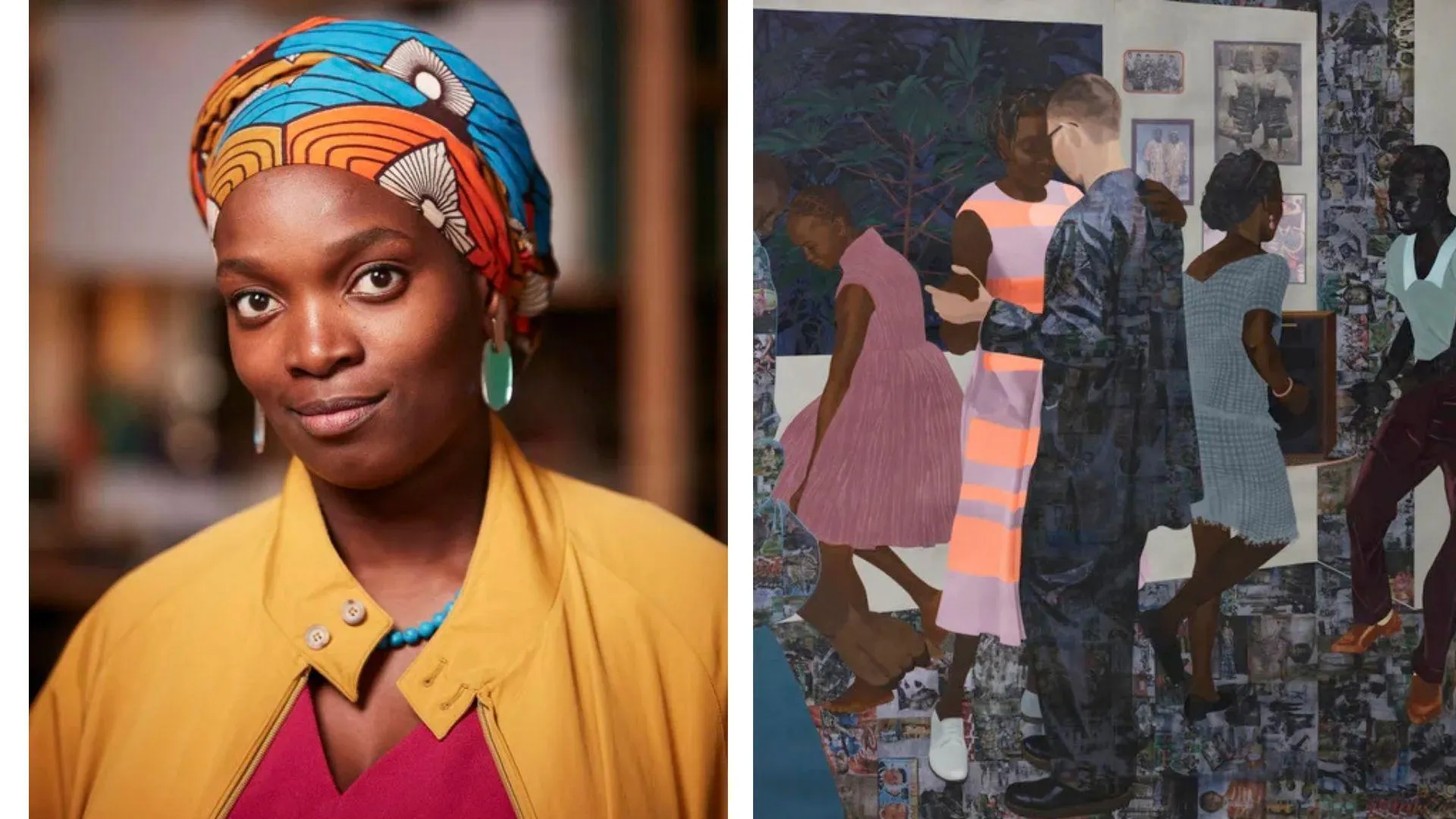
Njideka Akunyili Crosby paints the experience of having more than one home. Born in Nigeria in 1983 and based in Los Angeles, she creates intimate domestic scenes using acrylic, coloured pencil, collage, and photographic transfers. Family photographs, Nigerian imagery, advertisements, and popular culture are layered into rooms that initially come across as calm but reveal more the longer you look.
Her designs explore migration, marriage, memory and cultural fusion, reflecting the space between Nigerian and American life. Crosby's work has become a defining example of how contemporary painting can make a private experience feel expansive and politically resonant.
Hassan Hajjaj – Morocco / United Kingdom
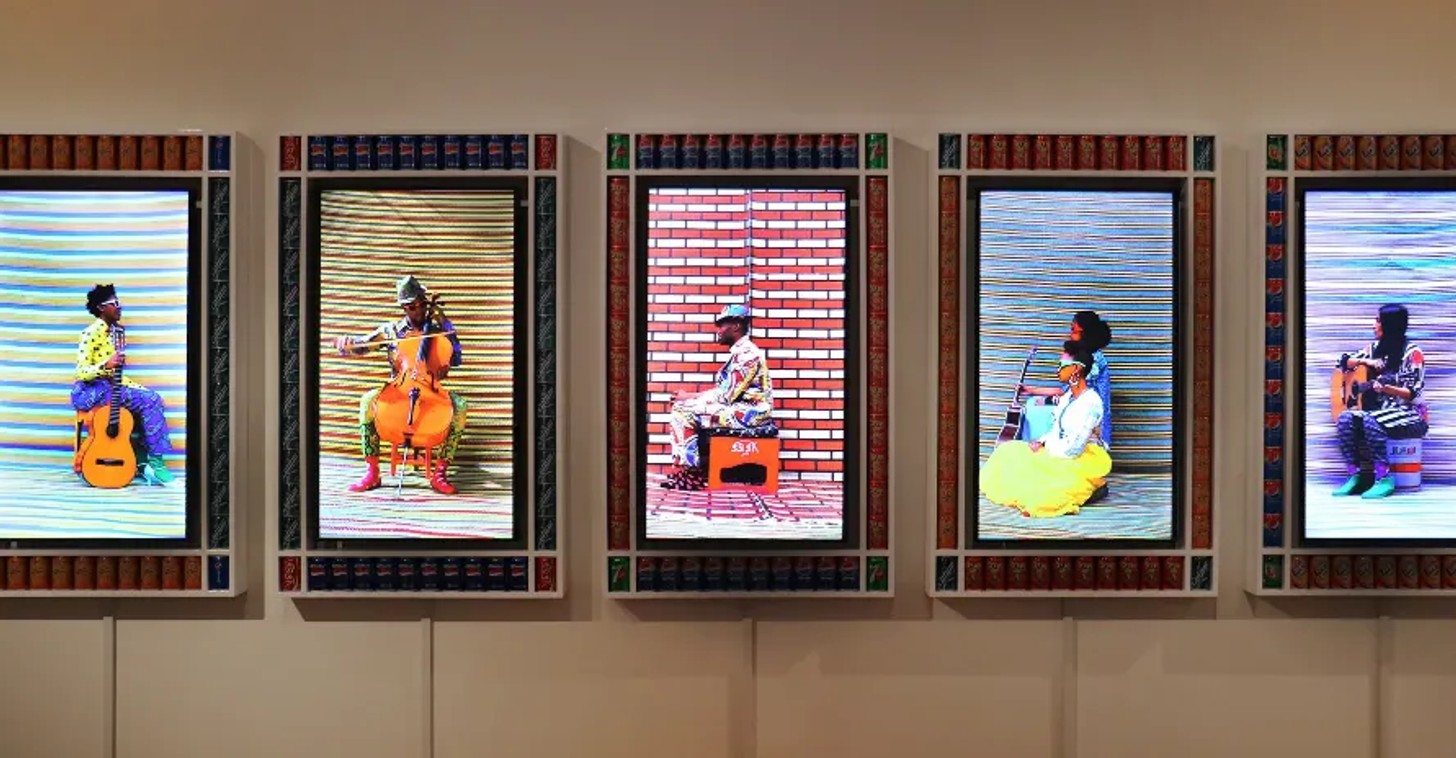
Hassan Hajjaj brings fashion, photography, street culture and Moroccan visual traditions into one gloriously saturated universe. Born in Morocco in 1961 and raised partly in London, the Moroccan-British artist creates portraits filled with vivid colour, patterned backdrops, and frames made from everyday consumer objects.
Drawing on Moroccan aesthetics, pop art, hip-hop and the traditions of African studio photography, Hajjaj turns commercial imagery into something more playful and cultural. His work celebrates overlooked subjects, while questioning clichés about Moroccan and African identity.
Barthélémy Toguo – Cameroon
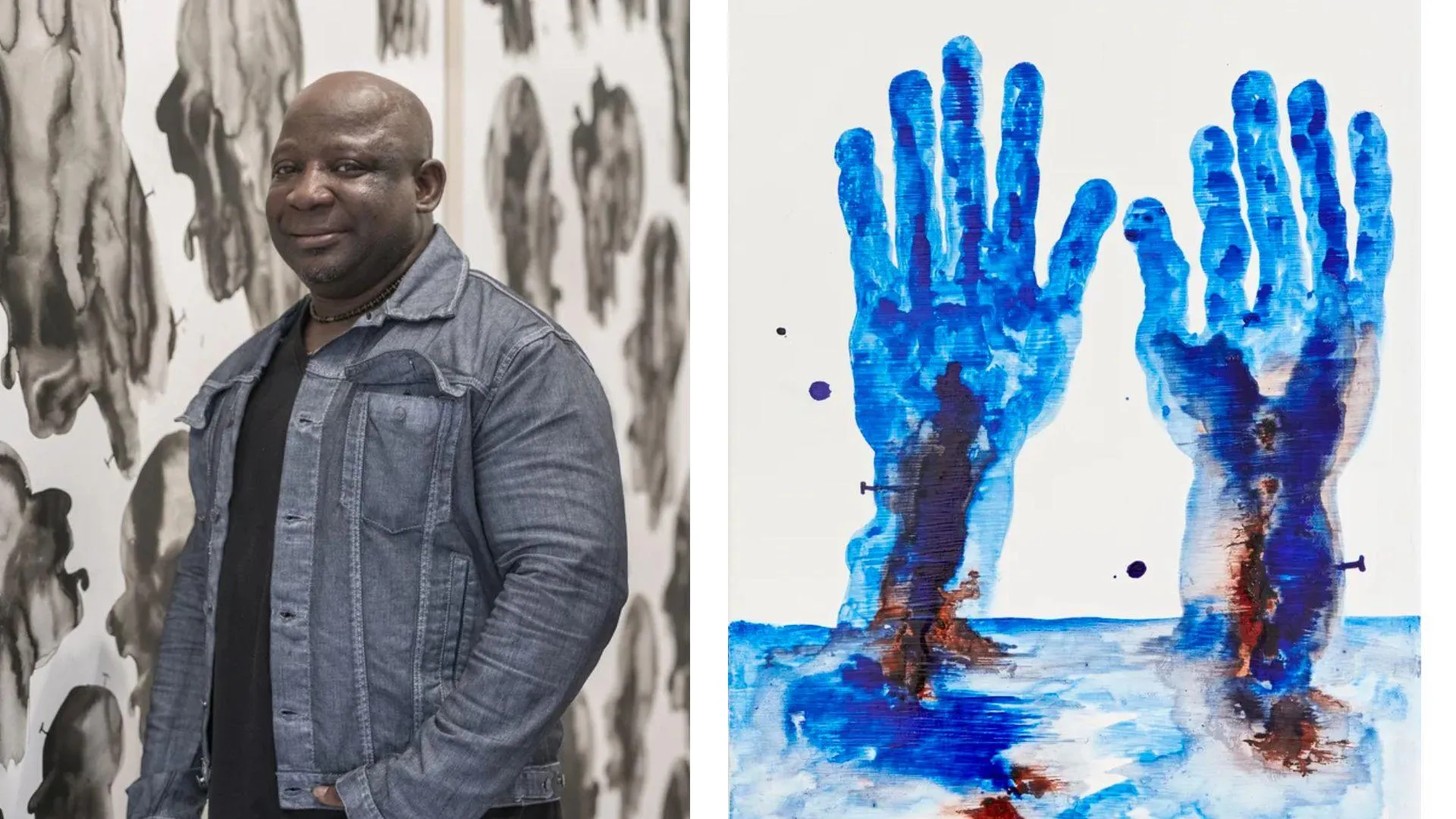
Cameroonian artist Barthélémy Toguo works across painting, drawing, sculpture, photography, video, installation and performance, often addressing migration, borders, displacement, and identity. Born in 1967, he lives and works in Paris but maintains strong ties to Cameroon, where he founded Bandjoun Station, a cultural centre and residency for artists and researchers.
Passports, stamps and other symbols of movement recur throughout his work, turning bureaucracy and borders into visual subjects. Bandjoun Station is also important to his legacy, creating a space for African and international art to meet without the usual hierarchies.
Zanele Muholi – South Africa
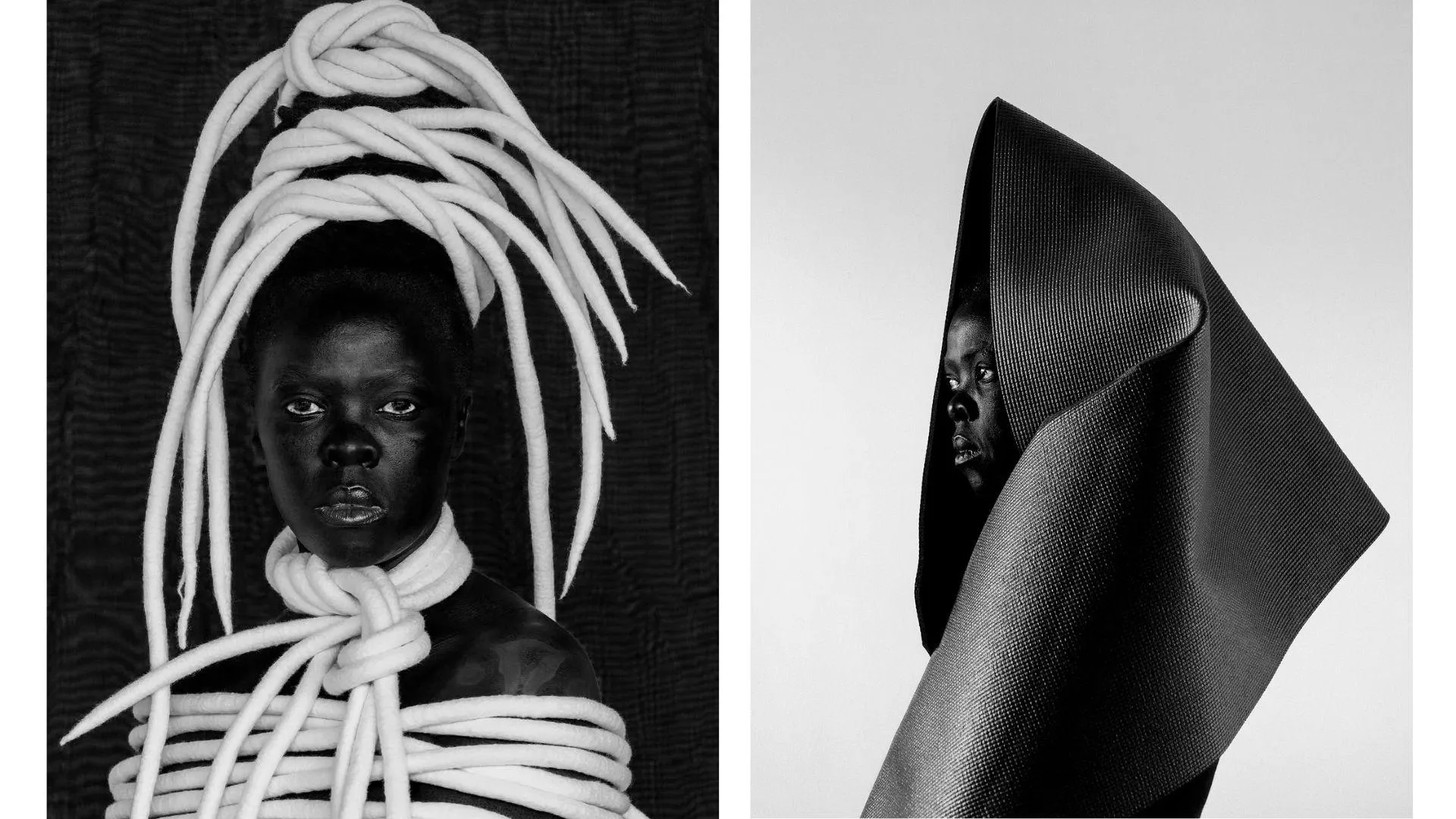
Zanele Muholi describes their practice as visual activism. Born in Durban in 1972, the renowned artist has spent much of their career documenting Black LGBTQIA+ communities, most notably through the ongoing Faces and Phases series, which began in 2006. The portraits are intimate and dignified, creating an important visual archive of people whose stories have often been marginalised.
In Somnyama Ngonyama, Muholi turns the camera on self, using dramatic black-and-white portraits, costumes and found objects to explore race, gender, labour, beauty, and representation.
The work is both visually striking and deeply political.
Ibrahim El-Salahi – Sudan
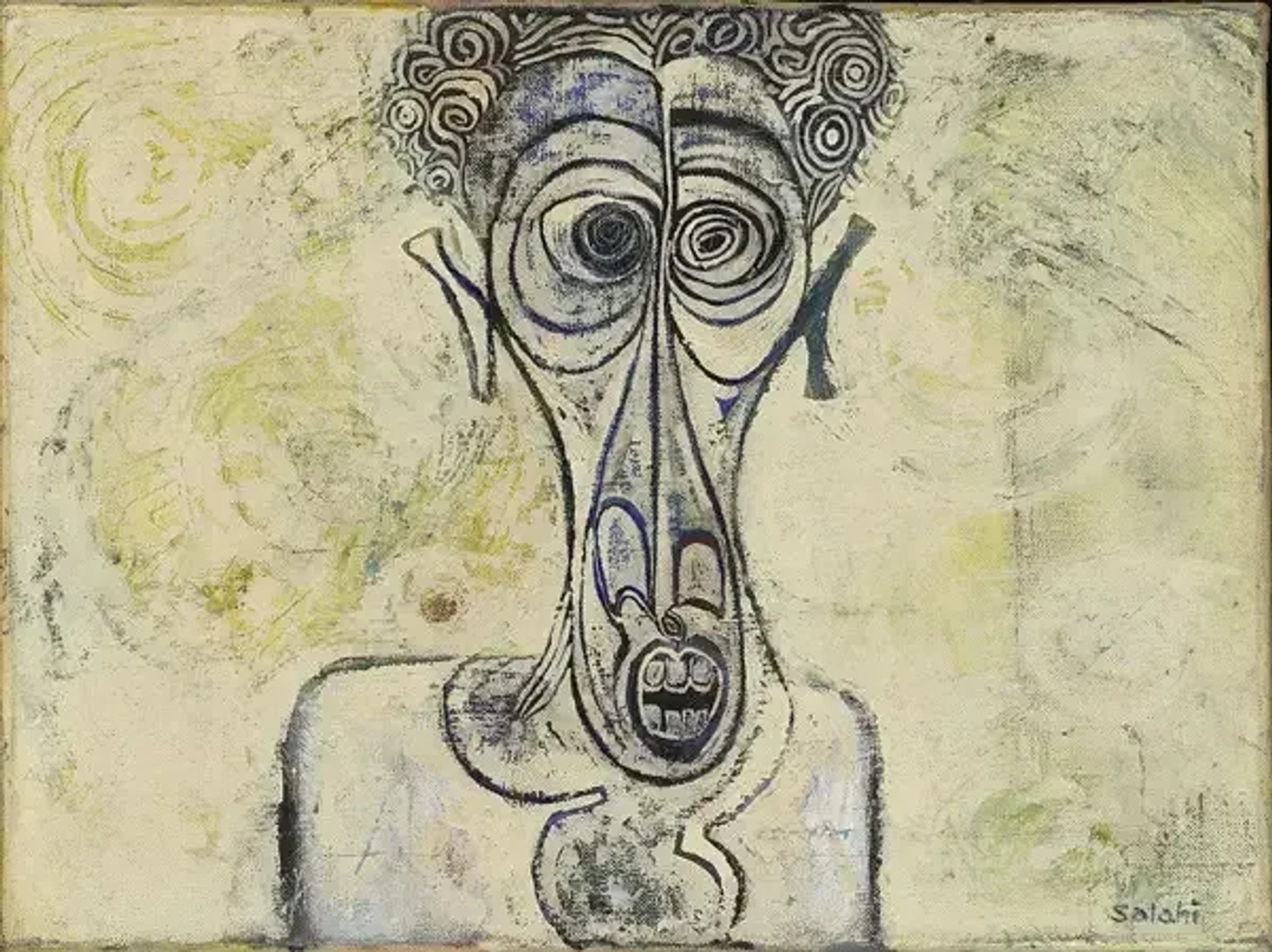
Sudanese artist Ibrahim El-Salahi is one of the essential figures in the story of African modernism. His work brought together elements of Arabic calligraphy, Islamic visual culture, Sudanese traditions and European modernism, creating a language that was neither a rejection of modernism nor an imitation of it.
El-Salahi demonstrated that modern African art could emerge from multiple visual traditions at once.
His work became an important chapter in the development of Sudanese and African modernism, and his retrospective at Tate Modern was the institution's first solo exhibition dedicated to an African artist.
His legacy is particularly relevant to today's artists, many of whom refuse to choose between inherited traditions and contemporary global influences.
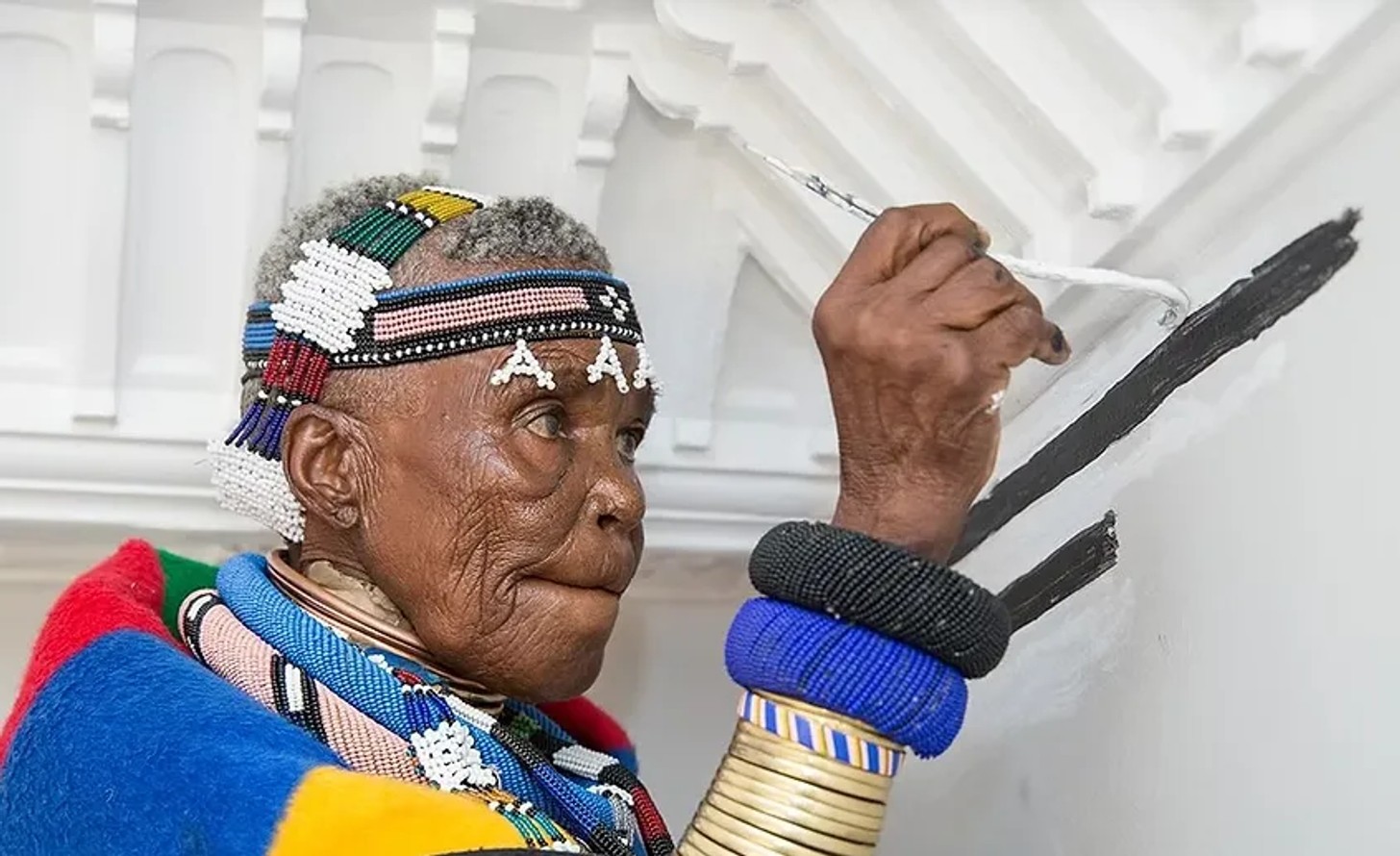
Dr. Esther Mahlangu – South Africa
Dr. Esther Mahlangu has spent decades proving that traditional visual language can be both rooted and radically contemporary.
Her instantly recognisable geometric paintings draw from the Ndebele artistic tradition, but Mahlangu has taken that language far beyond its original architectural context – into museums, galleries, public installations, and collaborations with international brands.
Her significance is not just that she brought Ndebele visual culture to a global stage. It is that she did so while maintaining the integrity of the language itself.
Dr. Mahlangu's career offers an important lesson for the generations that have followed: heritage does not have to be preserved behind glass. It can move, evolve, and occupy new spaces.
Together, these artists show just how expansive contemporary African art has become.
Their practices move between continents, mediums and histories, proving that there is no single way to make – or understand – African art today.


