
African contemporary art has been shaped by generations of artists who challenged conventions and expanded how the continent’s stories could be told. Building on that history, these are some of the modern practitioners exploring new possibilities across painting, sculpture, photography, and mixed media.
Their work reflects an artistic landscape that continues to evolve through individual perspectives, material experimentation, and diverse creative practices.

Lulama Wolf: Between Abstraction and Figuration
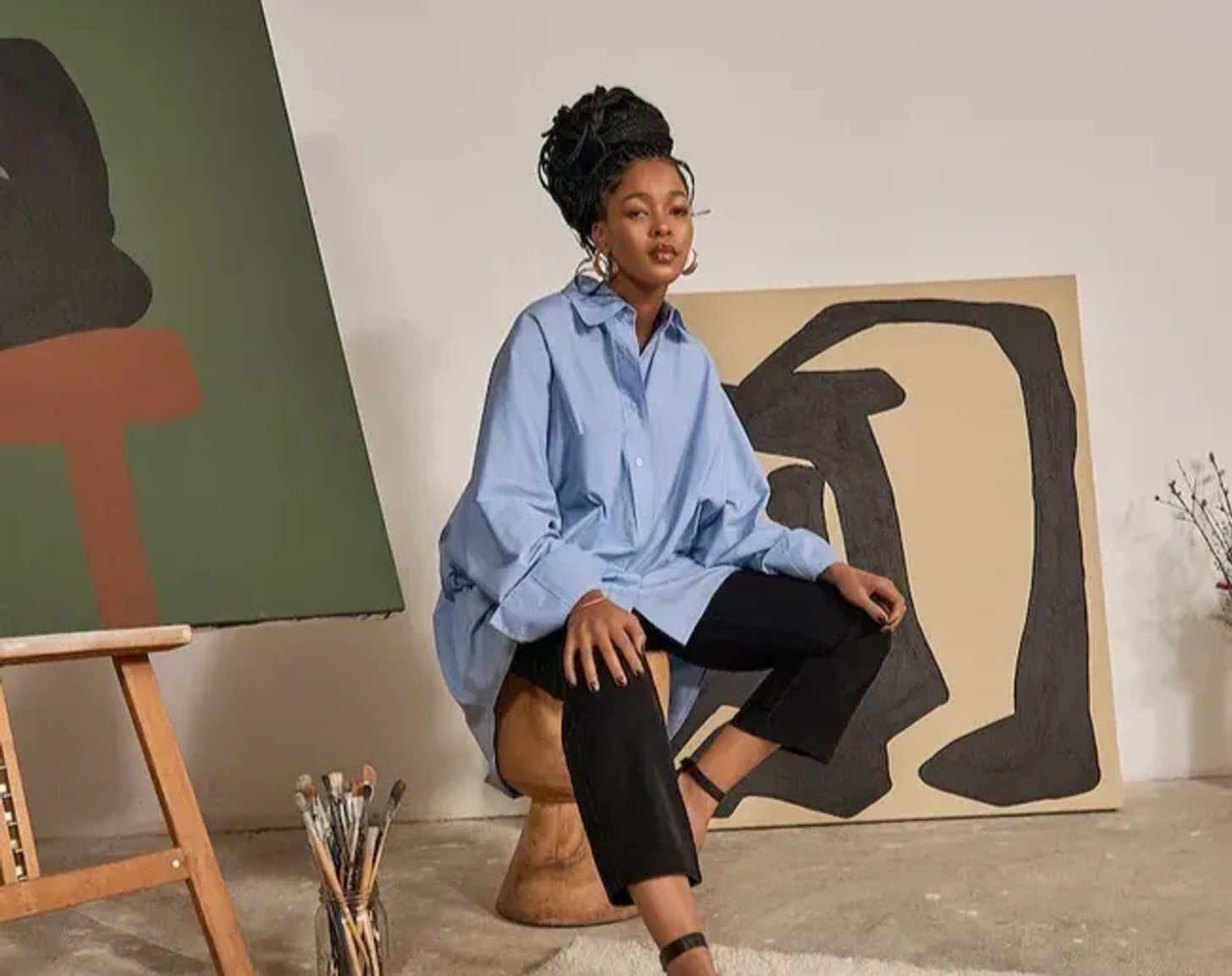
South African artist Lulama Wolf explores the space between abstraction and figuration, creating paintings that draw on spirituality, African visual traditions, and vernacular architecture. Her expressive approach combines colour and recognisable forms to create compositions that resist straightforward interpretation.
Wolf’s practice also reflects an interest in the relationship between the individual, the environment, and the ideas that shape how people understand the world around them. So instead of relying on literal representation, she allows visual elements to carry meaning, giving her work an introspective quality.
Ange Dakouo: Woven Stories of Memory and Protection
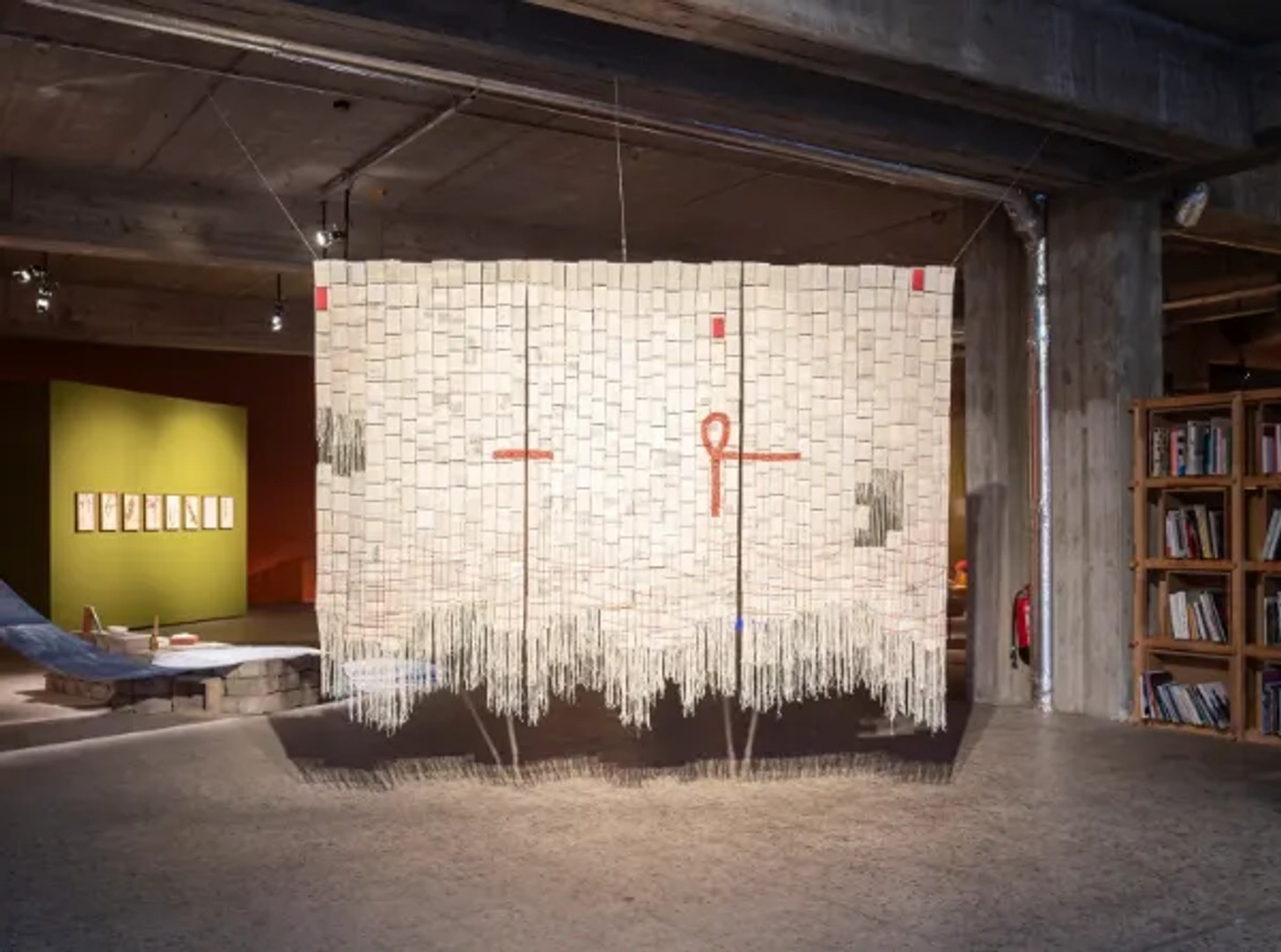
Malian artist Ange Dakouo transforms discarded newspapers into intricate, skillful work that draws on traditional forms of protection and collective memory. His signature technique, known as woven gris-gris, involves folding newspaper into small cardboard forms and binding them with cotton thread to create large-scale compositions that resemble textiles.
The choice of newspaper also carries a personal significance: Dakouo’s father was a printer, and the material offers a way to reflect on the circulation of stories, the passage of time, and the fragility of human experience.
Jozua Gerrard: Painting Identity in a Digital Age
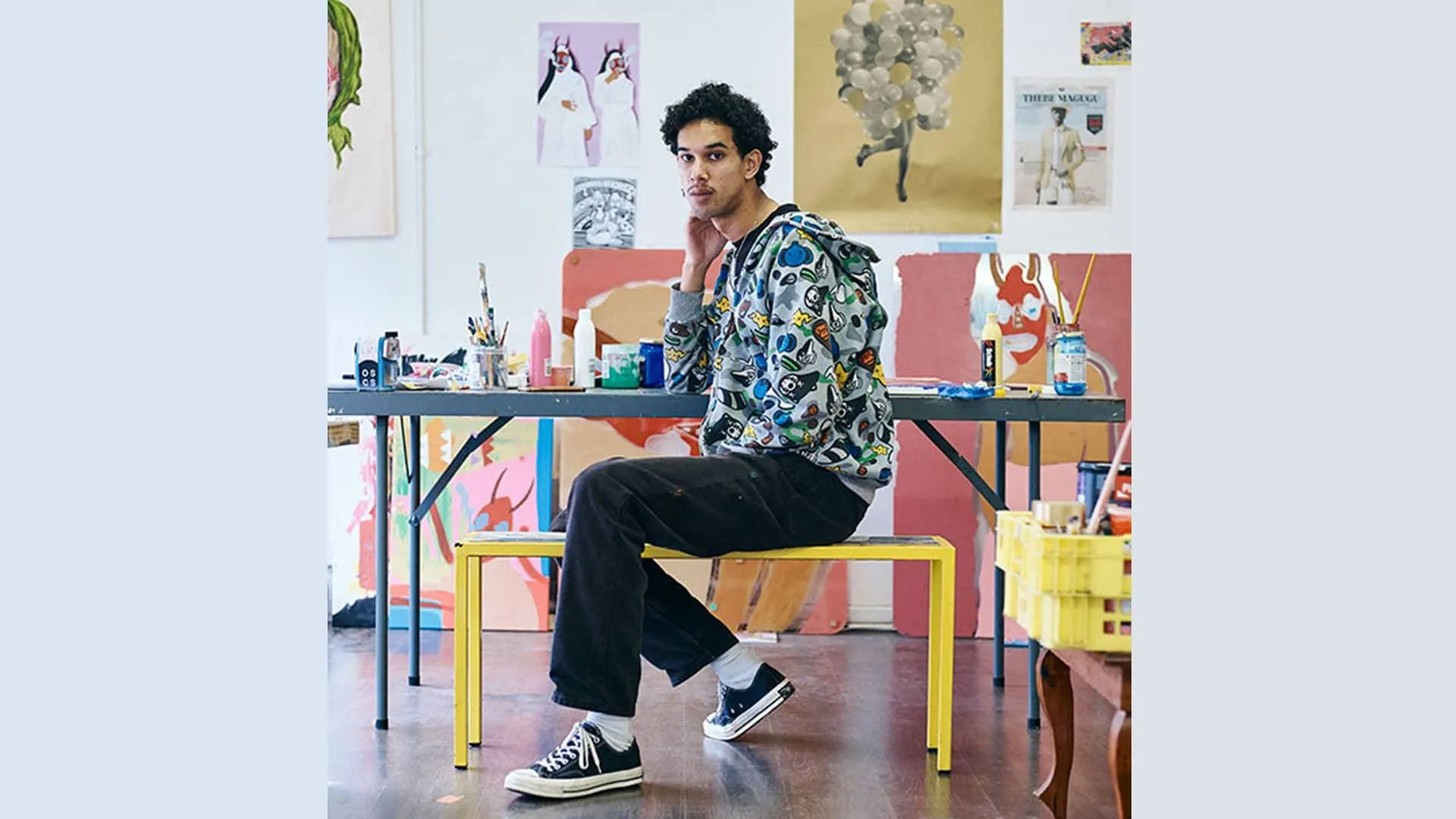
South African artist Jozua Gerrard explores the contradictions of contemporary youth culture through figurative paintings that combine vivid colour with a sense of unease. Born in Cape Town in 2001, Gerrard often draws on everyday encounters and personal experience, creating what he describes as “little windows into people’s existence”. His paintings are made using enamel paint beneath glass, a smooth surface that recalls the screens through which so much contemporary life is viewed and performed.
A recurring theme in Gerrard’s work is a bright, horned mask, which allows his figures to conceal or complicate their identities. Across his paintings, figures can appear vulnerable, intimate or difficult to read, reflecting the tensions around self-presentation, belonging, and identity in a world that is shaped by digital visibility.
Gerrard’s work draws its energy from these contrasts: the polish of the surface against the uncertainty of the subjects, and the ordinary against the surreal.
Bonolo Kavula: The Intricate Possibilities of Textiles
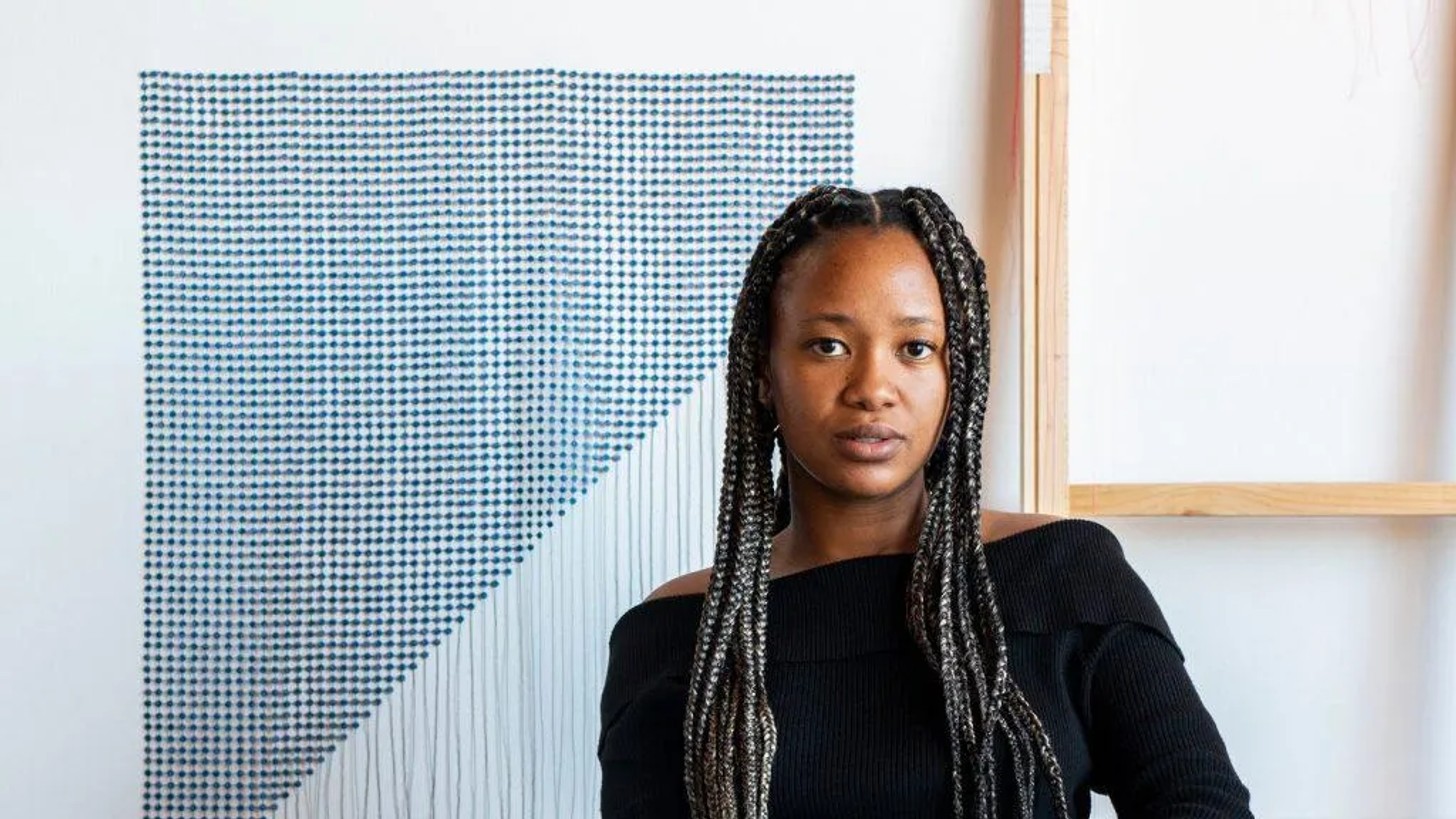
South African artist Bonolo Kavula explores the possibilities of printmaking, textiles, and sculpture through her use of thread and punched Shweshwe fabric. By arranging repeated circular forms and connecting them with individual threads, she creates compositions that consider pattern, material, and the spaces between shapes.
Her practice brings together elements associated with different artistic disciplines, challenging conventional distinctions between printmaking, textile work, and fine art. Kavula has also connected her use of Shweshwe fabric to personal and family memories, placing her material choices within a broader context of lived experience.
Roméo Mivekannin: Revisiting Art History
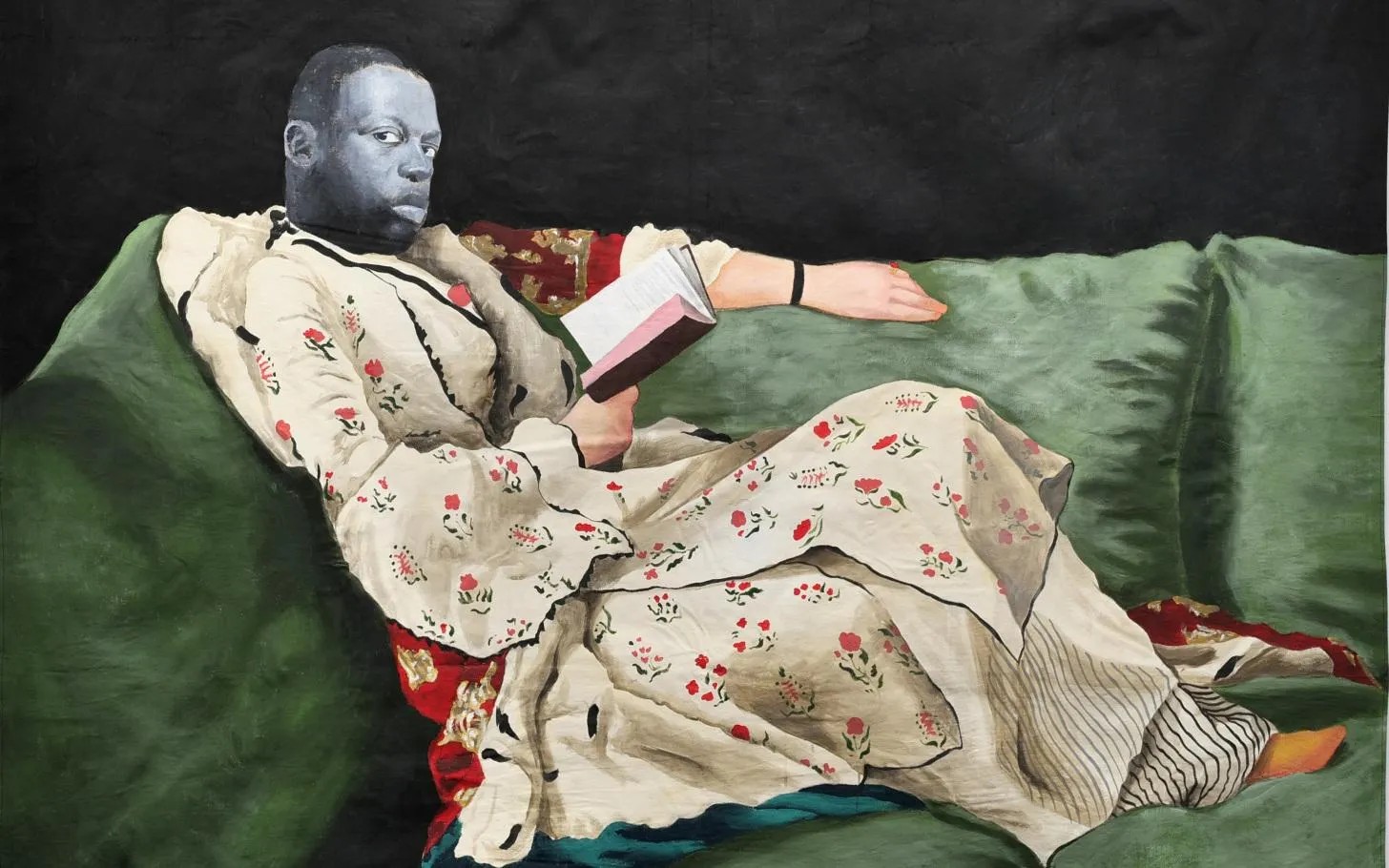
Born in Côte d’Ivoire, Beninese artist Roméo Mivekannin works across painting, sculpture, and installation. His work draws on historical imagery, cultural memory and Vodun cosmology, bringing together different visual and cultural references.
Mivekannin is an artist who is especially interested in the representation of Black subjects within historical European painting. By reworking established compositions, he questions the perspectives through which these images were created and the stories they continue to carry.
Xanthe Somers: Ceramics With a Subversive Edge
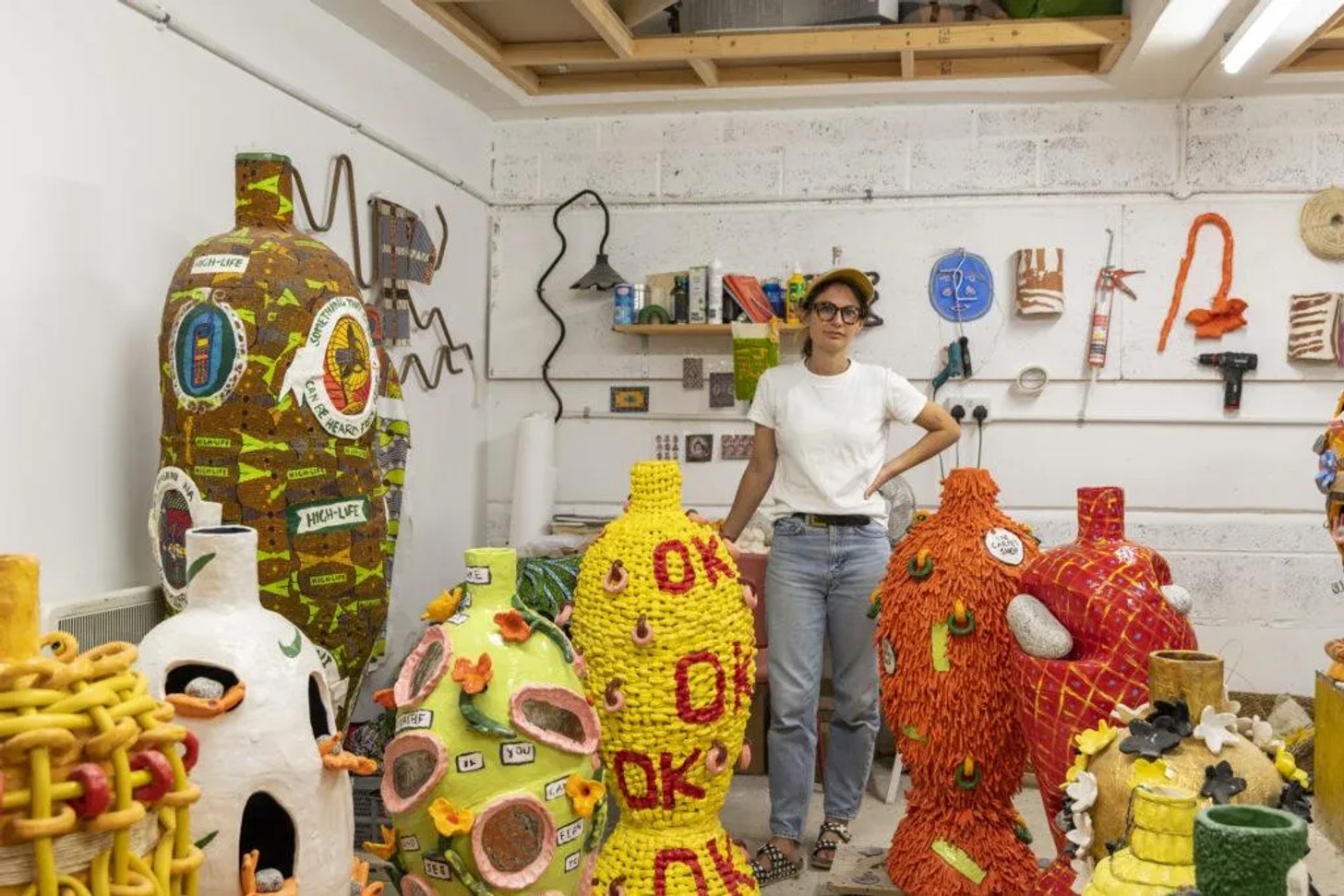
Zimbabwean-born, Cape Town-based artist Xanthe Somers is known for her sculptural ceramic works, which combine hand-coiling techniques with complex forms and unexpected details. Her practice includes materials and references that go beyond conventional ideas of what a ceramic vessel should be.
The tension between visual appeal and critical commentary is central to her practice. By moving ceramics beyond just functional or decorative expectations, Somers demonstrates the medium’s capacity to engage with contemporary social and environmental questions.
Mary Sibande: The Many Lives of Sophie
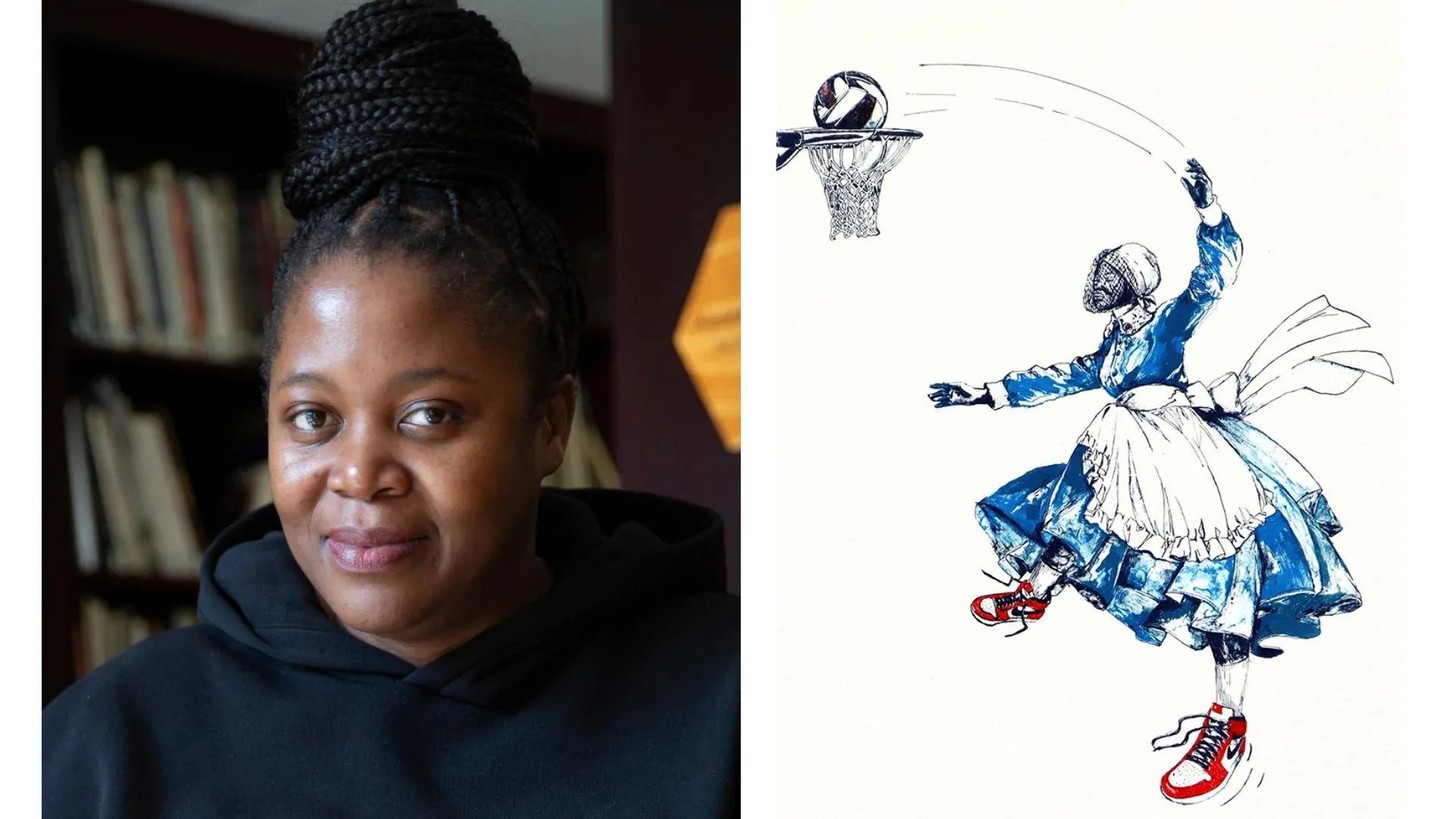
South African artist Mary Sibande explores race, gender, labour, and the legacies of apartheid through sculpture, photography, and installation. A recurring figure in her practice is Sophie, a fictional character informed by the experiences of Black South African women who worked as domestic workers, including women in Sibande’s own family.
Through elaborate costumes, poses and imagined scenarios, Sibande places Sophie in situations that challenge the roles historically assigned to Black women. The character evolves across different bodies of work, allowing the artist to examine questions of power, aspiration, and transformation.
Clothing plays an important role in these works, functioning as more than just a visual aspect. Costumes help establish Sophie’s changing identities and the worlds she lives in, giving Sibande a unique way to explore history through character, performance, and sculpture.
Sungi Mlengeya: The Power of Negative Space
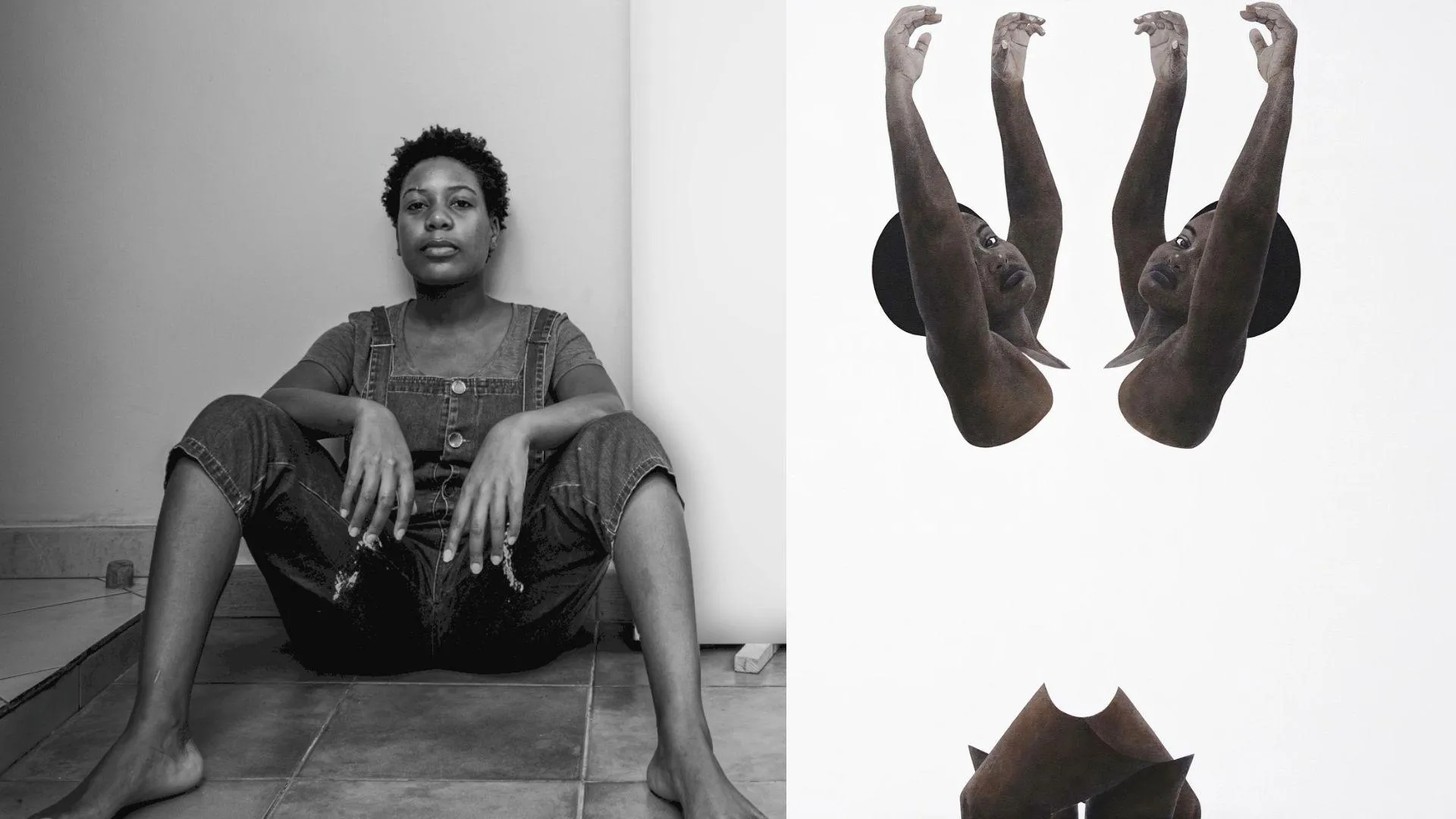
Tanzanian artist Sungi Mlengeya is known for minimalist paintings of Black women, often set against expansive white backgrounds. Working primarily with acrylic on canvas, she uses a restrained visual approach that places the figure at the centre of each composition.
With little background detail to distract from the subjects, Mlengeya draws attention to posture, movement, and the relationships between figures. The open space surrounding them becomes an important part of the work, giving the paintings a sense of clarity and stillness.
Mlengeya has connected her subjects to the women in her own life, bringing a personal dimension to her figurative practice. Her work demonstrates how a simple composition can create a distinctive visual presence without relying on elaborate narrative details.
Deborah Segun: Geometry Meets Figuration
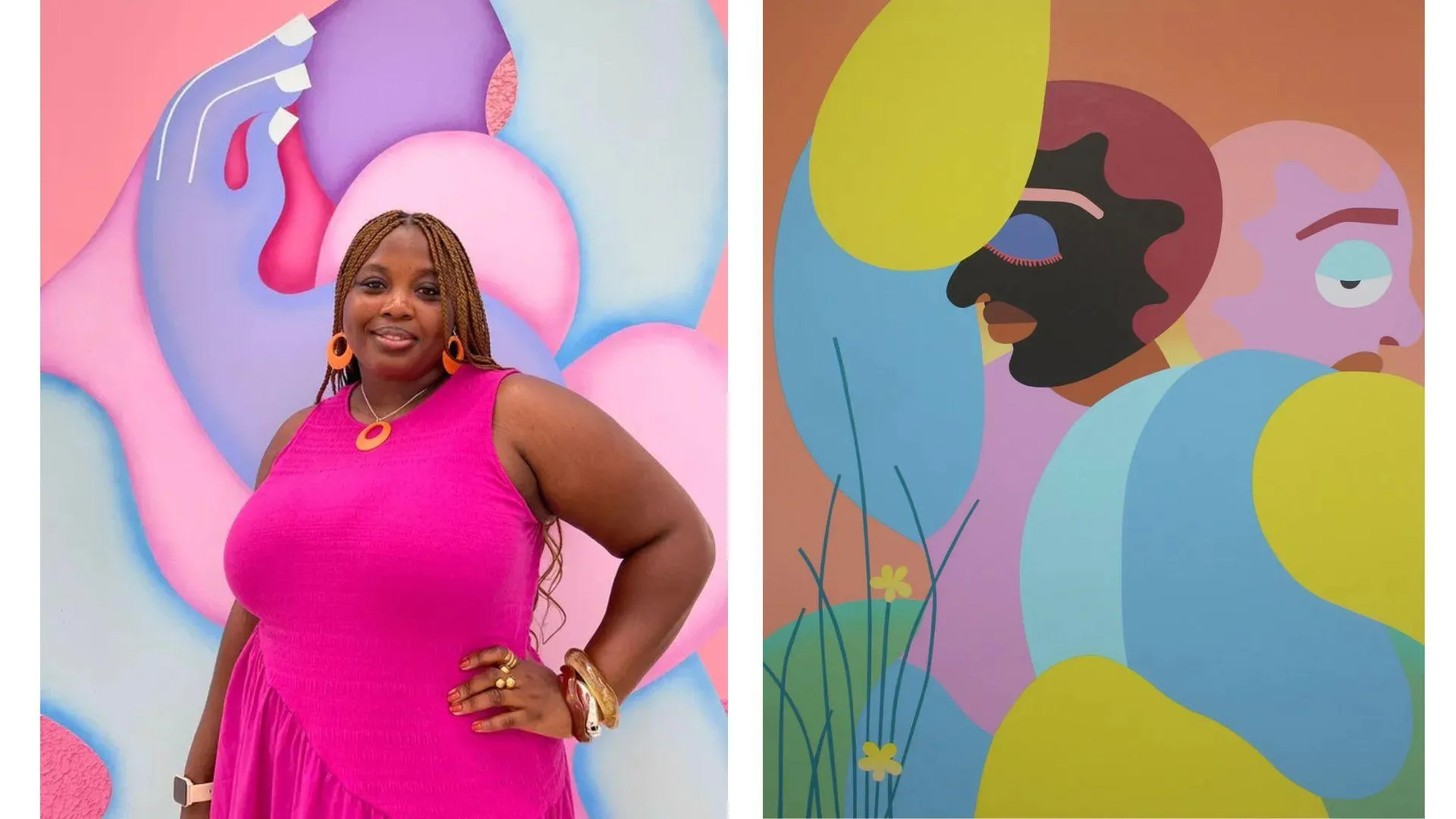
Nigerian multidisciplinary artist Deborah Segun combines figurative painting with elements of Cubism and abstraction. Her work uses simplified shapes, bold colour, and styled figures to construct projects that move between recognisable subjects and geometric arrangements.
Segun’s background in fashion design influences her attention to shape and composition. Rather than focusing on naturalistic detail, she rearranges forms and figures to create visual relationships across the canvas. Her paintings retain a connection to the human figure while exploring the expressive possibilities of colour, proportion, and composition.
Tony Gum: Self-Portraiture and Image-Making
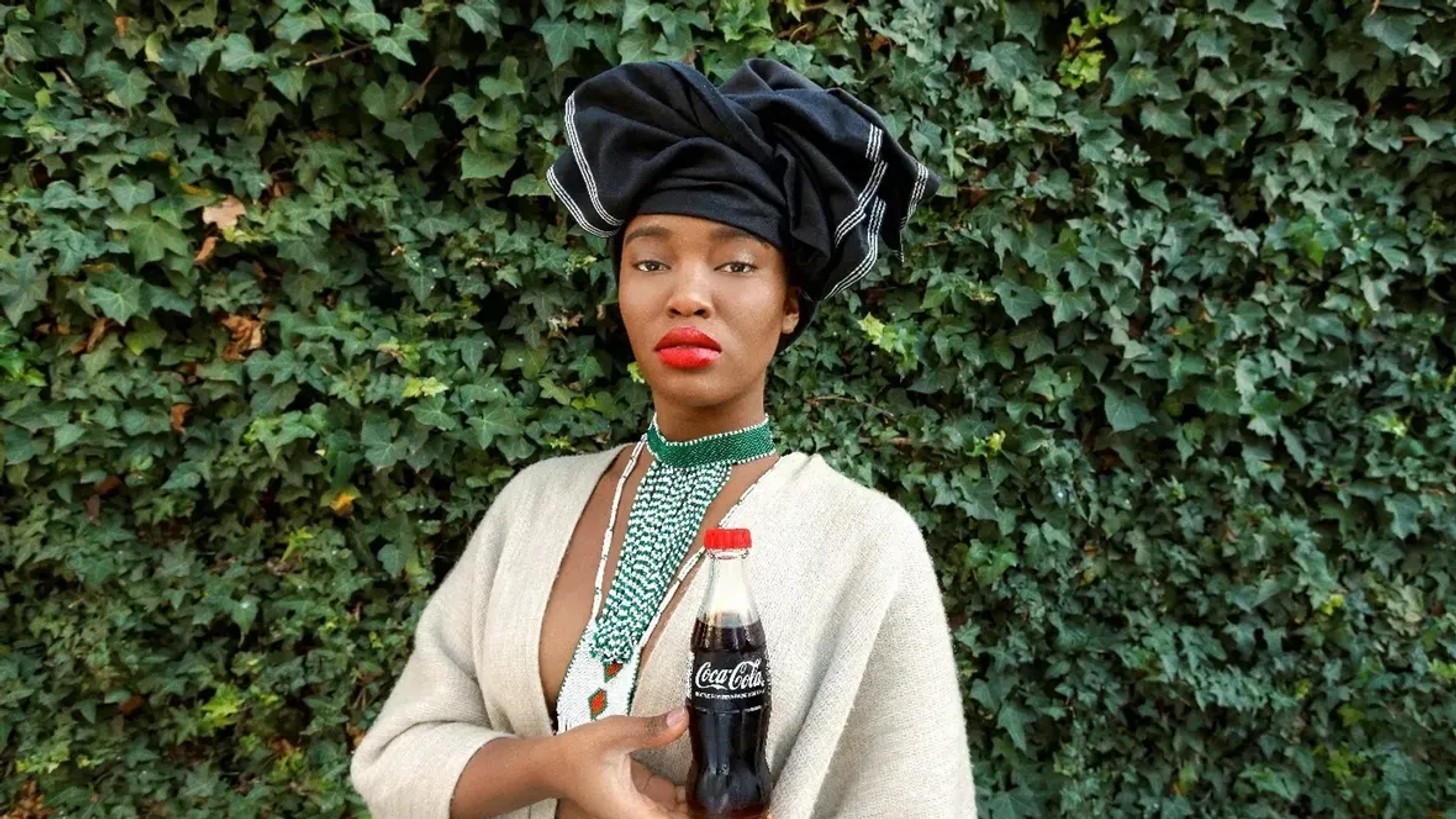
South African artist and photographer Tony Gum uses self-portraiture to explore identity, image-making, and representation. Her photographs include styling, props and elements of fashion, creating images in which the artist herself becomes both the subject and collaborator.
Gum’s approach draws attention to the ways identity is communicated through appearance and visual culture. By controlling the construction and presentation of her own image, she challenges the idea that representation is something that’s determined solely by an outside observer.
Her work also reflects the connections between contemporary photography, fashion, and pop culture. Through intentional styling, Gum creates images that are peculiar while inviting viewers to consider how photographs shape perceptions of the people they describe.
A Legacy in Motion
From Kavula’s intricate textile-based compositions to Somers’ sculptural ceramics, these artists demonstrate the breadth of contemporary African art. Their practices build on the contributions of earlier generations while pursuing individual questions through distinct materials, techniques, and visual languages.
Together, they reflect an artistic landscape that continues to expand beyond any single definition of African art.


