
Luxury architecture has become less about excess and more about the experience. The most compelling spaces today are not necessarily the biggest or most extravagant; they are the ones that understand their surroundings, manipulate light beautifully, and make a strong case for how we want to live.
There are a few South African studios that demonstrate this such as SAOTA and ARRCC. With projects spanning six continents, SAOTA’s architecture is grounded in the relationship between form, function, and context, while ARRCC brings a distinctly tactile, layered approach to interiors and what it calls “laid-back luxury”.

These six projects show how luxury can feel different depending on where you are – while still sharing a certain design DNA.
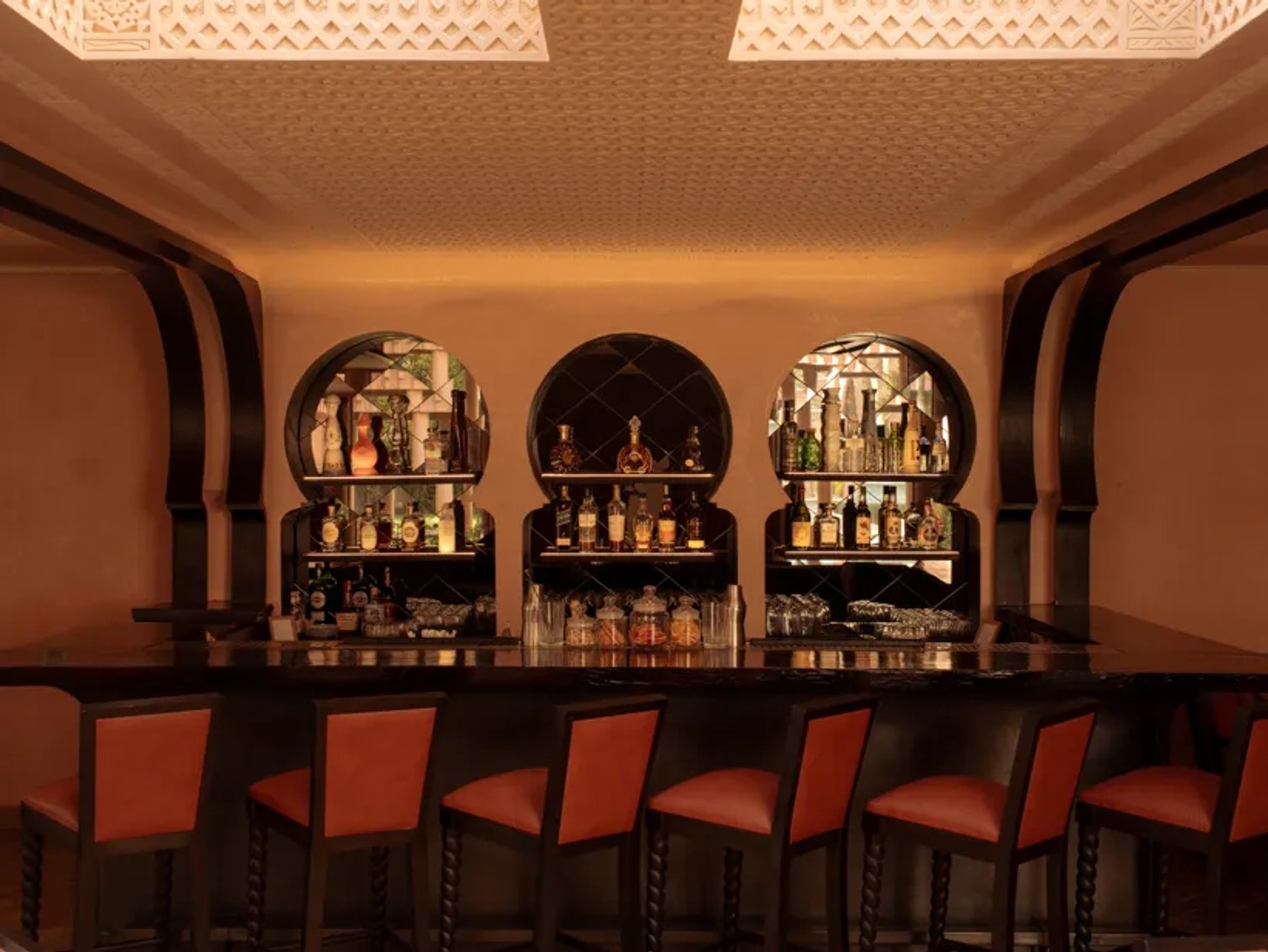
Aman Residences, Amanjena: Marrakech, Morocco
Set among olive groves and palms outside Marrakech, Aman Residences shows moderation, with SAOTA architecture and ARRCC interiors working together to reinterpret Moroccan craftsmanship through a contemporary lens.
Three distinct villa designs stand around garden courtyards, with textured plaster, stone, water, and shaded colonnades creating a sequence of spaces that feel both private and open. Inside, ARRCC continues the story through natural materials, handcrafted finishes, and bespoke furniture.
The design lesson: Sometimes luxury is the quality of a material, the rhythm of a courtyard, or the way a room opens towards the landscape.
Cheetah Plains: Sabi Sand, South Africa
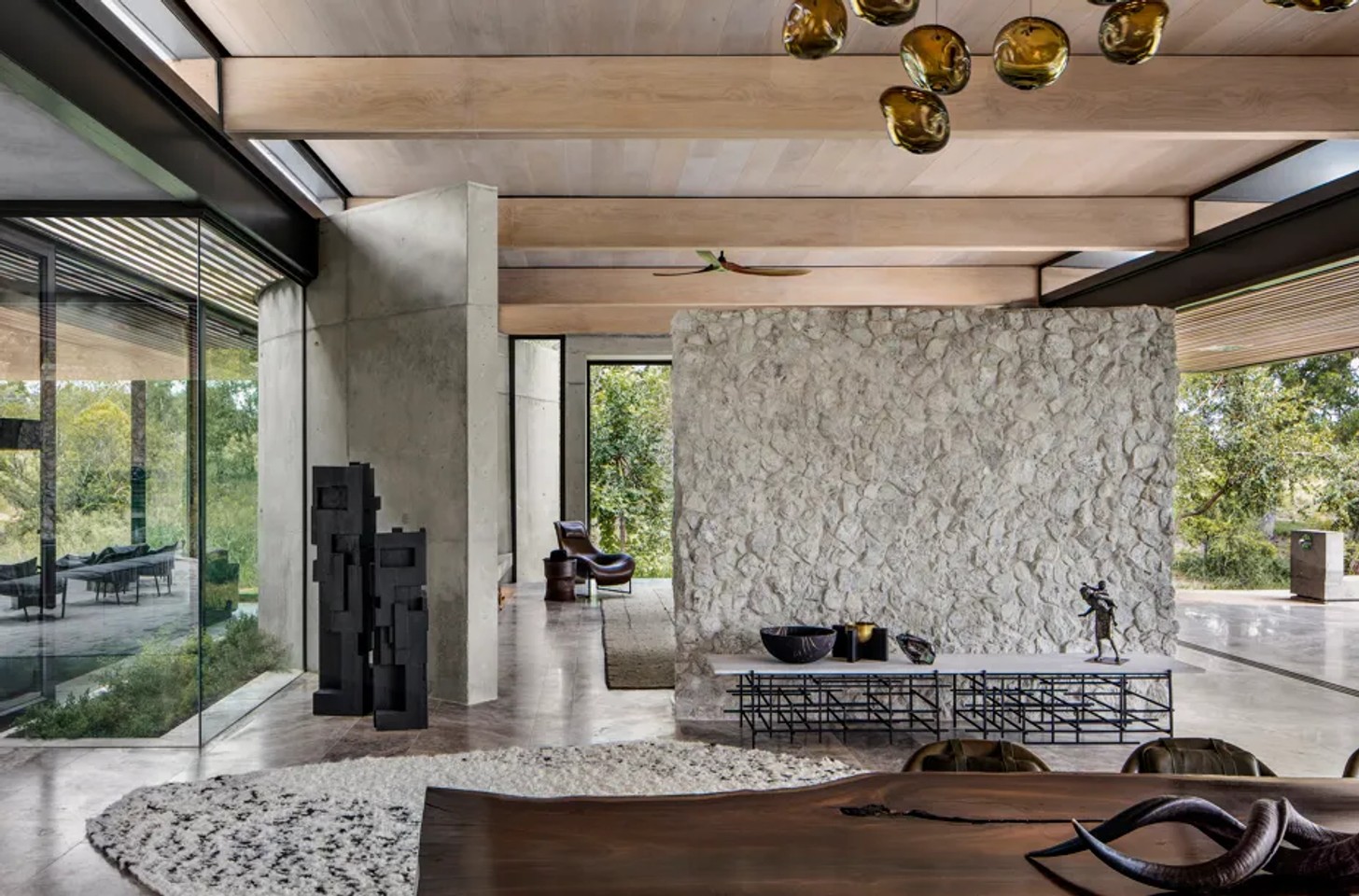
If there is one project that captures the sophisticated face of African luxury, it is Cheetah Plains. Designed by ARRCC in the Sabi Sand, the lodge moves away from the traditional safari-lodge method, dividing the accommodation into three private houses that are positioned around existing trees, landscapes, and views.
The architecture is bold: raw concrete, stone, black steel, and projected roofs create a striking contrast against the bush.
Inside, that same tension continues through plush furniture, organic forms, contemporary African art, and handcrafted pieces, including hand-blown glass chandeliers and leadwood tables.
The design lesson: don't copy nature; create a framework that allows nature to become the star of the show.
King’s College School: Nassau, Bahamas
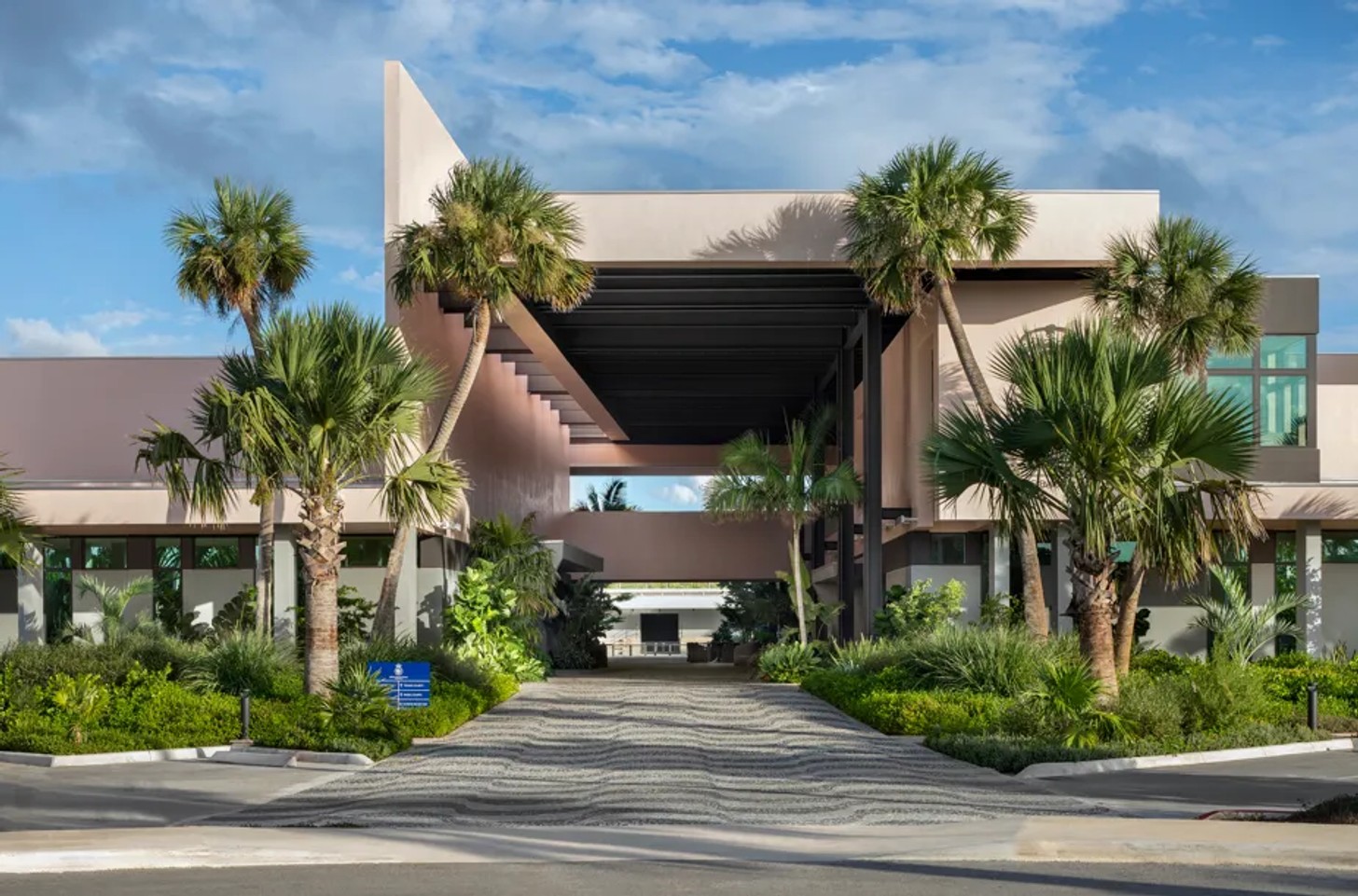
Luxury design isn't just confined to private homes and five-star hotels. In Nassau, SAOTA has brought the same level of architectural thinking to an educational environment.
King’s College School reimagines the traditional campus as a collection of classroom blocks rising from a unified base – a gesture inspired by the scattered geography of the Bahamian island chain. Broad roof overhangs provide shade, while open-air corridors encourage passive cooling.
Even the concrete is contextual, embedded with local seashells and shifting from darker tones at the base to lighter levels above.
The design lesson: climate responsiveness can be beautiful when it is treated as part of the architecture.
Kingsway Tower: Lagos, Nigeria
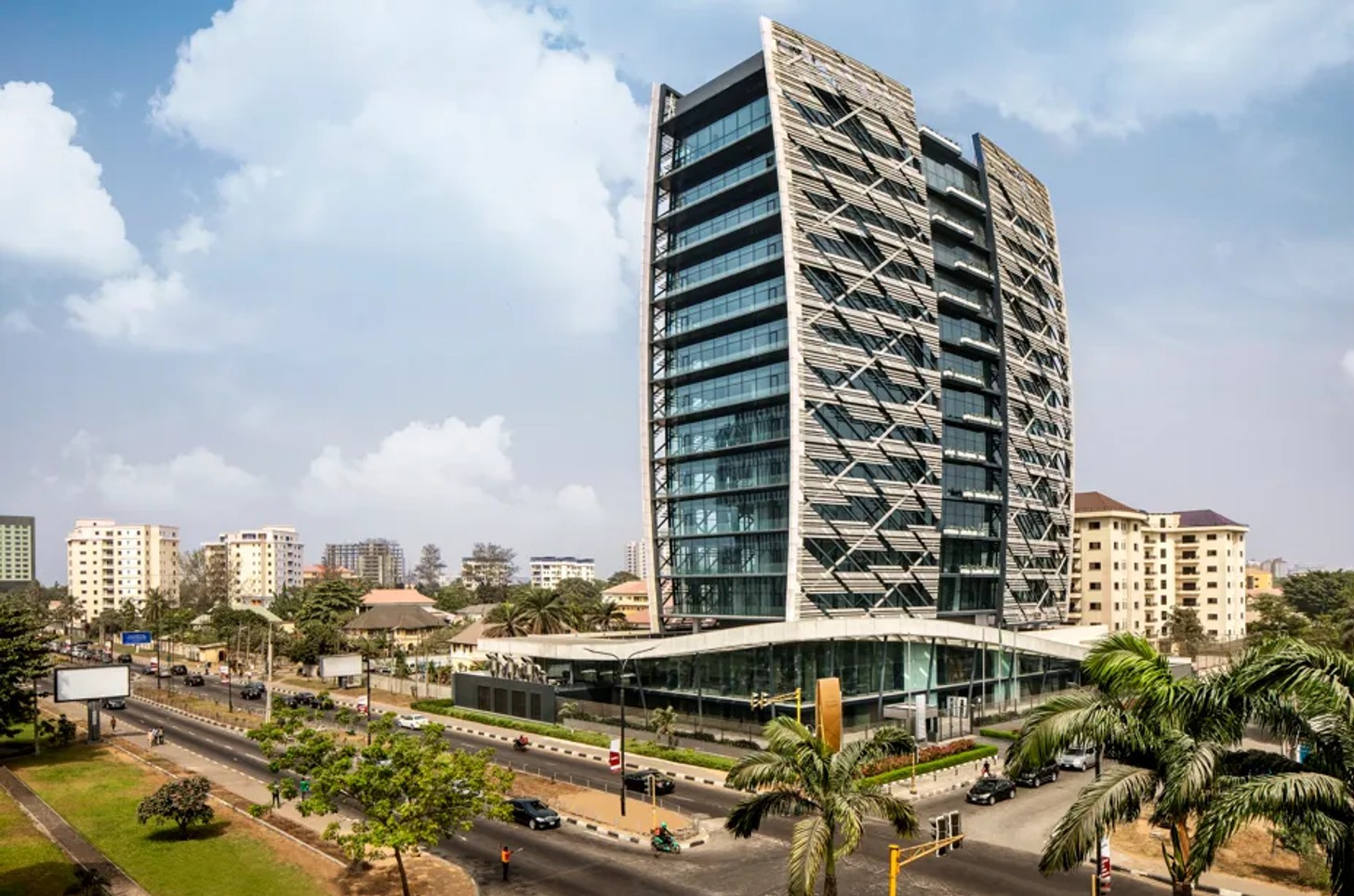
In Lagos, SAOTA turns a commercial building into a piece of urban sculpture. Kingsway Tower combines retail, restaurants and offices within a beautiful mixed-use building, with its exterior wrapped in a shading screen that provides both visual identity and protection from direct sunlight.
The building's climate-conscious approach brings interest – its orientation, shading and greenery are part of its architectural character.
The design lesson: practical elements such as shading can become a memorable part of a building when design is given room to play.
Kirsch Pharma HealthCare: Wedemark, Germany
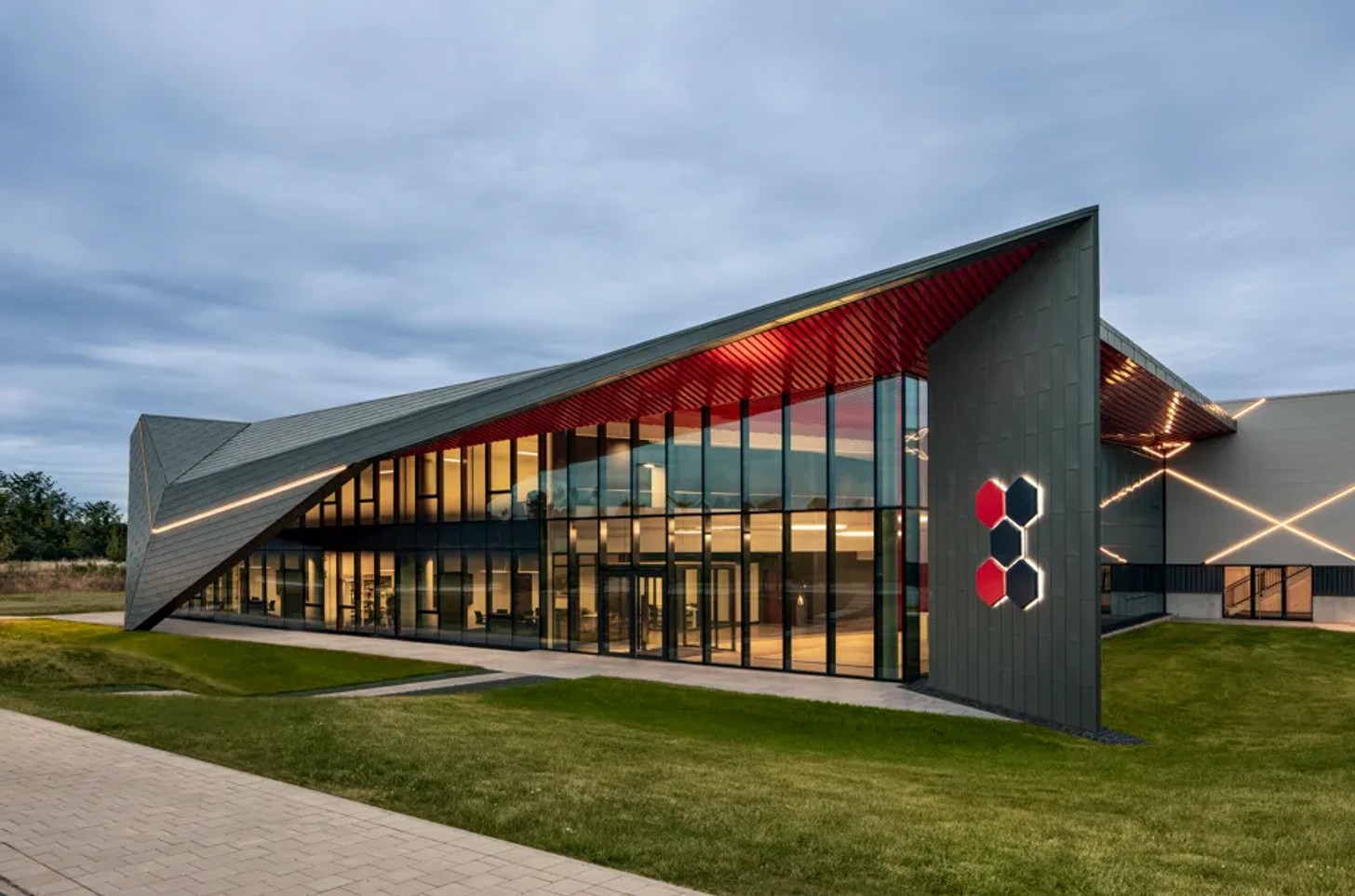
Industrial architecture rarely gets described as luxurious, but Kirsch Pharma HealthCare makes a convincing case for why it should be considered as a design discipline.
SAOTA approached the pharmaceutical production facility as a sculptural object. Material, texture, and transparency become central to the exterior, while a dramatic canopy draws attention to the entrance and creates a more human-scaled arrival.
The project was recognised for innovative excellence at the SAPOA Property Development Awards, reinforcing the idea that even highly technical spaces can have architectural personality.
The design lesson: functionality doesn't have to come at the expense of beauty.
Uluwatu: Bali, Indonesia
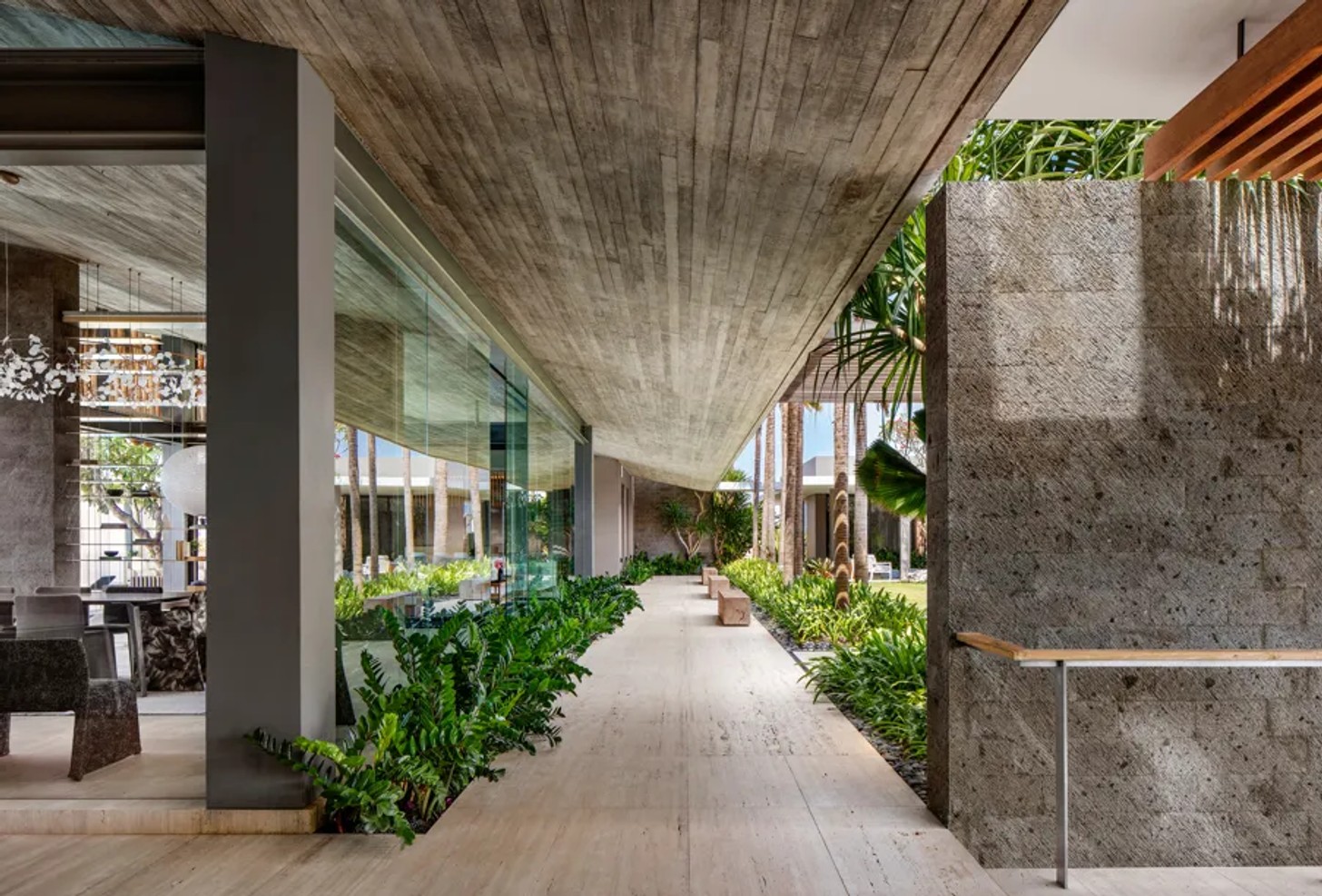
Perched dramatically above Bali's southern coastline, Uluwatu is perhaps a clear expression of premium luxury in this collection. The split-level retreat responds to its tropical climate, using sheltered outdoor spaces and cohesive finishes to make the architecture feel embedded within the landscape.
The architecture frames the extraordinary ocean views. Levels, terraces and openings create a rhythm of discovery, while the material palette allows the landscape to remain the main visual.
The design lesson: sometimes the greatest luxury is simply knowing what not to obstruct.
What These Projects Tell Us About Luxury
Across Morocco, South Africa, the Bahamas, Nigeria, Germany and Indonesia, the common thread isn't a particular aesthetic. It is intentionality.
SAOTA and ARRCC consistently demonstrate that luxury can be raw concrete in the bush, textured plaster in Marrakech, or an open-air corridor in Nassau.
Their strongest projects don't impose one global style on every location; they allow climate, culture, landscape, craftsmanship, and lifestyle to shape the architecture.


