
For decades, open-plan living was the golden standard of modern residential design. Walls came down, kitchens merged with dining rooms, and living spaces stretched effortlessly towards gardens, terraces and pools. In South Africa, where indoor-outdoor living is practically a way of life, the concept felt particularly natural.
But the open-plan home of 2026 looks very different from other variations; uninterrupted spaces that dominated architectural wish lists in the early 2000s.

Today’s homeowners are asking more from their spaces. Homes have become workplaces, classrooms, entertainment venues, and sanctuaries all at once. Multi-generational living is increasing, privacy has become a luxury, and acoustic comfort is finally being recognised as an essential part of good design.
Rather than abandoning open-plan layouts altogether, South African architects and designers are reimagining them through smarter zoning, layered privacy solutions, and more thoughtful spatial planning. The result is a new generation of homes that balance openness with togetherness.
The Rise of “Broken-Plan” Living
Designers are increasingly moving away from completely open interiors in favour of what is often called a “broken-plan” approach. Instead of large, uninterrupted rooms, spaces are subtly divided while maintaining visual flow and natural lighting.
In many contemporary South African homes, zoning is achieved through:
- Timber screens
- Double-sided fireplaces
- Built-in shelving
- Courtyard inclusion
- Sliding glass or pocket doors
The goal is not separation for its own sake, but flexibility.
A family can enjoy visual connection between kitchen, dining and living areas while still creating moments of retreat when needed. This approach is particularly effective in homes where multiple activities happen simultaneously – children doing homework, adults working remotely, and entertaining extended family members and guests.
Architectural practices across the country are increasingly incorporating screened outdoor rooms, sheltered courtyards and layered transitions between spaces, creating homes that feel open and protected simultaneously.
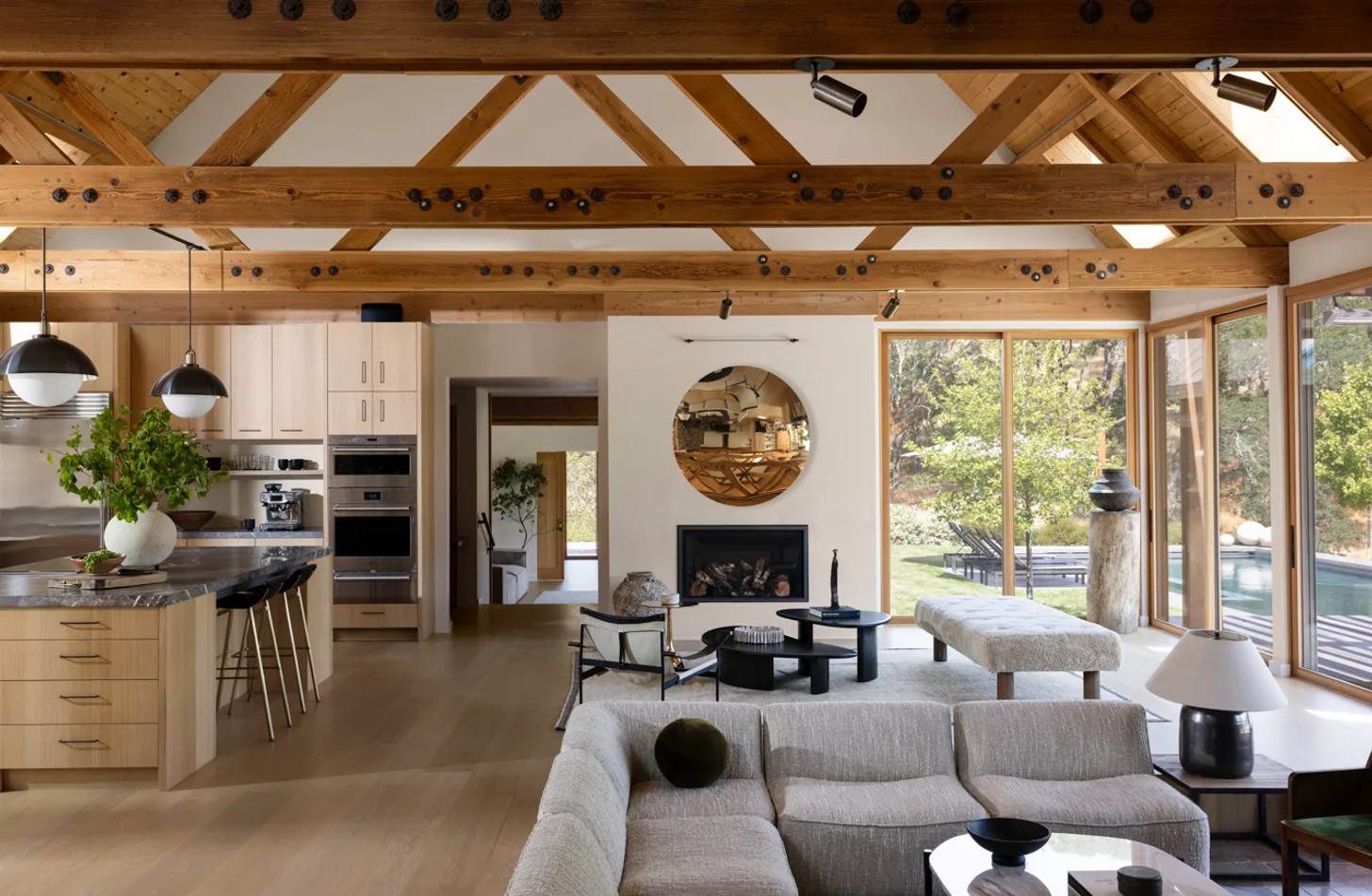
Zoning Without Walls
The most successful contemporary open-plan homes rely on invisible boundaries.
Rather than relying on solid dividers, designers use architectural cues to define different functions. A dropped ceiling can distinguish a dining area, while a change in flooring material may signal a transition from kitchen to lounge. Custom joinery, lighting design, and furniture placement all contribute to creating distinct zones.
This strategy works particularly well in South African homes where large footprints and generous coating can otherwise make interiors feel spacious.
Interior designers are also embracing layered furniture arrangements that create rooms within rooms. Curved sofas, freestanding bookcases, and oversized rugs help establish psychological boundaries without interrupting overall flow.
The result is a home that feels both expansive and purposeful.
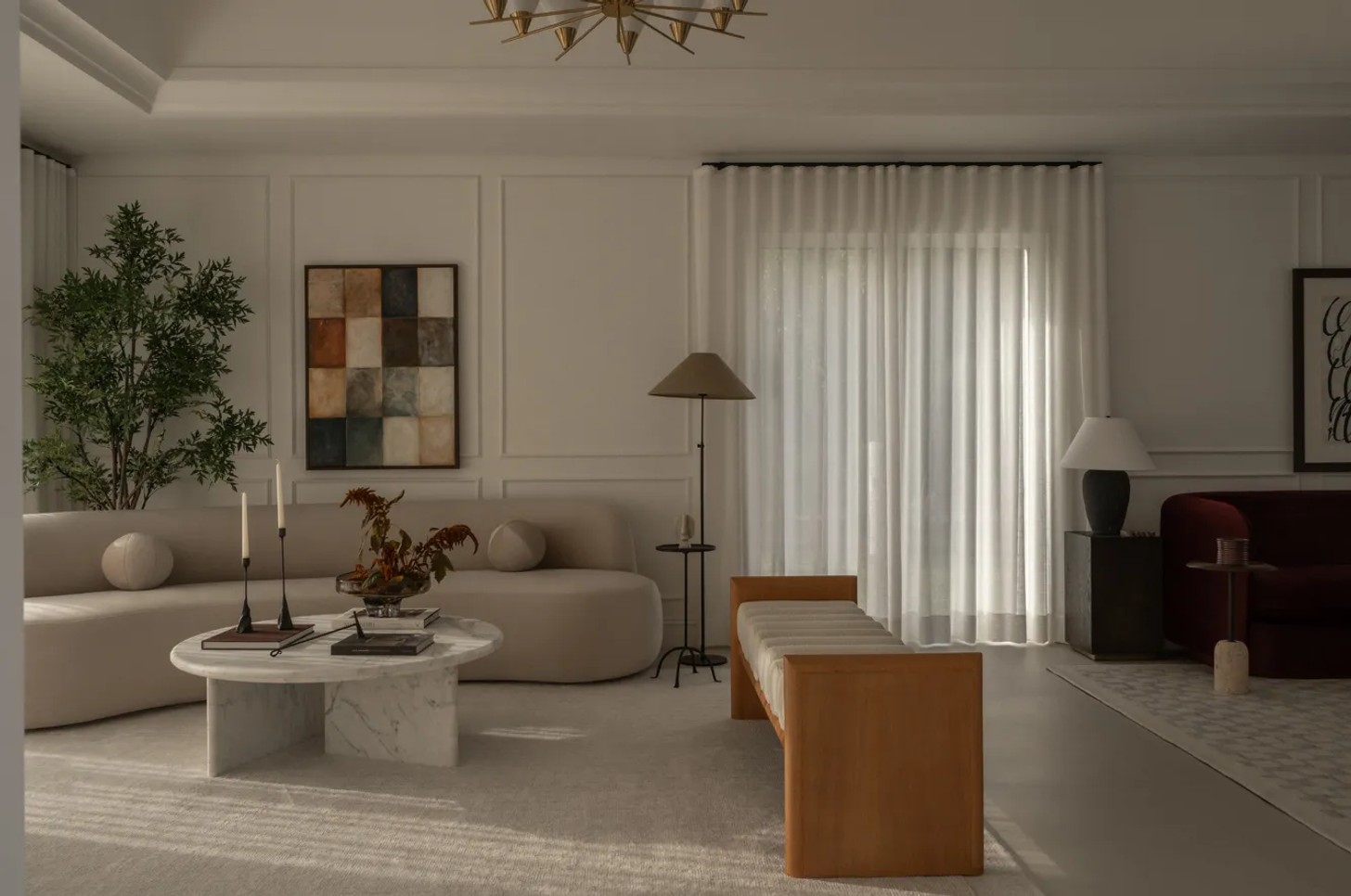
Privacy Is the New Luxury
One of the biggest criticisms of traditional open-plan living is the lack of privacy.
This concern accelerated awareness around personal space, and homeowners now expect homes to accommodate both social connection and solitude. Global design experts note that open-plan living is evolving to include flexible rooms, quiet zones, and adaptable layouts that respond to changing daily needs.
In South Africa, this shift is particularly evident in the introduction of:
- Pocket-door studies
- Flexible media rooms / cinemas
- Secondary lounges
- Garden-facing retreats
- Private bedroom wings
Instead of designing every room around communal gathering, architects are creating opportunities for an escape.
A reading nook overlooking a courtyard, a concealed home office, or a separate family lounge can dramatically improve the livability of an otherwise open home.
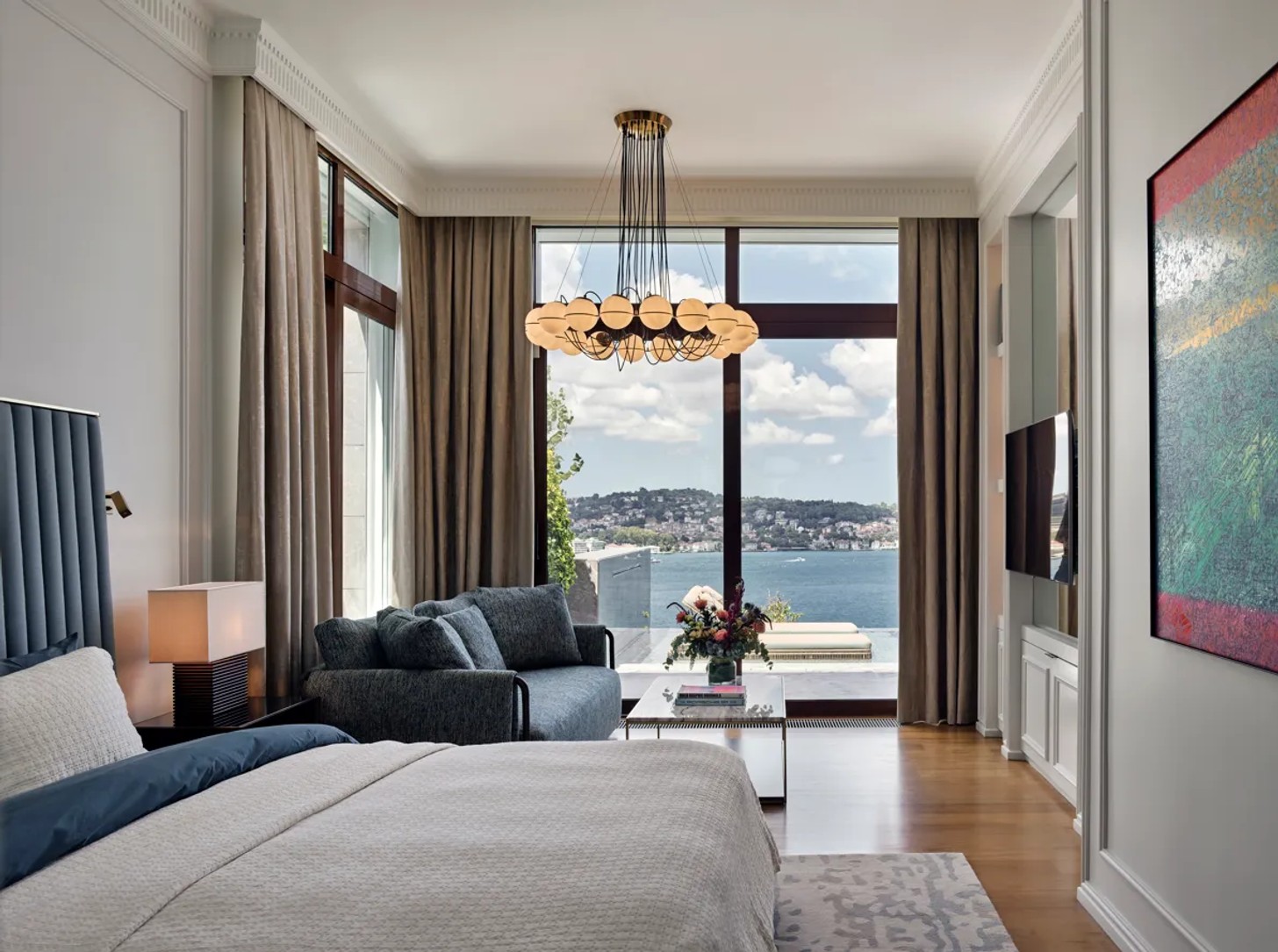
Acoustic Design Moves Into the Spotlight
As homes become increasingly multifunctional, sound has emerged as one of the biggest challenges in open-plan environments.
Anyone who has tried to take a work call while children watch television nearby understands the problem.
Research consistently shows that noise and overlapping conversations are among the most significant distractions in open environments. Acoustic studies demonstrate that multiple simultaneous sound sources can significantly increase perceived distraction and reduce comfort.
Architects are responding through a variety of solutions:
- Acoustic ceiling panels
- Upholstered wall treatments
- Timber slat ceilings
- Heavy curtains
- Carpeting in strategic areas
- Sound-buffering joinery
Natural materials play an important role. Timber, wool, linen, and textured fabrics absorb sound while reinforcing the warm, tactile aesthetic increasingly favoured in South African interiors.
Rather than treating acoustics as a technical afterthought, many designers now view sound management as fundamental to residential wellbeing.
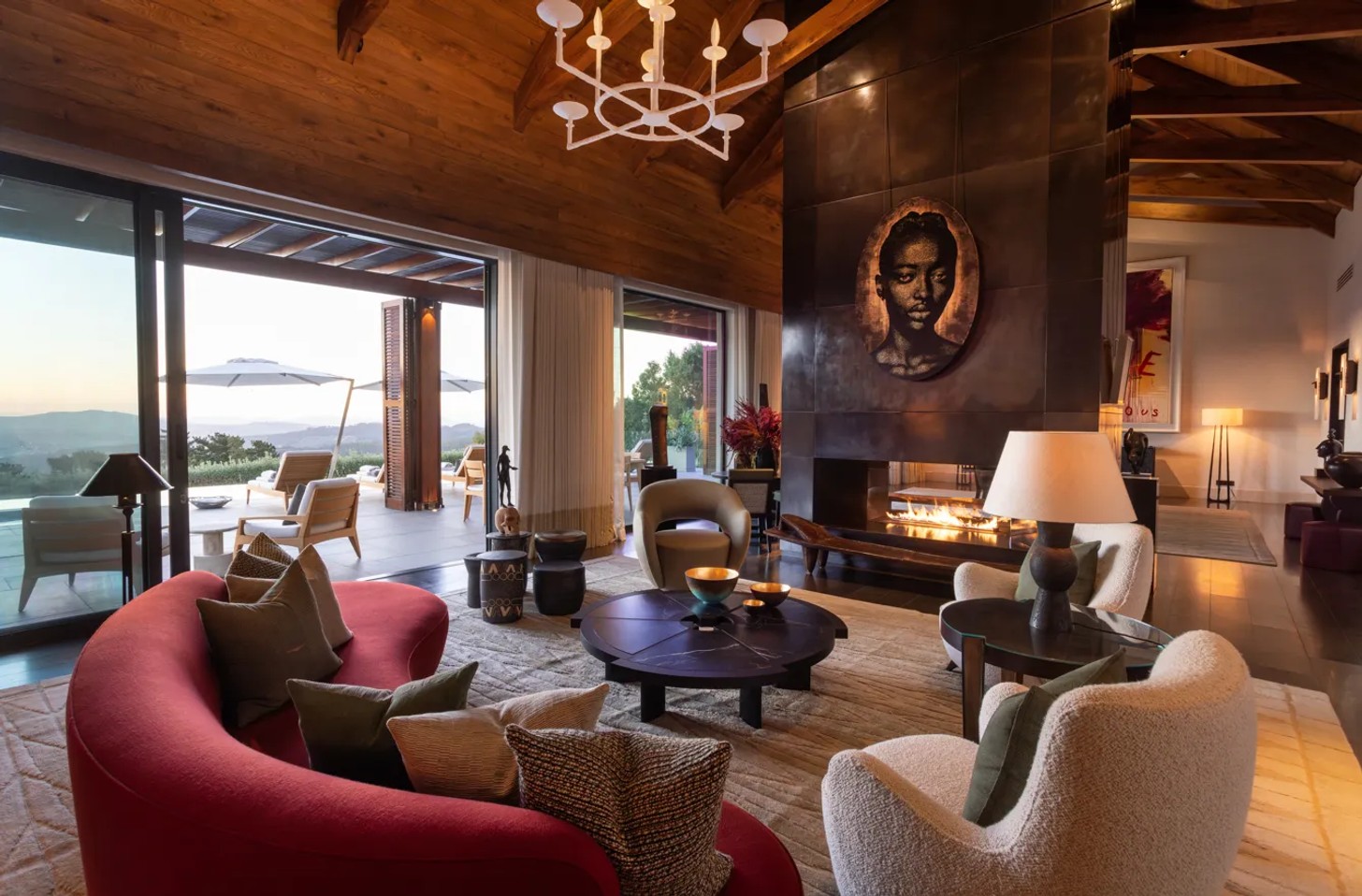
Designing for Multi-Generational Living
Perhaps the most significant force reshaping South African residential design is the growth of multi-generational living.
Economic pressures, changing family dynamics, and cultural traditions are driving more families to share homes across generations. Property experts report growing demand for homes that accommodate extended families, while preserving independence and privacy.
This shift is influencing everything from floor plans to even furniture selection.
Today's multi-generational homes often feature:
- Separate bedroom suites
- Self-contained guest wings
- Independent entrances
- Flexible granny flats
- Dual living rooms
- Shared central kitchens
The challenge lies in creating spaces that encourage togetherness without forcing constant interaction.
Architects are increasingly organising homes around communal hubs – typically kitchens, dining rooms and outdoor terraces – while surrounding them with private retreats. This layered arrangement allows different generations to live together comfortably, while maintaining autonomy.
The traditional granny flat has evolved into a sophisticated secondary dwelling that can accommodate ageing parents, adult children, or even future rental opportunities.
The South African Advantage
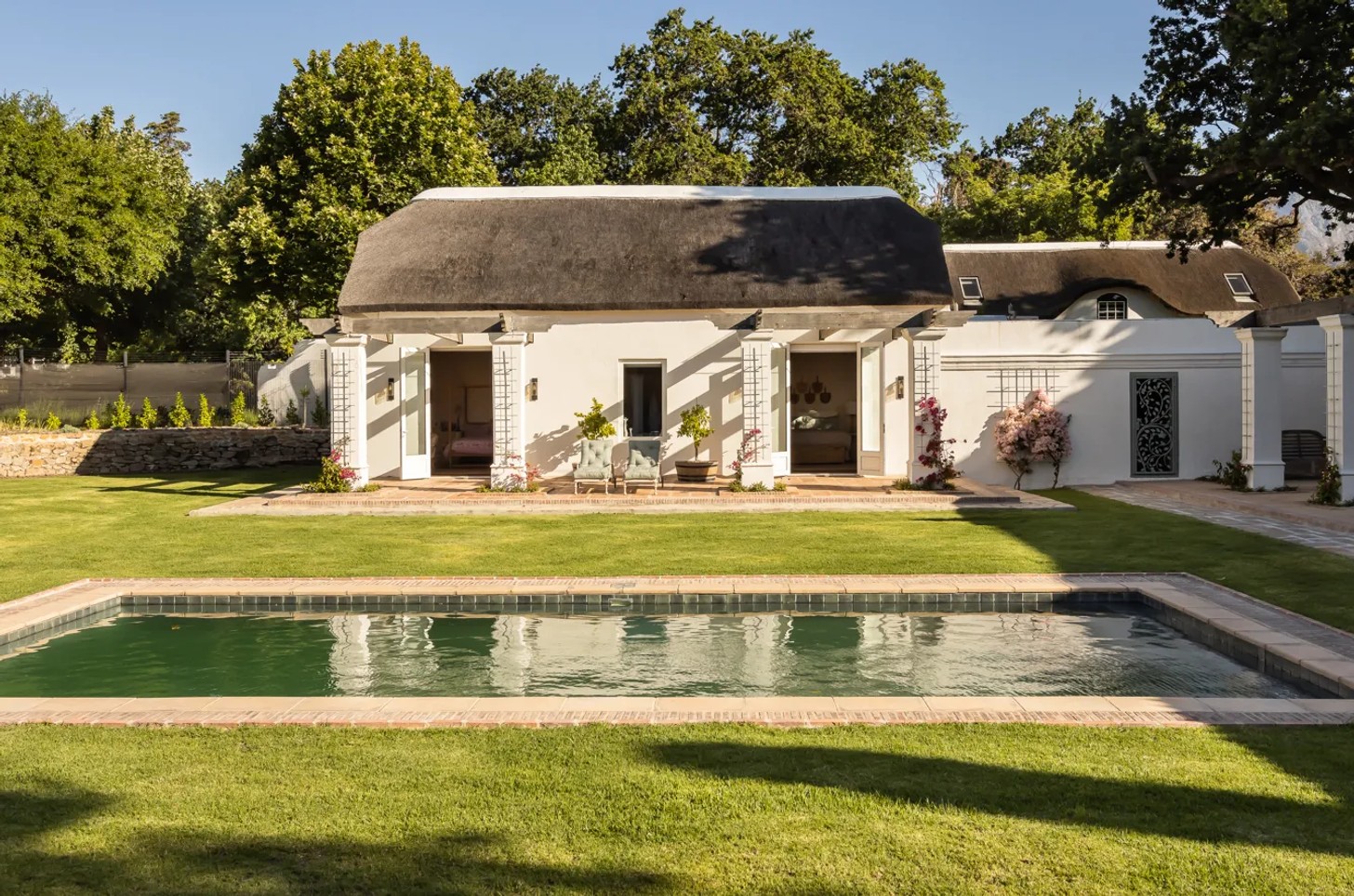
South African architecture has long excelled at blurring the boundary between indoors and outdoors. Large verandas, courtyards and sheltered terraces naturally lend themselves to more nuanced forms of open-plan living.
Many contemporary homes embrace outdoor rooms as an additional layer of zoning. Covered patios function as seasonal dining rooms, courtyards become private sanctuaries, and landscaped gardens create visual separation without including physical barriers.
The result is a uniquely South African interpretation of open-plan design – one that prioritises climate, lifestyle and connection to nature, while acknowledging the growing need for privacy and adaptability.
Open Plan, Reimagined
The future of open-plan living is not just about removing more walls. It is about designing smarter boundaries.
As South African households become more complex and lifestyles become more fluid, homes are evolving to support multiple generations, hybrid work routines, and a greater emphasis on wellbeing.
Through thoughtful zoning, acoustic comfort and flexible spatial planning, designers are creating interiors that feel connected without being too exposed.
Credits
Images: Adrian Dirand, Casa Mia Visuals, Bess Friday, Ibrahim Ozbunar, Charles Russell, Emma Jackson, Edvinas Bruzas


