
South Africa's wine industry has long been celebrated for its spectacular landscapes, but today those landscapes are being shaped by a growing number of women who see vineyards as living ecosystems rather than simply places to grow grapes.
Their work extends beyond producing exceptional wines; they're restoring soil health, protecting indigenous biodiversity, embracing regenerative farming, and rethinking how wine can be made with a lighter environmental footprint.

As climate change places increasing pressure on agricultural regions across the Western Cape, these women are demonstrating that sustainability isn't just good practice – it's essential to the future of South African wine.
Rosa Kruger – Champion of South Africa's Old Vine Heritage
A respected vinegrower and founder of the Old Vine Project, she has spent decades identifying and protecting vineyards older than 35 years. Older vines naturally develop deep root systems that improve drought resilience while requiring fewer interventions, making them an important part of sustainable viticulture.
By encouraging growers to preserve rather than replace these vineyards, Kruger has helped safeguard both biodiversity and South Africa's unique wine identity.
Carmen Stevens – Sustainability with Social Impact
As the first black South African to qualify as a winemaker and founder of the country's first 100% Black-owned winery, Carmen Stevens has become one of the industry's most influential voices.
Alongside producing award-winning wines, Stevens champions responsible production and community upliftment through initiatives that provide meals to thousands of schoolchildren. Her philosophy demonstrates that environmental sustainability and social responsibility are inseparable pillars of a resilient wine industry.
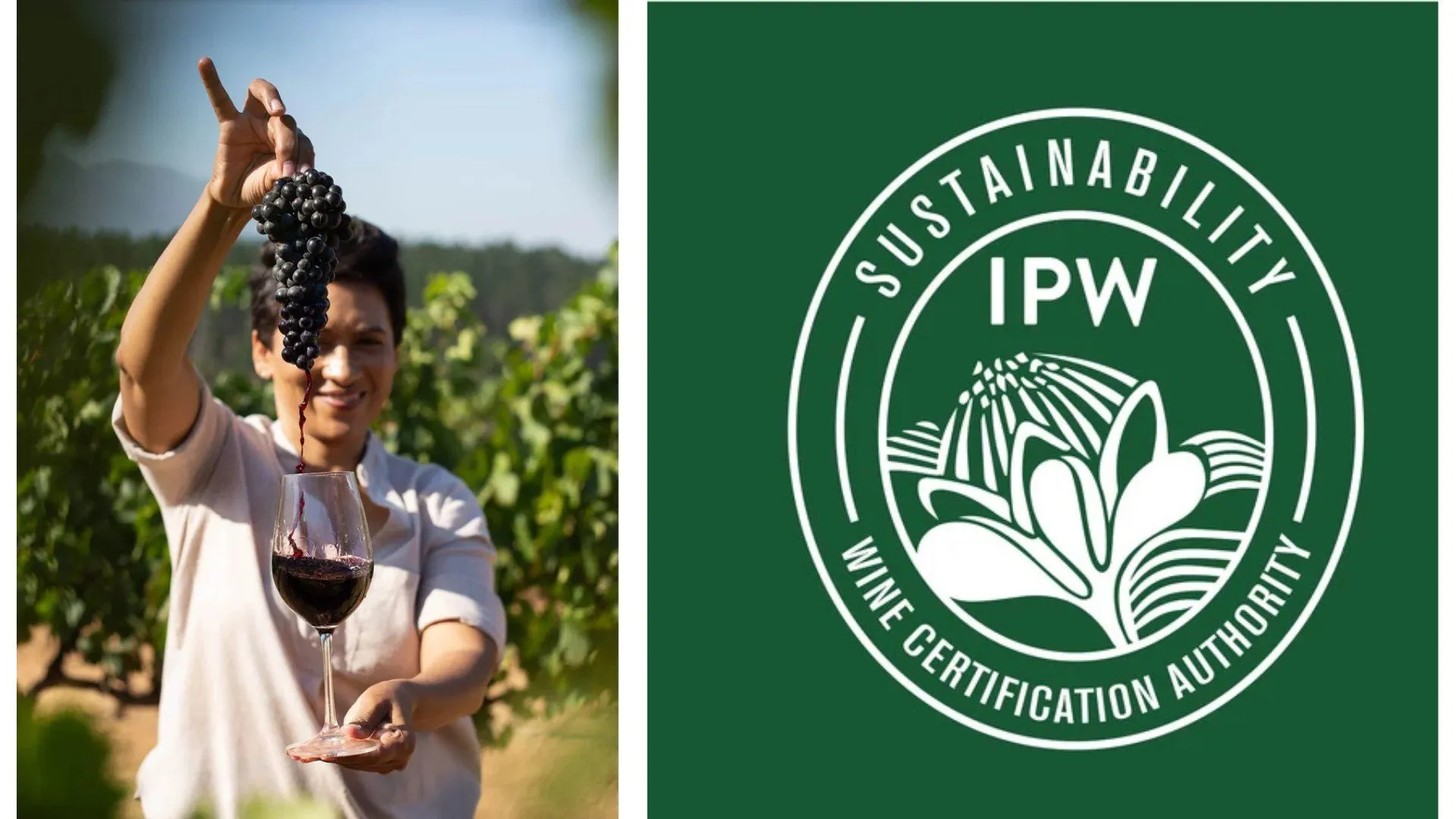
Ntsiki Biyela – Growing Wine with Purpose
Founder of Aslina Wines, Ntsiki Biyela has built an internationally respected brand rooted in authenticity, ethical sourcing and a deep respect for the land. Raised in rural KwaZulu-Natal, Biyela often speaks about producing wines that reflect place while supporting future generations entering the industry.
She also serves on the board of the Pinotage Youth Development Academy, helping cultivate a more diverse and sustainable future for South African wine.
Andrea Mullineux – Farming with Nature, Not Against It
As co-founder and winemaker at Mullineux & Leeu Family Wines, Andrea Mullineux has helped establish Swartland as one of South Africa's most exciting wine regions.
Working predominantly with dry-farmed vineyards, she favours minimal intervention in both vineyard and cellar, allowing healthy soils and naturally balanced vines to produce wines that truly express their terroir. Her commitment to regenerative farming principles has become a benchmark for premium South African winemaking.
Cathy Jordan – Protecting Indigenous Landscapes
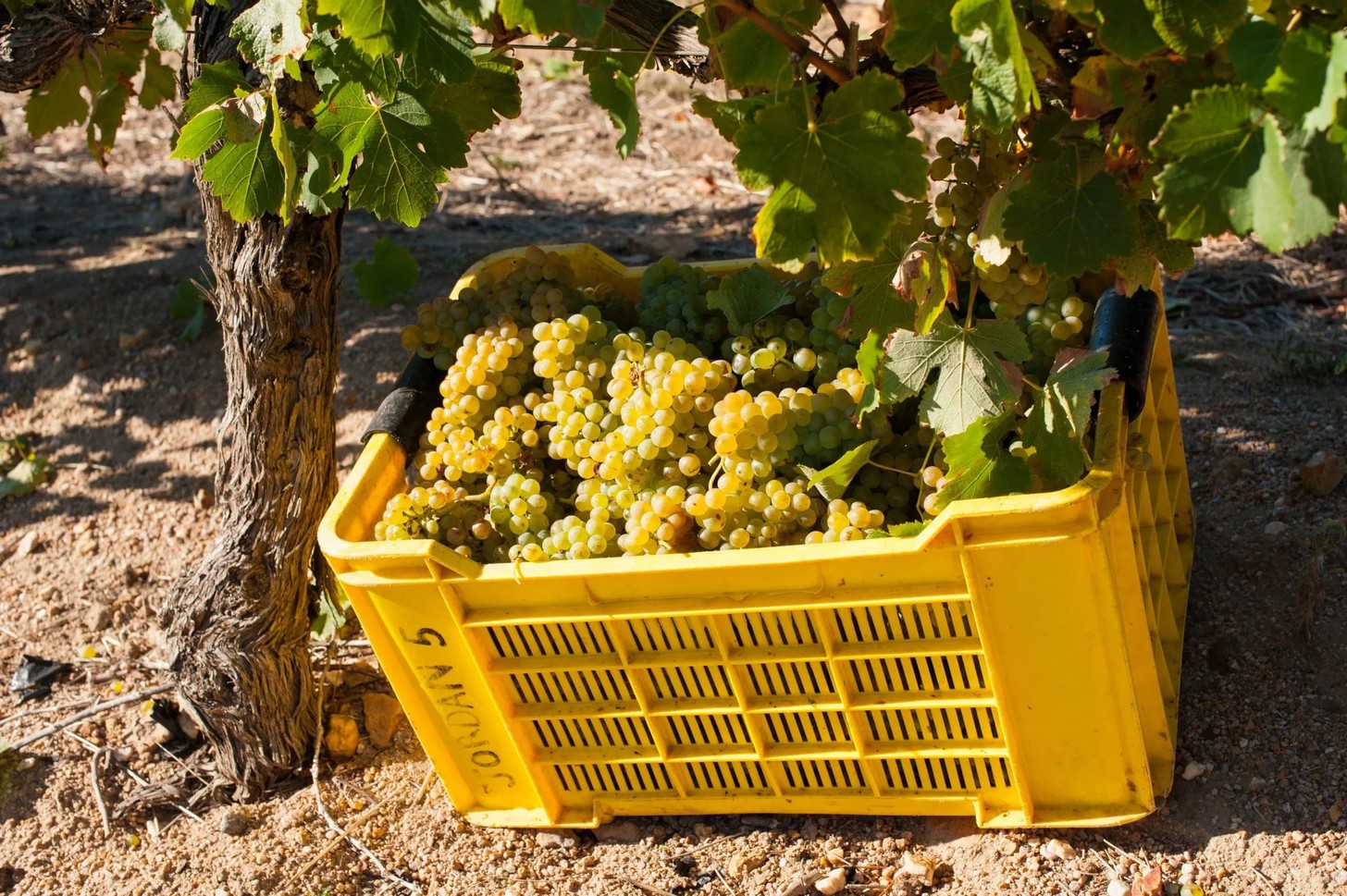
For decades, Cathy Jordan has led Jordan Wine Estate with a philosophy centred on environmental stewardship. The Stellenbosch estate actively protects indigenous fynbos, conserves wetlands, and manages natural habitats alongside its vineyards.
Jordan has also been a longstanding advocate for women in wine, demonstrating how conservation and quality winemaking can flourish together.
Samantha O'Keefe – Resilience Through Regeneration
When devastating wildfires destroyed much of Lismore Estate in 2019, Samantha O'Keefe chose to rebuild with resilience in mind. Her recovery focused on restoring vineyard ecosystems instead of simply replacing the infrastructure, reinforcing the importance of biodiversity and climate adaptation in modern viticulture.
Today, Lismore stands as a symbol of how land management can help vineyards recover from increasingly frequent climate-related events.
Kiara Scott – The Next Generation of Sustainable Winemaking
One of South Africa's most promising young winemakers, Kiara Scott represents a new generation placing sustainability at the centre of their craft. Having worked with Brookdale Estate and Savage Wines after graduating through the Cape Winemakers Guild Protégé Programme, Scott combines precision viticulture with an appreciation for soil health, site expression and responsible farming practices.
Her career reflects the industry's growing commitment to nurturing environmentally conscious leadership.
Sophie Germanier – Organic Winemaking with Purpose
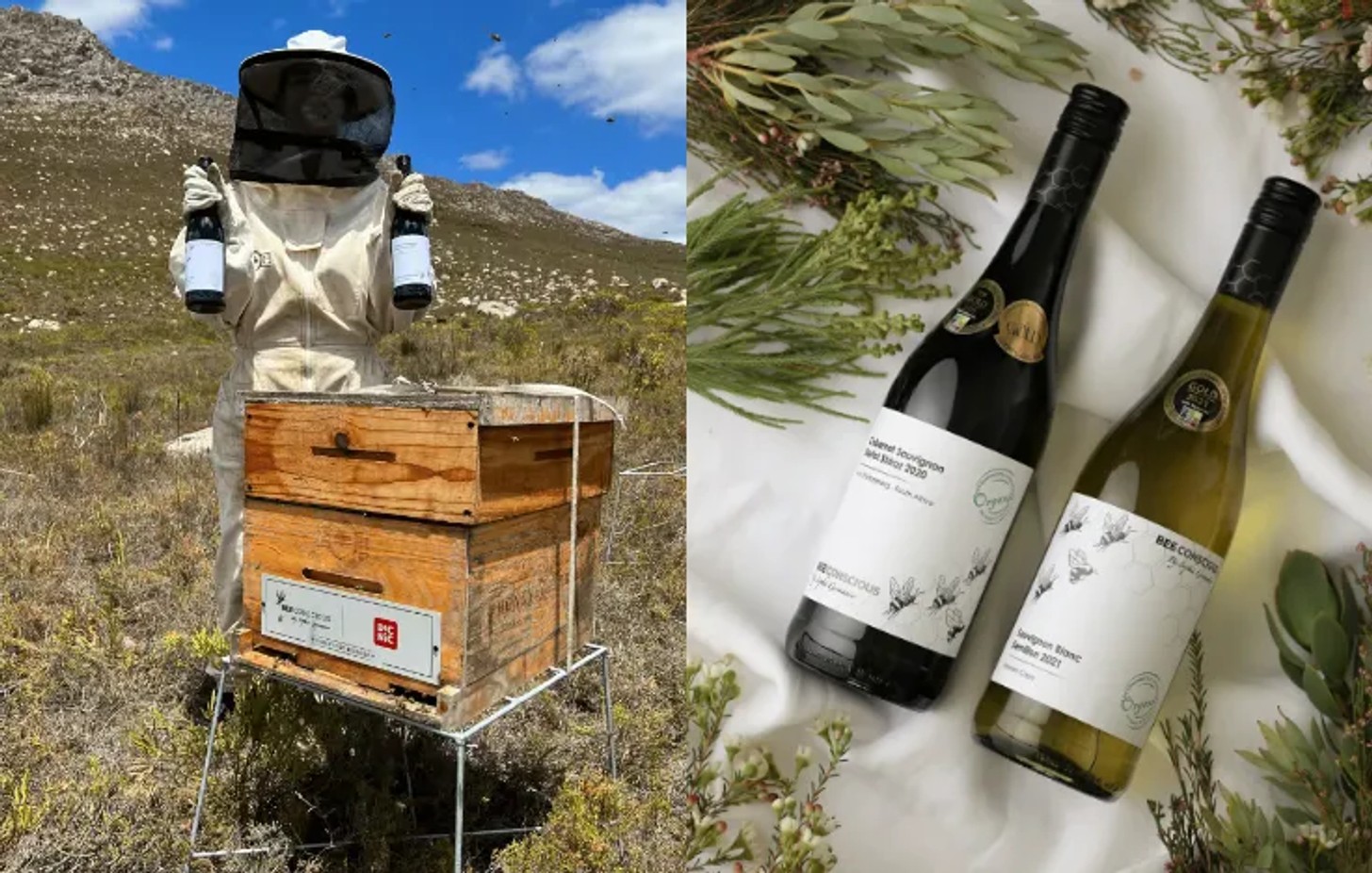
Sophie Germanier founded her organic wine label with a clear vision: to produce wines that are as kind to the environment as they are expressive in the glass. Her vineyards are organically certified, avoiding synthetic pesticides, herbicides, and fertilisers while embracing farming methods that protect soil health and biodiversity.
Germanier is also committed to vegan winemaking and advocates for conscious consumption, proving that sustainability can be woven into every stage of production without compromising quality.
Marelise Niemann – Minimal Intervention, Maximum Expression
Through Momento Wines and her work at Anysbos, Marelise Niemann has become known for wines that celebrate old vines and minimal intervention. She works closely with growers farming responsibly across Bot River and the Swartland, allowing vineyard health and natural balance to shape each vintage.
Her approach demonstrates that careful farming, instead of excessive manipulation in the cellar, often produces the most authentic expression of place.
L'Ré Hughes – Regenerative Winemaking Rooted in Nature
As Estate Manager and Head Winemaker at Stellenzicht, L'Ré Hughes has made regenerative viticulture central to the estate's philosophy. Under her leadership, Stellenzicht has restored indigenous fynbos, re-established ecological corridors, introduced regenerative farming practices, and invested in renewable energy, allowing the vineyards to express their region while improving biodiversity.
Hughes' approach demonstrates that exceptional wines and environmental stewardship can thrive together, making her one of South Africa's leading voices in sustainable winemaking.
The Future Is Regenerative
While each of these women follows a different path, they share a common belief: exceptional wine begins with healthy ecosystems.
Whether preserving heritage vineyards, restoring biodiversity, farming with fewer chemical inputs or mentoring future generations, they are reshaping South African wine into an industry that values stewardship as highly as craftsmanship.
Their work is proving that luxury and sustainability are no longer separate conversations. Instead, the country's most exciting wines increasingly come from vineyards where healthy soils, indigenous biodiversity and responsible farming are treated as the foundation of quality.


