
For decades, safari design was defined by a familiar visual language: canvas tents, dark timber furniture, colonial-inspired antiques, and a palette inspired by the African bush. While these elements still hold nostalgic appeal, a new generation of lodges is reshaping what safari luxury looks and feels like.
Across the African continent, architects and designers are embracing a more authentic approach to safari hospitality. Sustainability is no longer just an afterthought but the starting point of design. Local materials are replacing imported finishes, and contemporary African design is taking centre stage. And perhaps most importantly, lodges are becoming active participants in conservation rather than simply spectators to it.

The result is a new safari aesthetic – one that feels deeply connected to the landscapes, cultures and communities that surround it.
Designing With Nature, Not Against It
Some of the most exciting safari projects being built today are designed to disappear into the landscape rather than dominate it.
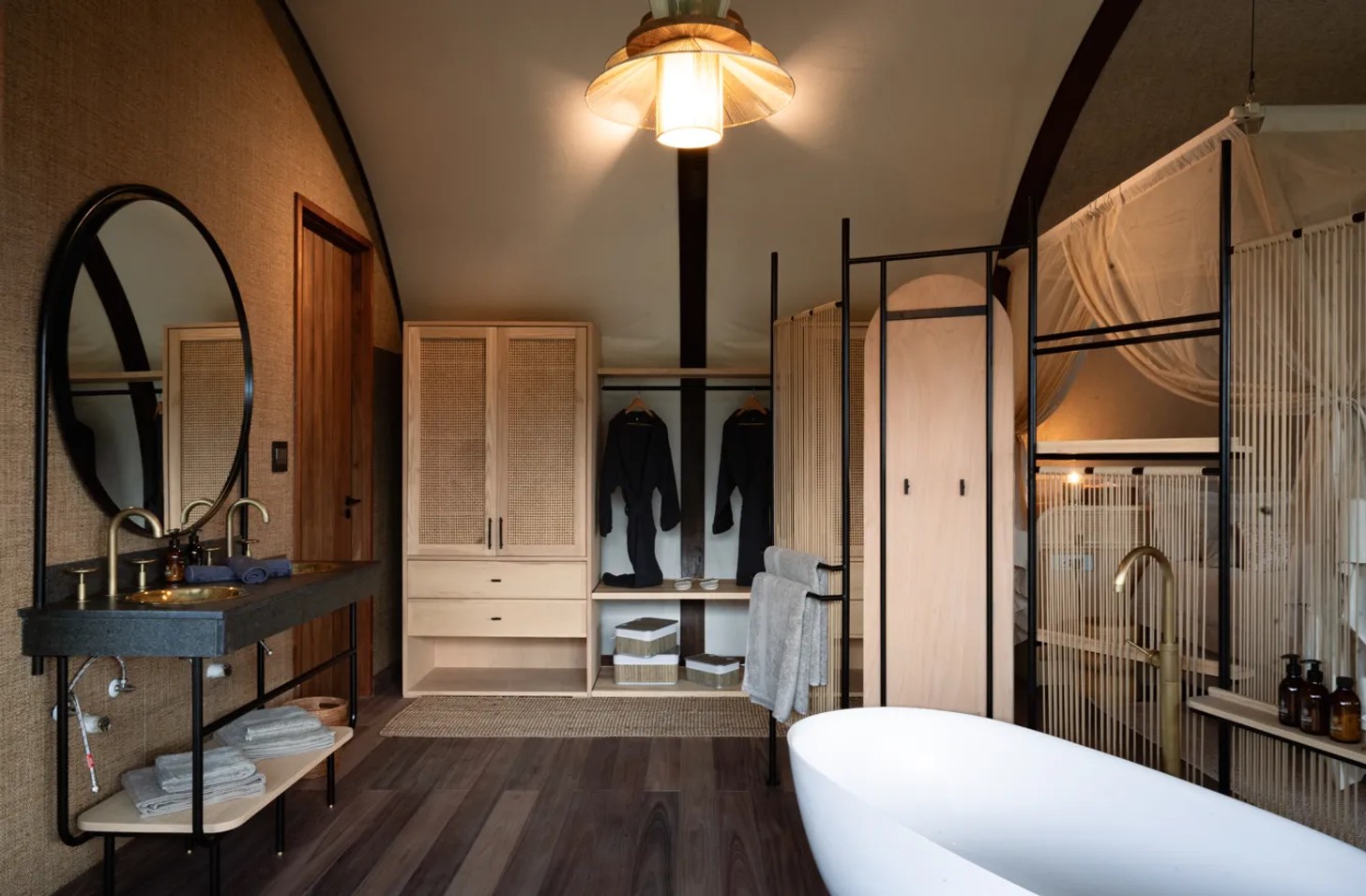
At Few & Far Luvhondo in South Africa's Soutpansberg Mountains, nature-inspired design principles shape every aspect of the guest experience. Built using sustainably sourced materials and powered entirely by renewable energy, the lodge's curved forms, natural textures and cliffside positioning create an almost seamless relationship between architecture and the wilderness. The project demonstrates how conservation, regeneration, and design can work together to create a luxury experience that leaves a lighter footprint on the land.
Rather than relying solely on game drives, the lodge encourages guests to engage with the landscape through hiking, cycling, and conservation-led experiences, reinforcing the idea that modern safari design extends beyond buildings to encompass the entire guest journey.
Sustainability Is Becoming The Ultimate Luxury
The future of safari design is defined by what visitors don't see: renewable energy systems, water management infrastructure, and carefully considered construction practices.
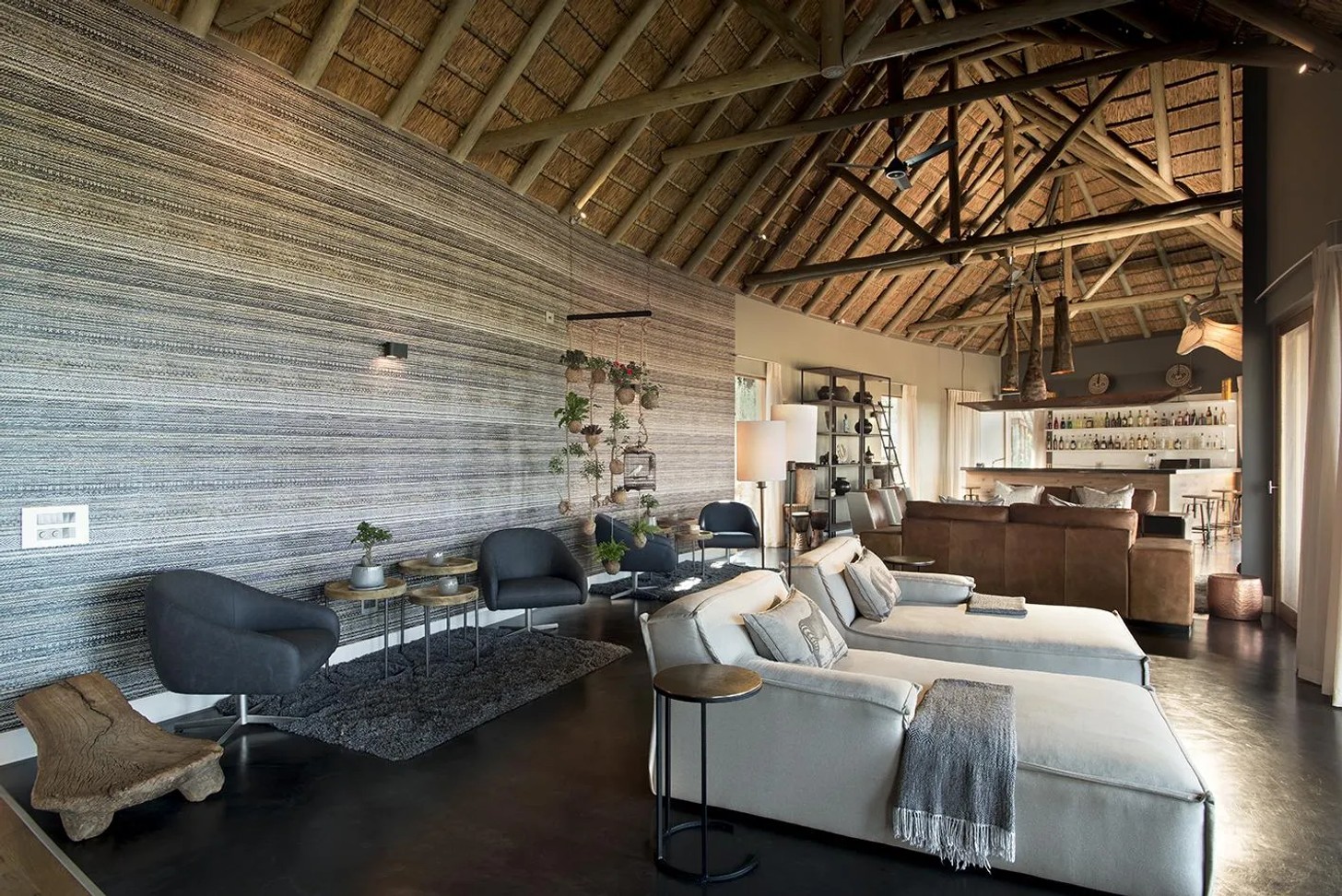
Many of Africa's leading lodges are proving that environmental responsibility can be a source that enhances luxury. At Mhondoro Safari Lodge in Limpopo, indoor and outdoor spaces are designed to maximise views while minimising disruption to wildlife, creating an experience that feels intimate and environmentally sensitive.
Meanwhile, Zambia's growing collection of luxury lodges is embracing low-impact construction methods that allow visitors to experience remote wilderness areas while preserving the ecosystems that make them extraordinary.
This shift reflects a broader evolution within luxury travel, where guests value properties that contribute positively to conservation and local communities.
The Rise Of Contemporary African Design
Perhaps the most significant change in safari interiors is the growing confidence of contemporary African design.
For years, safari lodges often relied on predictable visual cues – animal prints, dark timber, and colonial-era references. Today's most compelling properties are instead looking to African artists, makers, and designers for inspiration.
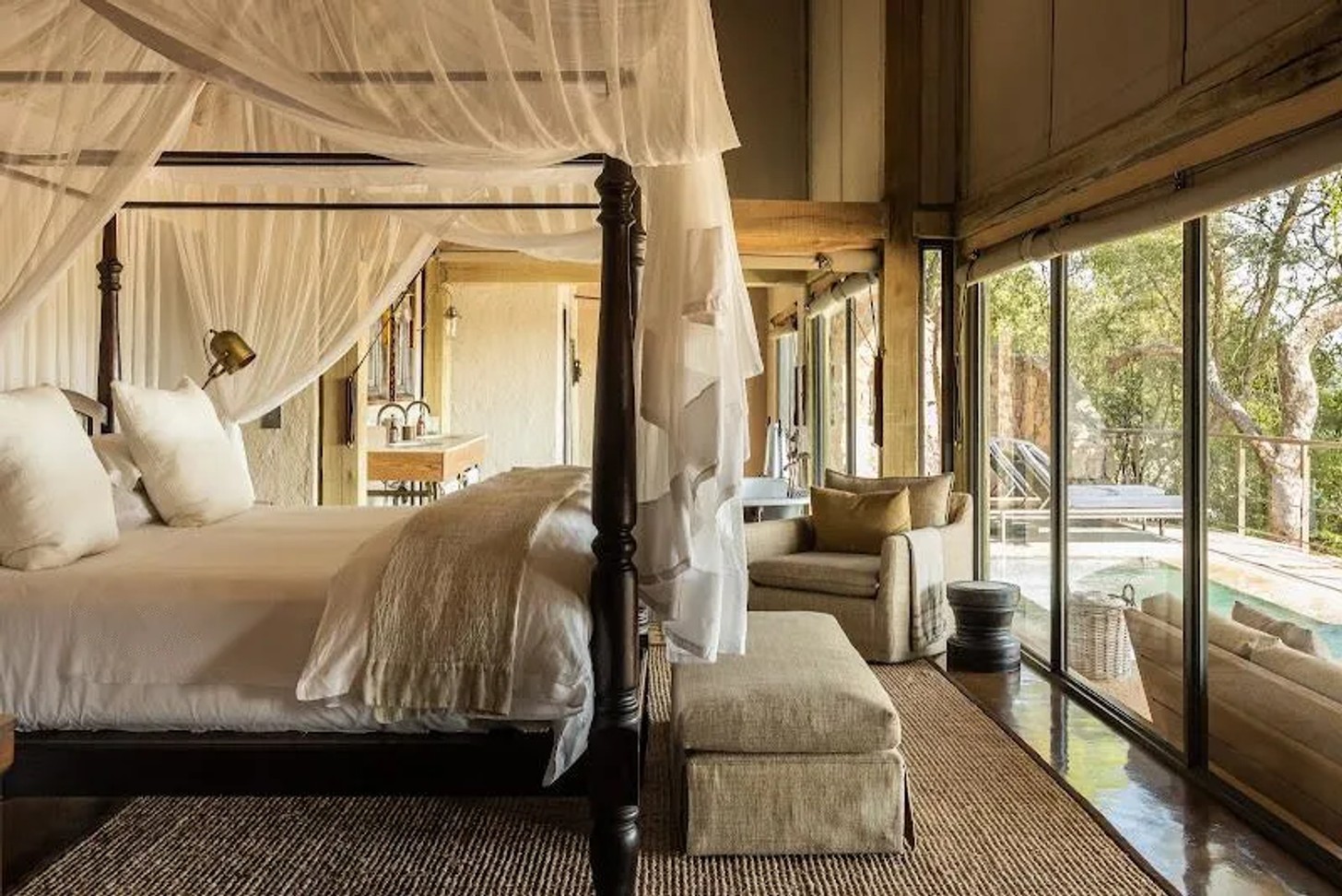
Singita has long been at the forefront of this movement. Across its portfolio, contemporary architecture, curated African art collections, and locally crafted furnishings create spaces that feel sophisticated without losing their connection to place. The brand's philosophy prioritises understated
design that allows the surrounding wilderness to remain the focal point, demonstrating how luxury can feel both modern and deeply rooted in Africa.
Rather than importing a global luxury aesthetic, these lodges are helping define one that is distinctly African.
Craftsmanship As A Design Statement
The future of safari luxury is increasingly handmade.
Across the continent, designers are collaborating with local artisans to create interiors that tell richer stories about a place and its culture. Handwoven textiles, bespoke furniture, ceramic lighting, and sculptural objects have become central design elements, rather than decorative afterthoughts.
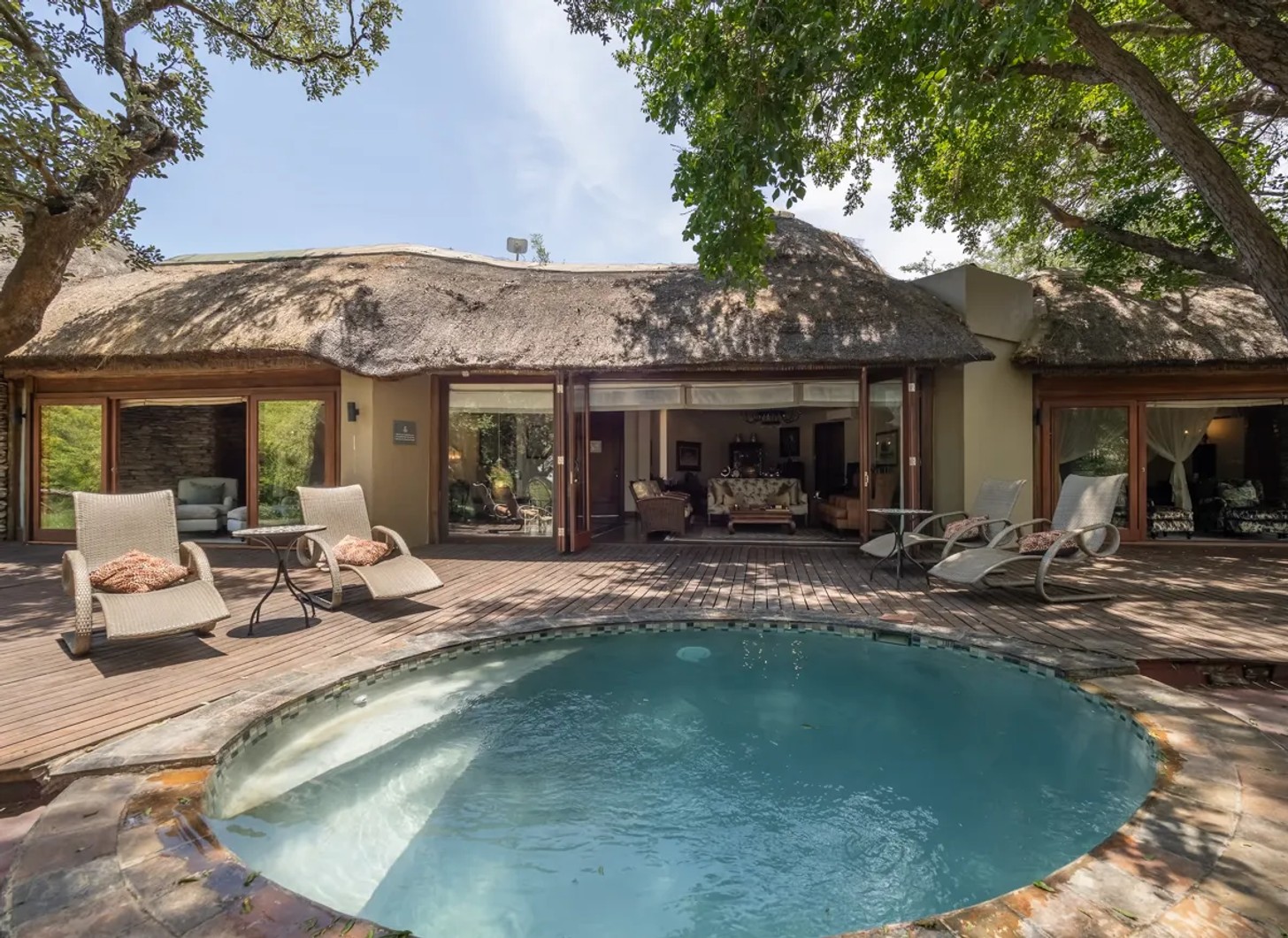
At properties such as Tintswalo Safari, a strong sense of locality is reflected in layered textures, natural materials, and handcrafted details that celebrate the surrounding landscape. These elements bring warmth and authenticity to interiors while supporting traditional skills and regional economies.
For today's travellers, craftsmanship represents a different kind of luxury – one rooted in origin, individuality, and human connection.
Spaces Designed For Connection
The most memorable safari lodges are no longer just defined by their interiors, but by the experiences they create between people and place.
Across Africa, architects are designing spaces that dissolve the boundaries between indoors and out, encouraging guests to slow down and engage more deeply with their surroundings.
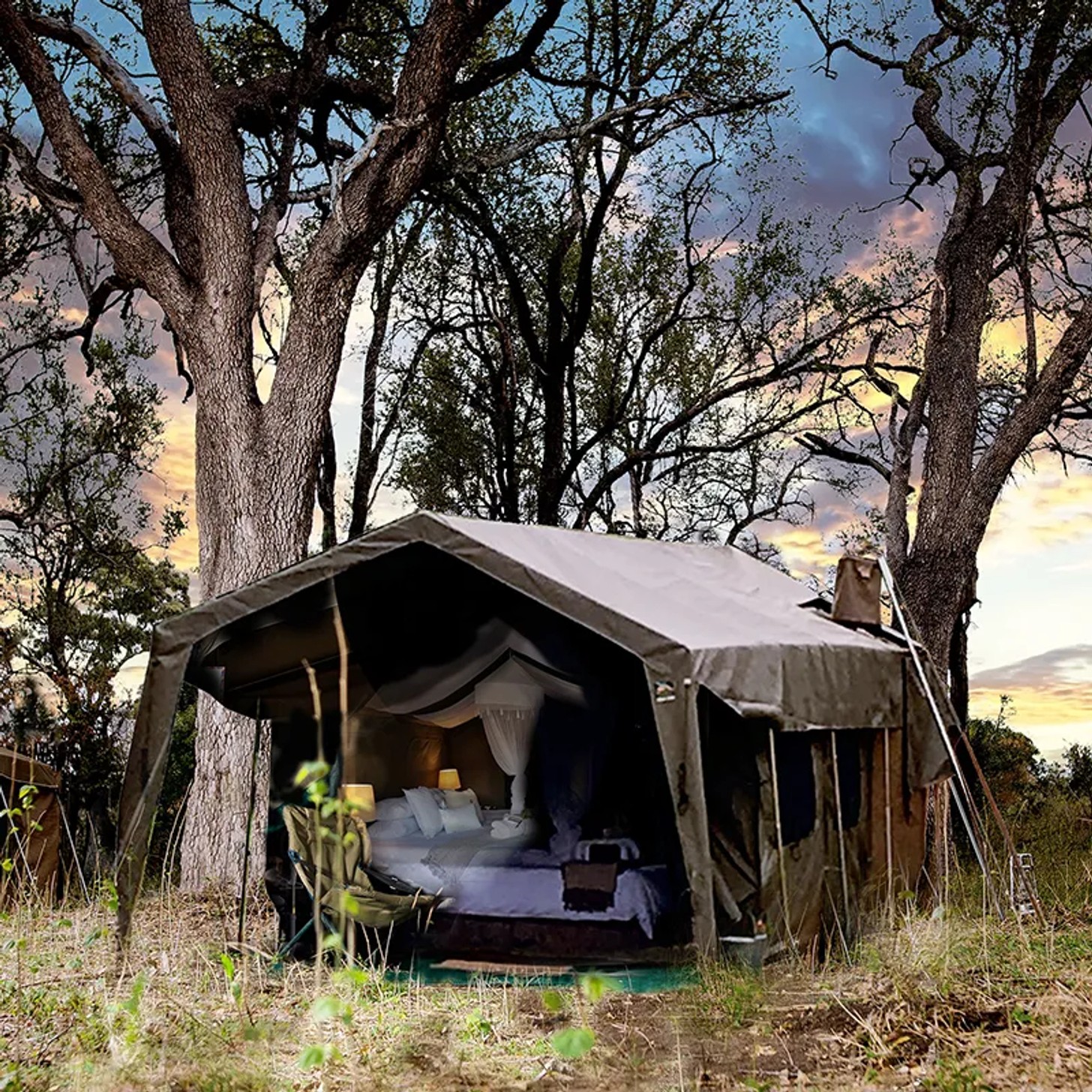
At Victoria Falls Tented Camp in Zimbabwe's Jafuta Community Reserve, the camp's open-sided tents, communal fire pit, and outdoor dining spaces place nature at the centre of every interaction. With elephants frequently moving through the reserve and uninterrupted views of the surrounding wilderness, the design fosters a sense of connection – not only with the landscape, but also with fellow travellers sharing stories beneath the African sky.
It is a reminder that the future of safari design lies in creating meaningful moments of immersion, where architecture serves as a quiet backdrop to the natural world.
Read more: Inside Victoria Falls Tented Camp, where thoughtful safari design places nature at the heart of every guest experience.
Luxury with Purpose
The next chapter of safari design is not simply sustainable – it is regenerative.
The most ambitious projects are moving beyond reducing environmental impact to actively restoring landscapes, supporting biodiversity and creating opportunities for surrounding communities. Design is a tool for conservation, education and cultural preservation.
The future of safari design is not about building bigger or more extravagant lodges. It is about creating spaces that belong to their landscapes – places where architecture, conservation, and culture exist in harmony.
Credits
Images: Few & Far Luvhondo, Mhondoro Safari Lodge, Singita, Tintswalo Safari, Victoria Falls Tented Camp


