
An iron. A clothes peg. A broom. A mop. These objects are so ordinary we rarely notice them. For South African conceptual artist Usha Seejarim, however, they carry stories of gender, labour and power.
Across her three-decade practice, Seejarim has transformed domestic objects into large-scale installations that challenge how society values, and often overlooks, work traditionally performed by women. Her latest solo exhibition, *Used*, shown at Southern Guild’s New York gallery, examines how repetition, care and endurance become embedded in everyday objects. “Objects, for me, are gendered through the association of who uses them,” she explains. “It’s not that the iron is female or the peg is female, but the role is gendered.”

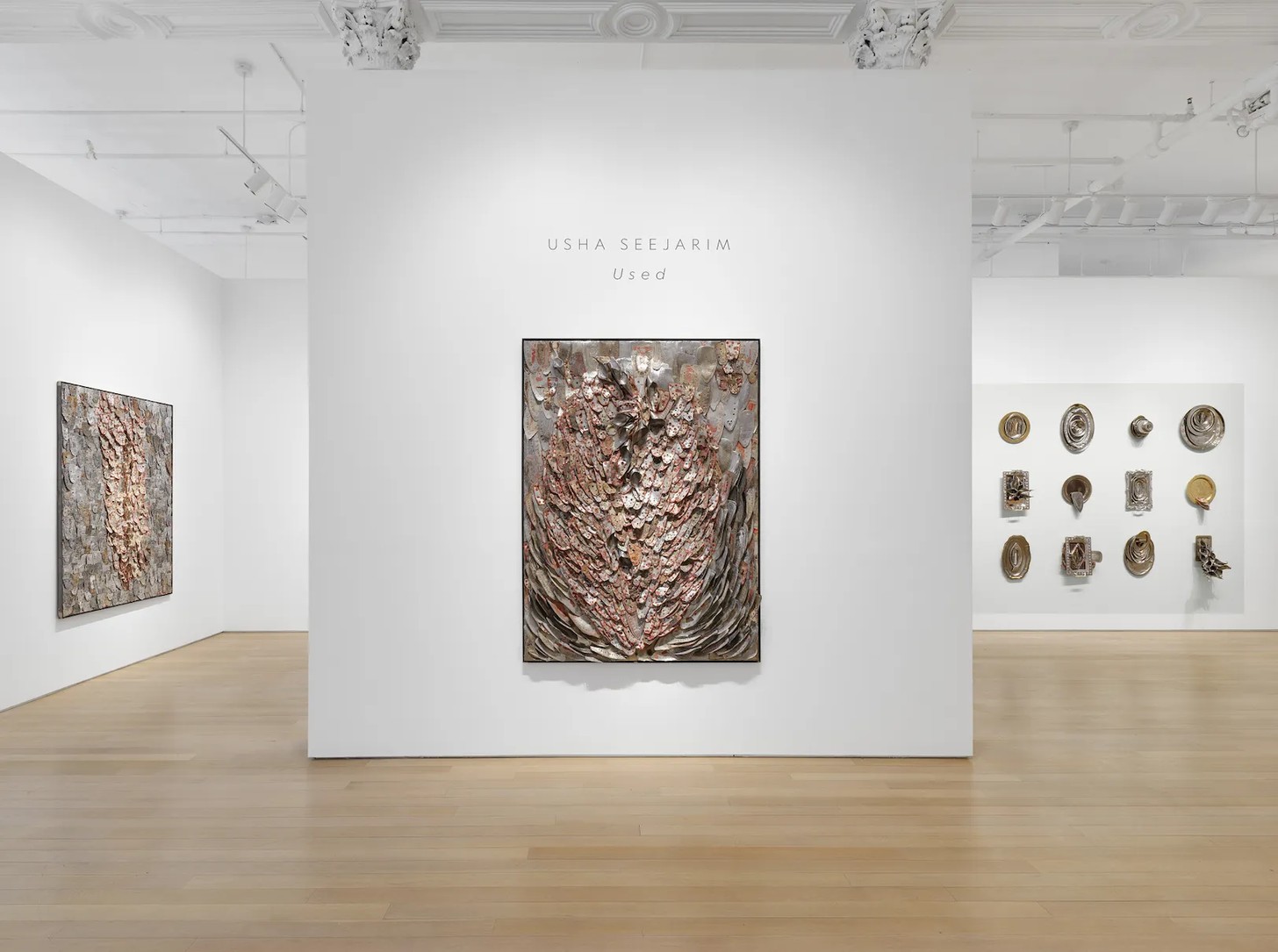
Detached from their original functions and assembled into complex sculptures, everyday tools become metaphors for invisible labour. The title *Used* emerged from Seejarim’s reading of feminist scholar Sara Ahmed’s “What’s the Use of Use”, which gave language to ideas she had long explored. “Used as in exploited. Used up. Taken advantage of.
Exhausted. Then there’s ‘used to’ – getting used to violence, getting used to abuse.” Seejarim did not intend to become “the artist who works with irons”. As a student, she was fascinated by everyday rituals, from documenting bus journeys between Lenasia and Johannesburg to performance art. Motherhood shifted her attention towards the domestic. “My daughter was born in 2008 and my son in 2010,” she says. “By 2011 or 2012, my life had become so domesticated.”
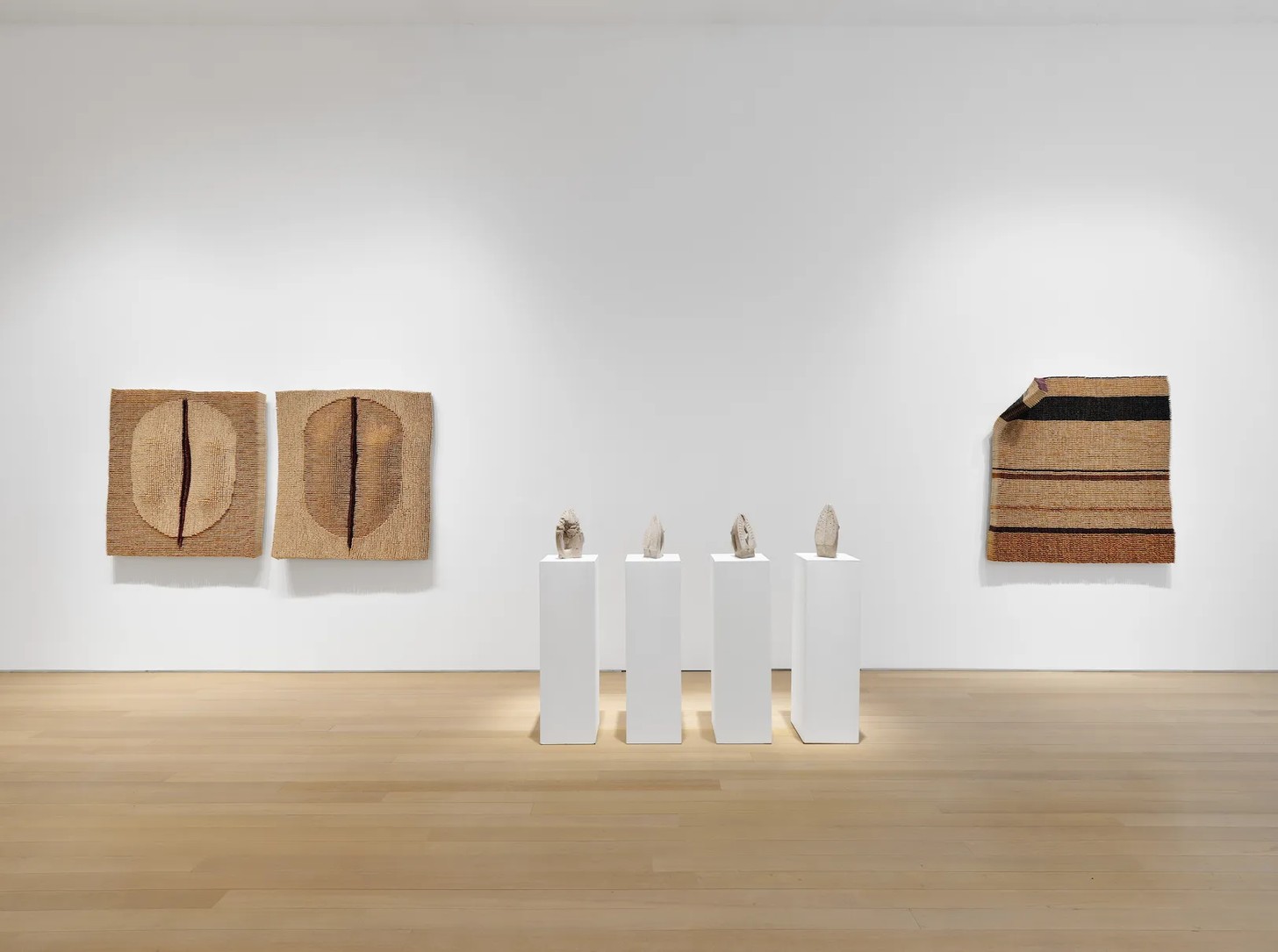
This culminated in “Venus at Home”, for which friends, neighbours and family donated household objects. Brooms and mops arrived in abundance, helping establish a visual language that continues today. “The iron smooths out creases. The peg holds things together. The broom sweeps things under the carpet,” she says. “It’s not only about the objects themselves, but what they stand for.”
Credits
Text by Shaazia Ebrahim
Images: Supplied


