
There are quite a few decorative pieces that work as hard as a mirror. It can bounce natural light into a dim corner, create the illusion of depth in a compact room, and bring a sense of balance to a wall that feels unfinished. Yet choosing the right one involves more than finding a beautiful frame. Scale, placement, proportion, and purpose all determine whether a mirror feels considered or out of place.
Here’s how to choose a mirror that works as beautifully as it looks.

Start with Size and Proportion
Before falling for an elaborate antique frame or a sculptural silhouette, consider the scale of the space. A useful rule of thumb is to choose a mirror roughly two-thirds to three-quarters the width of the furniture beneath it. This creates a sense of balance without making the mirror feel oversized or disconnected from what sits below.
When hanging a mirror above a console, dresser or mantelpiece, leave a little breathing room between the furniture and the frame. On an uninterrupted wall, position the mirror at a comfortable eye level, adjusting for ceiling height and what you want it to reflect.
For a full-length mirror, prioritise a design that allows you to see your reflection from head to toe, with enough room to stand back comfortably. Remember to account for the frame when assessing the overall size, as the reflective surface may be smaller than it appears.
Choose a Shape That Complements the Room
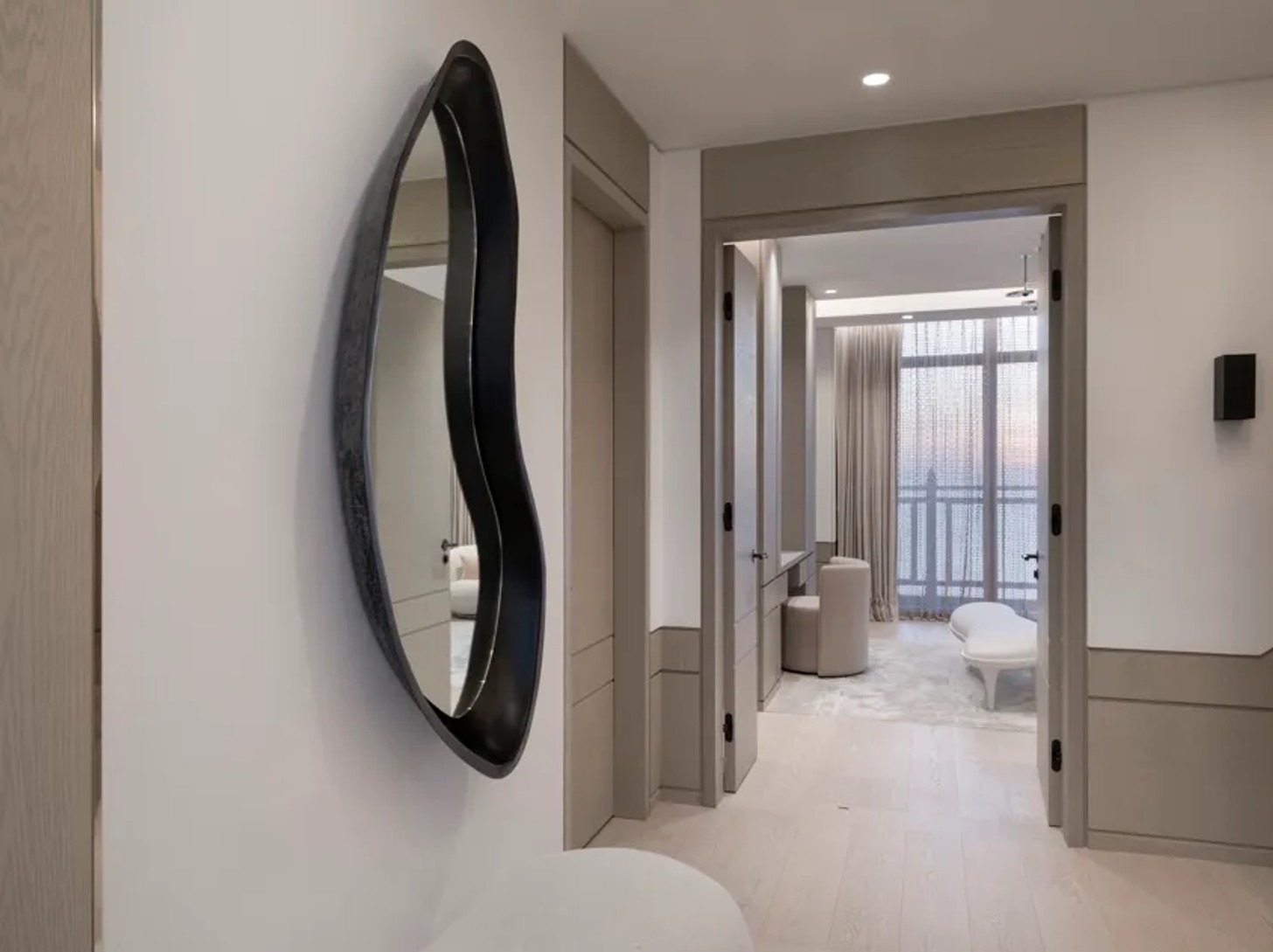
Rectangular mirrors bring structure and work particularly well above consoles, bathroom vanities, and bedroom dressers. Round mirrors soften rooms dominated by straight lines, while arched designs introduce architectural interest without requiring structural changes. Irregular shapes can feel contemporary and playful, especially against restrained walls and simple furnishings.
The frame is just as important. Natural timber adds warmth, slim black frames lend definition, and brass or aged metallic finishes introduce a decorative accent. For a more collected interior, consider a vintage mirror with patina or an imperfect finish.
How to Style Mirrors in Every Room
The Entrance Hall
An entrance mirror is both practical and welcoming. Above a console, choose a design approximately two-thirds to three-quarters of its width, then style the surface with a table lamp, a small tray, or a vase of seasonal branches. In a narrow passage, a tall, vertical mirror can create a greater sense of height without occupying much wall space.
The Living Room
A large mirror can anchor a living room like a piece of art. Hang it above a mantelpiece or console, or position a substantial floor mirror against an otherwise underused wall. Avoid reflecting television screens, clutter, or harsh direct sunlight.
The Bedroom
A full-length mirror belongs near a wardrobe or dressing area, where there is enough space to stand back and use it comfortably. A wall-mounted mirror above a dressing table should be wide enough to provide a practical view without overwhelming the furniture. For a calmer atmosphere, opt for timber, softly rounded edges or understated finishes that complement the bedroom’s textiles and furnishings.
The Bathroom
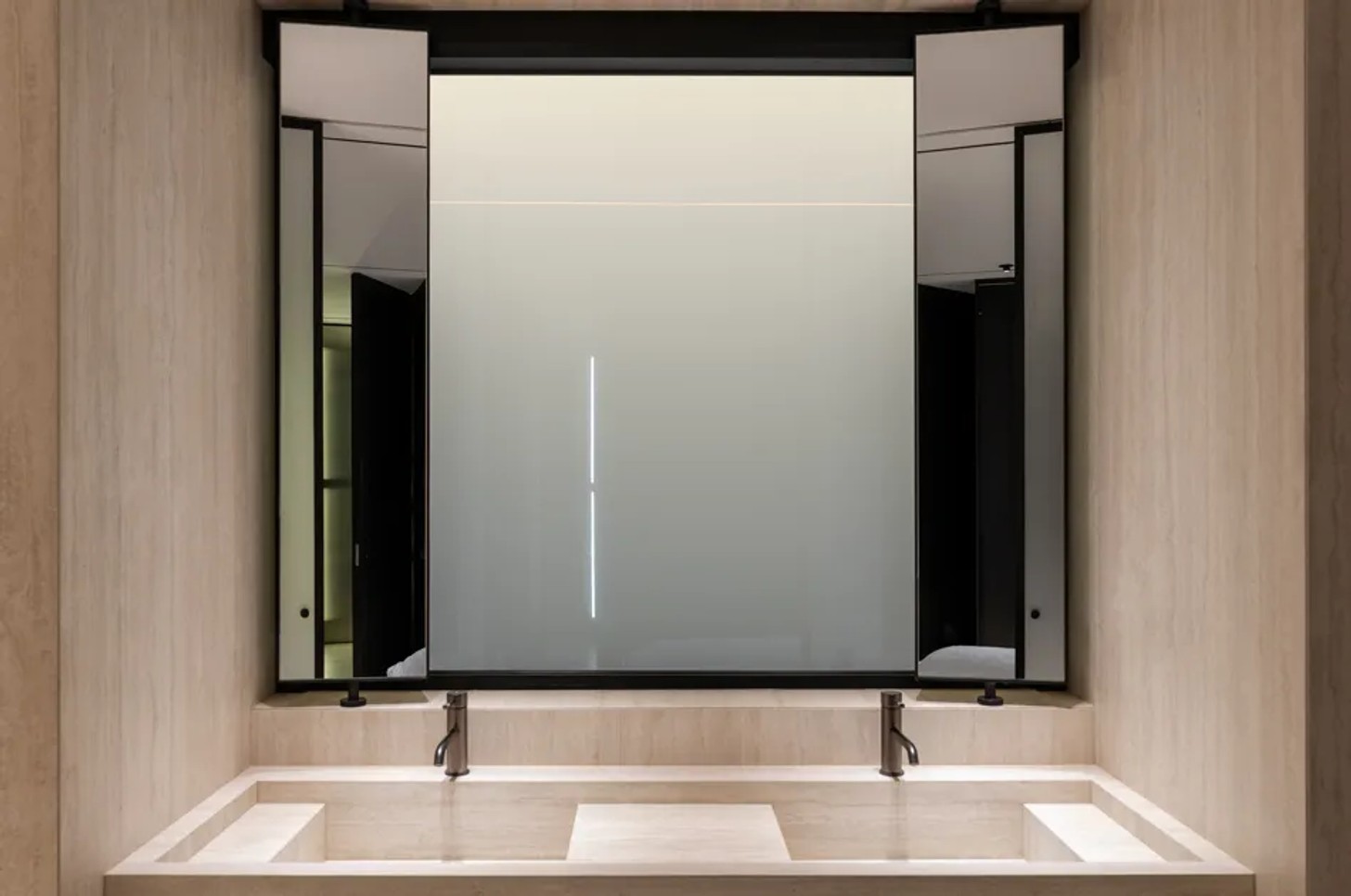
Here, function should guide the purchase. A mirror spanning most of the vanity width creates a cohesive appearance, while two individual mirrors can work beautifully above a double basin. Consider the height of the people using it and pair the mirror with flattering task lighting.
Choose a product specifically suited to humid environments, with appropriate backing and corrosion-resistant fittings.
The Dining Room
A generous horizontal mirror above a sideboard can reflect candlelight, pendant lighting, and the room’s most attractive features, adding depth to the entertaining space. Keep its width in proportion to the furniture and check the reflection from seated positions. A mirror should enhance the atmosphere, not distract from the table.
Before You Buy
Finally, consider the practical details. Check the mirror’s weight, wall construction, and supplied hanging system before installation – heavier pieces may require professional mounting. Secure leaning floor mirrors to prevent tipping, especially in homes with children or pets. In smaller rooms, test the proposed position with paper cut to the mirror’s dimensions before committing.
Most importantly, remember that a mirror reflects whatever sits opposite it. Choose a view worth repeating, and even the simplest design can transform the room.
Image Credits
Walid Rashid, VSB, David Venni, Vigo Jansons, Tom Ferguson


