
Buying your first home is an exciting milestone, but turning it into a space that works for everyday life requires more than a beautiful sofa or a practical kitchen. The secret is to prioritise what makes a house comfortable, functional and easy to maintain, then layer in the design details that make it feel like yours.
Here are 10 things every first-time homeowner should consider.

1. Check the bones before the beauty
Before falling for beautiful finishes, inspect the important things. Look out for signs of mould, roof leaks, cracked walls, poor drainage, and plumbing issues. Test taps, toilets, windows, doors and electrical fittings, and ask about the age and condition of the geyser, roof, and major appliances.
It’s also important to investigate the body corporate’s rules, levies, and maintenance plans. For any kind of property, check approved building plans and whether additions or alterations have the necessary approvals. A professional inspection can help identify problems that are easy to overlook during a viewing.
2. Budget for the home beyond the purchase price
Your deposit and monthly bond repayment are only part of the finances. Factor in transfer, bond registration costs where applicable, rates and taxes, levies, insurance, utilities, moving expenses, and an emergency maintenance fund.
These costs can also influence your design choices. Instead of spending your entire furnishing budget immediately, keep a reserve for unexpected repairs and essential upgrades. A beautiful home should not leave you financially stretched.
3. Invest in a good bed and mattress first
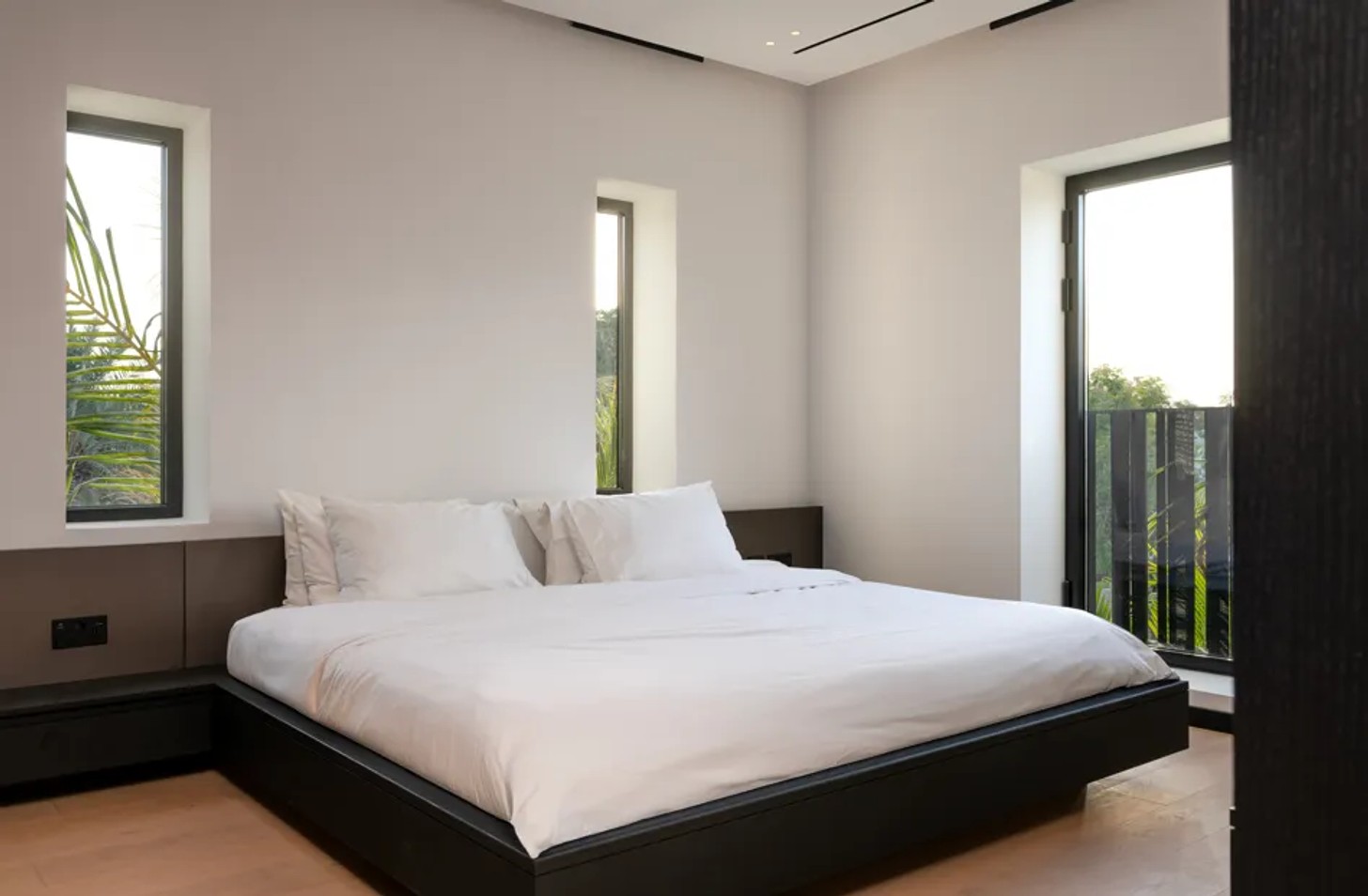
Your bedroom is one of the most important spaces to get right from day one. A supportive mattress, quality pillows, comfortable bedding, and suitable curtains or blinds will make a noticeable difference to your everyday life.
Measure the room before choosing a bed frame, especially if you need space for bedside tables, wardrobes, or drawers. If storage is limited, consider a bed with built-in drawers or enough clearance for under-bed containers.
4. Get your lighting right
Lighting affects how a home looks and how it feels to live in. A single overhead light rarely provides the flexibility needed for reading, cooking, working, or winding down.
Start with the existing lighting, then add floor lamps, table lamps, and task lighting where needed. Check that fittings are safe and suitable, and use a qualified electrician for electrical work.
5. Prioritise kitchen essentials over a perfectly styled kitchen
You do not need a kitchen full of appliances to cook well. Begin with the essentials: a reliable fridge, kettle, basic cookware, a chopping board, knives, crockery, cutlery, and food-storage containers. Add a microwave, dishwasher, or other appliances according to your space and budget.
Before buying anything, assess your cupboard space, plug points, and worktop sizes. A few well-chosen essentials will serve you better than gadgets that occupy valuable storage.
6. Choose furniture that fits your actual space
A sofa that looks perfect in a showroom may overwhelm your living room at home. Measure the room, doorways, passages, and staircases before making significant purchases. Remember to allow enough room to move comfortably around.
Start with the pieces you will use most: a sofa or comfortable chairs, a dining surface, and practical seating. In a smaller home, consider nesting tables, extendable dining tables, and furniture that serves more than one purpose.
7. Make storage a priority, not an afterthought
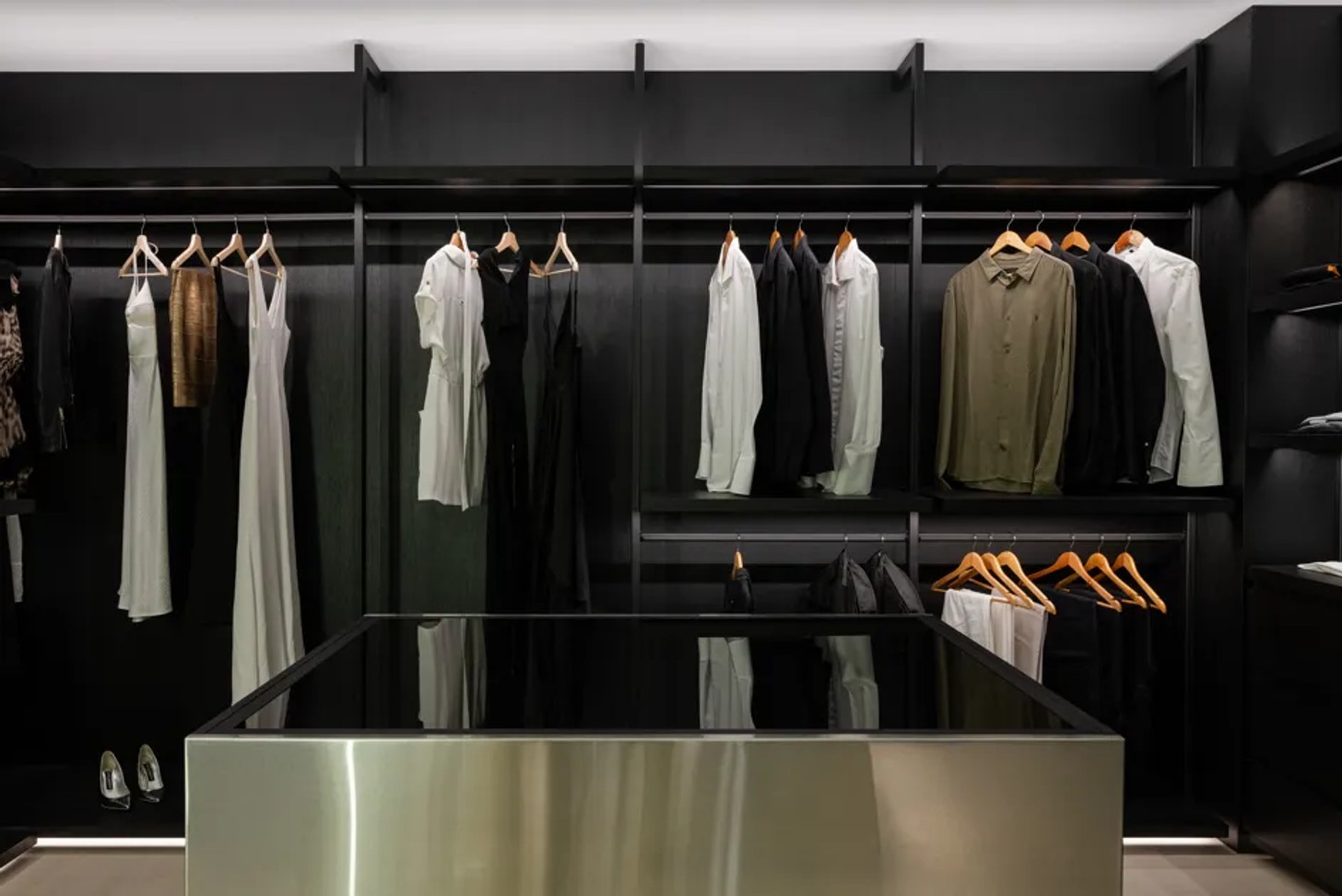
Clutter tends to accumulate where everyday life happens: entrances, kitchens, bathrooms, and bedrooms. Plan for it before buying decorative accessories.
A shoe rack near the entrance, hooks for keys and bags, drawer organisers, laundry baskets, and bathroom shelving can make spaces look neater and more welcoming. Choose closed storage for items you want out of sight, and use open shelves for objects that are worth displaying.
8. Sort out privacy, security, and window coverings
Curtains and blinds are among the first purchases worth making, especially in bedrooms and street-facing rooms. They provide privacy and can contribute to thermal comfort.
Check the condition of locks, gates, outdoor lighting, and existing security systems. If you are buying into a complex, understand its security arrangements and rules. Window coverings and security measures should be practical first, while still complementing the home's architecture and interiors.
9. Buy cleaning and maintenance essentials
A well-designed home is also one that is easy to care for. Start with a broom, mop, vacuum suited to your floors, cleaning cloths, a bucket, basic cleaning products, and rubbish bins. Keep a small toolkit for simple tasks, along with spare light bulbs and batteries where needed.
Learn which products are appropriate for your surfaces: natural stone, timber, and delicate finishes may require specific care. Before making changes, understand what is safe to DIY and when to call in a professional.
10. Live in the space before decorating it completely
It is tempting to buy everything at once, but living in your home for a few weeks can reveal how you actually use it. You may discover that you need a reading lamp rather than a statement light or more storage near the front door.
Build your interior gradually. Begin with a considered base of versatile furniture, then introduce art, rugs, cushions, plants, and personal objects. Choose durable materials and colours you enjoy living with instead of chasing every passing trend.
Image Credits
Walid Rashid, Todd Goodman


