
An outdoor space can look beautiful on a sunny afternoon, however good design reveals itself when the weather changes. The afternoon breeze picks up, summer rain arrives unexpectedly, or winter sunlight falls at a different unexpected angle. Suddenly, the placement of a chair, the choice of fabric used on furniture, and the protection overhead matter just as much as the entire aesthetic.
In South Africa, where conditions vary considerably between the coast, the Highveld and the drier interior, designing for the climate is less about following a seasonal trend and more about making informed practical decisions. The aim is to create an outdoor environment that responds to the elements without compromising on style.

Here are three essential considerations for each of the four seasons.
Summer: Manage the Sun, Heat, and Rain
1. Shade that works with the sun
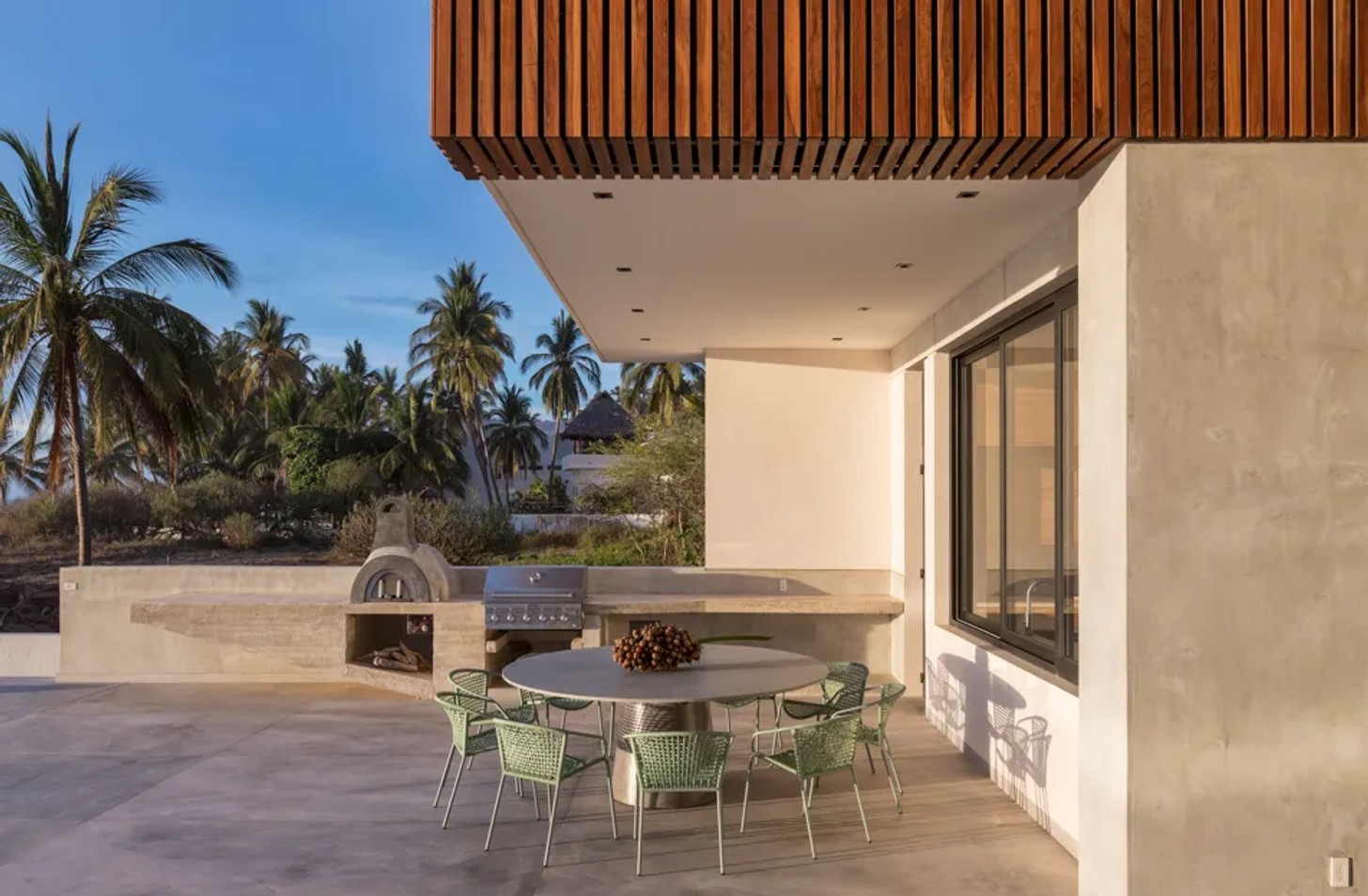
Shade should be planned around how sunlight moves across the space. Pergolas, adjustable shutters, and retractable awnings offer different levels of protection, while transient trees can provide cooling shade in summer and admit more light in winter.
2. Materials that resist UV damage
Prolonged exposure to sunlight can fade fabrics, weaken certain plastics, and dry out timber. Choose UV-resistant outdoor textiles, appropriately treated wood, and finishes that are designed for exterior use. Powder-coated aluminium is a practical option for furniture frames, while heat-reflective surfaces can be more comfortable than darker materials in direct sun.
3. Ventilation and drainage
Heat becomes more uncomfortable when air cannot circulate. Leave enough space between furniture pieces, avoid enclosing breezy areas unnecessarily, and use open-weave screens where privacy is needed. In regions that are prone to summer thunderstorms, ensure the paving drains efficiently and that cushions can be stored quickly when heavy rain arrives.

Autumn: Prepare for Changing Conditions
1. Flexible furniture arrangements
Autumn often brings fluctuating temperatures and unpredictable weather. Lightweight chairs, movable side tables, and modular seating make it the space easier to adjust. Arrange furniture so that it can be moved beneath a covered area without disrupting the entire layout.
2. Durable, transitional textiles
As evenings cool, introduce cushions and throws made from materials suited to outdoor use. Quick-drying fabrics and removable covers are useful where rain and dampness are concerned. Keep softer accessories in a weatherproof storage chest when they are not needed, and allow damp textiles to dry fully before storing them.
3. Seasonal garden maintenance
Fallen leaves can block drains, while wind and rain may expose the weaknesses in outdoor structures. Clear gutters, inspect shutter fixings, and check paving for pooling water. In the garden, autumn is also a useful time to assess soil condition and prepare planting beds, taking local rainfall patterns into account.
Winter: Protect Against Cold, Wind and Moisture
1. Wind protection
A sheltered outdoor area does not need to feel too enclosed. Carefully positioned screens, outdoor curtains, and glass panels can reduce wind exposure while preserving views. The best solution depends on the wind direction, which may differ between properties even within the same neighbourhood.
2. Surfaces that handle wet weather
Choose slip-resistant paving appropriate to the setting, and make sure water can drain away from entrances and seating areas. Timber requires suitable exterior protection, while metal fixtures near the coast may need corrosion-resistant specifications because of salt-laden air. Regular inspection helps to prevent small maintenance issues from becoming expensive repairs.
3. Layered warmth and lighting
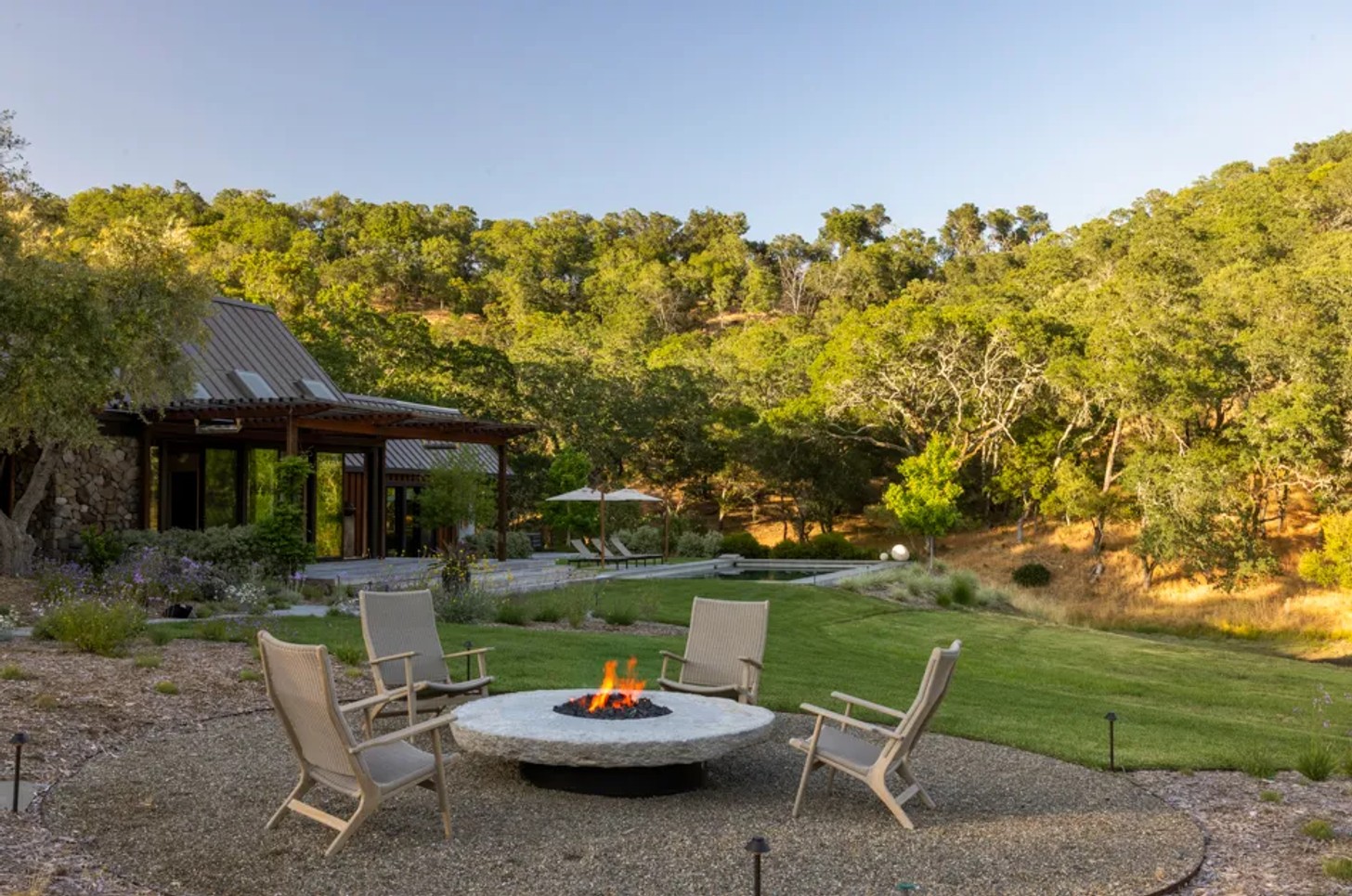
Portable outdoor heaters, where appropriate, can extend the use of a patio during colder months. Pair them with warm-toned lighting, weather-resistant cushions, and a covered seating area.
Spring: Make Room for Growth and Change
1. Flexible Planting
Combine plants that are suited to rainfall, soil, and sun exposure with seasonal varieties for colour. Also choose species according to their mature size so that growing roots and branches do not eventually crowd pathways or damage nearby structures.
2. Check finishes before peak outdoor use
Inspect furniture, timber coatings, outdoor upholstery, and shade structures before summer arrives. Repairing worn finishes early helps protect materials from stronger sunlight and heavier use.
3. Improve water efficiency
Review irrigation coverage and check for leaks before temperatures rise. Drip irrigation can direct water towards plant roots, while mulch helps reduce evaporation. Where appropriate, absorbent paving and well-designed planting beds can also help rainwater soak into the ground instead of running straight into stormwater drains.
Image Credits
Bess Friday, Carmel Brantley, Marcos Garcia


