
In the Greater Kruger, where the rhythms of the bushveld have shaped South Africa’s safari story, Sandringham Private Game Reserve is entering its next chapter – one defined by restoration.
The reserve welcomed its first guests on 1 August 2026, following five years of planning and development. For the Sabi Sabi Collection, which has spent more than 45 years establishing its place in South African safari tourism, the opening represents more than an addition to its portfolio. It is an opportunity to reconsider what a safari destination can mean for the land, its wildlife, and the communities connected to it.

Previously a hunting reserve, Sandringham has been transformed into a protected area where nature can recover and thrive. Its story is one of renewal, but also of patience – the kind required to restore a landscape and allow its future to unfold on its own terms.
A landscape worth slowing down for
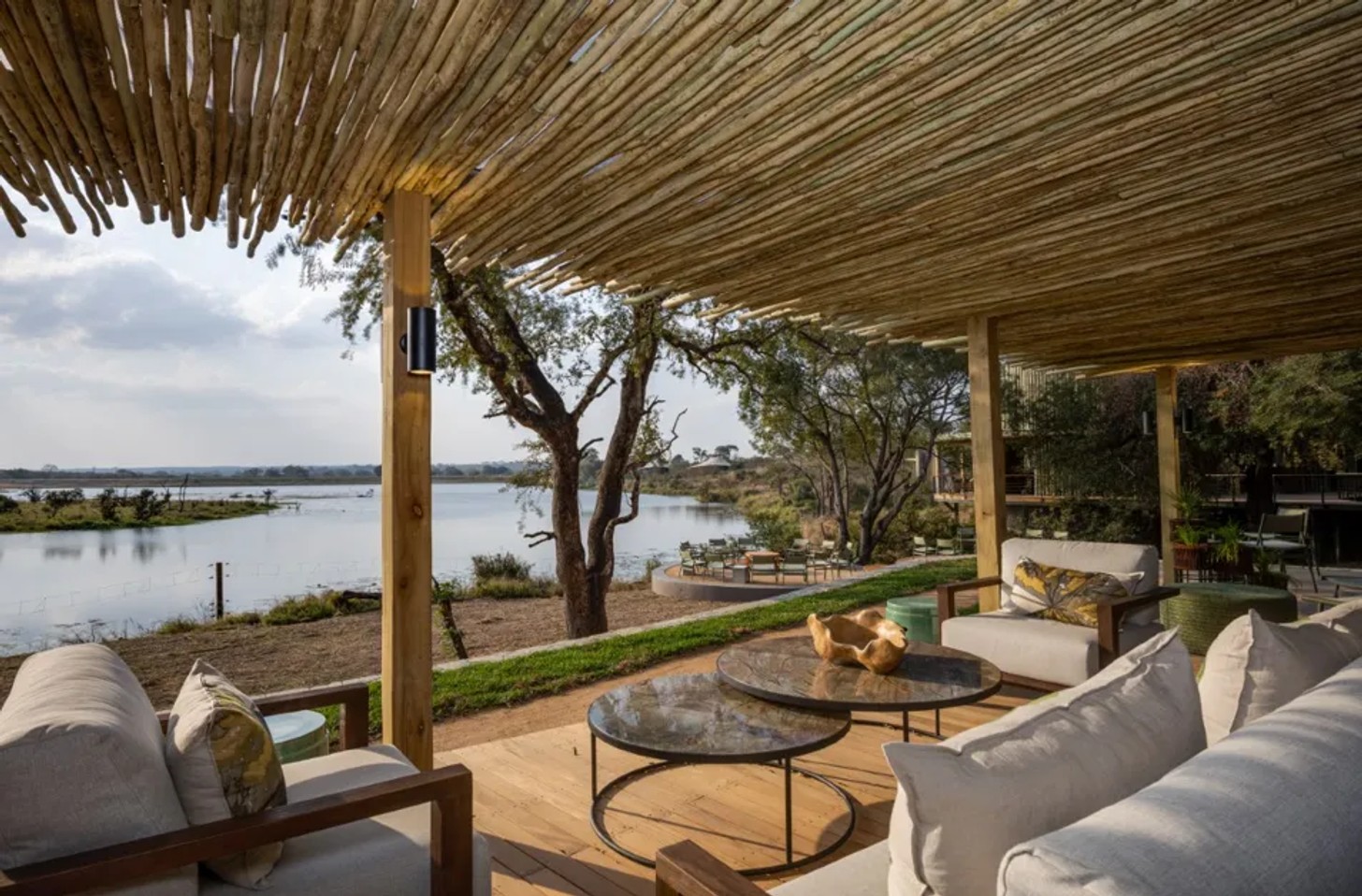
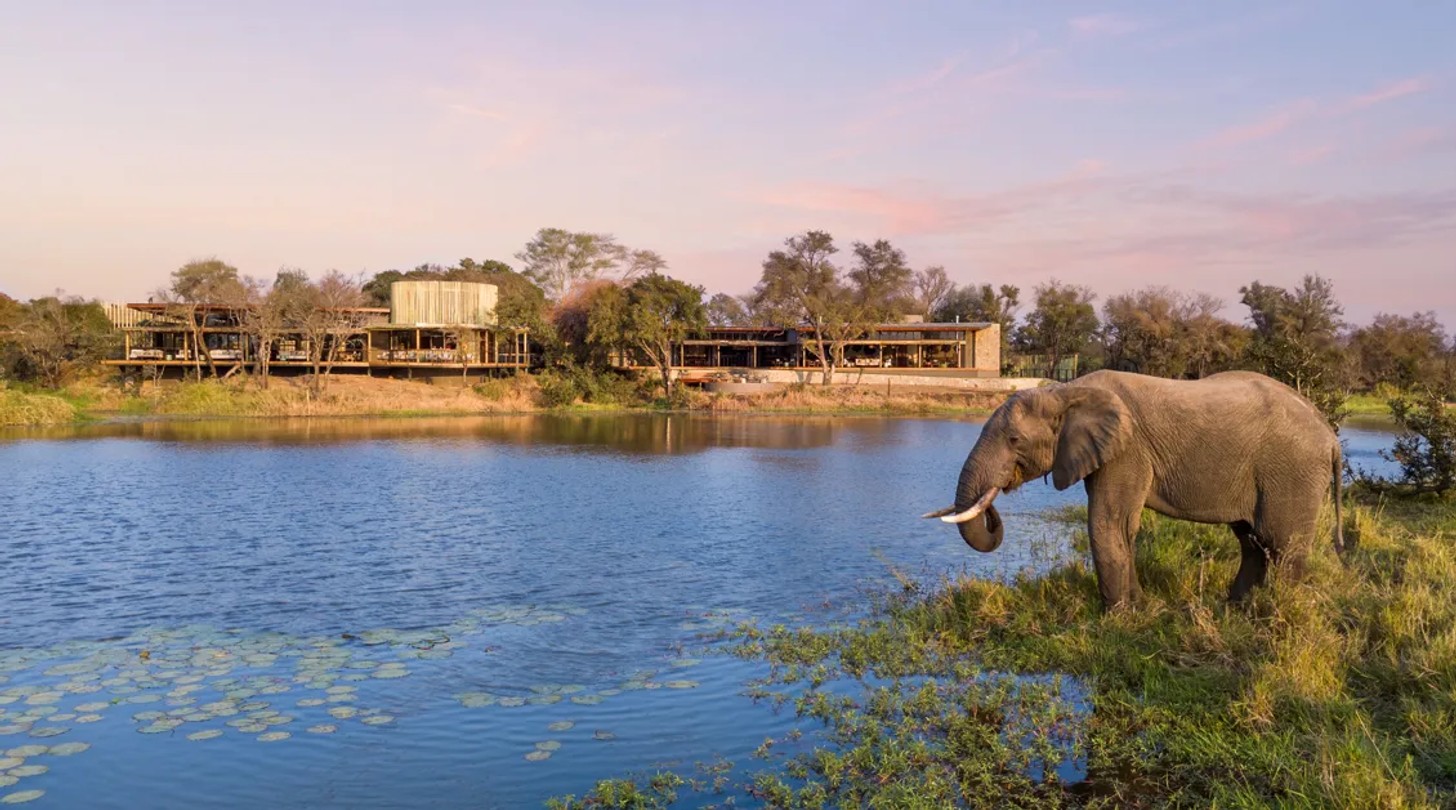
Designed by architect Nick Plewman and interior designer Cate Simpson of Reflecting Africa, the main lodge looks out across an expansive body of water where four rivers meet. The setting does much of the talking, with distant views towards the Drakensberg Mountains providing a striking view to the changing light.
The main lodge includes a bar, lounge and restaurant, with generous decks that invite guests to relax and enjoy the moment. A timber walkway connects the central gathering space to Shisaka and N’Weti camps, as well as a gym, spa, library, museum, and bush boutique.
The design draws on the reserve’s colours and cultural influences, creating a space where guests can settle in after a day in the bush.
Two camps, two interpretations of the bush
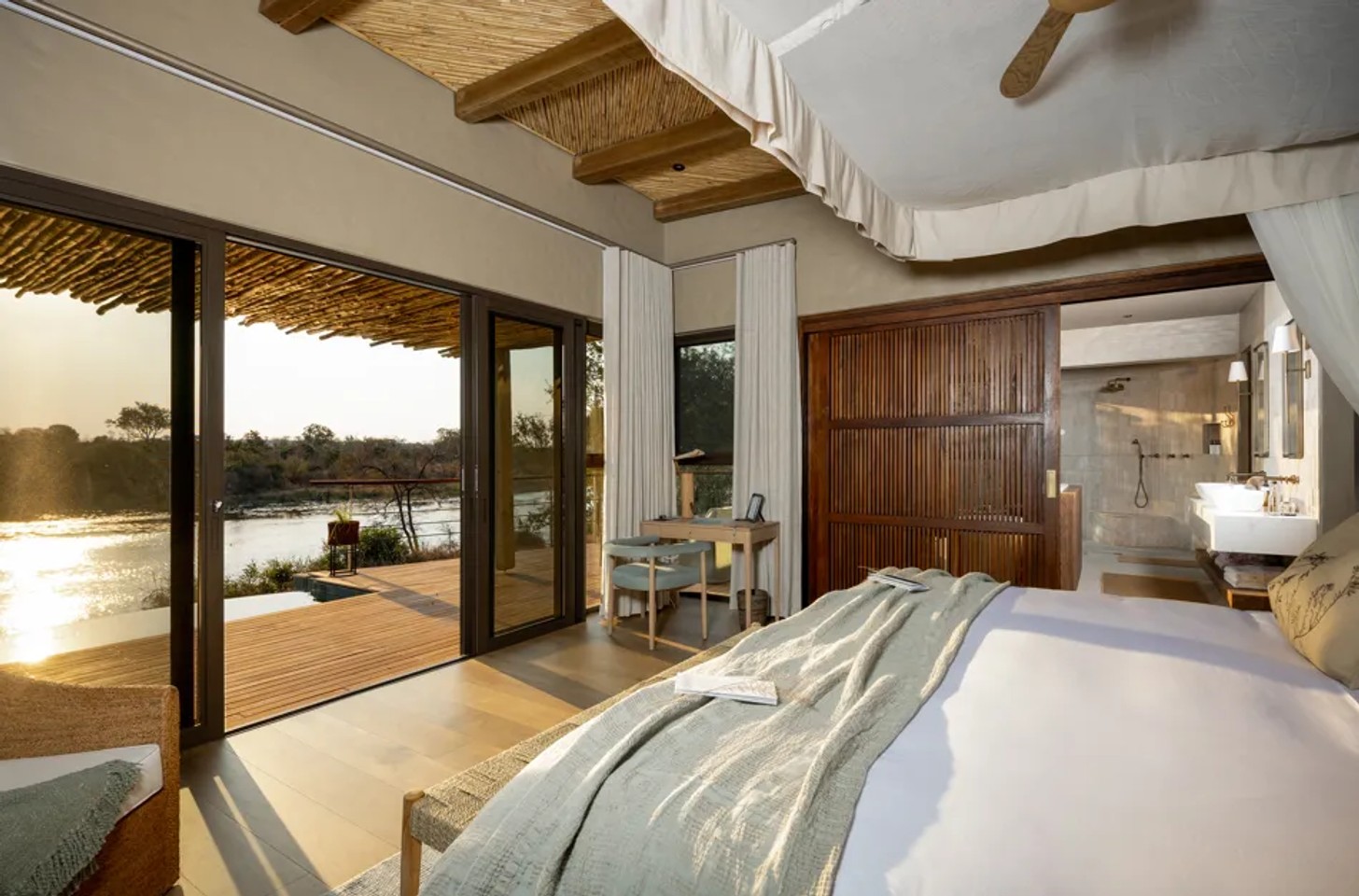
At Shisaka Camp, the Tsonga word for “nest” influences the design. Nest-like rooftop space offers elevated views across the river towards the mountains, while two luxury villas extend the camp’s architectural language into a more private setting.
N’Weti Camp takes a different approach. As a luxury canvas camp, it pays homage to Tsonga culture through a name that evokes the view of the mountains on a moonlit night. Both camps place the landscape at the centre of the experience, allowing their different identities to emerge without losing sight of their surroundings.
For families or small groups seeking greater privacy, Sandringham House offers another option. The residence accommodates up to eight guests across four en-suite bedrooms, with a dedicated chef, butler, ranger, and private safari vehicle.
Dining is also part of the experience, with executive chef Dion Von Wielligh and his team overseeing the reserve’s five-star culinary offering.
Conservation with a human story
The reserve’s redevelopment has been accompanied by an emphasis on local opportunity, including training and development through partnerships with the Tracker Training Academy and Bushwise. The intention is to connect conservation with skills, employment, and a sense of ownership in the future of the landscape.
For managing director Rod Wyndham, that connection is central to the project. Restoring historically neglected land while creating opportunities for young people from rural communities gives the reserve a purpose that extends beyond its boundaries.
A different kind of safari story
Sandringham arrives with the history of an established hospitality brand, but its identity is rooted in a landscape undergoing change. Its combination of architecture, waterside accommodation, and conservation-focused ambitions offers a different perspective on luxury safari living – one in which the setting is not simply a backdrop, but an essential part of the whole story.
This story is only the beginning. What makes it worth watching is the possibility that its next chapter will be measured not only in the experiences it offers guests, but in what it gives back to the land and the people who call it home.


