
In a city saturated with private clubs, luxury hospitality concepts and members-only experiences, Stylus is attempting something altogether different. Opening in New York's Lower East Side in 2026, the new venture describes itself as an "acoustic salon" — a place where architecture, sound, gastronomy and culture converge in a carefully orchestrated environment designed for intentional listening.
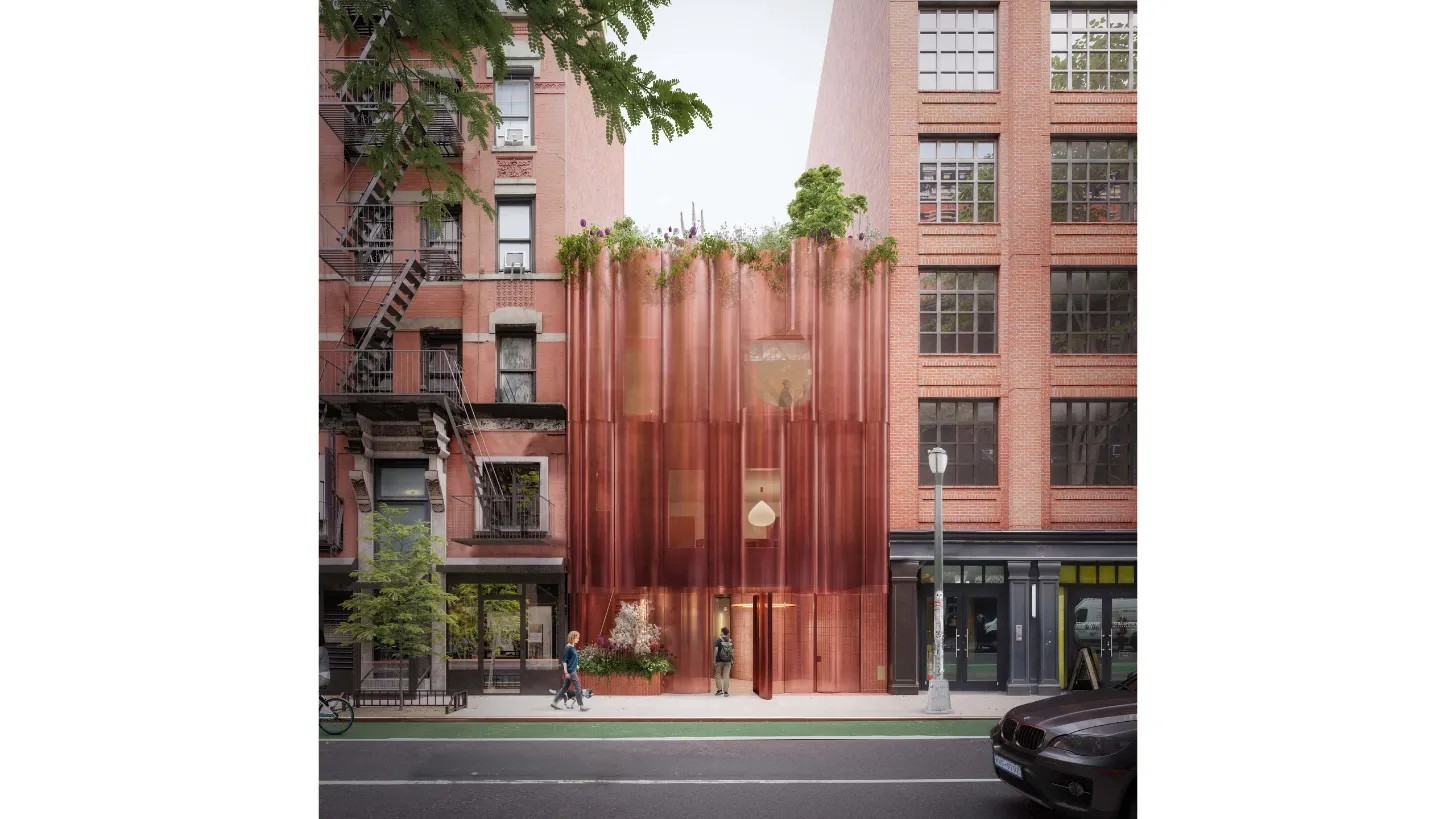
Occupying a storied building at 48 Clinton Street, Stylus breathes new life into a site that has quietly shaped New York's creative landscape for decades. First constructed as a local market in 1942, the building later became Loho Studios, where artists including Patti Smith, Joey Ramone, Art Garfunkel, Willie Nelson and Joan Jett recorded and rehearsed. It subsequently served as a workshop and rehearsal space for the Blue Man Group before being acquired by its current owners in 2018.

Now, following an extensive renovation and expansion, the building is set to emerge as a multidisciplinary destination where design is not merely decorative, but fundamental to the experience.
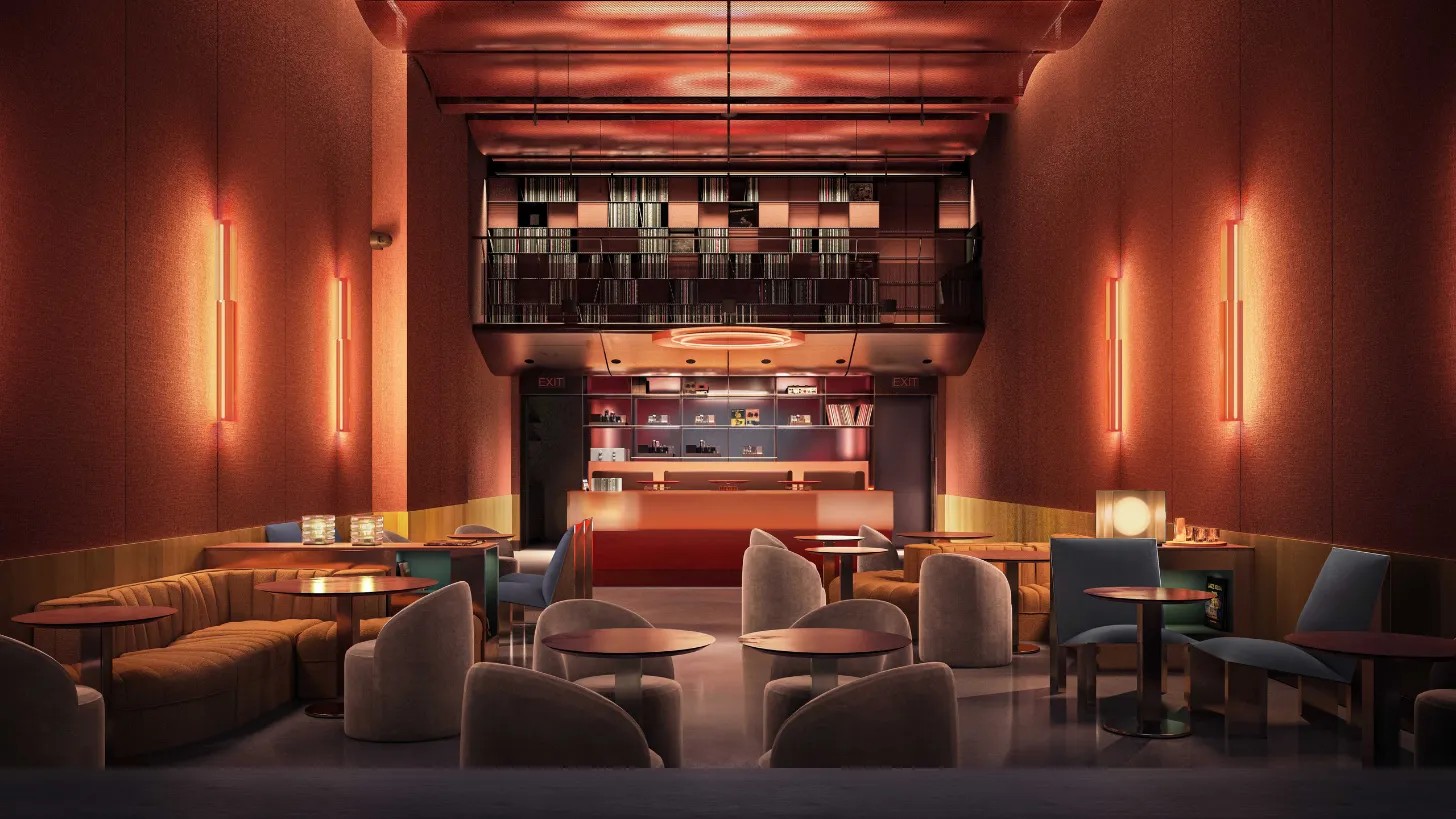
Designed Around the Art of Listening
At the heart of Stylus is an idea rarely prioritised in contemporary hospitality: sound.
The project has been conceived around world-class acoustic environments, with architecture and technology working in tandem to heighten sensory awareness. Brooklyn-based O'Neill Rose Architects, led by Faith Rose and Devin O'Neill, have overseen the transformation, expanding the former 4,500-square-foot recording studio into an 8,500-square-foot cultural venue, alongside 1,500 square feet of outdoor space.
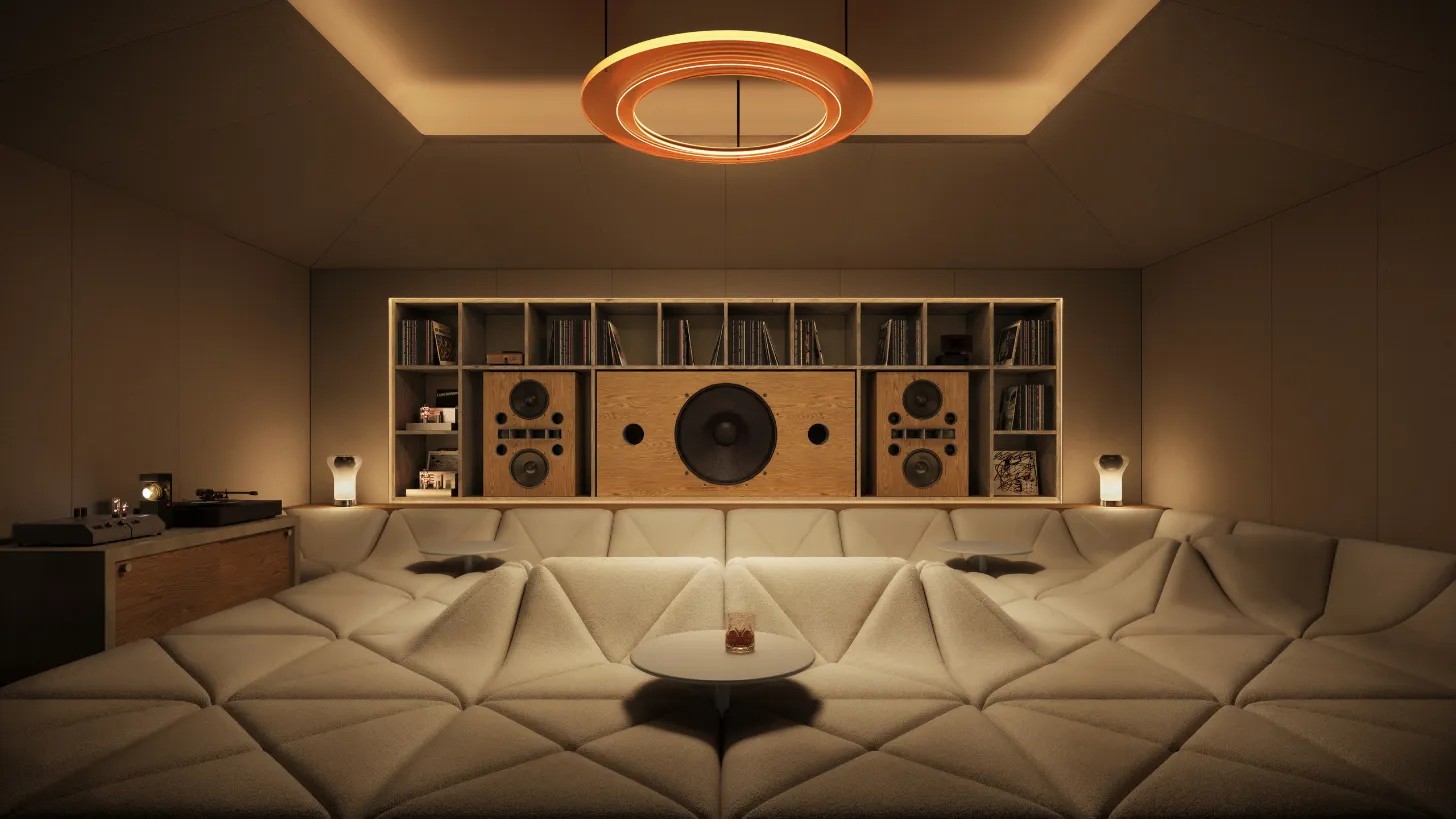
Italian designer Paolo Matera and design consultant Selene Privitera developed the interior finishes at the cellar level, including the listening room Subliminal, as well as selecting the loose furniture throughout Stylus, introducing a palette that balances warmth, texture and understated sophistication.
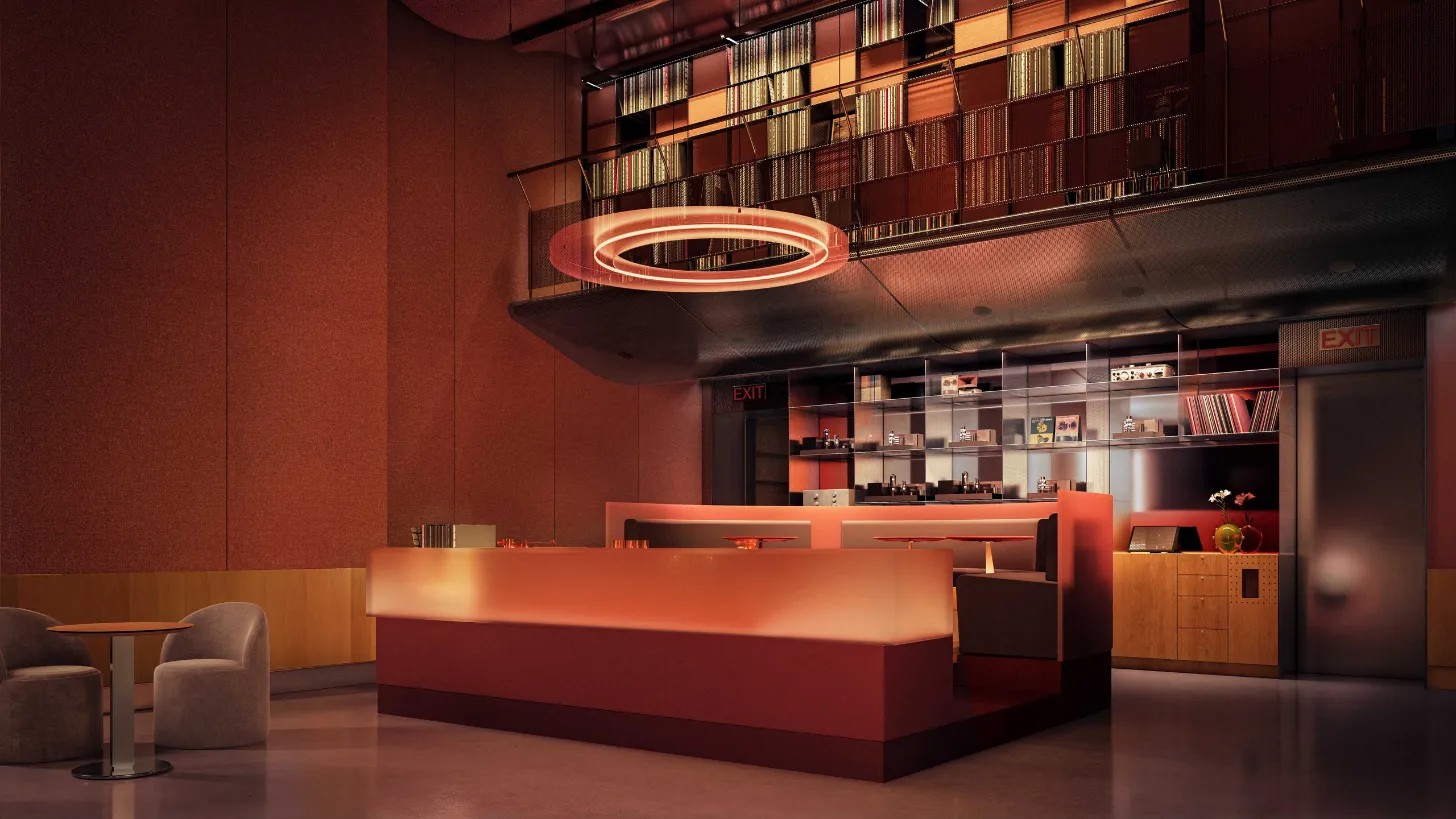
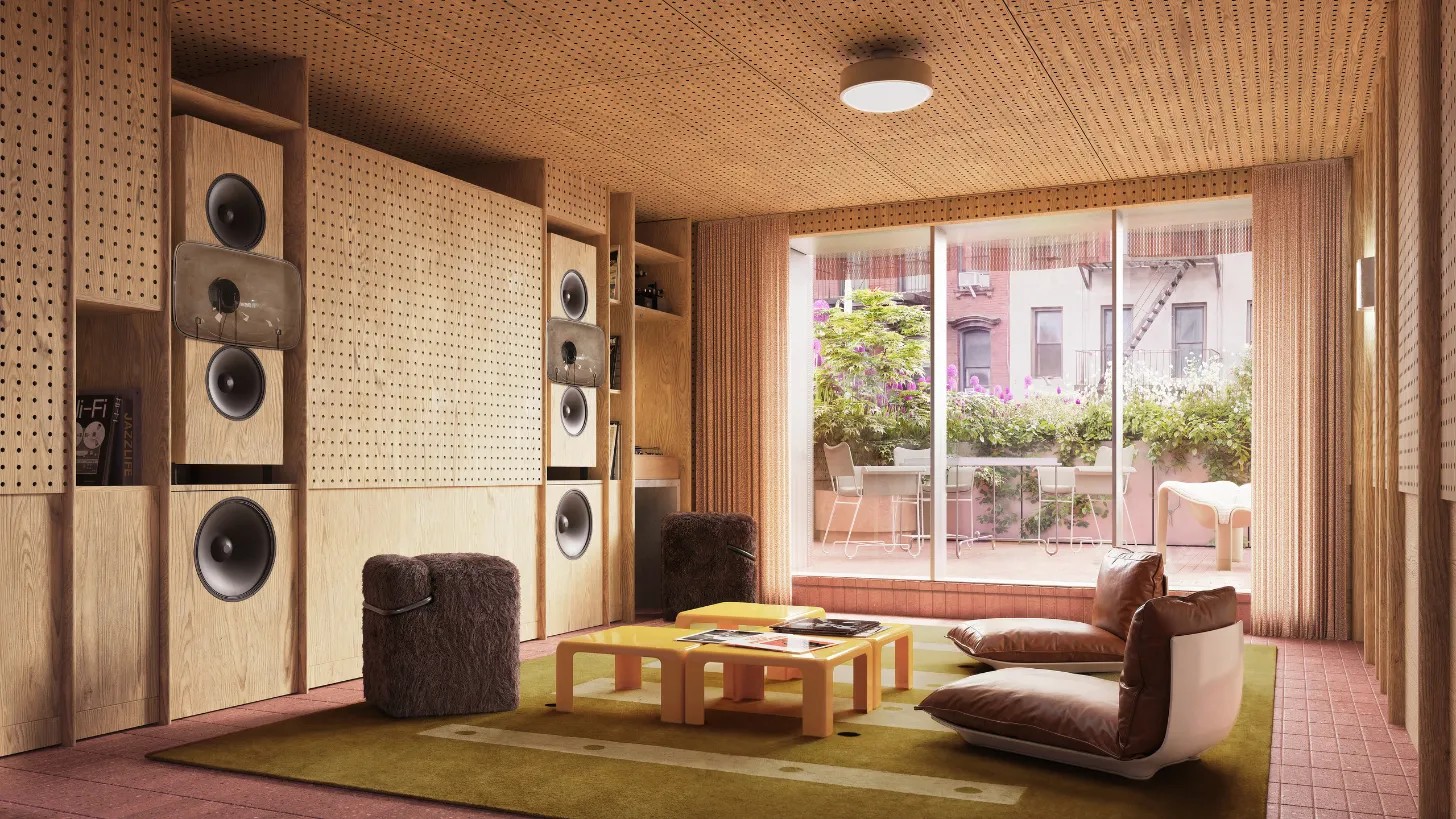
The centrepiece of the ground floor is Ephemeral, an acoustically engineered listening room and performance venue that blurs the boundaries between concert hall, cultural institution and social club. A structurally integrated sound system by Devon Turnbull, founder of OJAS, is paired with cutting-edge spatial audio technology from Vienna-based Amadeus Acoustics.
The result is an environment capable of transforming acoustically throughout the day. Depending on the programme, guests may feel as though they are seated inside an intimate jazz club, a grand concert hall or even a cathedral — all within the same room.
Where Culinary Arts Meet Cultural Programming
Food plays an equally important role in the experience.
The culinary programme will be led by acclaimed chef Anita Lo, whose celebrated Manhattan restaurant Annisa maintained a Michelin star for nine consecutive years.
Throughout the day, members will be able to move seamlessly between listening sessions, performances and dining experiences. Seasonal menus will be complemented by chef residencies, private dinners, wine tastings, tea ceremonies and culinary workshops, further reinforcing Stylus' interdisciplinary approach.
Rather than functioning as a traditional restaurant, the culinary offering has been designed as another form of cultural expression.
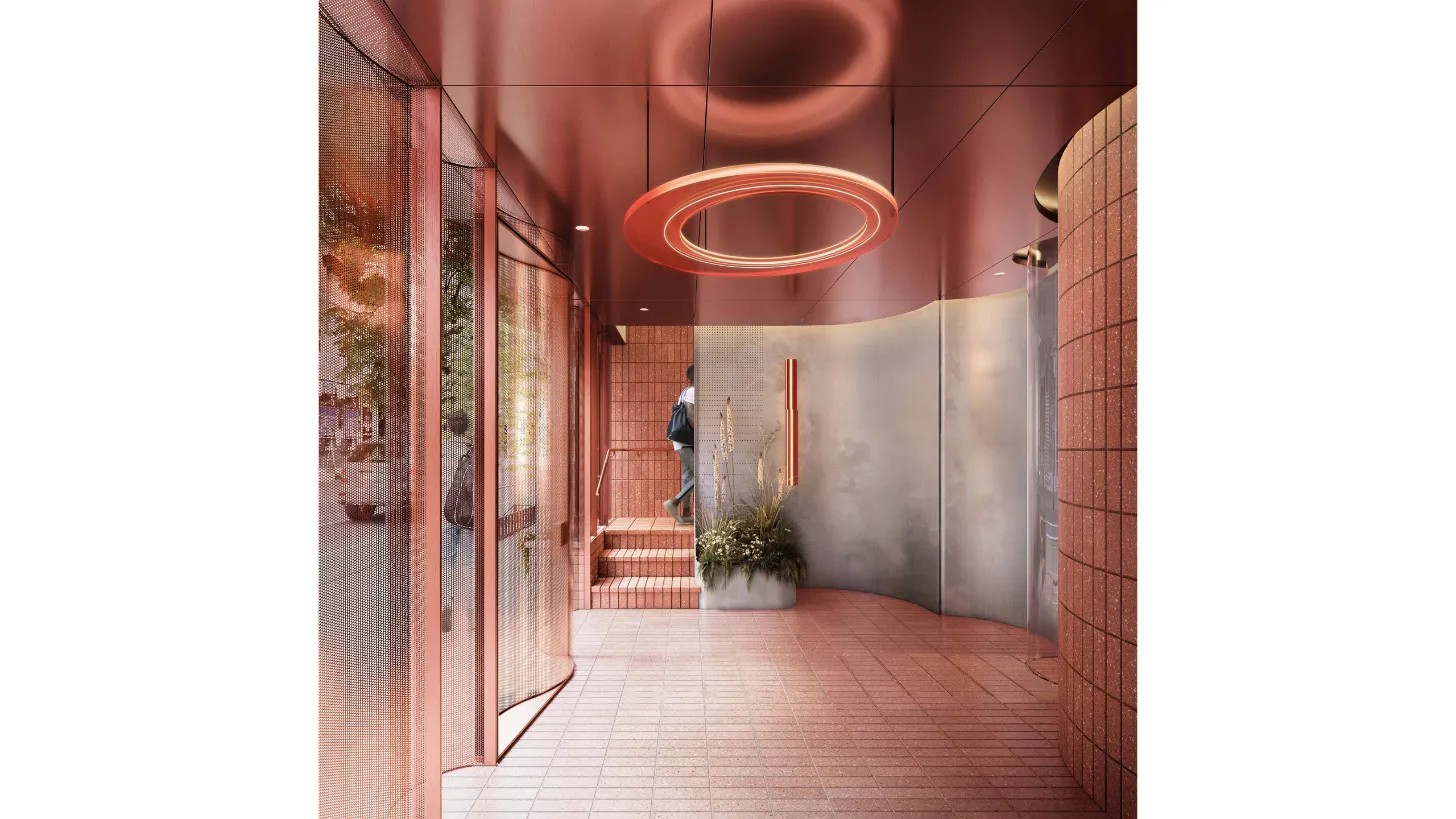
The Wellness Space Hidden Beneath the Building
One of Stylus' most intriguing spaces lies below ground.
Following a two-year excavation, the cellar has been transformed into Subliminal, an immersive listening lounge designed around relaxation, meditation and sensory restoration.
Furnished with Pierre Paulin's iconic Dune Ensemble, the room operates as a shoes-off sanctuary where sound becomes a tool for wellbeing.
Stylus plans to offer 40Hz sound and light therapy sessions — an emerging area of scientific research exploring how specific frequencies may influence cognition, sleep quality, mental clarity and overall wellbeing. While studies remain ongoing, the concept reflects a growing movement toward wellness experiences rooted in neuroscience rather than traditional spa rituals.
It is a notable shift: wellness delivered not through treatments or therapies, but through architecture, acoustics and atmosphere.
Architecture That Evolves Throughout the Day
Flexibility has been built into every floor of the building. A mezzanine level houses a recording studio, podcast facility and multifunctional green room wrapped in custom curtains and anchored by a sculptural timber ceiling. Higher levels transition into increasingly intimate spaces, including a lounge with city views, planted terraces and residential-style environments capable of hosting private gatherings, lectures, meditation sessions and overnight stays.
The penthouse suite pushes the concept even further, transforming from bedroom to dedicated listening environment through movable architectural elements and integrated sound systems.
Material innovation also plays a role. Stylus will become the first project in the United States to utilise Dinesen's Layers, a new sustainable timber product used throughout the upper floors.
The Future of Cultural Hospitality?
The rise of members' clubs has become one of hospitality's defining trends, yet many rely on familiar formulas centred around exclusivity and social status. Stylus offers a more thoughtful alternative.
By placing architecture, acoustics, cultural programming and meaningful connection at its core, it suggests a future where luxury is measured not by access, but by attention. Attention to sound. Attention to design. Attention to the shared experiences that increasingly feel rare in an always-on world.
For architecture enthusiasts, design lovers and cultural travellers alike, Stylus may prove one of New York's most fascinating openings when its doors finally open later in 2026.


