
The traditional garden is changing. Across South Africa, homeowners are rethinking outdoor spaces by moving beyond purely ornamental planting and embracing a more productive approach: foodscaping.
Combining the beauty of landscaped gardens with the practicality of growing food, foodscaping integrates vegetables, herbs, fruit trees and edible plants into carefully designed outdoor spaces. The result is a garden that does more than look beautiful — it supports everyday living, encourages sustainability and reconnects people with where their food comes from.

Rather than separating the vegetable patch from the rest of the garden, foodscaping treats edible plants as essential design elements. A rosemary border, citrus tree, herb planter or colourful vegetable bed can become just as visually appealing as traditional landscaping features. In South Africa, where outdoor living is central to many homes, this approach offers a natural evolution of the garden as both a sanctuary and a source of nourishment.
From Vegetable Patch To Designed Landscape
For generations, kitchen gardens were often hidden away at the back of properties, valued mainly for practicality rather than aesthetics. Foodscaping challenges this idea by bringing edible plants into the main garden design.
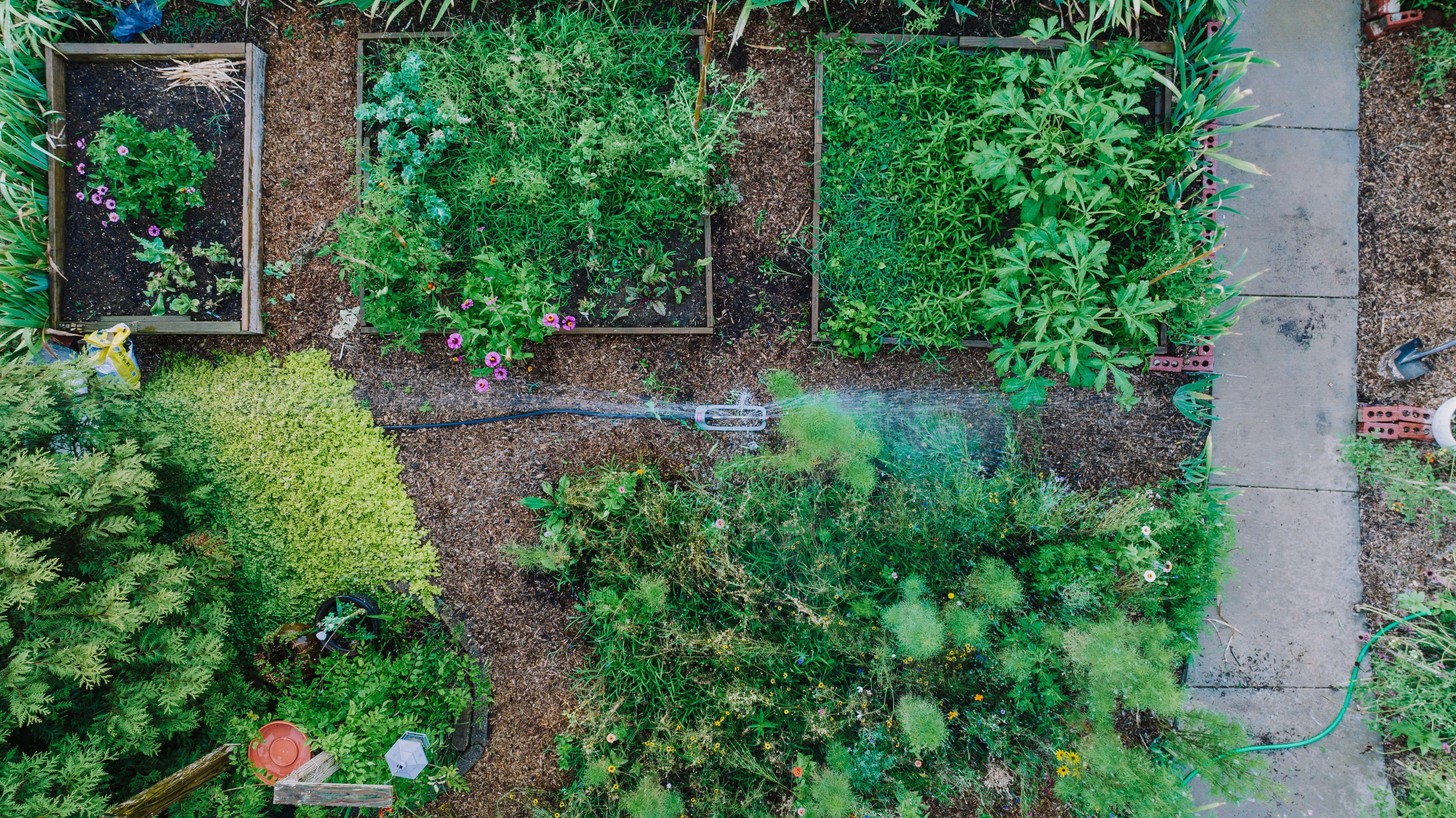
A productive garden can include raised vegetable beds surrounded by flowers, climbing plants integrated into pergolas, fruit trees positioned as focal points and herbs planted along pathways where they can be easily accessed.
This approach allows gardens to feel more natural, layered and connected to the seasons. Plants are selected not only for their harvest but also for their colour, texture, scent and contribution to the overall landscape. The focus is not simply on growing food — it is about creating an outdoor environment where beauty and function exist together.
South African Gardens Rooted In Place
Foodscaping is particularly suited to South Africa’s diverse climates, from coastal gardens to inland landscapes. With careful planning, homeowners can create productive spaces that reflect their local environment.
Mediterranean-inspired gardens can incorporate olive trees, herbs such as thyme and rosemary, lavender and seasonal vegetables. Subtropical regions can support citrus, herbs, leafy greens and tropical fruit varieties. Indigenous plants can also play an important role, attracting pollinators and supporting local biodiversity.
The key is selecting plants that thrive naturally in the conditions of each garden, reducing water usage and creating a more resilient outdoor space.
Designing An Edible Garden With Style
One of the reasons foodscaping has become increasingly popular is that it fits beautifully with contemporary garden design. Modern edible gardens are structured, intentional and visually considered.
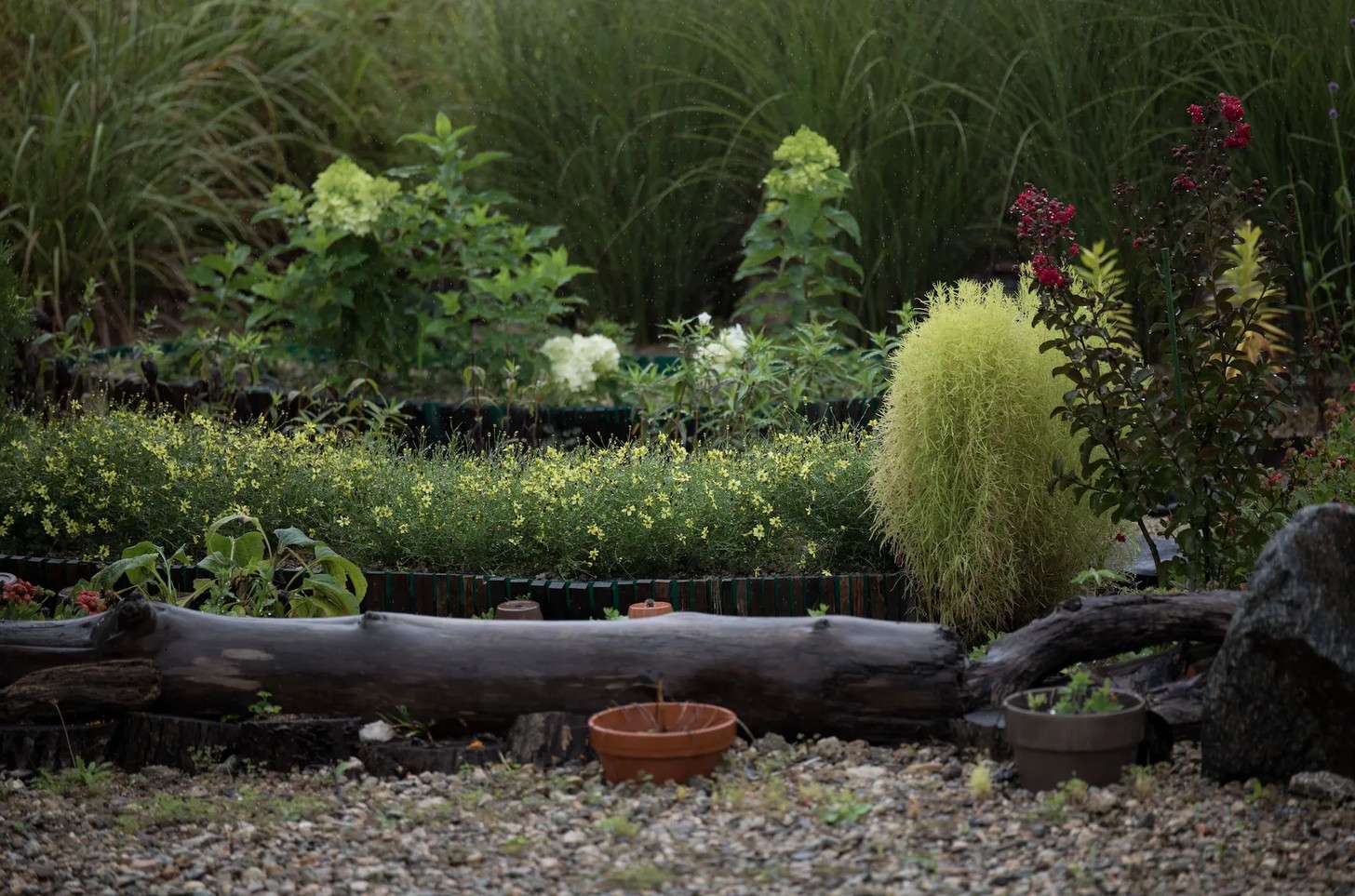
Raised beds can introduce architectural lines, while espaliered fruit trees can become living walls. Herbs planted between paving stones soften hard landscaping, and edible flowers can add colour to borders and dining spaces.
Materials also influence the overall aesthetic. Timber planters, stone pathways, terracotta pots and natural finishes create a connection between the garden and the home.
Growing Wellbeing At Home
Beyond sustainability and aesthetics, foodscaping reflects a wider desire for slower, more mindful living. Growing food encourages a closer relationship with nature and creates opportunities for families to spend time outdoors together.
Children can learn where ingredients come from, seasonal changes become more visible and everyday meals become connected to the garden.
In a time when many people are seeking more self-sufficient lifestyles, even small edible additions can make a meaningful difference. A balcony herb collection, a few vegetable beds or a single fruit tree can become the beginning of a more connected way of living.
The Future Of South African Gardens
Foodscaping represents a shift towards gardens that are not only decorative but deeply useful. It celebrates the idea that outdoor spaces can feed the body, support biodiversity and enhance the way we experience our homes.
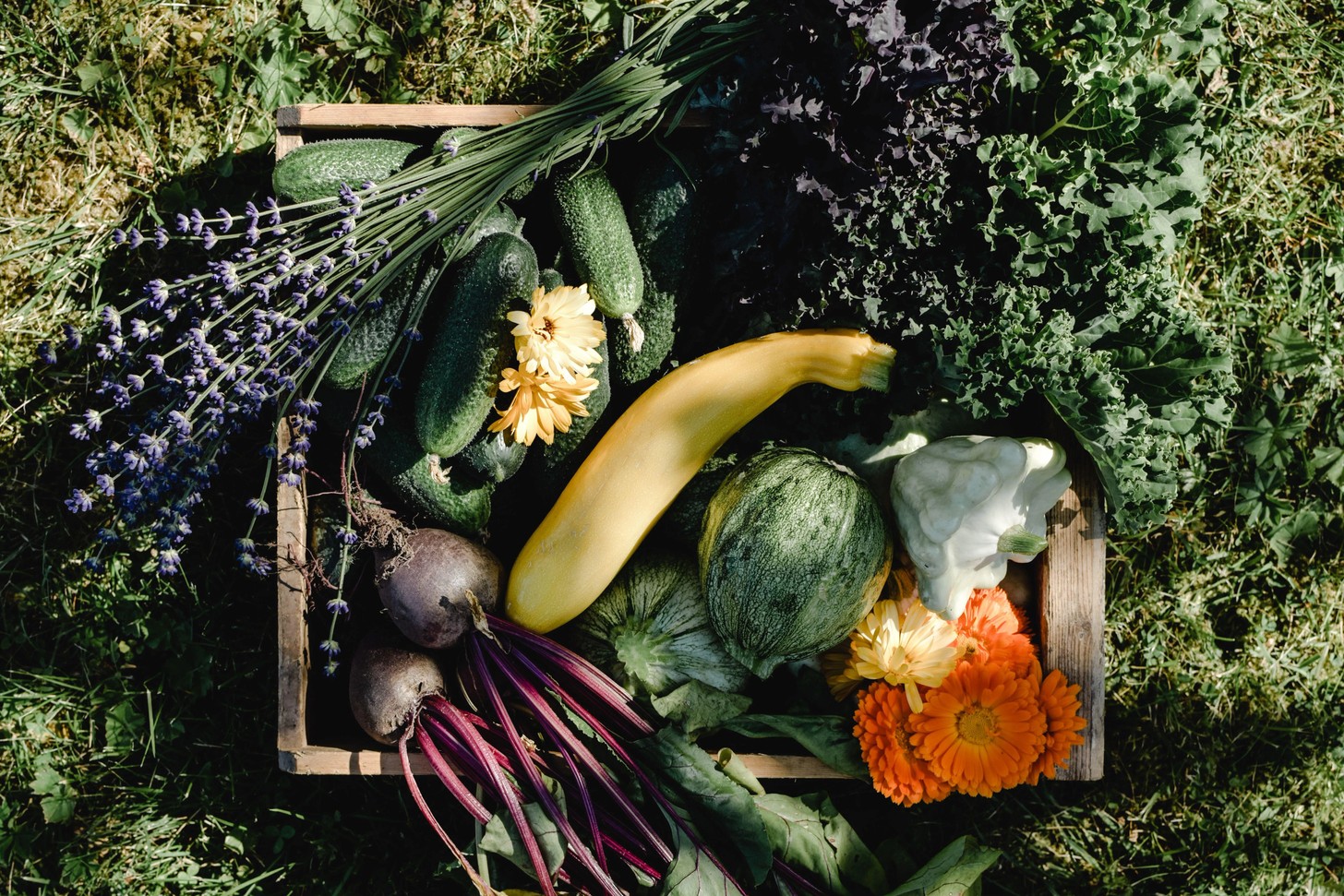
The future South African garden is likely to be one where indigenous plants, ornamental flowers and edible crops exist side by side — creating landscapes that are beautiful, sustainable and full of life.
Credits
Images: Pexels


