
For decades, the traditional garden hedge has been a symbol of structure and privacy — neatly trimmed, predictable and designed to create boundaries. But a new generation of landscapes is moving away from uniform greenery and embracing plants with personality, texture and architectural presence.
Across South Africa, sculptural succulents are becoming the defining features of contemporary gardens. Species such as Aloe ferox and Euphorbia are replacing conventional hedges with dramatic silhouettes, natural movement and a distinctly local sense of place. These plants do more than fill space. They create focal points, introduce height and shape, and bring an almost sculptural quality to outdoor environments.

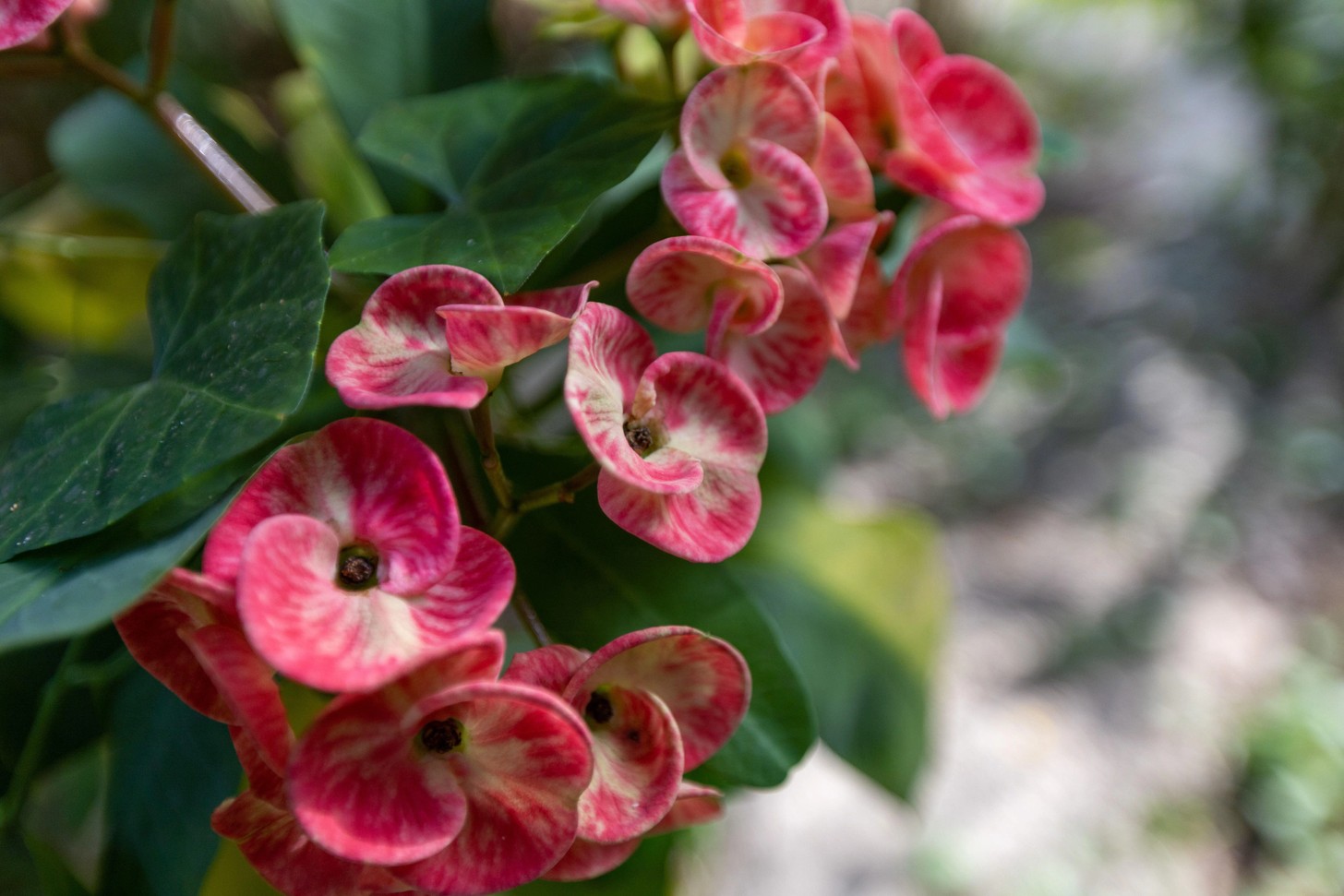
A New Approach to Garden Structure
Modern landscaping is increasingly focused on creating gardens that feel connected to their surroundings while requiring less intervention. Instead of relying on rows of clipped shrubs, designers are turning towards plants that offer natural form and year-round interest. Succulents fit perfectly into this movement.
With their bold shapes, architectural leaves and ability to thrive in challenging conditions, they provide an effortless way to create impact. Their sculptural qualities allow them to function almost like outdoor artworks, adding rhythm and character to courtyards, entrances, terraces and large garden spaces.
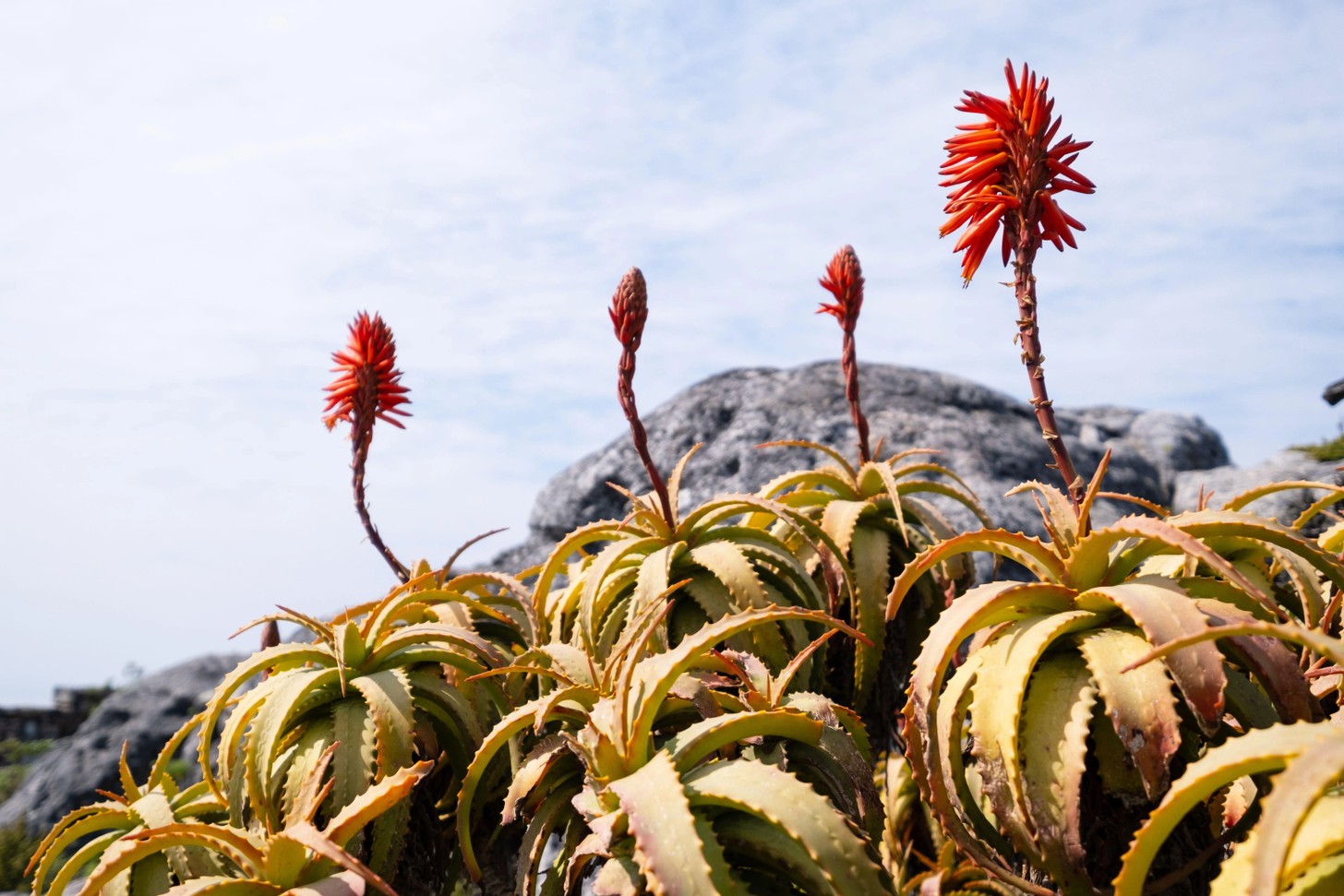
A mature Aloe ferox, for example, can become a striking centrepiece with its tall flower spikes and symmetrical rosette formation. Euphorbia species, with their branching forms and unusual silhouettes, create a sense of movement and drama while maintaining a minimalist aesthetic.
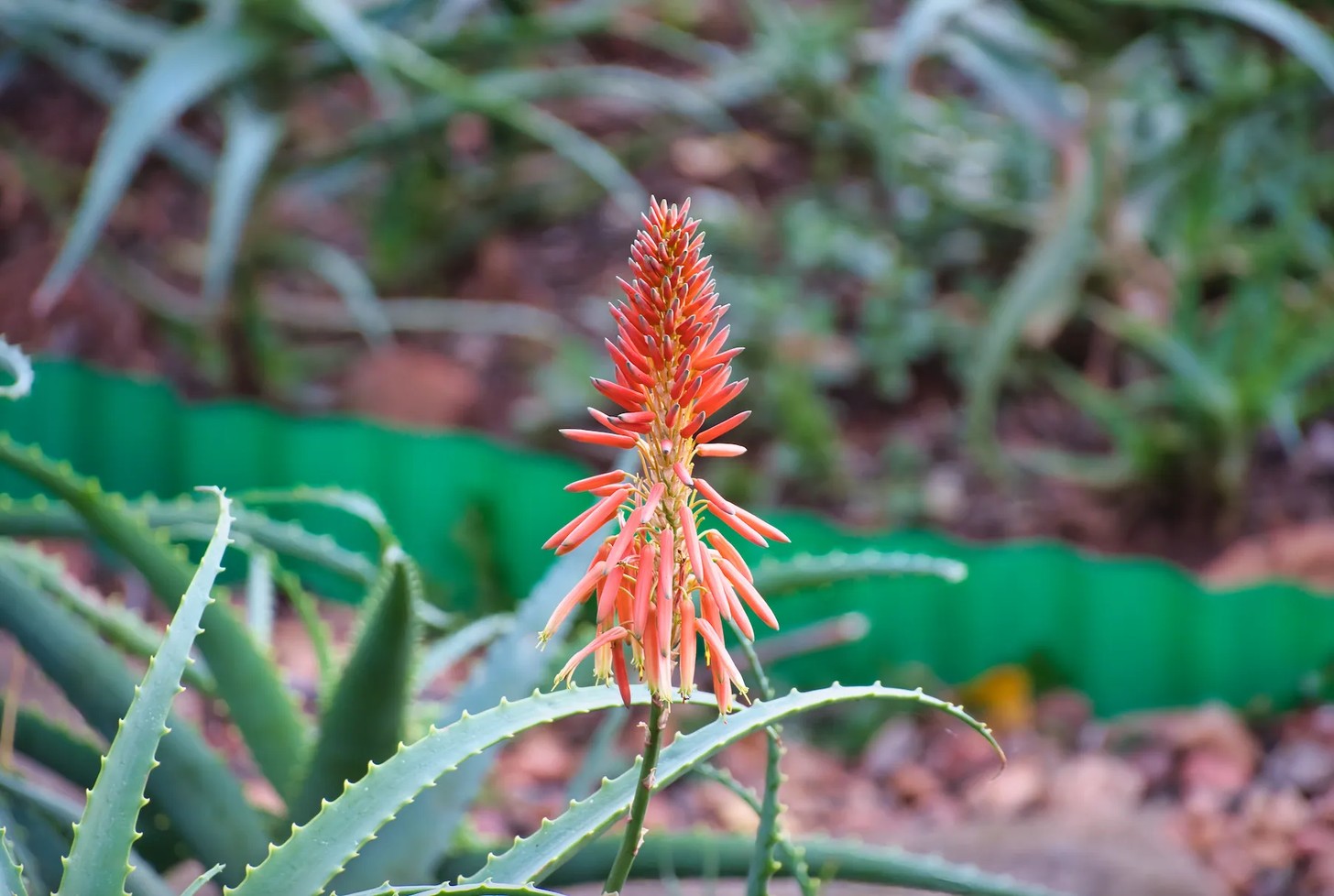
Why Aloe ferox Is Having a Moment
Native to South Africa, Aloe ferox is one of the country’s most recognisable succulents and has long been valued for its resilience and beauty. Its tall, architectural growth habit makes it particularly suited to contemporary gardens where designers are looking for plants that provide height without the maintenance demands of traditional trees or hedges.
During flowering season, its fiery red-orange blooms attract birds and pollinators, adding another layer of life to the landscape. Beyond its visual appeal, Aloe ferox reflects a growing appreciation for indigenous planting. Using locally adapted species helps gardens become more sustainable while celebrating South Africa’s unique botanical heritage.
The Rise of Euphorbia in Contemporary Landscapes
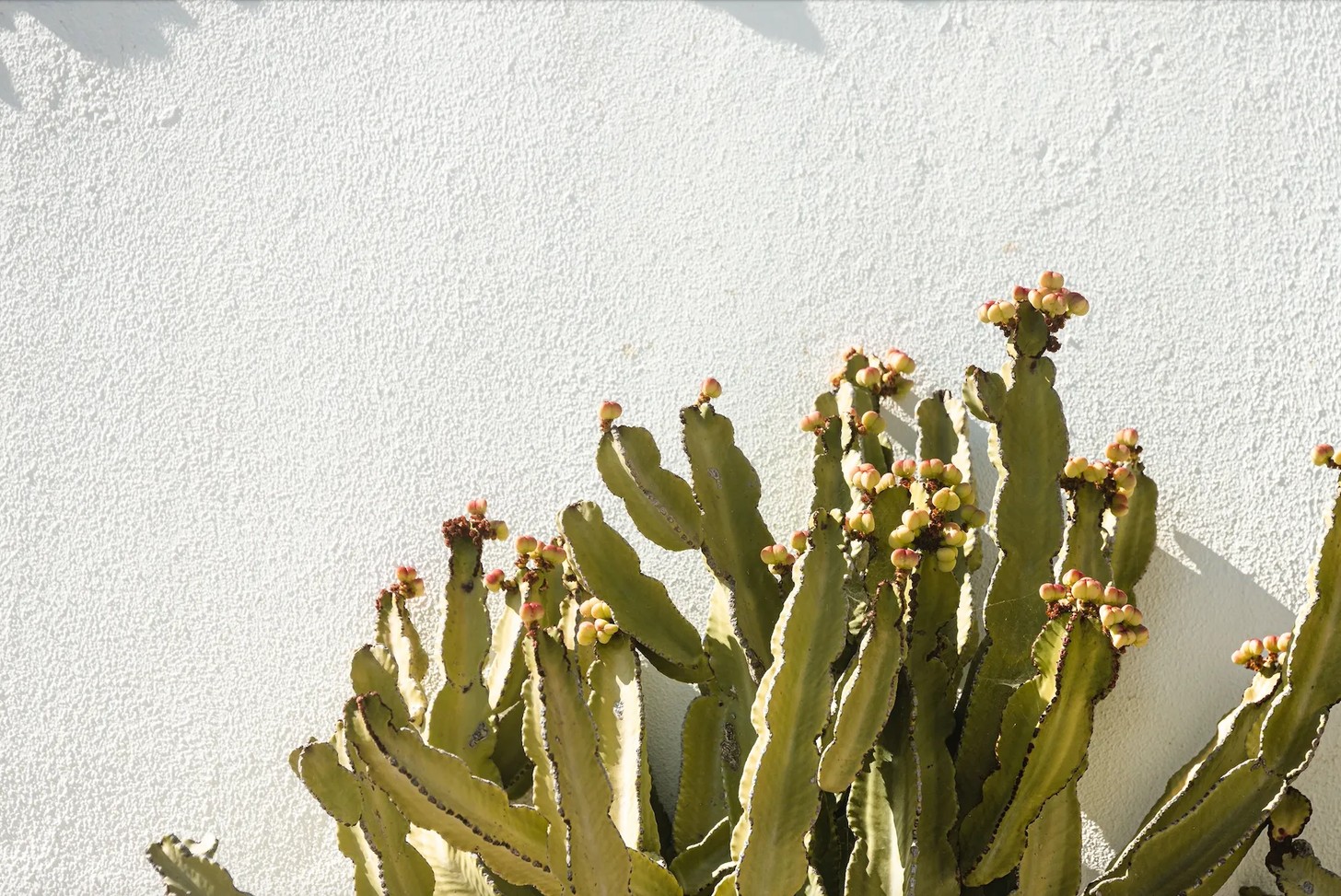
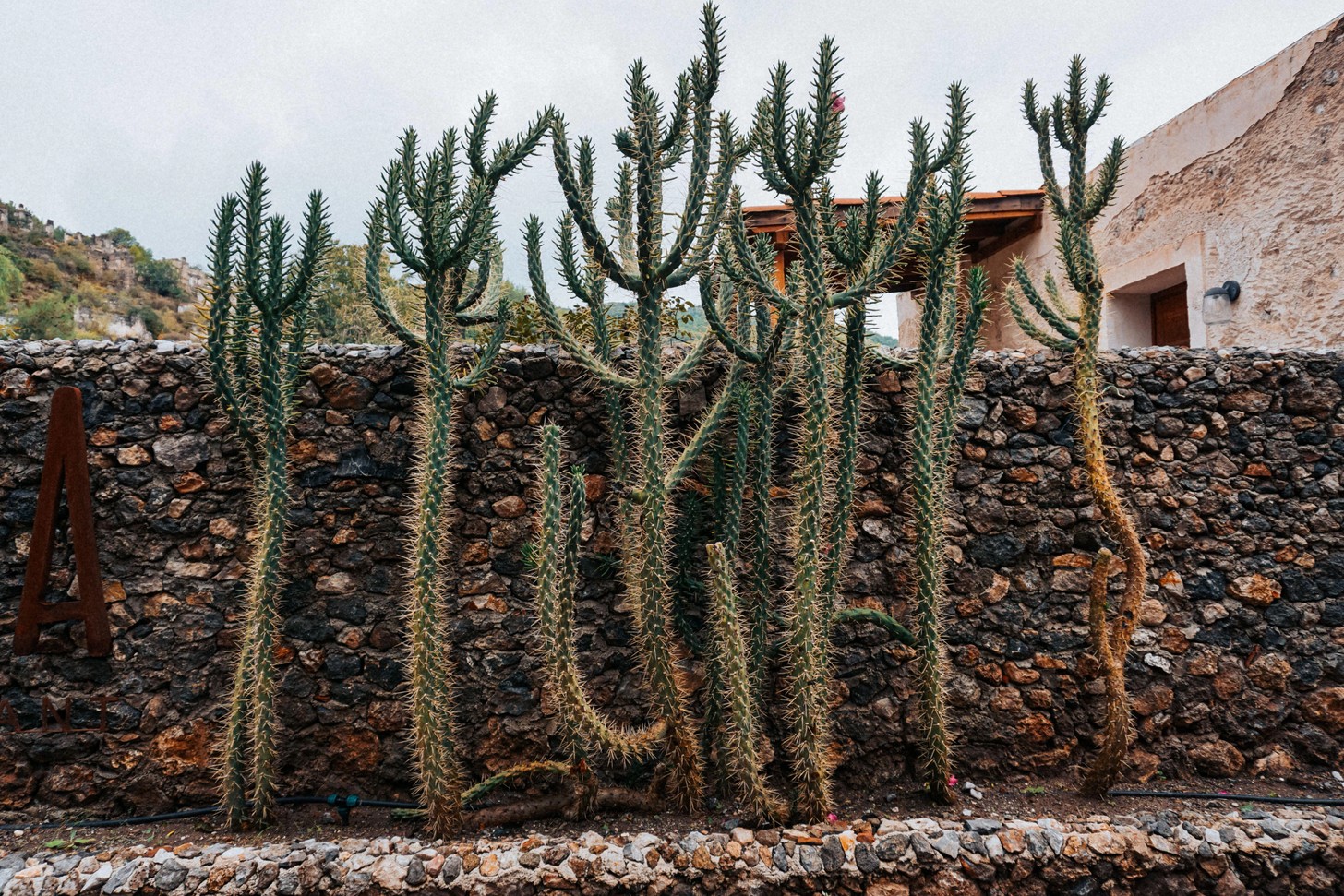
With their striking geometric forms, Euphorbias have become favourites among landscape designers seeking a more dramatic alternative to conventional greenery. Their sculptural branches create strong silhouettes, making them ideal for minimalist gardens, modern homes and spaces where architecture and landscape need to work together.
Some varieties create a tree-like presence, while others form low-growing clusters that add texture and contrast. Their ability to tolerate heat and dry conditions also makes them particularly valuable in water-conscious gardens. When paired with natural stone, gravel, timber and concrete, Euphorbias create landscapes that feel both modern and timeless.
Designing with Succulents: Less Can Be More
One of the key differences between traditional planting and contemporary succulent landscaping is the approach to composition. Rather than filling every corner with plants, modern gardens often allow individual specimens to stand out. A single sculptural Aloe or Euphorbia can have more visual impact than an entire border of uniform shrubs. The secret lies in contrast.
Pairing architectural succulents with softer grasses, textured groundcovers and seasonal flowering plants creates balance. The sharp lines and strong forms of succulents become even more noticeable when surrounded by delicate movement and natural textures. Materials also play an important role. Gravel pathways, stone walls and neutral-toned paving allow the plants themselves to become the focus.
A Sustainable Choice for South African Gardens
With increasing awareness around water conservation and climate-conscious design, succulents offer a practical solution for modern outdoor spaces. Their ability to store water, withstand heat and survive with minimal maintenance makes them ideal for South African conditions. They also support biodiversity by providing shelter and food sources for insects and birds.
However, creating a successful succulent garden still requires thoughtful planning. The right soil drainage, appropriate positioning and careful selection of species are essential to ensure plants remain healthy and thrive.
The Future of Garden Design
The shift towards sculptural succulents represents more than a change in planting trends. It reflects a broader movement towards gardens that are expressive, sustainable and connected to their environment.
Aloe ferox and Euphorbia are not simply replacing hedges — they are changing the way we think about outdoor spaces. They prove that gardens can be both functional and artistic, offering beauty through natural form rather than constant maintenance.
Credits
Images: Pexels


