
There are few sights as fleeting – or as rewarding – as spring in Namaqualand.
For most of the year, the Northern Cape's west coast is a study in moderation, with elements of ancient granite outcrops, hardy succulents, windswept dunes, and the cold Atlantic stretching endlessly towards the west.

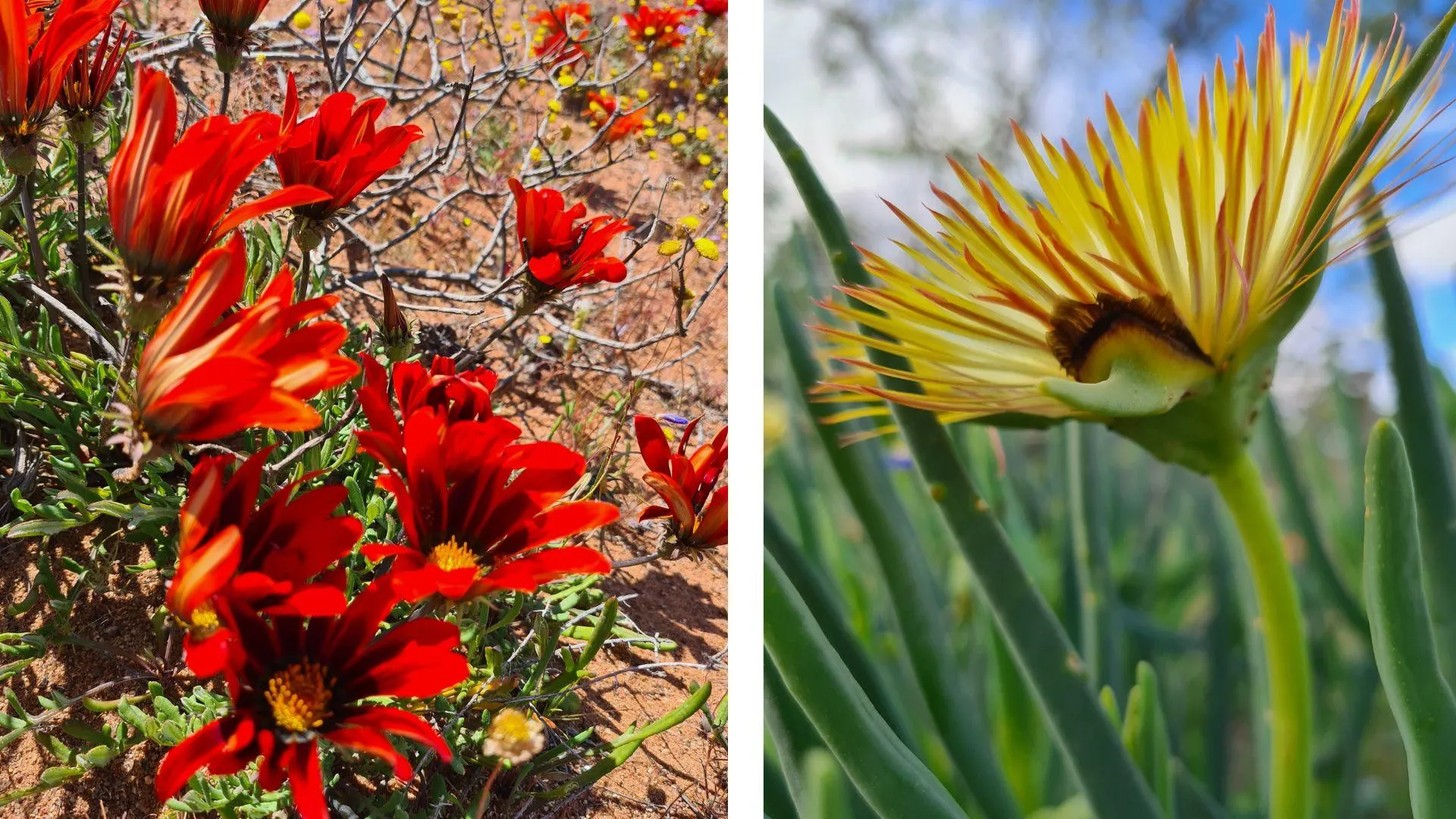
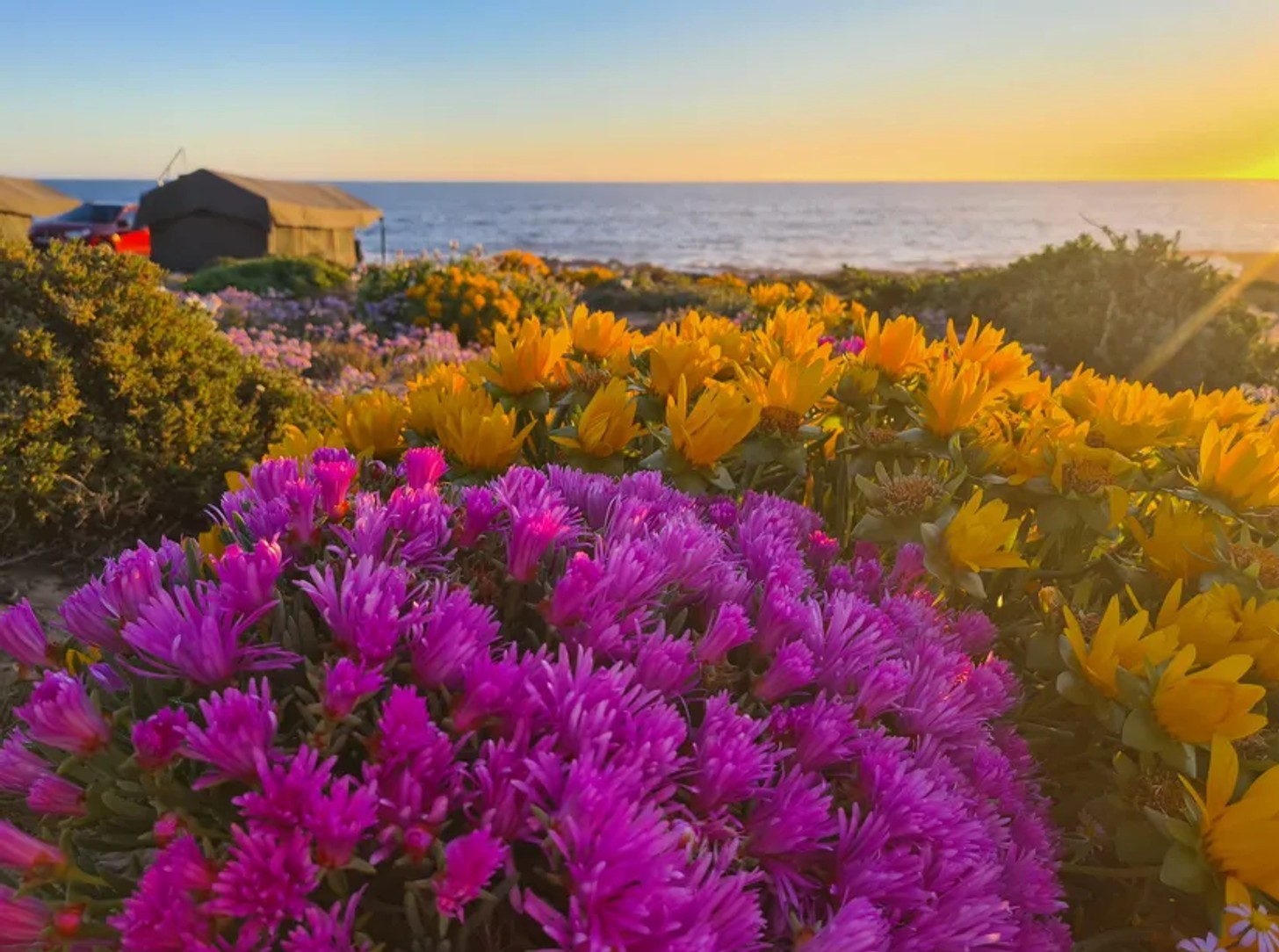
Then subtly at first, the landscape begins to change. Winter rain soaks into the earth, resting seeds awaken, and what appeared to be an unforgiving desert explodes into an extraordinary palette of orange, yellow, white, pink, and purple.
This year, nature has gone further than usual.
Exceptional winter rainfall across the region has set the tone for one of the strongest wildflower displays in years, with botanists and locals describing the 2026 season as a superbloom – a term reserved for the rare years when ideal conditions trigger an eruption of flowers on a remarkable scale.
A landscape that refuses to perform on cue
Part of Namaqualand's enduring appeal is that it never offers guarantees.
Unlike destinations that can be visited at any time of year, this is a landscape dictated entirely by the weather. Rainfall, sunshine, and temperature determine when and where the flowers emerge, meaning no two seasons are ever quite the same.
Some years bring scattered arrays of colour; others, like 2026, transform valleys and plains into fields filled with blooms.
It's a reminder that nature still works in its own timing.
The region sits within the Succulent Karoo, the only waterless biodiversity hotspot on Earth – a place where thousands of plant species have adapted to survive harsh conditions, waiting patiently for the right combination of rain and warmth before revealing themselves.
Even during peak flowering, the display is constantly changing. Many of the iconic Namaqualand daisies and gazanias seek the sun, opening towards the light and closing again under cloud cover or as evening falls.
Sleeping inside the bloom
One of the most immersive ways to experience the season is from within Namaqua National Park itself.
Each year, from 14 August to 13 September, Namaqua Flower Beach Camp appears on the Atlantic coastline before disappearing again once flowering comes to an end.
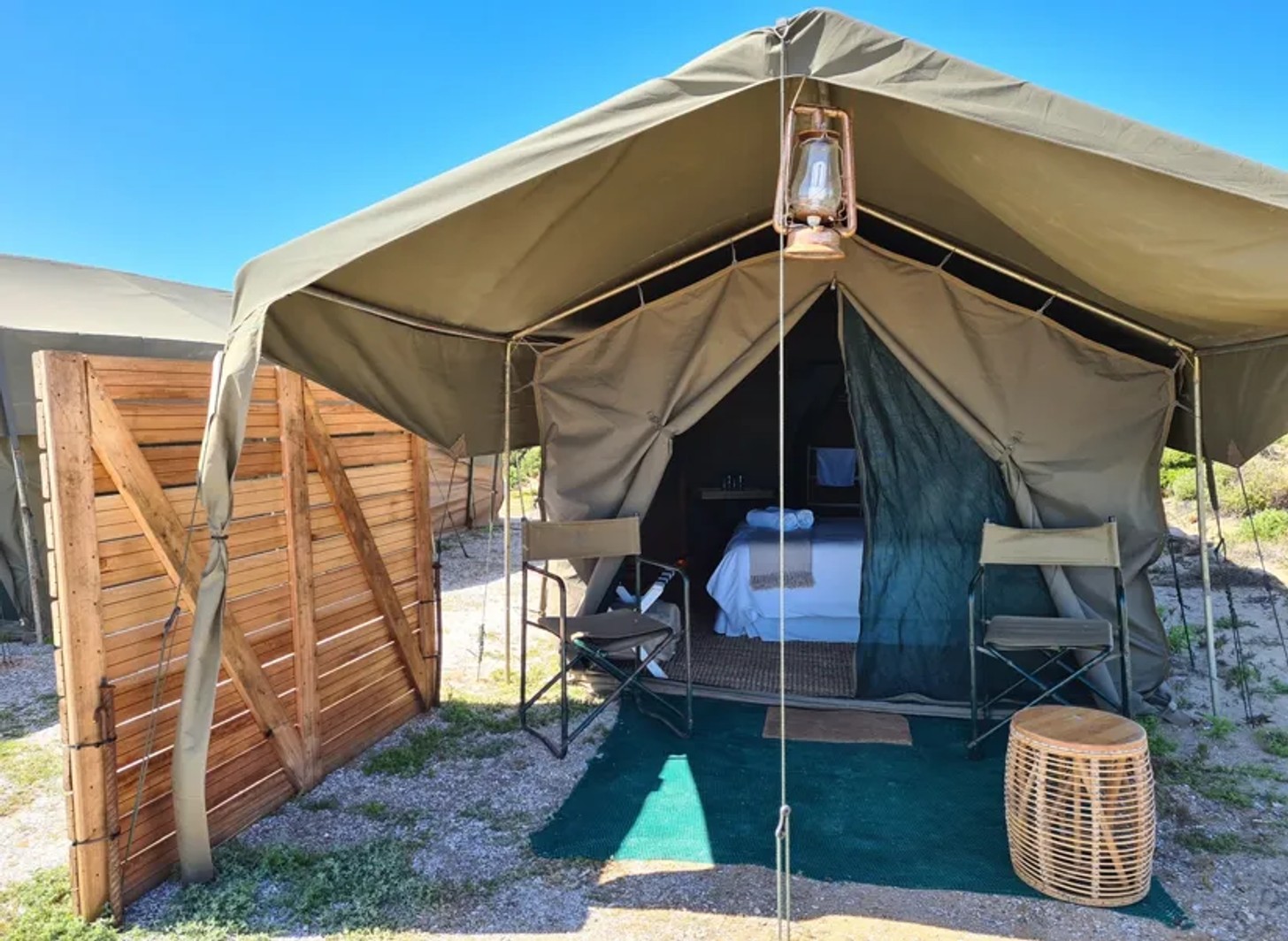
The seasonal camp consists of comfortable en-suite canvas tents that allow visitors to spend their days exploring the surrounding flower fields, and evenings watching the sun set into the Atlantic.
The experience is intentionally understated: days are spent following the flowers through the park, while evenings revolve around shared meals, campfires, and the quiet rhythm of the surrounding wilderness.
A season measured in weeks
The remarkable thing about Namaqualand is not simply its beauty, but its briefness.
Whether 2026 ultimately becomes remembered as one of the great flowering years will be decided by the season itself. But with record rainfall already delivering an exceptional display, there may be no better time to witness one of South Africa's most extraordinary natural events – before it quietly disappears once again.
Credits
Images: Namaqua Flower Beach Camp


