
Luxury landscaping is no longer defined by exotic imports and perfectly manicured lawns alone. Across South Africa, homeowners and landscape designers are increasingly embracing indigenous planting schemes that celebrate the country's extraordinary biodiversity while creating gardens that are elegant, resilient and deeply connected to their surroundings.
From the dramatic forms of aloes to the soft movement of Cape reeds, indigenous plants offer year-round interest with the added benefit of thriving in local conditions. As water conservation, biodiversity and sustainability become central to contemporary garden design, choosing local species is as practical as it is beautiful.

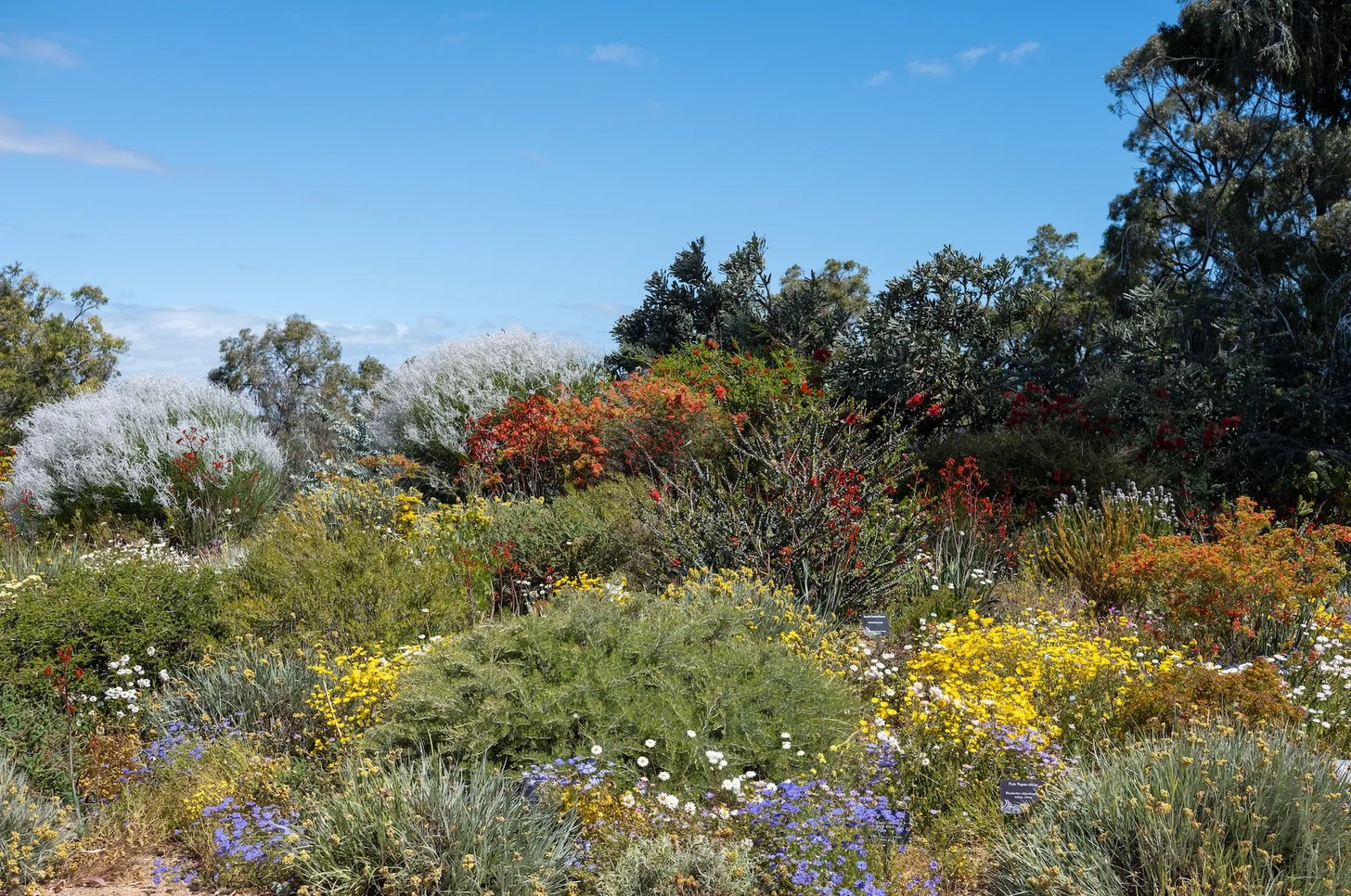
Design With Nature In Mind
South Africa is home to one of the richest collections of plant life in the world, making it possible to create spectacular gardens almost entirely from indigenous species.
Rather than forcing landscapes to suit imported plants, today's designers are allowing architecture and planting to respond naturally to the climate. This approach creates gardens that require less irrigation, fewer chemical treatments and significantly lower maintenance over time.
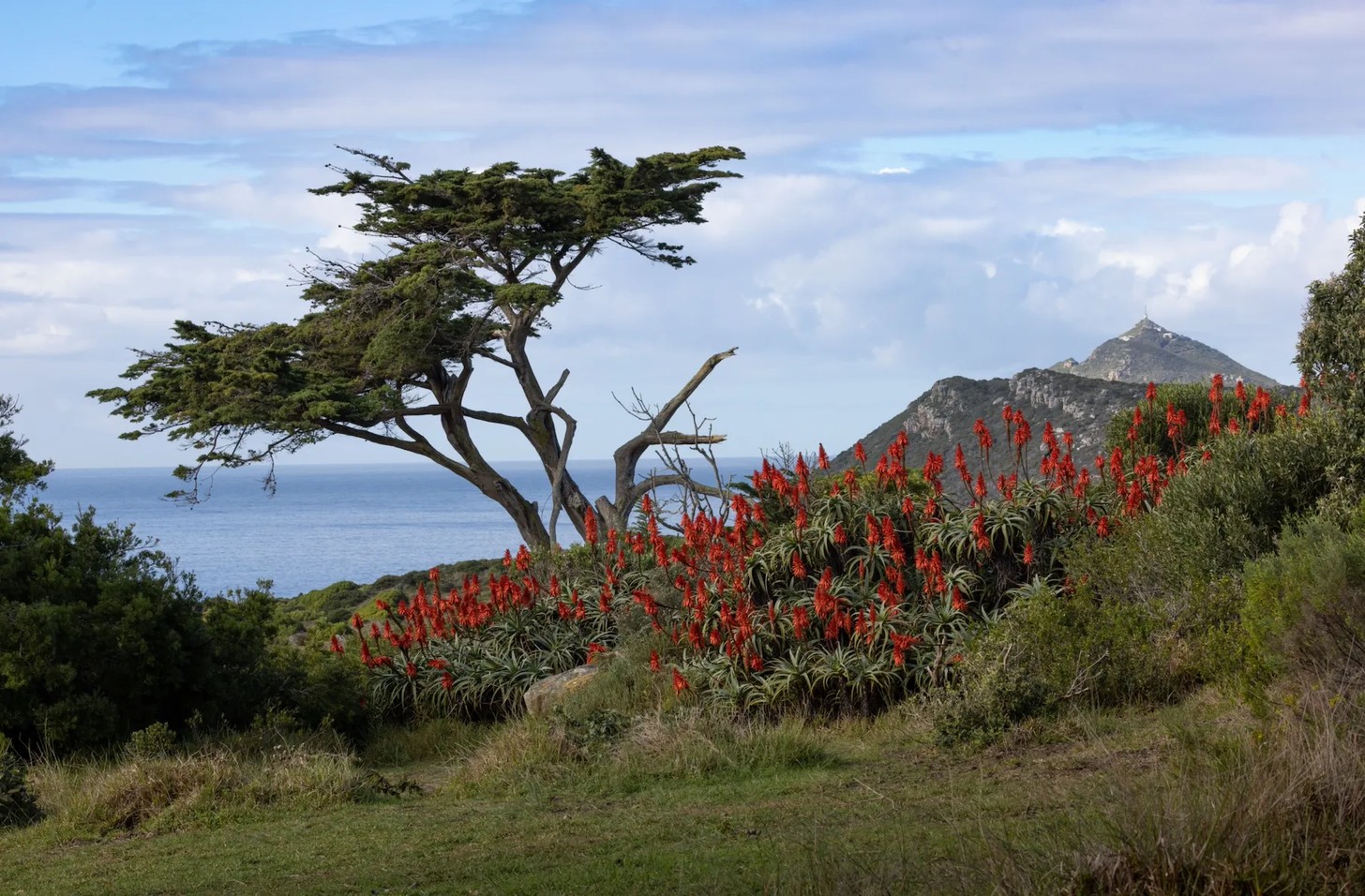
Aloes Deliver Architectural Impact
Few plants make a stronger statement than indigenous aloes. Their sculptural forms, vibrant winter flowers and remarkable drought tolerance make them indispensable in luxury landscapes.
Large varieties create dramatic focal points, while smaller species work beautifully in borders, courtyards and contemporary container gardens. During winter, their striking orange and red blooms attract sunbirds, adding movement and life to outdoor spaces. Combined with natural stone and gravel pathways, aloes create a modern landscape that remains visually interesting throughout the year.
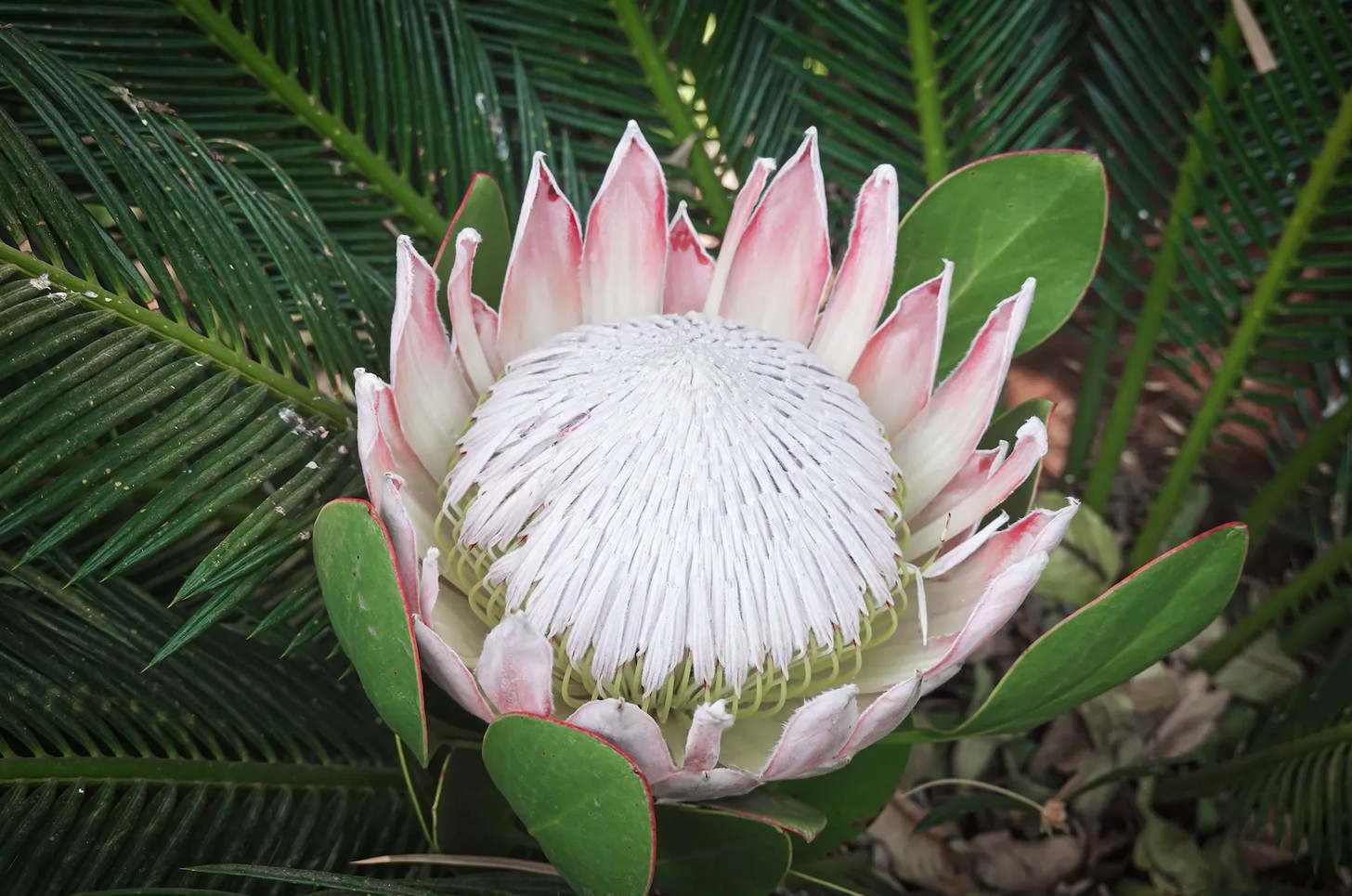
Celebrate The Beauty Of Fynbos
The Cape Floral Kingdom continues to inspire designers around the world, and for good reason. Indigenous fynbos species introduce delicate textures, muted greens and seasonal bursts of colour that feel sophisticated rather than overly formal.
Restios provide elegant vertical structure, while proteas, pincushions and ericas bring seasonal drama. Together they create layered planting schemes that look effortless and respond beautifully to changing light throughout the day. Even outside the Western Cape, many fynbos-inspired planting combinations can be adapted successfully to suitable climates.
Indigenous Trees Create Lasting Structure
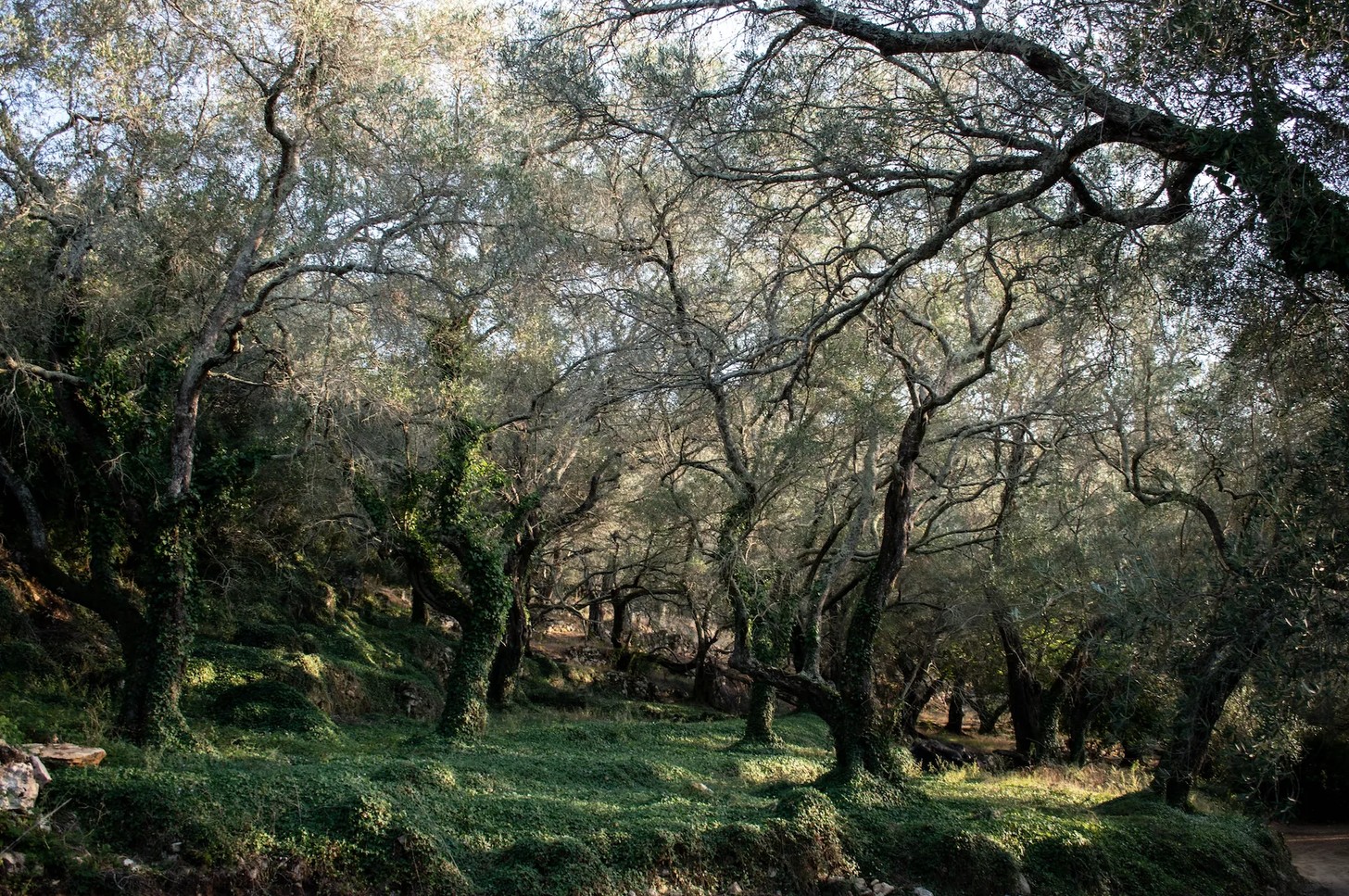
Every memorable garden needs a framework, and indigenous trees provide exactly that. Wild olive trees remain one of the finest choices for contemporary homes. Their sculptural trunks, silver-green foliage and slow-growing nature make them ideal feature specimens for courtyards and entrance gardens.
For larger properties, fever trees introduce graceful canopies and luminous bark, while karee trees offer soft, flowing foliage that complements both modern and traditional architecture. These trees provide valuable shade while supporting local birdlife and insects.
Layer Texture With Indigenous Grasses
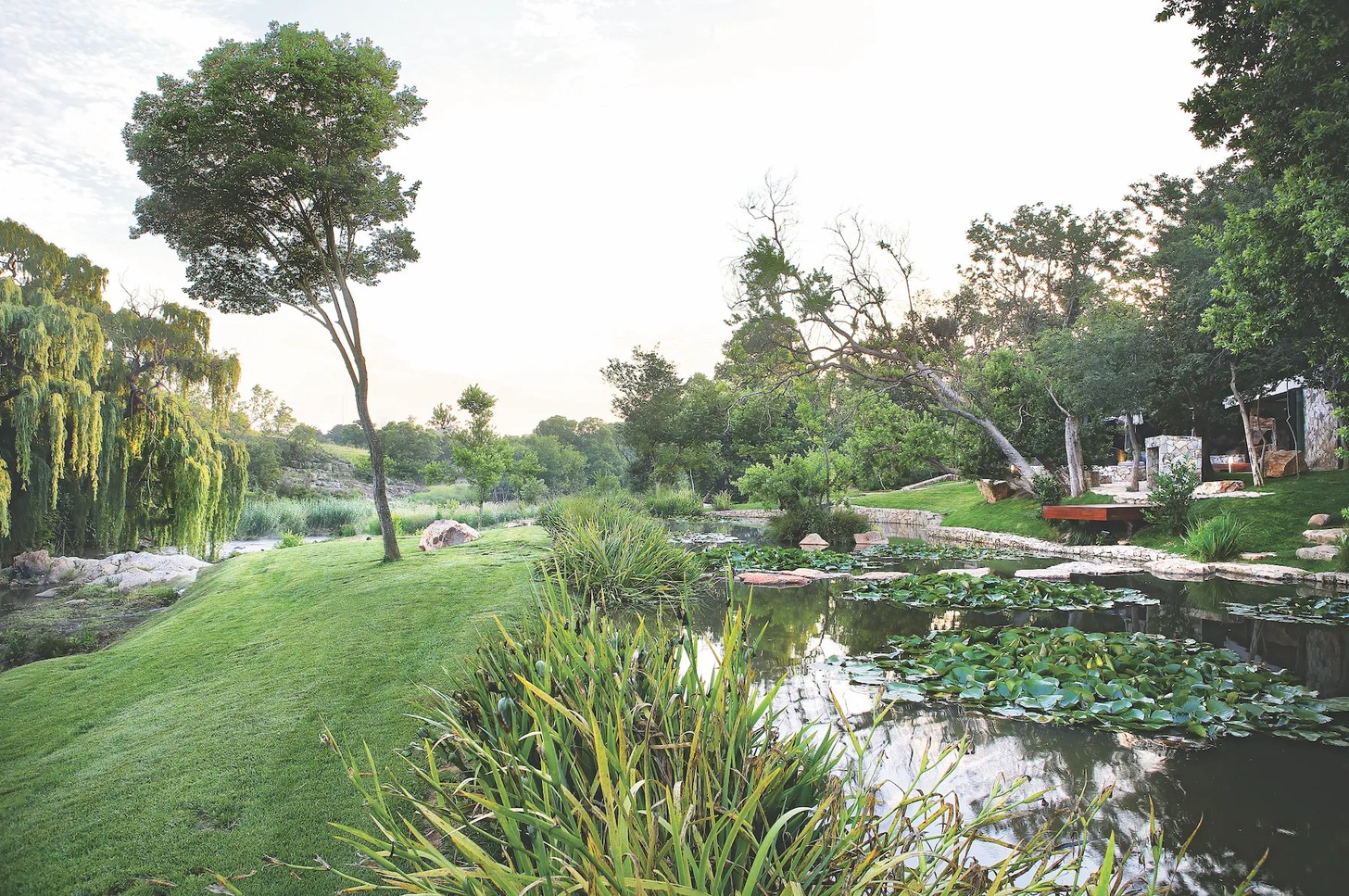
Luxury gardens are increasingly moving away from rigid planting schemes in favour of softer, more natural compositions.
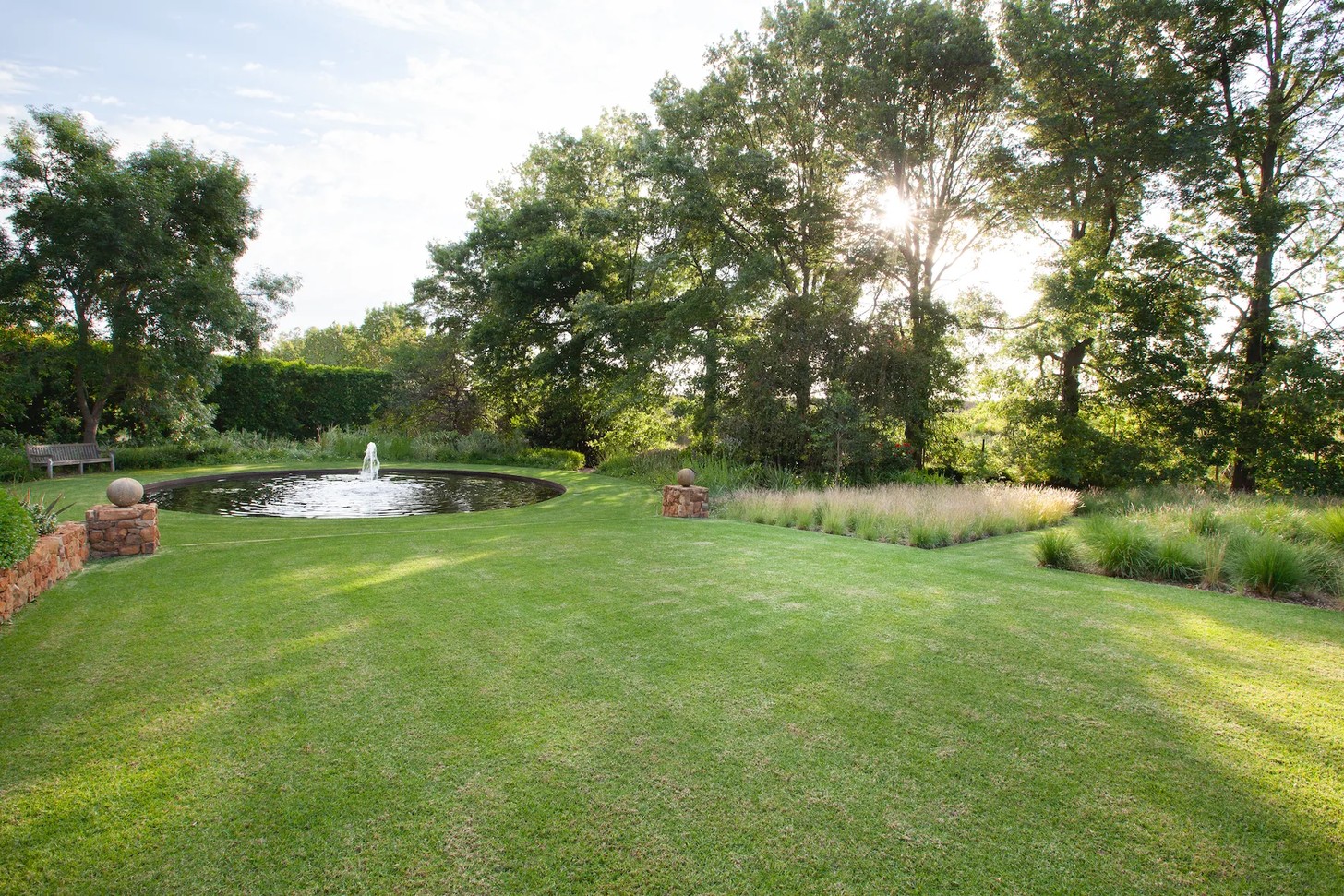
Cape reeds, ornamental grasses and restios introduce movement, particularly when paired with reflective pools, timber decks or expansive terraces. As breezes pass through the foliage, the garden feels alive, creating a calming sensory experience that changes throughout the seasons. These grasses also soften hard architectural lines without overwhelming surrounding planting.
Add Colour With Indigenous Flowering Plants
Colour need not be overwhelming to make an impression. Bird of paradise plants provide unmistakable sculptural beauty with their iconic orange flowers, while agapanthus deliver elegant blue and white blooms throughout summer.
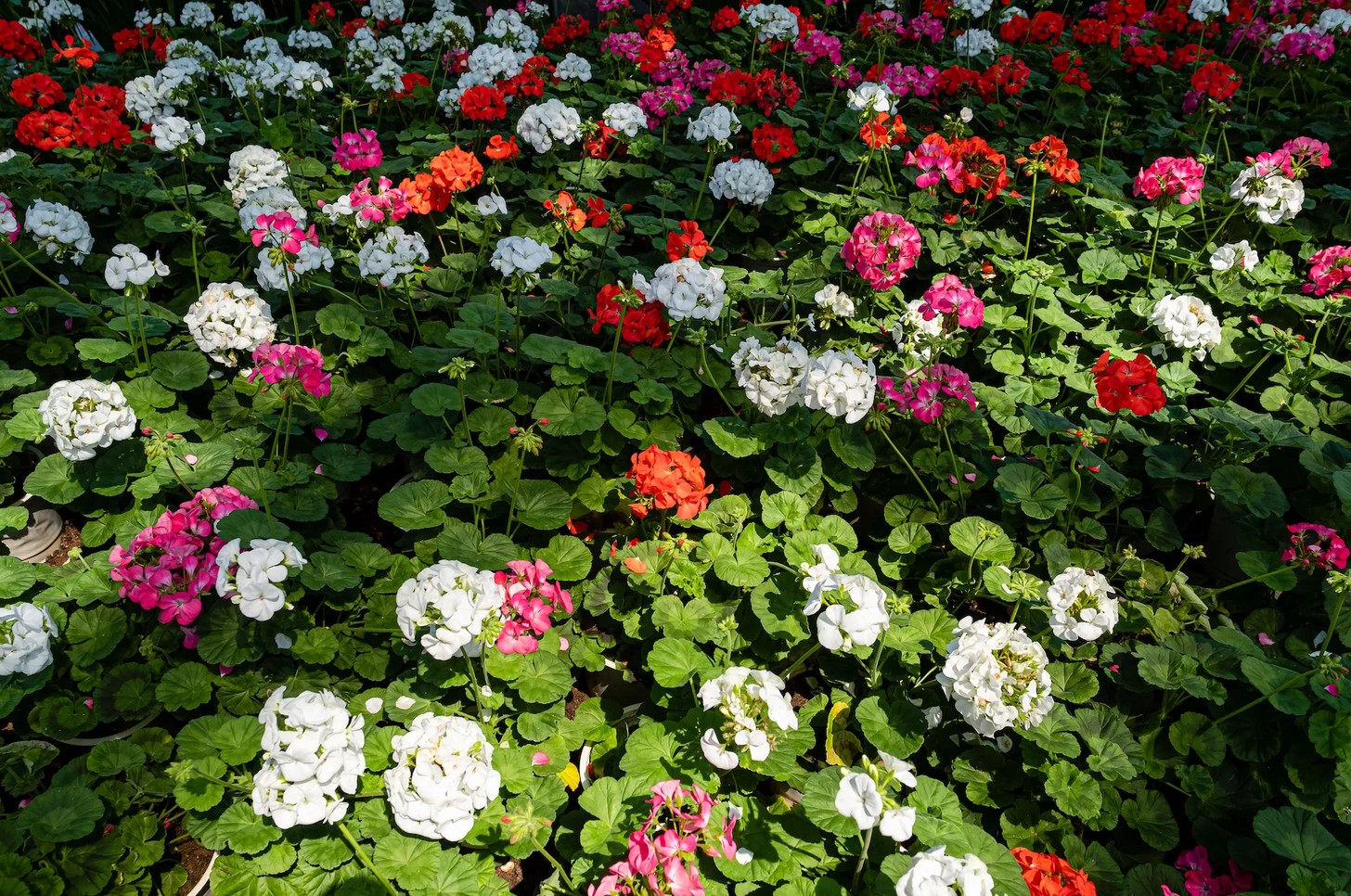
Bulbine, pelargoniums and arums offer additional seasonal interest, allowing designers to create subtle layers of colour that complement contemporary architecture instead of competing with it.
Design For Beauty And Biodiversity
Perhaps the greatest luxury in today's gardens is creating an environment that supports wildlife while remaining visually exceptional. Indigenous planting naturally attracts birds, butterflies, bees and beneficial insects, transforming outdoor spaces into thriving ecosystems rather than purely decorative landscapes.
Thoughtfully combining stone, timber, water features and indigenous vegetation creates gardens that are immersive, sustainable and enduring. Rather than following short-lived international trends, these landscapes celebrate the extraordinary beauty already found within South Africa's natural environment.
Credits
Images: Pexels, Elsa Young, Heidi Bertish


