
A well-designed bedroom is about more than choosing beautiful furniture or finding the perfect shade for the walls. According to Décor Editor Pamela Williams-Magqasgela, the most well-designed bedrooms are spaces that encourage you to slow down, switch off, and retreat from the demands of everyday life.
The starting point? Consider how you want the room to make you feel. A bedroom should essentially be restful, calming and restorative, with every element contributing to that sense of ease.

Build the room around texture
Texture is one of the simplest ways to bring warmth and softness into a bedroom. Rather than relying heavily on colour or decorative objects, Pamela recommends creating depth through a considered mix of materials and natural fibres.
Linen, muslin, cotton, wool, bouclé, natural wood, and woven textures can all introduce a tactile quality. Layer them across the bed through bedding, cushions and throws, then extend that softness to curtains and rugs.
Choose colours that allow you to unwind
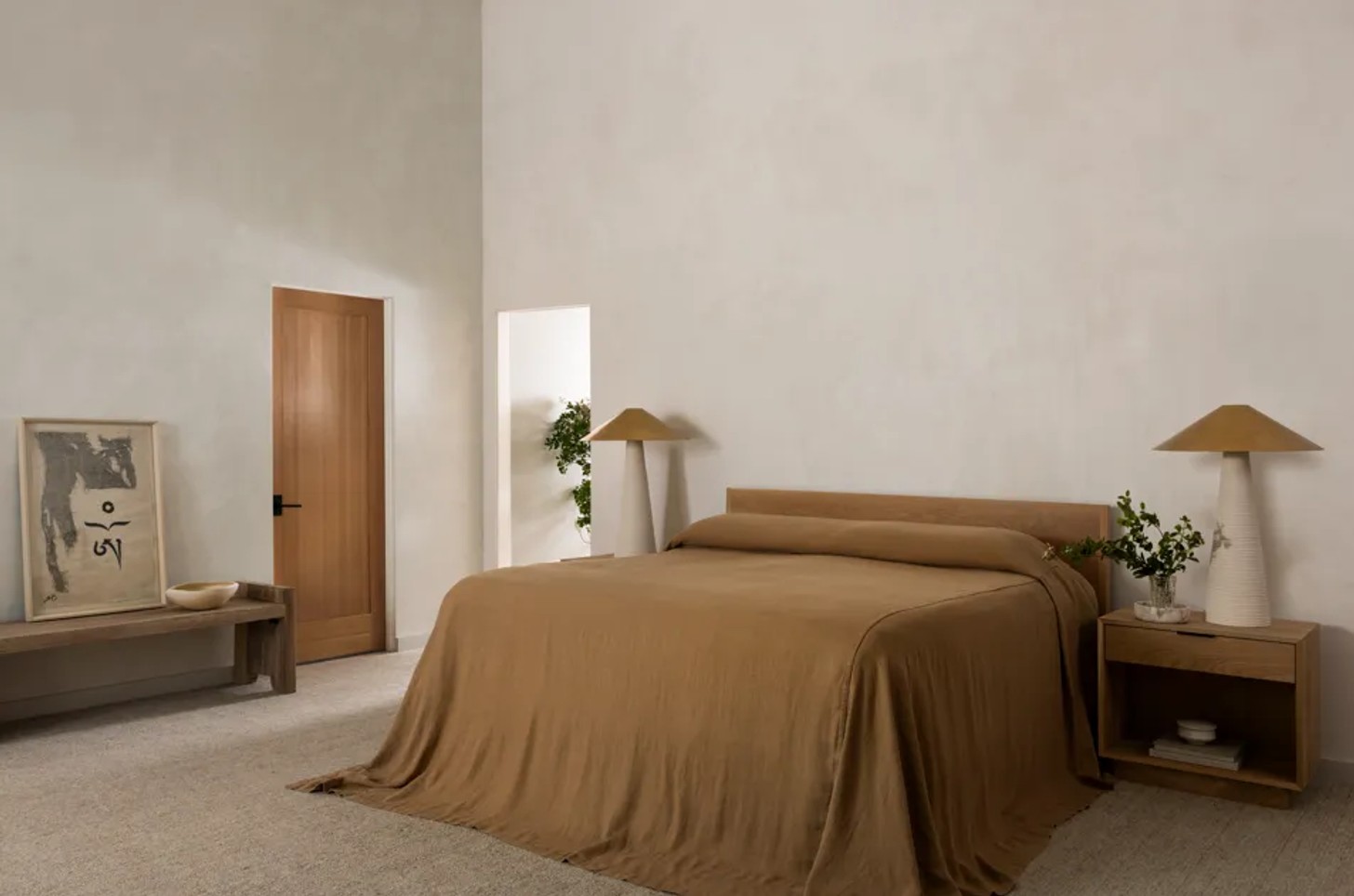
While there is no requirement for a bedroom to be completely neutral, the palette should feel harmonious. Soft browns, oatmeal, beige, warm neutrals, olive, and muted greens are natural choices for creating a grounded atmosphere.
The key is not necessarily the colour itself, but how it makes you feel. A considered combination of earthy tones can give the room a quiet visual rhythm, allowing the textures and materials to do some of the work.
Let your curtains do more
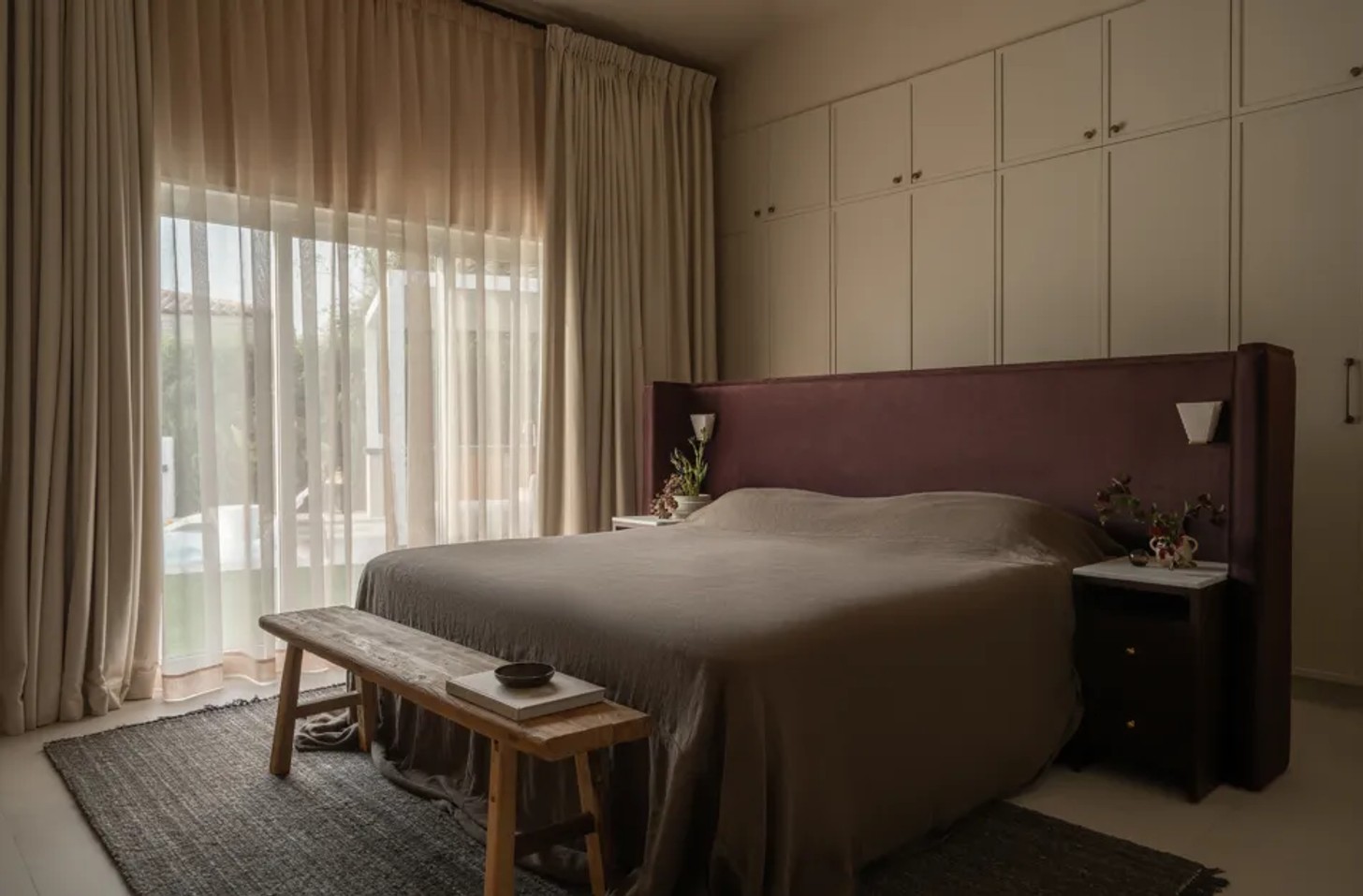
Often treated as a purely practical consideration, curtains can have a significant effect on the atmosphere of a bedroom. They soften architectural lines, frame windows, and make a space feel more intimate, while also contributing to acoustics and thermal comfort.
Consider the weight and texture of the fabric alongside how much natural light you want to filter. Full-length curtains can create a more luxurious effect, while layering sheers beneath heavier curtains gives you greater flexibility throughout the day.
Ground the space from the floor up
A bedroom can instantly feel warmer with the addition of a well-placed rug. Positioning one beneath or around the bed helps anchor the room while introducing another layer of texture.
Natural fibres such as wool, jute and cotton bring softness and character, especially when paired with other tactile materials throughout the space.
Give the walls room to breathe
Wall décor should enhance the mood of the bedroom instead of compete with it. Artwork, photography, framed textiles, mirrors and sculptural pieces can all add personality, while a painted or textured feature wall can provide a stronger focal point.
One carefully chosen piece in the right position can have far more impact than filling every available wall.
Don't overlook the smaller details
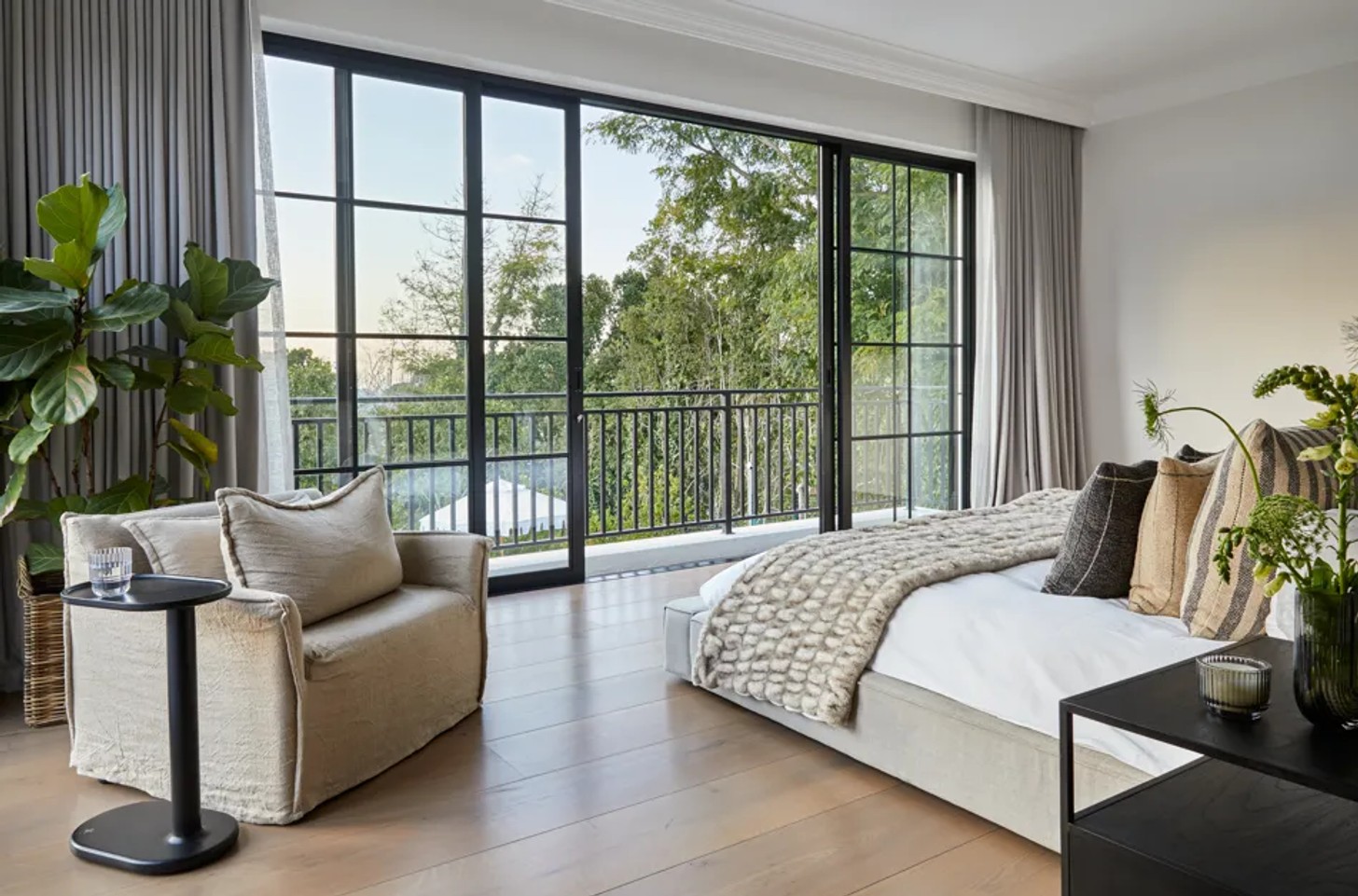
The character of a bedroom often comes down to the elements you notice only when they have been considered thoughtfully. Door handles, light switches, plug points, bedside tables, lamps, curtain hardware, cabinet handles, mirrors, trims, and finishes all contribute to the overall experience.
These details may seem minor individually, but together they help create a cohesive and intentional space.
Layer your lighting
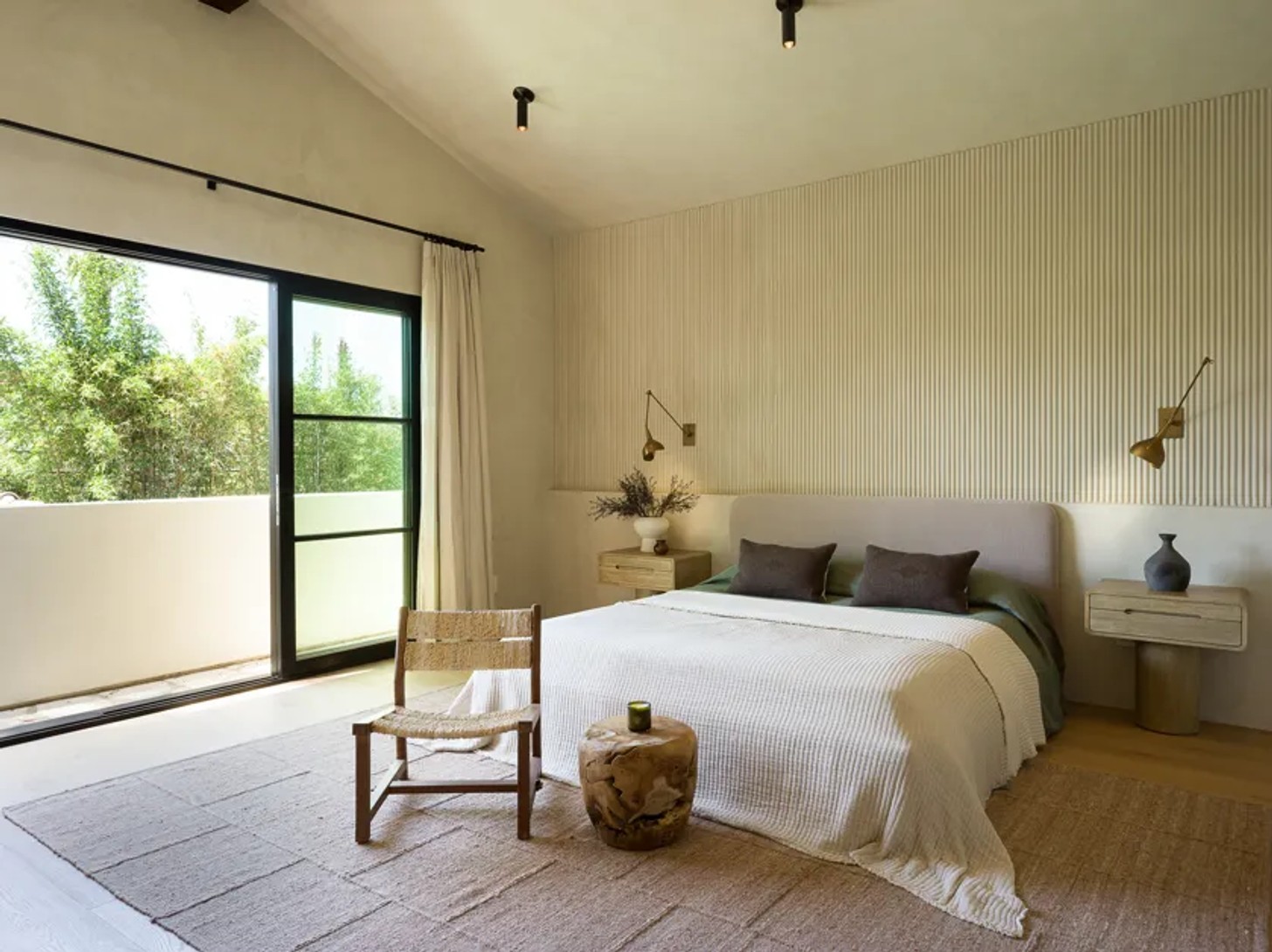
Lighting should shift with the mood and function of the room. A combination of general lighting, bedside illumination and softer ambient sources allows the bedroom to feel both practical and atmospheric.
Warm-toned bulbs, table lamps, and wall lights are particularly effective in creating a softer evening environment – one that signals the transition from the activity of the day to rest.
Think in layers, not individual pieces
Ultimately, a beautiful bedroom isn't defined by one statement piece. It comes together through the relationship between colour, texture, fabric, lighting, natural materials, and personal details.
According to Pamela, the goal is simple: create a bedroom that feels soft, tactile, personal and restful – a considered retreat where you can disconnect, restore, and feel at home.
Image Credits
Ashok Sinha, Bess Friday, Dana Damewood, Casa Mia Visuals, Greg Cox, Todd Goodman


