
In a world increasingly shaped by digital living and fast-paced routines, the appeal of interiors inspired by nature continues to grow. Earth tone homes embrace a softer, more grounded approach to design, using colours, textures and materials drawn from the natural landscape to create spaces that feel calm, welcoming and connected.
Inspired by the tones of soil, forests, stone and sun-warmed landscapes, this design philosophy moves away from stark minimalism and cool, clinical finishes. Instead, it celebrates warmth, tactility and authenticity through palettes of terracotta, sage green, sandy beige, ochre, clay and rich wood tones.

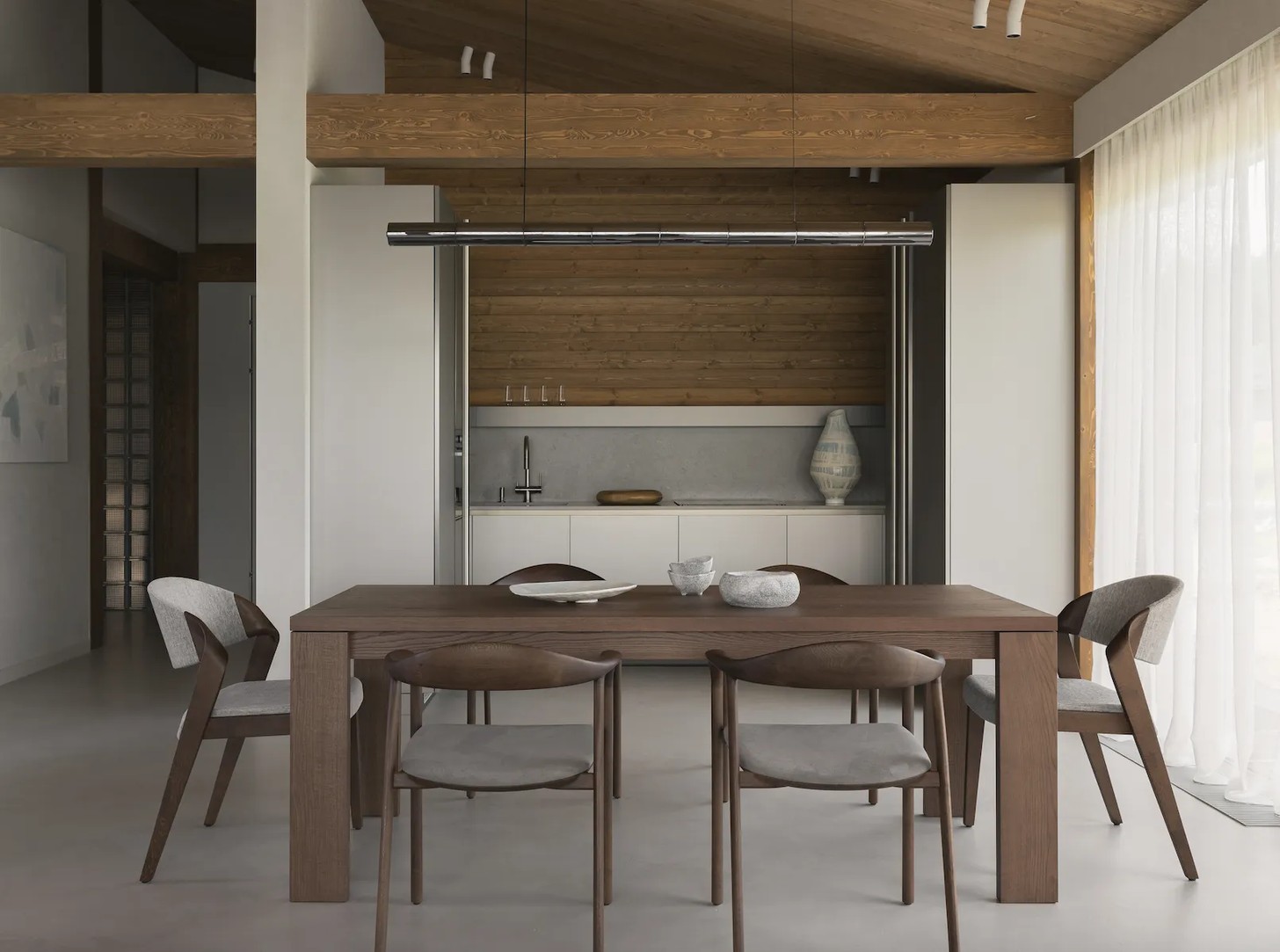
The beauty of an earth-inspired interior lies in its ability to create a sense of comfort while remaining sophisticated. These colours naturally evoke feelings of calm and relaxation, making them ideal for living spaces, bedrooms and areas designed for unwinding. Like the changing shades found outdoors, earthy palettes have a timeless quality that allows them to evolve beautifully with natural light and changing décor.
The Power of a Natural Palette
At the foundation of an earth-toned home is a carefully considered colour scheme. Warm whites, creamy beiges and soft taupes create a versatile backdrop that allows deeper shades to shine. These neutral tones bring brightness and balance, while adding a sense of softness that feels more inviting than traditional cool whites.
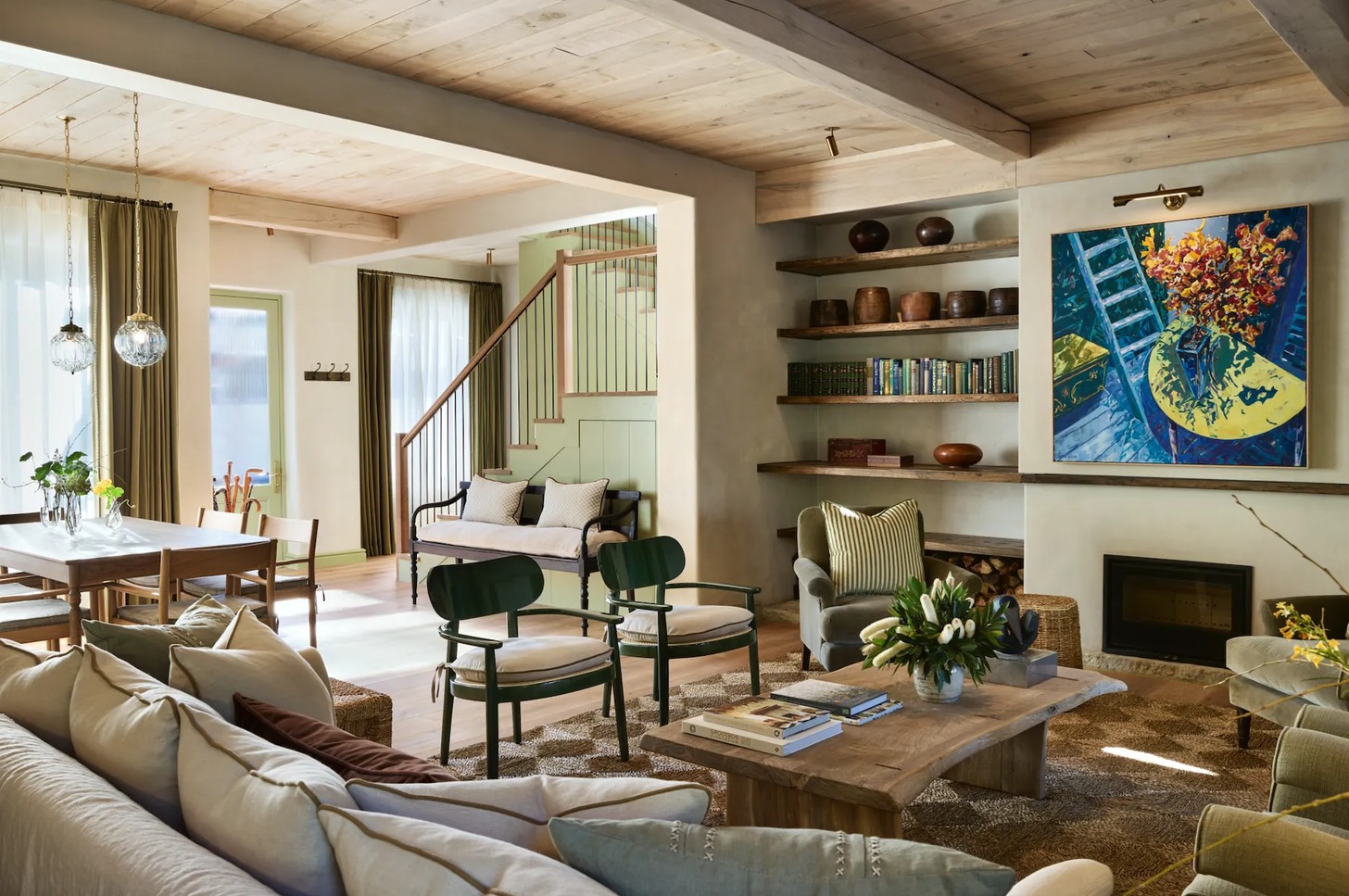
For those looking to introduce more character, accents of terracotta, rust, olive green, slate and charcoal add depth and personality. These colours can be incorporated through painted walls, upholstery, artwork or smaller decorative elements. The key is creating harmony — pairing richer earthy tones with lighter furnishings and finishes to keep a room feeling fresh and layered.
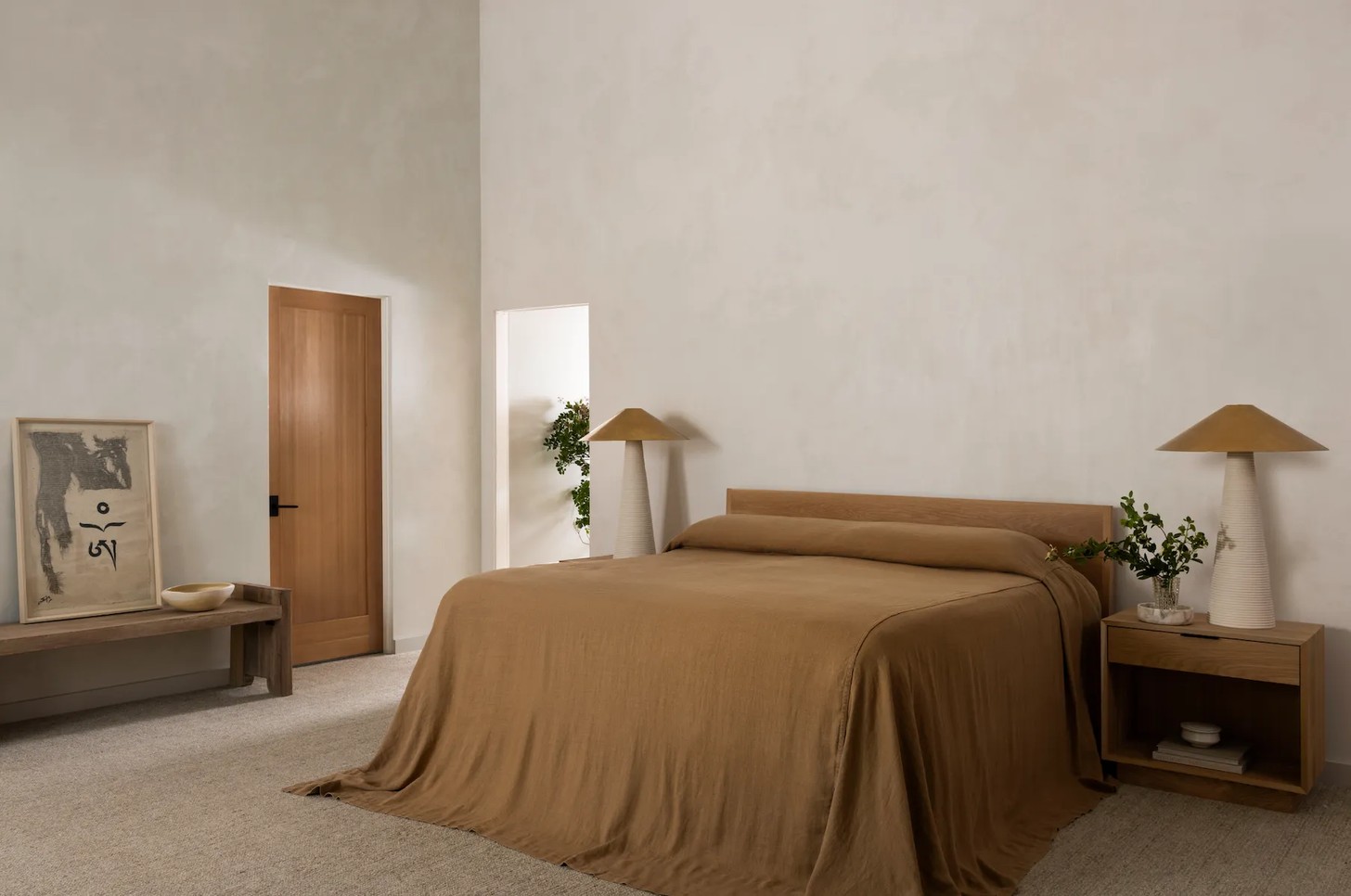
Rather than matching every element perfectly, earth-inspired interiors work best when they feel collected and organic. A combination of different shades, textures and natural materials creates a more authentic atmosphere.
Texture Brings Warmth and Character
A defining feature of earth tone design is the emphasis on texture. Natural fabrics such as linen, raw cotton, wool and velvet introduce softness, while materials like timber, exposed stone, clay and unpolished leather add a tactile quality.
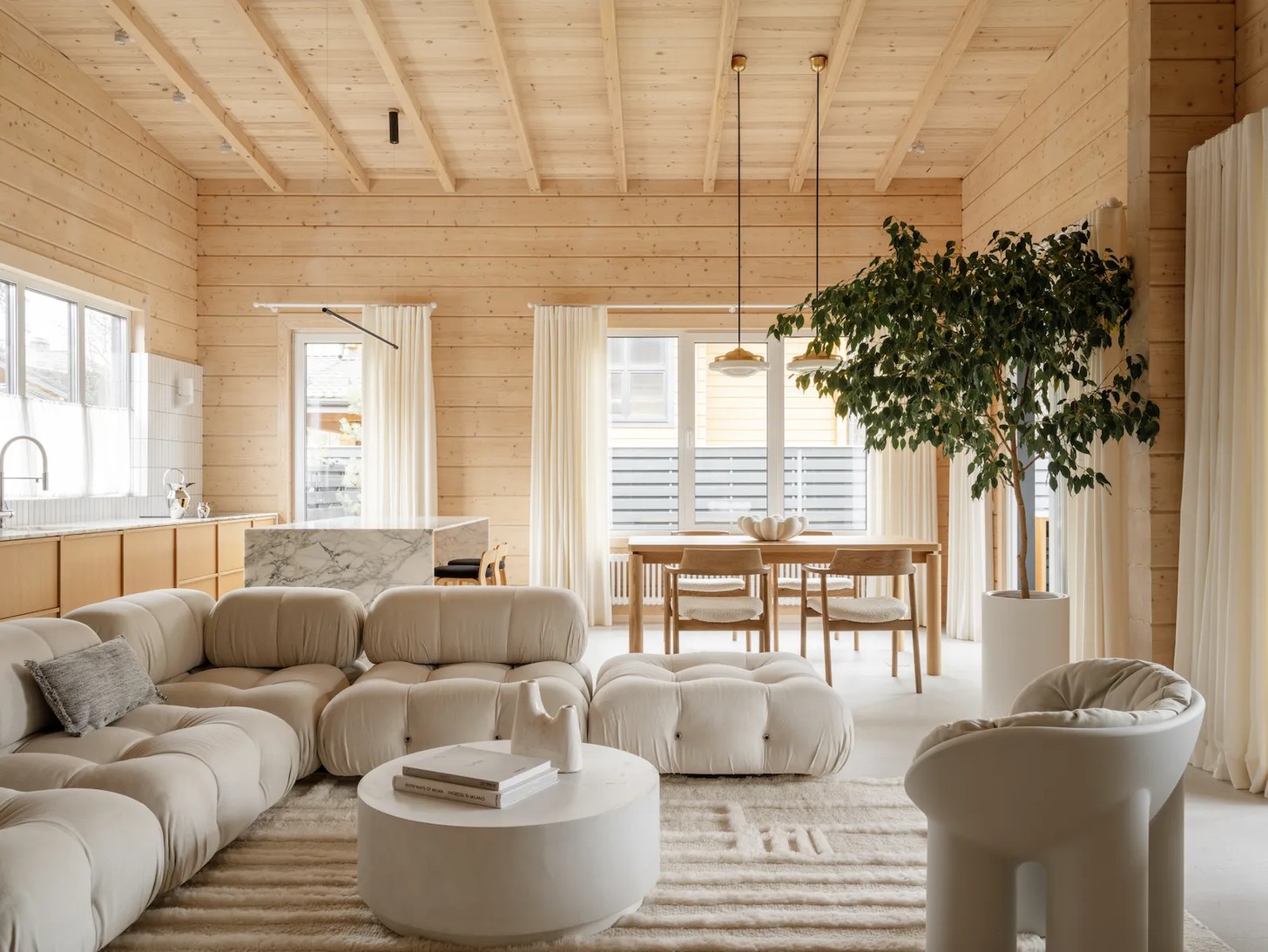
Wood remains one of the most important elements in these spaces, whether through flooring, furniture, cabinetry or architectural details. Both light and dark timber finishes work beautifully with earthy palettes, creating warmth and visual balance.
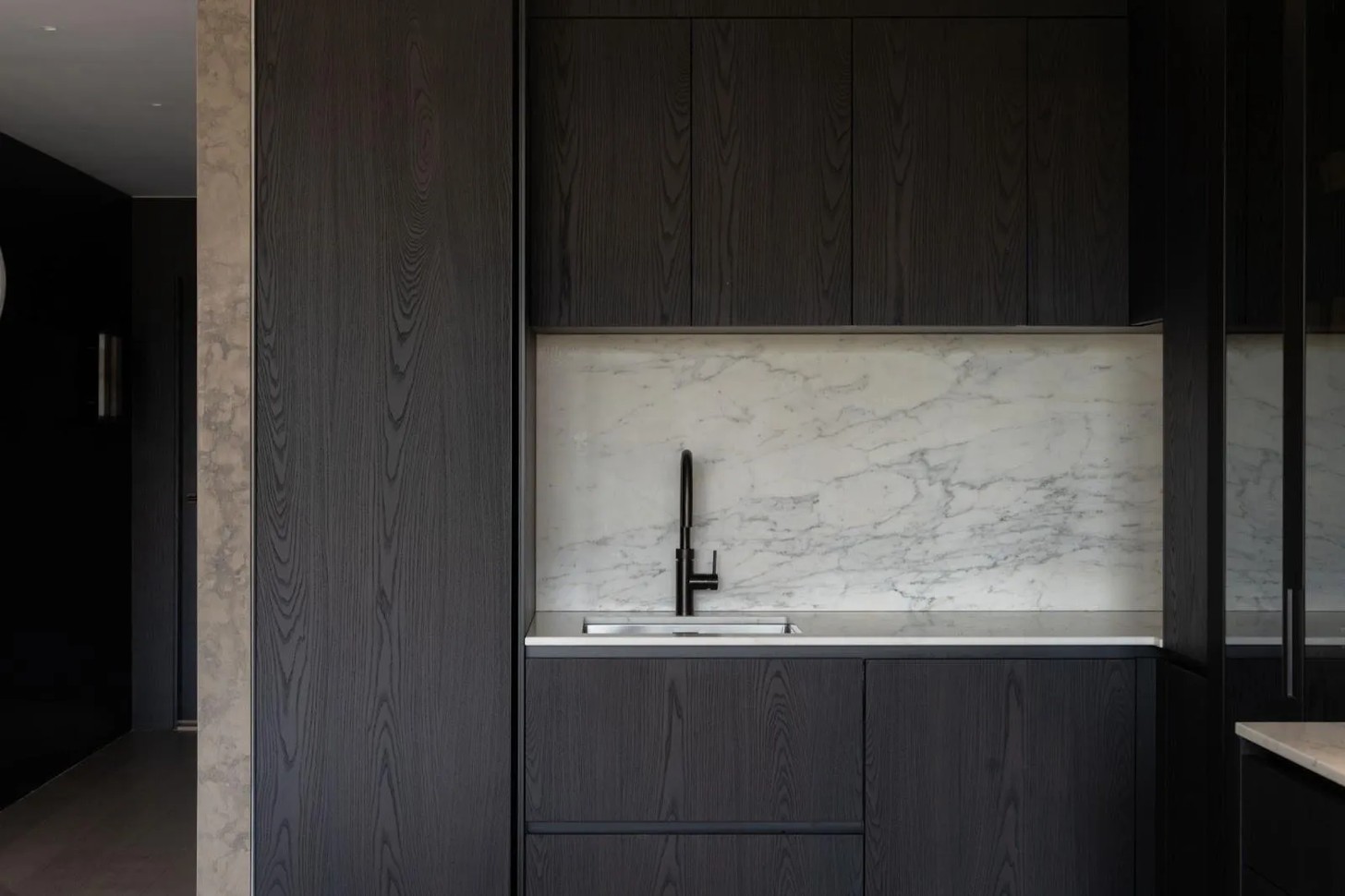
Metal finishes also play an important supporting role. Aged bronze, copper and matte black details add contrast and refinement, complementing the organic feel of the surrounding materials without overpowering them.
Bringing the Outdoors Inside
Earth tone homes often embrace the principles of biophilic design — the idea that connecting with nature can enhance the way we experience a space. Indoor plants, greenery and natural forms help introduce life and movement, creating a stronger relationship between the interior and the outdoors.
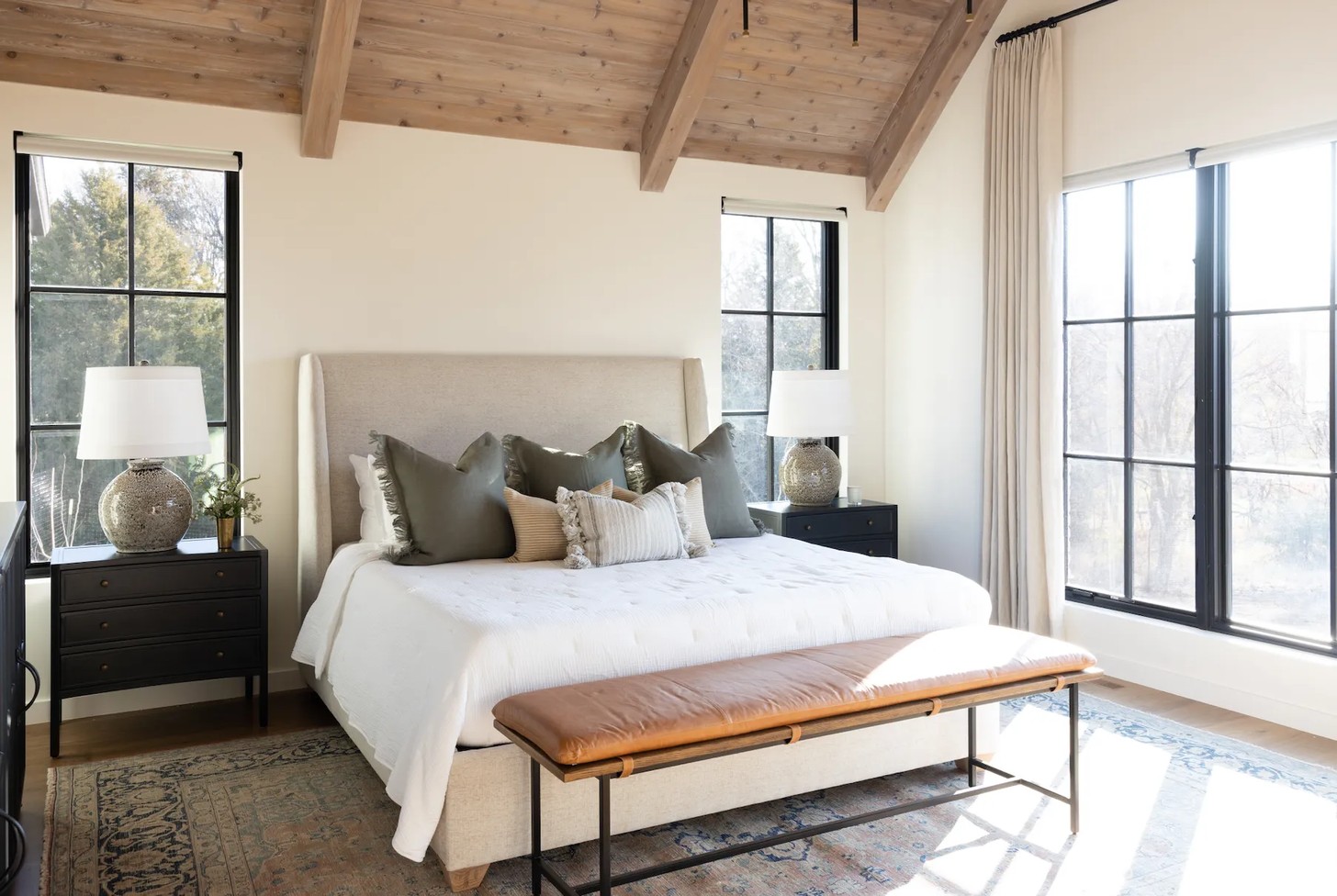
Decorative touches such as ceramic vases, handmade pottery, dried eucalyptus, woven baskets and textured rugs add layers of personality. These details bring a sense of craftsmanship and soul, making a home feel lived-in rather than overly styled.
Lighting is equally important in enhancing earthy interiors. Warm lighting, ideally between 2700K and 3000K, allows natural materials and deeper colours to glow, creating an atmosphere that feels intimate and relaxing. Soft lamps, pendant lights and concealed lighting can highlight textures while adding depth to the room.
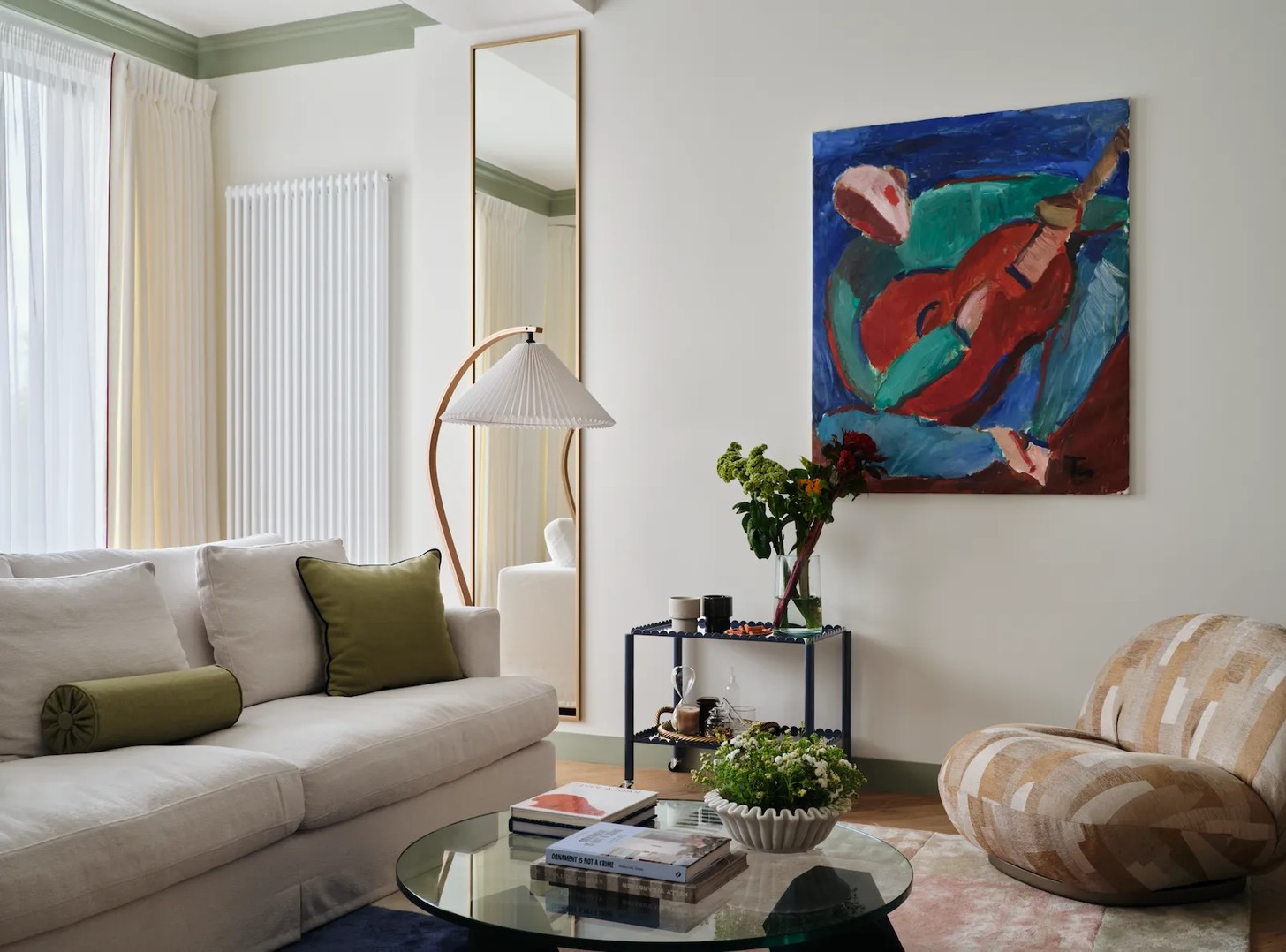
Ultimately, earth tone interiors are about creating spaces that feel rooted, comfortable and enduring. By combining nature-inspired colours with organic materials and thoughtful details, these homes offer more than visual appeal — they create environments that encourage rest, connection and a deeper appreciation for the beauty of the natural world.
Credits
Images: Casa Mia Visuals, Elizaveta Gurovskaya, Elsa Young, Bess Friday, Mikhail Loskutov, Arne Bru Haug, Dana Damewood, Damir Otegen


