
If there’s one clear message coming through global interiors right now, it’s that perfection is out and personality is firmly in. Across design fairs, studio projects and residential homes, a shared direction is emerging: spaces are becoming warmer, more tactile, and far less rigid than the polished minimalism that dominated the past decade..
Warm Minimalism Is Replacing Sterile Simplicity
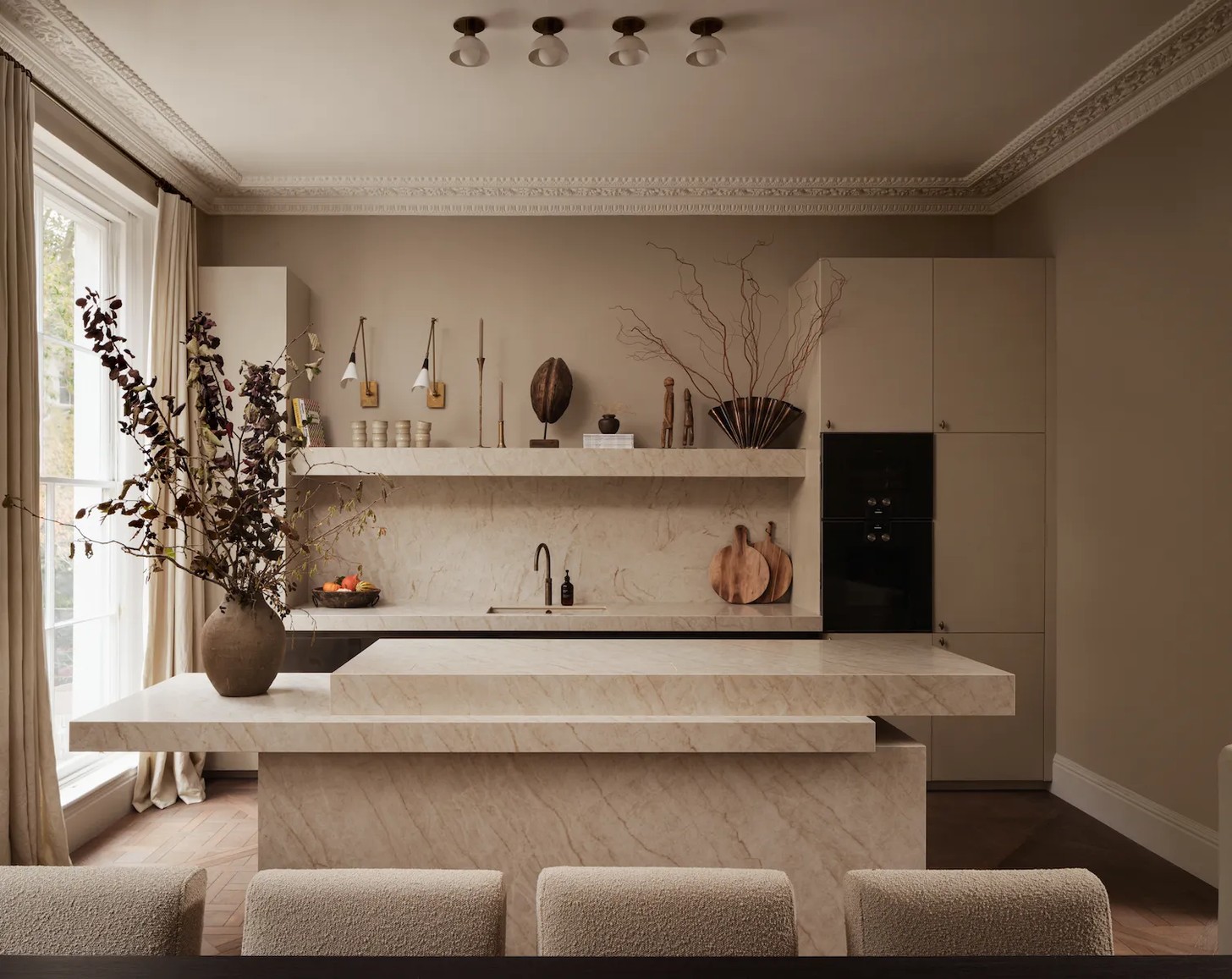
One of the strongest shifts is the move away from cold, clinical minimalism toward what designers are calling warm minimalism. Instead of stark whites and grey-heavy palettes, interiors are embracing layered neutrals, softened edges and natural materials like timber, linen and clay-based finishes.

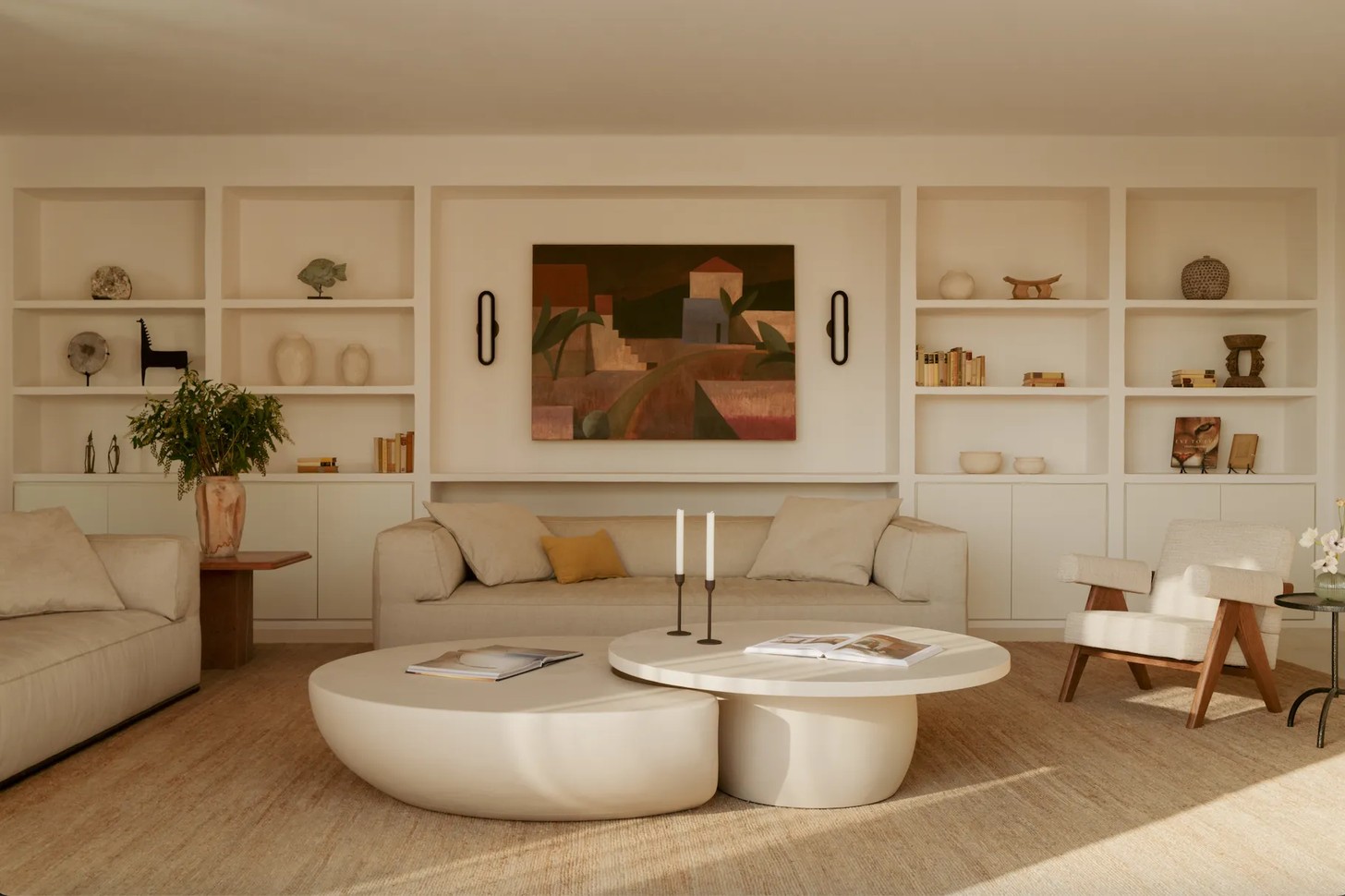
Recent global design reporting shows homeowners increasingly prioritising spaces that feel lived-in rather than staged, with emotional comfort now considered as important as visual clarity.
In practice, this means fewer empty, echoing rooms and more considered layering: a linen sofa against a textured wall, a hand-thrown ceramic lamp on a timber side table, and finishes that age gracefully rather than remain static.
Colour Is Getting Warmer, Deeper and Moodier
Colour trends are also shifting noticeably. Crisp white interiors are giving way to richer, grounded tones — think terracotta, chocolate browns, sage greens and muted blues. These shades are being used not as accents, but as full-room foundations.
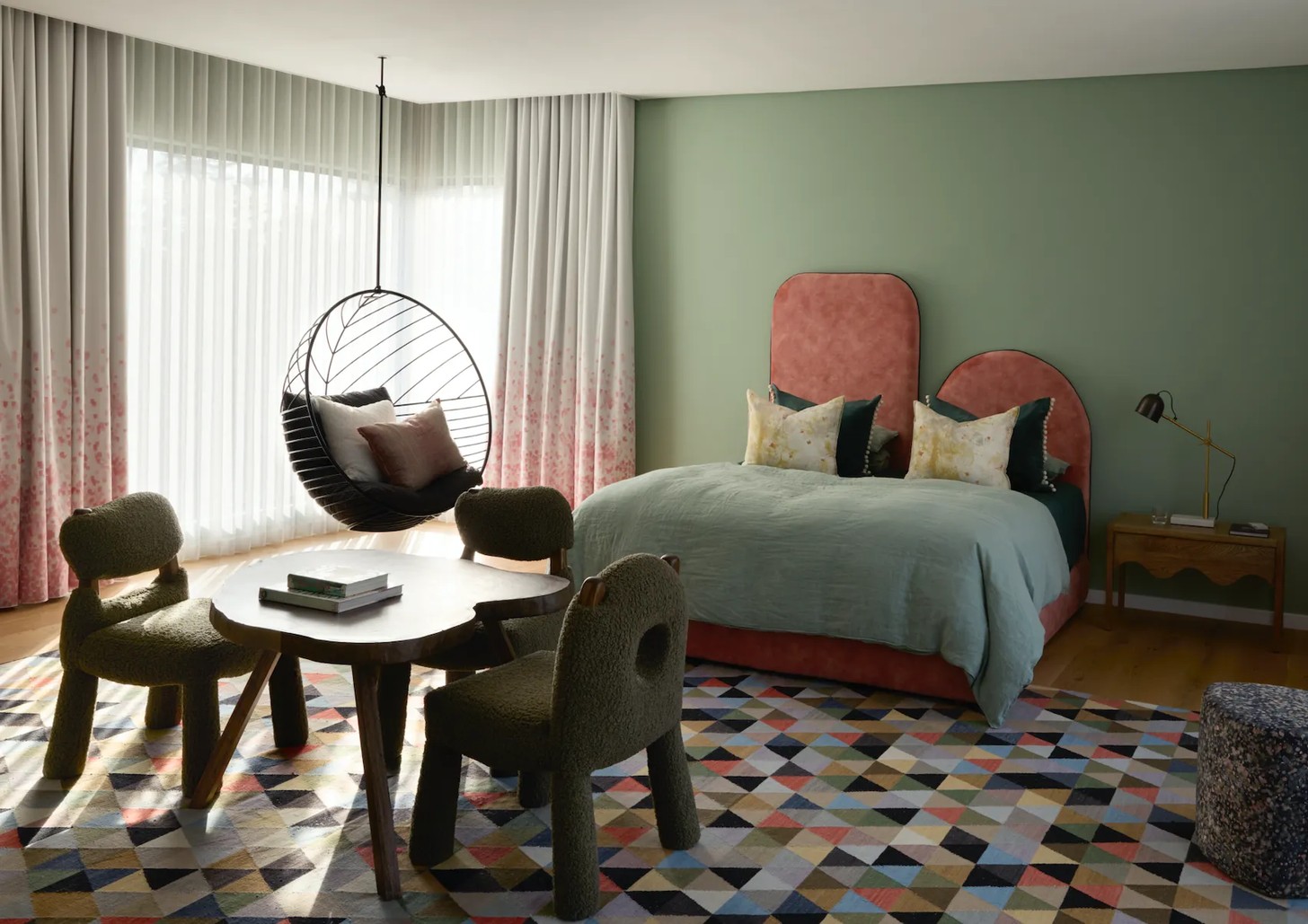
Design analysts note a clear move toward palettes that feel emotionally grounding rather than visually sterile, with earthy tones now dominating new residential projects and renovations . In South African homes, this translates beautifully into spaces that echo the landscape — sunbaked neutrals, coastal blues, and indigenous greens that feel naturally connected to the environment.
Curves Are Replacing Hard Edges
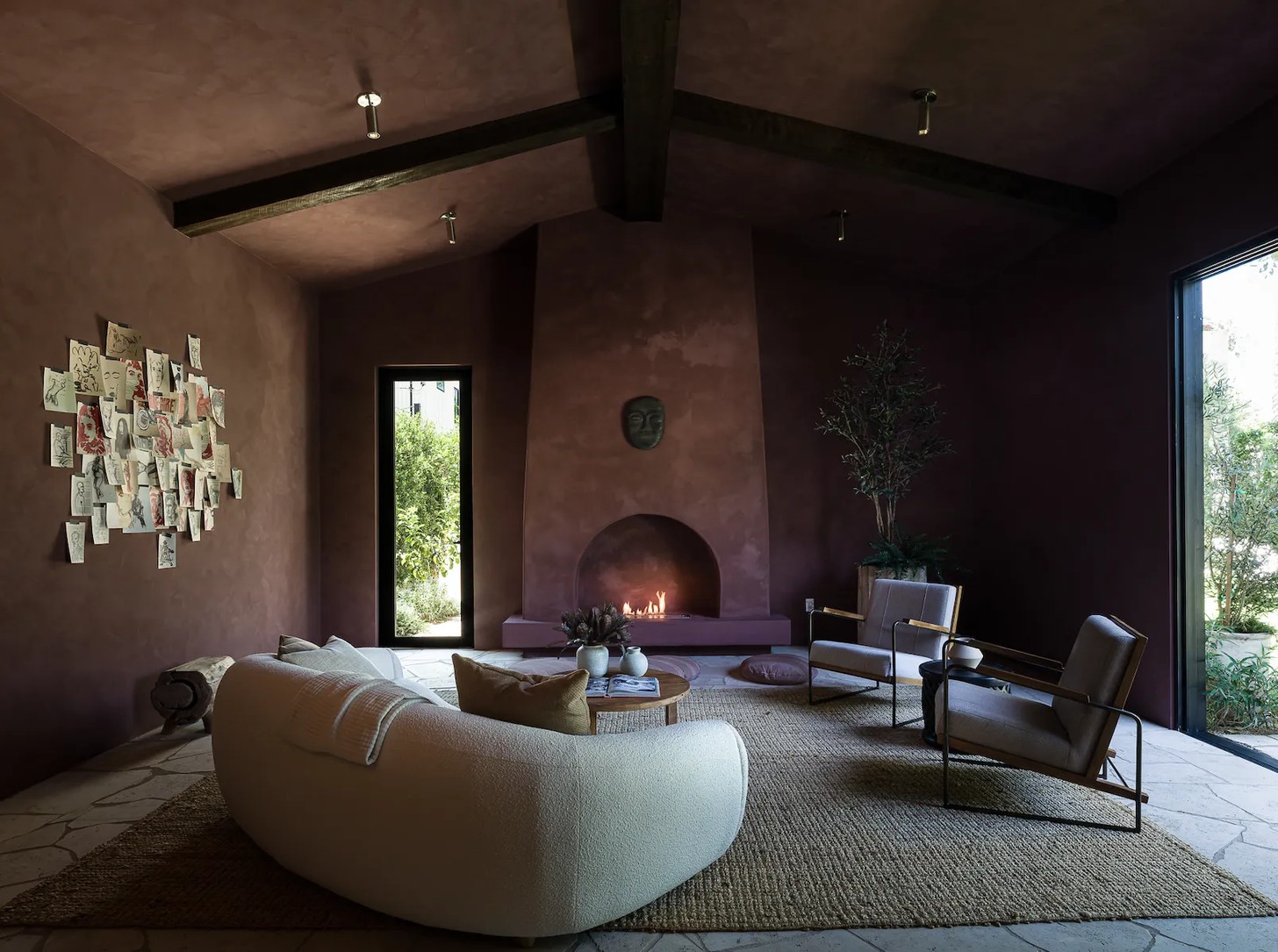
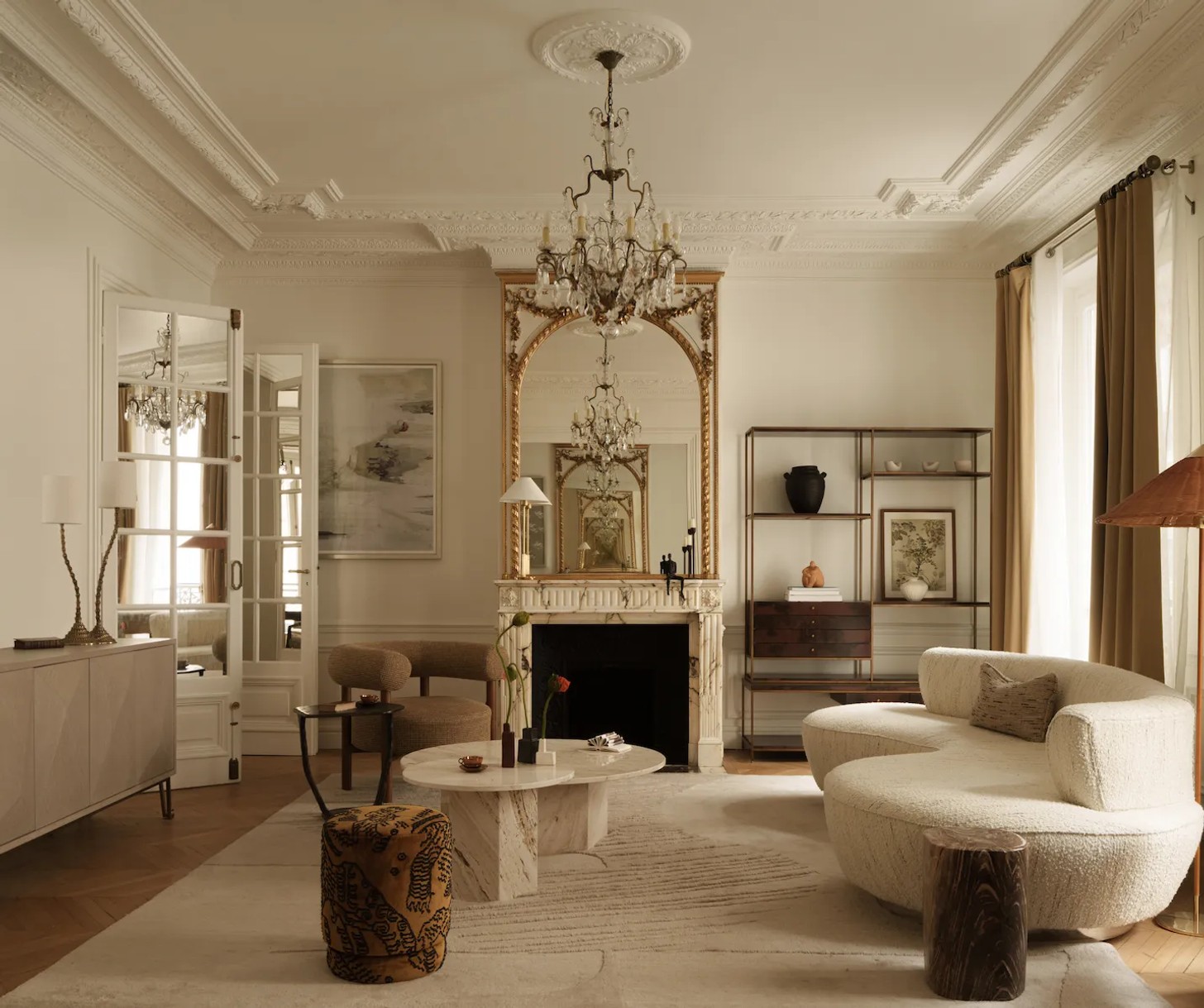
Furniture is softening. Sharp architectural lines are being replaced by sculptural silhouettes — curved sofas, rounded coffee tables, arched openings and fluid, organic shapes.
This shift is not purely aesthetic. Curved forms change how a room feels: they slow movement, soften acoustics, and create a more relaxed flow between spaces. In open-plan living areas especially, this approach is becoming essential. The result is interiors that feel less formal and more human.
Texture Has Become the New Luxury
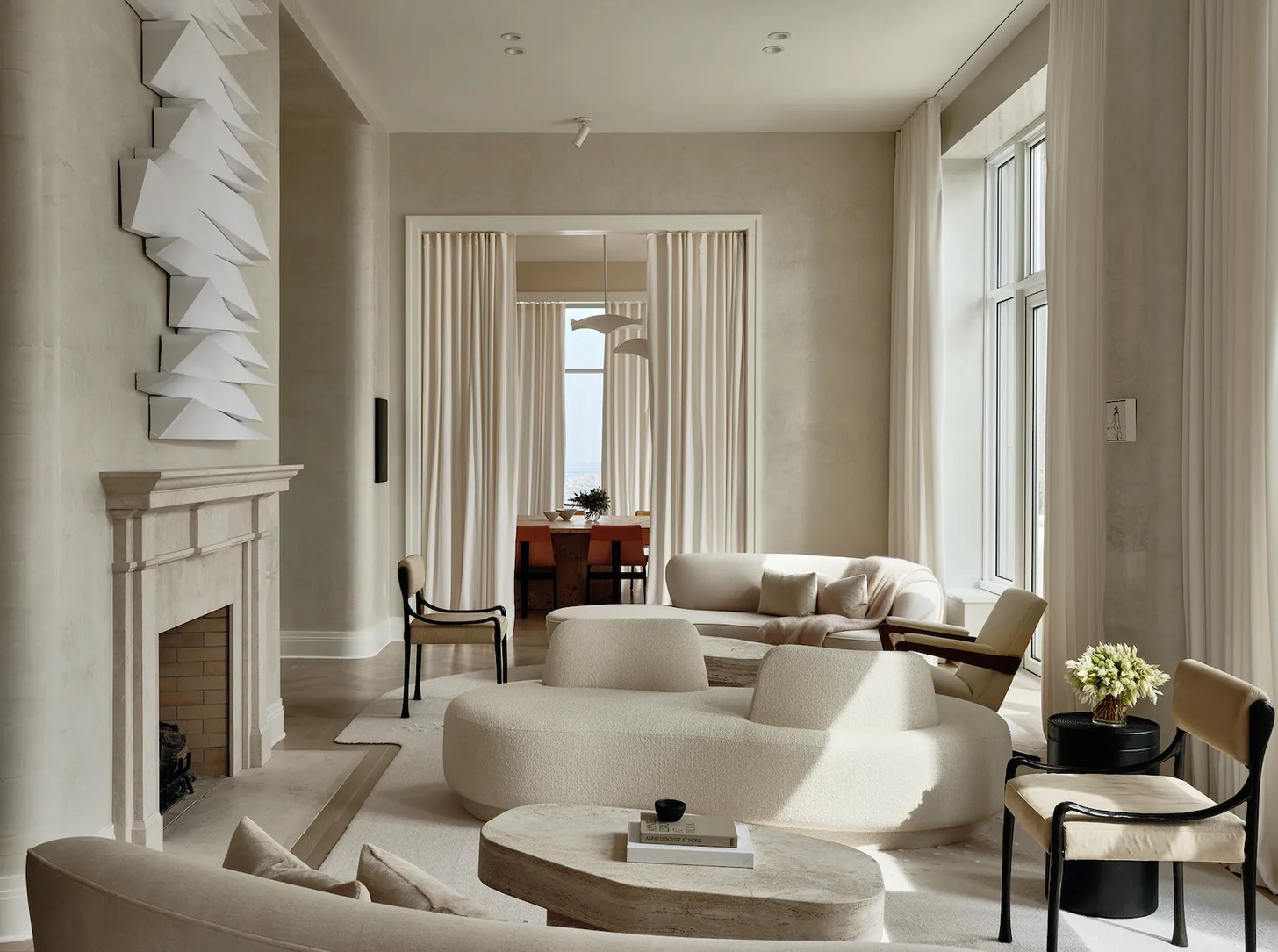
If colour sets the mood, texture is now defining the experience of a space. Across high-end and everyday interiors alike, there is a strong focus on tactility — plaster walls, raw wood, woven textiles, brushed metals and stone with visible grain.
Rather than relying on bold colour or decorative excess, designers are building depth through materials that invite touch. This layered approach creates quiet richness, even in neutral spaces. It also signals a broader shift: luxury is no longer about shine or perfection, but about authenticity and material honesty.
The Rise of “Lived-In” Interiors
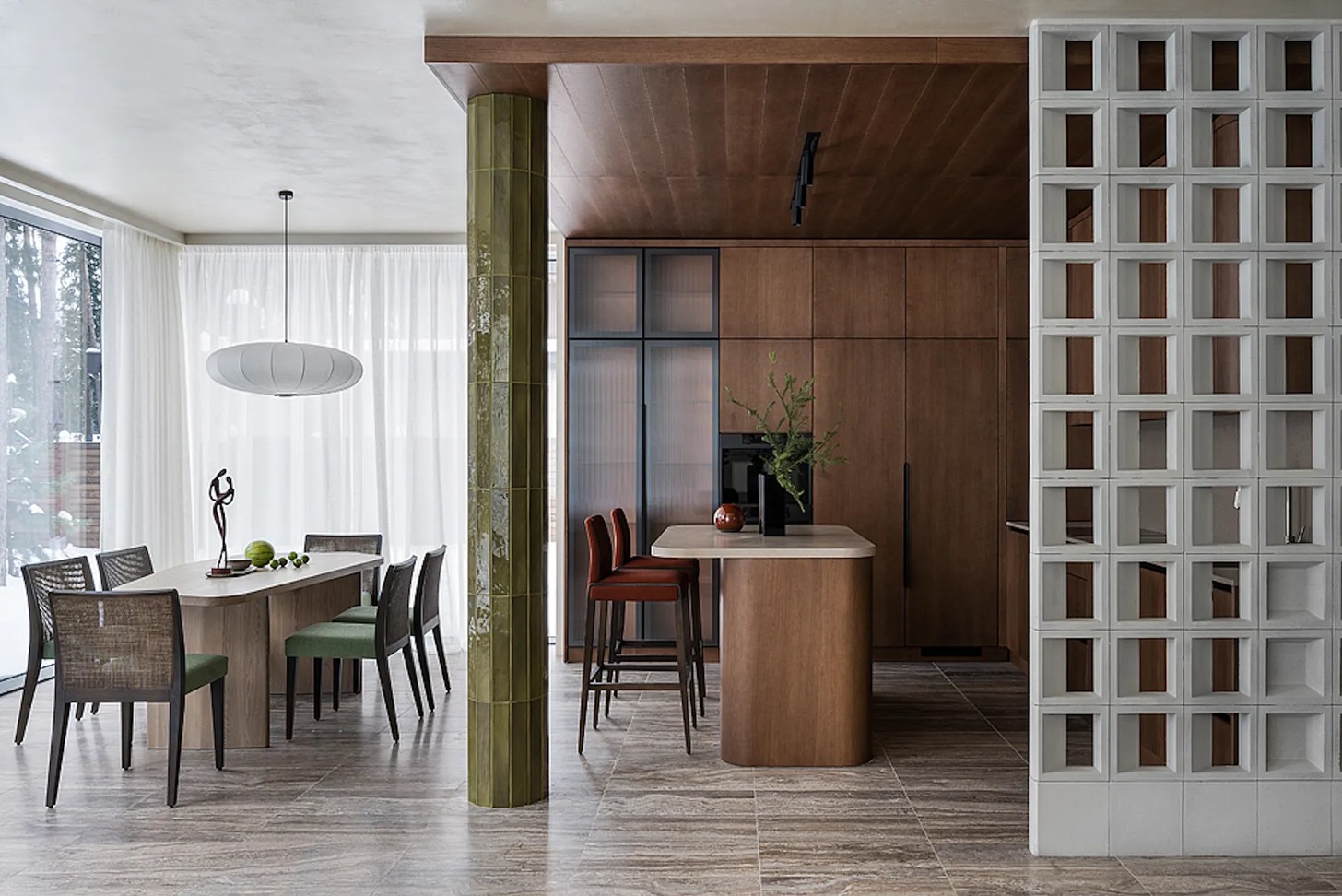
Another dominant trend is the rejection of overly curated, showroom-style homes. Instead, interiors are being designed to feel collected over time — spaces that reflect memory, travel and personal history.
This is closely linked to the growing “slow decorating” mindset, where homes evolve gradually rather than being completed in one decisive moment. Designers and homeowners are increasingly embracing patience, allowing rooms to develop naturally rather than chasing instant finishes.
Nature Is Moving Indoors (Again)
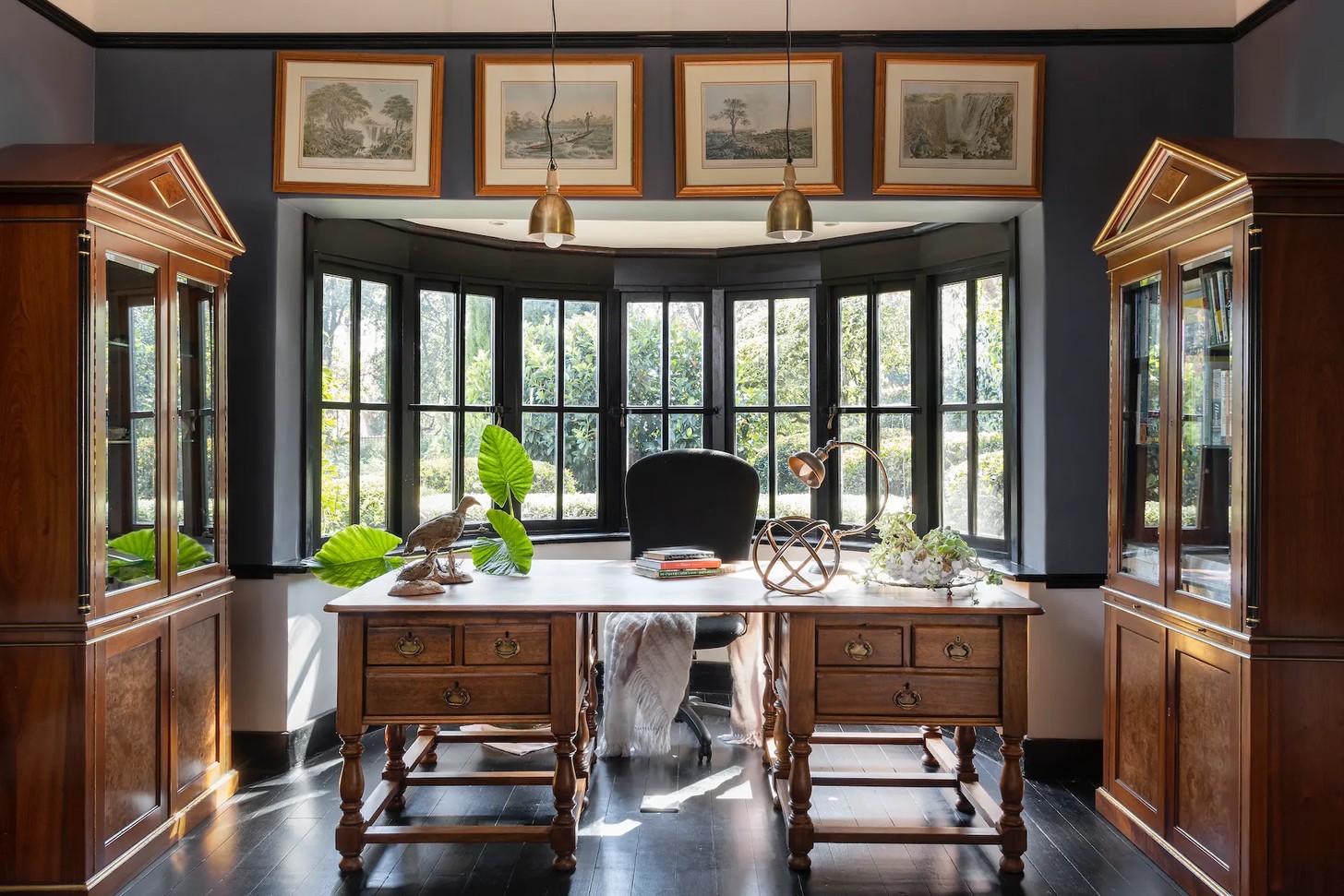
Biophilic design continues to grow, but it is becoming more refined. Instead of simply adding plants, designers are integrating natural systems into the architecture itself — light, airflow, materials and sightlines that connect interior spaces to the outdoors.
Indoor planting remains important, but it is now part of a broader ecosystem approach: natural wood, stone finishes, and large windows that blur the boundary between inside and outside. This is especially relevant in South Africa, where climate and landscape already lend themselves to seamless indoor-outdoor living.
Vintage and Character Pieces Are Back
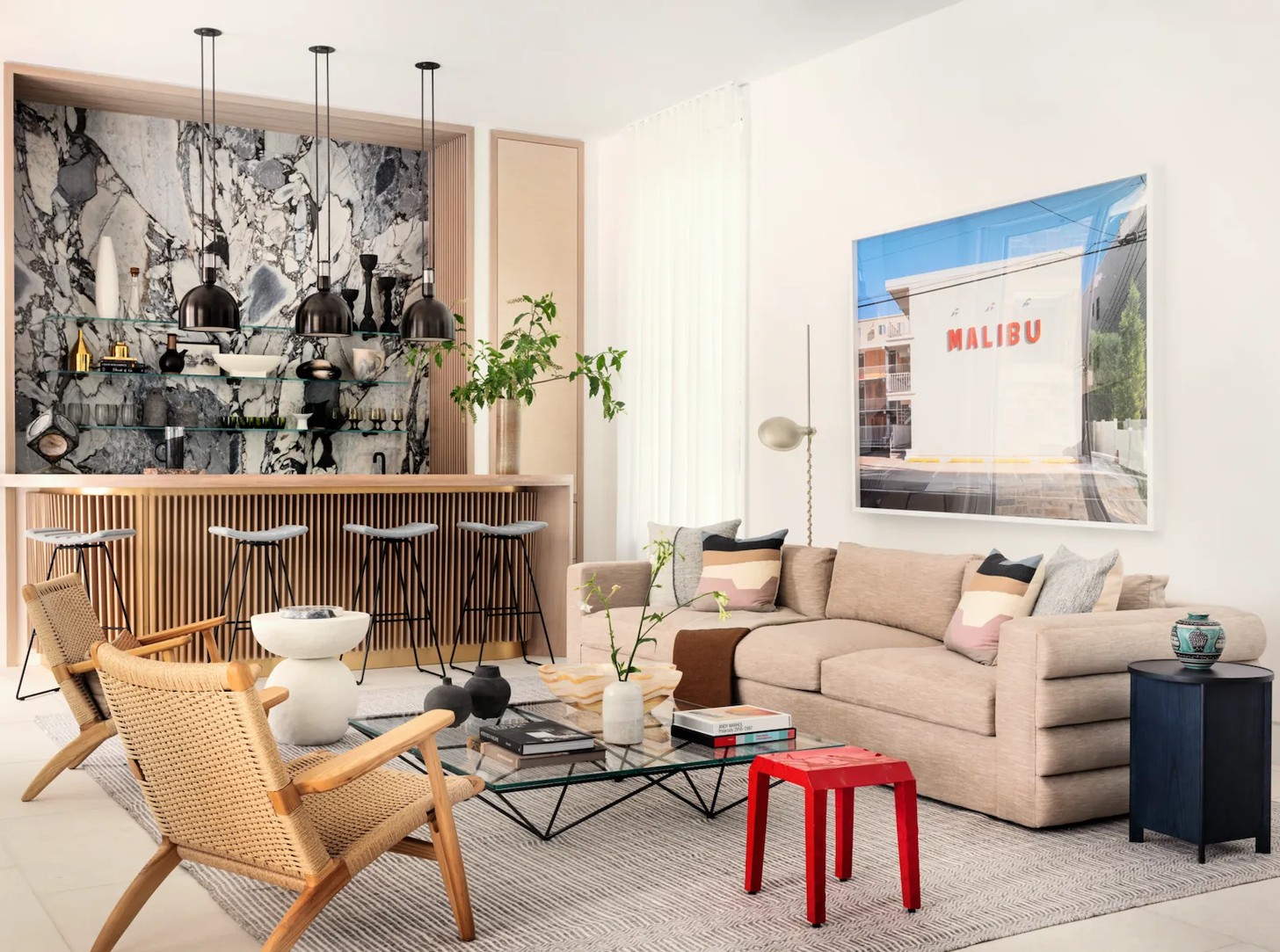
Mass-produced uniformity is losing appeal. In its place, there is a renewed appreciation for vintage furniture, handcrafted objects and pieces with visible history. Designers are increasingly mixing contemporary forms with older, more expressive elements — ornate mirrors against minimalist walls, or antique wood paired with modern lighting. The effect is intentional contrast. Nothing feels too polished or too predictable.
What This All Adds Up To
Taken together, these trends point toward a single direction: homes are becoming more human again. They are softer in palette, richer in texture, more expressive in form, and less concerned with perfection. Whether in a city apartment or a coastal home, the goal is the same — spaces that feel emotionally supportive, adaptable and lived in.
Credits
Images: Prue Ruscoe, Vigo Jansons, Nina Suess, Supplied, Todd Goodman, Read McKendree, Olga Melekestseva, Vignette, Read McKendree/JBSA Images


