
For years, open-plan living has dominated residential design. The seamless flow between kitchen, dining and living areas became a symbol of modern living — promising connection, flexibility and a more social way of using the home. But as lifestyles have changed, the question is being asked: is the era of completely open-plan homes coming to an end?
Architects and designers are beginning to rethink the traditional open layout, not by rejecting connection altogether, but by creating homes that offer more choice. The focus is shifting towards adaptable spaces that can transform throughout the day, balancing togetherness with privacy, activity with calm. The future of residential design may not be about walls versus openness — it is about creating homes that respond better to the way people actually live.

The Limitations Of Open-Plan Living
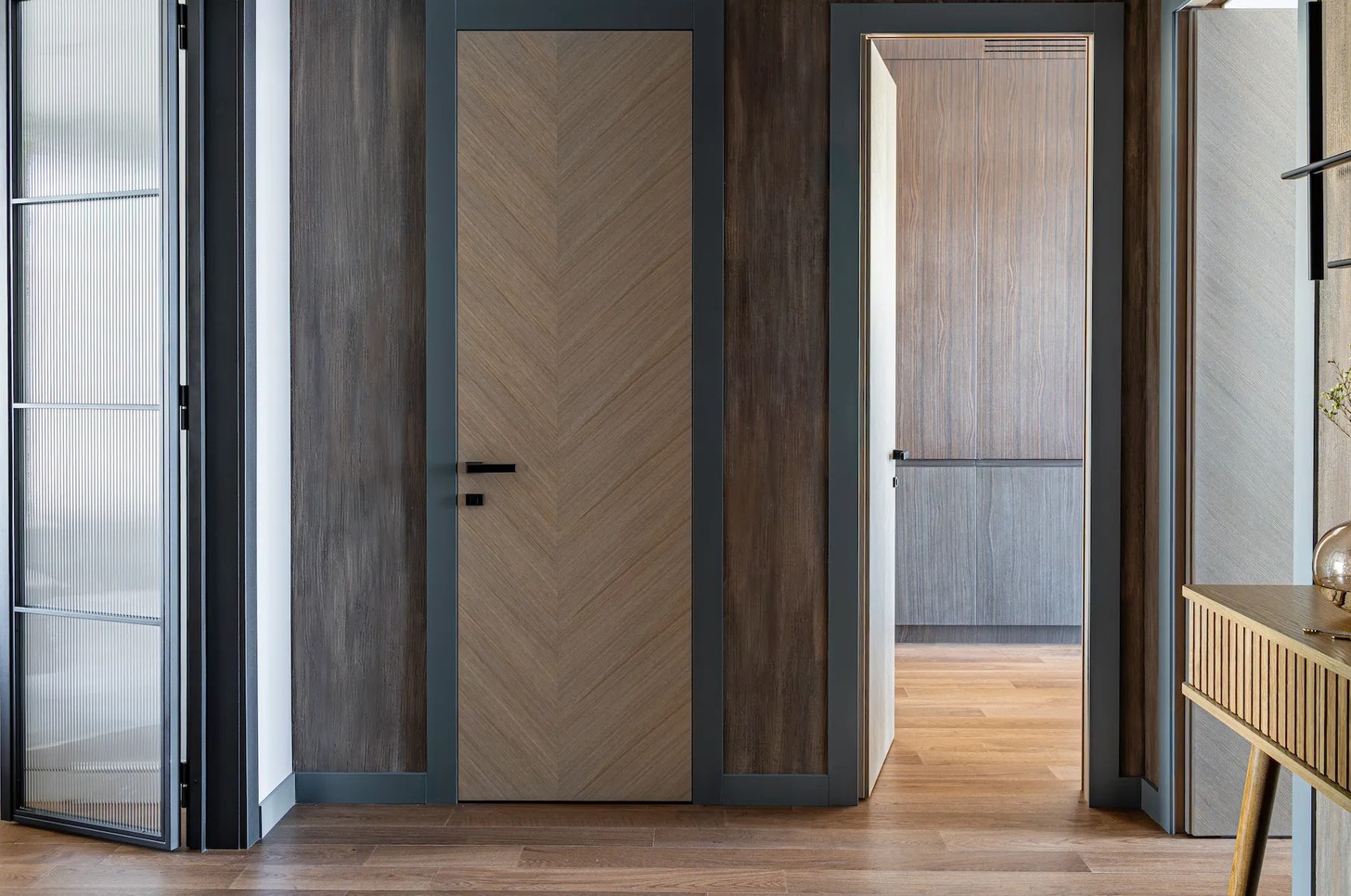
The popularity of open-plan design came from its many advantages. Removing barriers between rooms created brighter interiors, improved movement and encouraged social interaction. Kitchens became central gathering spaces rather than hidden work areas, while living rooms became more connected to everyday activities. However, years of living with fully open layouts have revealed some challenges. Noise, lack of privacy and competing activities can make large shared spaces difficult to manage.
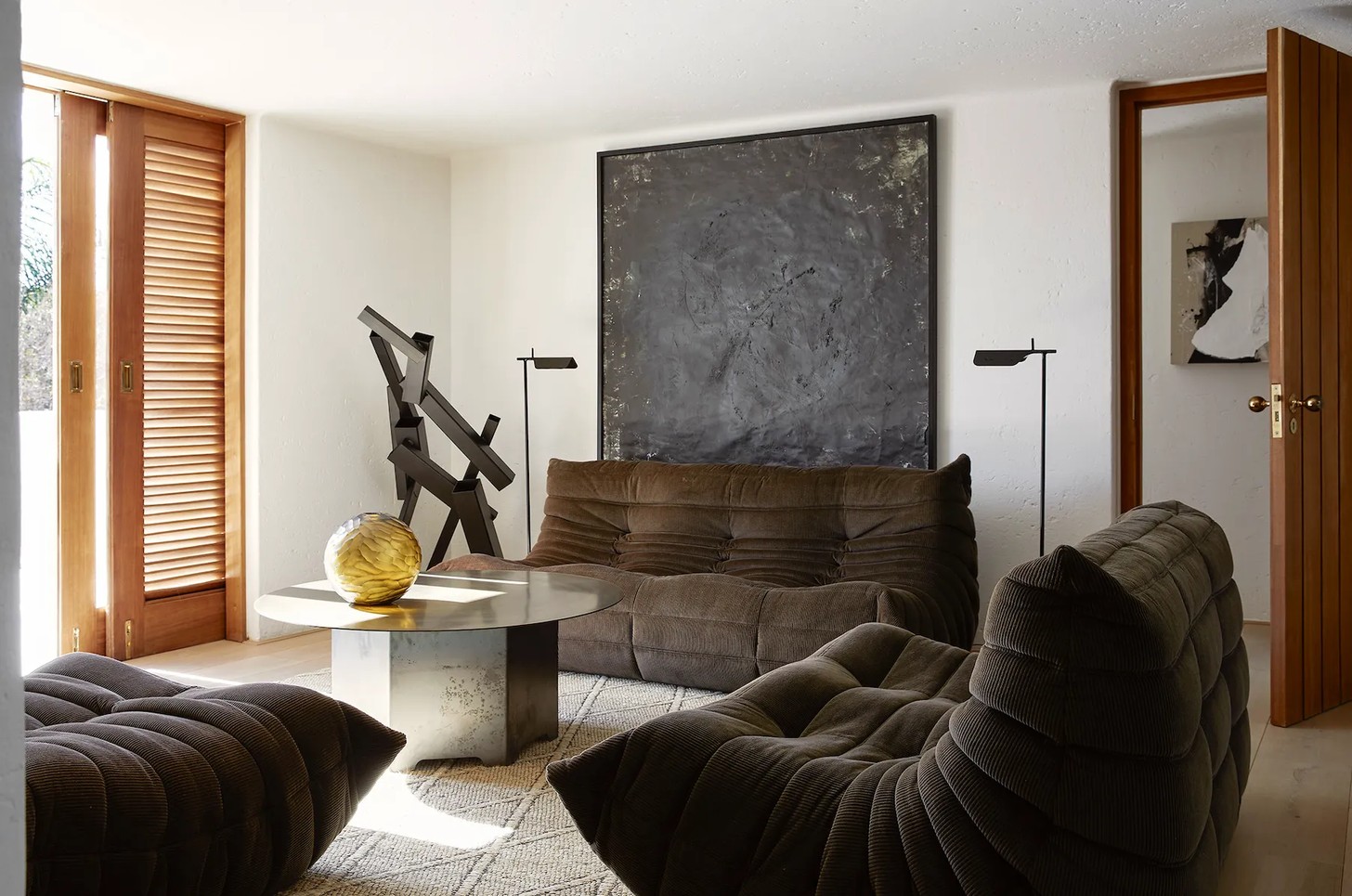
A kitchen filled with cooking sounds, a home office needing quiet concentration and a living area used for relaxation can all compete within one uninterrupted space. As more people work from home and spend more time indoors, the need for acoustic comfort and dedicated zones has become increasingly important.
Flexible Spaces For Modern Lifestyles
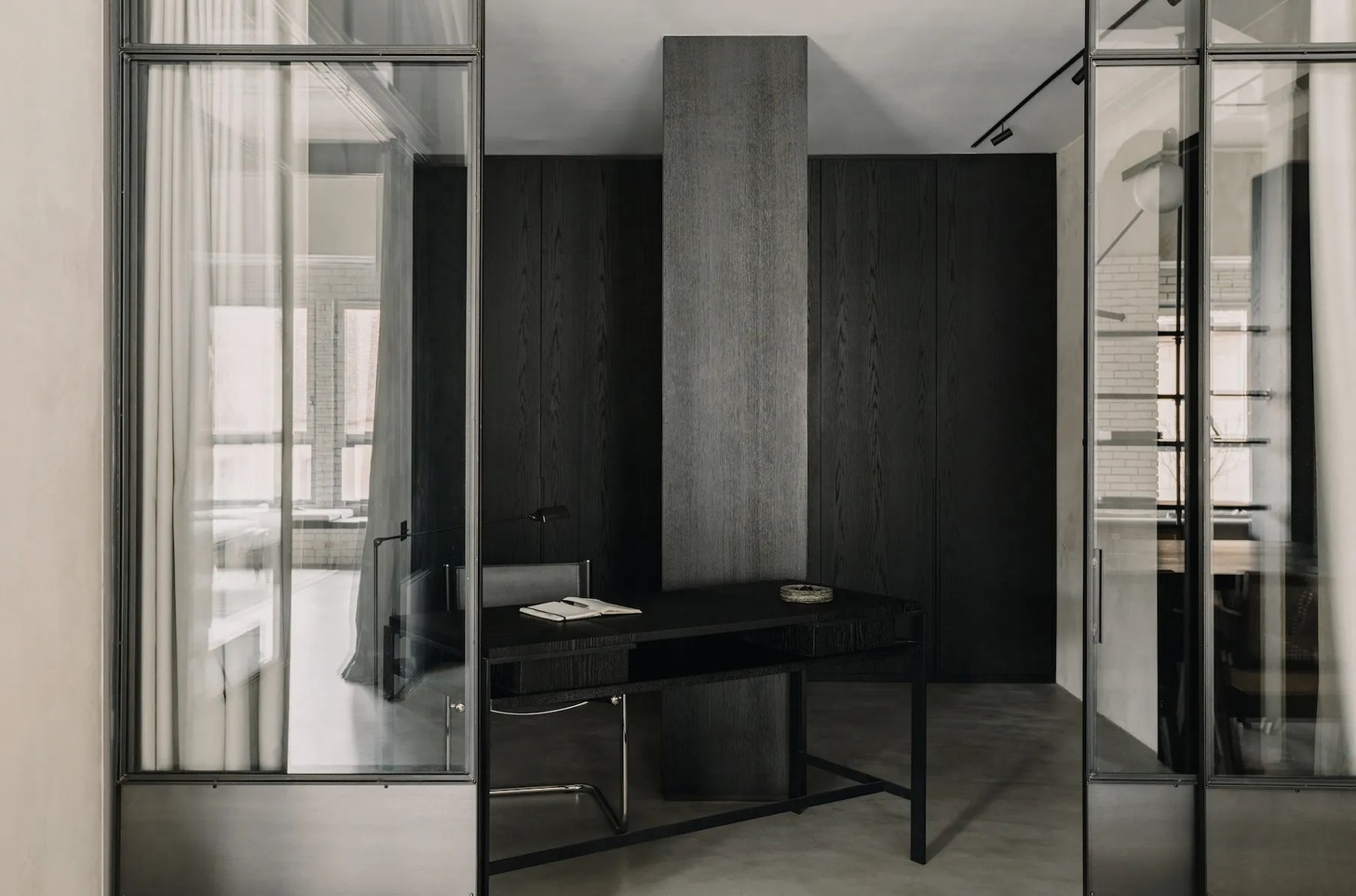
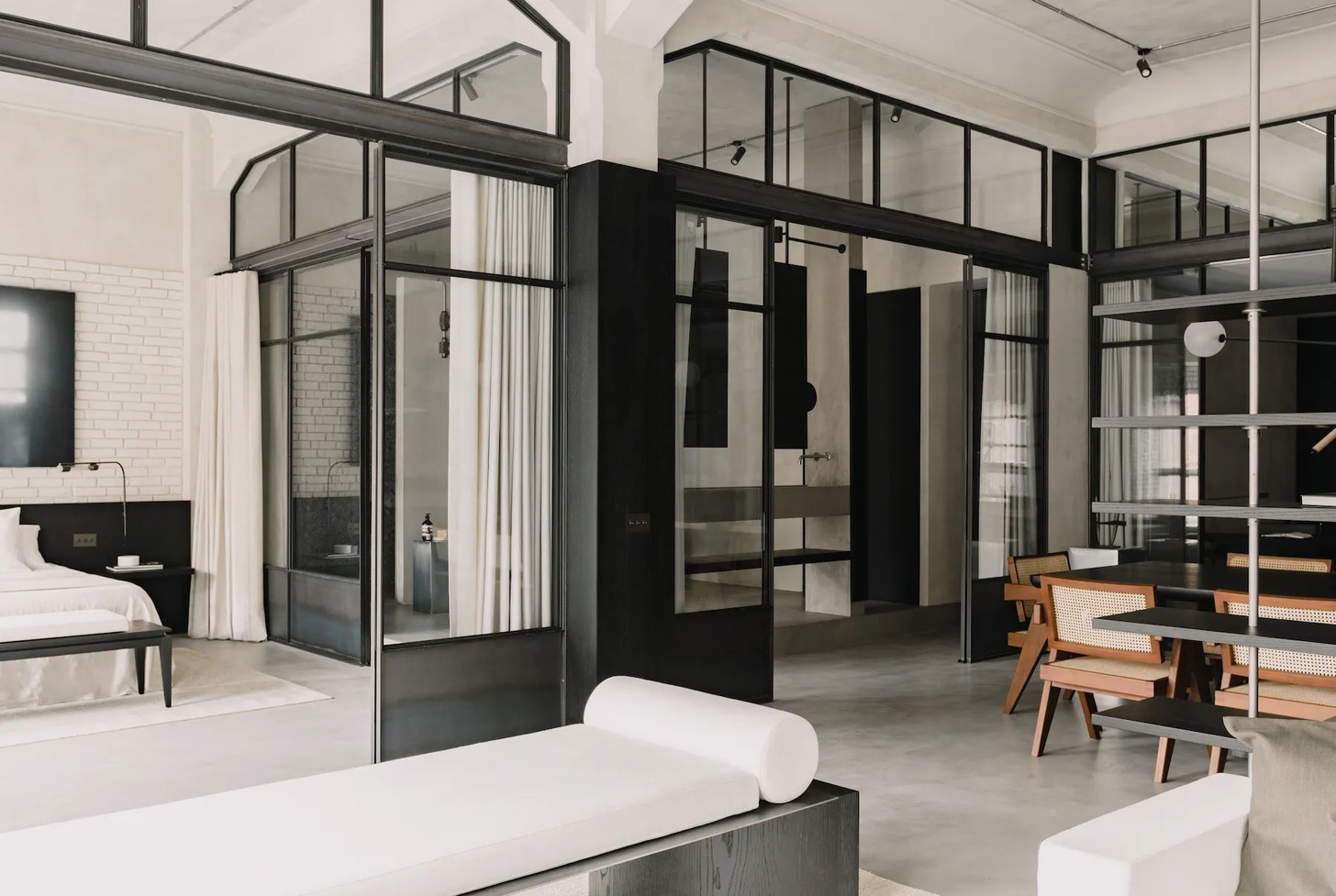
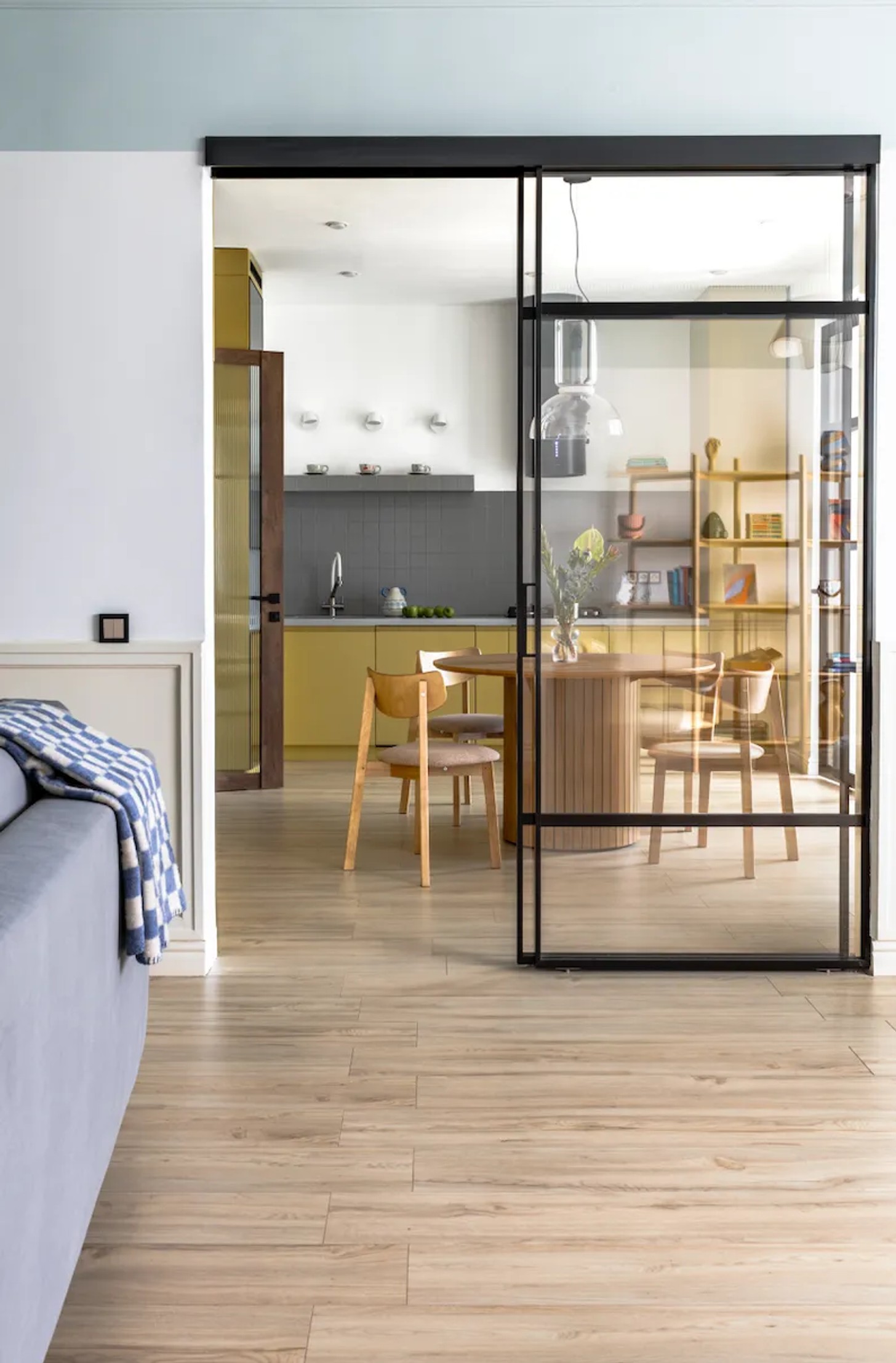
Rather than returning to traditional room divisions, contemporary homes are embracing flexibility. Sliding doors, movable partitions, built-in storage and multi-purpose rooms are allowing spaces to adapt according to changing needs. A dining room can become a workspace. A guest room can transform into a creative studio. A living area can open up for entertaining or become a quieter retreat.
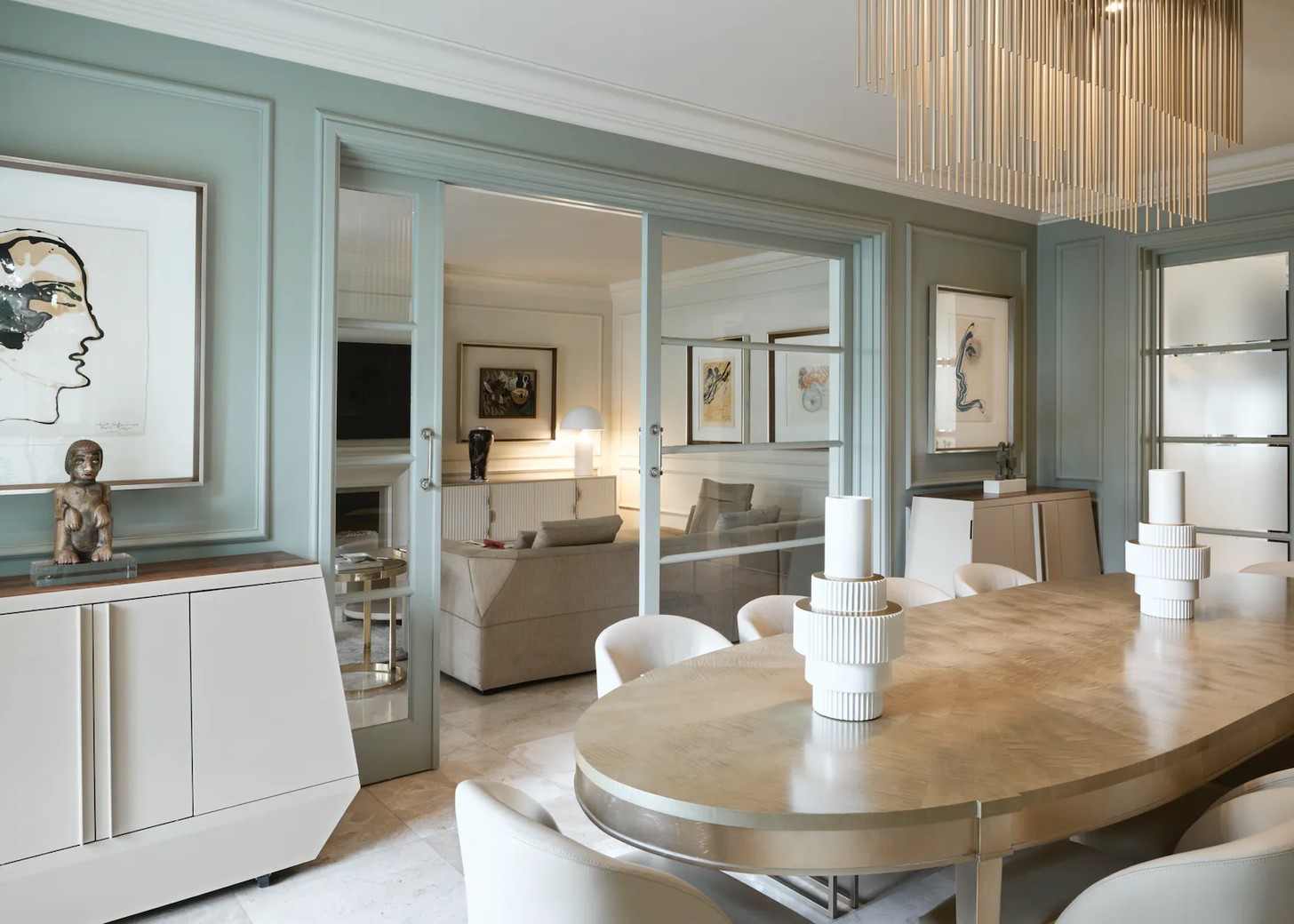
This approach reflects a broader understanding that homes need to support multiple lifestyles at once. In South Africa, where many homes are designed around indoor-outdoor living, flexibility is particularly relevant. Spaces need to transition between family life, entertaining and moments of privacy.
Acoustic Comfort Becomes A Design Priority
One of the biggest shifts away from fully open-plan design is the growing importance of sound management. Architects are increasingly considering acoustics from the beginning of a project, using materials and layouts that reduce noise while maintaining visual flow.
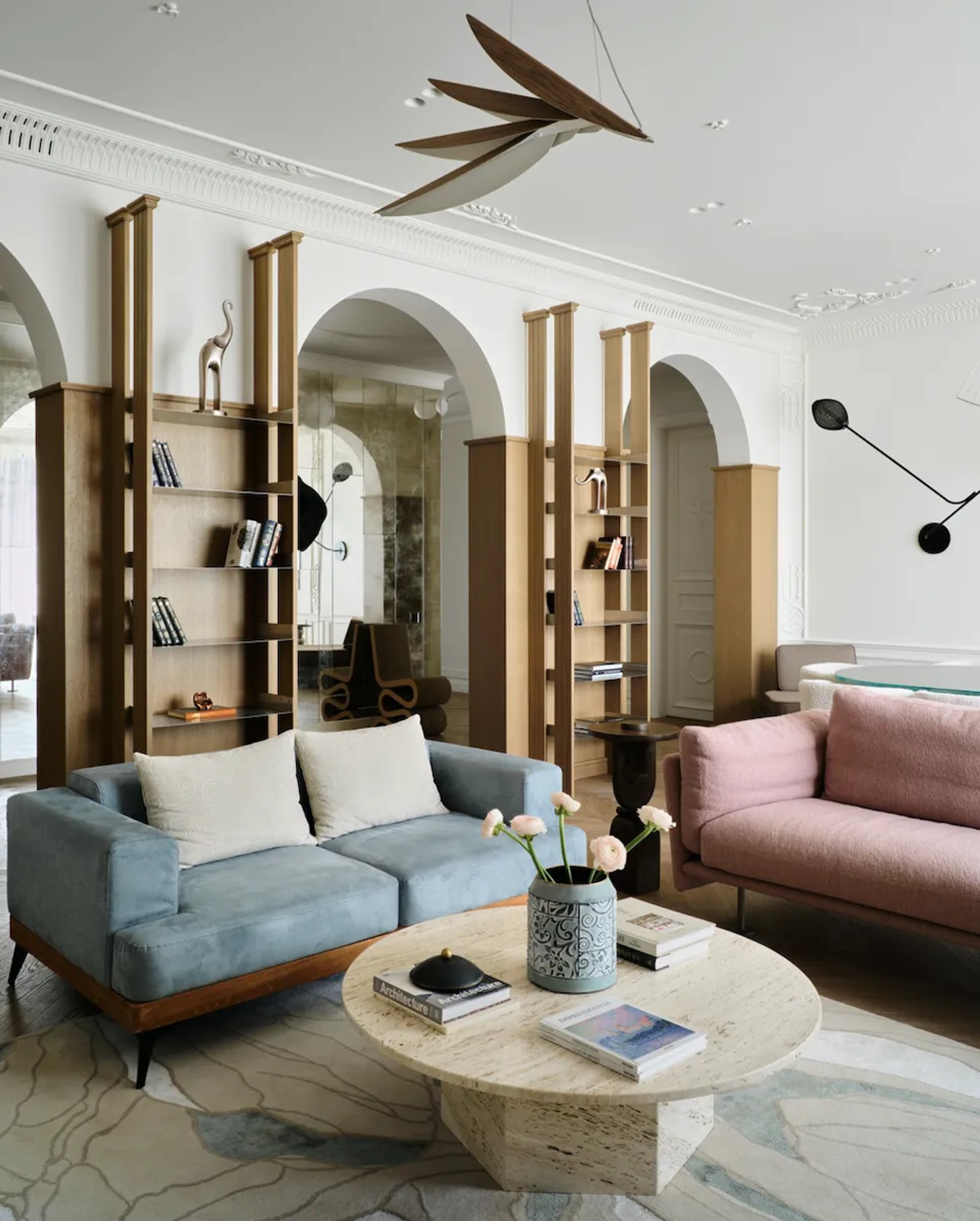
Textured finishes, timber panels, rugs, curtains and upholstered furniture all contribute to softer, more comfortable interiors. Architectural solutions such as partial walls, screening elements and strategically positioned rooms can create separation without closing spaces off completely. This creates homes that feel calmer and more balanced.
South African Architects Rethinking The Layout
South African residential architecture has always responded to lifestyle, climate and connection to nature. Today, designers are adapting these principles for a new era of living. Many architects are moving towards “broken-plan” layouts — spaces that remain connected visually but are subtly separated through changes in level, materials, furniture placement or architectural elements.
These homes maintain the openness people love while introducing moments of retreat. A reading corner, private work area or enclosed kitchen zone can provide valuable breathing space without sacrificing the sense of flow that made open-plan living popular in the first place.
The Return Of Defined Spaces
The shift away from traditional open-plan design does not mean a return to closed-off homes. Instead, it represents a more thoughtful approach to planning. Modern homeowners are looking for spaces that offer both connection and independence. They want kitchens that encourage gathering, but also areas where they can focus.
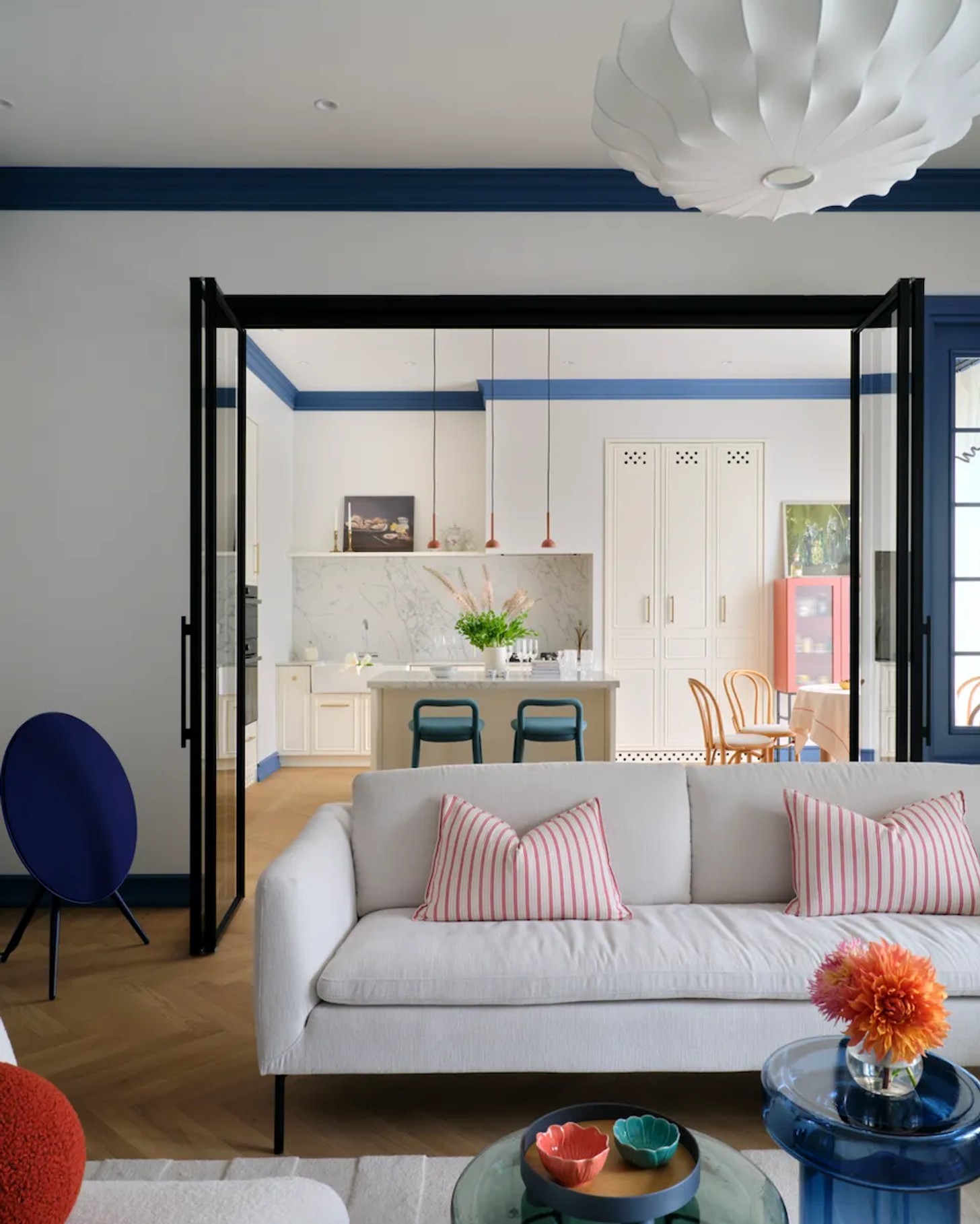
They want homes that feel expansive, but also provide comfort and privacy. The most successful interiors of the future will likely be those that offer adaptability — spaces that can change alongside the people who live in them.
A New Era Of Residential Design
The future of the home is not defined by whether spaces are open or closed. It is defined by how well they support everyday life. As South African architects continue to explore flexible layouts, acoustic solutions and adaptable interiors, the next generation of homes will prioritise balance.
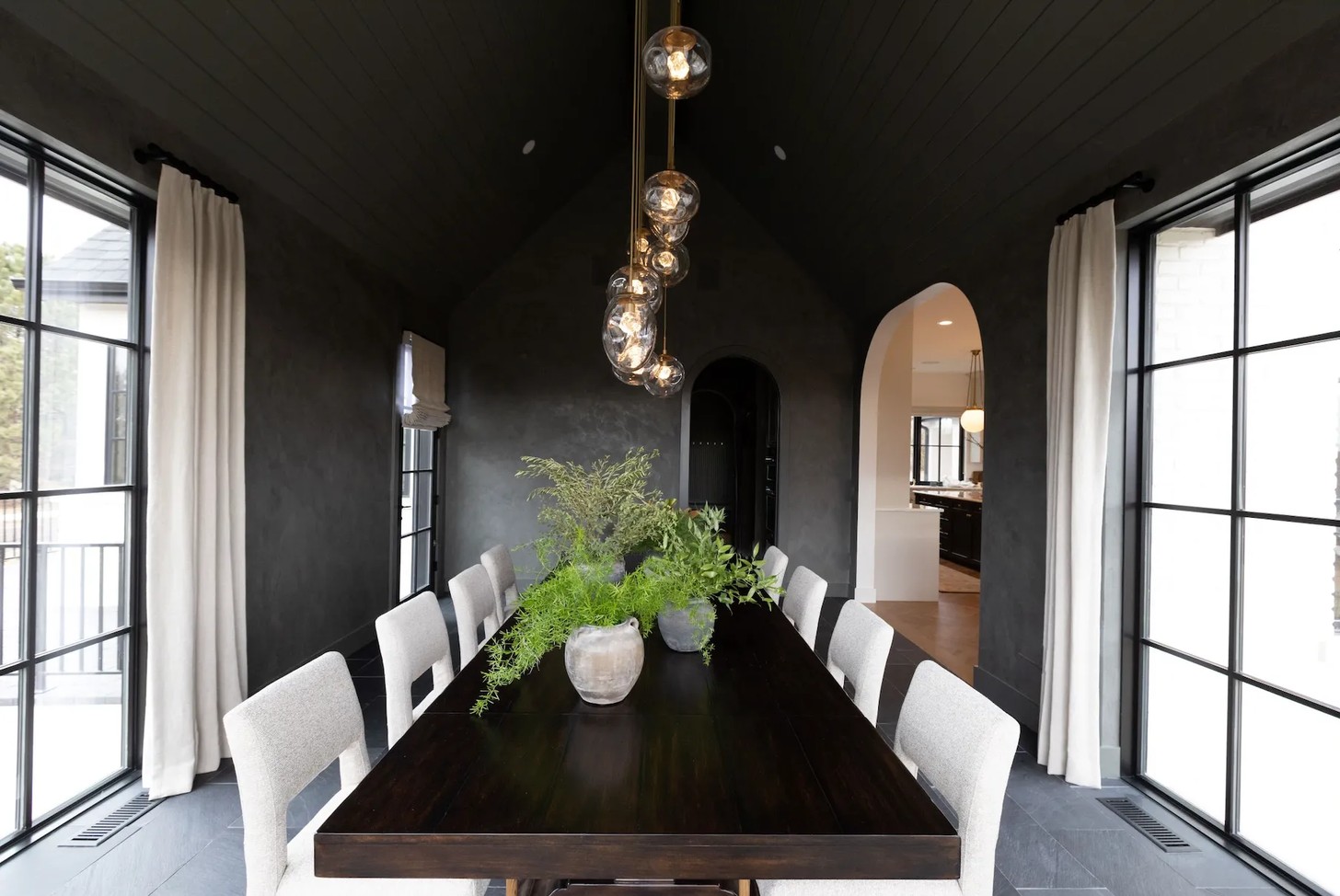
The open-plan era may not be disappearing completely, but it is evolving into something more considered: a design approach where connection, comfort and privacy can exist together.
Credits
Images: Edvinas Bruzas, Elsa Young, Damir Otegen, Marina Korkut, Dana Damewood


