
There are certain homeware pieces that are worth spending a little more on. Not simply because they are beautifully made, but because they have something that mass-produced furniture rarely does: longevity, originality, and the ability to become more desirable with age.
Think of the pieces your grandmother kept for decades. The silver cutlery that appeared every Christmas. The dining table with a few scratches that somehow made it more beautiful. The porcelain dinner service that was brought out when guests came over.

These are the things that acquire a story – and sometimes, quite a bit of value.
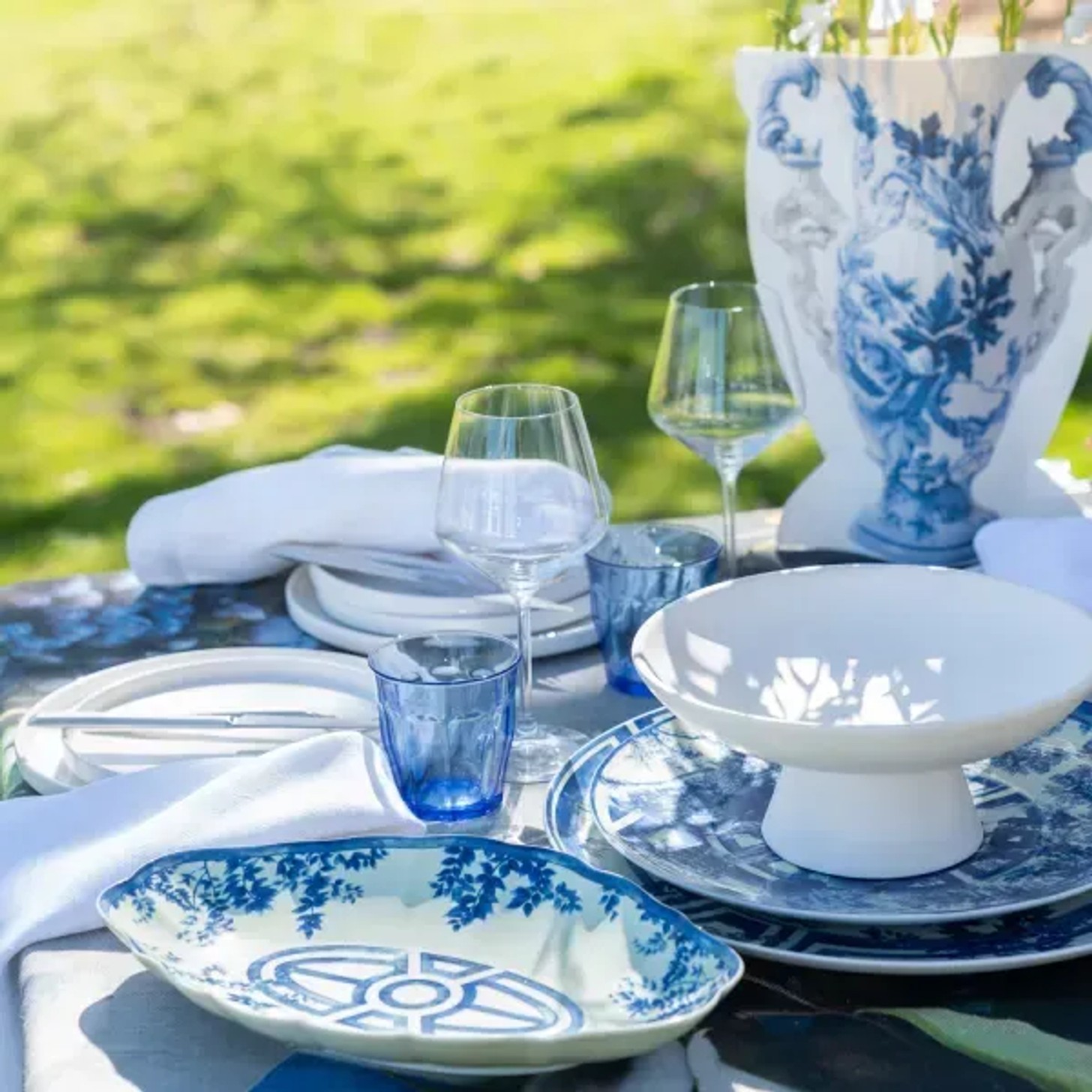
1. The Complete Crockery Set
What to consider: A full porcelain, bone china or stoneware dinner service – ideally from an established creator, with a distinctive pattern or design that is likely to remain in production or become a collectible.
Owning a proper dinner service –dinner plates, side plates, soup bowls, serving platters and dessert plates – brings an old-school element to a home. The trick is to look beyond whatever pattern happens to be everywhere right now. A classic design from a respected porcelain house is far more likely to stand the test of time.
The investment piece: A complete or near-complete set from a renowned porcelain manufacturer, particularly in a discontinued, limited-edition or historically significant pattern.
Why it holds value: Complete sets are sometimes difficult to find as individual pieces get broken or lost over the years. A complete set becomes much more interesting to collectors than a random collection of mismatched plates.
Buy it for: Sunday lunches, Christmas tables, and the smug satisfaction of owning something you'll still love in 20 years.
2. Silver or Silver-Plated Cutlery
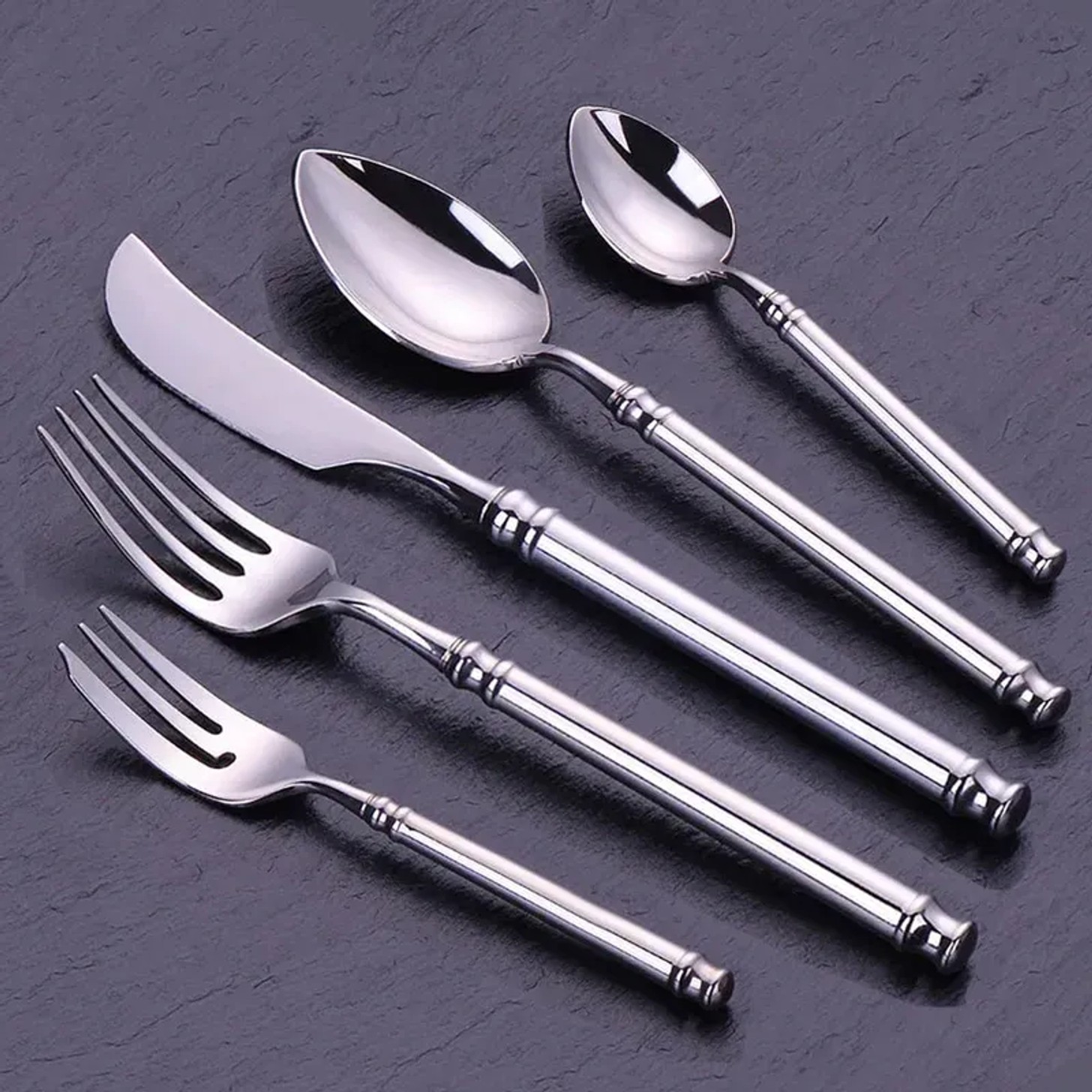
What to consider: A traditional sterling-silver or high-quality silver-plated cutlery set, preferably with a recognisable maker and a timeless pattern.
This is one of those purchases that feels a bit excessive until you own it. Then suddenly, eating scrambled eggs on a Tuesday morning feels like an occasion. Look for established silversmiths and classic patterns.
The investment piece: A complete sterling-silver service for 8 – 12 people, including knives, forks, dessert cutlery, teaspoons, and serving pieces.
Why it holds value: Good silverware carries historical and design value. A well-kept set can be passed down instead of replaced.
Buy it for: The long game. This is the kind of purchase that can become a family heirloom.
3. The Dining Table You'll Keep Forever
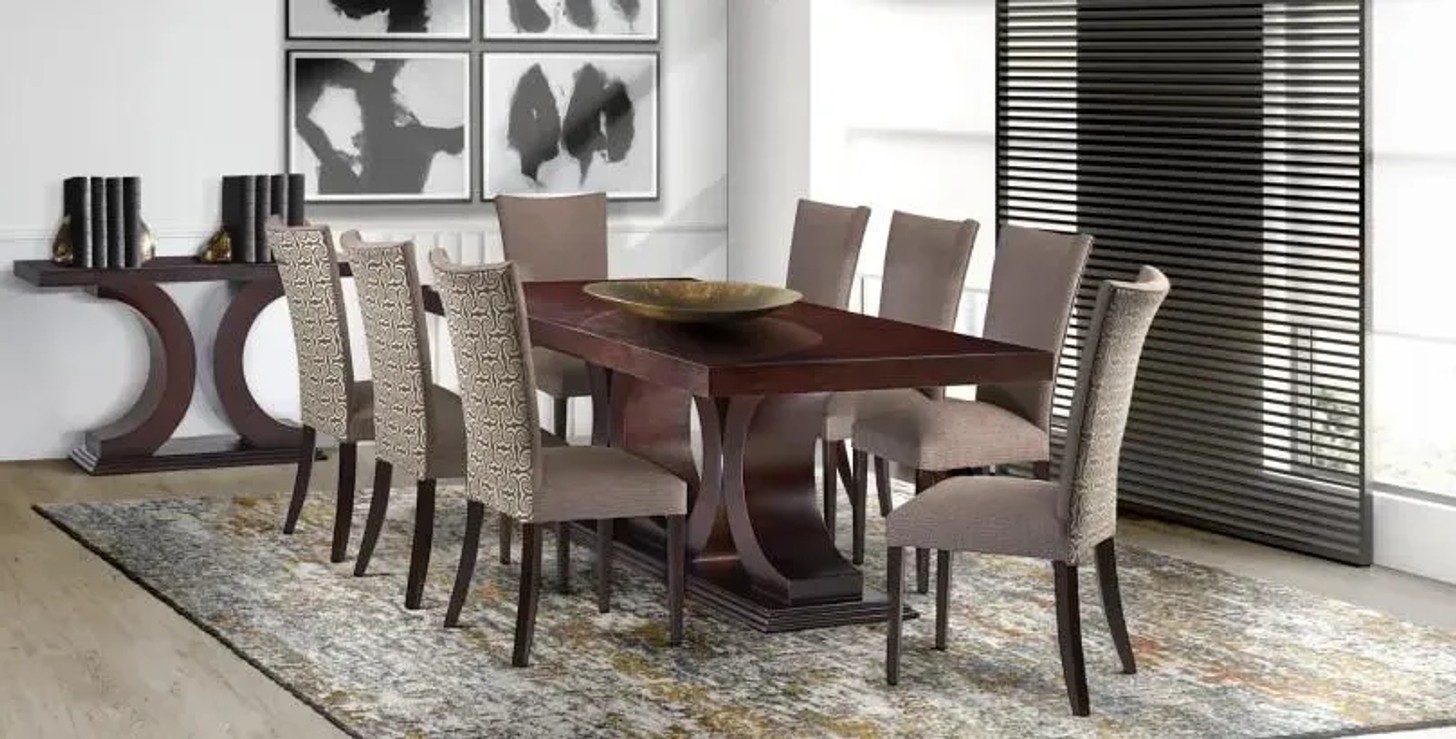
What to buy: A solid timber dining table, a beautifully made antique table, or a design classic by a respected furniture maker.
A good dining table should be able to take a few knocks. A little wear is part of the appeal. Walnut, oak, mahogany and other quality hardwoods develop a beautiful layer over time, while antique tables develop more character with age.
The investment piece: A solid-wood table with excellent craftsmanship, interesting roots, or a recognisable designer.
Why it holds value: Quality furniture is scarce in a world of flat-pack, disposable pieces. A well-made table can be restored, refinished, and adapted to different homes without losing its appeal.
4. The Design-Classic Chair
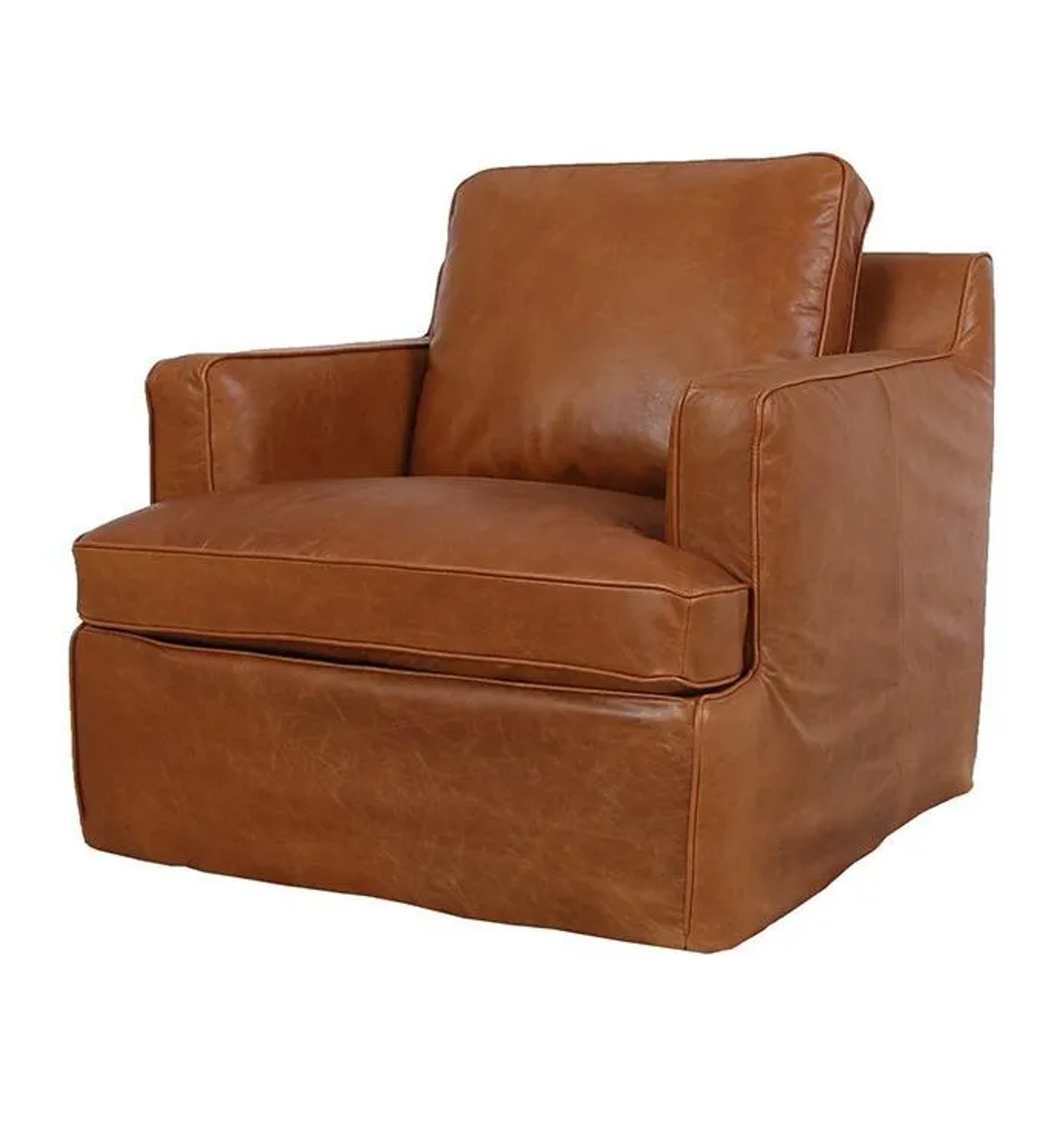
What to buy: An iconic chair by a renowned designer or furniture house.
You don't necessarily need eight of them. One exceptional chair can be enough to give a room a sense of intention. Look for designs that have remained relevant for decades.
The investment piece: An authentic example of a recognised 20th- or 21st-century design classic, ideally from an authorised or reputable manufacturer.
Why it holds value: Iconic designs have a history behind them. Their value isn't based solely on what they look like; it comes from the designer, manufacturing history, its rarity, and cultural relevance.
Buy it for: That one corner of the house where you want everyone to ask, “Where did you get that?”
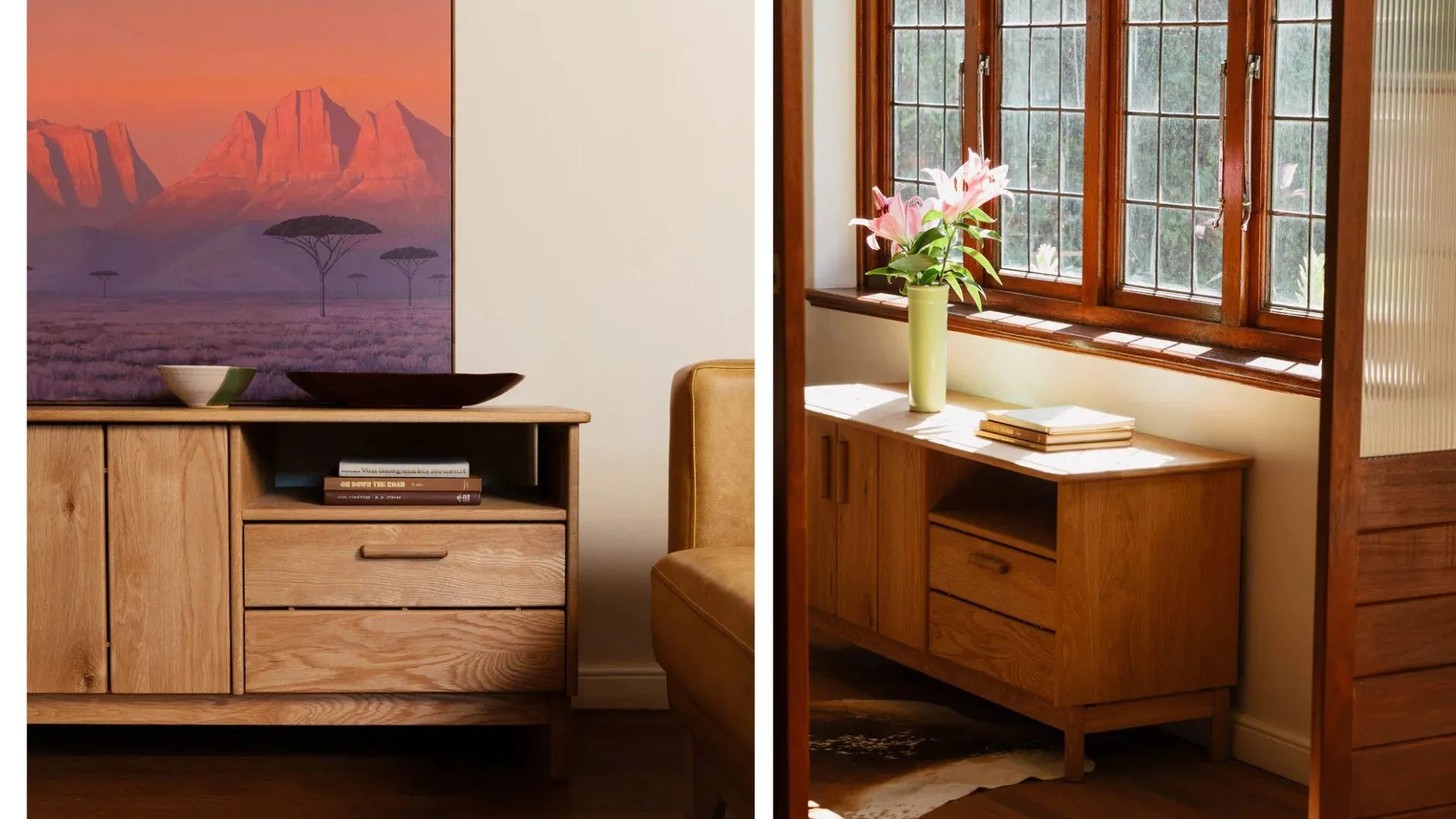
5. The Antique or Vintage Cabinet
What to buy: A beautifully made antique chest, sideboard, drinks cabinet, bookcase, or even a writing desk.
Forget the idea that antiques only belong in traditional interiors. One of the easiest ways to make a contemporary home feel layered is to introduce one or two old pieces. An elegant 19th-century cabinet against a modern wall can look far more interesting than an entire room bought from the same contemporary showroom.
The investment piece: A well-preserved piece with strong craftsmanship, desirable materials, interesting origin, and maybe an original hardware.
Why it holds value: Good antiques were often constructed to be repaired, so the combination of age, craftsmanship, and scarcity gives them an advantage over contemporary mass-produced furniture.
Buy it for: Character. And because your home should look collected.
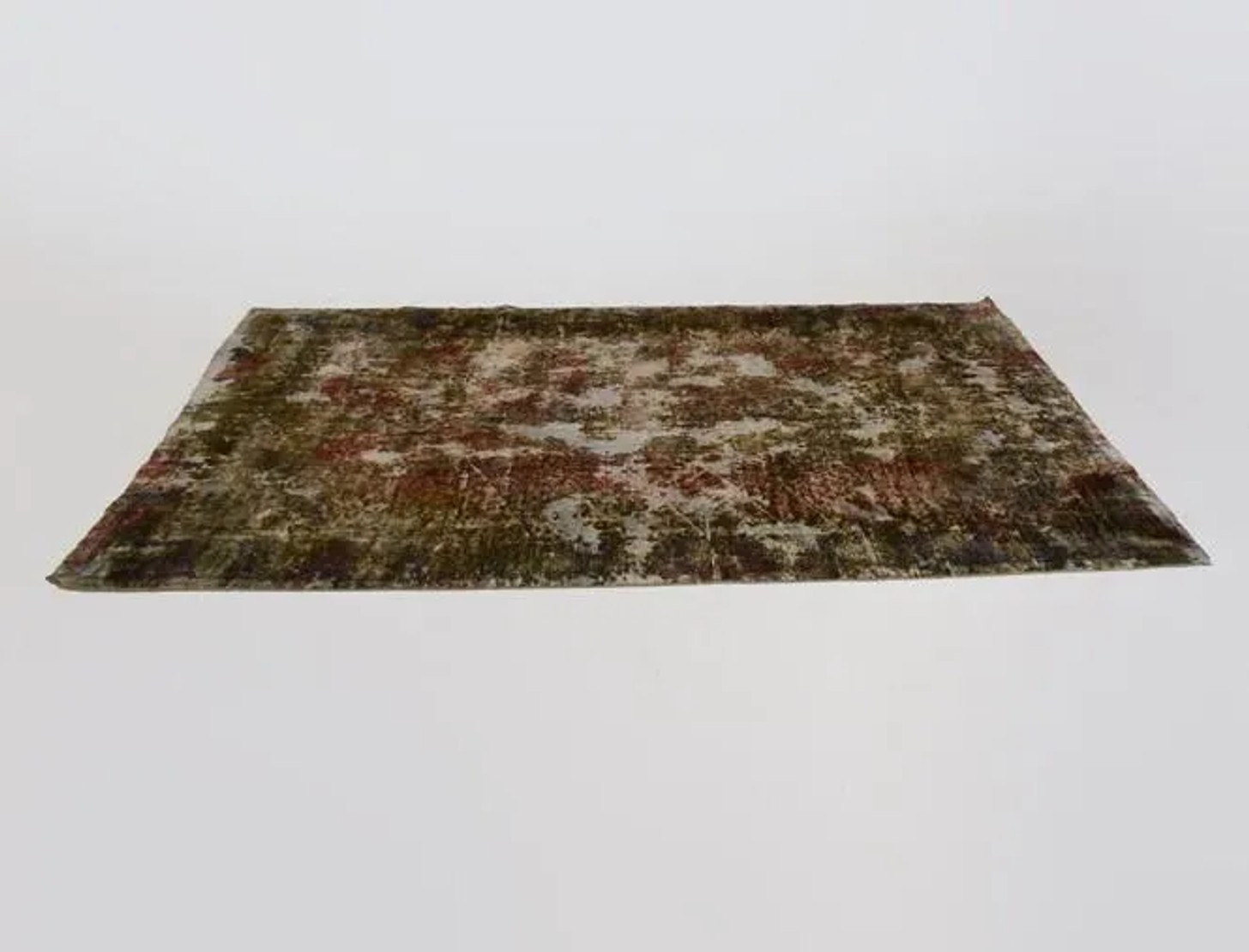
6. The Persian or Oriental Rug
What to buy: A hand-knotted rug with good-quality wool, silk or a combination of natural fibres.
A good rug can completely change a room – and unlike a sofa, it doesn't necessarily become obsolete when you redecorate. Look for traditional Persian, Turkish, Moroccan, or other regionally significant weaving traditions. Condition matters, but don't be frightened by signs of age; a beautiful old rug can be appealing.
The investment piece: A hand-knotted antique or vintage rug, quality materials, strong craftsmanship, and an appealing design.
Why it holds value: Handmade rugs are labour-intensive and difficult to produce at scale. Rare patterns, unusual colours, exceptional craftsmanship, and age can all add a sense of desirability.
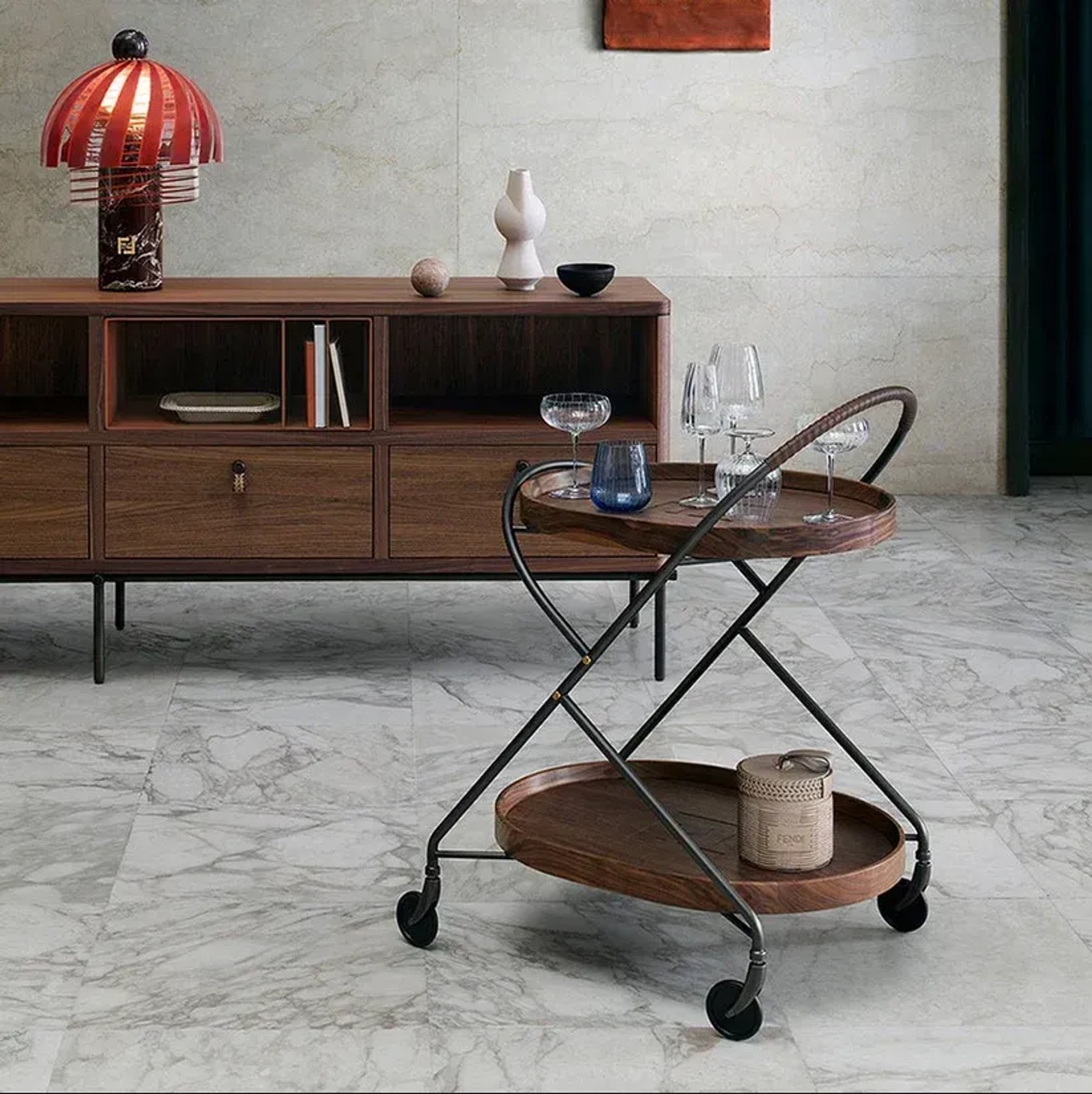
7. The Beautiful Bar Cart
What to buy: A vintage or antique drinks trolley, preferably in brass, timber, glass, or another durable material.
The bar cart has gone through its share of fashionable phases, but the really good ones never look dated. A vintage bar cart can work as a drinks station, bedside table, or even a home for plants. Look for good proportions and quality construction instead of novelty designs.
The investment piece: A vintage piece from a notable manufacturer, particularly in an original finish.
Why it holds value: Small-scale vintage furniture is relatively easy to live with and transport, making them attractive to collectors and design lovers.
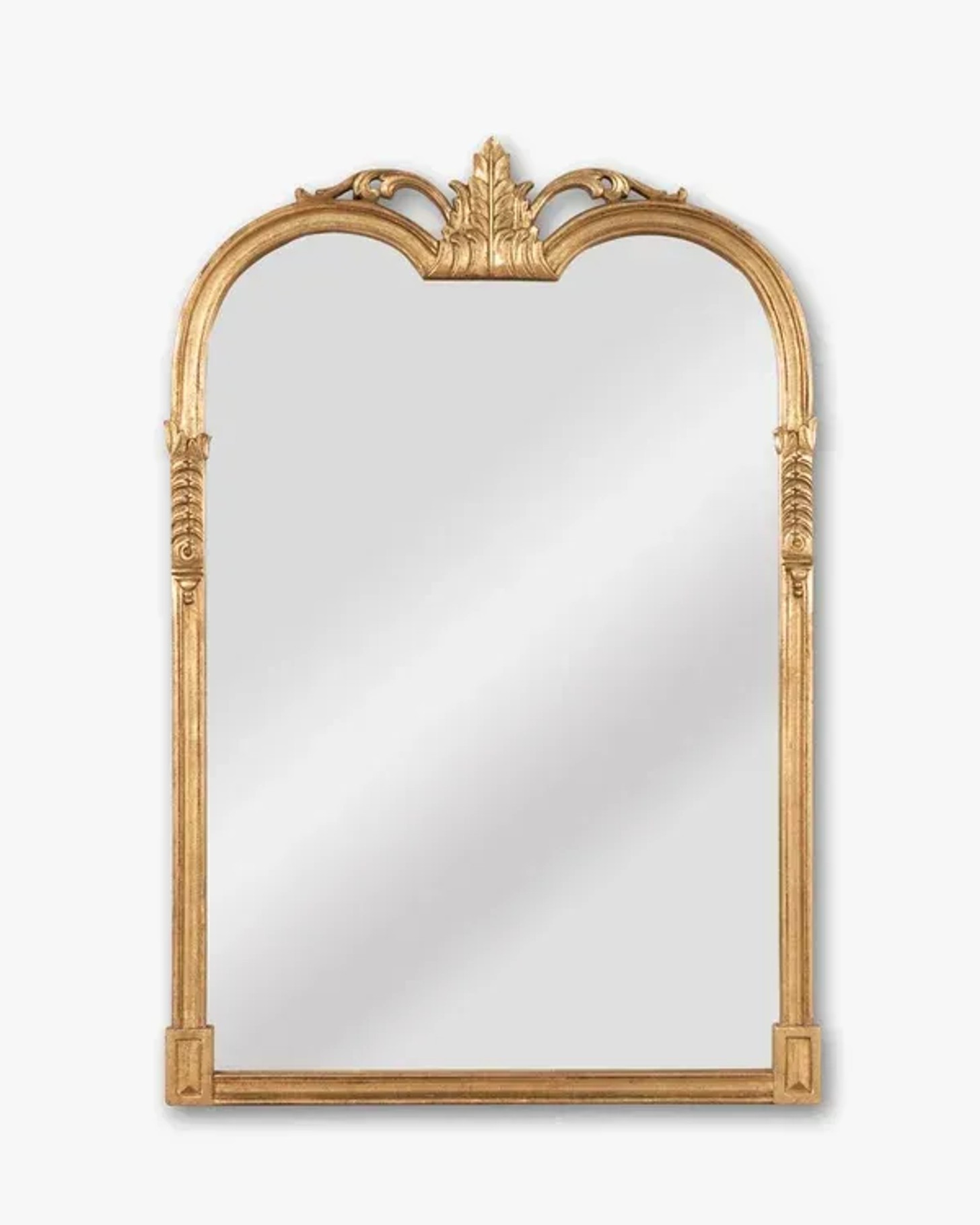
8. The Statement Mirror
What to buy: A large antique mirror with an exceptional frame, or a recognised design classic.
There is a reason decorators love mirrors. They make rooms feel bigger, bounce light around, and bring personality into a space. For investment potential, look beyond generic contemporary mirrors. A beautifully carved antique frame, an Art Deco example, or a notable designer piece has far more personality – and potentially more value.
The investment piece: An original antique or vintage mirror with a distinctive frame.
Why it holds value: Unique decorative objects are difficult to replicate. A beautiful old frame can be restored or repurposed while retaining its character
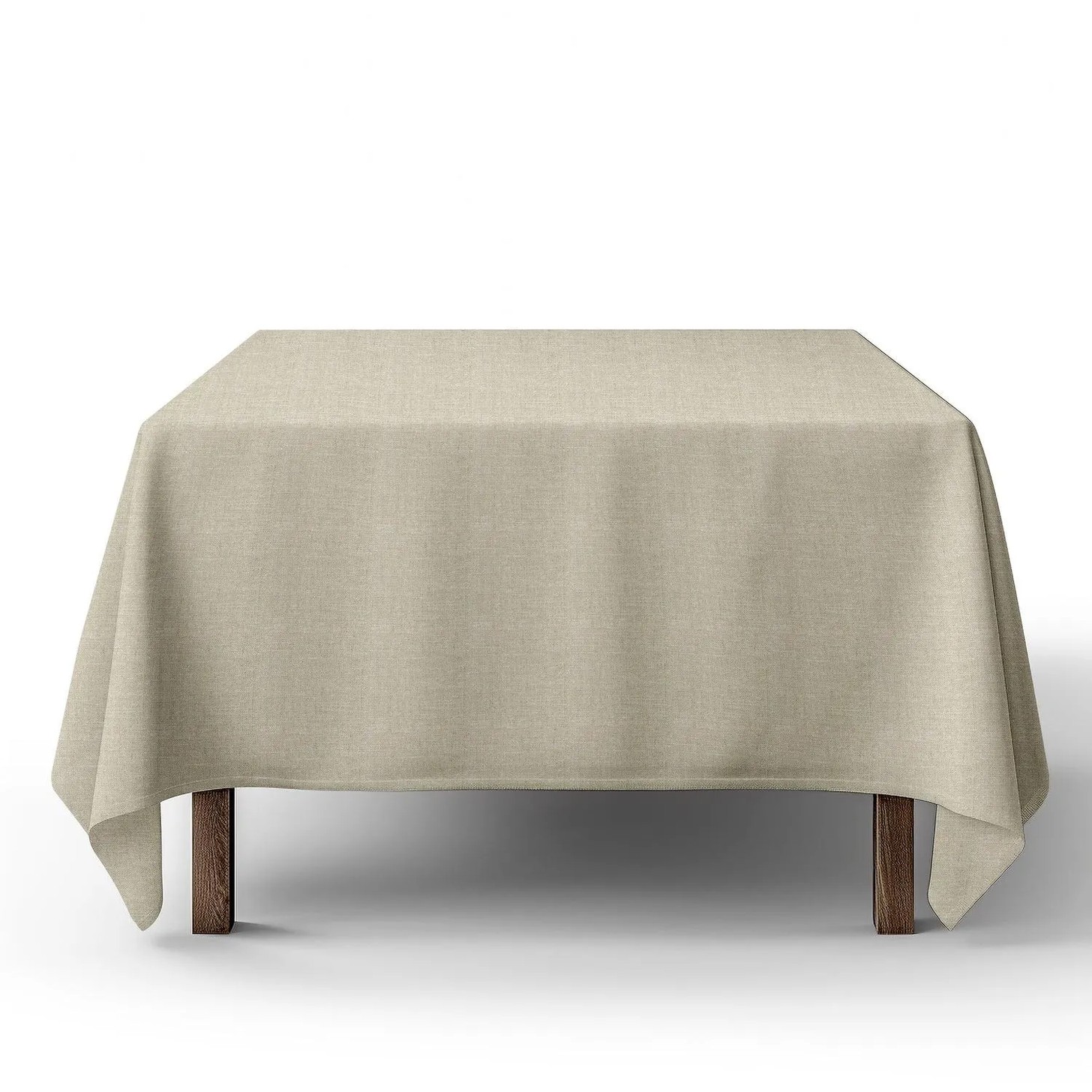
9. A Pure Linen Tablecloth
What to buy: High-quality linen tablecloths, napkins, and embroidered table linens from established makers.
This might seem like an odd investment, but hear us out. Exceptional textiles are made to last. A beautifully woven linen tablecloth can survive decades of dinners, washing, and ironing – and develop a softer texture along the way. Look for natural fibres and restrained designs.
The investment piece: Heavyweight linen, hand-embroidered tablecloths, vintage European linens, or artisanal textiles.
Why it holds value: Quality textiles become difficult to reproduce at affordable prices, particularly when handmade techniques are involved.
Buy it for: The dinner party you've been threatening to host.
10. The Serving Piece Everyone Wants to Inherit
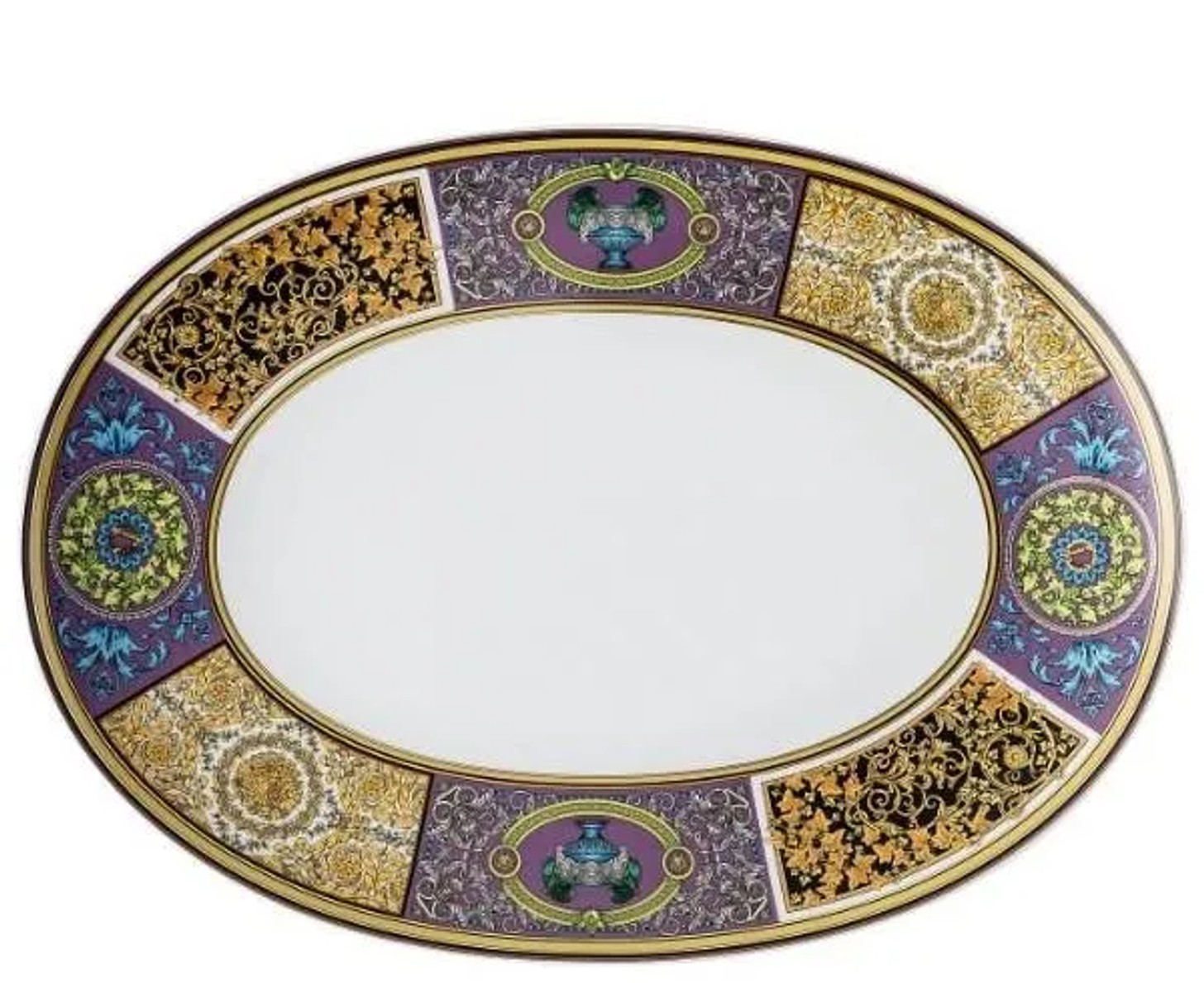
What to buy: A silver tray, porcelain tureen, crystal decanter, antique serving bowl, or an exceptional centrepiece.
The smaller pieces are often the most interesting ones to collect because you can build a collection slowly. A sterling-silver tray can sit next to a vintage crystal decanter you've inherited and a porcelain casserole you've found on your travels.
The investment piece: A rare or discontinued serving object, especially with origin or exceptional craftsmanship.
Why it holds value: Collectible objects don't have to be enormous. Rarity, craft, condition, and history can matter more than size.
11. Crystal Glassware
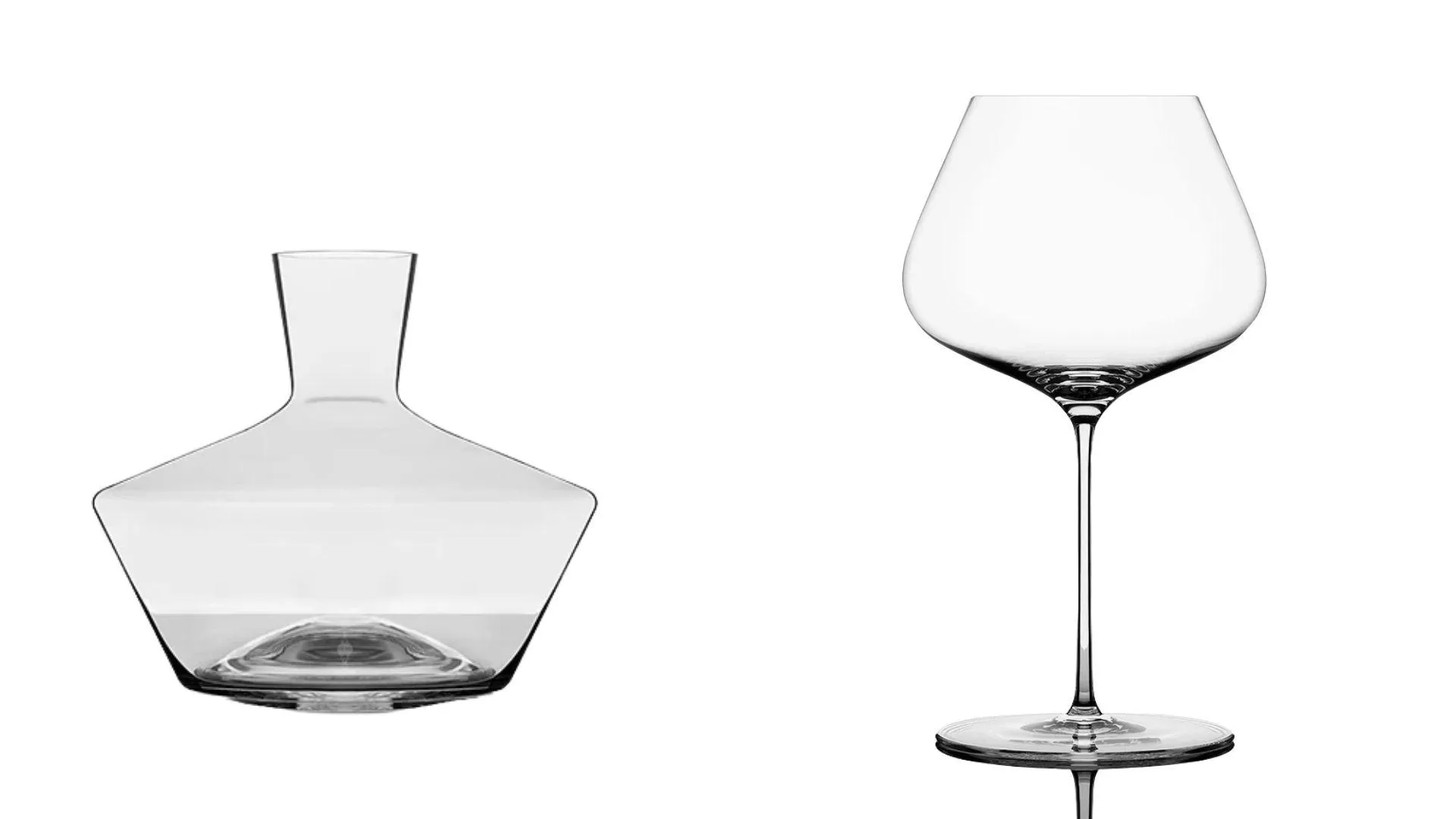
What to buy: Hand-cut crystal wine glasses, champagne coupes, decanters, and tumblers from established brands.
There is a very particular pleasure in drinking from a beautiful glass. It changes the sip, even if what's inside is simply sparkling water. Choose classic shapes rather than trend-driven silhouettes. A set of six or eight exceptional crystal glasses will always have a place at the table.
The investment piece: A complete set from an established crystal maker, possibly a discontinued pattern or a historically important design.
Why it holds value: Quality crystal is associated with heritage, while discontinued patterns can become difficult to replace.
Buy it for: Dinner parties, anniversaries, and making a Tuesday night feel slightly more glamorous.
12. The One-of-a-Kind Ceramic
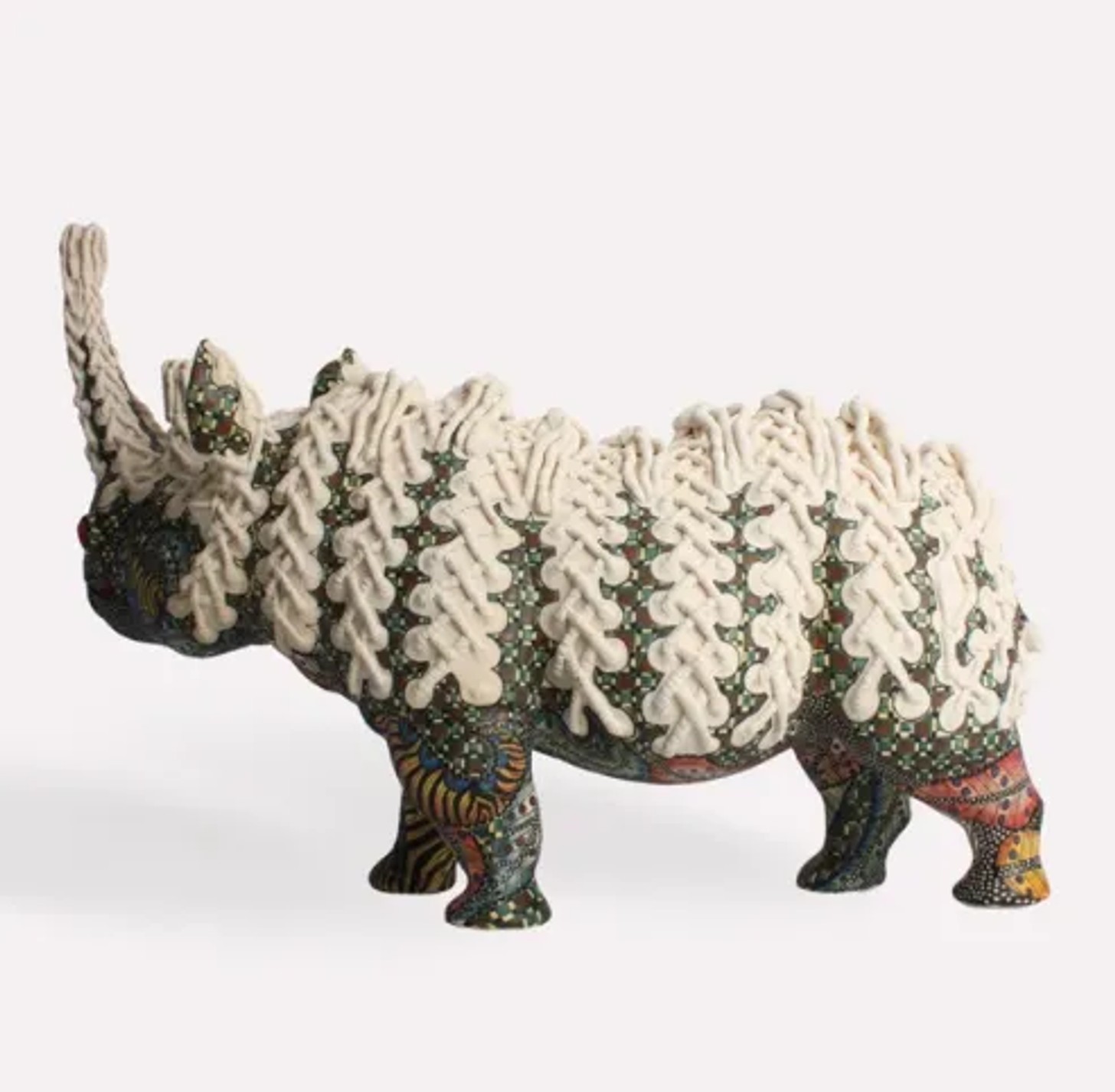
What to buy: A handmade vase, platter, bowl, or sculptural vessel by an established ceramicist.
This is where investment becomes less about traditional resale value and more about buying something with artistic worth. A mass-produced vase can be lovely, but a one-off vessel made by a ceramic artist has a completely different story.
The investment piece: Signed, dated, or limited-edition ceramics from artists with an established or emerging reputation.
Why it holds value: Artist-made objects have roots. If the maker becomes more prominent, early pieces can become more desirable.
So, What Actually Makes Homeware an Investment?
The most expensive object isn't necessarily the smartest purchase.
When you're buying with longevity in mind, look for five things: craftsmanship, scarcity, origin, materials, and timelessness.
A dining table made by an exceptional artist is likely to have more staying power than an expensive table from a trend-led collection. Most importantly, buy things you genuinely love.
There are no guaranteed returns for homeware, and even the most desirable design pieces can fluctuate in value. However, buying well-made objects from respected makers gives you something you can actually use and enjoy while you own it.


