
There are few ingredients as dependable as an egg. It is affordable, endlessly versatile, and capable of turning even the most unremarkable breakfast into something worth sitting down for. Yet, somehow, we tend to fall into the same routine: scrambled on a Monday, fried on a Tuesday, perhaps an omelette on a Saturday if we're feeling particularly adventurous.
But the humble egg has range – a lot of it.

Whether you're putting together a slow Sunday breakfast, looking for something quick before heading out the door or trying to elevate your midweek lunch, knowing a few different ways to prepare eggs can make all the difference.
Here are eight ways to get better acquainted with one of the hardest-working ingredients in your kitchen.
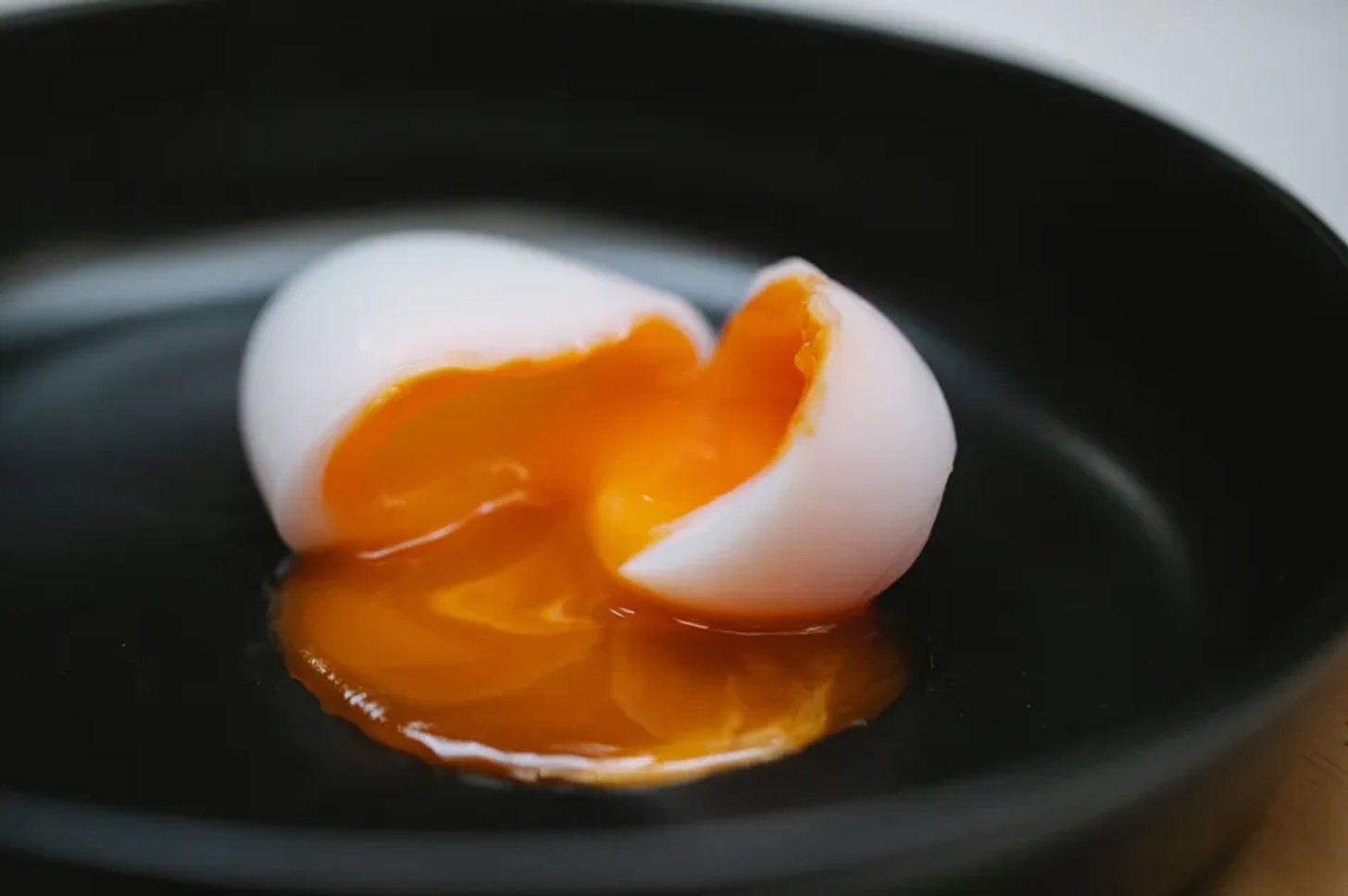
1. The soft-boiled egg
A classic for good reason. The soft-boiled egg is all about timing, with a firm white and a beautifully runny yolk that works best with a piece of buttered toast.
Lower your eggs into boiling water and cook for approximately 6 - 7 minutes, then transfer them into ice water to stop the cooking process. Serve in an egg cup with a little flaky salt and freshly cracked black pepper.
2. The perfectly scrambled egg
Scrambled eggs might be the most familiar option on this list, but there is a difference between making them and making them well.
For a softer, creamier finish, cook your whisked eggs over low to medium-low heat, stirring gently and consistently. Remove them from the heat just before they look completely done; residual heat will take care of the rest.
A little butter, a pinch of salt, and perhaps some chopped chives are all you need. The secret is resisting the urge to rush them.

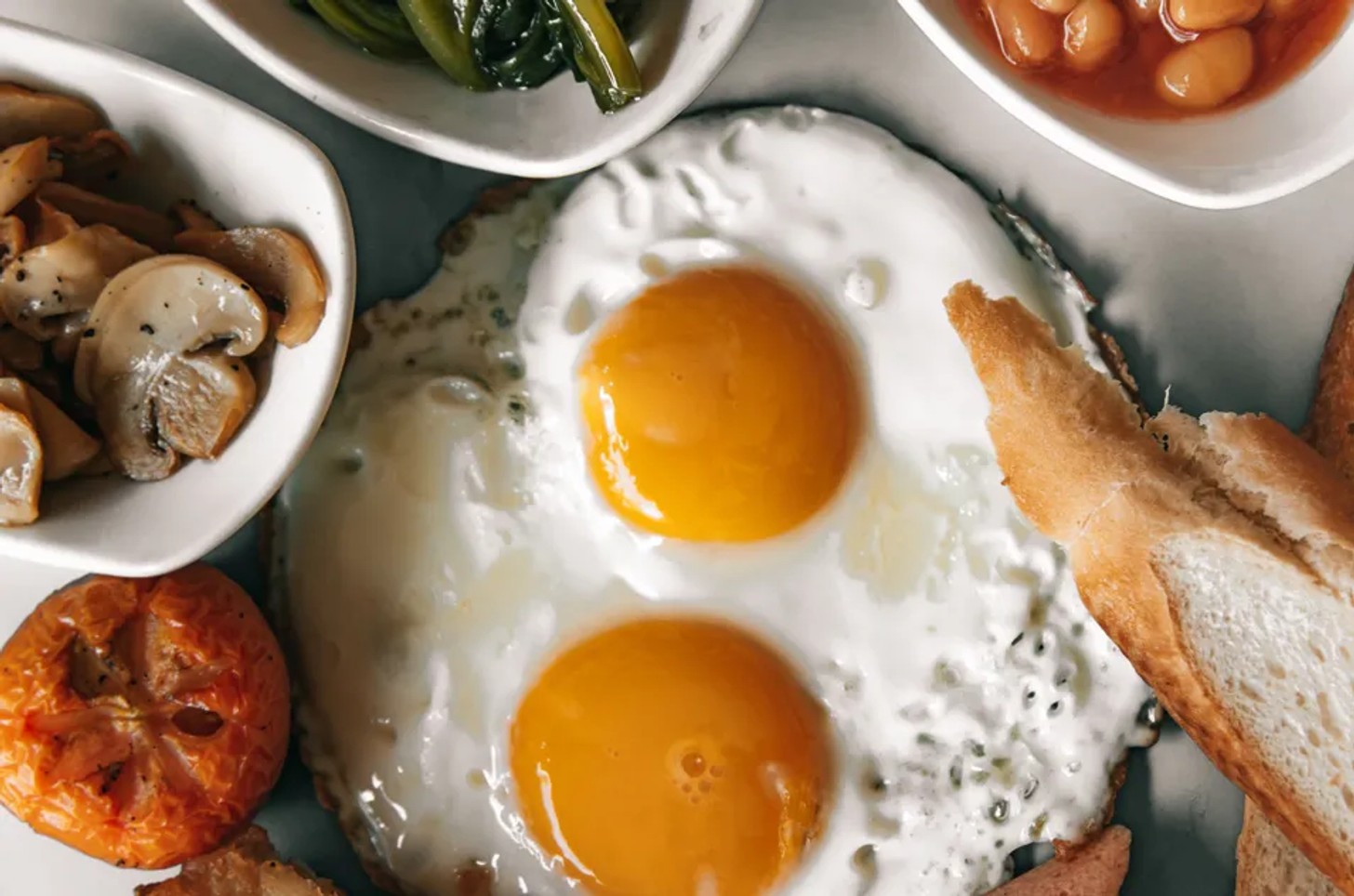
3. The sunny-side-up egg
For those who believe breakfast should have a little drama, the sunny-side-up egg delivers. Cooked on one side only, it has a bright, runny yolk that remains completely exposed.
Heat a little butter or olive oil in a non-stick pan, crack in your egg, and cook gently until the white is set. A lid can help cook the top without flipping it.
It is particularly good over avocado on toast, roasted tomatoes, or a generous serving of breakfast potatoes.
4. The poached egg
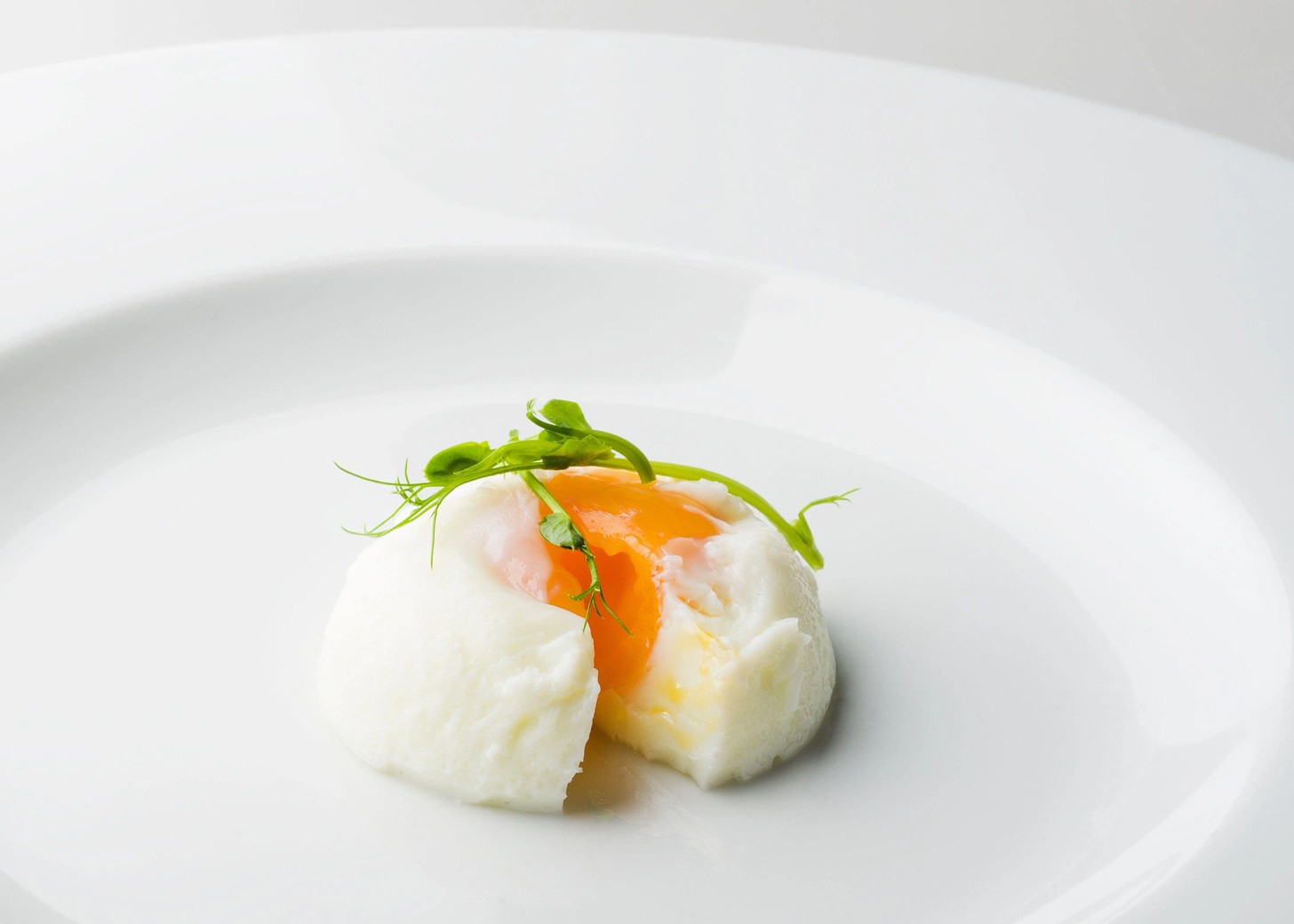
There is something undeniably restaurant-worthy about a well-poached egg. Its delicate white wraps around a soft, liquid centre, making it one of the more elegant ways to prepare breakfast.
Bring a saucepan of water to a gentle simmer, add a splash of vinegar, and create a gentle whirlpool. Carefully slide a freshly cracked egg into the water and cook for around three to four minutes.
Remove with a slotted spoon and serve over toasted sourdough, sautéed spinach or, if you're feeling ambitious, eggs Benedict.
5. The omelette
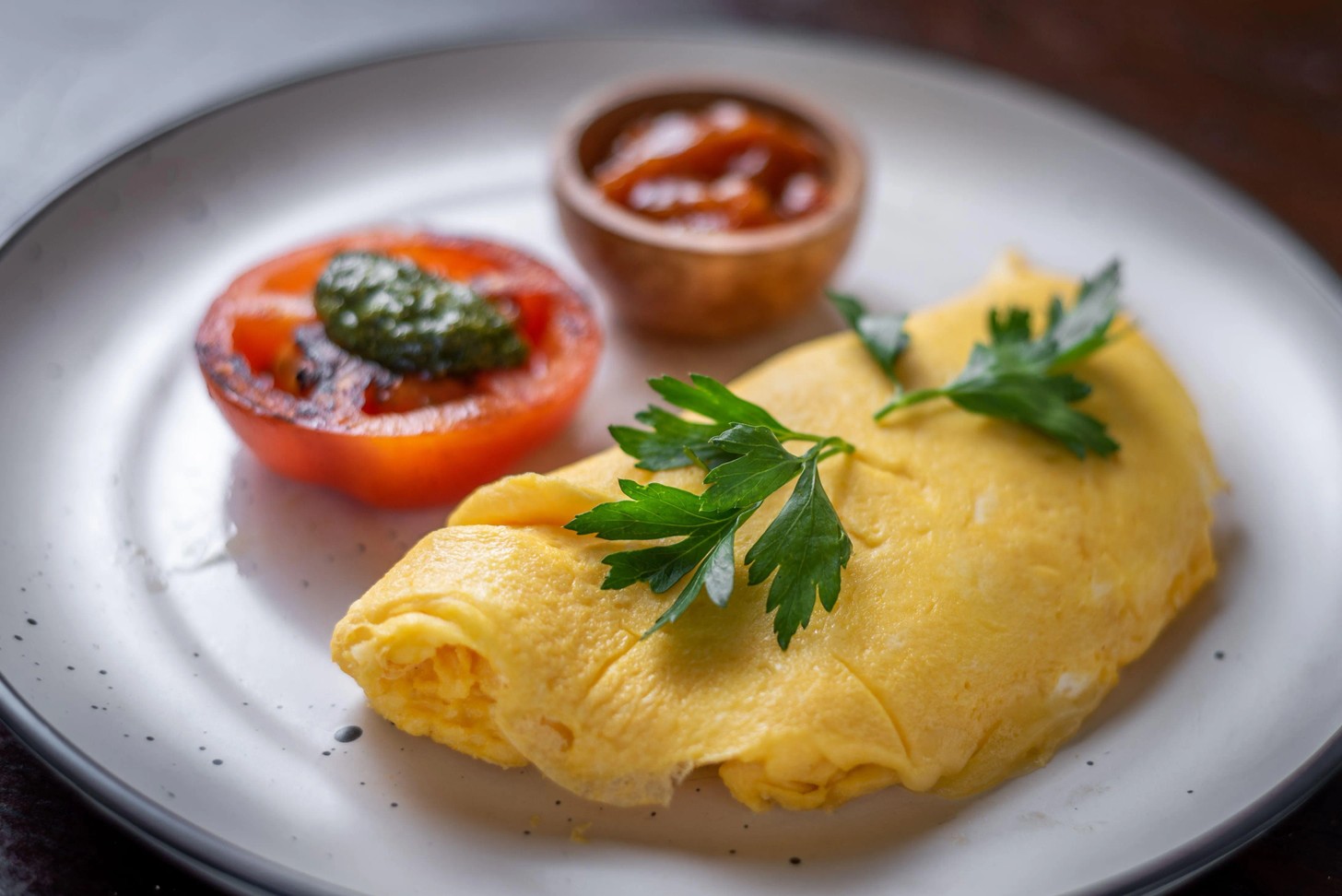
The omelette is where things get creative. A couple of eggs can become an entirely different meal depending on what you decide to fold into them.
Consider mushrooms and thyme, feta and spinach, caramelised onions, or smoked salmon. For a classic French-style omelette, keep the texture soft and delicate, with little to no browning.
The trick is not to overfill it. Let the eggs do the work.
6. The boiled egg
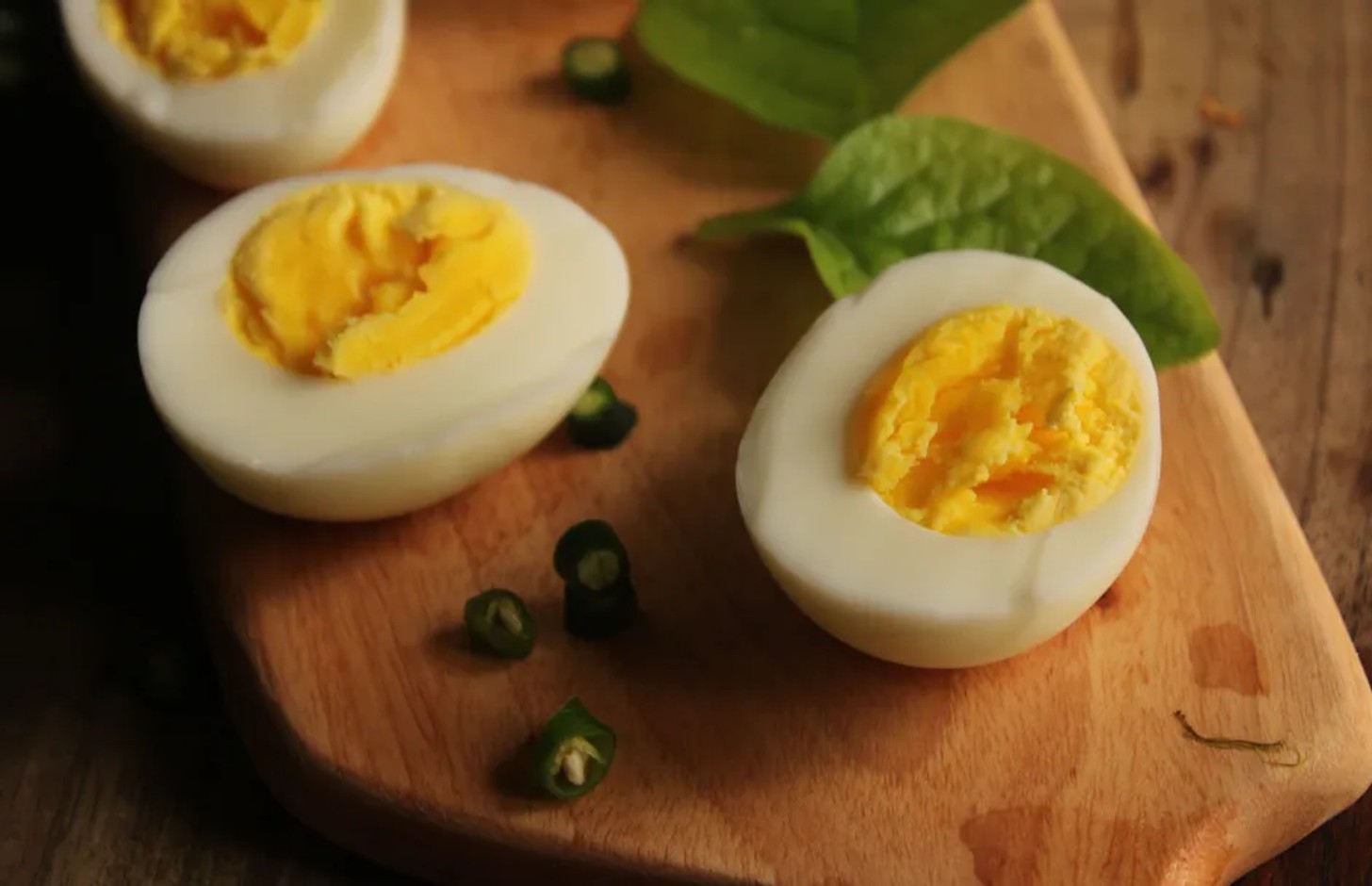
Not every egg needs to be elaborate. The hard-boiled egg is practical, dependable, and particularly useful for meal prep.
Cook your eggs in boiling water for approximately 9 - 12 minutes, depending on their size and how firm you like the yolks. Cool in cold water, peel, and season.
Slice them into salads, mash them into an egg mayonnaise sandwich, or enjoy them with a little salt and chilli oil. They're also an easy way to add protein to a lunch that needs something a little extra.
7. The baked egg
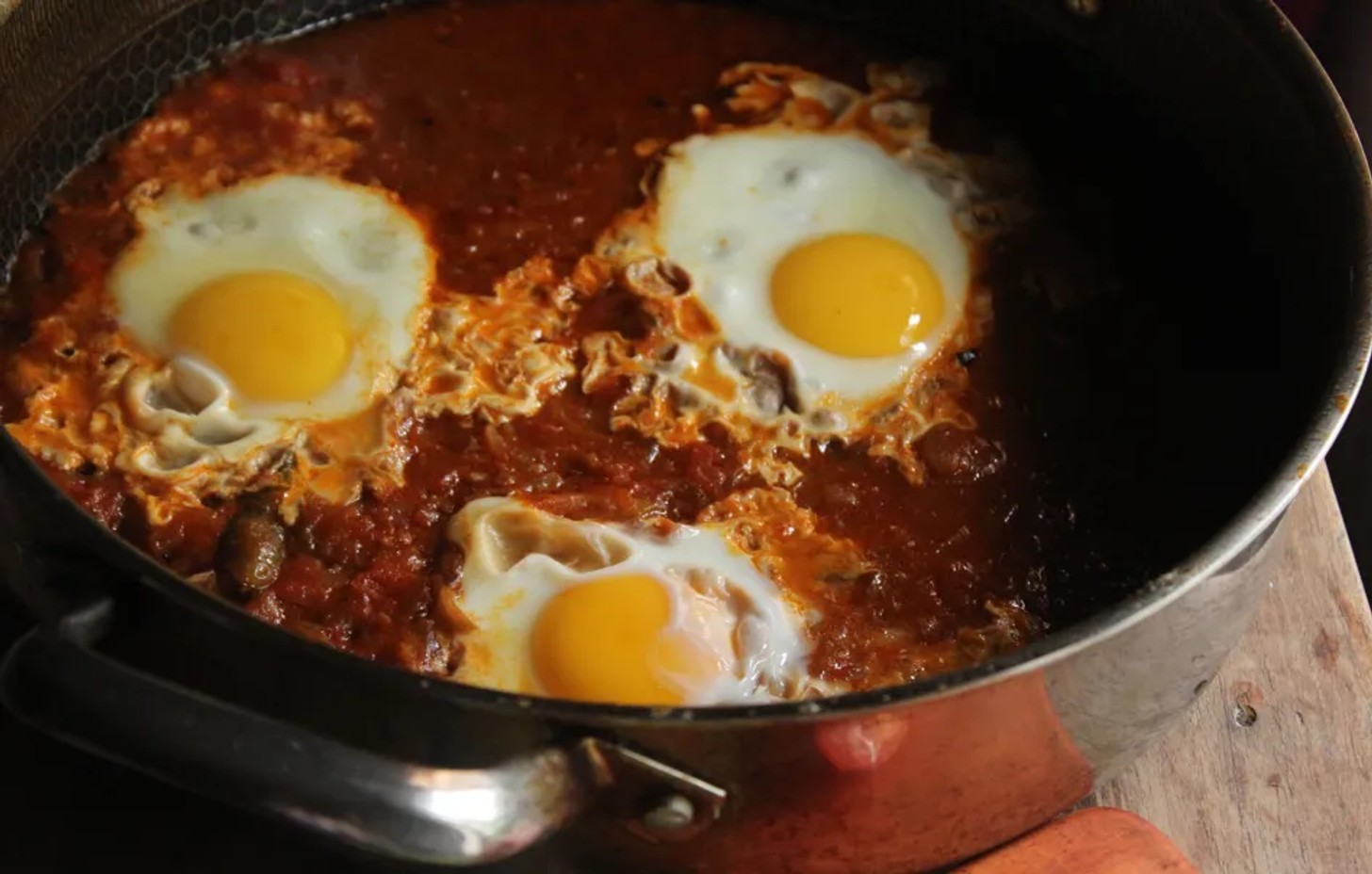
If breakfast and dinner ever needed a meeting point, baked eggs would be it. This method involves cracking eggs into a dish of sauce or vegetables and letting the oven do most of the work.
One of the most popular versions is shakshuka, where eggs are baked in a rich tomato and pepper sauce with garlic, cumin, and paprika.
Bake until the whites are set but the yolks are still slightly runny. Finish with fresh herbs and serve straight from the dish with crusty bread.
8. The fried egg, flipped
A little different from its sunny-side-up partner, the flipped fried egg gets a brief turn in the pan, giving the top of the white a chance to cook.
For an over-easy egg, flip it carefully and cook for just a few seconds, keeping the yolk runny.
It is a brilliant addition to burgers, breakfast sandwiches, and practically anything involving toast.
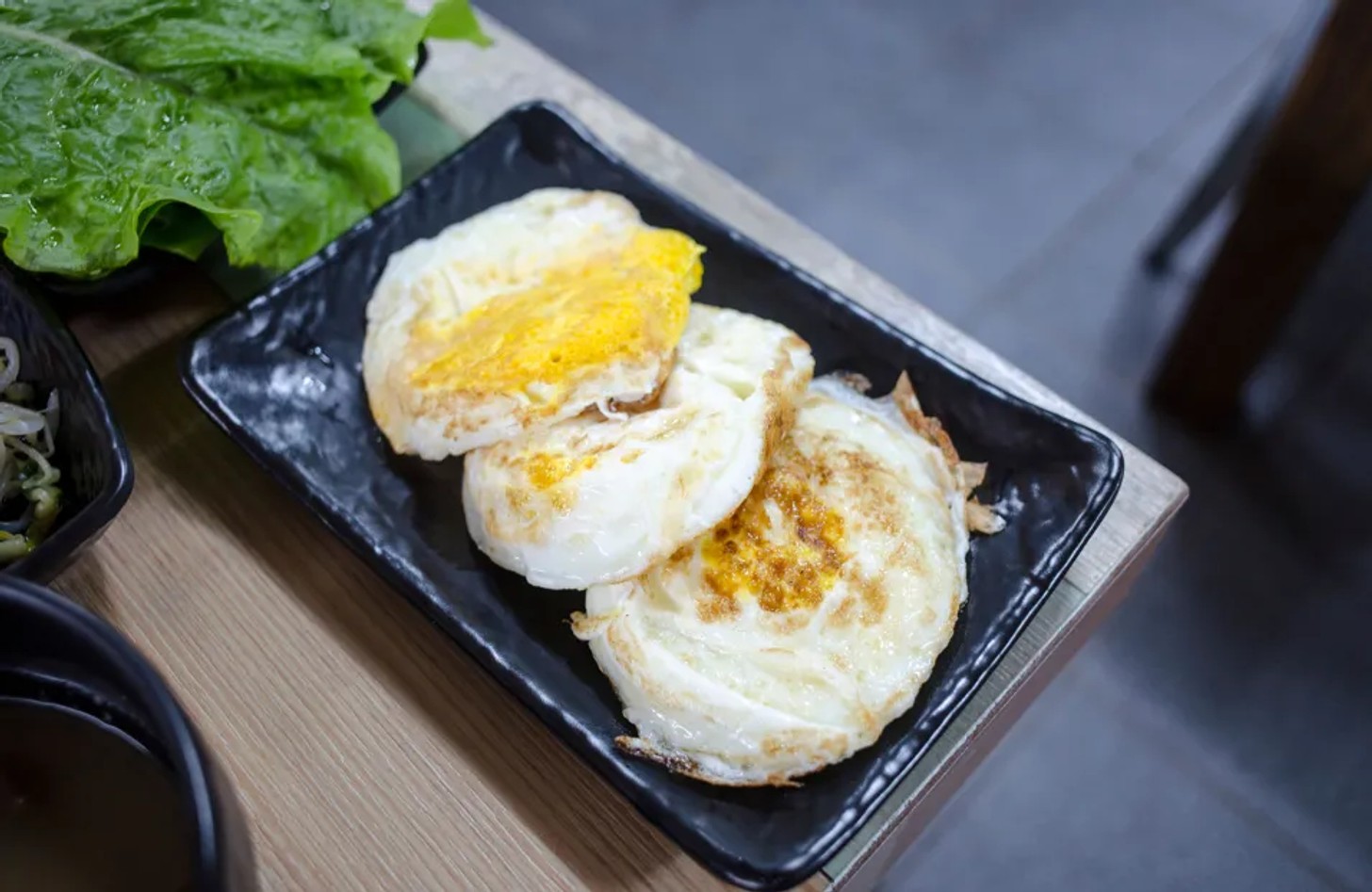
Image Credits: Pexels


