
Pinterest boards multiply overnight, paint samples begin to take over your dining table, and every showroom visit feels like a step closer to creating a space that is entirely your own.
Yet for many homeowners, the reality is that some of the most valuable lessons only reveal themselves after the furniture has entered the home and the walls have been painted. It's often the small details, overlooked decisions, and rushed purchases that end up becoming the biggest regrets.

Whether you're building from the ground up, renovating an existing property, or furnishing your very first apartment, these are some of the lessons seasoned homeowners wish they had known from the start.
Your Home Doesn't Need to Be Finished in a Year
One of the biggest misconceptions about home design is that everything needs to be completed immediately.
According to House & Garden SA Interior Decor contributor Pamela Williams-Magqashela, one of the most important lessons is to allow your home to evolve naturally.
"You don't have to get everything right from the beginning. Create a strong foundation, then allow your home and your life within it to develop naturally over time."
Instead of rushing to fill every room, focus on the elements that matter most: quality flooring, layouts, comfortable seating, and a cohesive design direction. The decorative layers can come later.
Trends Age Faster Than You Think
While trends can provide inspiration, designing your entire home around them is often a costly mistake.
Williams-Magqashela encourages homeowners to focus on developing a personal aesthetic instead.
"Don't follow trends; follow your own style. A home should reflect the people who live in it, not what happens to be fashionable."
The homes that remain timeless are often those that tell a personal story. They are filled with meaningful objects, treasured artworks, travel finds, and furniture chosen because it brings joy.
Before making a purchase, ask yourself one simple question: Would I still love this piece if nobody else was talking about it?
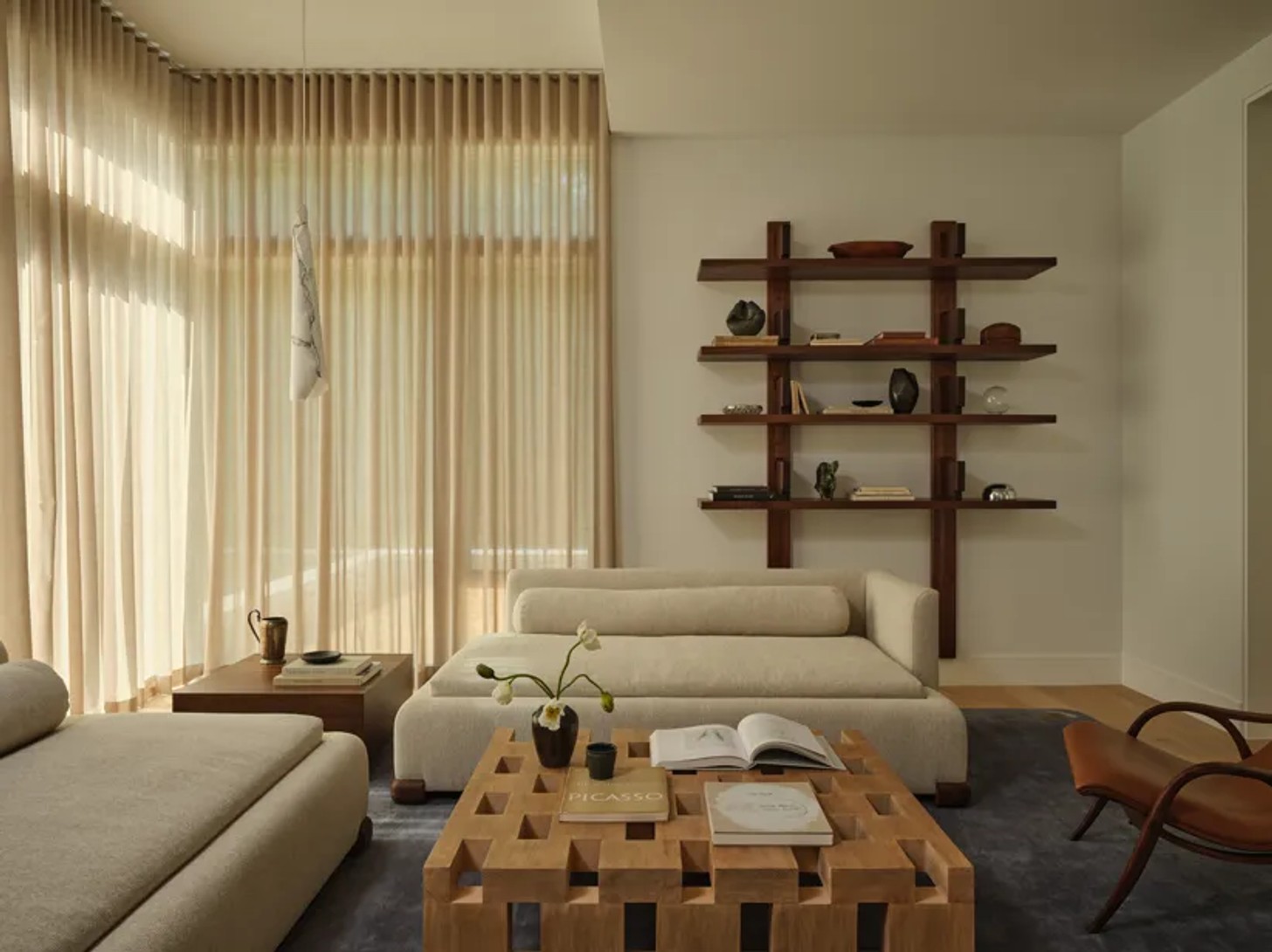
Lighting Can Make or Break a Room
This is one of the most common design mistakes – and one of the most noticeable.
Good lighting does far more than brighten up a room. It shapes the atmosphere, highlights textures, creates visual depth, and influences how colours appear throughout the day and night.
"Lighting is one of the most transformative elements in a home," says Williams-Magqashela. "Layering table lamps, floor lamps, wall lights, pendants and concealed lighting can completely change a space."
Instead of relying solely on overhead fixtures, think in layers:
- Ambient lighting for overall illumination.
- Task lighting for reading, cooking, and working.
- Accent lighting to highlight architectural details, artwork, or shelving.
- Decorative lighting that doubles as sculpture and statement piece.
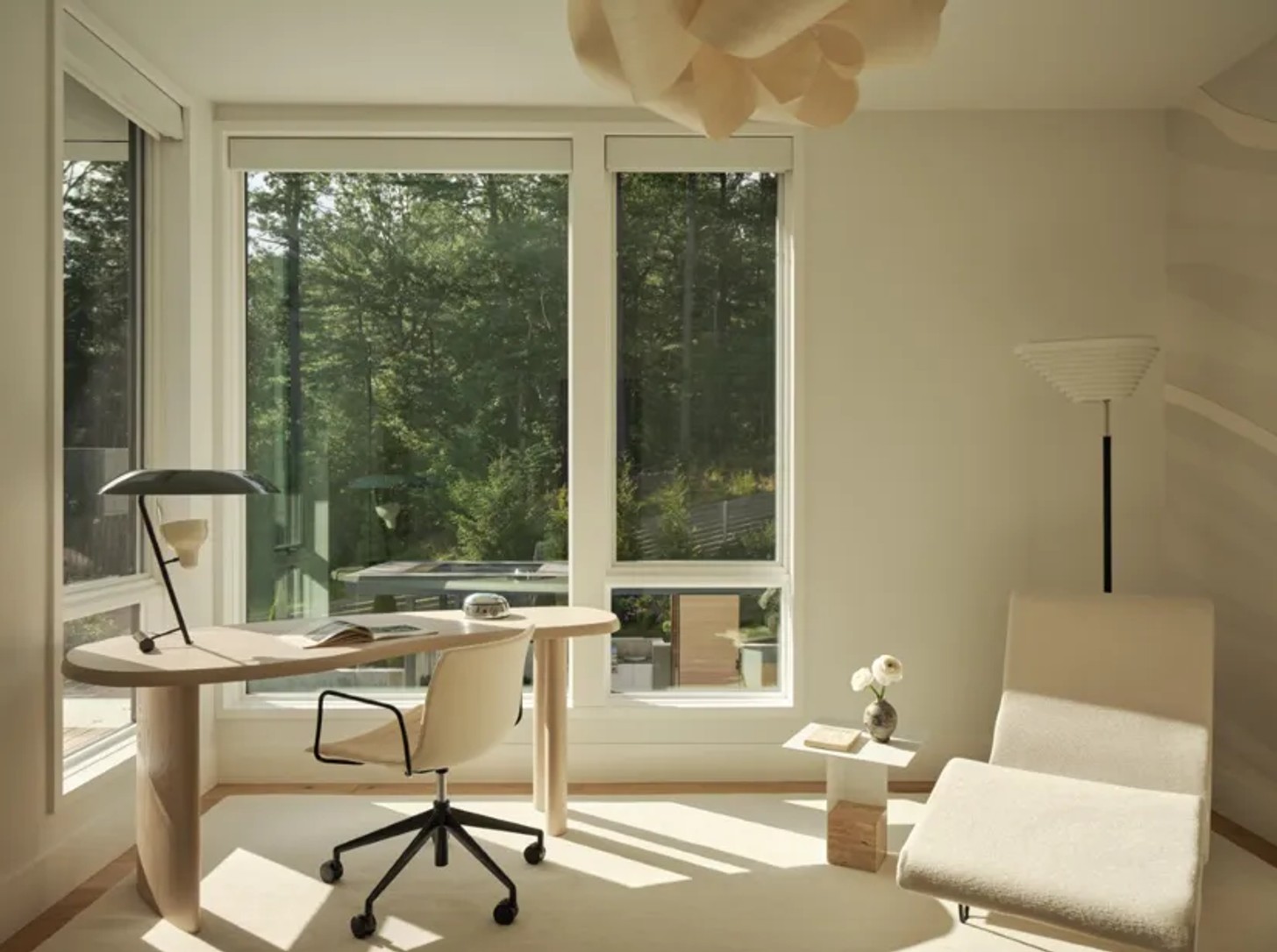
Test Before You Commit
Paint colours that looked perfect in-store can suddenly appear too blue, too grey, or too yellow once they're on your walls.
The same applies to fabrics, stone surfaces, timber finishes, and wallpaper samples.
Williams-Magqashela advises homeowners to live with their options before making final decisions.
"Paint colours, fabrics and finishes can look completely different depending on the natural and artificial light. Test, move things around and experience your palette within the actual space before making final decisions."
A few extra days of testing can prevent expensive mistakes and ensure every element works harmoniously within the home.
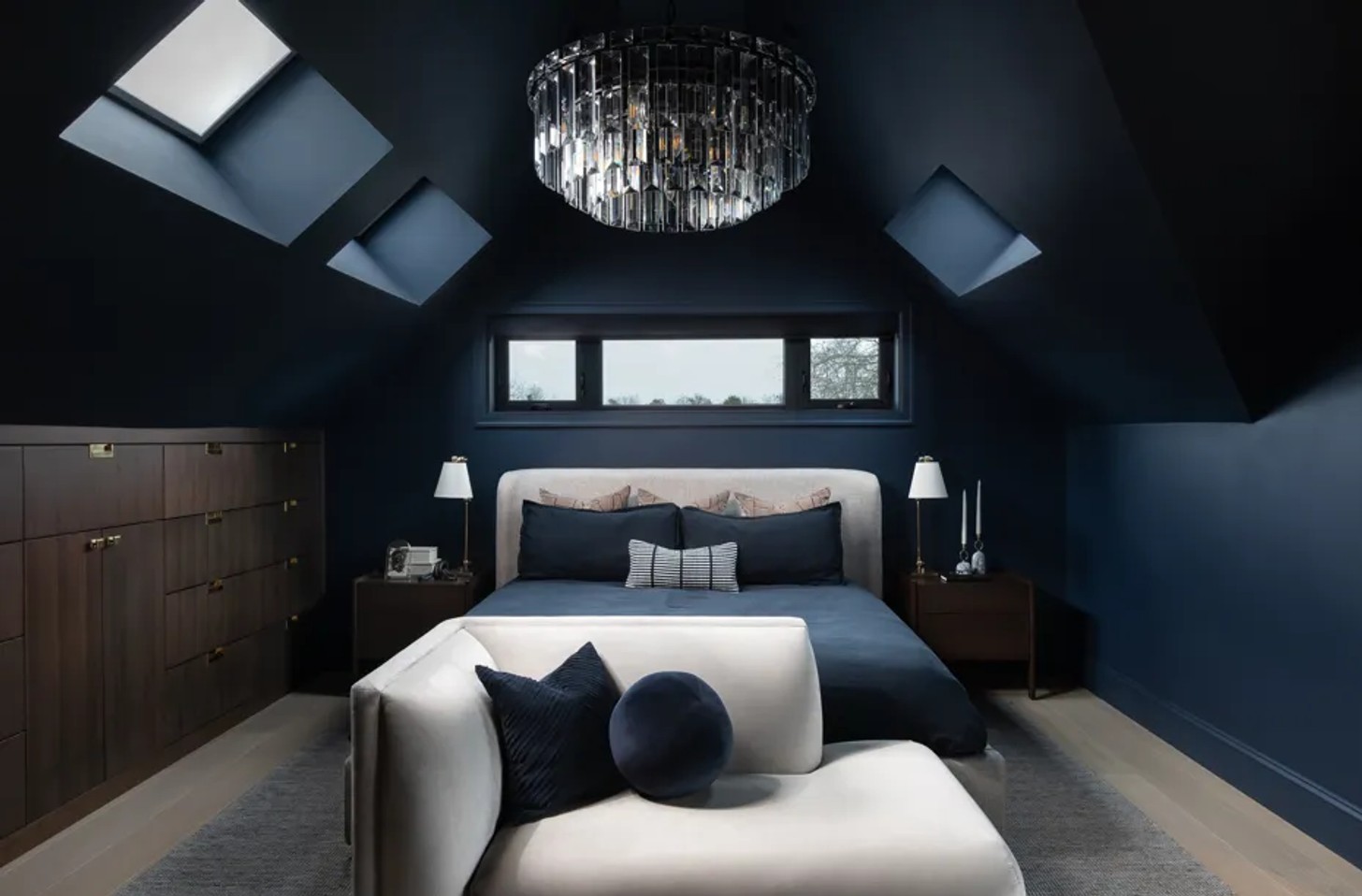
Buy Art Because You Love It
Art has the power to shape the emotional identity of a room. It deserves careful consideration.
As Williams-Magqashela points out, art needs room to breathe.
A single impactful piece often has greater presence than a crowded gallery wall assembled without intention.
Function Matters More Than Instagram
Many homeowners focus so heavily on aesthetics that they forget to ask practical questions:
- Where will guests put their bags?
- Is there enough storage?
- Does the kitchen support the way you cook?
- Can the living room comfortably accommodate everyday family life?
- Will this furniture arrangement work during winter as well as summer?
The most well-designed homes begin with lifestyle.
"Think beyond how a room looks and consider how you want it to feel and function," says Williams-Magqashela. "Your home should support the way you want to live."
When every design decision is filtered through that lens, the result is a space that feels like your own.
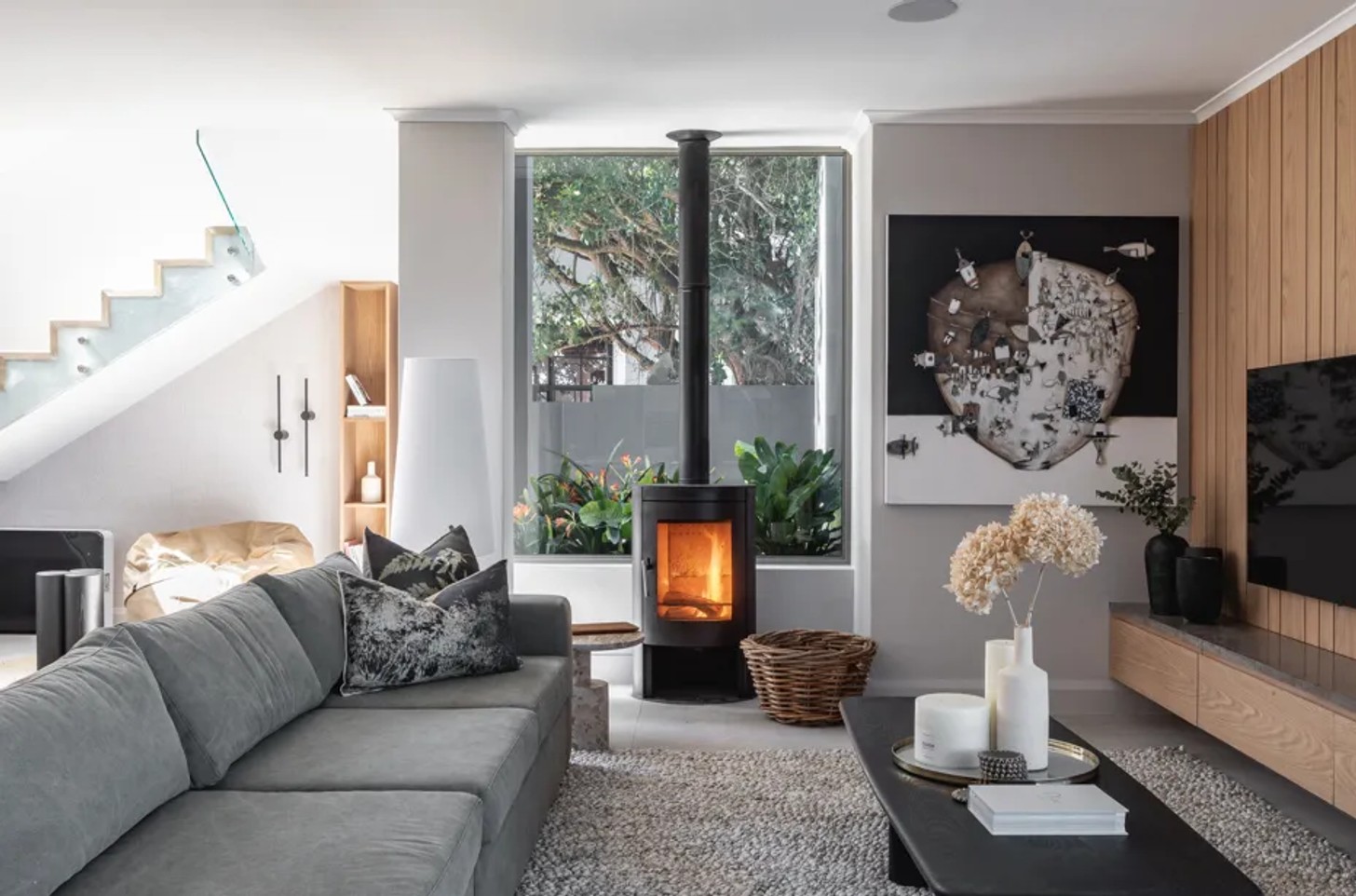
Perfection Is Overrated
Some of the most character-filled interiors embrace the Japanese philosophy of wabi-sabi – the appreciation of imperfection, authenticity, and the beauty of age.
Williams-Magqashela encourages homeowners to welcome pieces with history.
"Not everything in a home needs to be new, perfect or perfectly paired. Thrifted, antique and vintage pieces bring history, character and soul."
A vintage chair with worn arms, an inherited cabinet, or a handmade ceramic with subtle imperfections often contributes more personality into a room.
These are the pieces that spark conversation and create emotional connection.
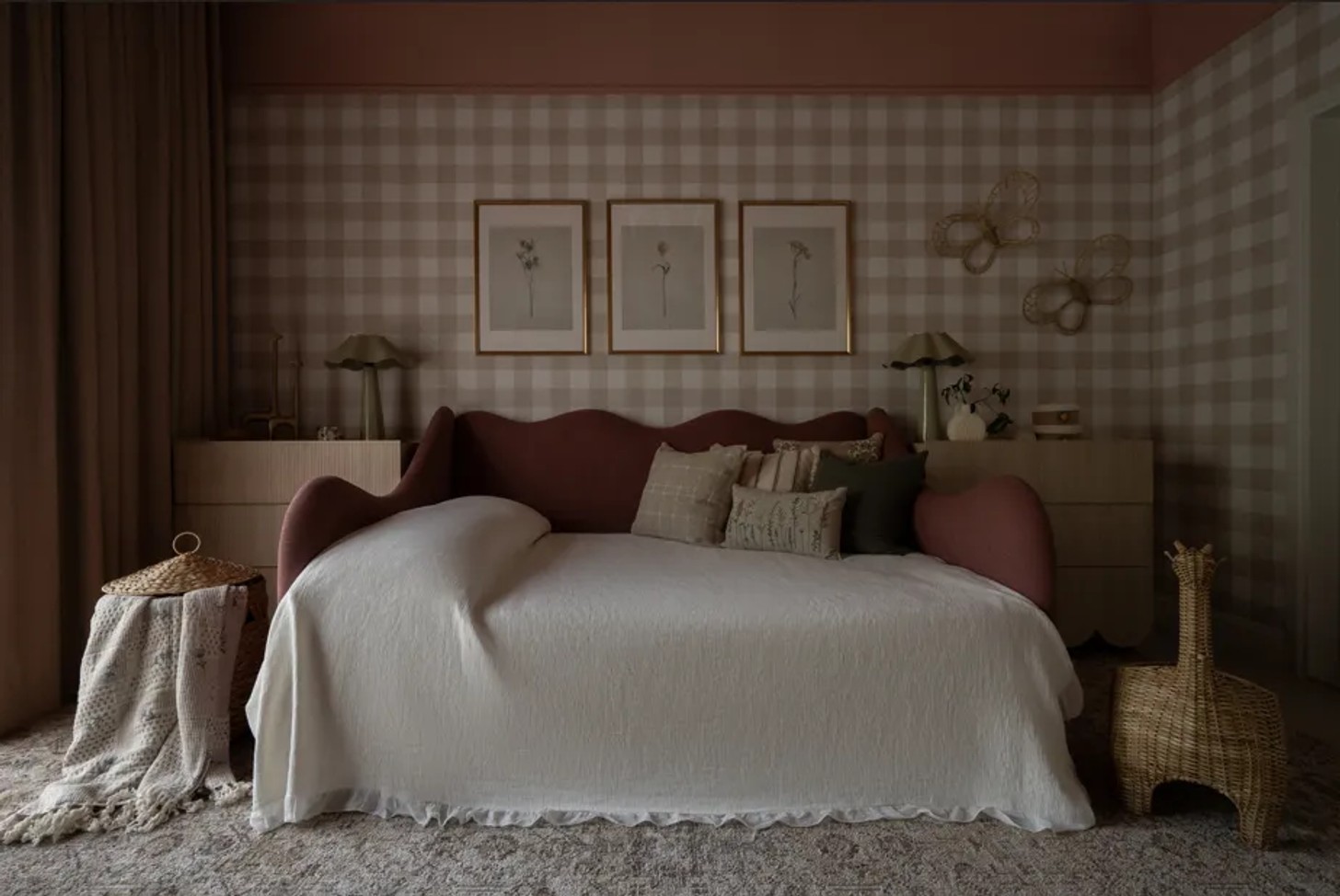
Storage Is Never as Boring as It Sounds
While storage solutions are rarely the most exciting part of a design project, they are often the difference between a home that feels calm and one that feels cluttered.
Think beyond wardrobes and kitchen cupboards. Consider hidden storage in entryways, laundry areas, bathrooms, guest rooms, and multifunctional furniture.
Beautiful interiors become easier to maintain when there is a designated place for everyday items.
Invest Where It Counts
Not everything in your home needs to be expensive, but some elements deserve greater investment than others.
Items that are used daily – such as sofas, dining chairs, mattresses, lighting, and quality carpentry – often offer the greatest long-term value.
A good rule of thumb is to spend more on what you touch every day and less on what simply fills space.
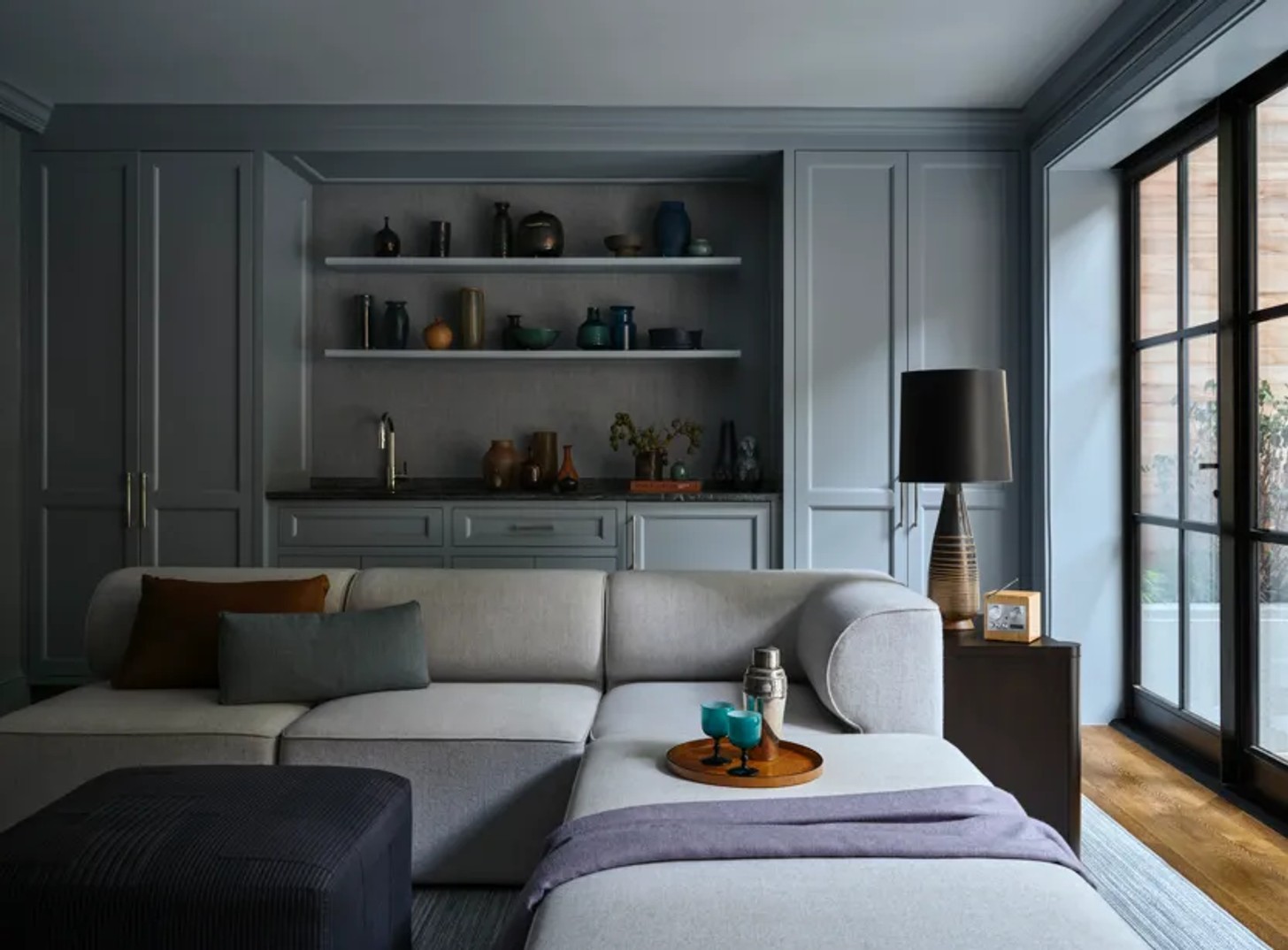
The Best Homes Feel Collected, Not Just Decorated
The most memorable interiors aren't necessarily the most expensive or the most perfectly styled. They are the ones layered with experiences, stories, travels, heirlooms, artwork, and objects that are accumulated over time.
As Pamela Williams-Magqashela reminds us, designing a home isn't about achieving perfection.
"It's about creating a space with a strong sense of self – one that feels collected rather than decorated, and that becomes more beautiful as you live in it."
And perhaps that's the secret every first-time homeowner deserves to know from the very beginning: your home is not a destination. It's a story that unfolds one room and one object at a time.
Credits
Images: Elsa Young, Erin Little, Tina Kulic, Read McKendree, Casa Mia Visuals, Acre Studio


