
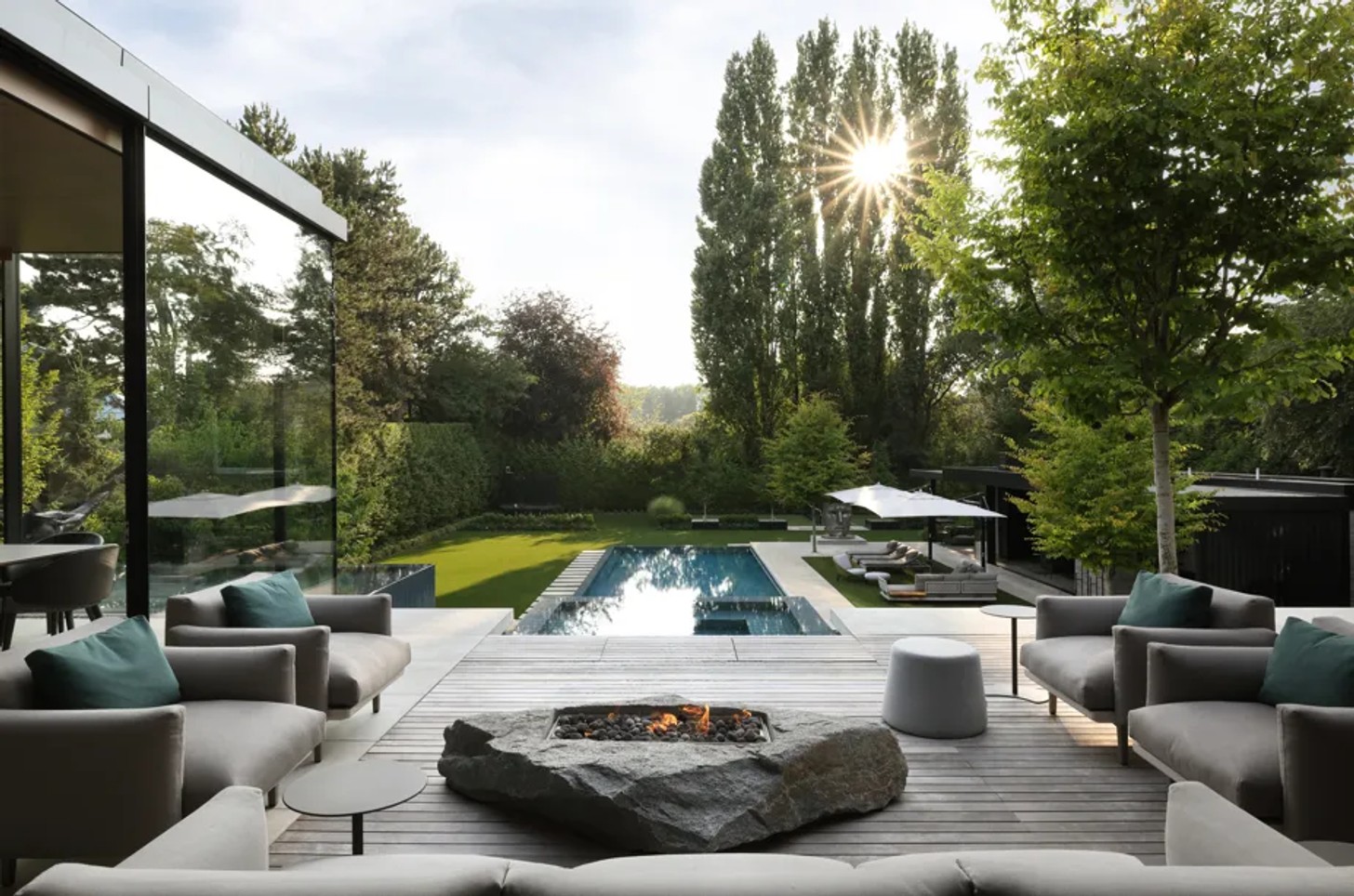
As the way we live continues to shift, gardens and terraces are becoming places to gather, unwind, entertain, and reconnect with nature – essentially, another room of the home, just without the walls.
For almost three decades, Vancouver-based landscape studio Paul Sangha Creative has explored this relationship between landscape, architecture and everyday life. Their work suggests that a considered garden can do more than look beautiful: it can shape how a property feels, how people move through it and, ultimately, how they live.


“True luxury today is space,” says Paul Sangha. “People began to understand the value of being able to move seamlessly between indoors and outdoors, and having space to live, gather, and restore.”
That shift has also changed what we expect from outdoor spaces. Comfortable furniture, well-adjusted lighting, refined materials, and outdoor kitchens have made the garden feel connected to the interiors beyond it. “Materials, lighting, and furnishings now match the quality of interior spaces,” Sangha says, “allowing the exterior to feel like a true extension of the home.”
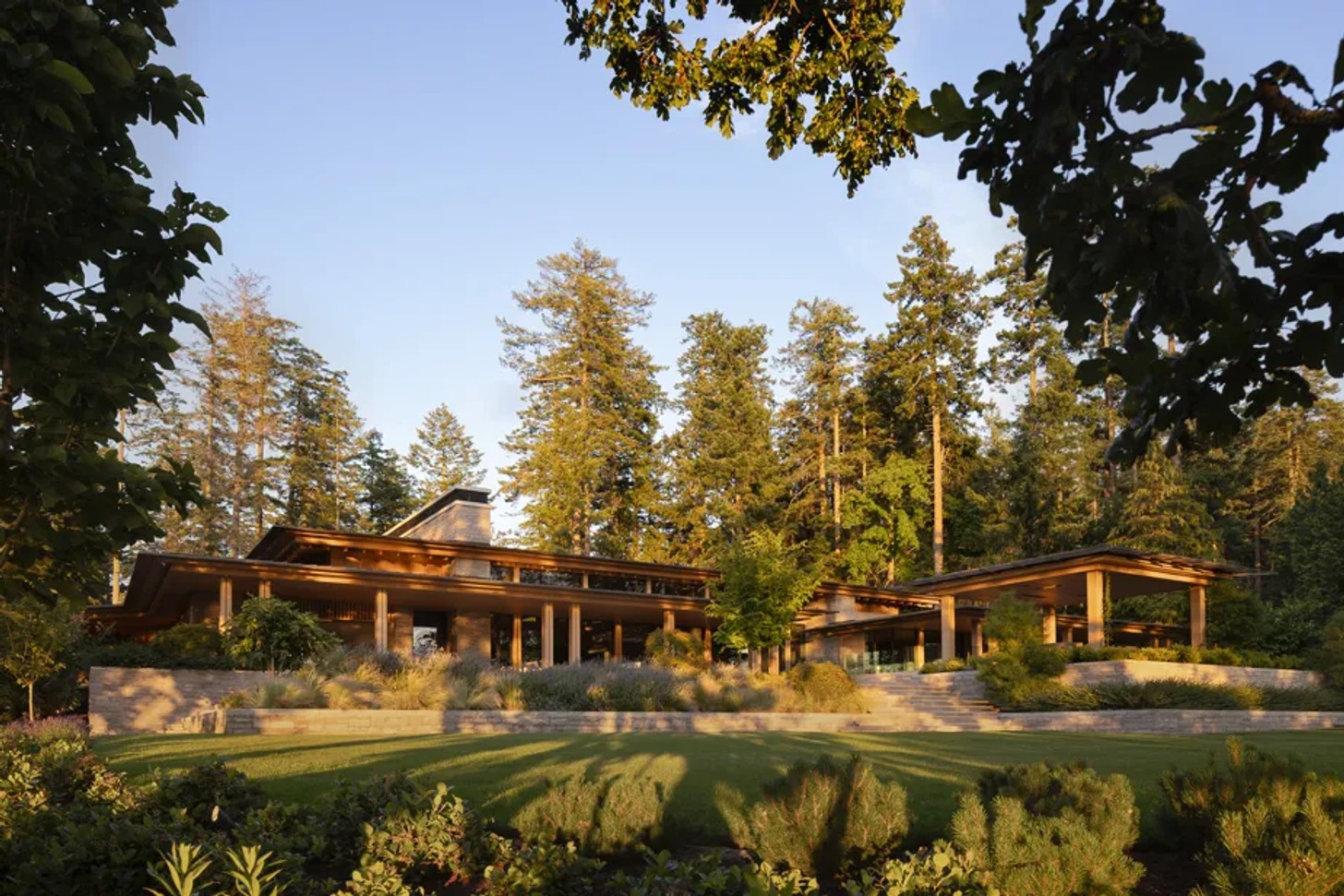
A garden designed to be experienced
For senior landscape architect Tasha Sangha, the most successful gardens are not necessarily the most elaborate. They are spaces that reveal themselves gradually, creating a sense of discovery as you move through them.
“No two gardens are alike,” she says, “yet there is a consistent sensibility across our work rooted in restraint, timelessness, and emotional resonance.”
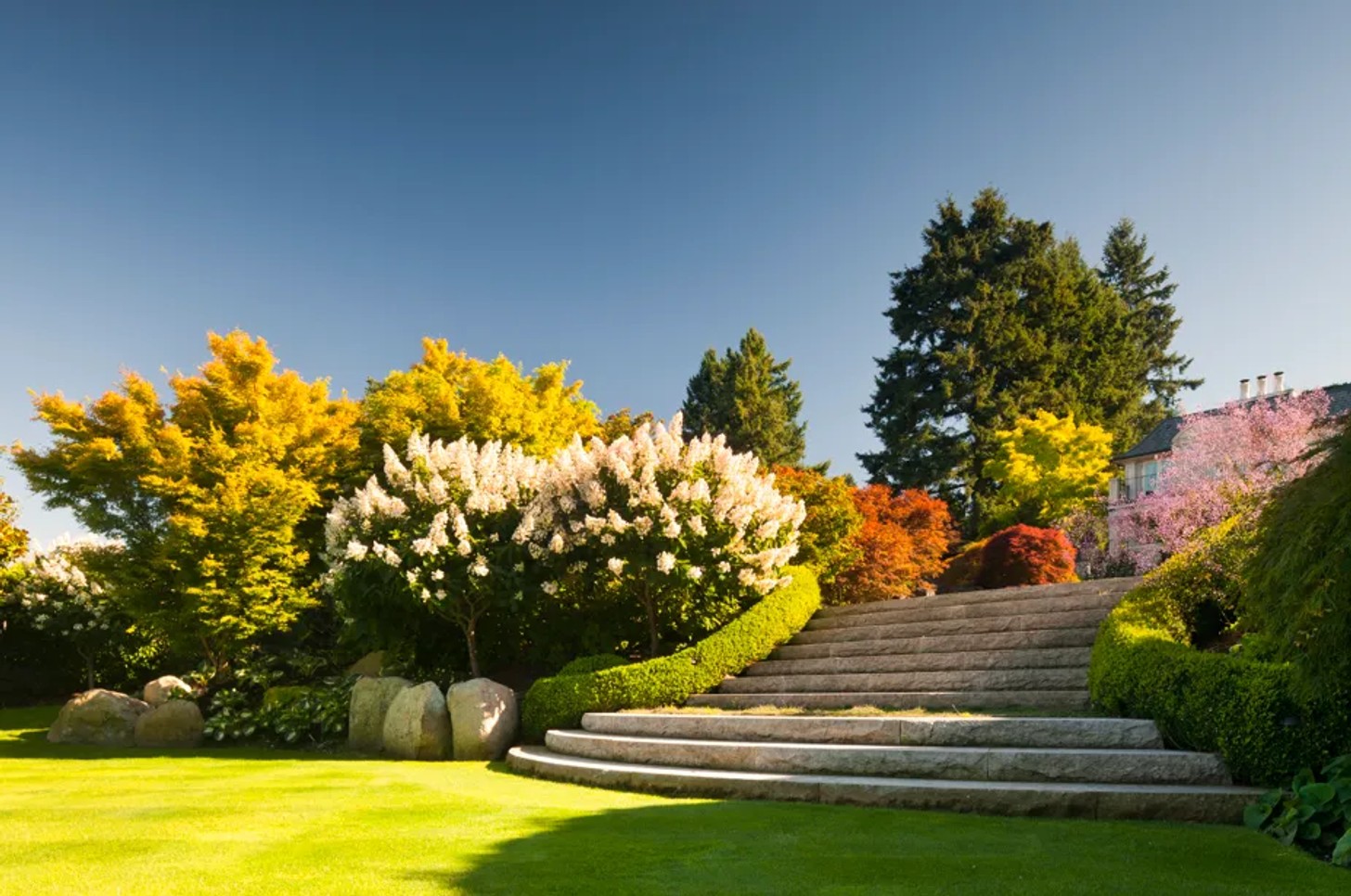
That might mean a carefully positioned tree, a stretch of stone, the sound of water, or a framed view that only becomes noticeable as you move through the garden. The intention is to create somewhere that can accommodate different moods – a place for conversation and entertaining, but also somewhere to retreat and simply observe.
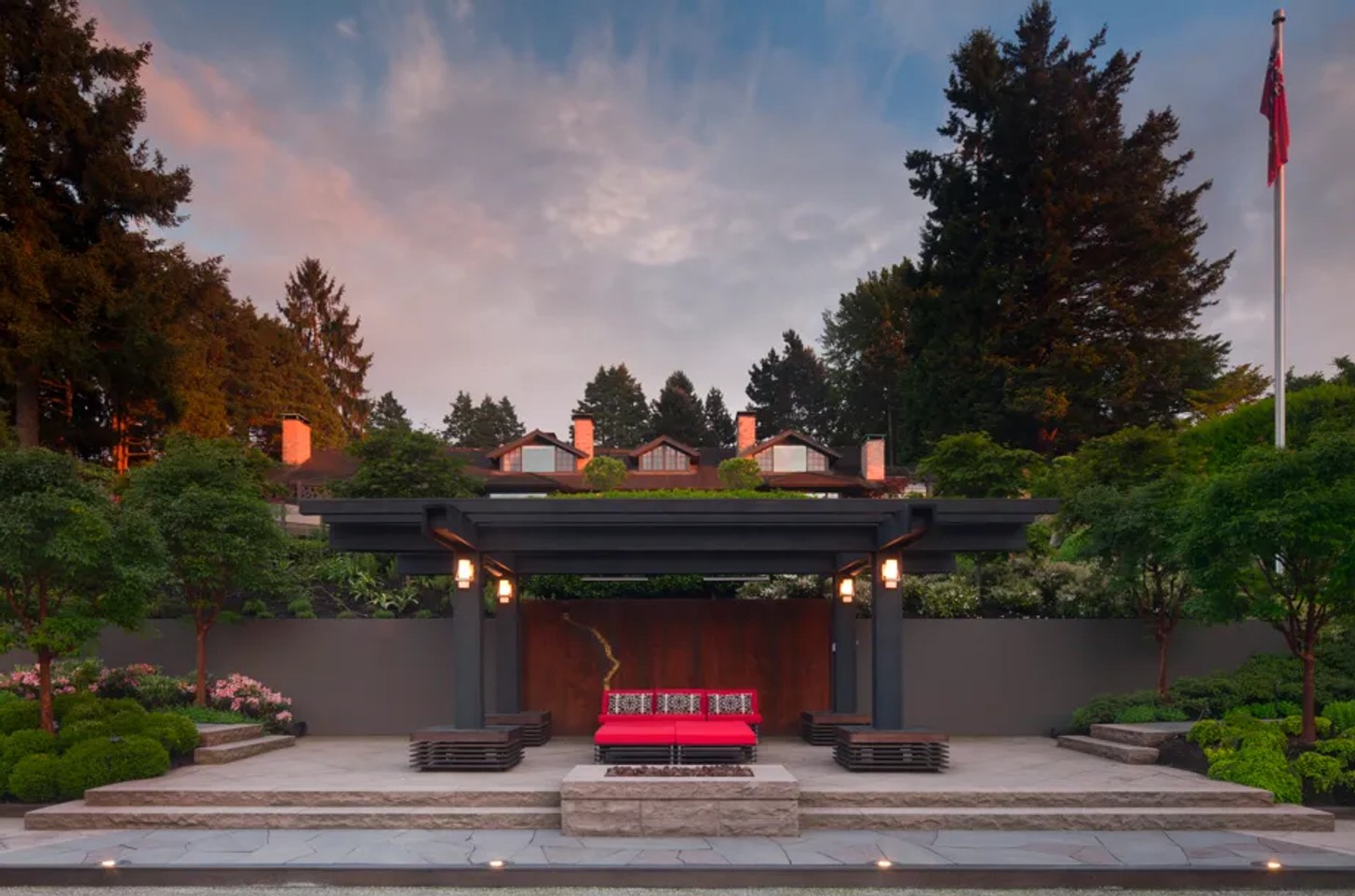
“In a successful garden, you’re drawn to move through it,” says Paul. “There’s a sequence of experiences and moments that unfold gradually, rather than everything being understood at once.”
It is an approach that reflects a broader move towards gardens that feel calmer and less ornamental. While classical gardens remain part of the studio's portfolio, there is a stronger appetite for simplicity, natural materials, and spaces that encourage us to slow down.
“The garden becomes a counterpoint to a more fast-paced, image-driven design culture, a place to slow down,” Paul says.
Where art meets the landscape
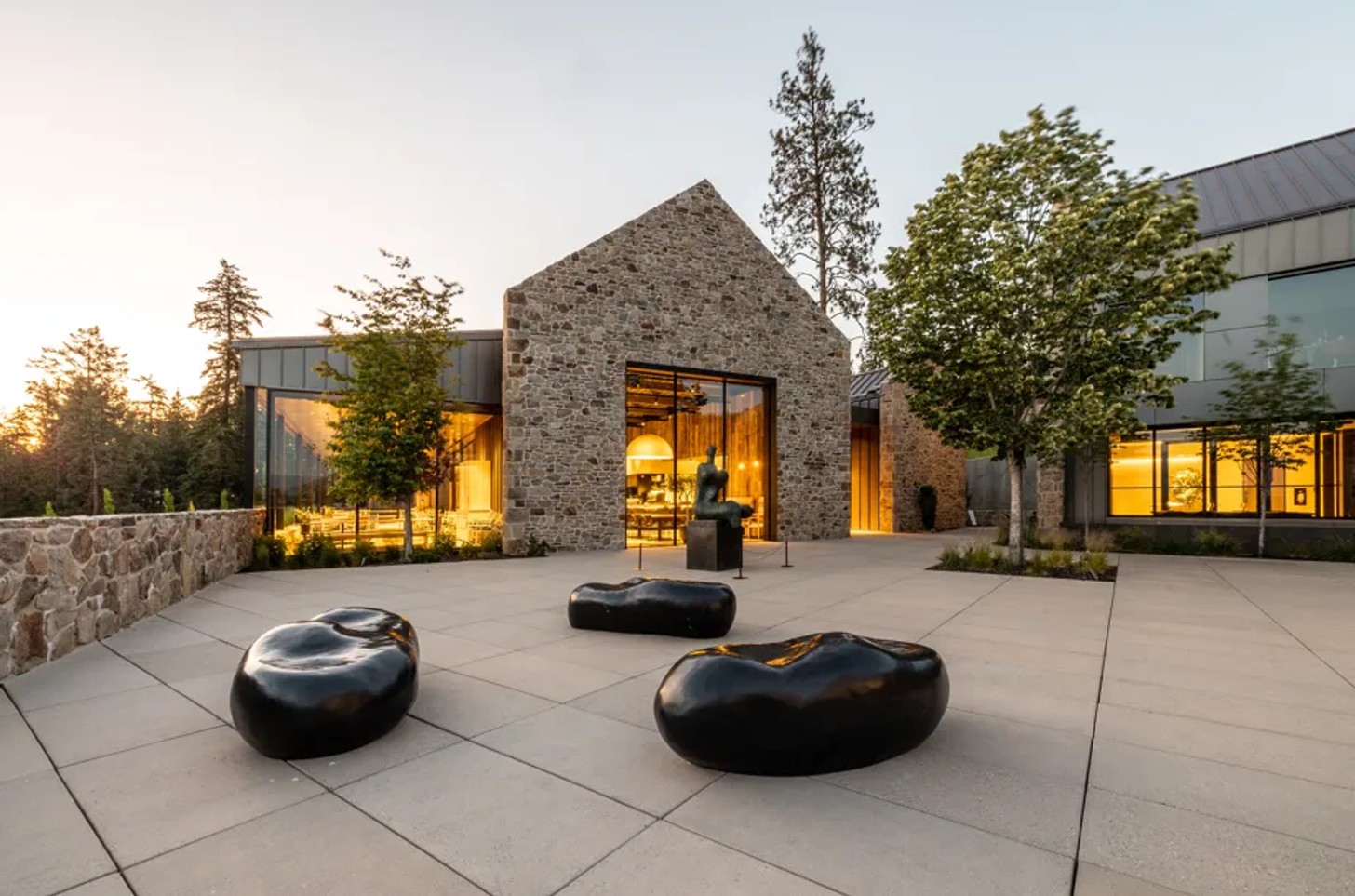
At Paul Sangha Creative, landscape design sits somewhere between gardening, architecture, engineering, and art. The multidisciplinary team brings together expertise in landscapes, urban planning, architecture, interior design and fine arts, with sculpture often becoming an important part of the garden itself.
“Art is a critical component of our gardens and one which we feel sets us apart,” says Tasha.
The studio has incorporated works by artists including Jaume Plensa, Tony Cragg and Bill Reid, while also collaborating with local artists to create bespoke pieces for individual properties. Rather than treating sculpture as decoration added at the end, these works are chosen alongside planting, architecture, sightlines, and movement through the garden.
Designing with the land, not against it
The studio's approach begins long before planting plans are drawn up. Paul Sangha Creative is often involved in the earliest stages of a project, working with architects and clients on everything from the positioning of buildings and circulation routes to views, orientation, and outdoor living areas.
“Our creative process begins with listening – to the client, the architecture, the history of a site, and the natural landscape itself,” says Tasha.
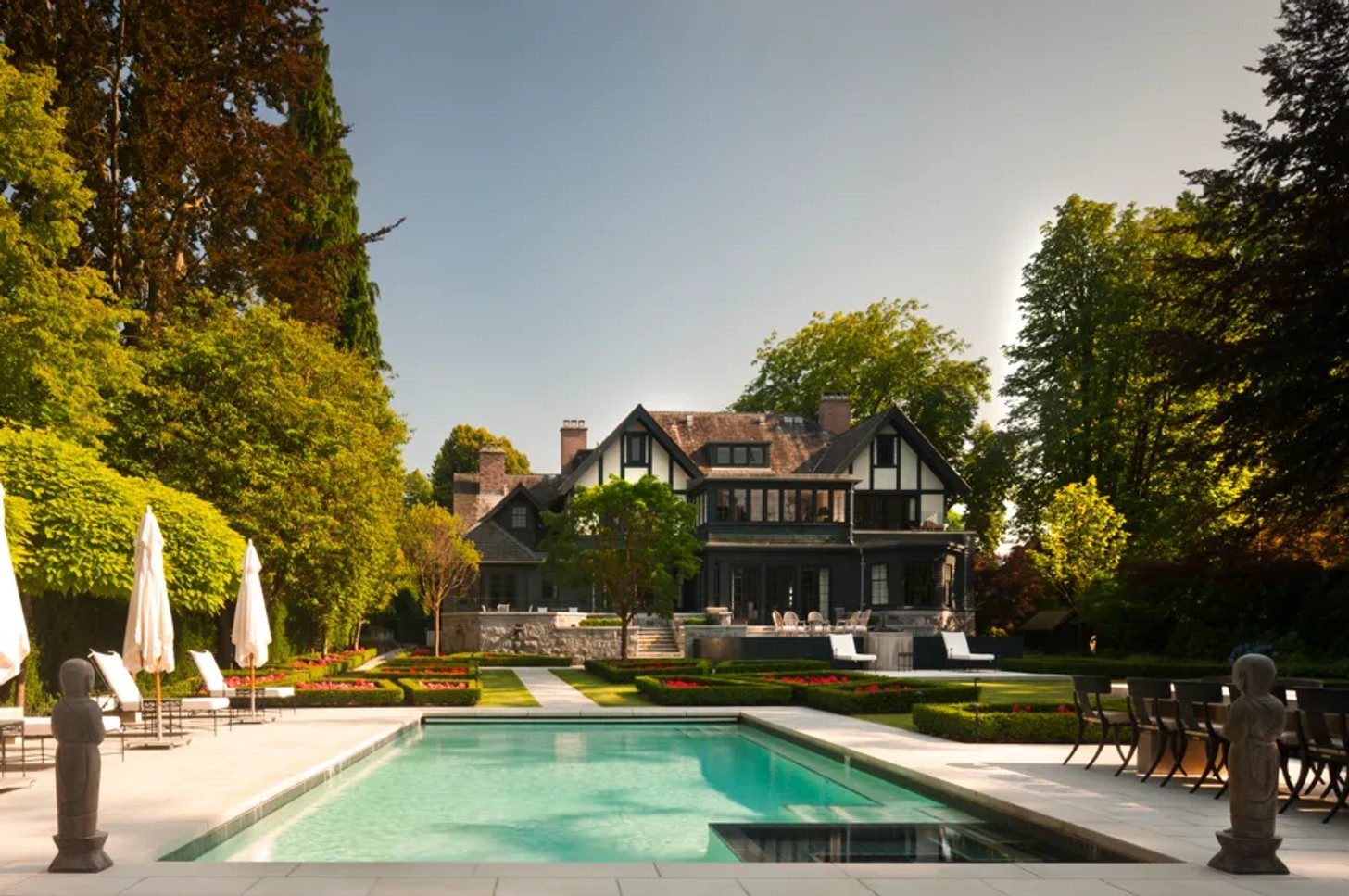
That holistic approach is particularly relevant to waterfront properties, where landscape architecture is used to respond to environmental pressures. Instead of relying solely on hard edges, retaining walls and rigid boundaries, the studio is exploring ways to restore more natural shoreline systems while still protecting and serving the property.
For homeowners, that can mean creating landscapes that are resilient – protecting against severe storms while allowing more beach, planting, and viable habitats to return.
The next chapter of outdoor living
The studio is now extending its work into a growing number of hospitality projects, including resorts, wineries and hotels, where landscape, architecture, and interiors need to work as one cohesive experience.
Current projects span British Columbia, alongside private residential estates across North America and projects in destinations including Miami, Los Angeles, New Jersey, Texas, Turks and Caicos and the British Virgin Islands.
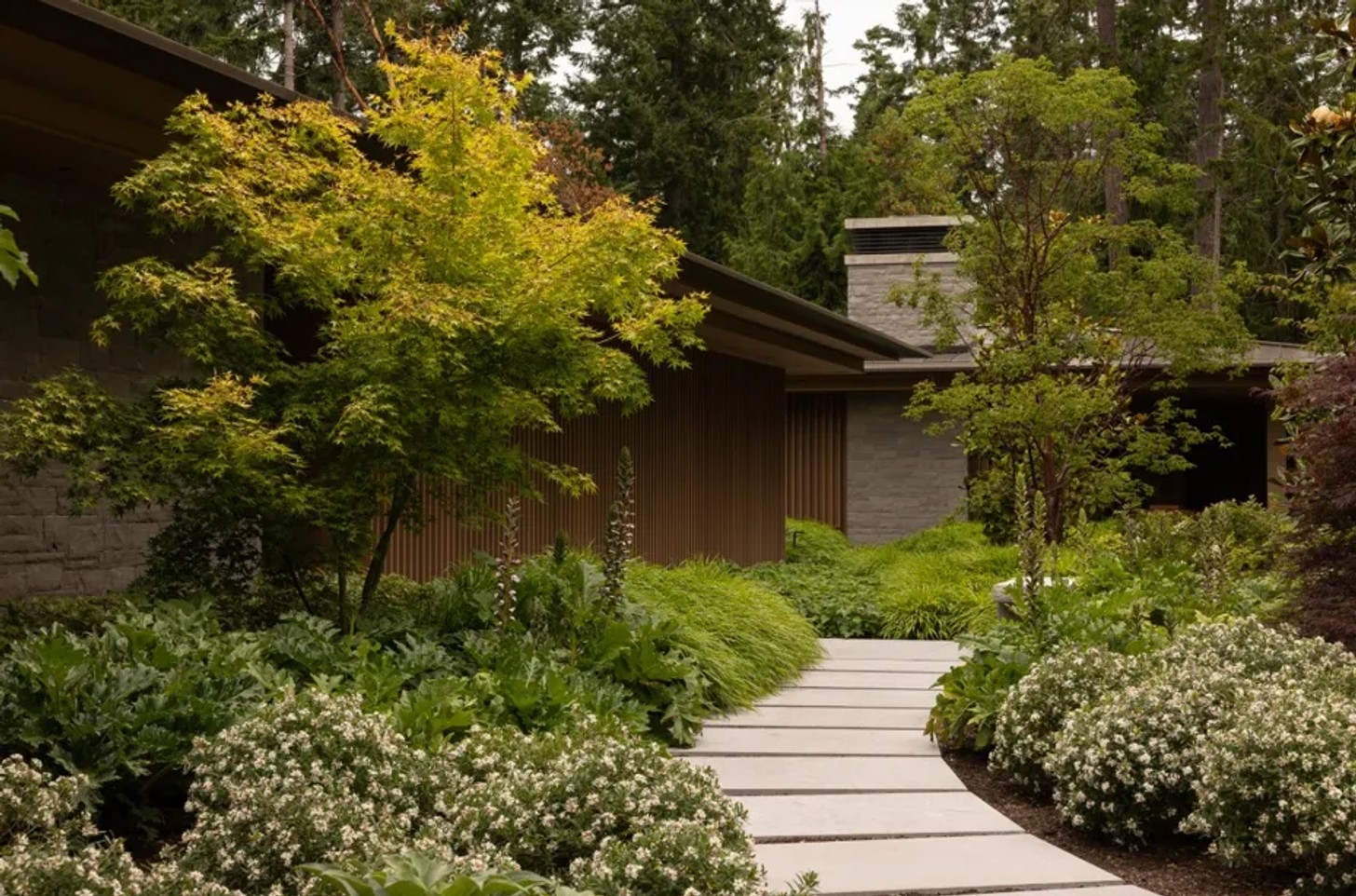
Perhaps the most interesting lesson from the studio's work is that a great garden isn't defined by a particular planting palette, architectural style, or square metreage. It is defined by how it makes us feel – and how naturally it becomes part of the lives unfolding within it.
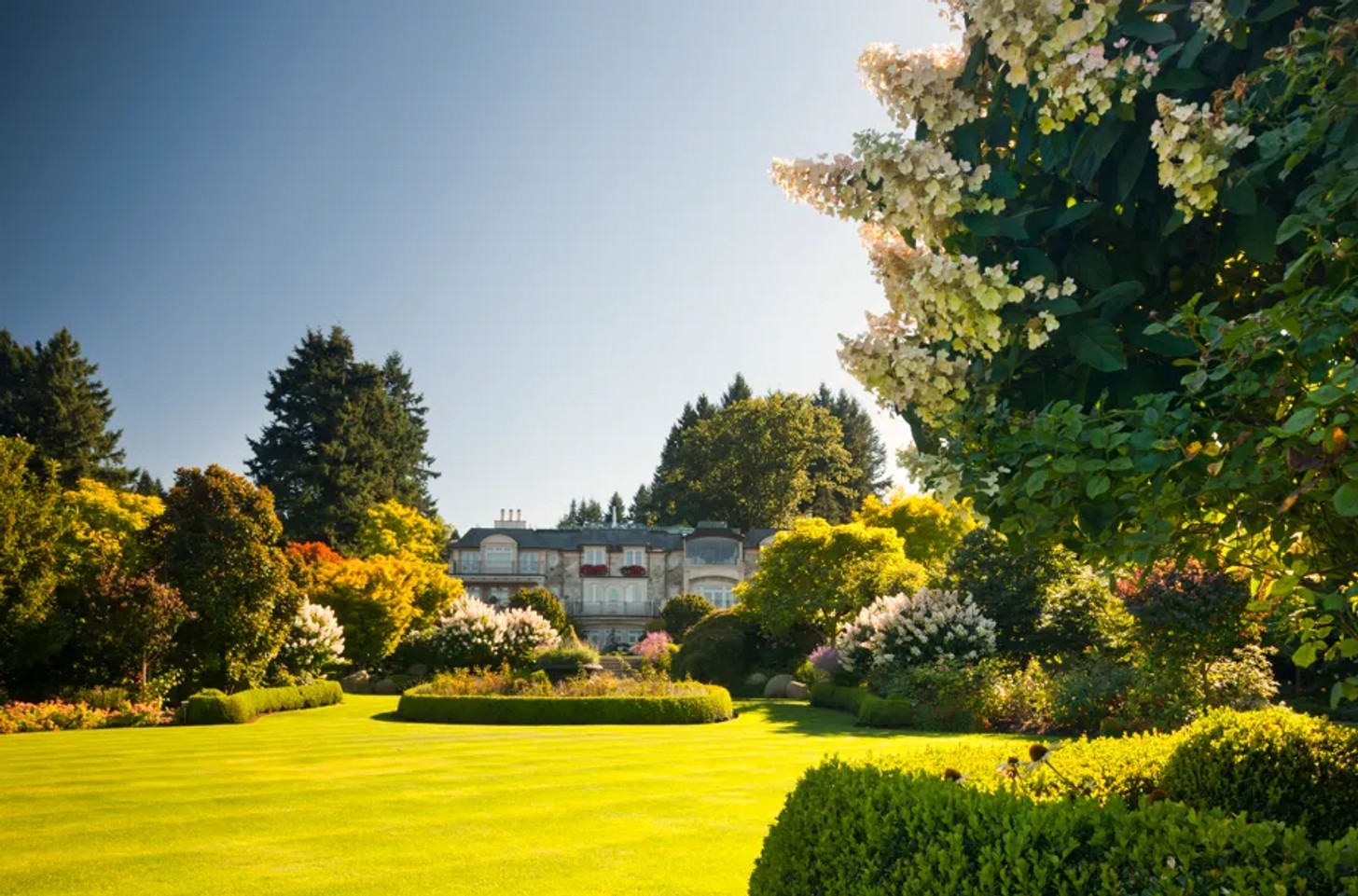
As Tasha puts it, the aim is to create landscapes that “inspire, nourish, and restore” – spaces that belong to their setting, evolve with the seasons and offer something increasingly valuable: a reason to pause.
Credits
Landscape architecture: Paul Sangha Creative, Instagram @paulsanghacreative
Photography: Ema Peter, Nic Lehoux, Brett Ryan Studio


