
In an era of fast-moving trends and algorithm-driven aesthetics, some designers have turned to vintage furniture and decorative objects to create interiors with a lasting appeal. Instead of filling homes with brand-new pieces, many of today's most compelling rooms blend contemporary design with unique antiques, mid-century finds, and heirlooms that bring character, depth and a sense of history.
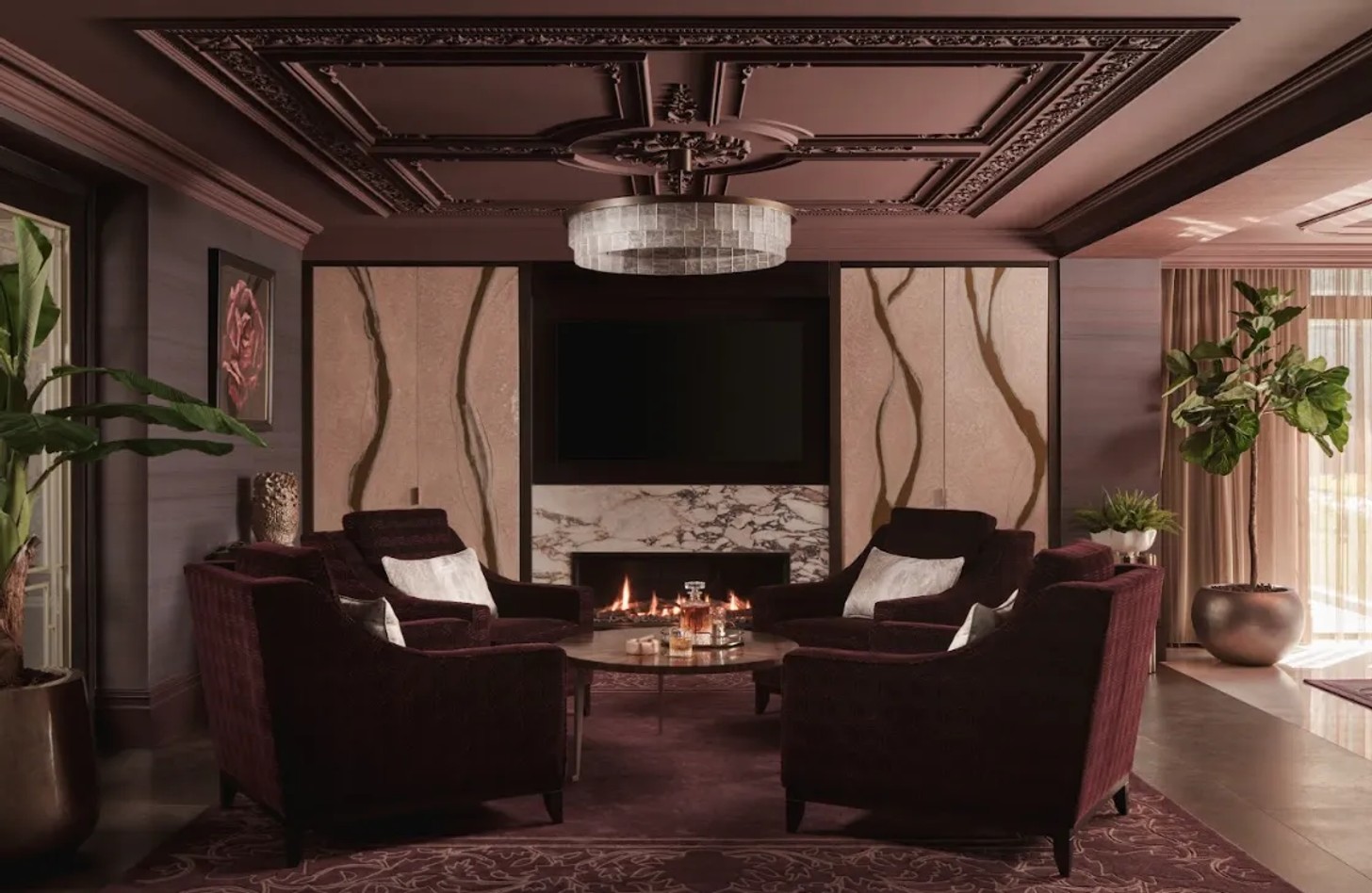
The appeal of a room with a story
A vintage piece instantly introduces something that cannot be replicated: a sense of origin. Whether it's a worn oak dining table or a hand-carved cabinet passed down through generations, these objects carry stories that add enrichment into a space.

Even a single antique item can anchor a room, providing contrast against contemporary architecture and modern finishes.
Mixing eras is the new luxury
The most sophisticated interiors rarely adhere to one period or style. Instead, designers confidently mix old and new to create rooms that feel timeless as opposed to trendy.
A sleek contemporary kitchen might be paired with vintage wooden stools. A minimalist living room can gain warmth from an antique Persian rug. In a modern bedroom, a vintage chest of drawers or a brass lamp introduces texture.
The key is balance – using vintage elements strategically to soften newer pieces, adding visual interest.
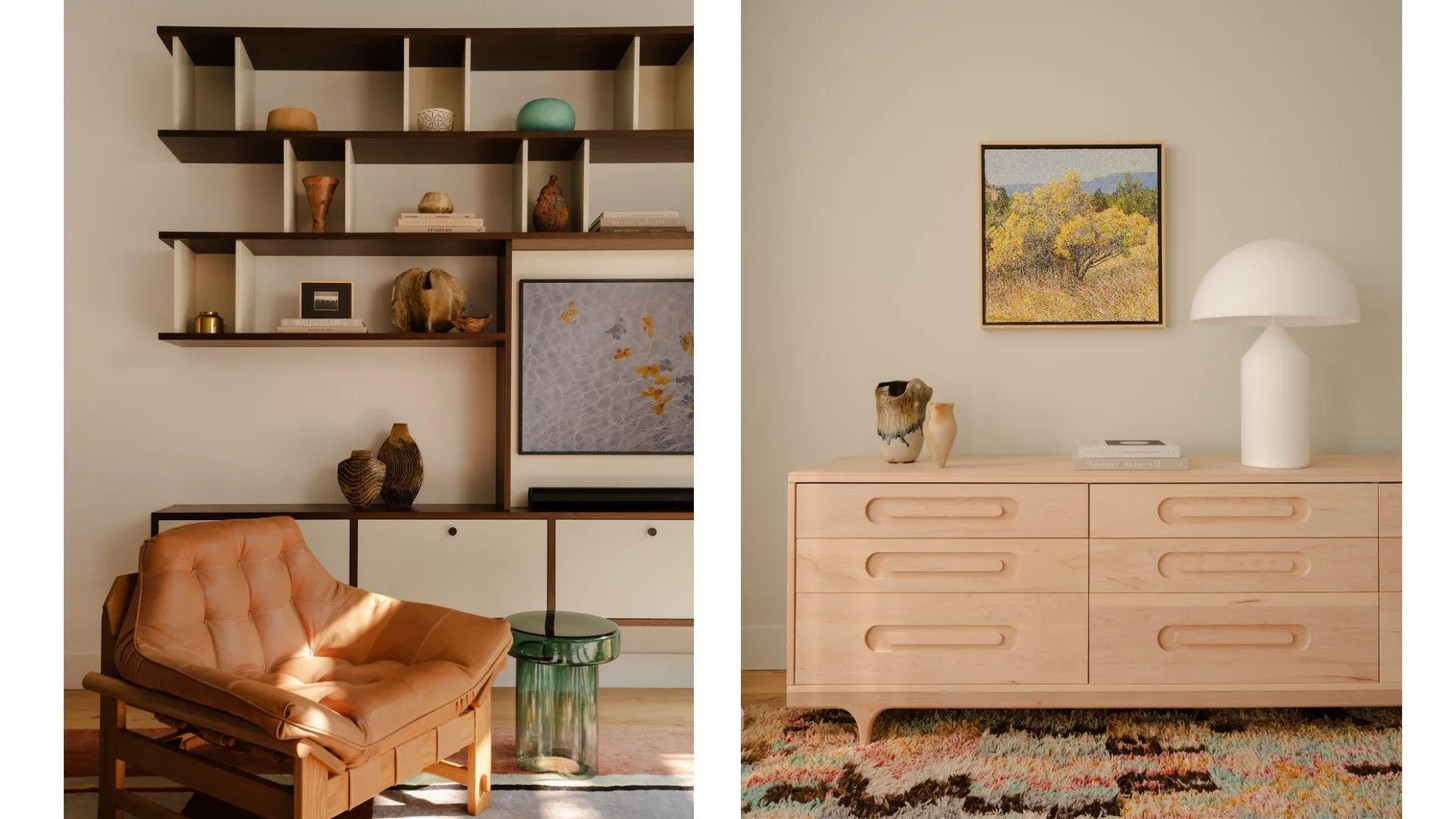
Patina is replacing perfection
One of the defining characteristics of vintage furniture is patina – the subtle wear, marks, and imperfections that develop over time. Far from being defects, these details are mostly celebrated for the richness that they bring to interiors.
Weathered timber, aged brass, softened leather, and hand-crafted ceramics introduce a tactile quality that newer pieces often require. These materials help create spaces that feel comfortable and enduring.
It's a shift away from pristine show homes towards interiors that embrace personality and a sense of authenticity.
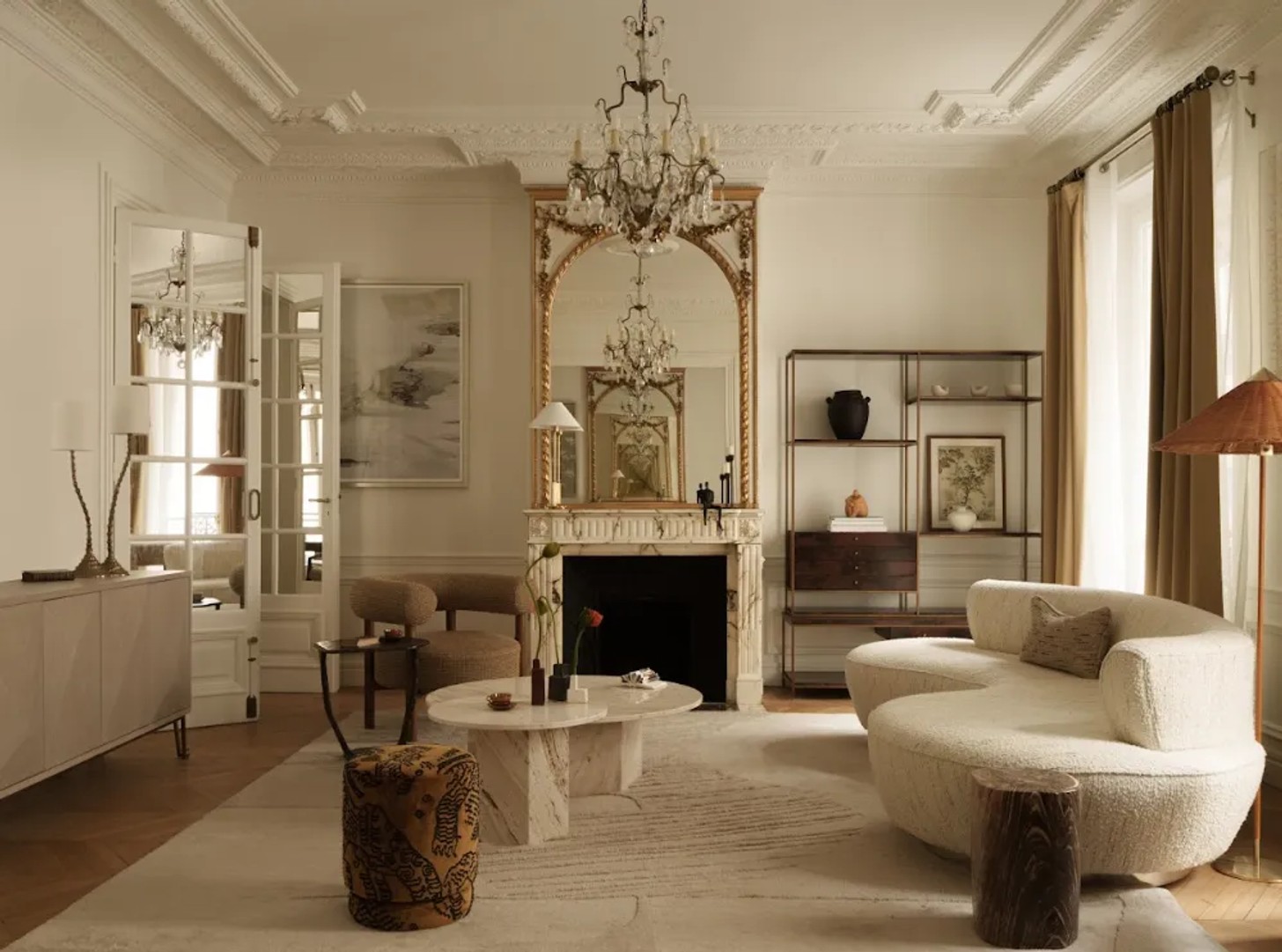
Sustainability with style
Beyond aesthetics, vintage decorating aligns with a growing desire for more conscious consumption. Purchasing existing furniture extends the lifespan of well-made pieces while reducing demand for new production.
Many designers view vintage sourcing as one of the most sustainable ways to furnish a home. Investing in quality pieces that have already stood the test of time often results in interiors that age more gracefully and remain relevant for decades to come.
How to incorporate vintage pieces at home
For those new to vintage decorating, experts recommend starting small. A statement mirror, occasional chair, side table, or collection of ceramics can introduce character without overwhelming a space.
Look for pieces with strong craftsmanship, natural materials, and timeless silhouettes. Most importantly, choose items that resonate personally rather than following fleeting trends.
The goal isn't to recreate the past, but to create a home that feels layered, unique, and enduring.
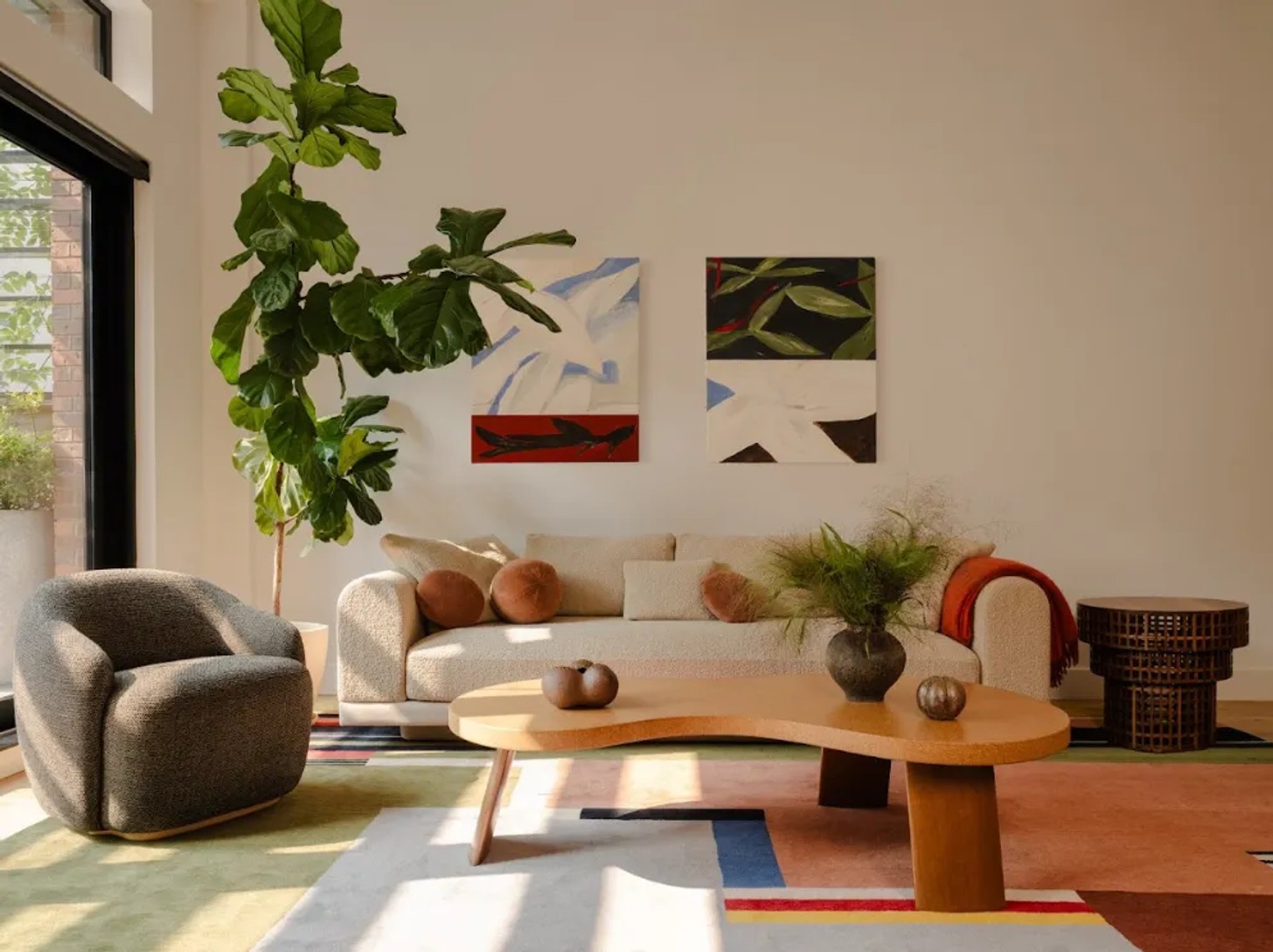
The future of timeless design
As homeowners continue to seek individuality and longevity in their interiors, vintage pieces have become more than decorative accents – they're essential design tools.
By blending history with contemporary living, designers create rooms that feel richer, warmer, and far more personal than anything bought straight from a showroom floor.
In a world obsessed with what's new, the secret to timeless design may simply be looking back.
Credits
Images: Adrien Dirand, Brian W. Ferry, Vigo Jansons


