
For years, grey was the undisputed king of contemporary interiors. From painted walls and kitchen cabinetry, to sofas and flooring, the versatile shade became synonymous with modern living. As homeowners seek spaces that feel welcoming, grounded and deeply personal, grey's cool minimalism is beginning to lose its appeal.
In its place, chocolate brown is emerging as the defining neutral of a new design era.

Rich, earthy and undeniably sophisticated, chocolate brown offers warmth without sacrificing elegance. It feels luxurious yet approachable, making it particularly suited to South African homes, where indoor-outdoor living and a connection to nature often shape design choices.
Designers across the globe have also been embracing warmer palettes, but locally the shift feels more relevant. In a country blessed with dramatic landscapes, natural materials and an abundance of sunlight, chocolate brown feels less like a return to something authentic.
Why Brown Feels Right for Right Now
The popularity of chocolate brown reflects a broader movement away from bleak minimalism, and towards interiors that prioritise comfort and overall wellbeing.
After years of crisp white walls and cool-toned schemes, homeowners sometimes crave spaces that feel cocooning and restorative. Brown naturally delivers this sense of warmth.
Unlike grey, which can sometimes feel clinical or impersonal, chocolate brown introduces depth and softness. It evokes the colours of rich soil, tree bark, leather and timber – elements that create an immediate sense of familiarity.
It is also remarkably versatile. Depending on how it is used, chocolate brown can feel contemporary, traditional, rustic or glamorous. This flexibility allows it to work across a wide range of South African architectural styles – from modern coastal homes, to traditional farmhouses.
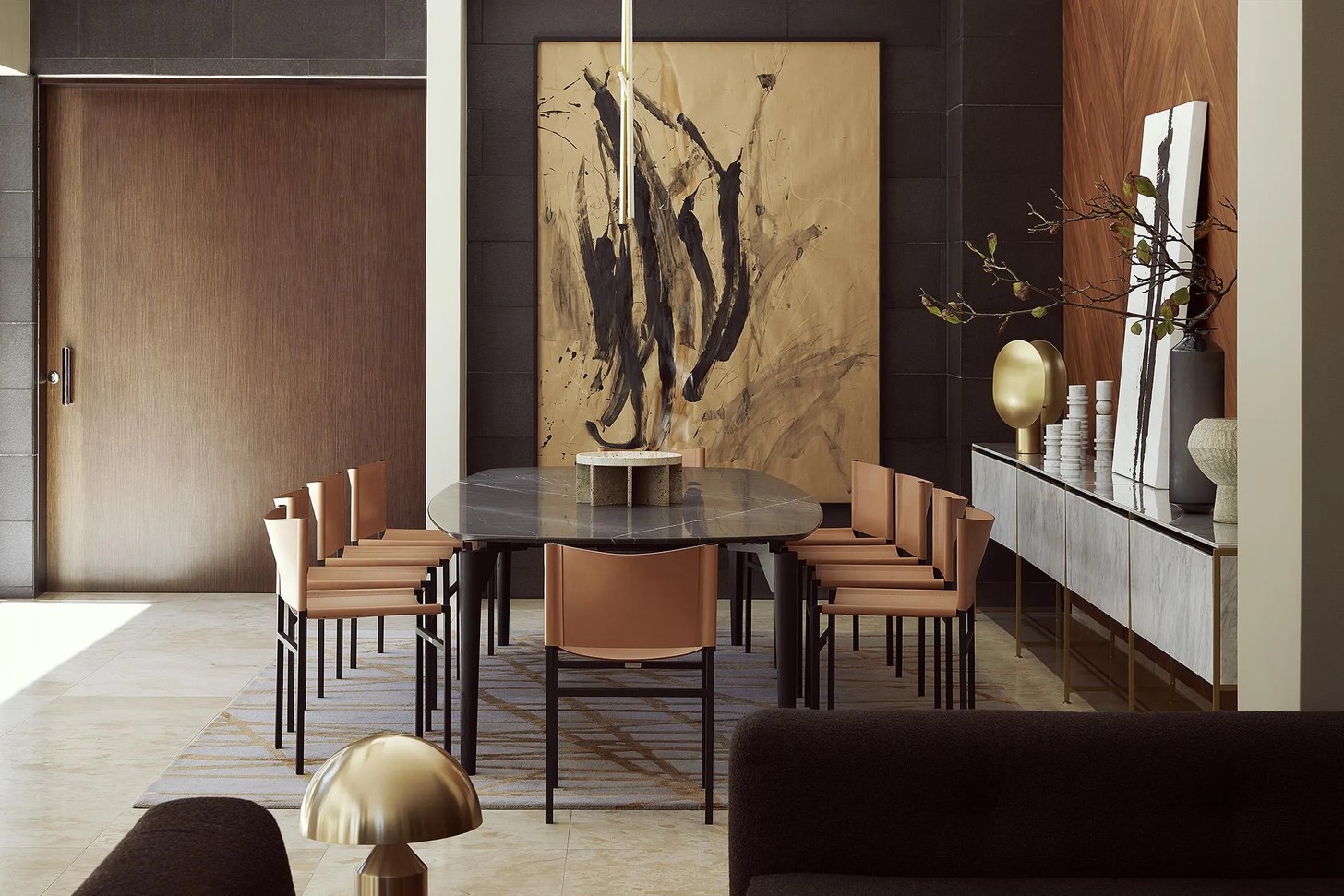
The Influence of Nature
South Africa's landscapes provide endless inspiration for earthy interiors.
From the deep tones of the Karoo, to the rich soils of Mpumalanga, brown feels inherently linked to the country's natural environment.
This connection helps drive a renewed appreciation for natural materials. Timber furniture, woven textures, stone surfaces, and handcrafted ceramics all pair effortlessly with chocolate brown, creating interiors that feel grounded.
Rather than striving for perfection, these spaces celebrate authenticity and the beauty of materials that age gracefully over time.
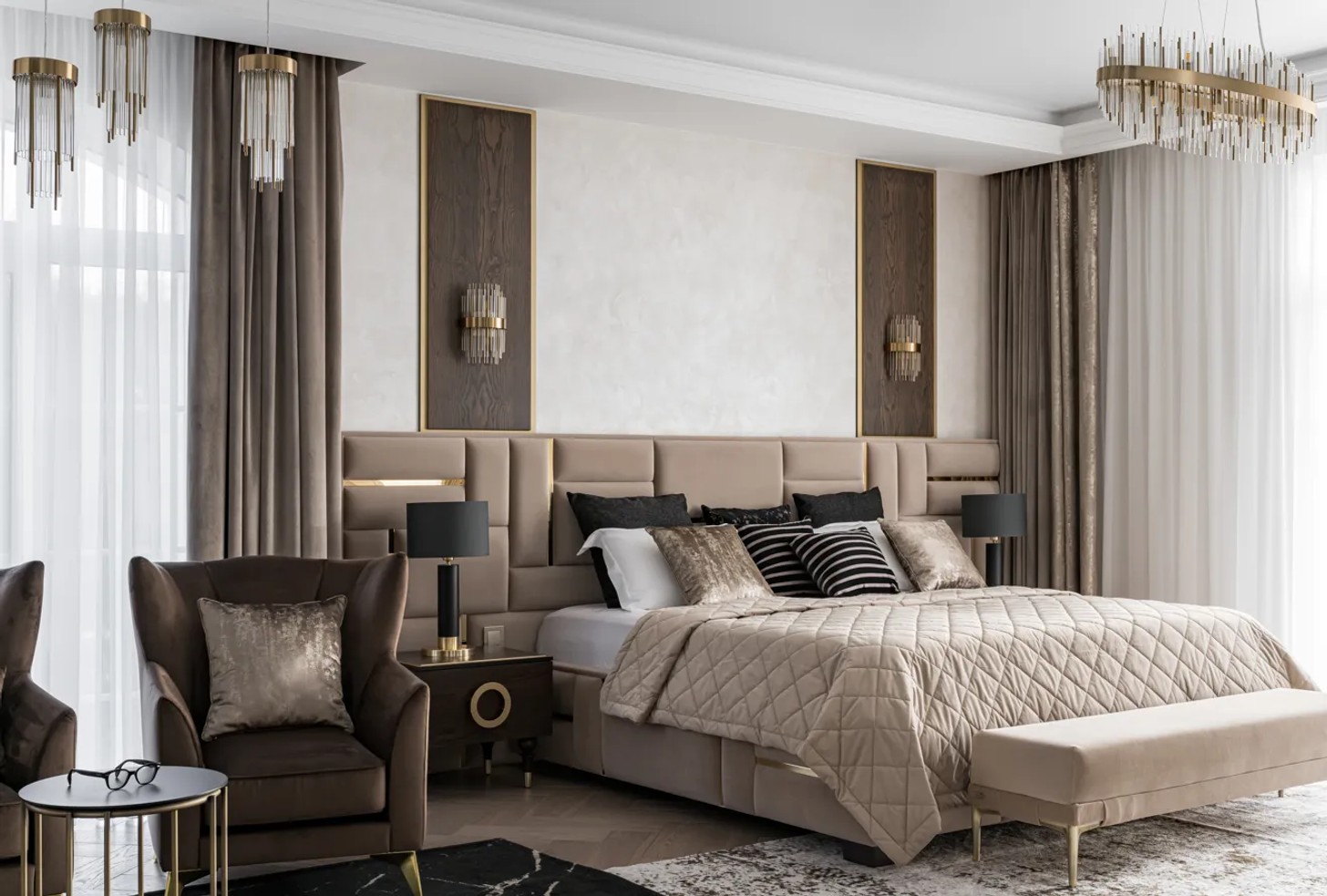
A Luxury Colour with Staying Power
One reason designers are gravitating towards chocolate brown is its ability to create a sense of understated luxury.
The shade carries an inherent richness that lighter neutrals often struggle to achieve. Consider polished walnut cabinetry, velvet upholstery, dark timber flooring, and richly stained oak finishes. These elements instantly add depth and sophistication without feeling too formal.
In natural light, the colour also shifts throughout the day, revealing subtle undertones that create visual interest and warmth in spaces.
Unlike many trendy colours, chocolate brown has historical roots in design, making it more likely to endure beyond a single season.
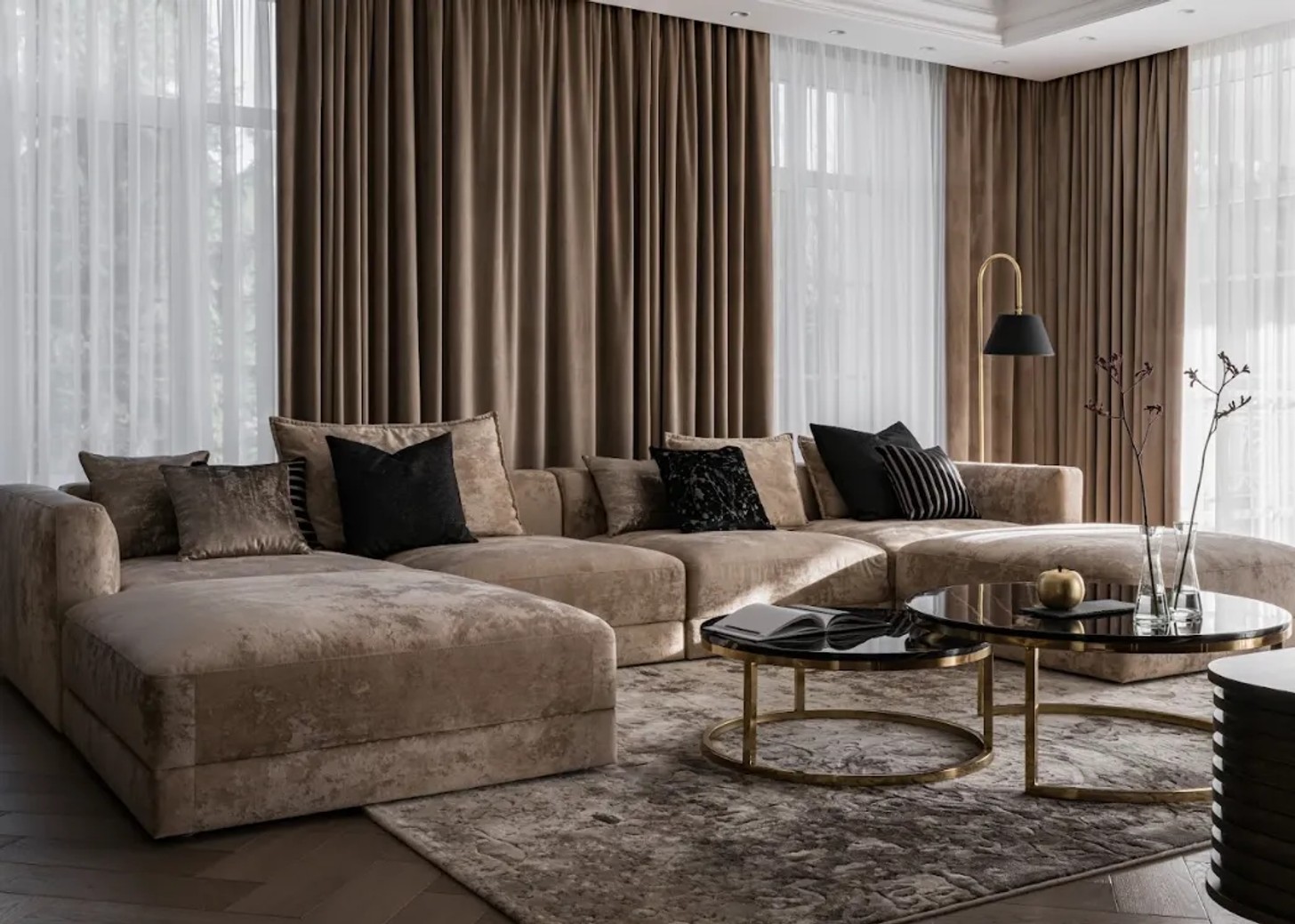
How to Use Chocolate Brown at Home
The key to decorating with chocolate brown is balance.
For those hesitant to fully embrace these tones, smaller additions can make a significant impact. Consider introducing brown through:
- Upholstered dining chairs
- Leather accent furniture
- Timber coffee tables
- Textured cushions or throws
- Area rugs in warm tones
- Ceramic accessories and lighting
For a bolder statement, designers tend to use chocolate brown on walls, cabinetry, and built-in joinery. When paired with lighter elements such as cream or off-white, the result feels sophisticated.
The colour also works beautifully alongside other trending shades including olive green, terracotta, rust, caramel, and deep burgundy.
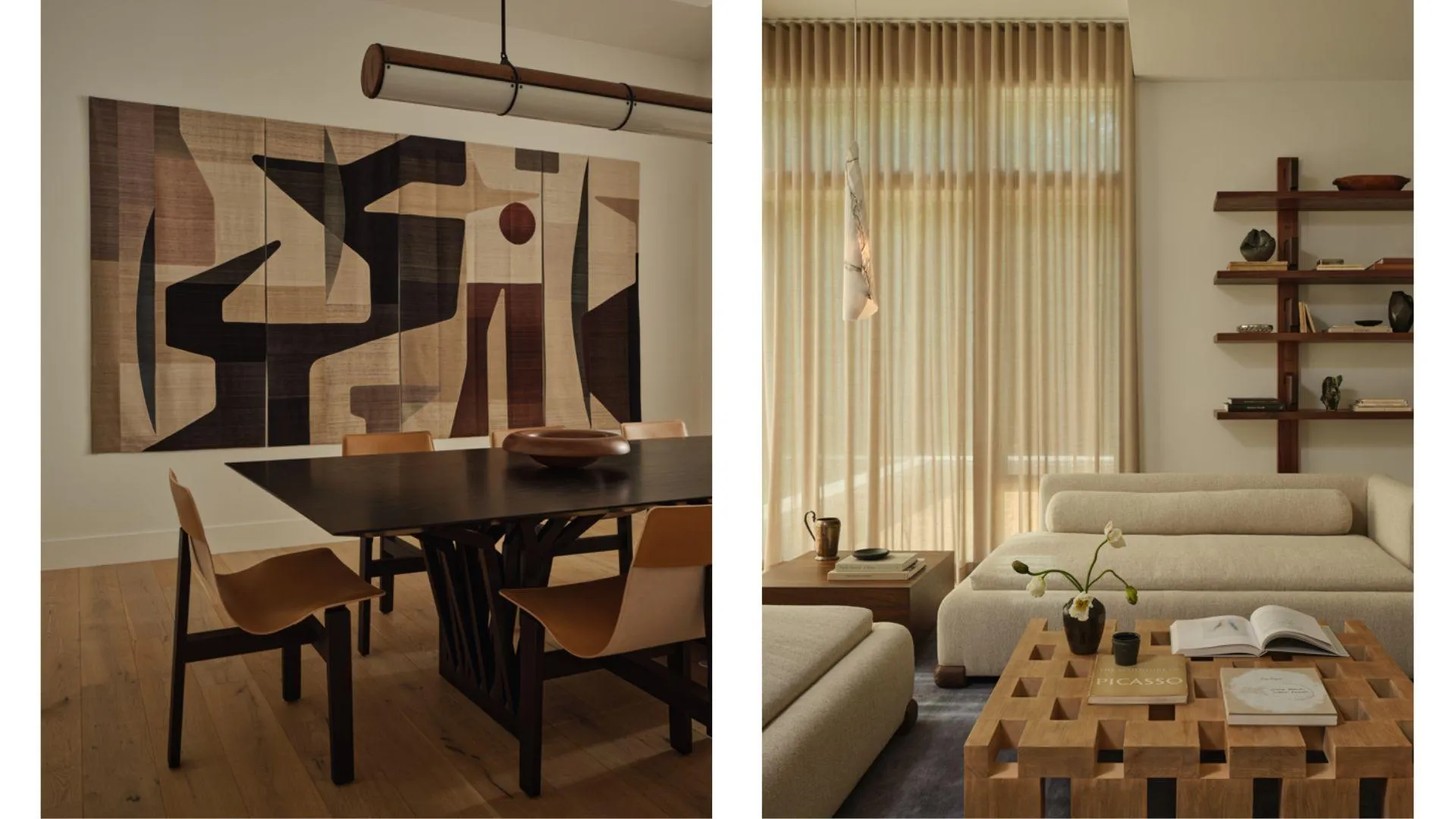
The Perfect Companion to South African Light
One of the reasons chocolate brown works so well locally is the quality of South African light.
The country's bright sunshine naturally softens darker colours, allowing brown tones to feel rich and inviting. In homes with large windows, courtyards or expansive views, chocolate brown helps anchor spaces, creating a visual contrast.
The colour also complements many of the materials commonly used in South African architecture, including natural stone, exposed brick, concrete, and timber.
The result is a palette that feels harmonious and deeply connected to its surroundings.

Designing Homes with Personality
Perhaps the biggest reason chocolate brown is replacing grey is that it feels more personal.
As design moves away from one-size-fits-all aesthetics, homeowners are seeking interiors that reflect their individual stories and lifestyles. Chocolate brown offers character, while remaining timeless enough to form the foundation of a home for years to come.
It signals a broader shift in design thinking: away from spaces that simply look good and towards spaces that feel good.
In that sense, chocolate brown is more than just a colour trend. It represents a desire for homes that are comfortable, meaningful, and rooted in a sense of place – a philosophy that feels perfectly suited to contemporary South African living.
Credits
Images: Elsa Young, Erin Little, Natalia Gorbunova


