
Few architectural styles are as deeply woven into South Africa's cultural landscape as the Cape Dutch. With their distinctive curvilinear gables, whitewashed walls and elegant symmetry, these historic buildings have become enduring symbols of the Western Cape, evoking centuries of architectural heritage and craftsmanship.
Yet while the original Cape Dutch homesteads remain celebrated landmarks, a new generation of architects is exploring how this architectural language can evolve. Rather than replicating historic forms verbatim, designers are reinterpreting the essence of Cape Dutch architecture through a contemporary lens, creating homes that feel both rooted in history and relevant to modern life.

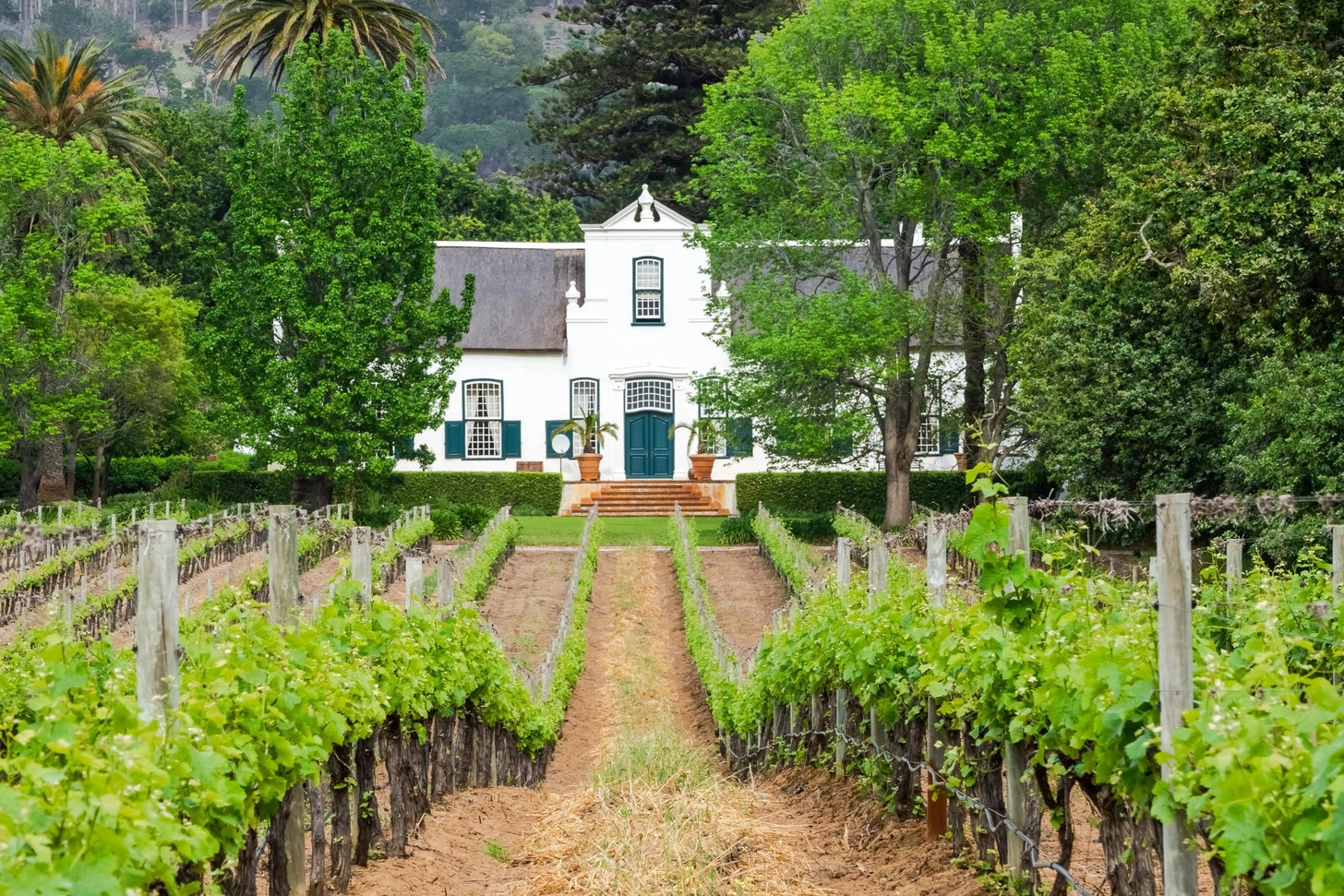
Respecting the Past Without Recreating It
For many architects, the challenge lies in striking a balance between preservation and innovation. Simply reproducing historic Cape Dutch architecture can often result in homes that feel nostalgic rather than contemporary. Instead, today's designers are focusing on the principles that made the style successful in the first place: strong proportions, climatic responsiveness, simplicity of form and a close relationship with the surrounding landscape.
Rather than copying every decorative detail, architects are extracting key elements and reinterpreting them for modern contexts. The iconic gable, for example, remains a powerful design reference. However, instead of ornate plasterwork and elaborate embellishment, many contemporary interpretations favour cleaner silhouettes and simplified profiles that retain the recognisable form while introducing a more restrained aesthetic.
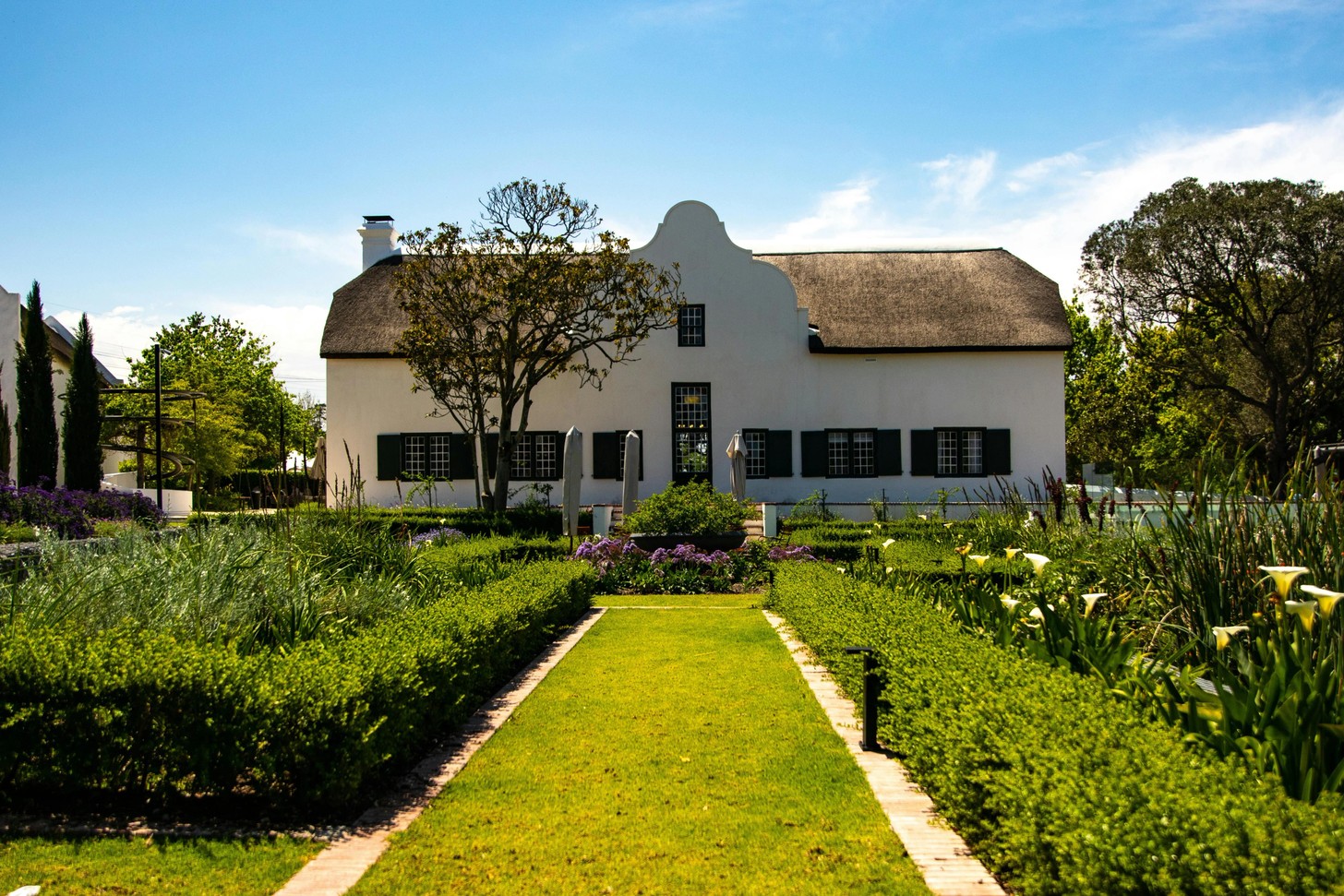
The Evolution of the Gable
The gable has always been the defining feature of Cape Dutch architecture. Historically, these decorative façades served as statements of craftsmanship and status, creating memorable silhouettes against the Cape landscape. In contemporary projects, architects are treating the gable less as ornament and more as architectural geometry.
Sharp lines replace decorative flourishes. Traditional curves are refined into simplified forms. In some homes, the gable is abstracted entirely, becoming a subtle reference rather than a literal recreation.
This approach allows architects to preserve the visual identity of Cape Dutch architecture while ensuring it feels relevant within minimalist contemporary environments. The result is architecture that feels timeless rather than historical.
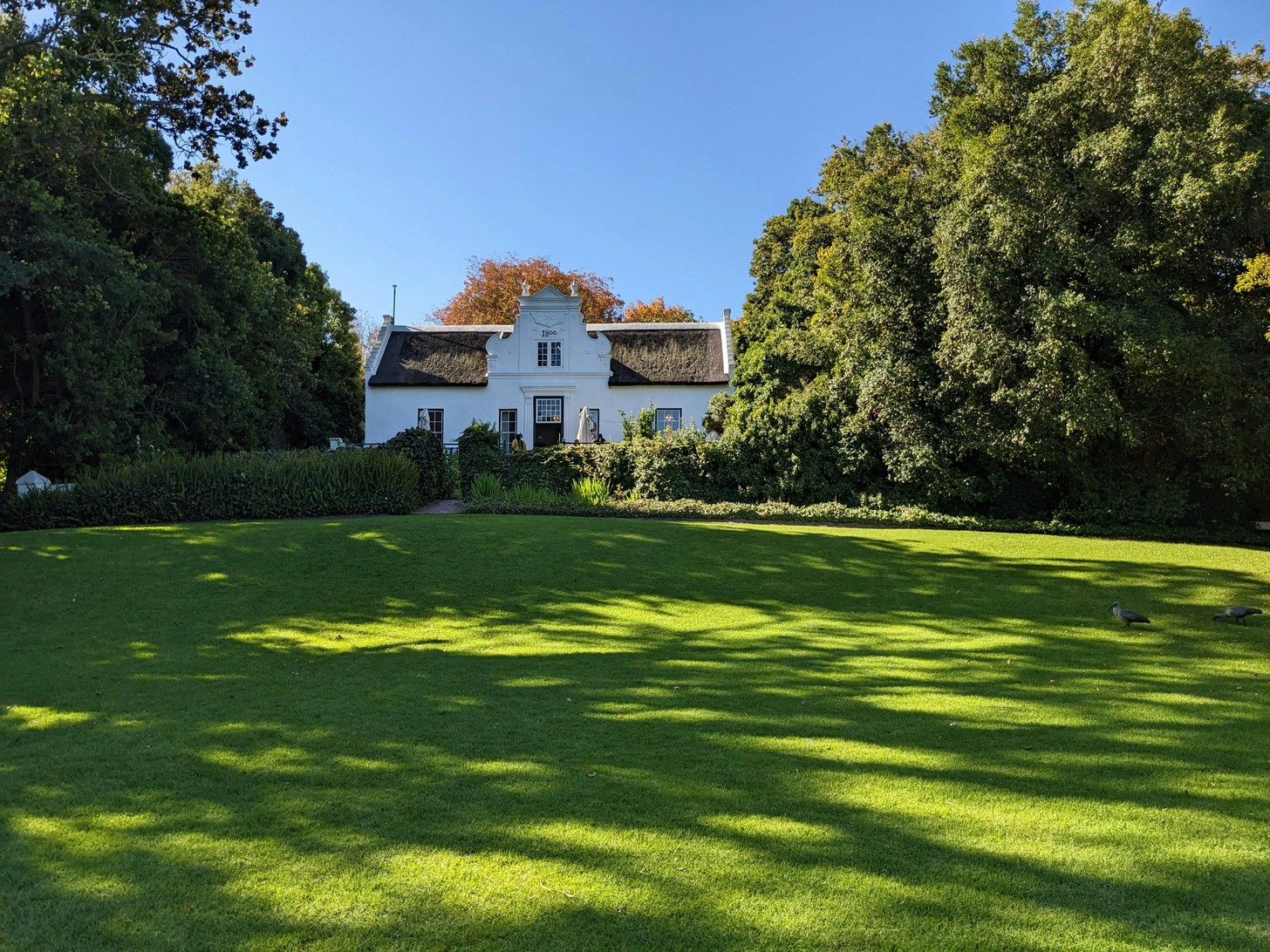
White Walls, Reimagined
Another enduring feature of Cape Dutch architecture is its characteristic whitewashed exterior. Originally practical as well as beautiful, lime-washed walls reflected heat and helped protect buildings from the elements. Today, white remains a dominant feature in many contemporary interpretations, but its role has evolved.
Against minimalist forms and expansive glazing, crisp white façades create a sense of calm and clarity. They also provide an ideal backdrop for natural materials such as timber, stone and weathered steel.
In modern projects, the contrast between traditional white walls and contemporary detailing often becomes one of the home's most striking characteristics. The effect is familiar yet distinctly current.
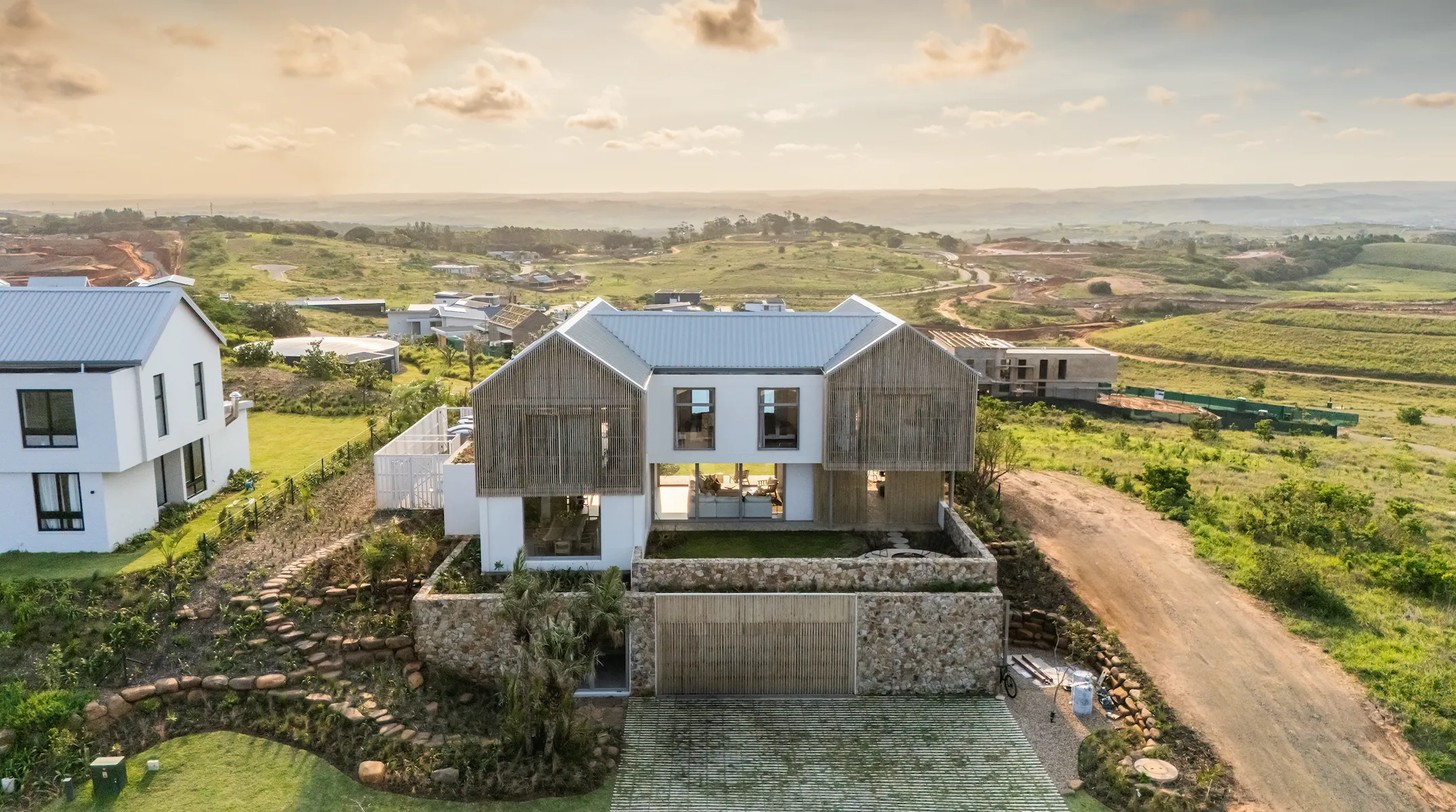
Opening Homes to the Landscape
Perhaps the greatest transformation has occurred in the relationship between interior and exterior spaces. Traditional Cape Dutch homes were designed around the environmental realities of their time, with relatively small windows and enclosed rooms. Contemporary lifestyles demand something different.
Modern interpretations frequently introduce floor-to-ceiling glazing, sliding glass walls and open-plan living spaces that connect directly to gardens, terraces and courtyards. These interventions maximise natural light while strengthening the connection between architecture and landscape.
In regions such as the Cape Winelands, this approach allows homes to frame dramatic mountain views while maintaining the visual language of historic farmsteads. The architecture becomes simultaneously inward-looking and expansive.
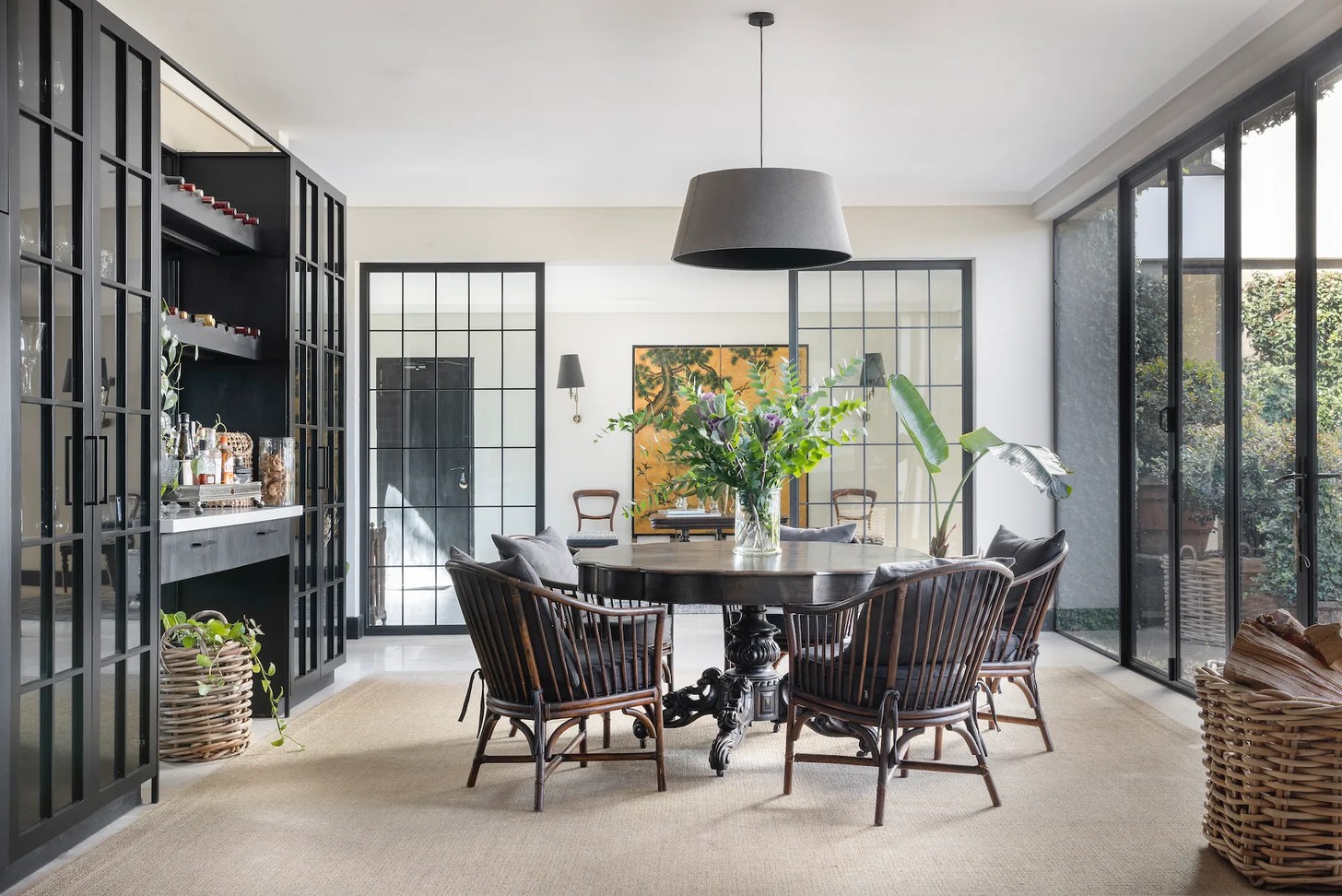
Minimalism Meets Heritage
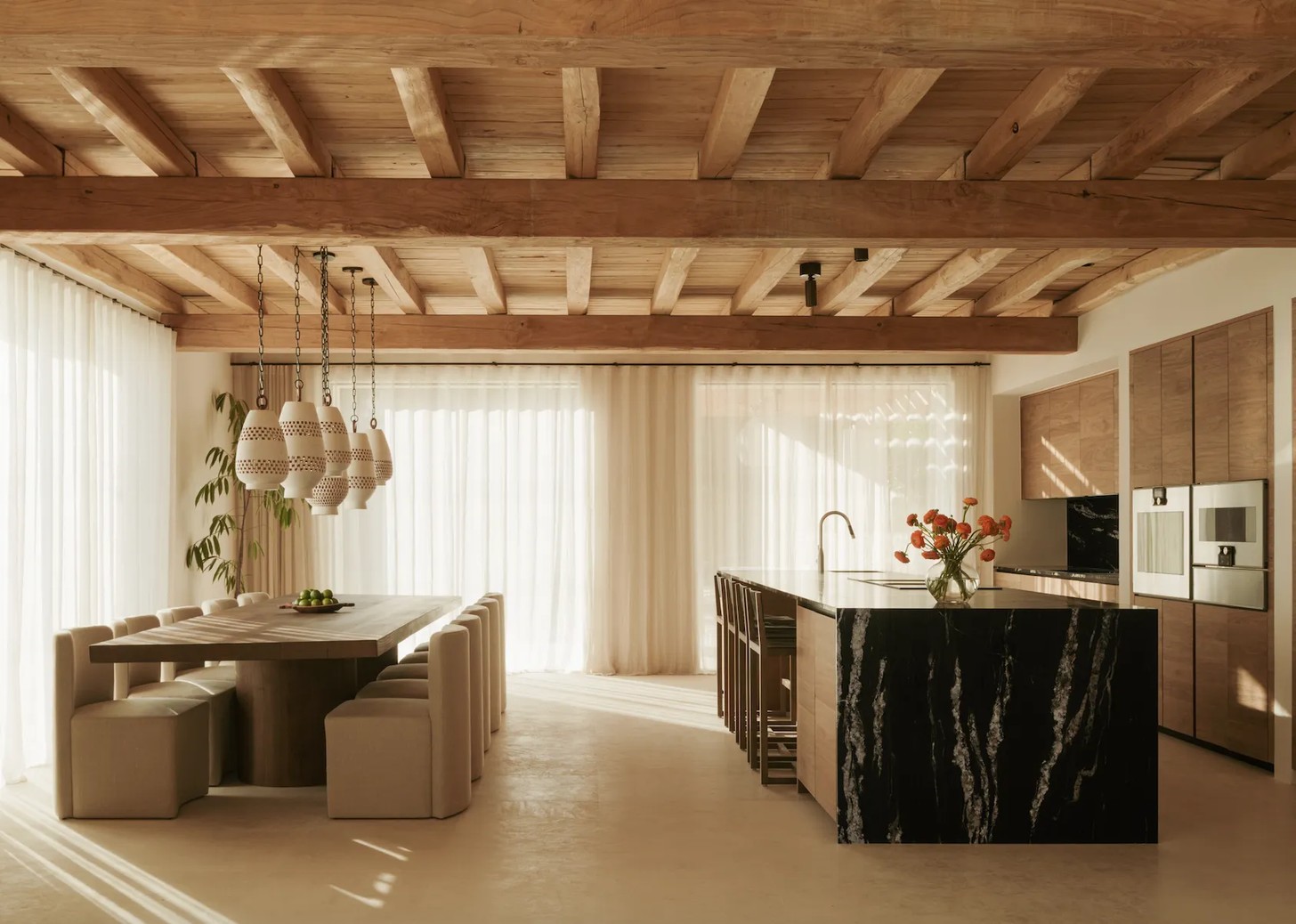
The influence of minimalism is evident throughout many contemporary Cape Dutch-inspired homes. Interiors tend to favour restrained palettes, natural materials and carefully edited furnishings. Exposed timber ceilings, polished concrete floors and handcrafted joinery often replace more decorative historical finishes. This reduction of visual clutter allows the architecture itself to take centre stage.
Volume, proportion and light become the defining design elements rather than ornamentation. The resulting spaces feel serene and highly functional, while still carrying echoes of their historical origins. For many homeowners, this balance represents the ideal marriage of heritage and modernity.
Sustainability Through Tradition
Interestingly, many principles embedded within historic Cape Dutch architecture align naturally with contemporary sustainability goals. Thick masonry walls provide thermal mass, helping regulate indoor temperatures. Deep verandas offer protection from harsh summer sun. Courtyards encourage natural ventilation and create sheltered outdoor living spaces.
Modern architects are increasingly incorporating these passive design strategies into new projects, combining traditional wisdom with contemporary technologies such as high-performance glazing, solar energy systems and water-saving infrastructure. This creates homes that are not only beautiful but also environmentally responsive.
A Distinctly South African Future
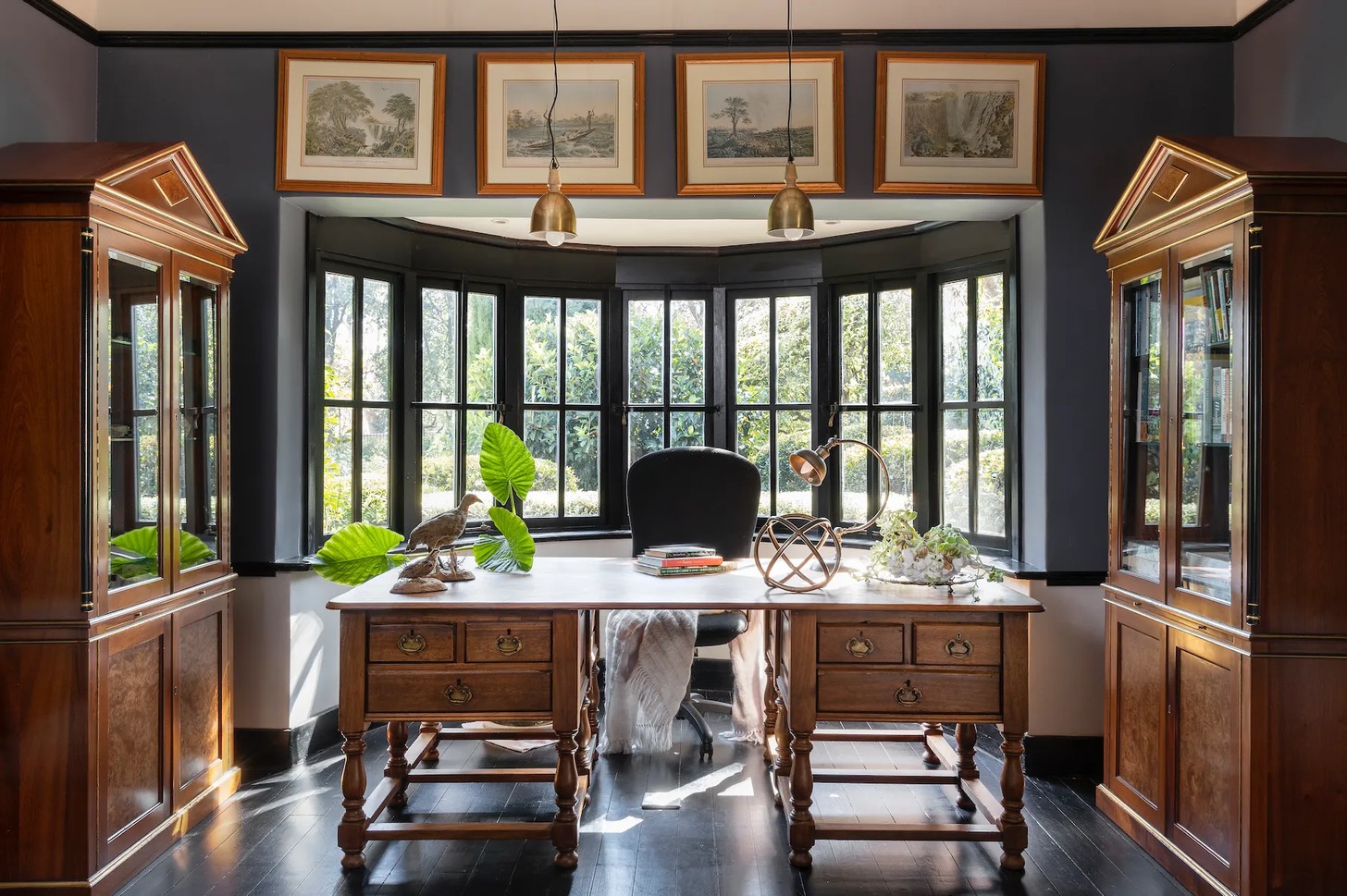
As global design trends become increasingly homogenised, the renewed interest in Cape Dutch architecture reflects a desire for homes with a stronger sense of place.
Rather than importing styles from abroad, architects are looking to local architectural history for inspiration, finding ways to reinterpret familiar forms for contemporary lifestyles. The result is a uniquely South African design language—one that respects heritage without becoming constrained by it.
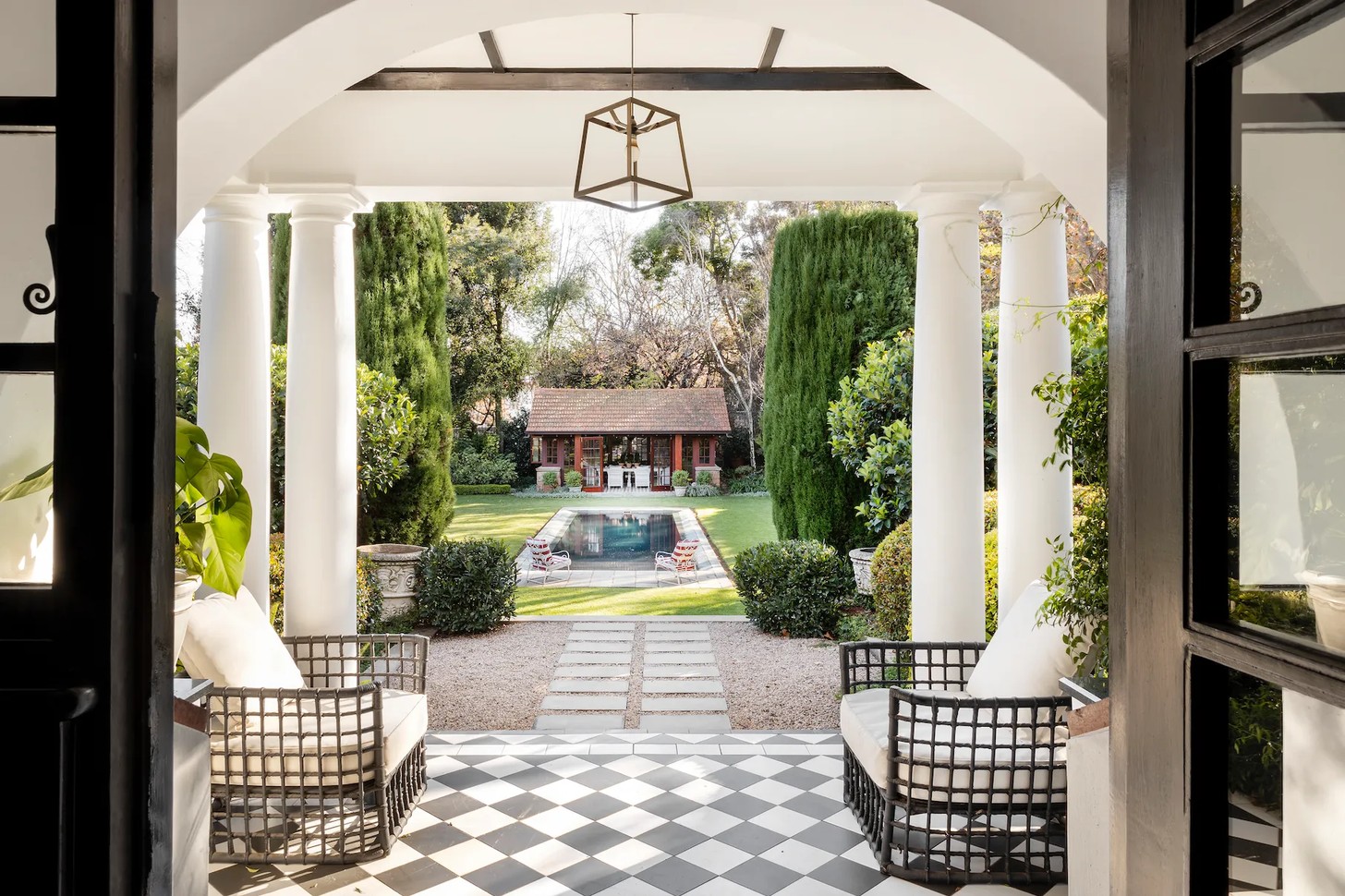
Modern Cape Dutch architecture is not about recreating the eighteenth century. It is about understanding what made these buildings enduring in the first place and adapting those qualities for a new era.
By translating iconic gables into minimalist forms, opening interiors to the landscape and embracing simplicity over ornament, architects are ensuring that one of South Africa's most beloved architectural traditions continues to evolve.
Credits
Images: Pexels, Unsplash, Supplied, Vignette, Vigo Jansons


