
Coastal living has always held a particular allure in South Africa. From the Atlantic Seaboard’s dramatic granite outcrops to the softer dunes of the Garden Route and the subtropical stretches of KwaZulu-Natal, life by the ocean remains synonymous with light, freedom and a deeply rooted sense of place. But as climate realities shift and architectural thinking evolves, the idea of the “beach house” is being redefined.
The future of coastal living in South Africa is no longer just about uninterrupted sea views and expansive decks. It is about resilience, responsibility and a more thoughtful relationship between home and environment.

Designing for a Changing Coastline
Across the country, architects are responding to a coastline that is increasingly shaped by rising sea levels, stronger winds and more unpredictable weather patterns. This has led to a fundamental shift in how coastal homes are conceived. Rather than fighting the elements, new design approaches work with them.
Elevated structures, reinforced foundations and strategic setbacks are becoming standard considerations, particularly in exposed coastal zones. Homes are being designed to withstand salt-laden air, storm surges and high humidity without compromising comfort or aesthetic quality. In this context, durability is no longer a luxury feature — it is a baseline requirement.
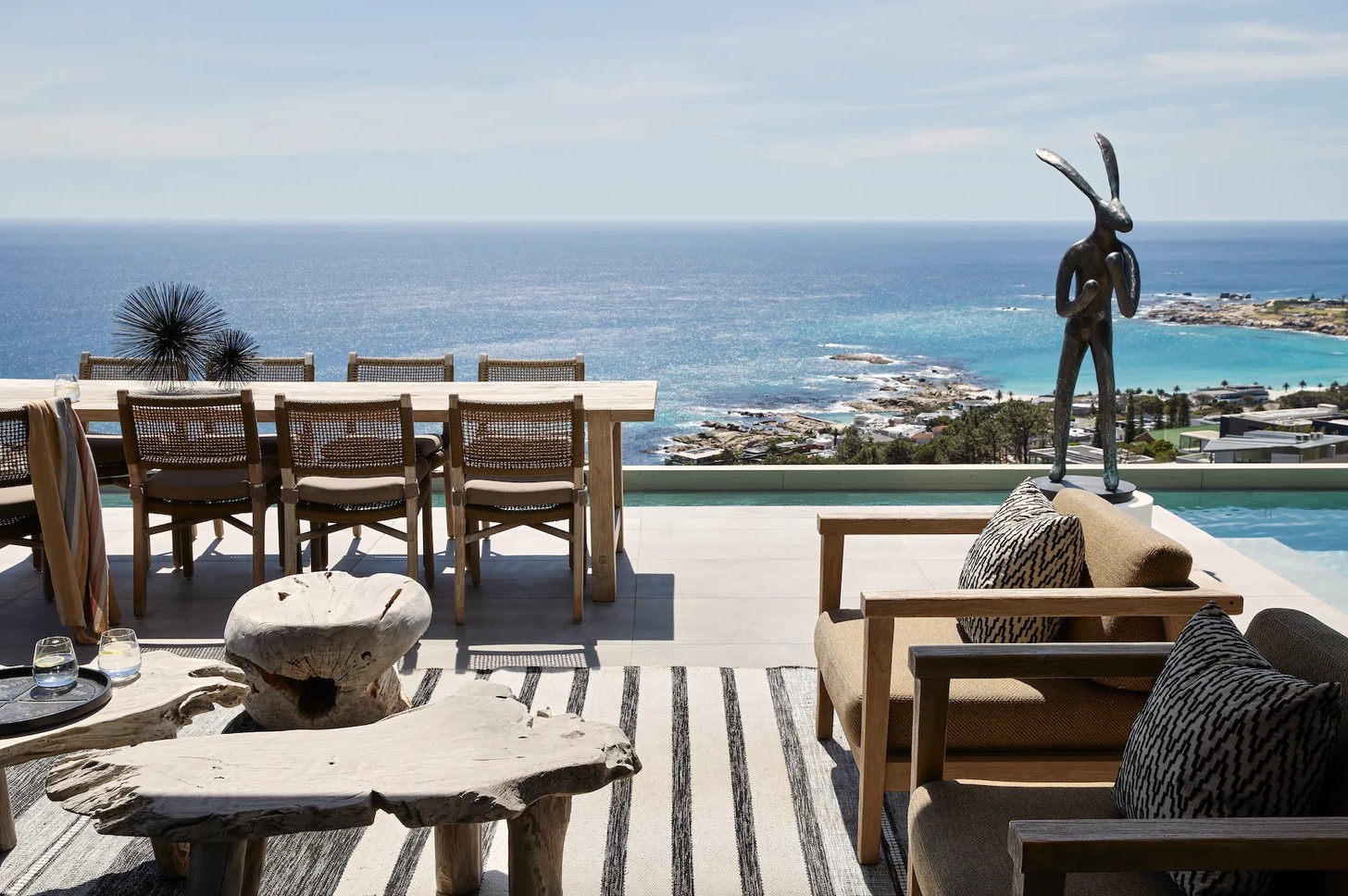
Materials such as treated timber, natural stone, fibre cement cladding and marine-grade metals are increasingly favoured for their ability to age gracefully in harsh coastal conditions. The goal is not to resist the environment, but to adapt to it intelligently.
The Rise of Climate-Conscious Architecture
One of the most significant shifts in coastal design is the rise of climate-conscious architecture. Where large glass façades once defined luxury seaside homes, there is now a more nuanced approach to glazing and orientation. Architects are prioritising cross-ventilation, shading and passive cooling strategies to reduce reliance on artificial climate control.
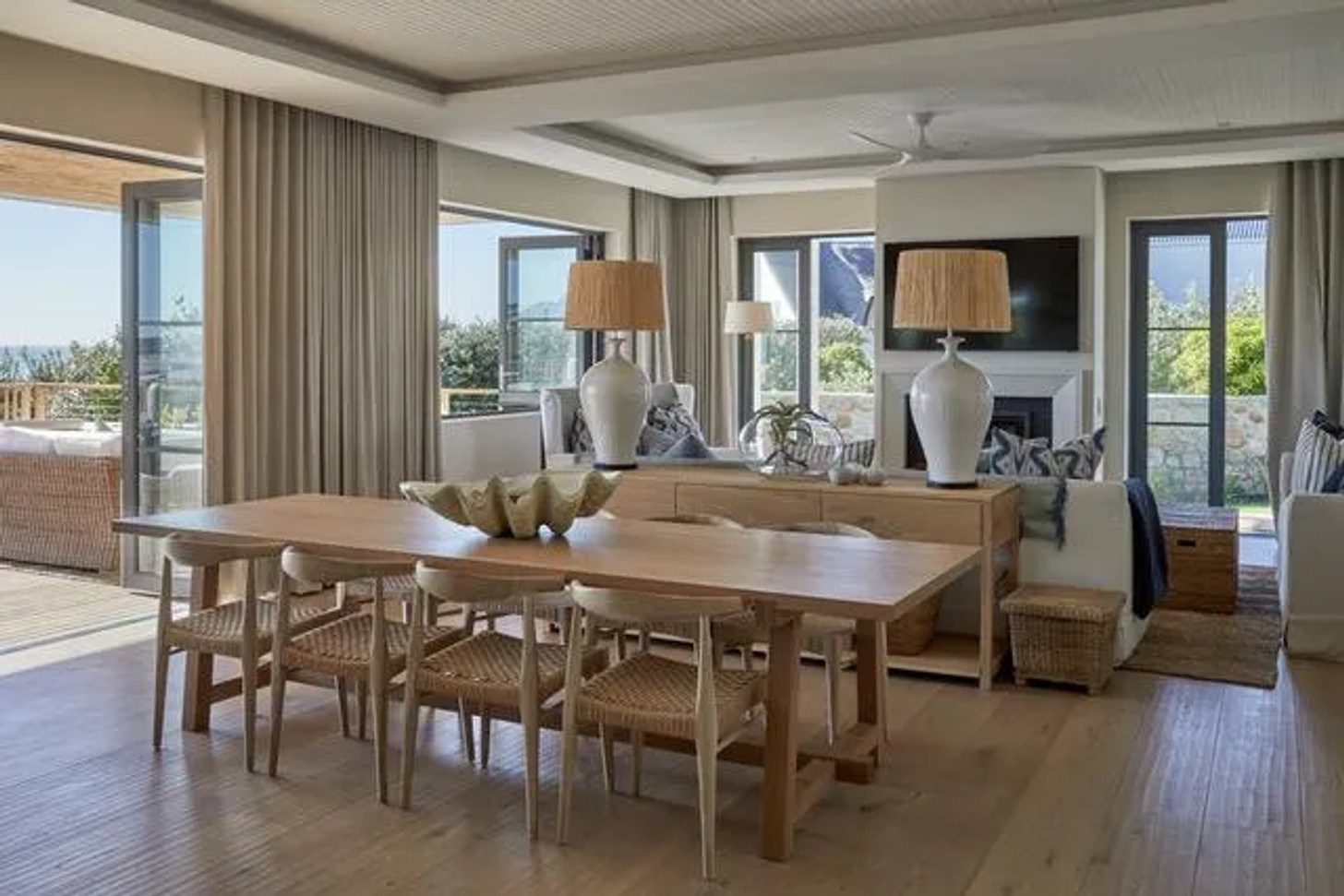
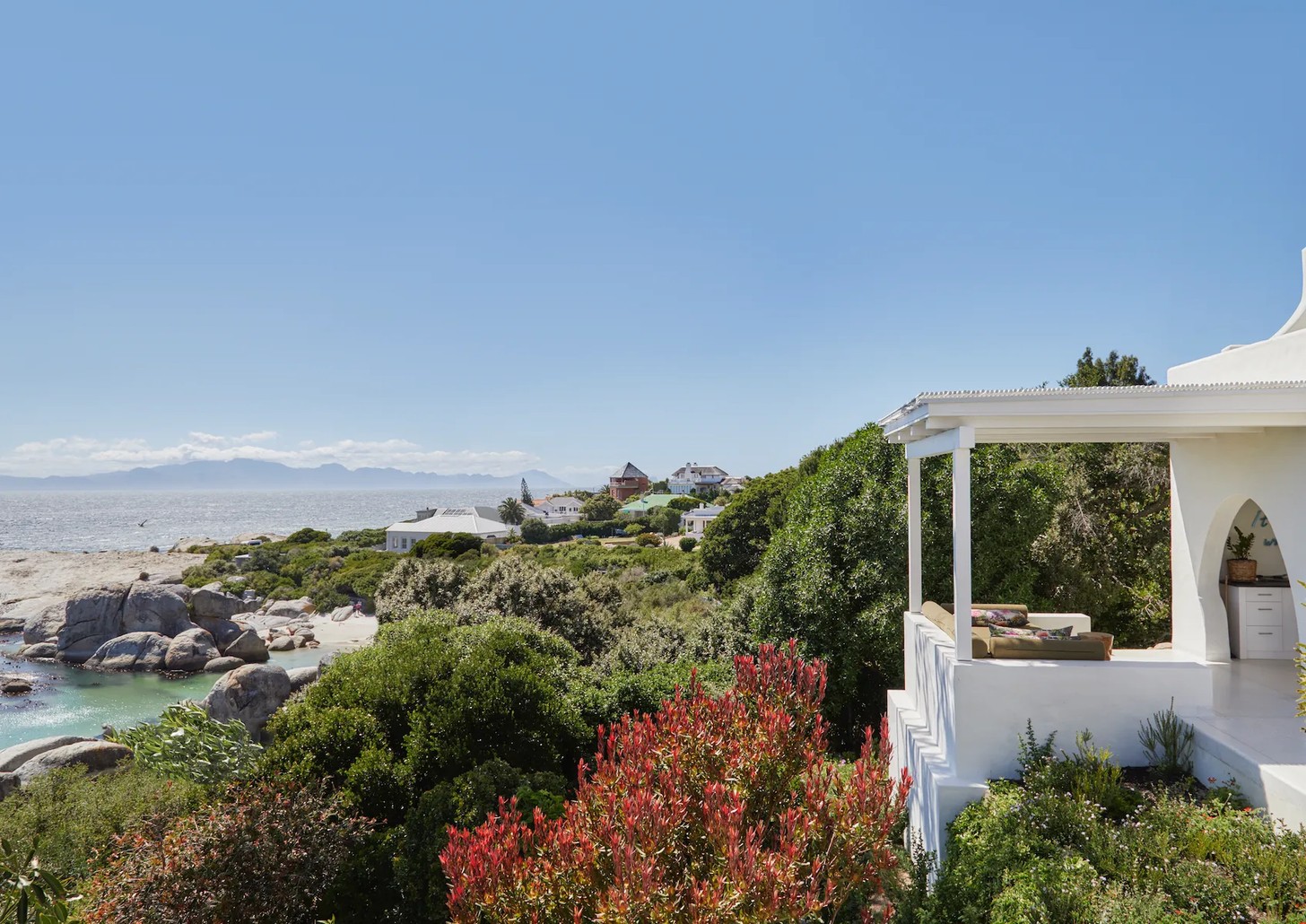
Deep overhangs, courtyards and shaded verandas are being reintroduced — not as nostalgic references, but as practical responses to sun exposure and heat management. This return to climate-responsive design is particularly relevant in South Africa, where coastal regions can experience both intense summer heat and strong winter storms within the same year. Homes are becoming more intelligent in how they sit within their landscapes, maximising comfort while minimising environmental impact.
Indoor–Outdoor Living, Rebalanced
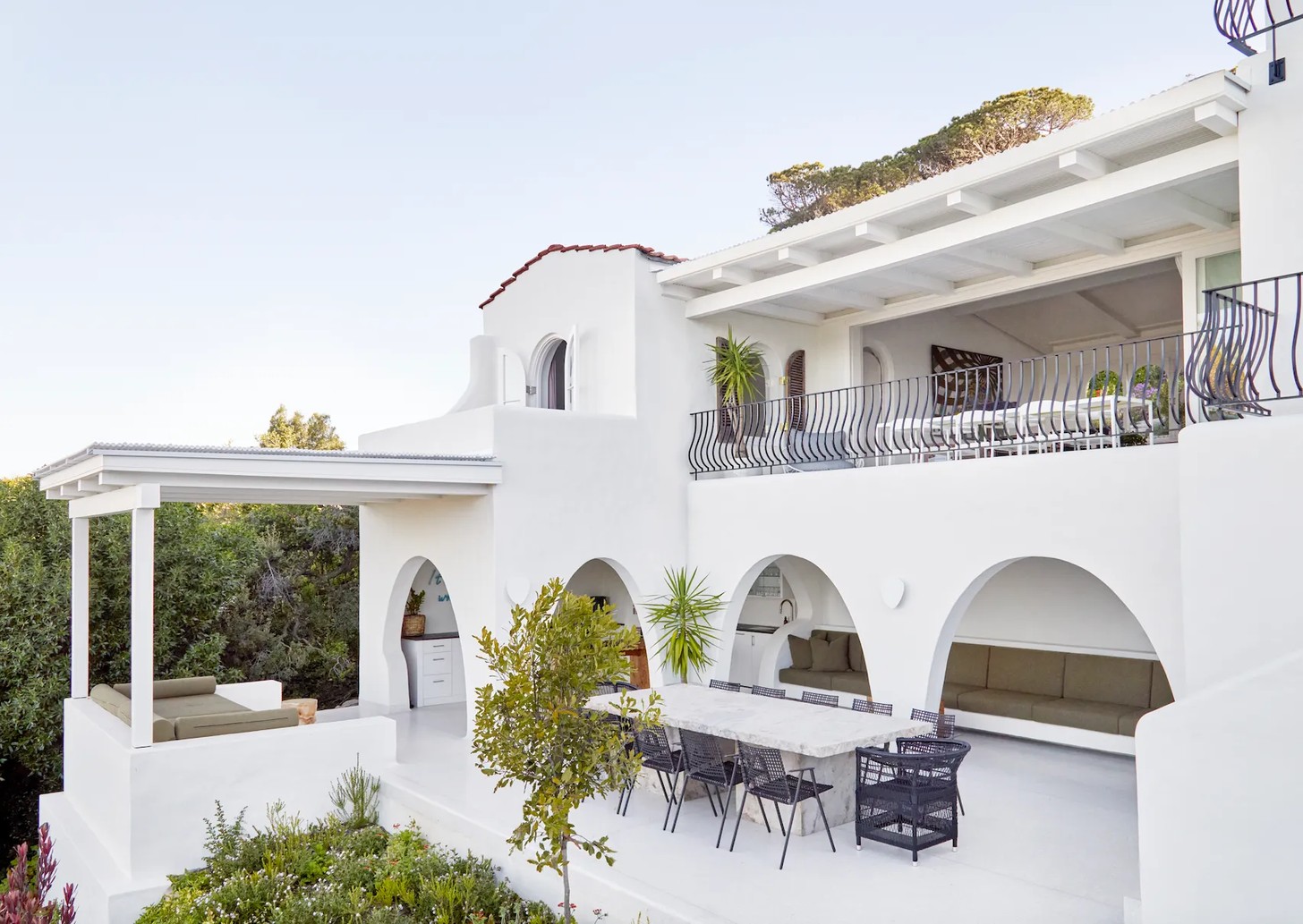
South African coastal homes have long celebrated the blurred boundary between inside and outside living. But this relationship is being refined rather than simply expanded. Instead of vast, exposed terraces that dominate older beachfront properties, contemporary designs are favouring layered outdoor spaces. Sheltered courtyards, wind-protected patios and semi-enclosed verandas offer flexibility throughout the year.
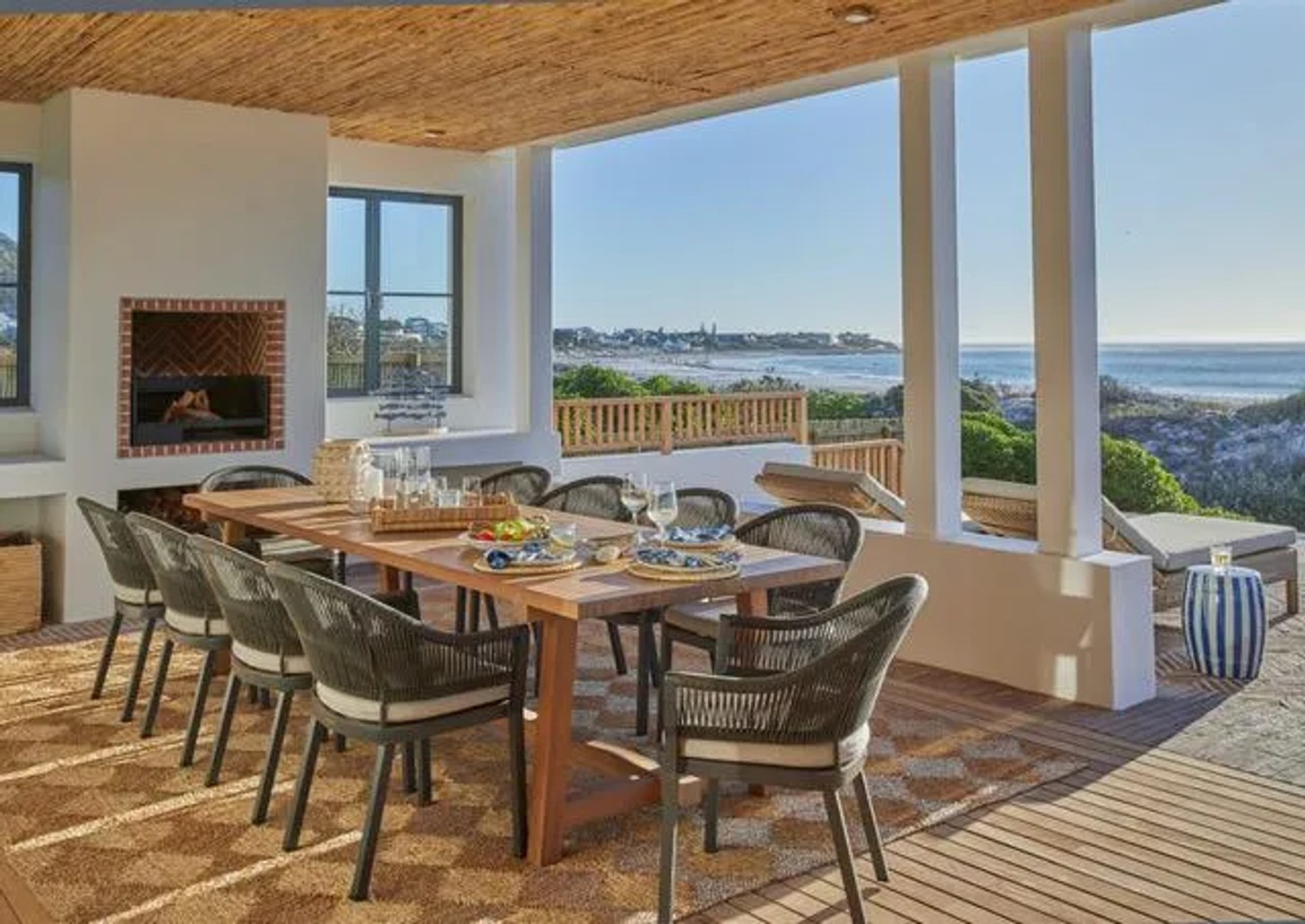
This creates a more usable, adaptable relationship with the outdoors — one that acknowledges that coastal weather is not always predictable. Large sliding doors and operable screens still play a role, but they are now paired with thoughtful spatial planning that allows homes to remain open without being vulnerable. The result is a more balanced form of coastal living—one that prioritises comfort as much as connection.
A Shift Towards Local Materials and Identity
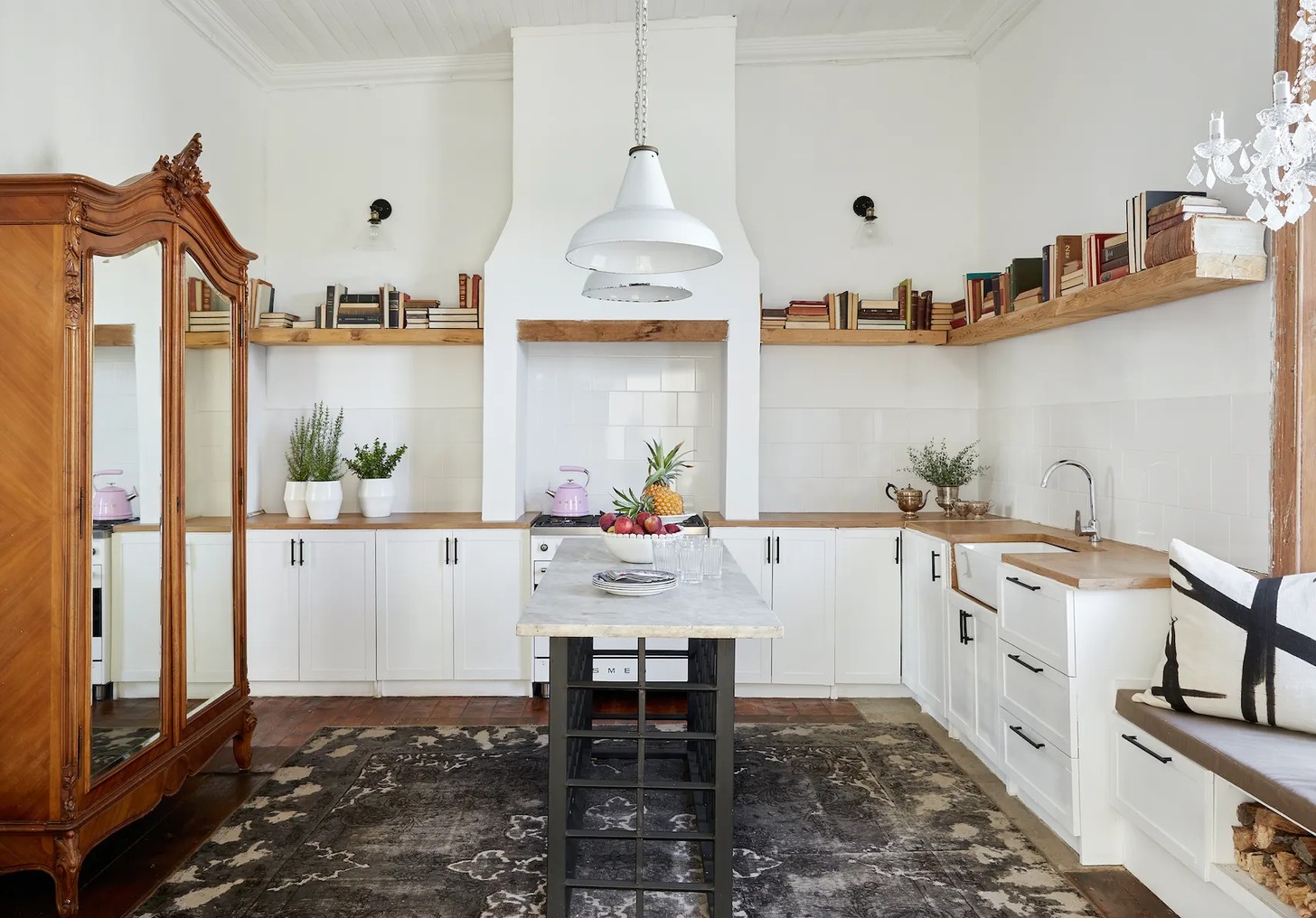
Another defining trend is the renewed interest in local materials and vernacular references. Rather than importing generic “beach house” aesthetics, architects are increasingly drawing from South Africa’s own coastal building traditions. Whitewashed masonry, natural plaster finishes and locally sourced timber are being reinterpreted in contemporary forms.
This approach not only reduces environmental impact but also strengthens the architectural identity of coastal homes. There is a growing recognition that a South African coastal house should feel distinctly of its place — not a replication of global beach aesthetics, but something grounded in local climate, culture and craft. The result is a more authentic expression of coastal luxury: understated, tactile and regionally aware.
Sustainability as a Design Principle, Not an Add-On
Sustainability is no longer treated as a secondary consideration in coastal architecture. It is becoming embedded in the earliest stages of design. Solar energy systems, rainwater harvesting, greywater recycling and energy-efficient insulation are increasingly standard in new coastal developments. Landscaping is also evolving, with indigenous, drought-resistant planting replacing high-water lawns.
This shift reflects a broader change in how homeowners define value. Luxury is no longer measured solely by size or location, but by efficiency, longevity and environmental responsibility. In coastal contexts, this is particularly important. Fragile ecosystems require careful stewardship, and well-designed homes can actively contribute to their preservation rather than their degradation.
A New Aesthetic of Coastal Calm
Aesthetically, the future of coastal living is moving towards restraint. Where once coastal interiors were defined by nautical motifs and overt thematic styling, contemporary homes are embracing a quieter, more sophisticated palette. Soft neutrals, textured surfaces and natural materials dominate, allowing views and light to take centre stage.
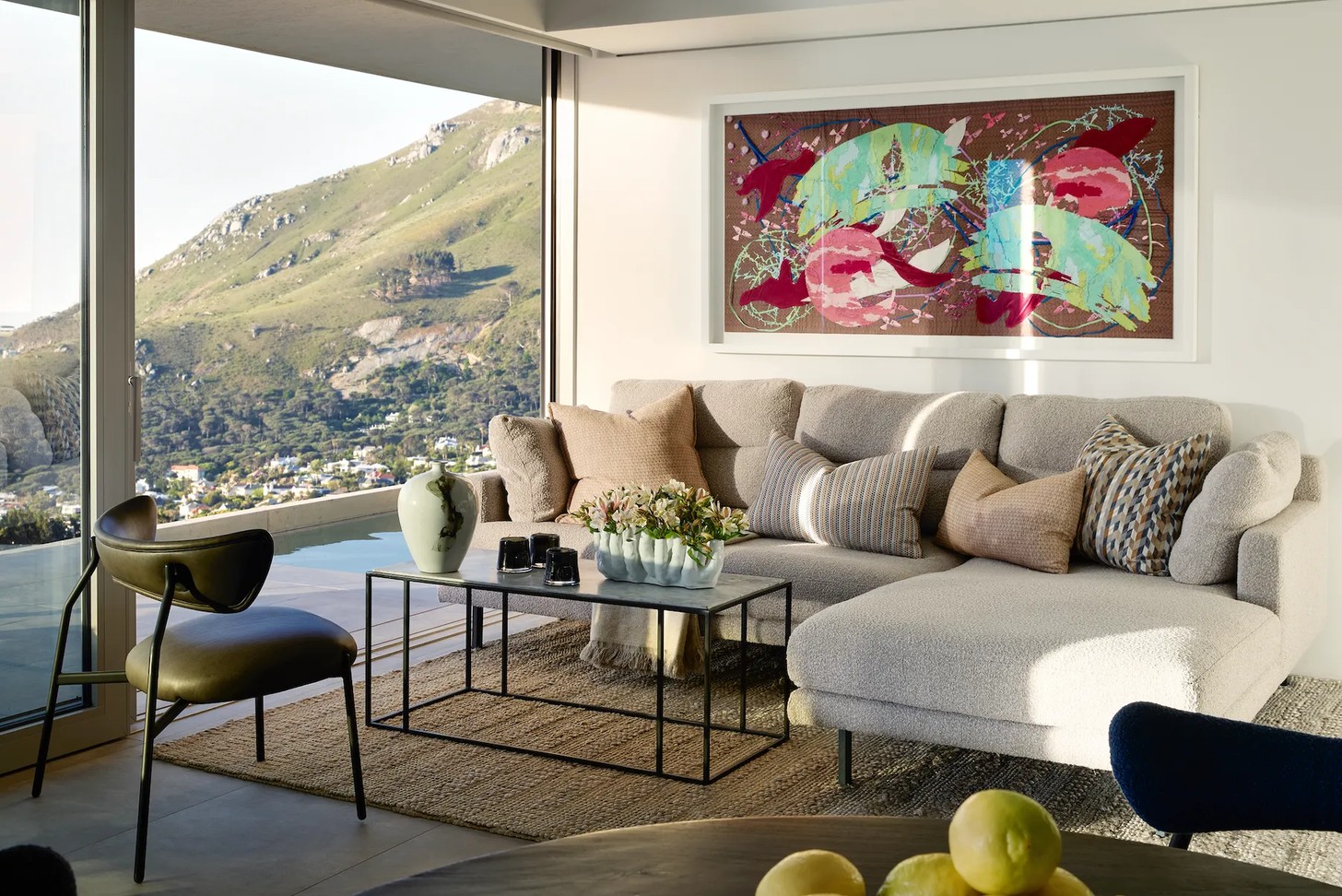
This approach aligns with a broader global trend towards minimalism, but in the South African context it is deeply connected to landscape. The ocean, sky and surrounding vegetation become the primary visual elements, with architecture serving as a frame rather than a focal point. It is a shift from decoration to atmosphere.
Living with the Ocean, Not Beside It
Ultimately, the future of coastal living in South Africa is about recalibrating the relationship between people, homes and the sea. As environmental pressures increase and architectural thinking evolves, the most successful coastal homes will be those that embrace adaptability, respect natural systems and reflect a deep understanding of place.
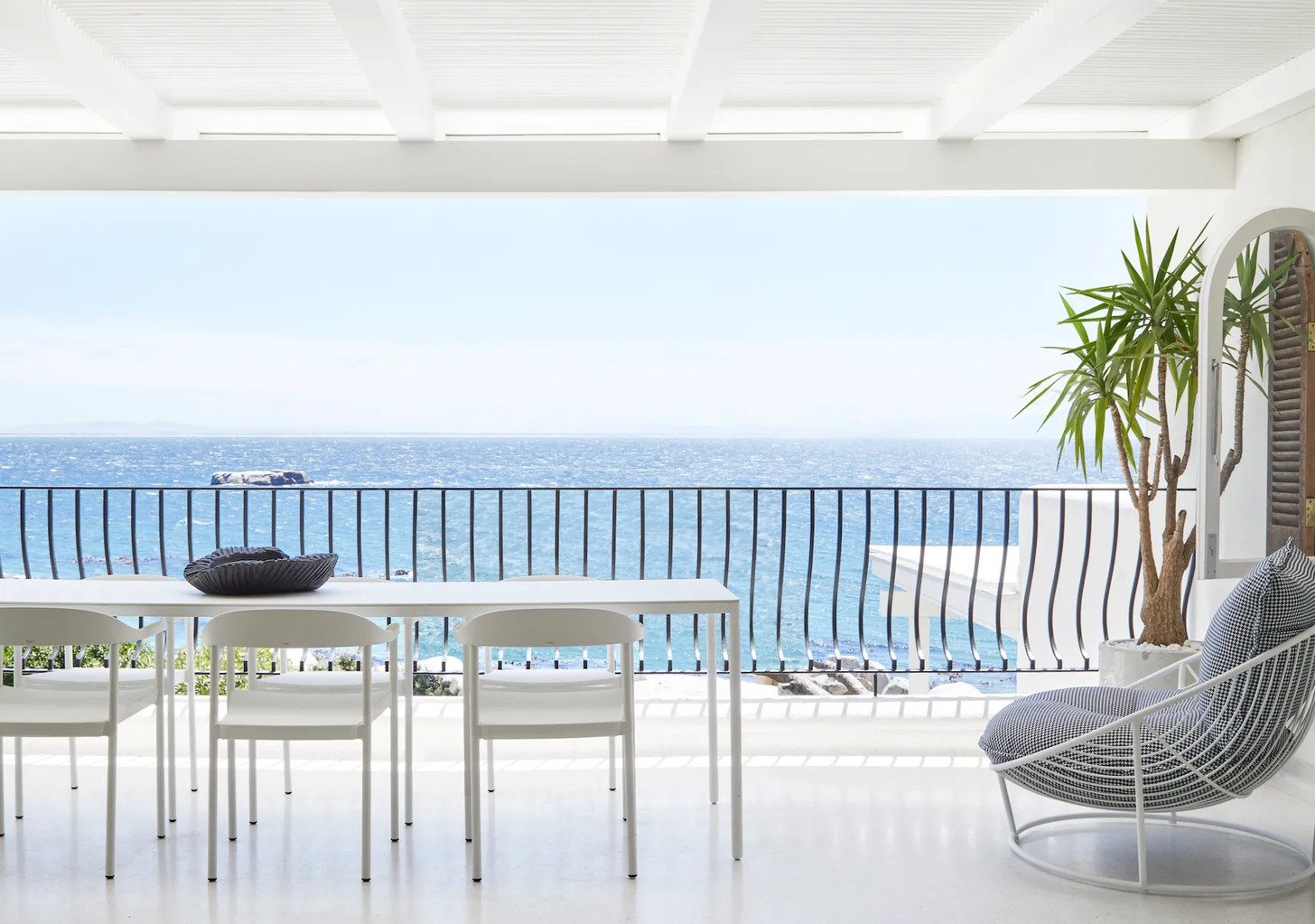
They will be designed not just for views, but for longevity. Not just for leisure, but for living well across seasons and conditions. In this way, coastal architecture is becoming more grounded, more intelligent and more attuned to the realities of its environment.
Credits
Images: Carmel Brantley, Elsa Young, Greg Cox


