
For many travellers, a safari sits firmly at the top of the bucket list. Few experiences compare to watching elephants move silently across a plain at sunrise, or hearing lions call in the distance after dark – yet planning a safari can feel surprisingly overwhelming. With countless destinations, lodge styles and wildlife experiences on offer, knowing where to begin is often the hardest part.
The good news is that the best safari isn't necessarily the most expensive or the most exclusive. It's the one that aligns with your interests, travel style, and expectations. Before you start comparing lodges and booking flights, here are eight things worth considering.

1. Decide What Kind of Safari Experience You Want
Not all safaris are created equal.
Some travellers dream of seeing the Big Five, while others are more interested in photography, birdwatching, walking safaris, or spending time in remote wilderness areas far from other vehicles. Families may prioritise child-friendly activities, while honeymooners may be looking for privacy and romance.
Understanding what you want from the experience will help narrow down destinations and accommodation options far more effectively than choosing a place first.
2. Think Beyond the Big Five
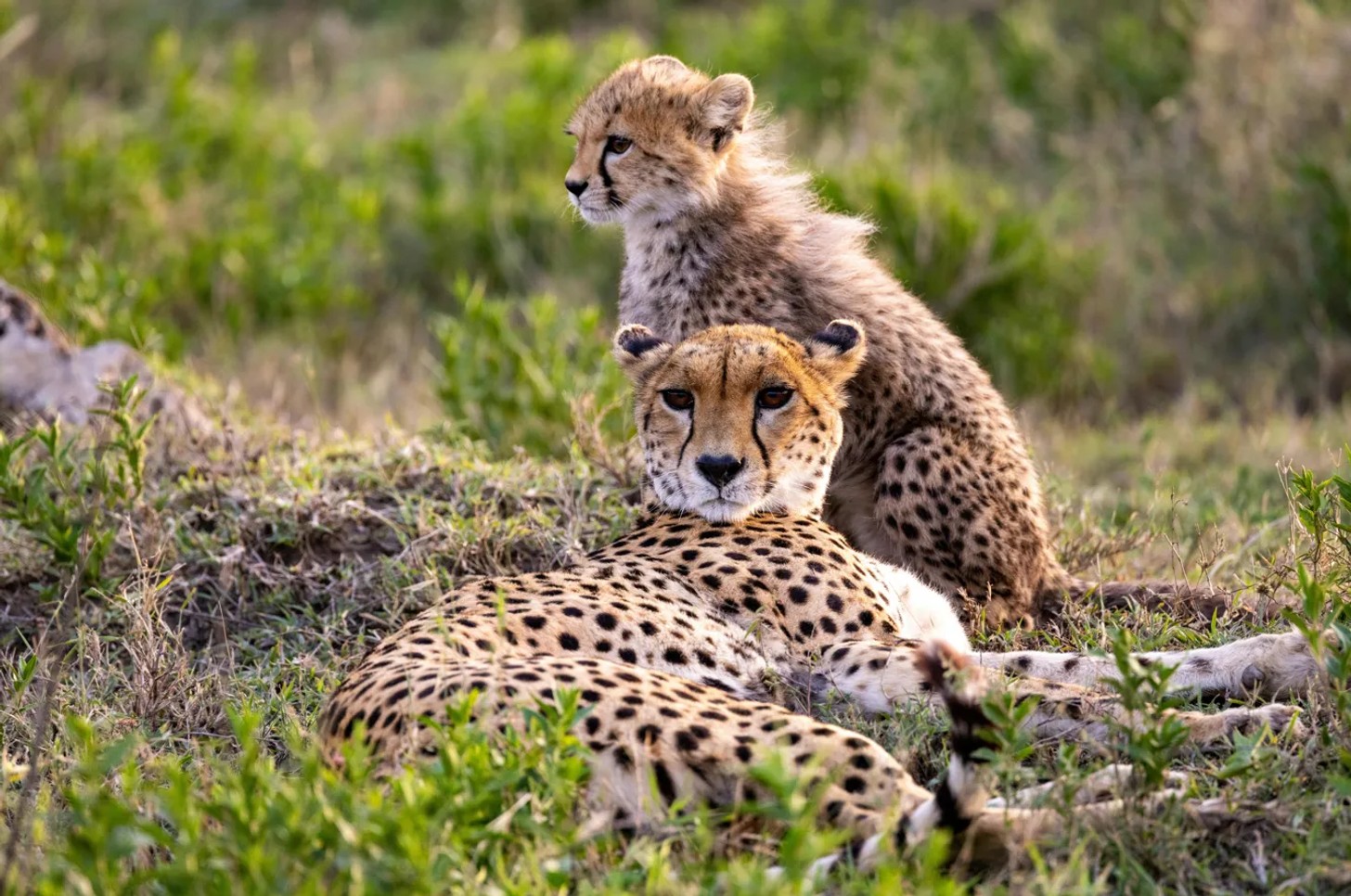
The Big Five remains one of Africa's greatest draws, but focusing solely on a checklist can sometimes mean missing the magic happening around you.
Some of the most memorable safari moments involve watching a herd of elephants interact, observing wild dogs on a hunt or spending an hour with a family of giraffes. The landscapes, birdlife and smaller creatures often become just as significant as the more common sightings.
A great safari is about immersion in an ecosystem, not just about ticking off animals.
3. Timing Can Change Everything
The same destination can offer vastly different experiences depending on the season.
Dry months typically provide easier wildlife viewing as animals gather around water sources and vegetation becomes less dense. Green seasons, on the other hand, bring dramatic landscapes, migrated birds, newborn animals, and often less visitors.
Before booking, consider what appeals most to you. Some travellers prioritise wildlife density, while others are drawn to lush scenery and quieter camp sites.
4. Location Matters More Than the Lodge
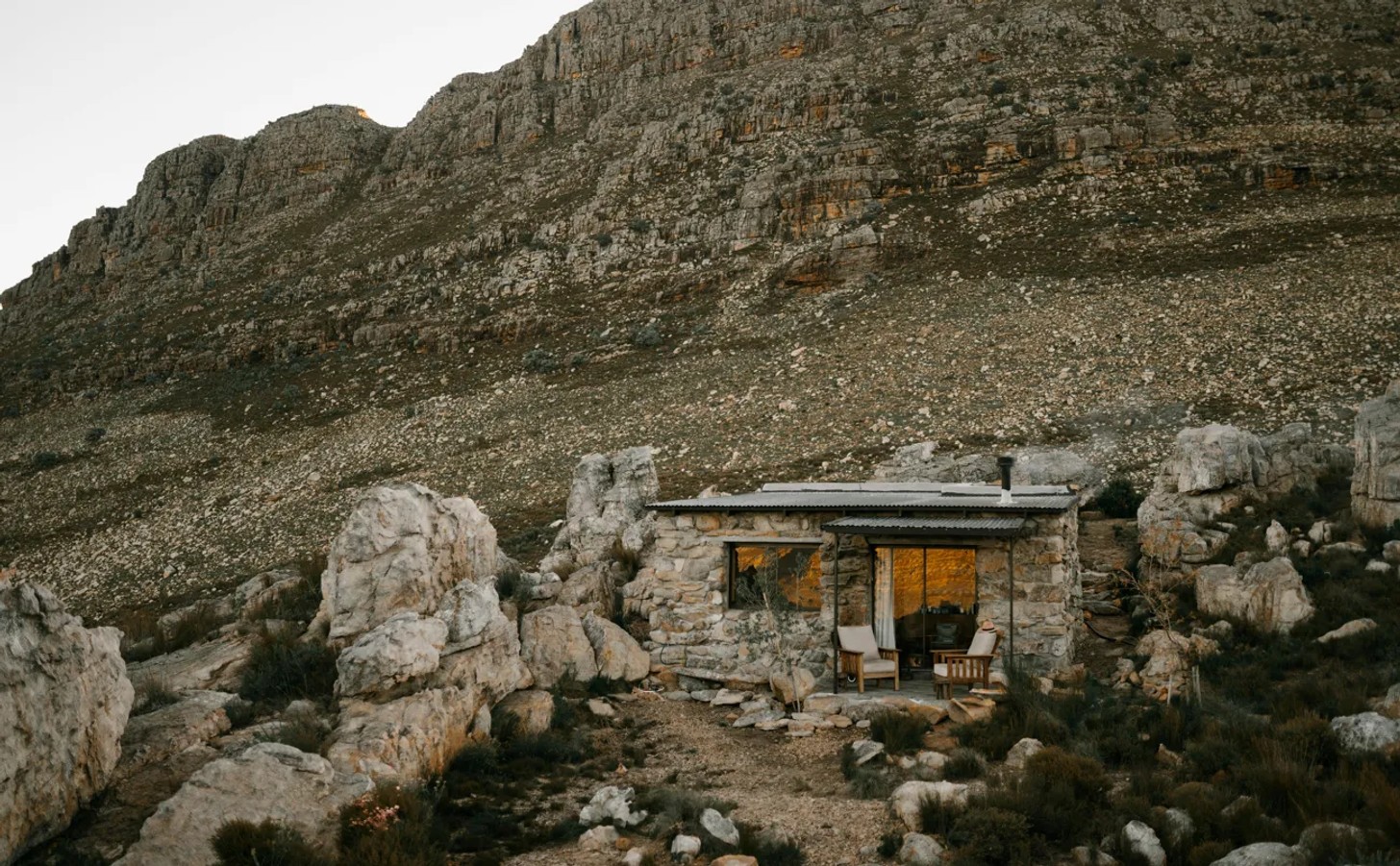
It's easy to fall in love with beautiful images of luxury suites and infinity pools, but the location of a lodge often has a greater impact on the overall experience.
A modest camp in an exceptional wildlife area can provide far more memorable game viewing than a lavish property in a less active region. Research the reserve, ecosystem, and wildlife opportunities before becoming too attached to what happens inside.
After all, most of your waking hours will be spent exploring the bush rather than sitting in your room.
5. Consider How Much Time You Actually Need
One of the most common mistakes travellers make is trying to fit too much into a single trip.
While it can be tempting to combine multiple countries and several lodges, safari travel is best enjoyed at a slower pace. Spending three or four nights in one location allows you to settle into the rhythm of the bush and might increase your chances of witnessing extraordinary wildlife encounters.
The longer you stay, the more the landscape begins to reveal itself.
6. Ask About the Guiding Experience
A knowledgeable guide can transform a safari experience.
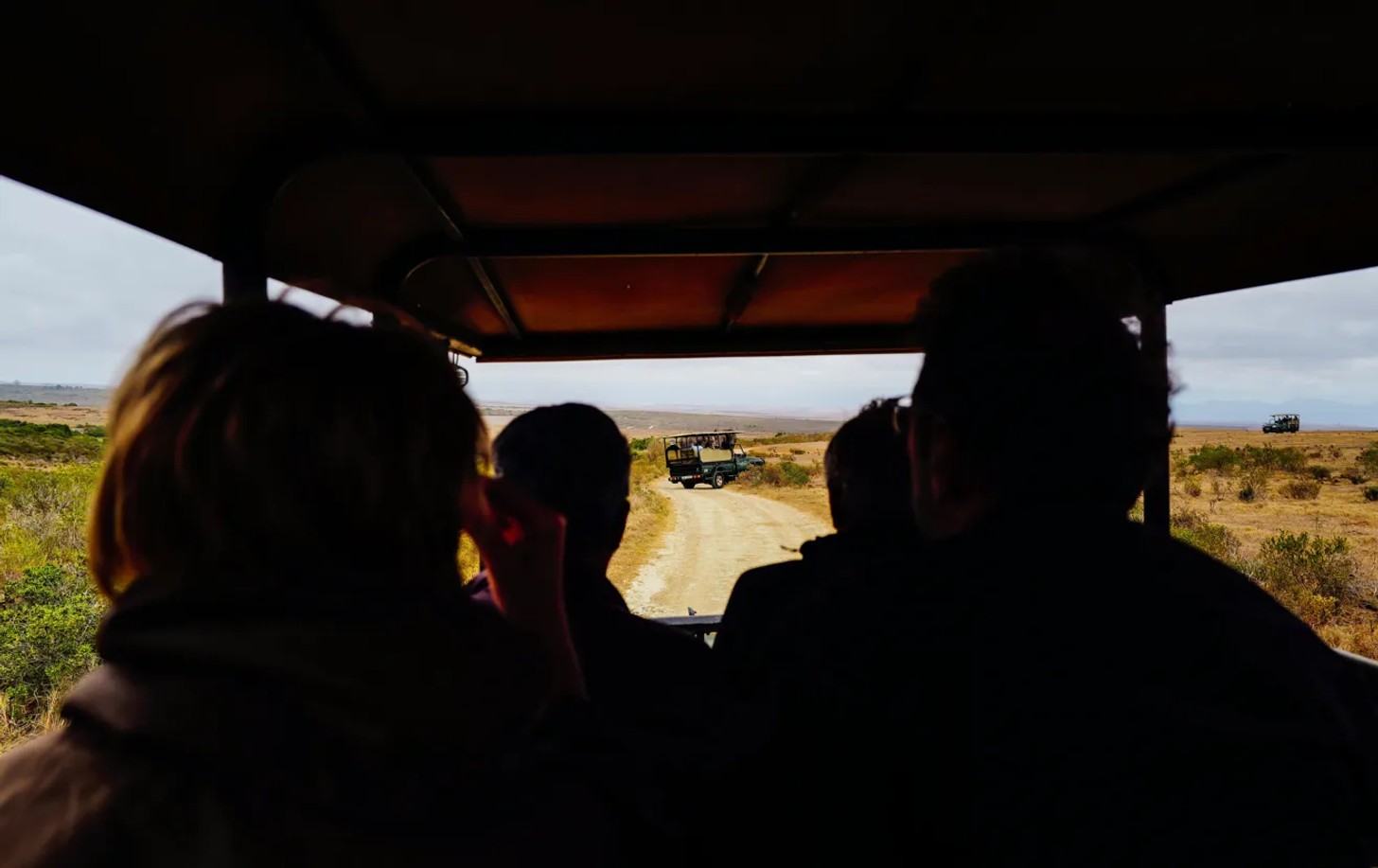
The difference between simply spotting an animal and understanding its behaviour, habitat, and role within the ecosystem often comes down to the person leading the experience. Great guides bring stories, insight, and context to every game drive, helping guests see the wilderness through a different lens.
When researching safari properties, it's worth paying attention to the guiding philosophy as much as the accommodation itself.
7. Understand What's Included
Safari pricing can vary significantly, and appearances can sometimes be misleading.
While one lodge may seem more expensive upfront, it could include game drives, meals, drinks, transfers and conservation fees. Another may charge separately for many of these elements.
Understanding exactly what is included helps avoid surprises and allows for a more accurate comparison between options.
8. Look at Conservation Credentials
Today's travellers are sometimes interested in how their tourism spend contributes to local communities and environmental protection.
Many safari operators invest heavily in wildlife conservation, habitat restoration, anti-poaching initiatives, and community development projects. Choosing properties that actively support these efforts can add a deeper sense of purpose to your journey.
A safari is ultimately about experiencing nature. Supporting those who help protect it ensures these landscapes remain for future generations.
The Best Safari Is the One That Feels Right for You
There is no single formula for the perfect safari. For some, it may involve tracking rhino on foot through the bush. For others, it could mean watching elephants from a deck overlooking a river, or spending an evening beneath a sky filled with stars.
The most memorable safaris are rarely defined by luxury alone. They are shaped by timing, place, people, together with a sense of connection to the natural world.
By taking the time to consider what matters most to you before booking, you're far more likely to create a journey that exceeds expectations long after you've returned home.
Credit
Images: Pexels


