
Colour has never been just decorative in African art. Across the continent, it has carried memory, status, spirituality, place, and emotion – from indigo-dyed textiles and mineral pigments to beadwork, ochre-rich earth, and the saturated palettes of contemporary painting.
There is no single “African palette”. And that, perhaps, is the point.

Colour has been used to question history, reclaim identity, and to make sense of an increasingly complicated present time. Here are some of the shades defining the conversation.
Black & White
The most stripped-back palette can also be the most loaded.
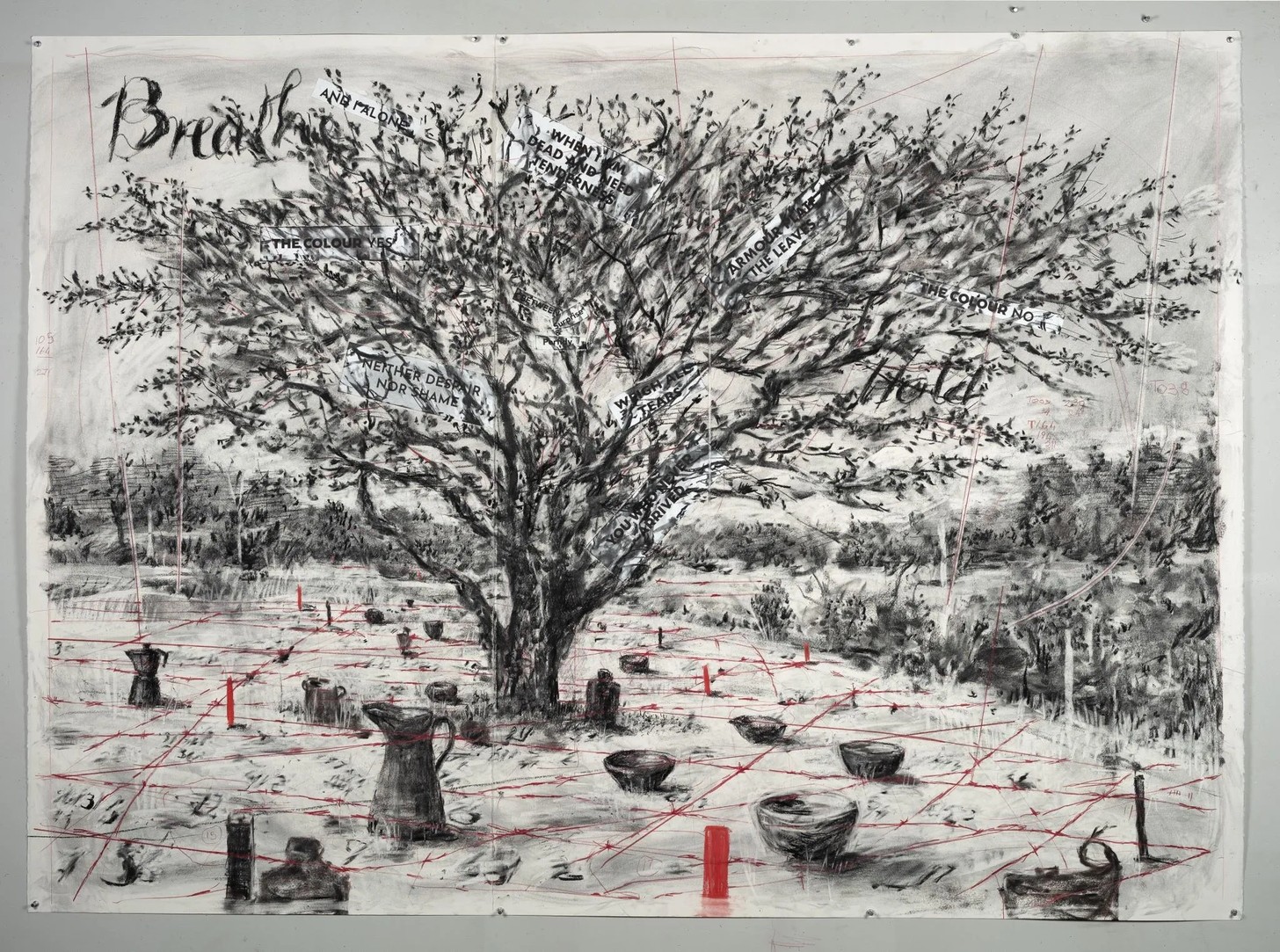
Black and white has carried meaning across African visual traditions, appearing in textiles, beadwork, body decoration, and graphic systems. In contemporary art, the pairing has taken on an especially powerful visual language: stark, architectural, and often introspective.
Artists such as William Kentridge have demonstrated how monochrome can hold enormous emotional weight, while across contemporary African art, black and white are frequently used to interrogate memory, representation, and the politics of looking.
There is also something compelling about the absence of colour. It makes every mark count.
Ochre, clay, rust
If some colours feel inherited from the paintbox, these feel mined.
Ochre, terracotta, umber, rust, and clay connect contemporary African art to the physical landscape – soil, stone, dust, architecture, and the materials beneath our feet. The Smithsonian's Earth Matters exhibition explored precisely this relationship, examining how artists across Africa use earth, mud, pigments, ash, and other natural materials as both substance and metaphor.
However, the earthy colour is far from old-fashioned. In contemporary work, it can feel surprisingly sophisticated: pared-back, tactile, and almost architectural. For instance, Ghanaian artist Ibrahim Mahama has made material, surface, and the traces of labour central to his practice.
Deep Blue
Blue arrives with depth.
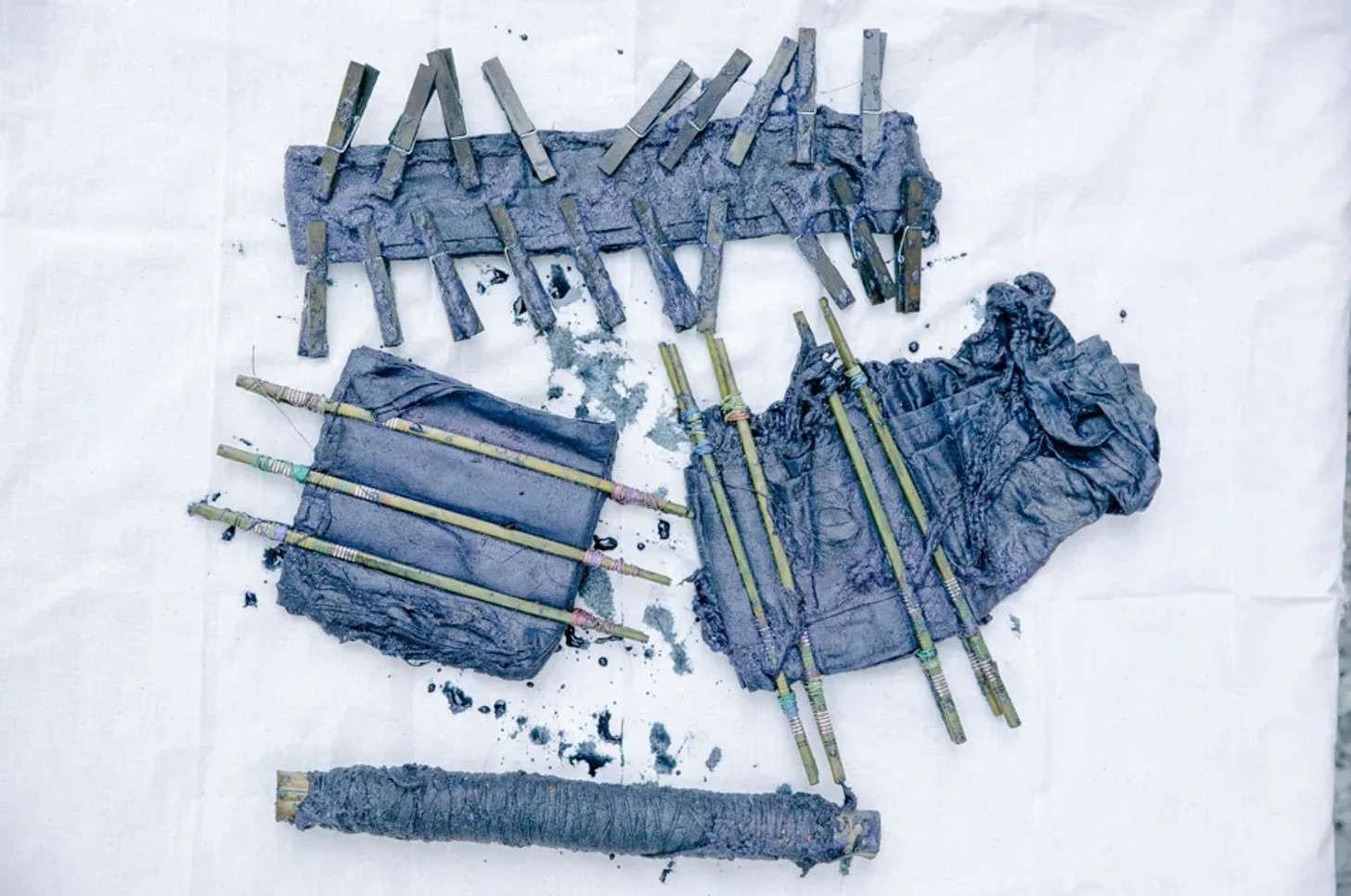
Think indigo, cobalt, ultramarine, midnight, and electric blue – colours that appear across African textiles and contemporary painting with very different meanings and moods.
Indigo has an especially rich history. In West African textile traditions, it has been used for centuries, while Nigeria's indigo-dyed ukara cloth creates an extraordinary contrast between deep blue grounds and white graphic symbols.
Contemporary artists have taken that visual intensity and made it their own. Blue can also suggest water, sky, and distance; it can feel spiritual, cinematic, or melancholic.
Red with a pulse
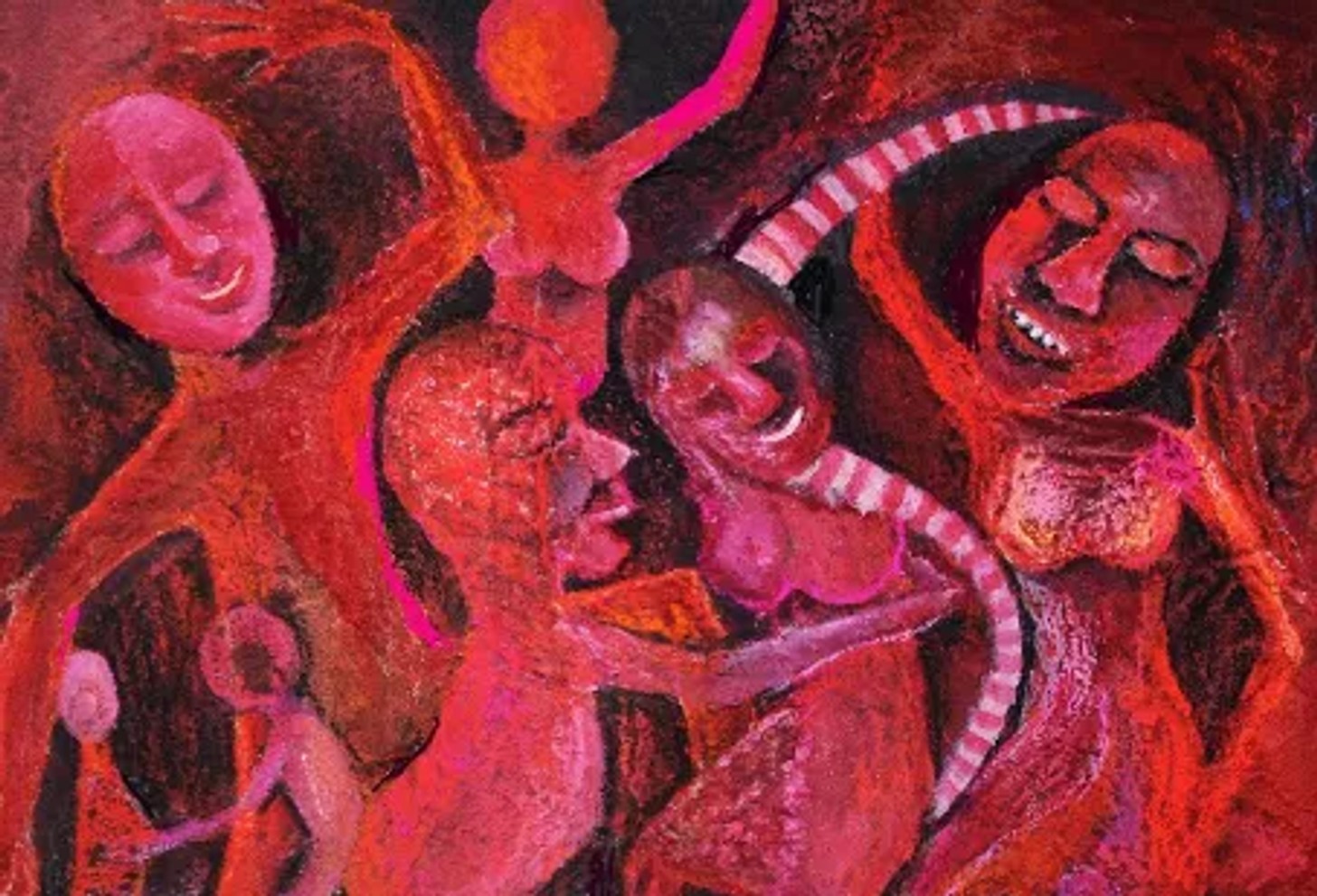
Across African visual cultures, its associations are complex and highly specific to place and tradition, but it repeatedly appears as a colour of vitality, power, blood, sacrifice, struggle, and life. The Colours of Africa project by Design Indaba and Google Arts & Culture even describes red through ideas ranging from history and memory to vitality, sustenance, and freedom.
That emotional charge remains unmistakable in contemporary art.
Look at El Anatsui's monumental installations: gold, red, and black recall the visual richness of Kente while being transformed into shimmering sculptures from discarded metal.
Red here isn't simply a colour. It is a provocation.
Yellow, gold and the light
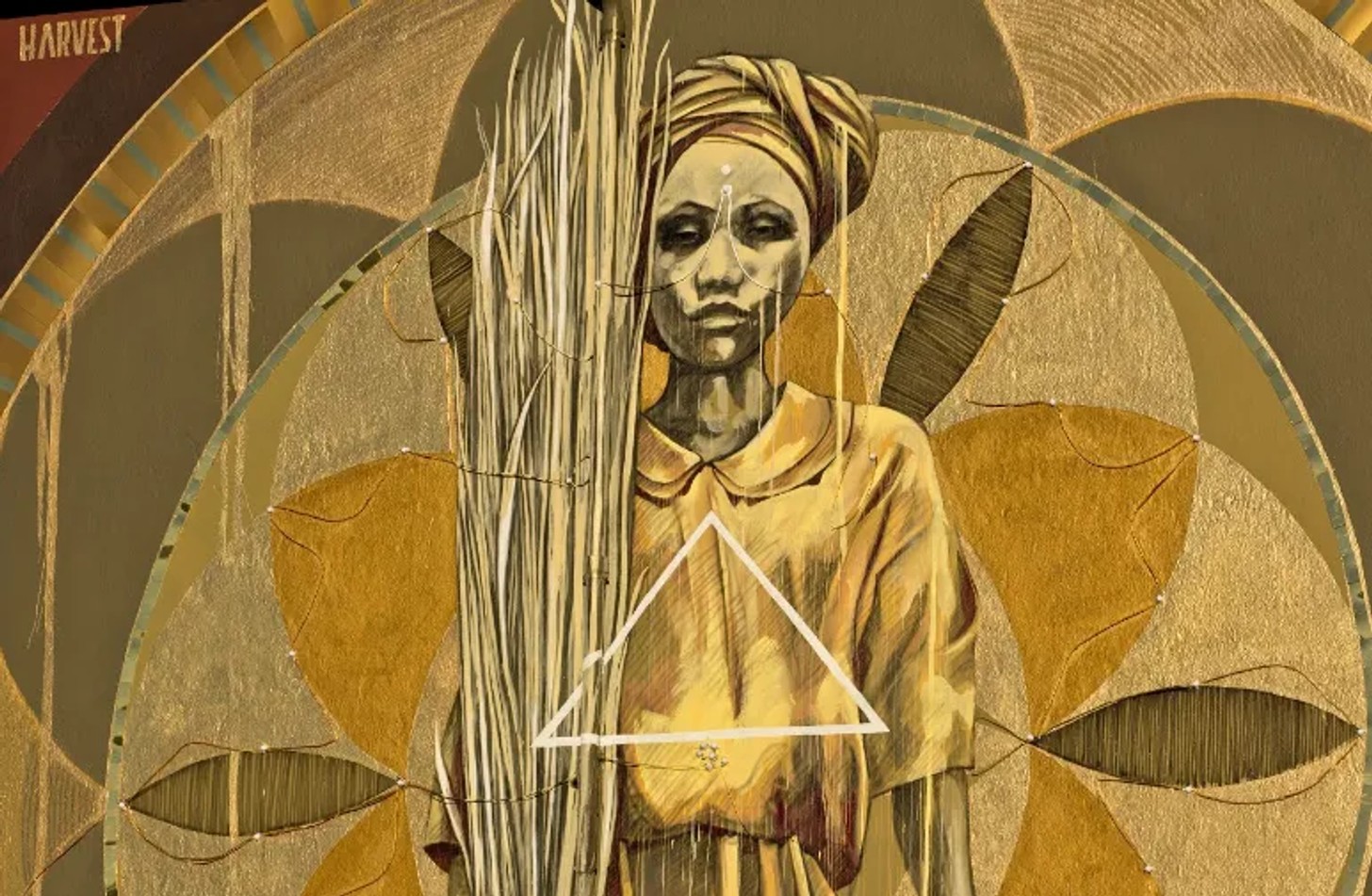
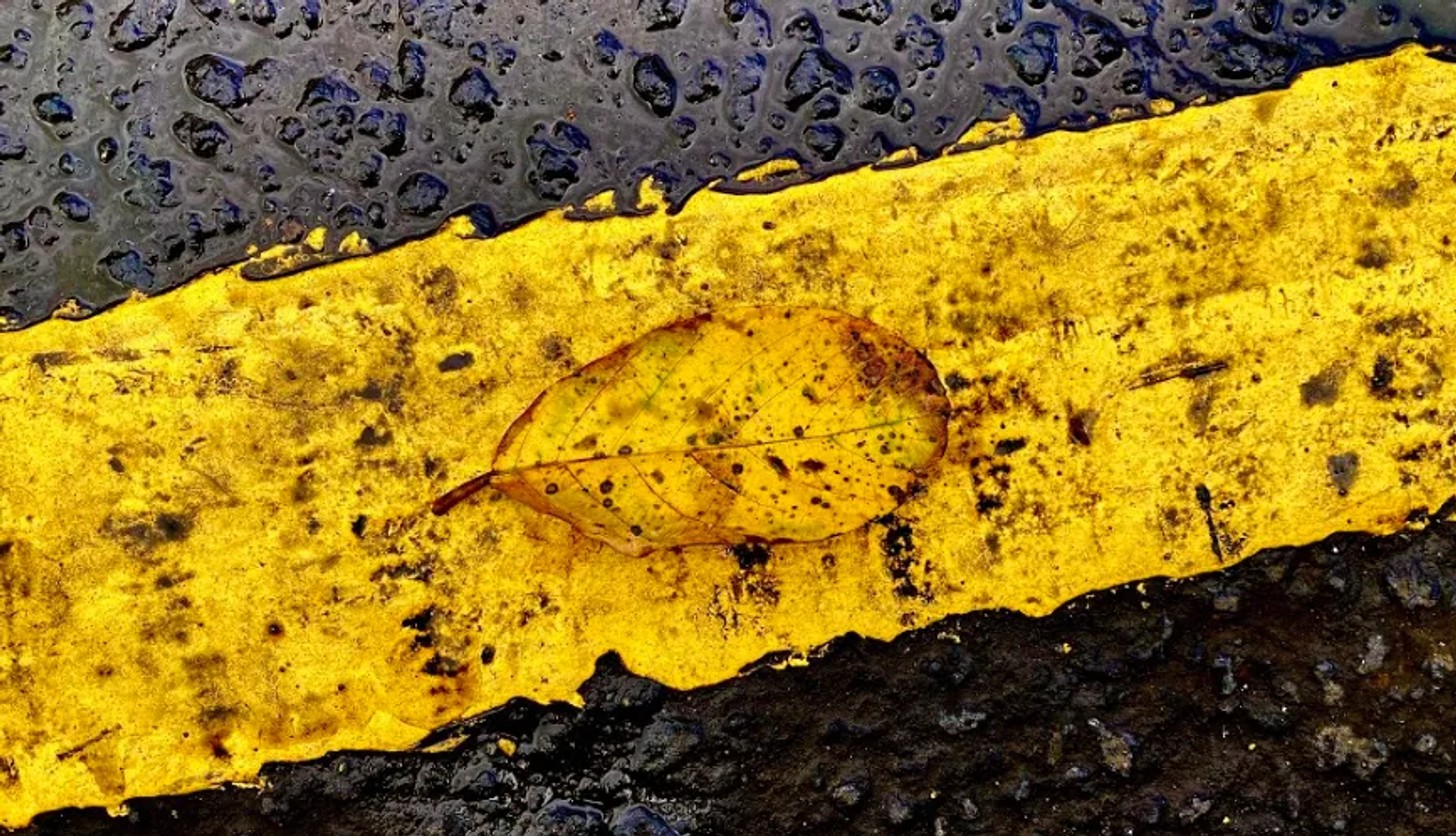
Then there is light – bottled into yellow, saffron, marigold, and gold.
These colours can speak of sunlight and heat, but also abundance, celebration, beauty, royalty, and aspiration. In Kente traditions, for example, yellow and gold have associations with preciousness, wealth and status; contemporary artists continue to borrow, disrupt, and reinterpret such visual vocabularies instead of simply reproducing them.
Gold in particular has become a fascinating contemporary material language: sometimes a reference to heritage and prestige, sometimes an acknowledgement to consumer culture, and sometimes simply a way of making a surface impossible to ignore.
Colour without rules
Perhaps the most defining characteristic of contemporary African art is not any particular colour at all. It is the refusal to be confined to one.
Africa’s artists draw from traditional textiles, urban signage, fashion, popular culture, landscapes, politics, ancestral knowledge, and digital imagery – often within the same frame.
This is what makes the current African art landscape so visually compelling: colour isn't being used to make work look “African”. It is being used to say something.
The palette is vast. The language is even bigger.


