
The idea of a home is changing. No longer viewed only as a place of shelter, the contemporary home is increasingly being designed as a space that supports wellbeing, restoration and a healthier way of living.
This shift has given rise to wellness architecture — a design approach focused on creating environments that positively influence the physical and emotional experience of those who inhabit them. From natural light and fresh air to connection with nature, thoughtful materials and calming layouts, homes are being designed around how spaces make people feel.

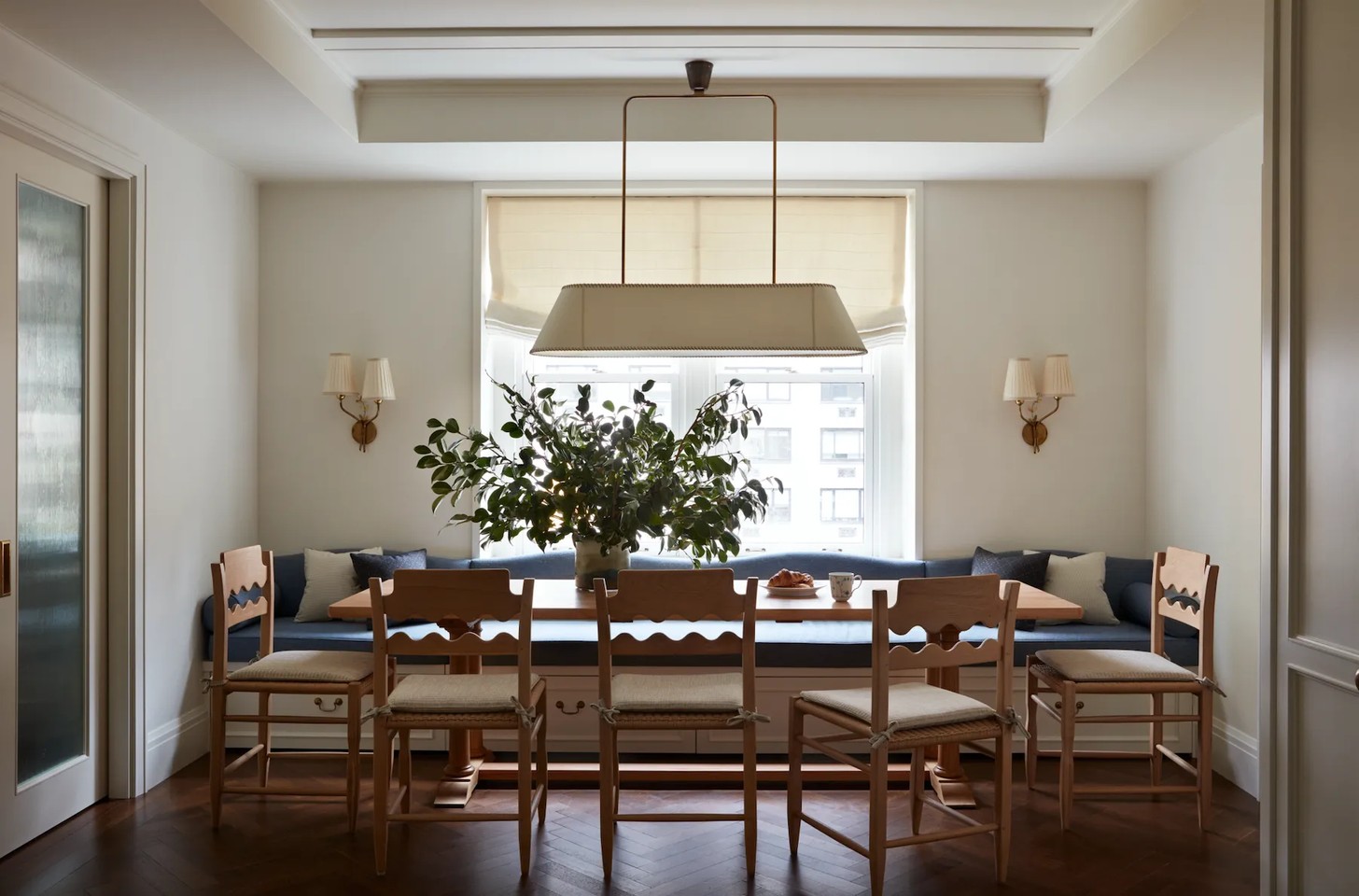
In South Africa, where landscapes, climate and outdoor living have always played a significant role in residential design, wellness architecture feels like a natural evolution. Architects and designers are increasingly looking beyond aesthetics, creating homes that nurture everyday rituals and encourage balance.
Designing Around Human Experience
Traditional architecture often prioritised function and appearance. Wellness architecture expands this approach by considering the relationship between people and their surroundings. A well-designed home can influence mood, energy levels and daily routines. Spaces that receive generous natural light, encourage movement and provide moments of quiet reflection can contribute to a greater sense of comfort.
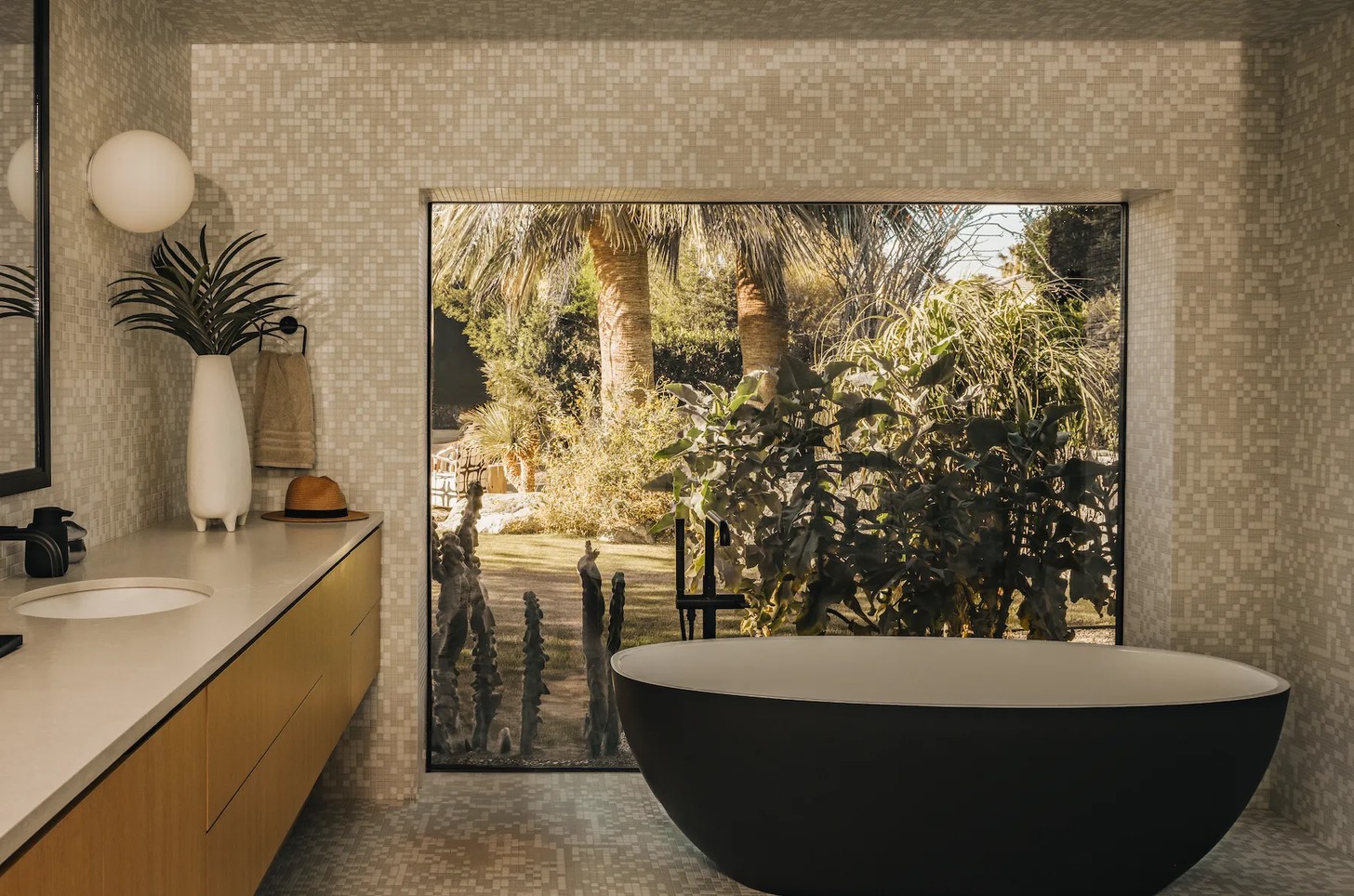
This does not mean creating clinical or overly minimalist interiors. Instead, wellness-focused homes often feel warm, layered and deeply connected to the people who live in them. The emphasis is on creating environments that support real life — spaces where residents can rest, recharge, connect and feel grounded.
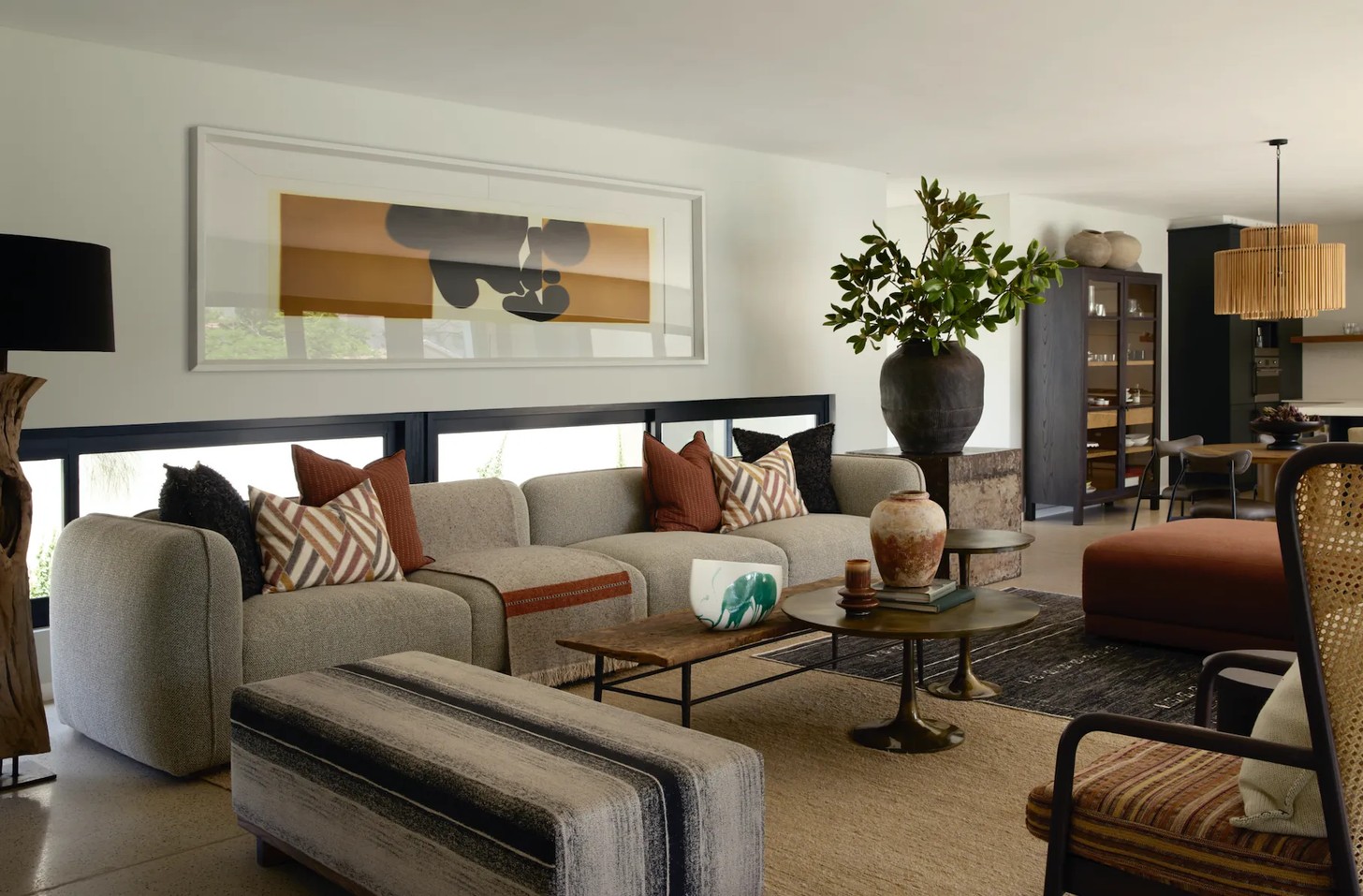
The Power Of Natural Light
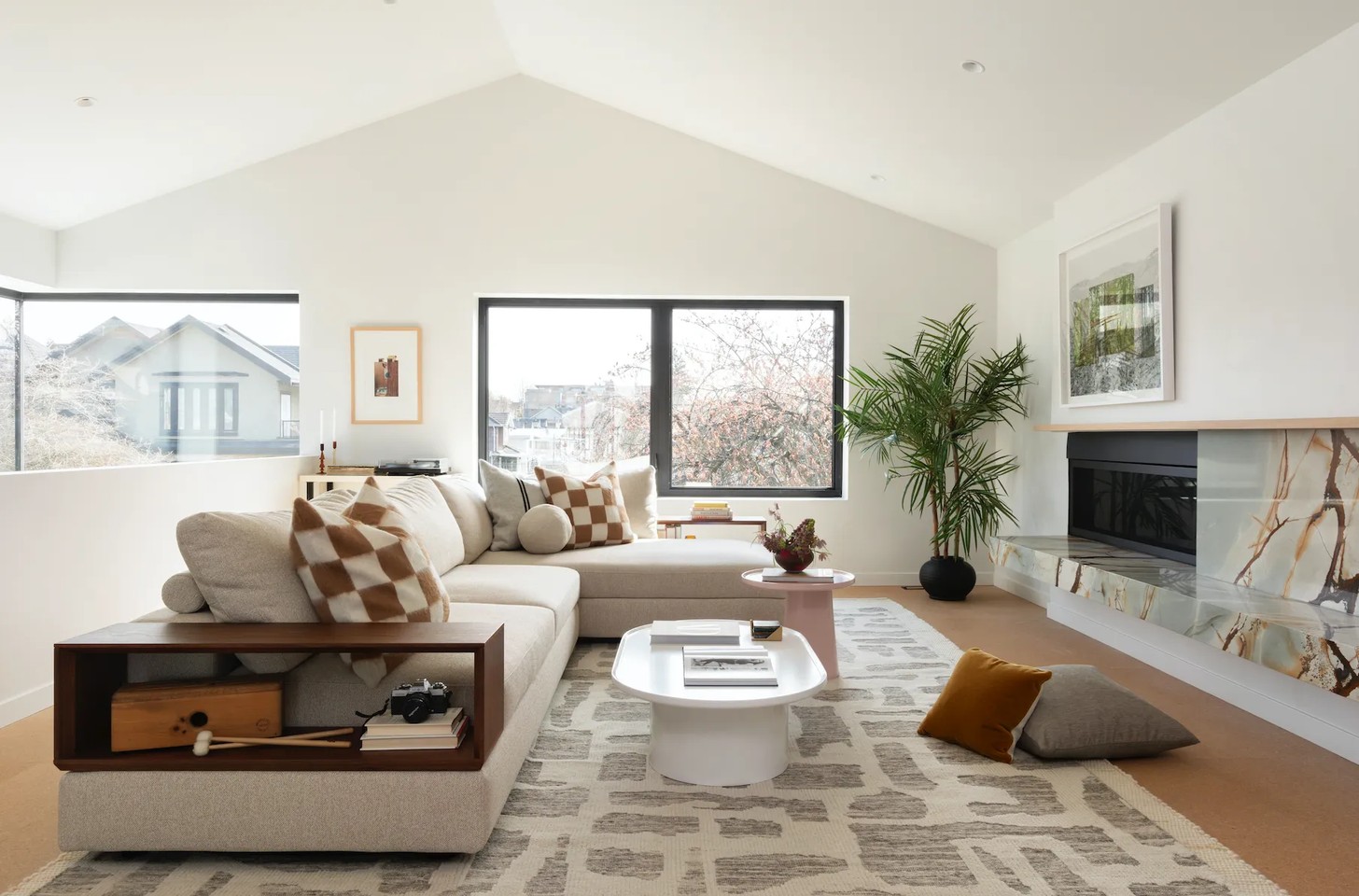
One of the most important elements of wellness architecture is natural light. Exposure to daylight plays a significant role in how we experience a space, influencing atmosphere and our connection to the changing rhythms of the day. Large windows, skylights, open courtyards and carefully positioned openings allow sunlight to become part of the architecture itself.
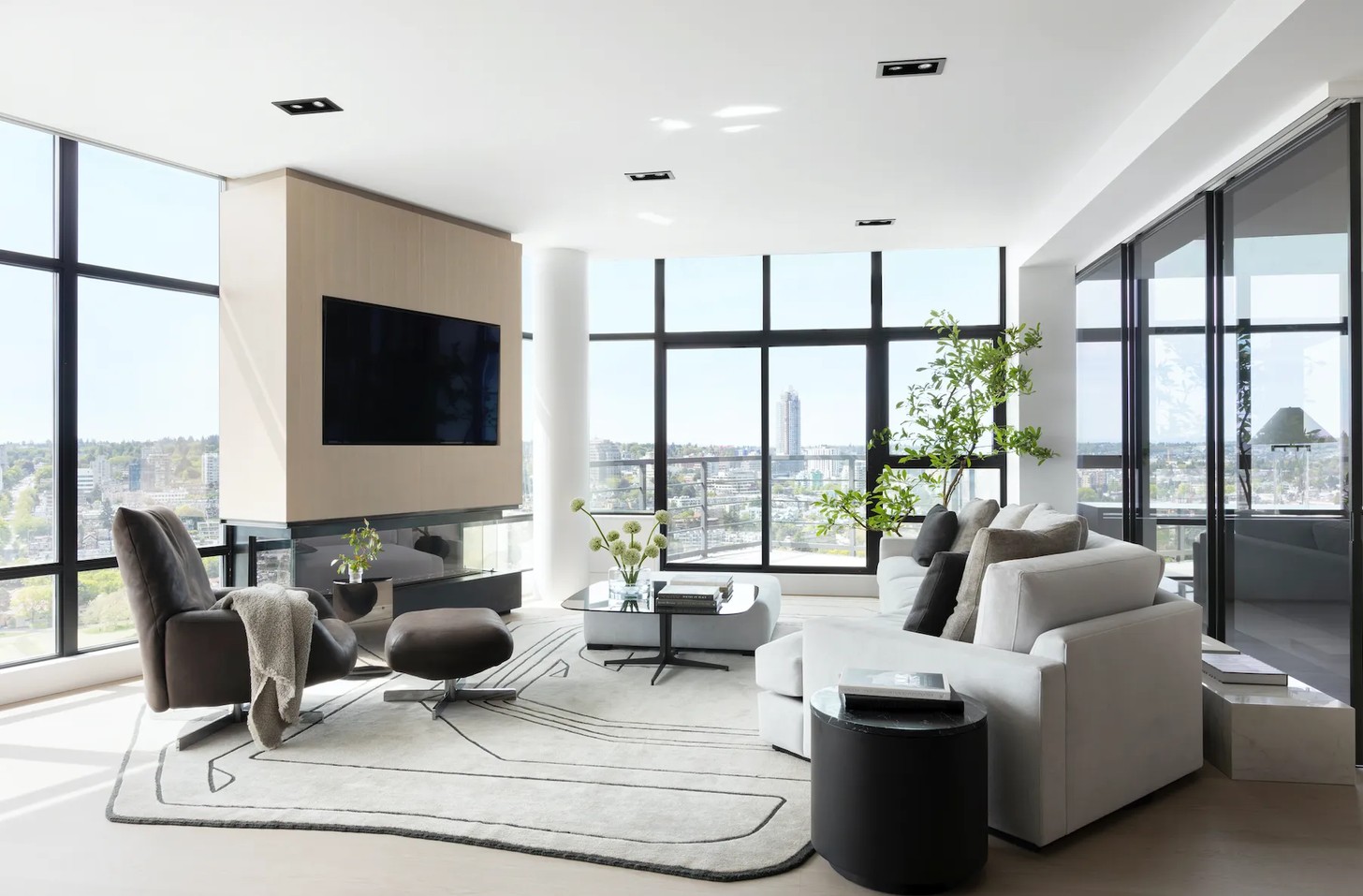
In South African homes, this relationship with light is especially important. The country’s varied landscapes and abundant sunshine provide opportunities for designs that blur the boundaries between indoors and outdoors. A home filled with natural light feels more open, welcoming and connected to its environment.
Bringing Nature Indoors Through Biophilic Design
Biophilic design — the integration of natural elements into architecture — is central to the wellness movement. This approach recognises the human need for connection with nature and incorporates elements such as plants, natural materials, water features and views of outdoor landscapes.
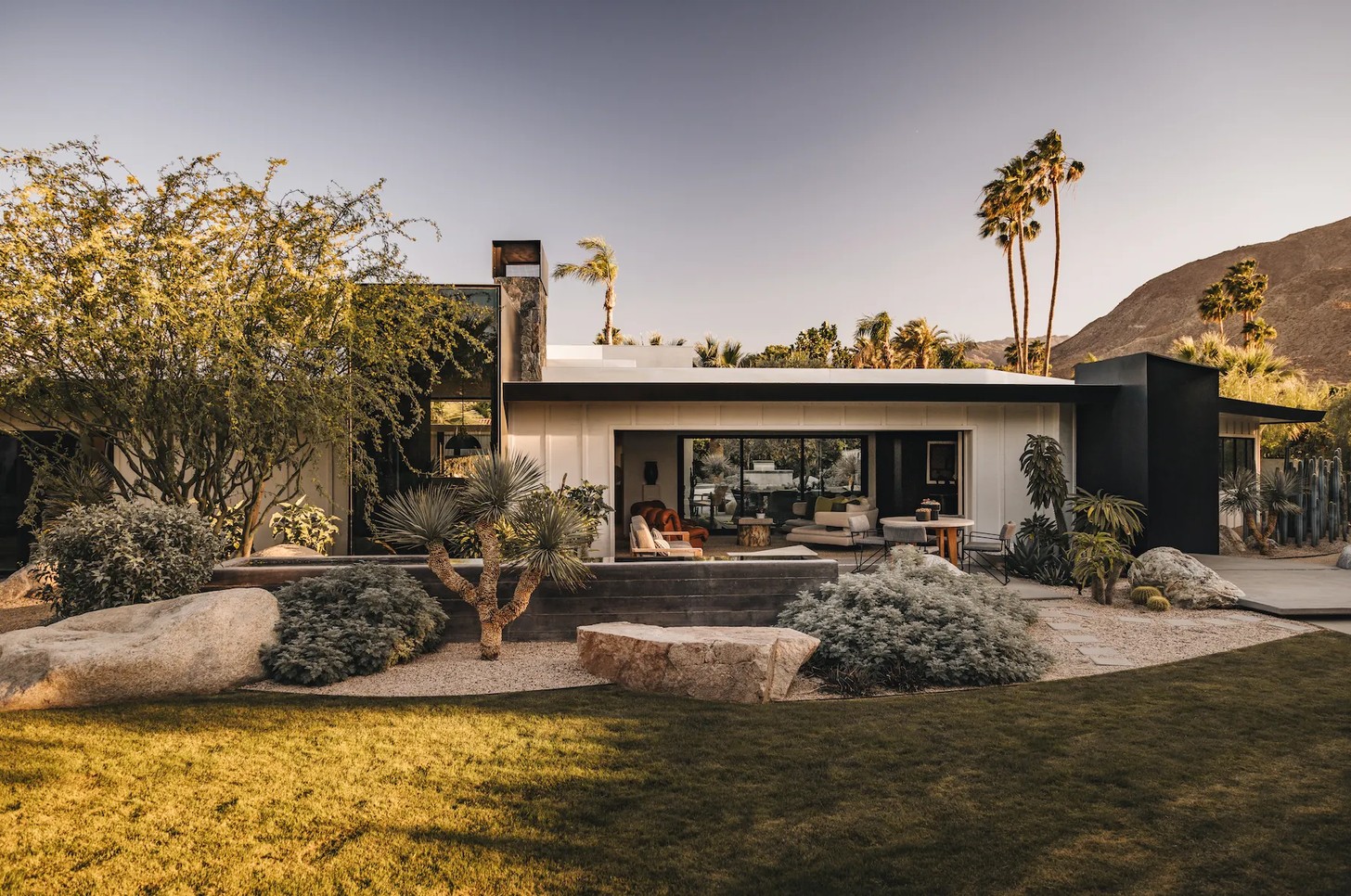
South African homes are particularly suited to this philosophy. Indigenous gardens, shaded outdoor areas, natural stone, timber and earthy textures create interiors that feel rooted in place. Even small details, such as indoor greenery, organic shapes and tactile materials, can create a stronger relationship between the built environment and the natural world.
Materials That Create Calm
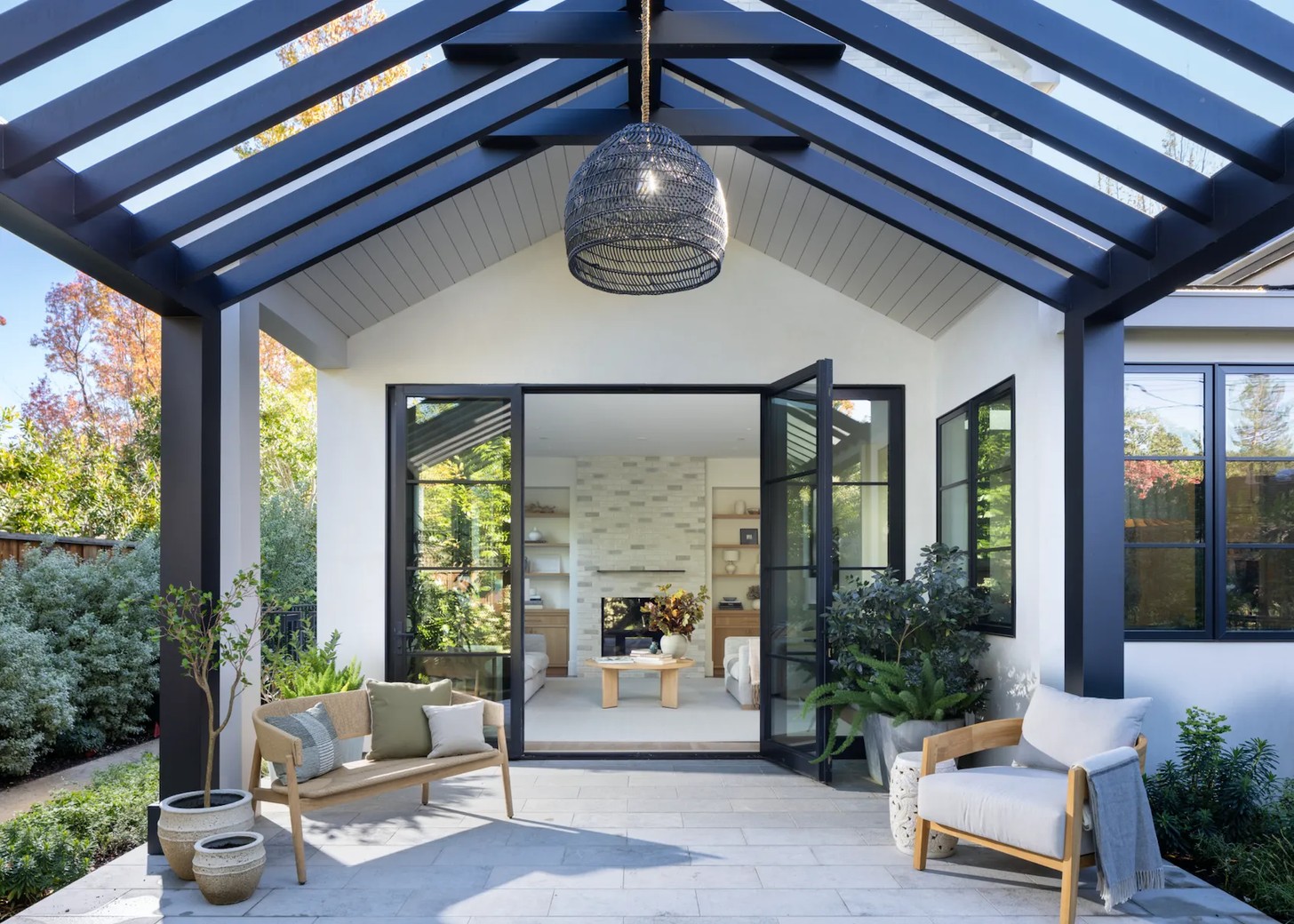
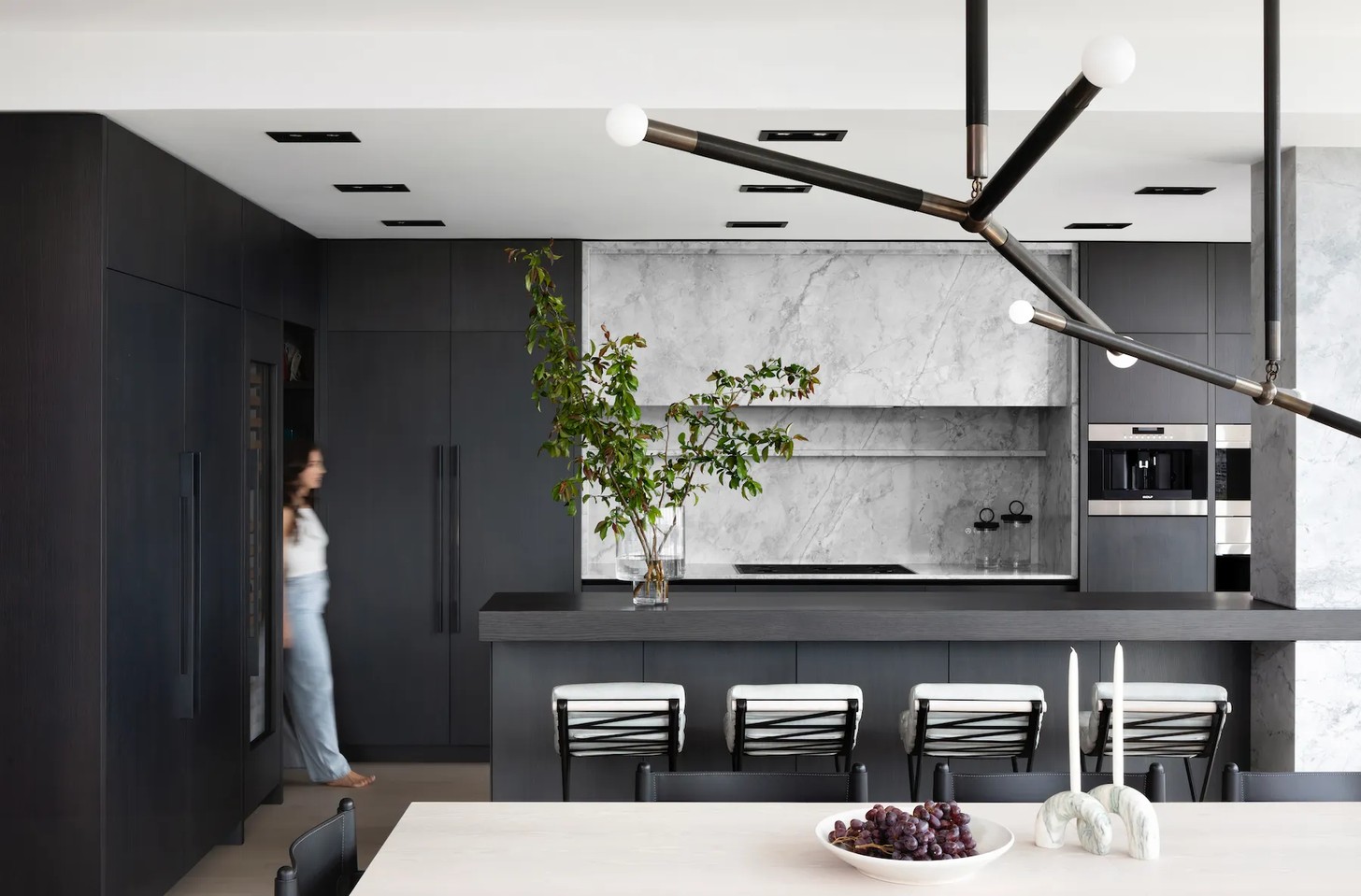
Material selection also plays a key role in wellness-focused design. Increasingly, homeowners and designers are moving towards natural, durable materials that age beautifully and bring sensory richness into a space.
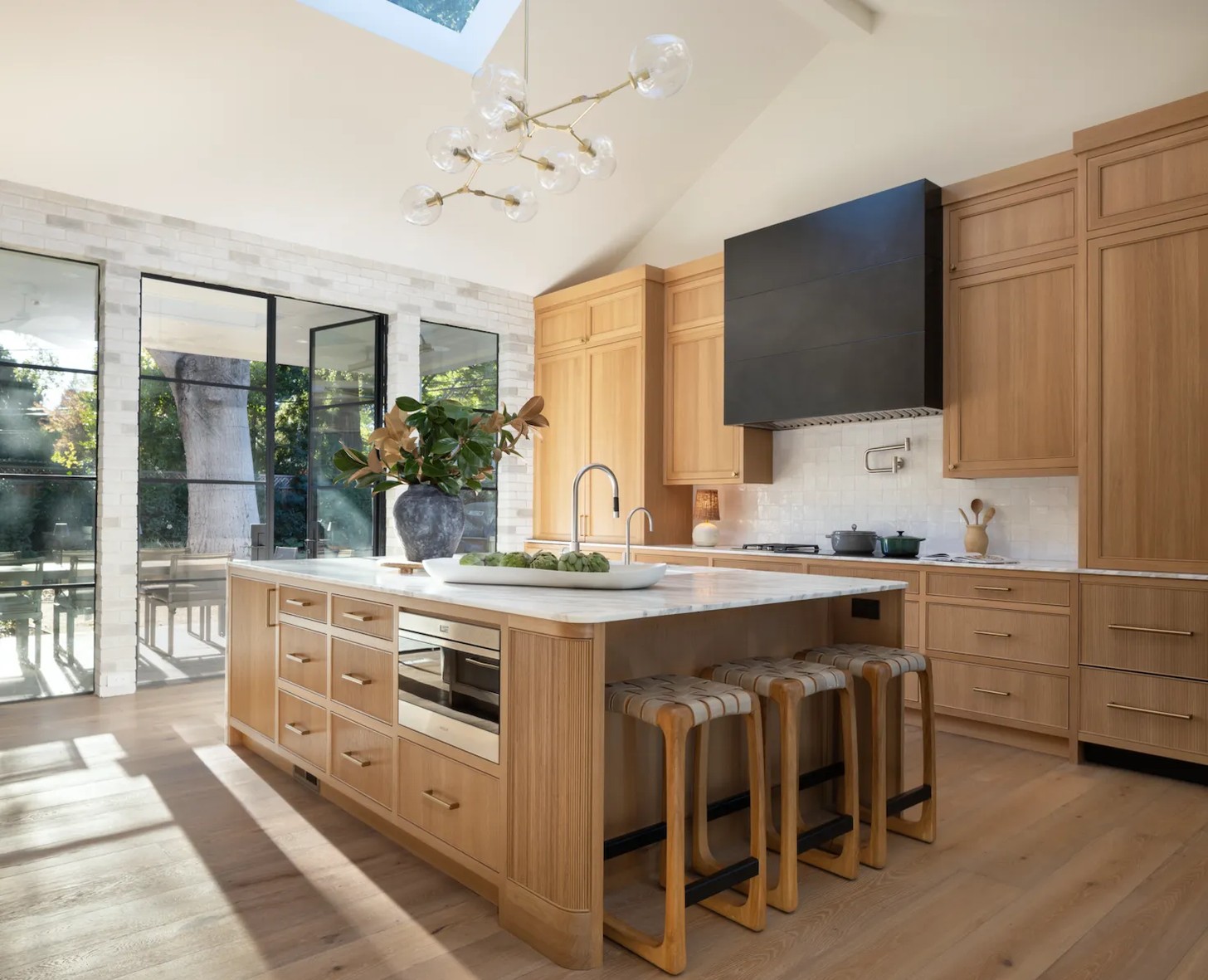
Stone, clay, timber, wool and linen introduce texture and warmth, creating interiors that feel authentic rather than overly manufactured. These materials also support a slower, more considered approach to design, encouraging spaces that feel timeless and connected to their surroundings.
Homes That Support Modern Living
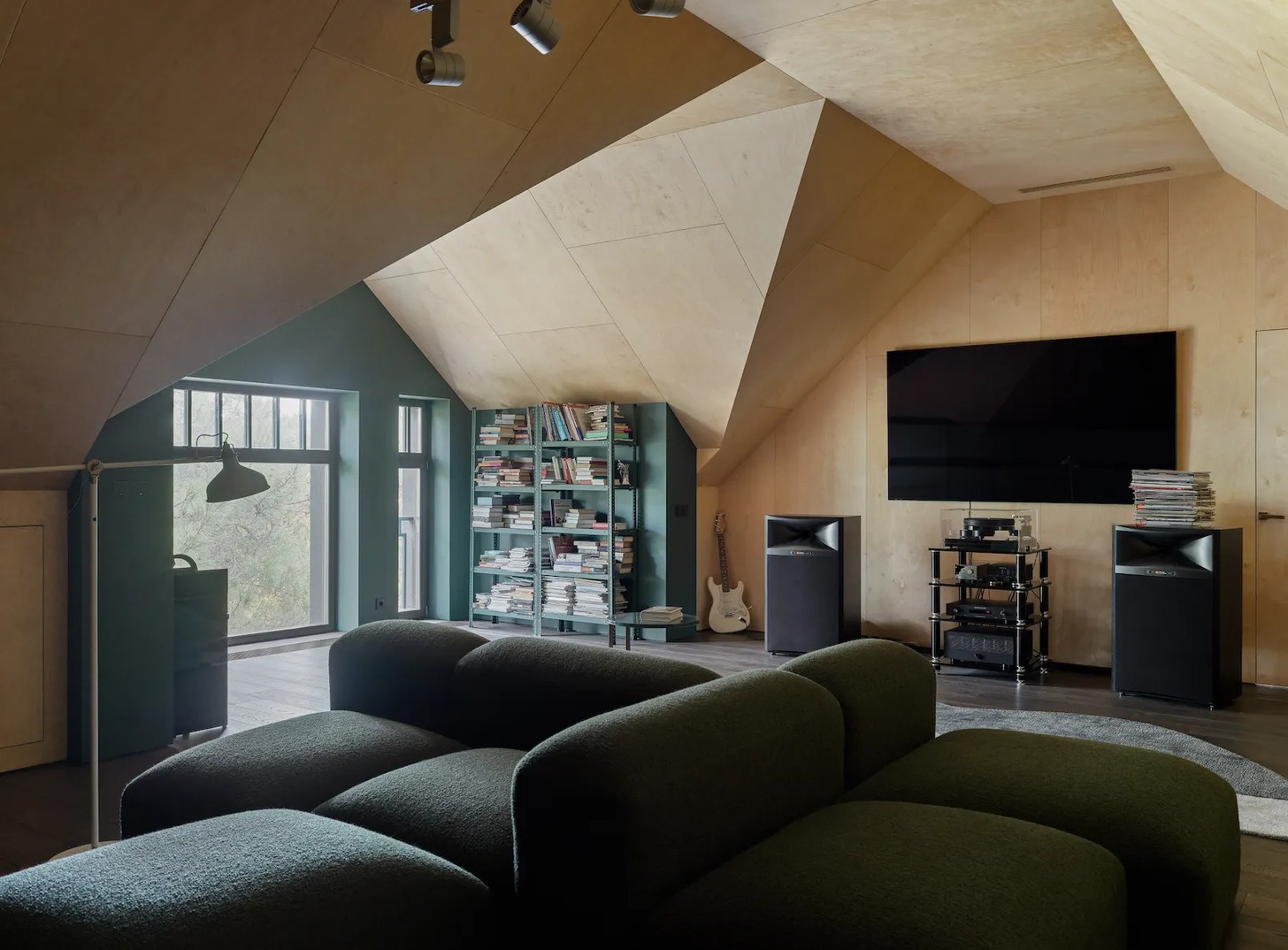
Wellness architecture is also responding to changes in how people use their homes. As remote work and flexible lifestyles become more common, spaces need to support multiple needs — from productivity and creativity to relaxation and recovery.
Dedicated quiet areas, adaptable rooms and comfortable outdoor spaces are becoming increasingly important. The home is no longer just where people return at the end of the day. It is where they work, rest, socialise and restore themselves.
The Future Of Healthy Homes
The growing interest in wellness architecture reflects a broader shift towards more meaningful design. Instead of focusing solely on visual impact, homeowners are asking how spaces contribute to their quality of life.
For South African architecture, this presents an exciting opportunity. By combining local materials, climate-responsive design and a deep appreciation for nature, homes can become more than beautiful structures — they can become environments that actively support wellbeing.
Credits
Images: Roman Yakunin and Sofia Klyonova, Stephen Kent Johnson, Pablo Enriquez, Supplied, Tina Kulic, Paul Dyer, Sergey Krasyuk


