
South Africa’s landscapes have always provided more than scenery. From the mountains and forests to the coastline and grasslands, the country’s natural resources have shaped how people build, create and live. Today, a renewed appreciation for local materials is influencing architecture, interiors and design, bringing traditional craftsmanship and natural textures into contemporary spaces.
Local stone, clay, timber, reeds, wool and mohair are being reimagined not only as practical materials, but as expressions of place, heritage and identity. Their beauty lies in their connection to the environment — materials that carry the colours, textures and stories of the landscapes they come from. As global design moves towards authenticity and sustainability, South African materials are gaining recognition for their ability to create interiors that feel grounded, tactile and timeless.

Stone: A Connection To The Landscape
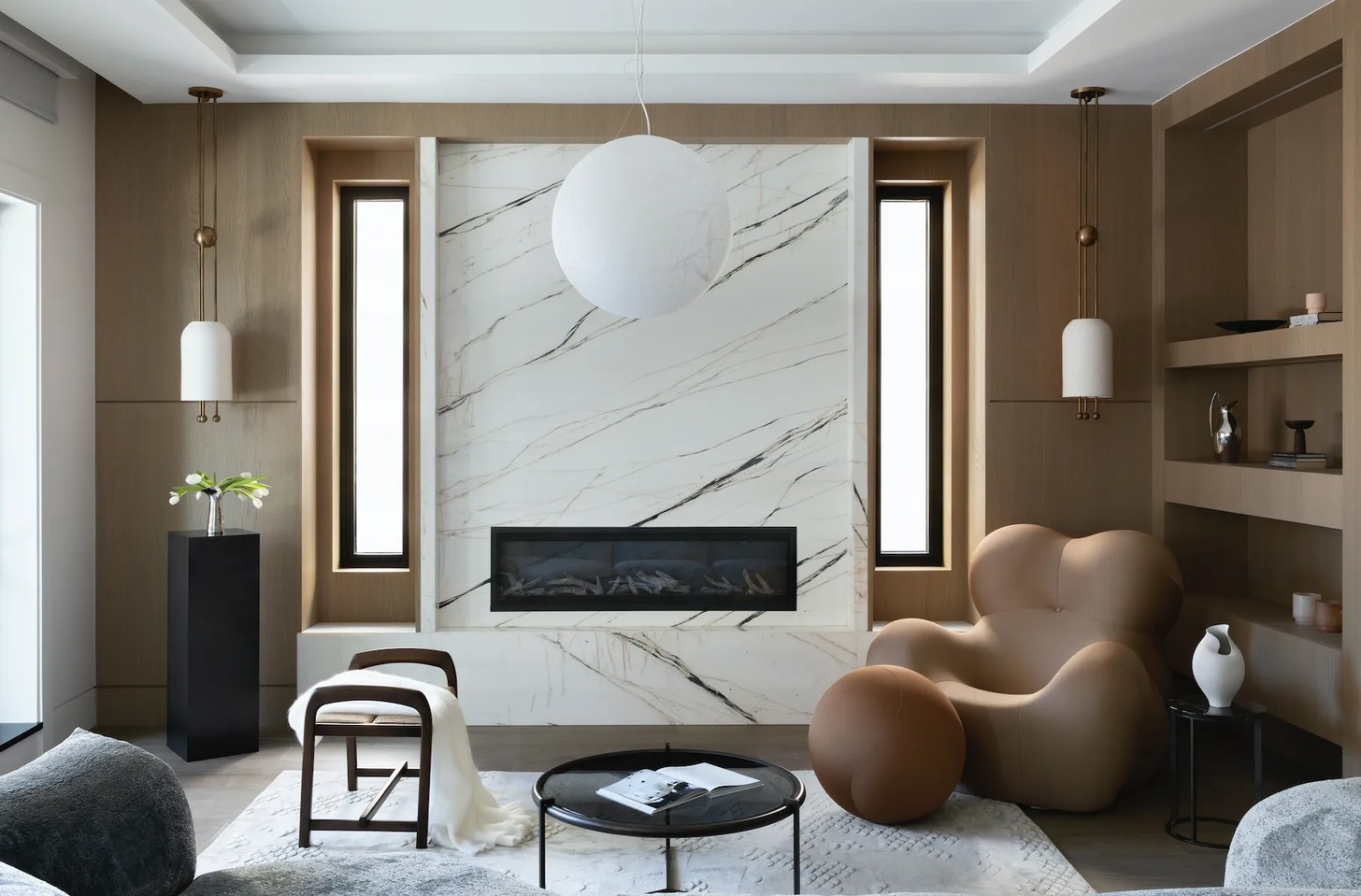
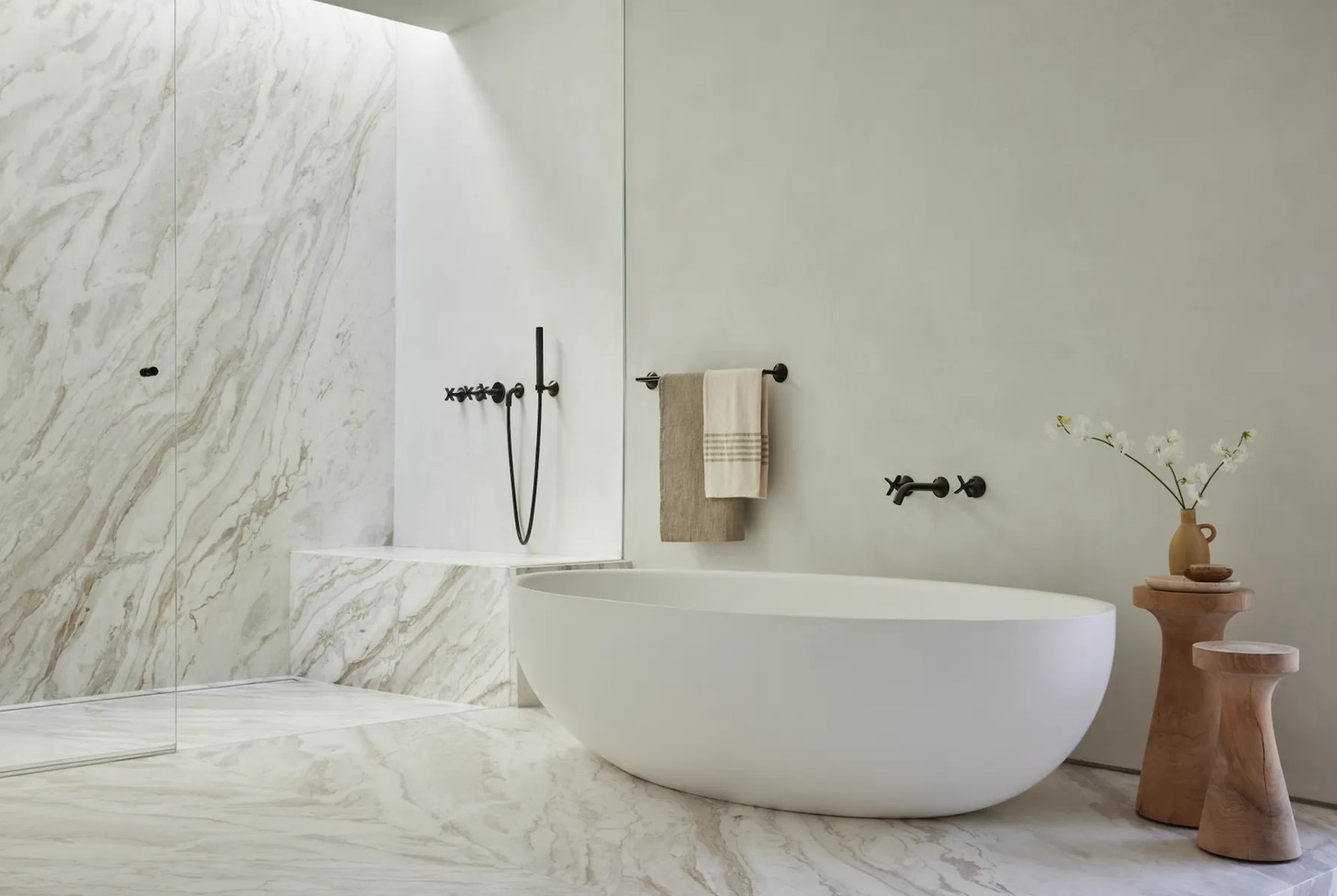
Stone has long been central to South African architecture, valued for its durability, texture and ability to connect buildings with their surroundings. From sandstone and granite to locally sourced varieties with distinctive tones and patterns, natural stone brings a sense of permanence to interiors and outdoor spaces.
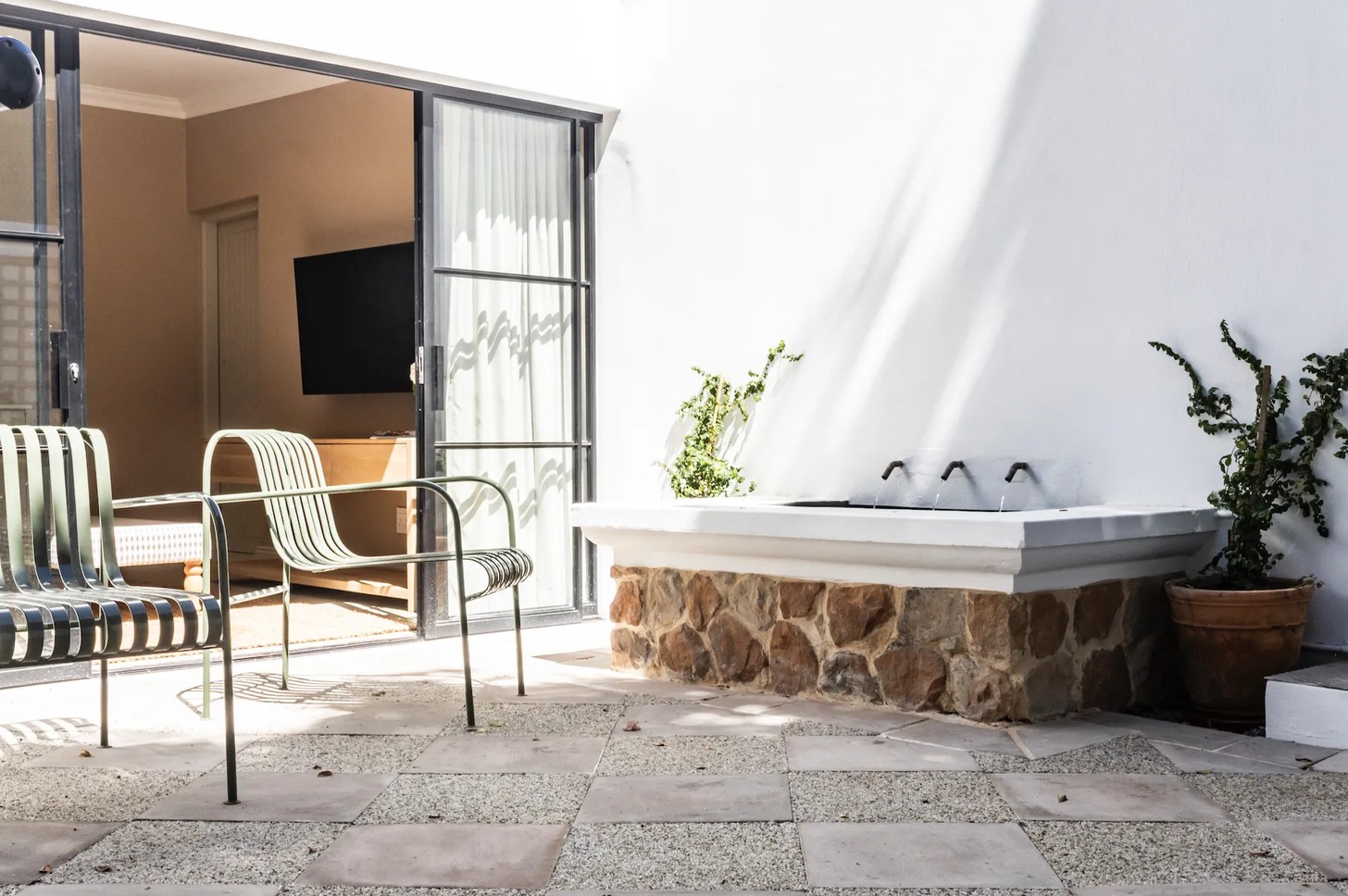
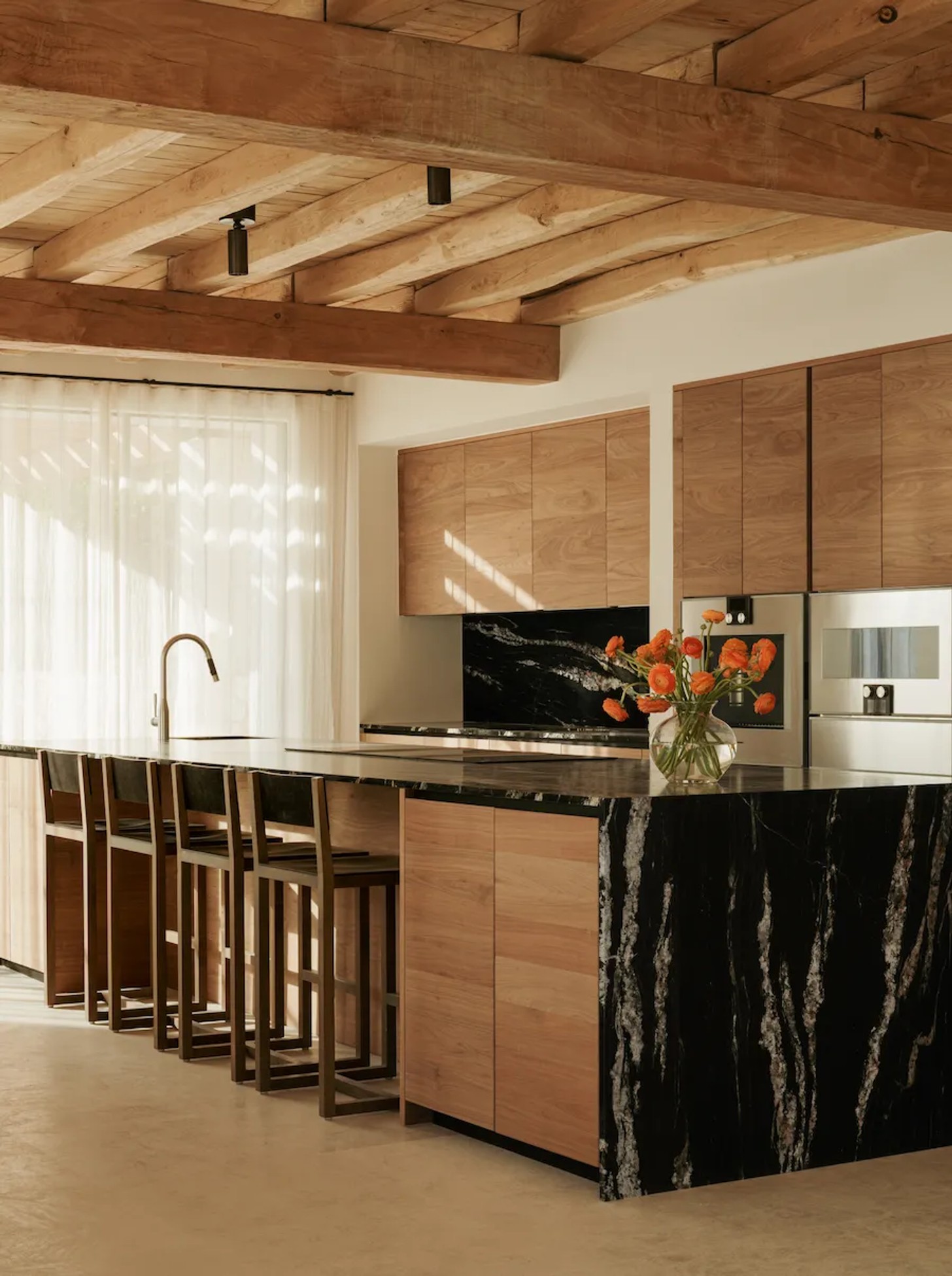
Used for flooring, fireplaces, countertops and feature walls, stone introduces an organic quality that changes over time. Its natural variations create a unique character, ensuring no two surfaces are exactly alike. In contemporary homes, stone is often paired with softer materials such as timber, textiles and woven elements, creating a balance between strength and warmth.
Clay: Ancient Material, Modern Expression
Clay has a deep history in South African craft, from traditional pottery to handmade architectural elements. Today, designers and artisans are exploring clay in new ways, celebrating its imperfections, earthy tones and connection to handmade processes. Terracotta tiles, ceramic vessels and textured clay finishes bring warmth into interiors, creating spaces that feel natural and lived-in.
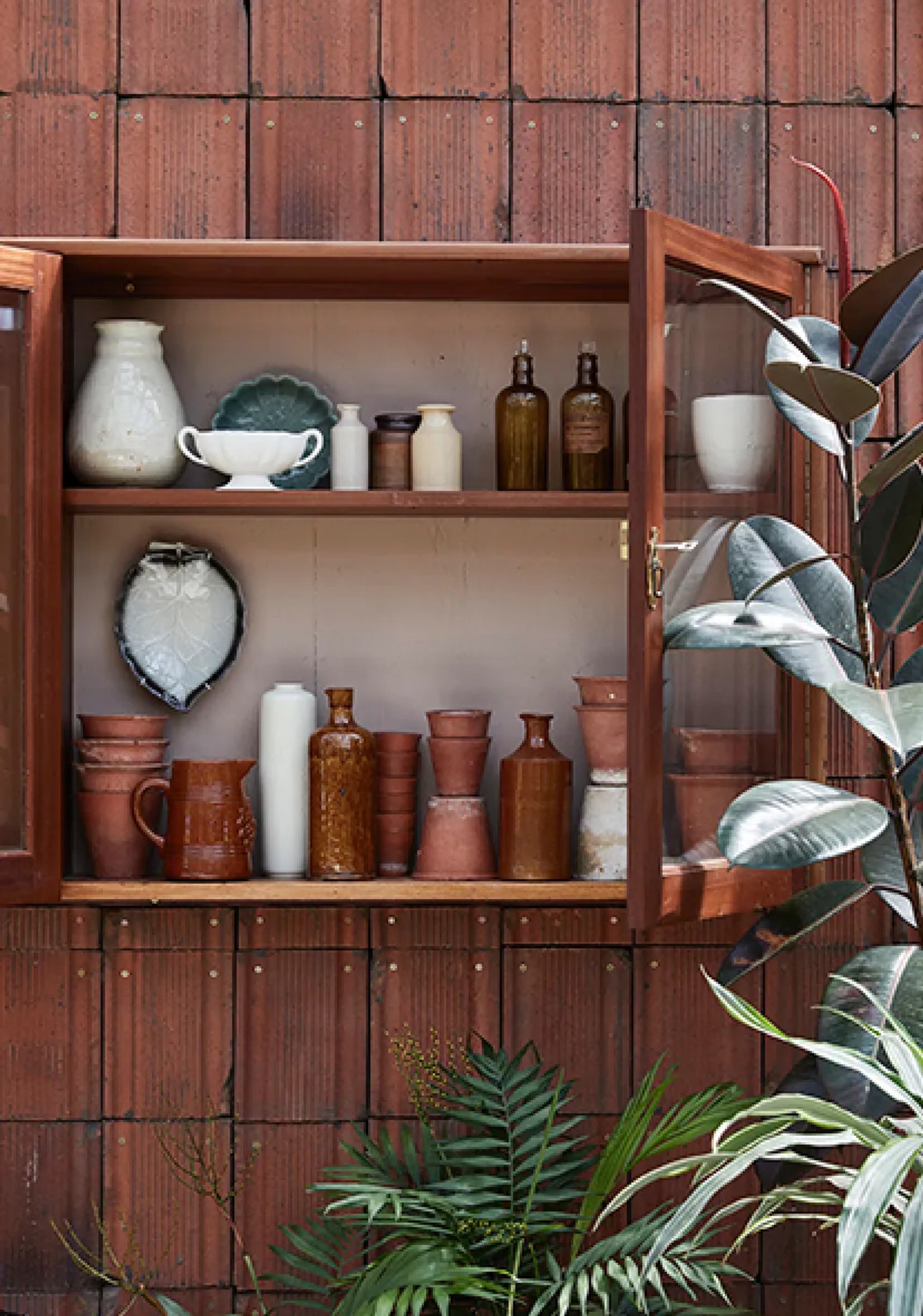
The popularity of clay reflects a broader movement towards materials that reveal their origins. Rather than hiding the making process, contemporary design celebrates the marks, variations and character that make each piece unique.
Timber: Warmth And Craftsmanship
South Africa’s relationship with timber is rooted in both architecture and furniture making. Local woods bring warmth, richness and a tactile quality that complements modern interiors. Timber is increasingly being used in thoughtful ways — through handcrafted furniture, ceiling details, cabinetry and architectural features that highlight natural grain and texture.
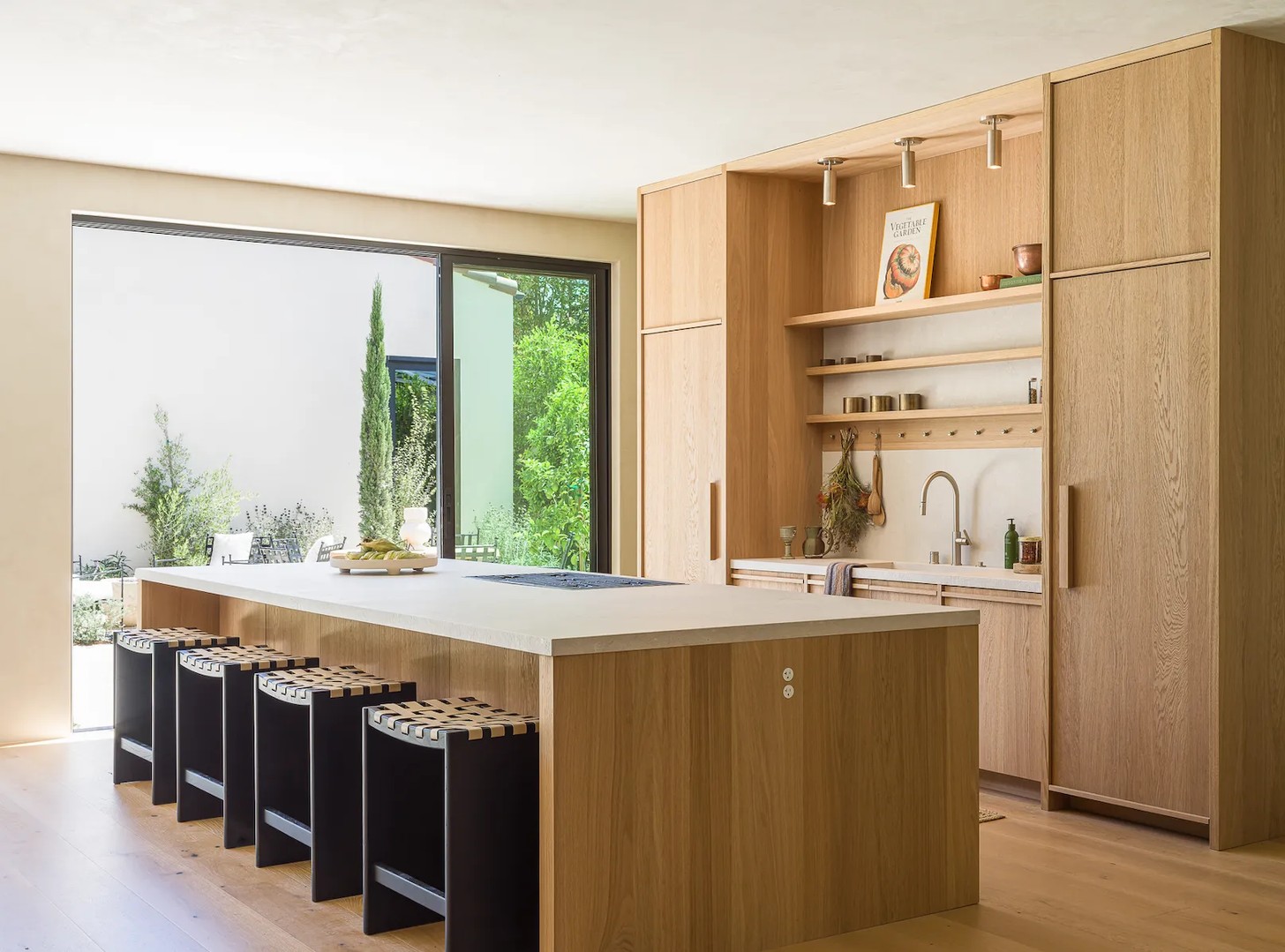
When sourced responsibly, timber offers a renewable material choice while supporting local craftsmanship and traditional skills. Its versatility allows it to work across a range of styles, from minimalist interiors to more layered, heritage-inspired spaces.
Wool And Mohair: South Africa’s Luxury Textiles
Few materials represent South African craftsmanship quite like wool and mohair. Known for their softness, durability and natural beauty, these fibres have become increasingly valued in interiors around the world.
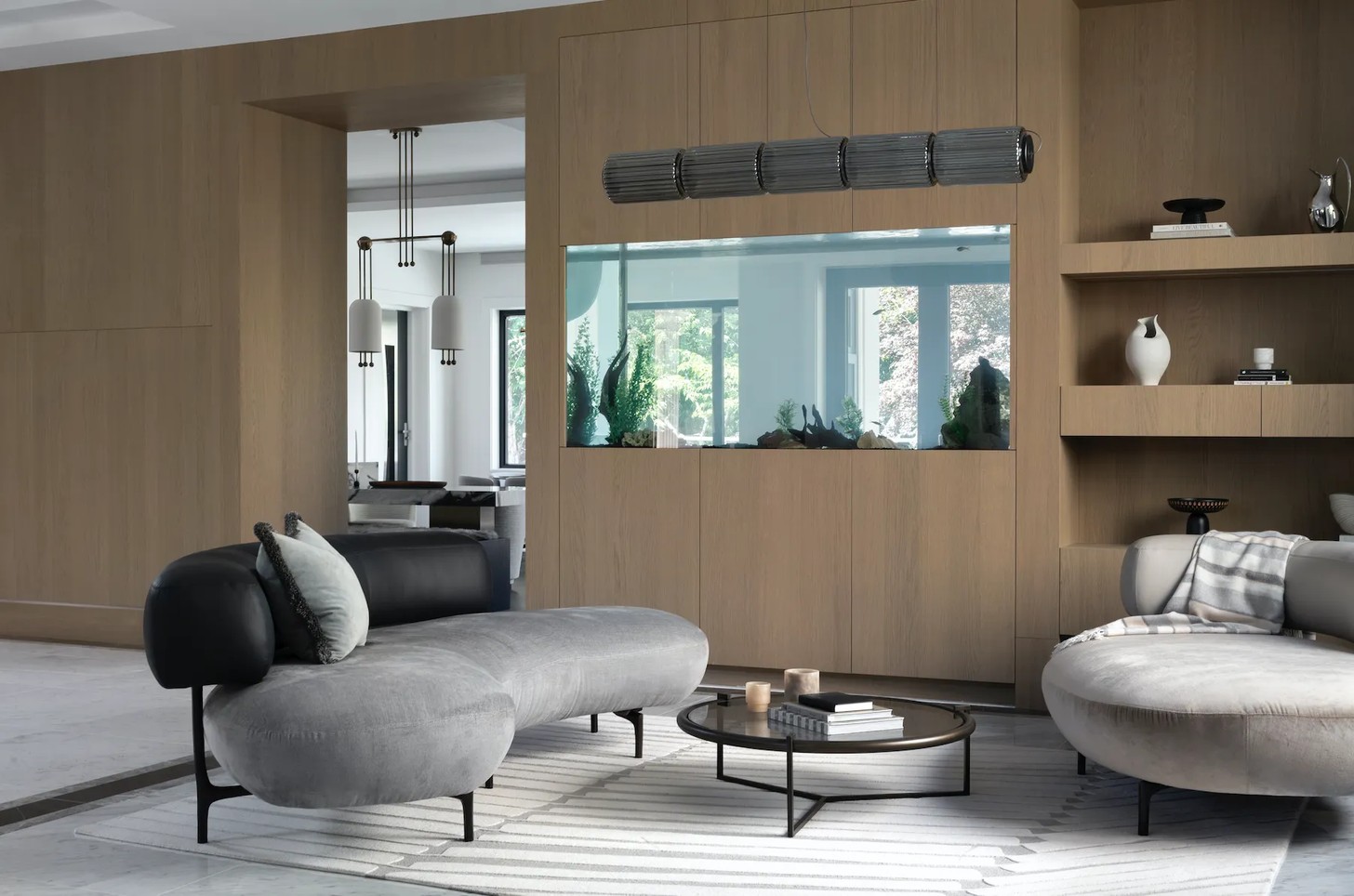
Mohair, often referred to as the “diamond fibre”, is celebrated for its lustre and versatility. Used in upholstery, throws and textiles, it adds a sense of luxury while maintaining a connection to local agricultural traditions. Wool brings warmth and comfort, making it ideal for creating layered interiors that respond to South Africa’s varied climates.
Designing With A Sense Of Place
The growing appreciation for South African materials represents more than an aesthetic trend. It reflects a desire for spaces that feel authentic, sustainable and connected to their surroundings.
By embracing local stone, clay, timber, reeds, wool and mohair, designers are creating interiors that tell stories — of landscapes, communities and generations of craftsmanship.
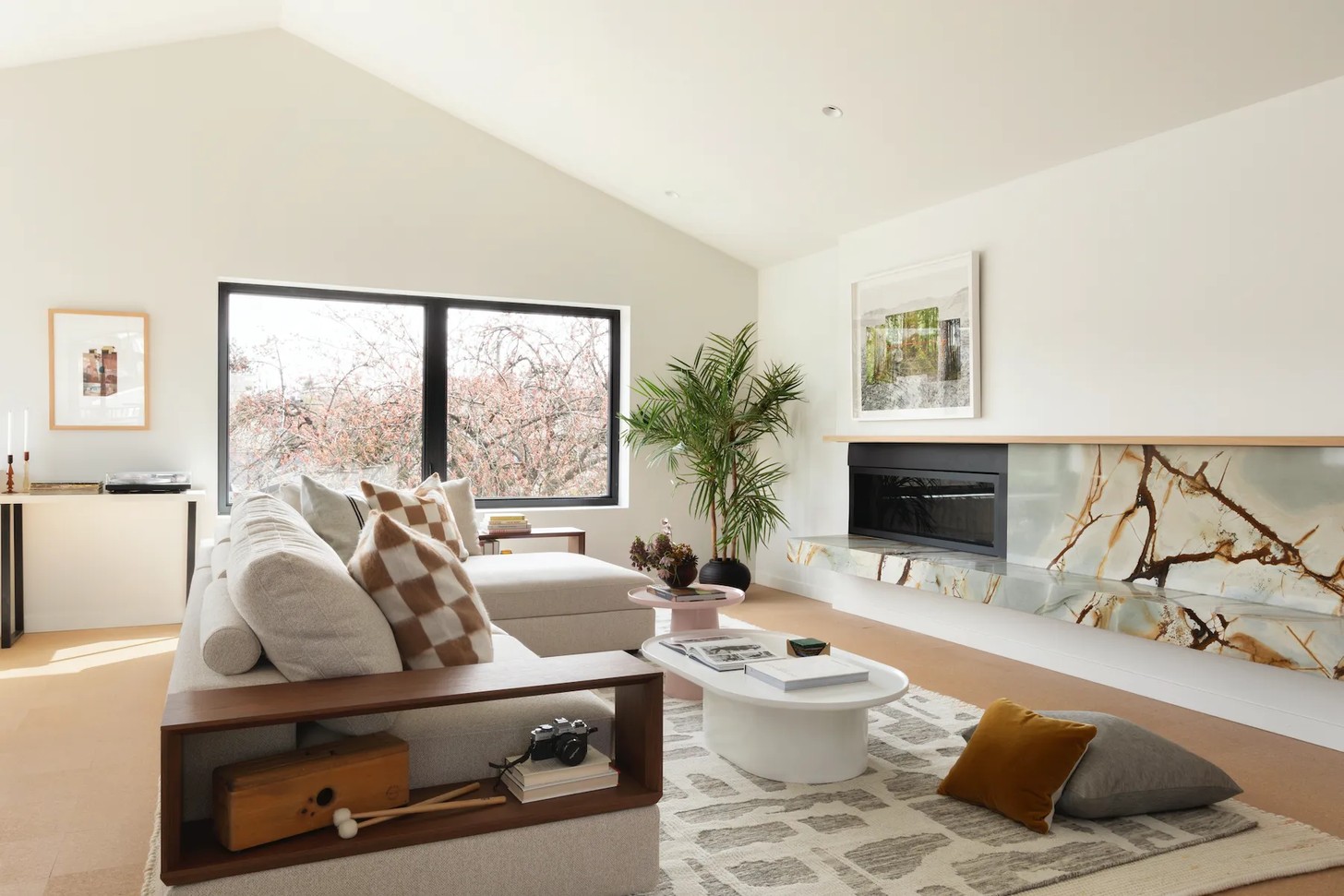
These materials remind us that true luxury is not always about what is new. Often, it is found in materials that have history, character and a meaningful connection to where they come from.
Credits
Images: Tina Kulic, Vignette & Ryan Abbot, Warren Heath, Yoshihiro Makino, Todd Goodman, Vigo Jansons


