
The suburban lawn has long been a staple of South African gardens, but as water-wise gardening becomes increasingly important, there is growing value in reconsidering how much space we dedicate to thirsty, high-maintenance grass. One alternative is the regenerative pocket prairie: a small, grassland-inspired planting that brings together indigenous grasses, bulbs and flowering plants to create a garden that feels natural, seasonal and alive.
Rather than attempting to recreate an untouched ecosystem, the idea is to borrow from the way South Africa's grasslands and savannas function. A thoughtfully planted pocket prairie can provide food, shelter and movement for insects and birds while creating a garden that becomes increasingly self-sufficient once established.

1. Start Small And Read Your Garden
There is no need to sacrifice the entire lawn. Begin with an unused corner, narrow strip or small section that can be gradually transformed. Before planting, observe the area throughout the day. Take note of how much sunlight it receives, where water collects, how quickly the soil dries and which plants already thrive nearby.
3. Choose Plants For Your Local Landscape
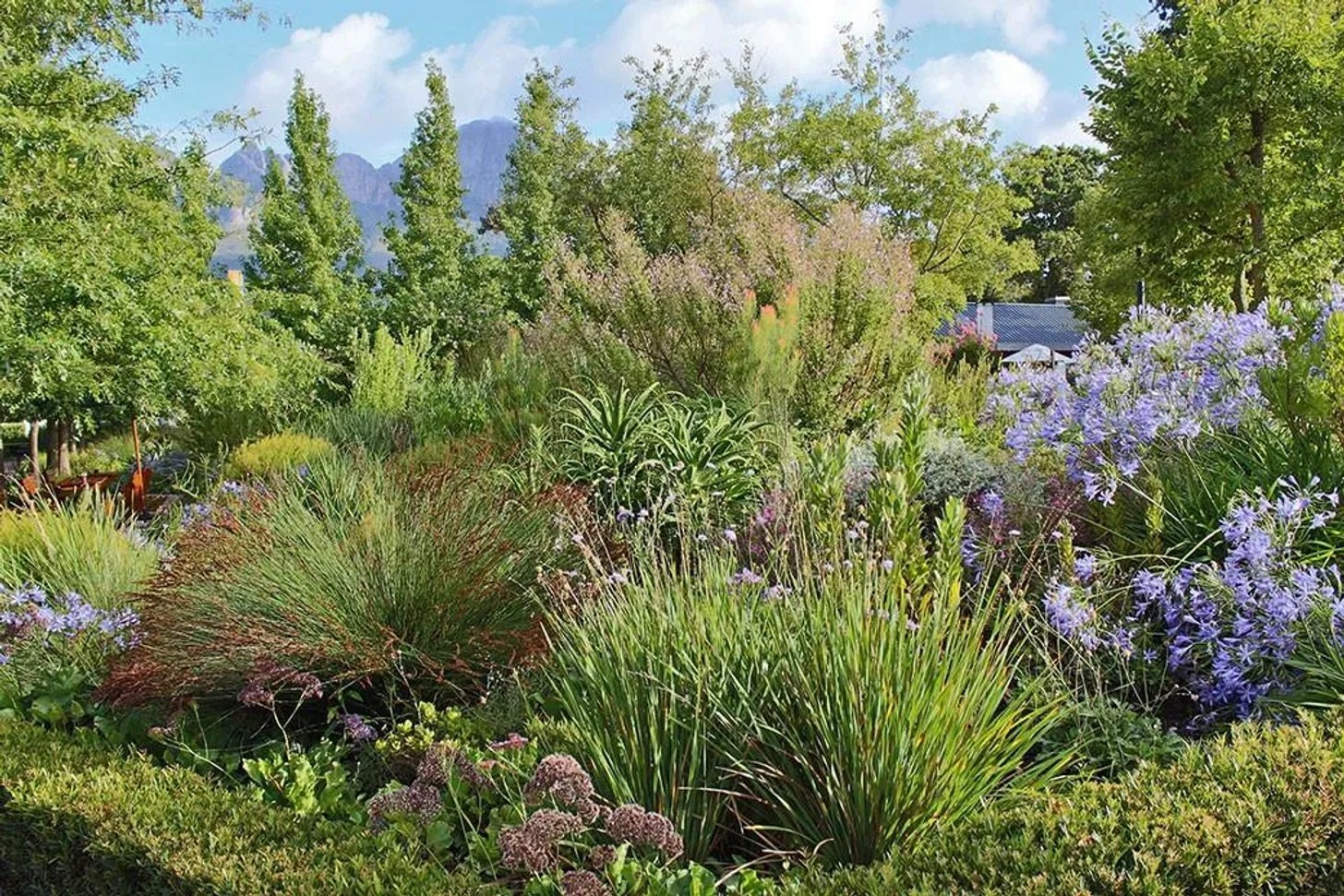
The planting palette is what gives a pocket prairie its South African identity. Choose indigenous grasses, bulbs and flowering plants that are naturally suited to your region and growing conditions.
Use grasses as the structural backbone, introducing bulbs and flowering plants between them for seasonal colour and variation. Look for plants that offer nectar, pollen, seeds or shelter, rather than selecting purely for appearance.
4. Plant In Layers, Not Rows
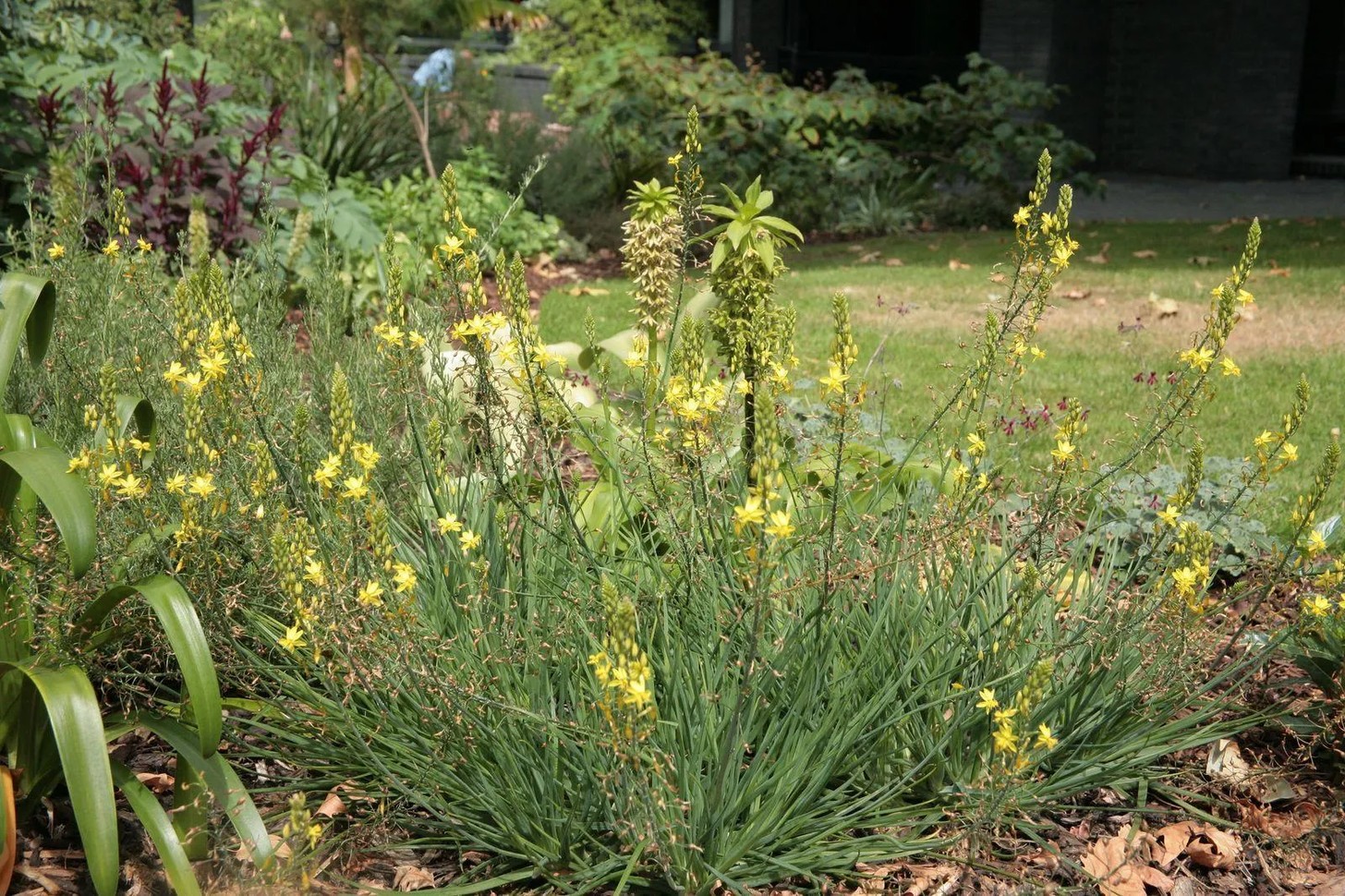
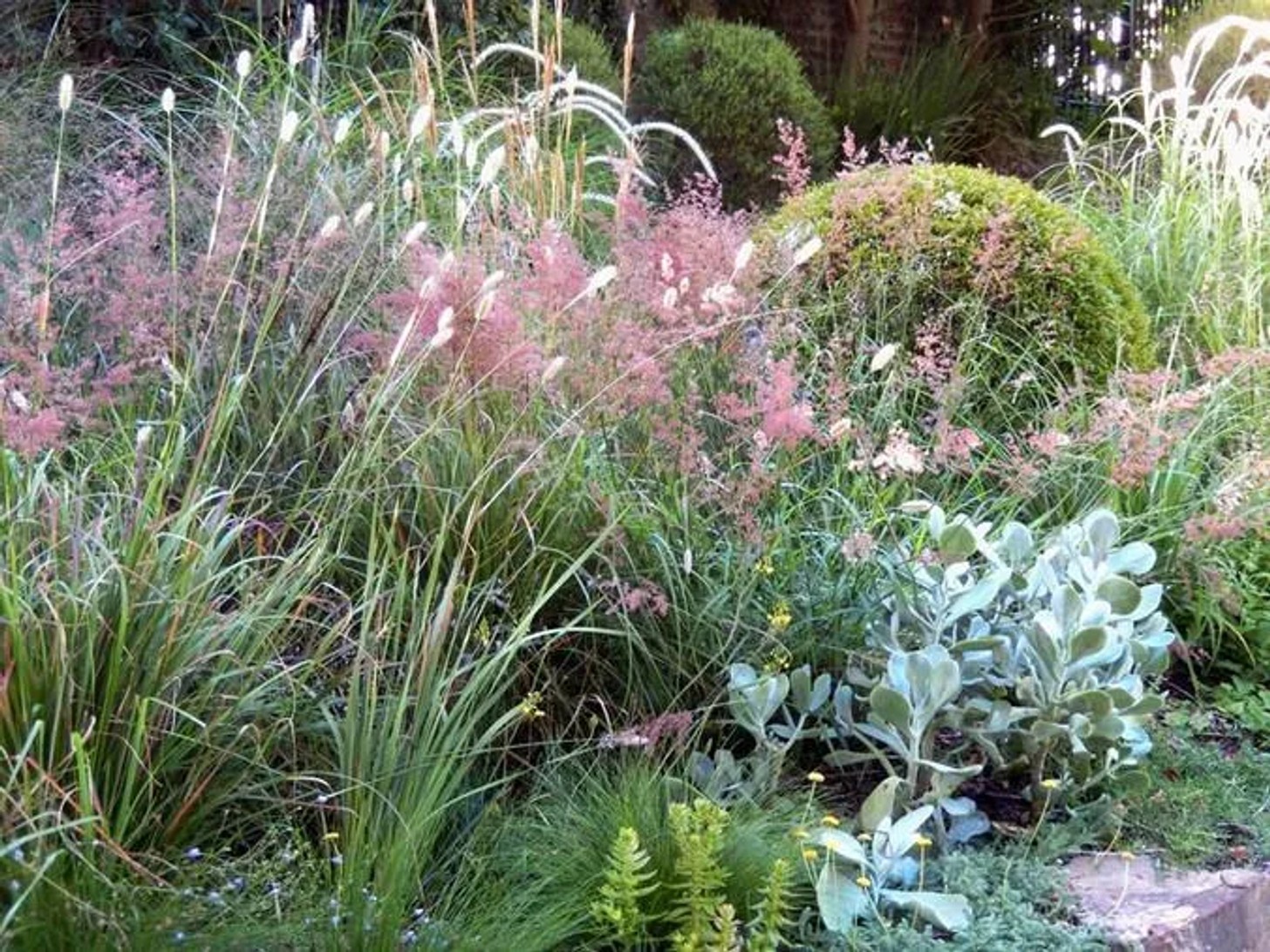
A natural grassland does not arrange itself in perfectly spaced rows, and your pocket prairie shouldn't have to either. Instead, plant in loose drifts and repeat selected species throughout the space.
Taller grasses can provide movement and structure, while lower-growing plants and bulbs fill the spaces between. Repeating several key species will prevent the planting from looking chaotic while still creating the informal quality that makes a prairie-style garden appealing. This layered approach also creates different levels of habitat, giving insects places to feed and shelter while providing birds with opportunities to forage.
5. Design For Pollinators
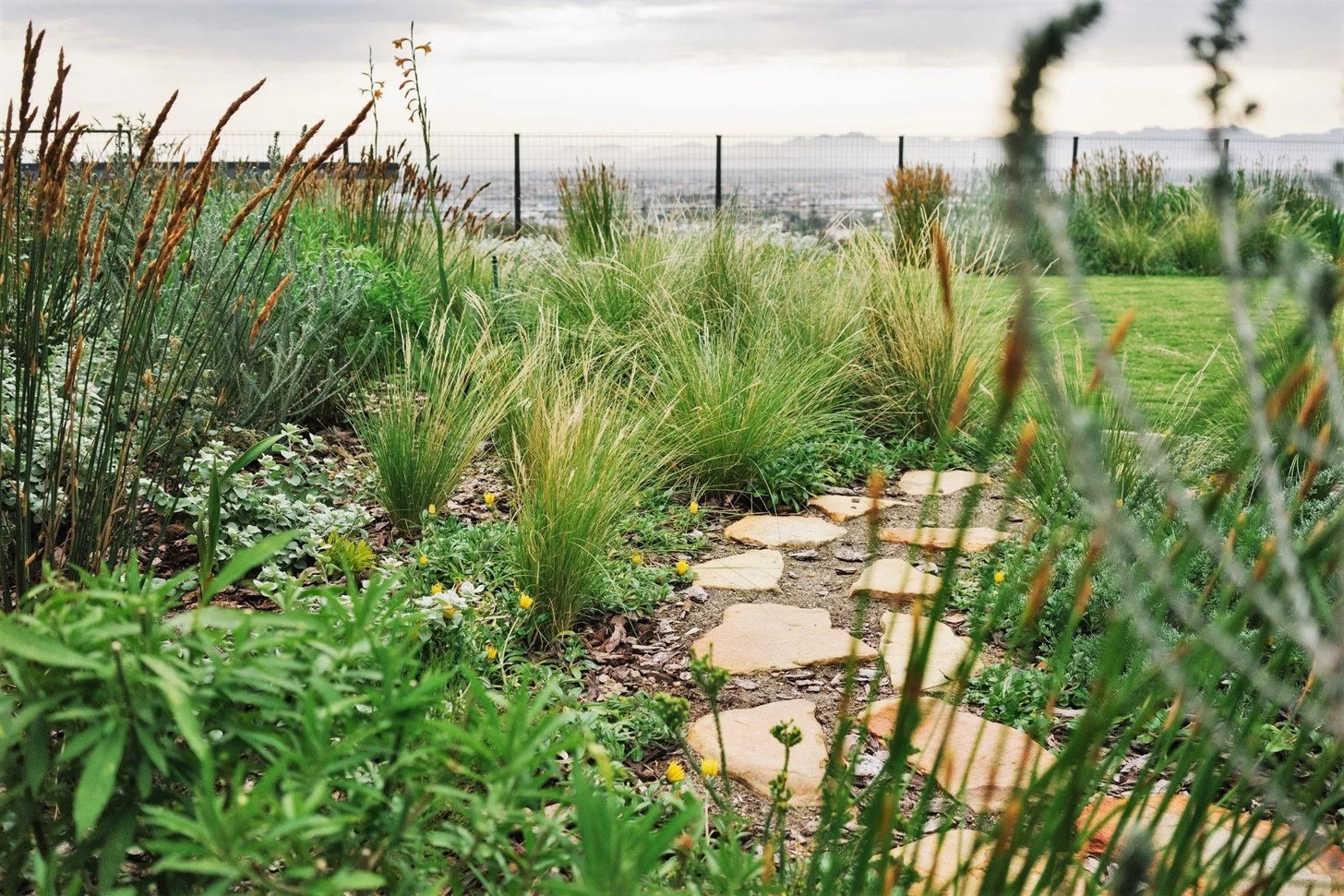
A successful pocket prairie should have plenty of life moving through it. Include flowering indigenous plants that provide nectar and pollen across different seasons, ensuring there is something available for pollinators for as much of the year as possible.
Bees, butterflies and other beneficial insects will be drawn to flowering plants, while seed-bearing grasses and other species can provide additional food for birds.
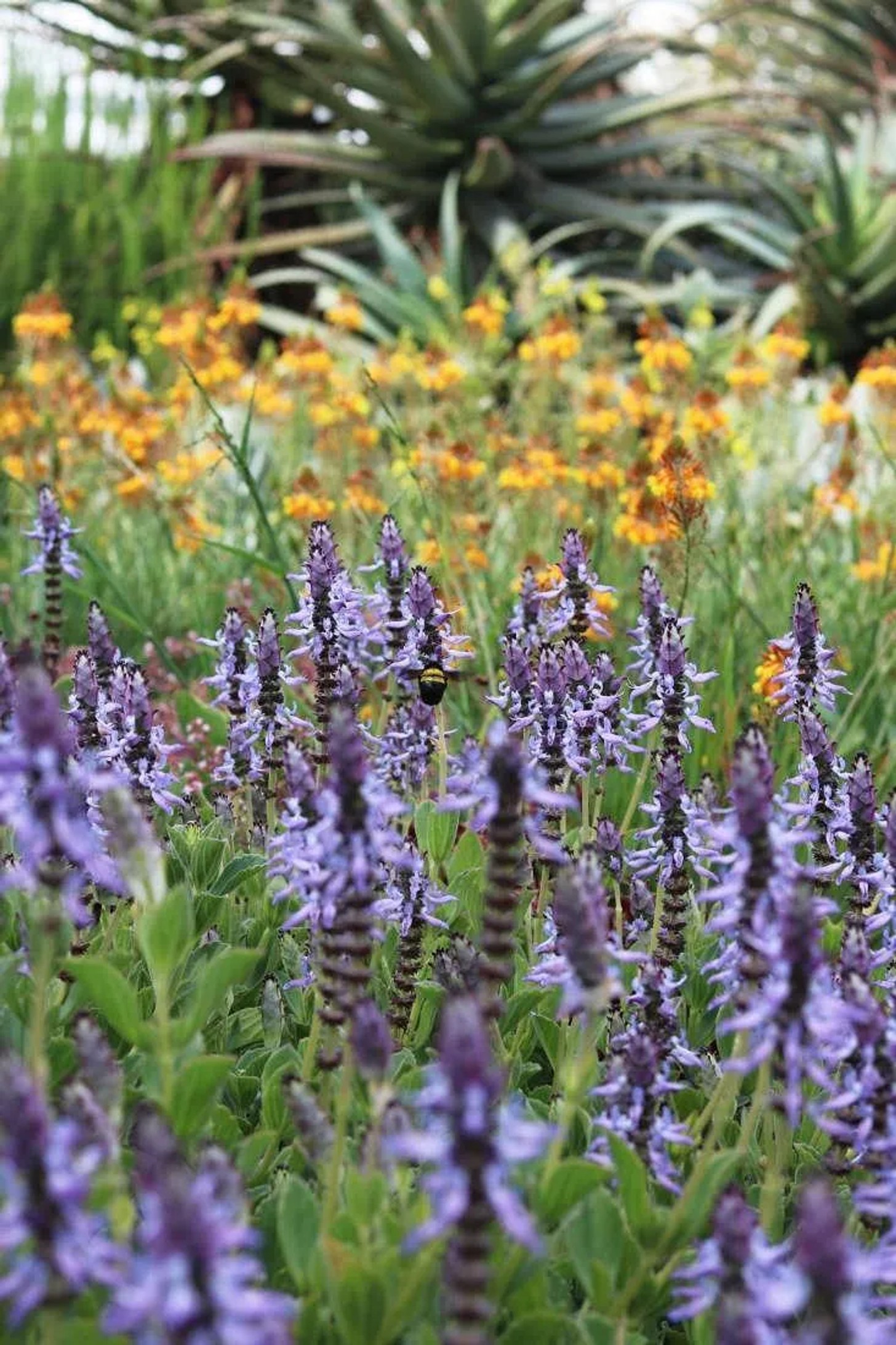
Avoid making the garden too tidy. A few nibbled leaves, fallen petals and spent flowers are signs that the planting is being used. Where possible, minimise chemical pesticides and allow natural interactions between plants and wildlife to develop.
6. Water Deeply While Plants Establish
A pocket prairie may eventually become relatively low-water, but it still needs care during its establishment period. Newly planted grasses, bulbs and perennials require consistent moisture while their root systems develop. Water deeply rather than relying on frequent, shallow watering, while adjusting the schedule according to the season, rainfall and needs of the plants you've selected.
As the planting matures, gradually reduce supplementary watering where appropriate. Choosing plants suited to the local climate from the beginning will make this transition considerably easier.
7. Let The Garden Change
Perhaps the most important lesson of a pocket prairie is to embrace seasonal change. A grassland-inspired garden will not look exactly the same throughout the year, and that is part of its appeal.
Allow grasses to flower and develop seed heads, leave selected stems standing and resist the urge to cut everything back as soon as it starts looking untidy. Different plants will come into their own at different times, creating a garden that continually shifts in colour, texture and movement.
Ultimately, a regenerative pocket prairie offers a different definition of the suburban garden. Instead of measuring success by immaculate lawns and constant maintenance, it celebrates biodiversity, seasonal rhythm and a lighter approach to gardening. Even a small patch can become a valuable refuge for birds and insects — while giving homeowners a beautiful reason to let nature take a little more space.
Credits
Images: Pexels
These details should determine your planting choices. A successful pocket prairie is not simply a collection of attractive indigenous plants; it is a planting scheme that responds to its particular climate, soil and conditions.
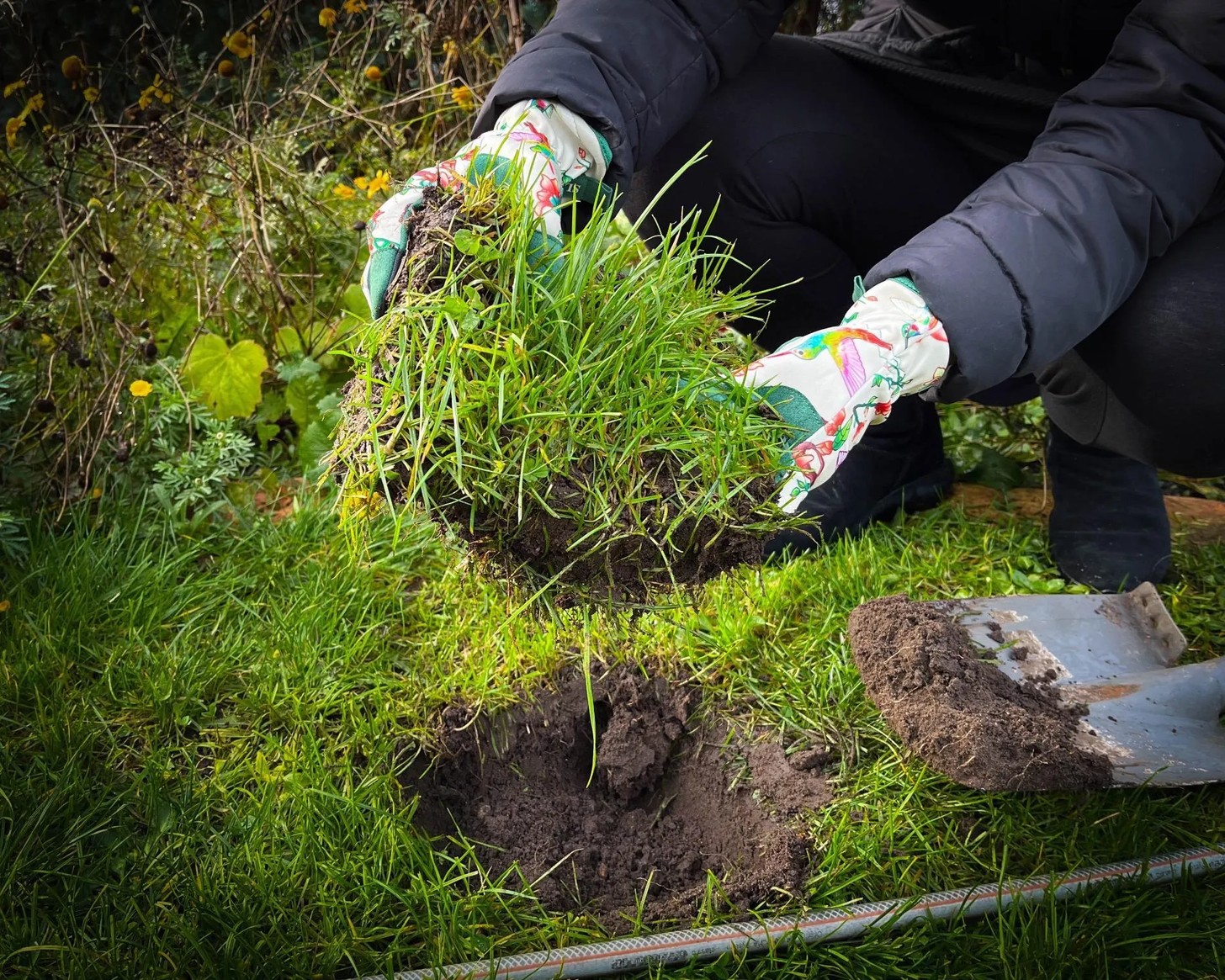
2. Remove The Lawn Without Stripping The Soil
Once you've chosen the area, remove the lawn and any invasive or competing weeds. The temptation may be to completely excavate and replace the soil, but a more regenerative approach is to disturb it as little as possible.
Loosen compacted areas, clear unwanted growth and prepare the surface for planting without turning the space into a conventional flower bed. Healthy, living soil is part of the ecosystem you are trying to establish, so avoid unnecessary disturbance and excessive fertilising.


