
As winter loosens its grip and gardens begin to stir back to life, spring offers the perfect opportunity to refresh your outdoor spaces. This season's biggest garden trends go beyond aesthetics, embracing sustainability, biodiversity and spaces that encourage us to spend more time outdoors. Whether you're working with a sprawling country garden or a compact urban courtyard, these are the ideas set to shape South African gardens this spring.
Planting For Pollinators
One of the strongest gardening movements continues to be designing with biodiversity in mind. Rather than purely ornamental planting, gardeners are choosing flowers that attract bees, butterflies and birds, helping to restore vital ecosystems.

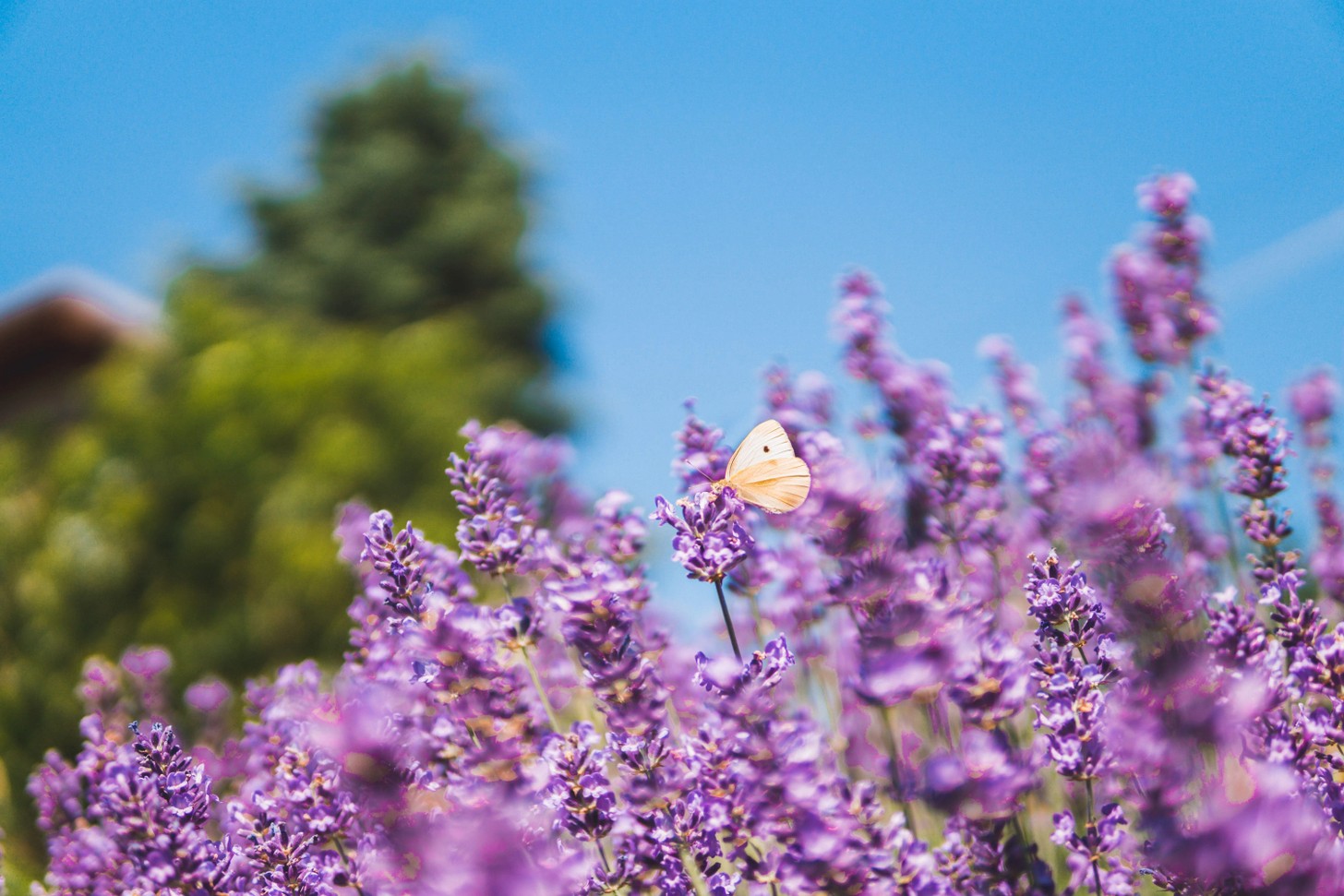
Lavender, salvias, aloes, wild rosemary and indigenous flowering shrubs all provide valuable food sources while bringing colour and movement to the garden. The result is an outdoor space that's as alive with wildlife as it is with beautiful blooms.
Indigenous Planting Takes Centre Stage
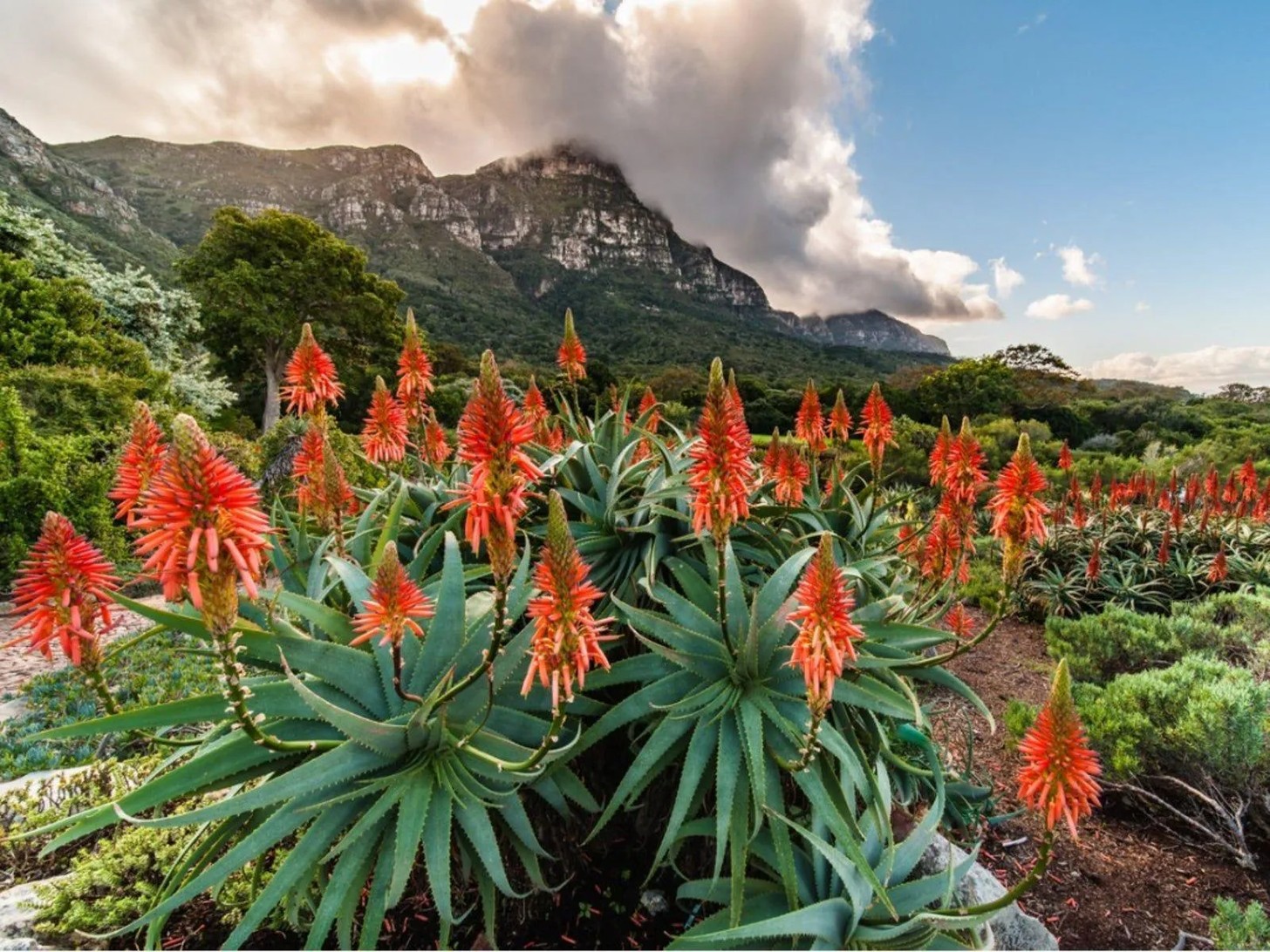
South African gardeners are increasingly embracing indigenous species that thrive naturally in local conditions. Besides requiring less water and maintenance, indigenous planting supports local wildlife while celebrating the country's extraordinary botanical diversity. Mixing fynbos species with grasses, flowering perennials and sculptural succulents creates gardens that feel contemporary yet deeply connected to place.
Edible Landscapes Continue To Grow
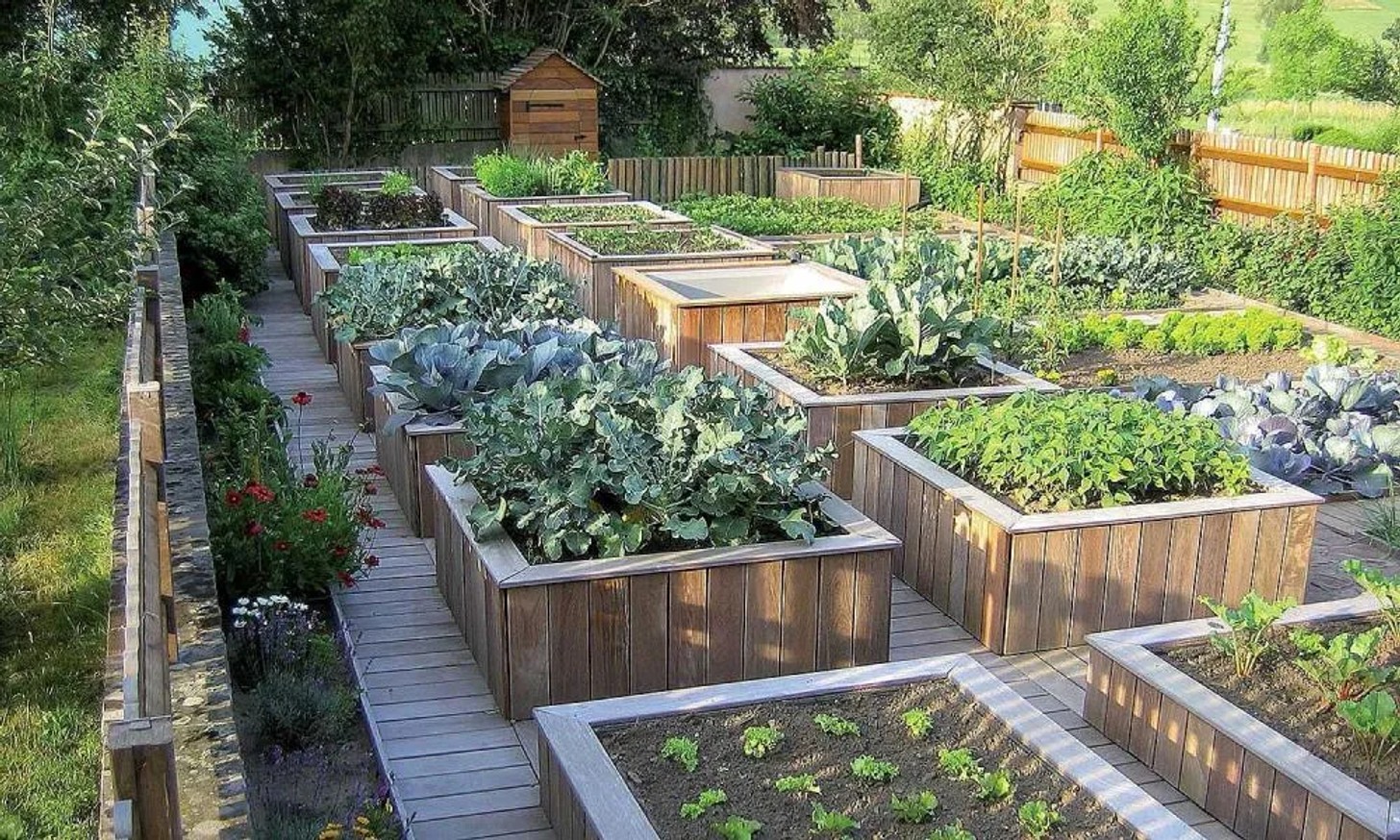
Kitchen gardens are no longer hidden behind the house. Instead, herbs, vegetables and fruit trees are becoming integral parts of beautifully designed landscapes. Raised beds edged with corten steel, espalier citrus trees, fragrant herbs and colourful leafy greens prove that productive gardens can also be highly decorative. It's a trend that combines sustainability with everyday convenience, allowing fresh ingredients to be harvested just steps from the kitchen.
Outdoor Rooms Become More Refined
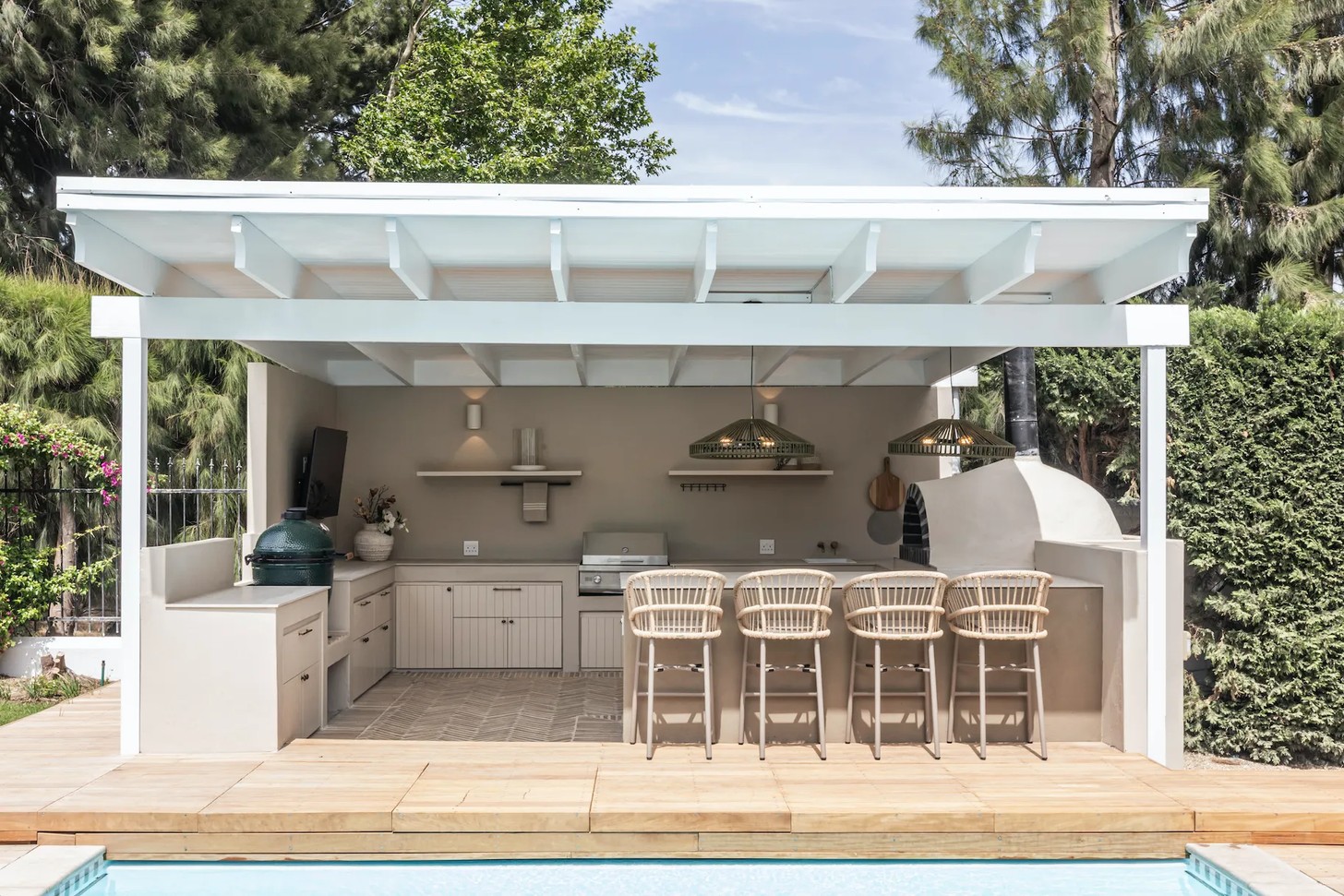
The garden is increasingly being treated as another room of the home. Comfortable seating, outdoor rugs, weather-resistant fabrics and layered lighting create inviting spaces that encourage entertaining long after the sun sets. Pergolas draped in climbing plants, built-in benches and fire pits continue to blur the boundary between indoor and outdoor living, making gardens feel usable throughout the year.
Softer, More Natural Planting
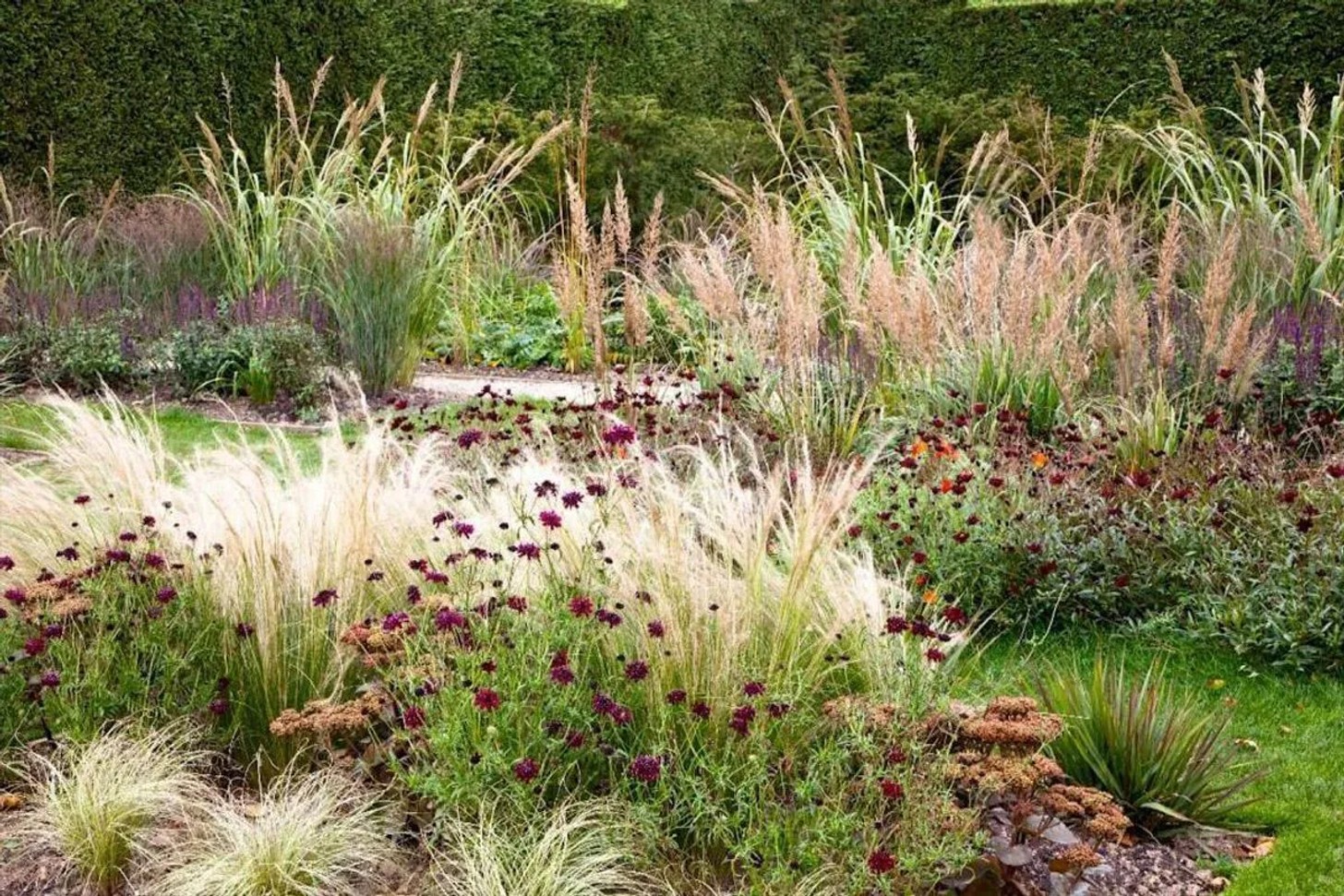
Highly structured gardens are giving way to looser, more naturalistic planting schemes. Instead of clipped hedges and rigid symmetry, designers are layering ornamental grasses, flowering perennials and informal shrubs to create movement and seasonal interest. This softer approach feels relaxed and contemporary while requiring less intensive maintenance than traditionally formal gardens.
Water-Wise Design Remains Essential
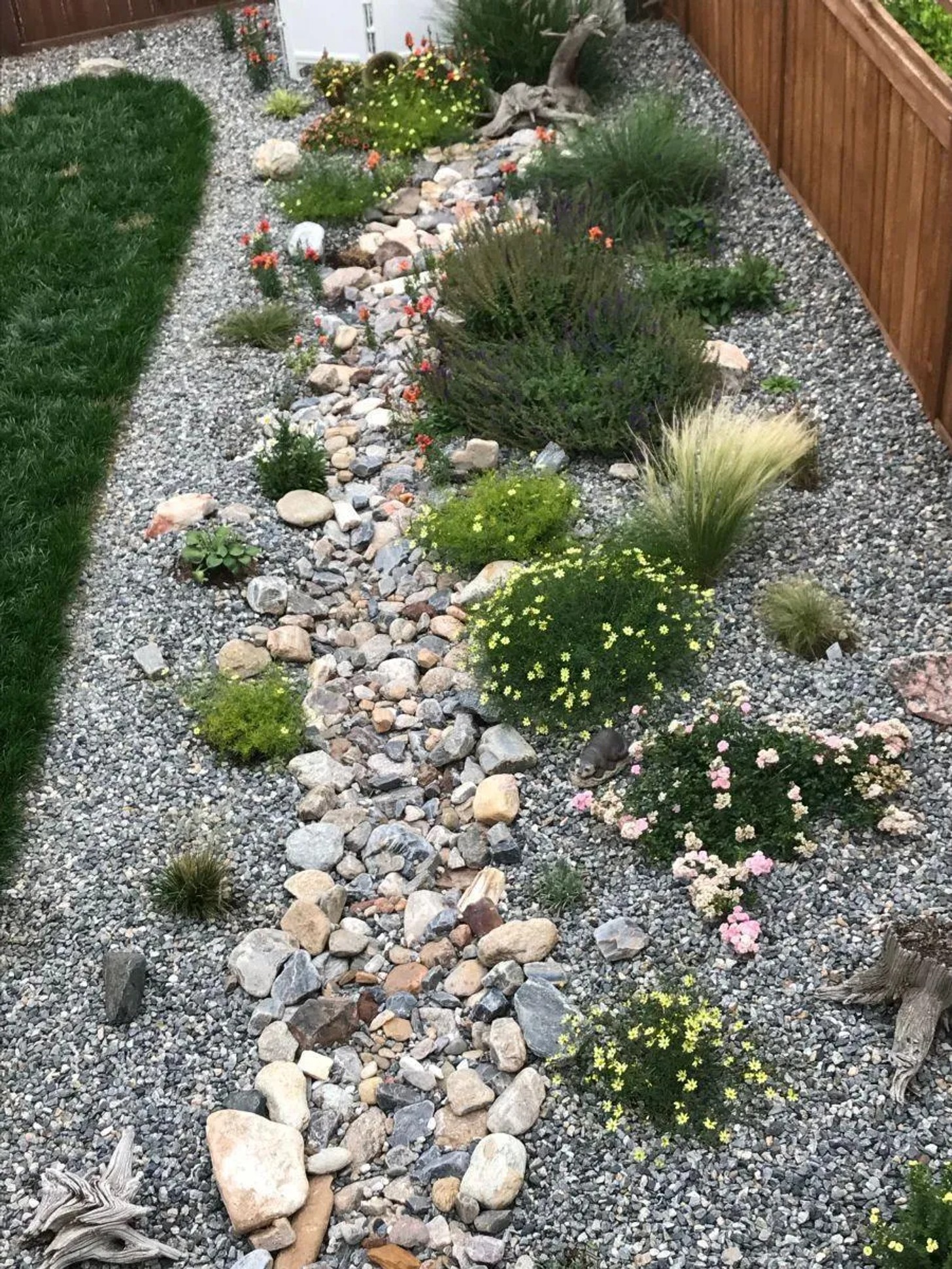
As water conservation continues to influence landscape design across South Africa, drought-tolerant planting is becoming the norm rather than the exception. Mulching, efficient irrigation systems, gravel pathways and climate-appropriate planting all help reduce water consumption without compromising beauty. The result is a resilient garden that's prepared for increasingly unpredictable weather conditions.
Sculptural Containers Make A Statement
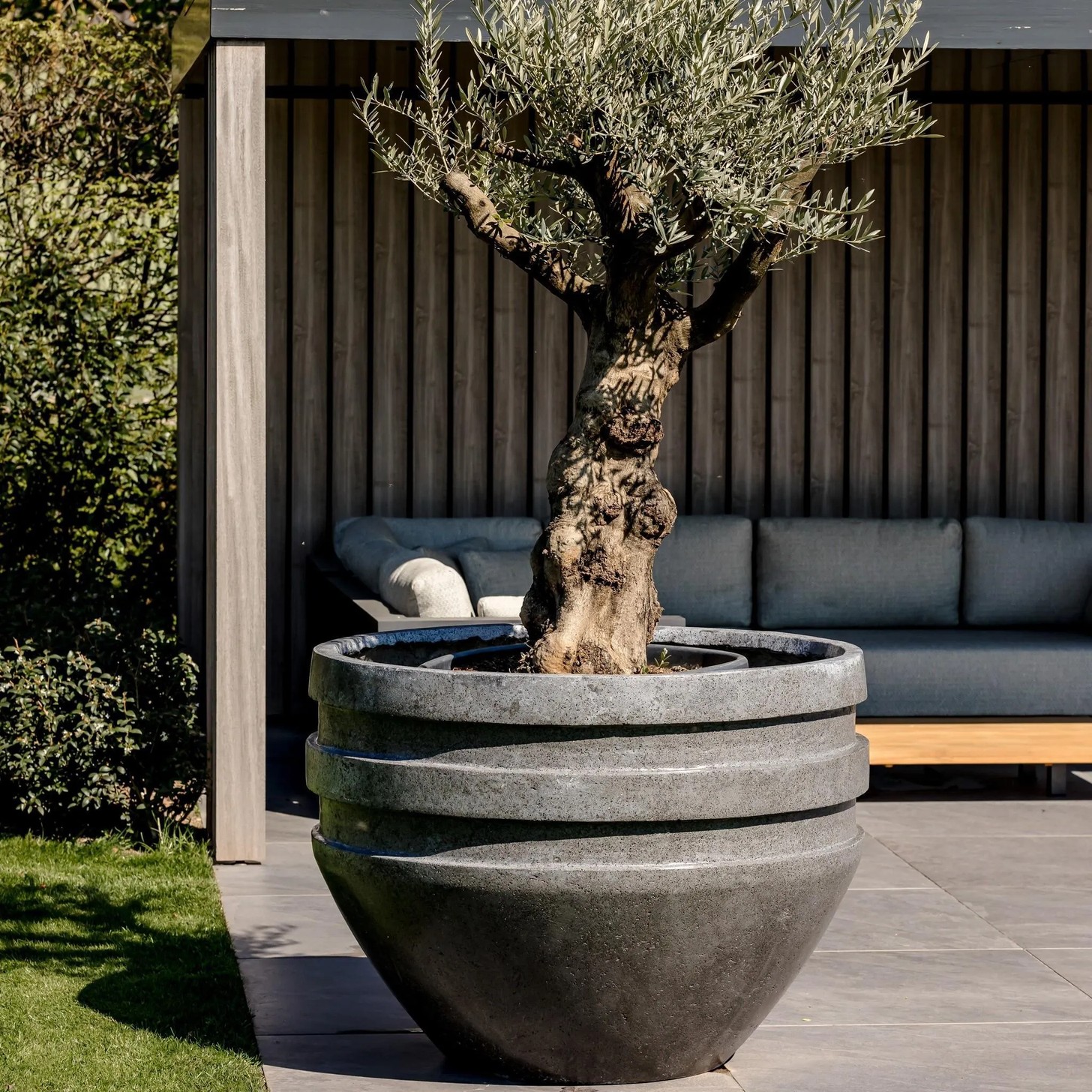
Large planters are becoming focal points in their own right. Oversized ceramic pots, weathered concrete vessels and textured stone containers bring height, structure and flexibility to gardens of every size. Filled with architectural plants such as agaves, cycads, olive trees or ornamental grasses, they create instant impact while allowing homeowners to easily refresh seasonal displays throughout the year.
A Garden Designed To Last
Perhaps the defining trend of the season is thoughtful longevity. Rather than chasing fleeting fashions, today's gardens are being designed to evolve gracefully over time, balancing beauty with resilience.
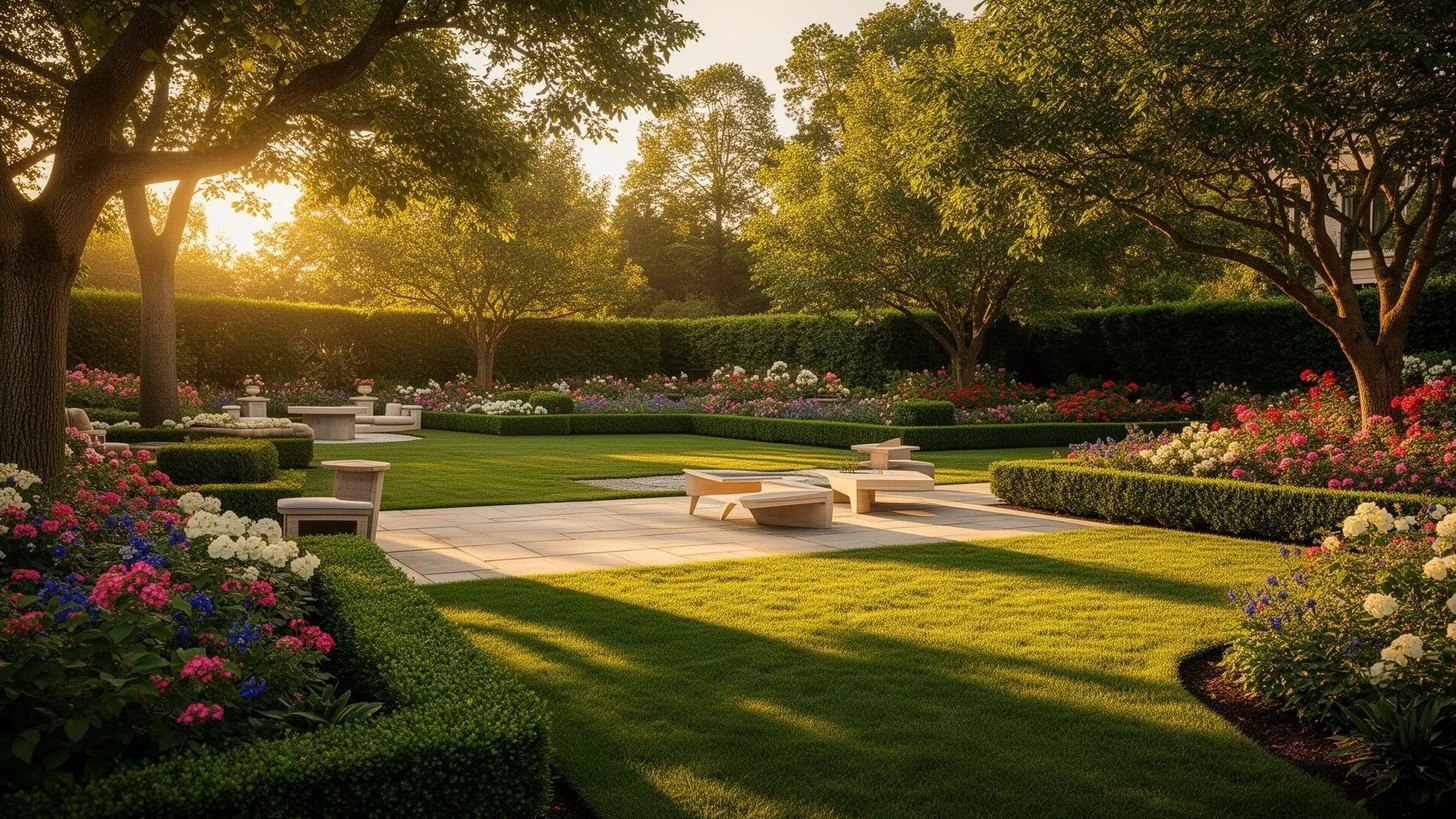
By embracing indigenous planting, supporting biodiversity and creating outdoor spaces that invite daily use, South African homeowners are investing in gardens that offer far more than visual appeal. They become places to gather, unwind and reconnect with nature — exactly what spring was made for.
Credits
Images: Pexels, Unsplash, Vignette & Ryan Abbot


