
Some colours make a statement. Green starts a conversation.
It has quietly become one of the defining shades of modern interiors, but unlike trend-driven colours that arrive with drama before fading away, green feels permanent. It belongs equally in a centuries-old country house, a contemporary apartment, a coastal retreat, or even an urban loft. It carries the familiarity of forests, gardens, and mountains while somehow feeling sophisticated enough for the world's most elegant interiors.

Perhaps that's because green is less about colour than it is about atmosphere.
Instead of asking "Should this room be green?", today's designers are asking "Which green tells this room's story?"
The Colour That Our Eyes Never Get Tired Of
Scientifically, green occupies the middle of the visible colour spectrum, making it one of the easiest colours to process. It demands little visual effort, which partly explains why extended exposure to green often feels restful, rather than stimulating.
Our brains have spent thousands of years associating green with fertile landscapes, water, safety, and renewal. Long before it became fashionable on mood boards, it was already hardwired into our psychology.
Sage: The New Neutral
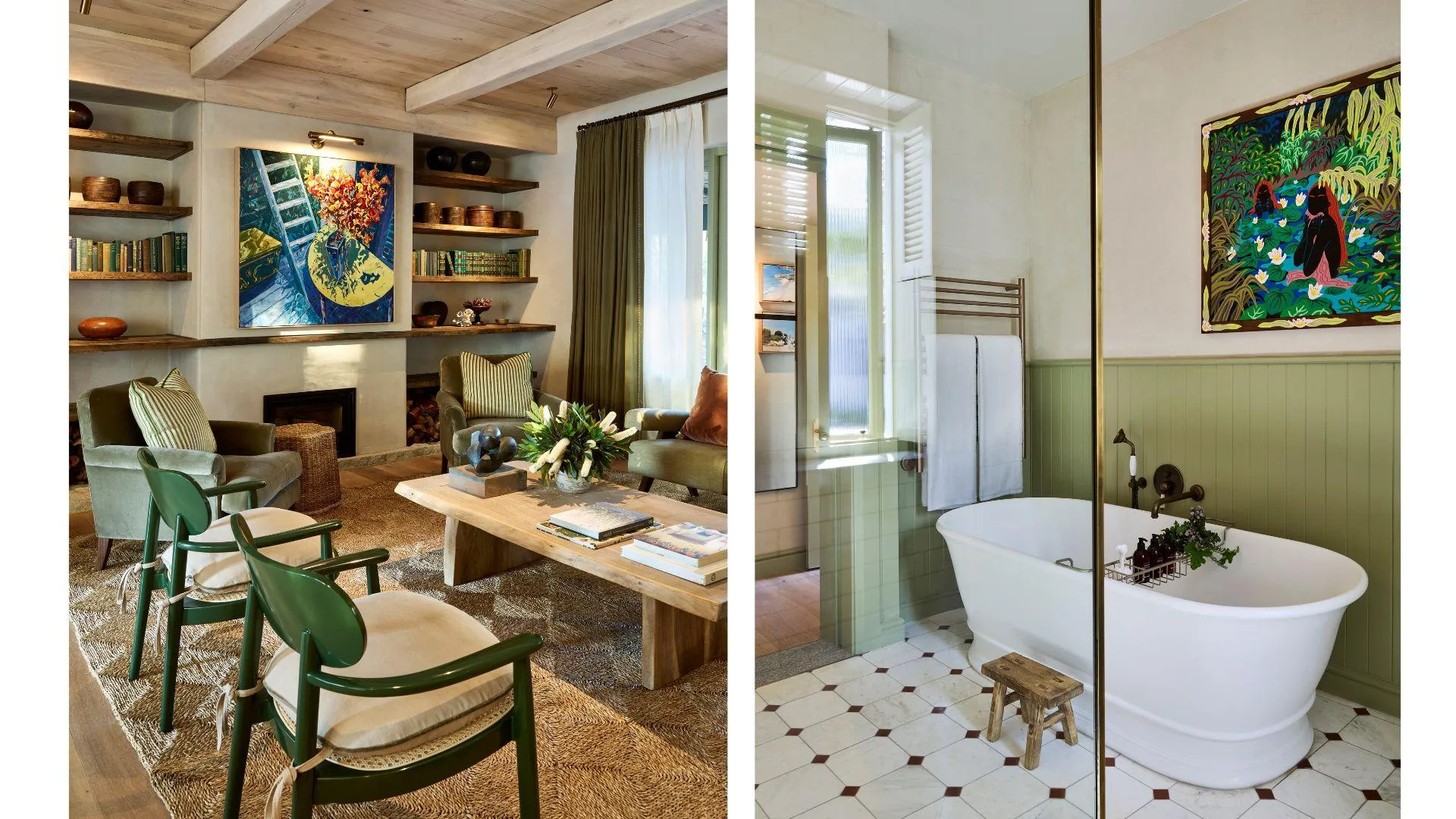
If beige defined one era and grey dominated another, sage has quietly stepped into the role of the modern neutral.
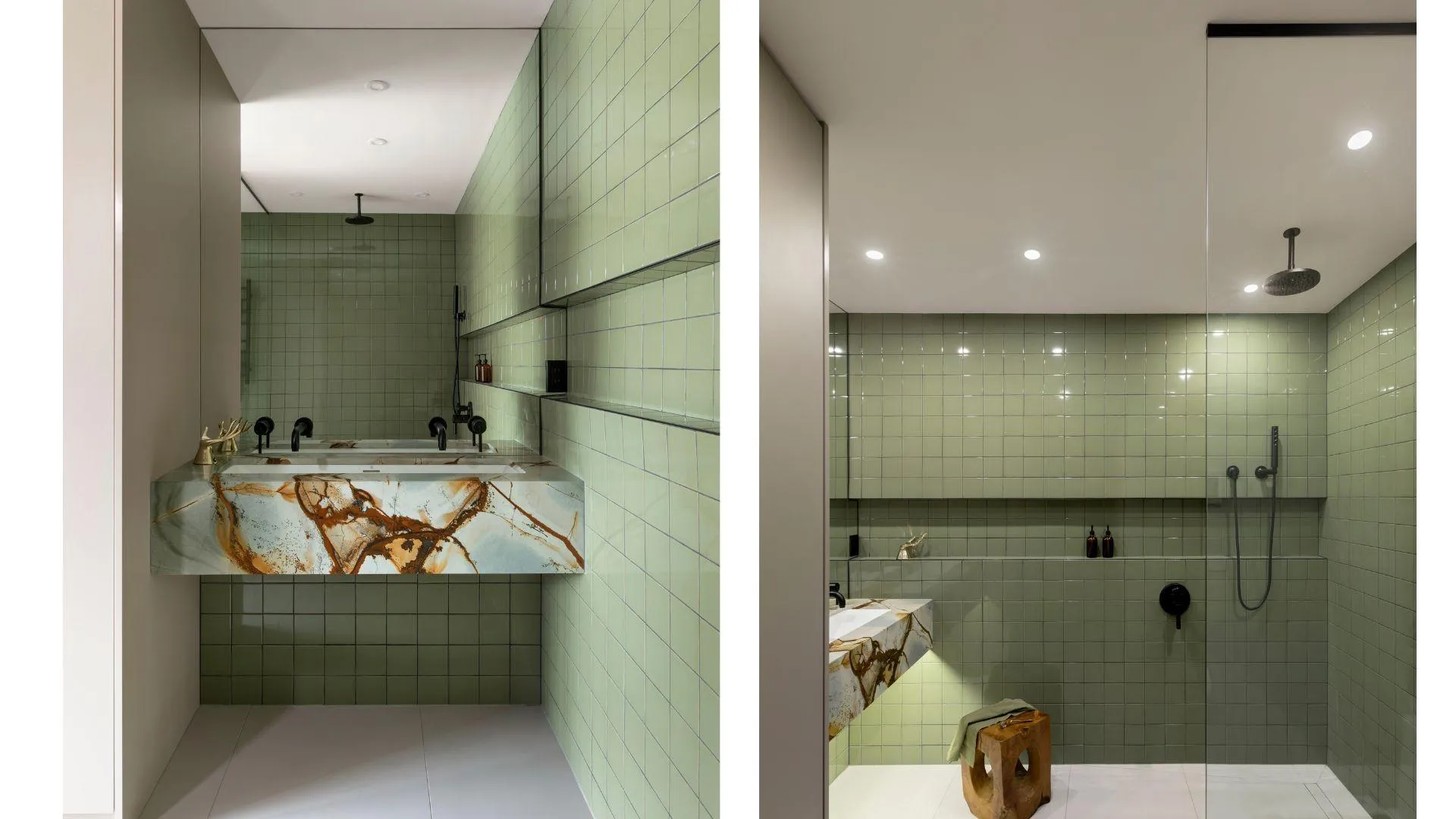
Its muted softness works because it refuses to compete. Instead, it elevates everything surrounding it – warm oak cabinetry, limestone floors, aged brass fixtures, linen upholstery, and handmade ceramics all appear richer against a gentle sage backdrop.
In kitchens, sage cabinetry feels collected rather than showroom-perfect. In bedrooms, it softens harsh light, creating an unmistakable sense of calm. Even home offices benefit from its ability to encourage focus without becoming visually monotonous.
Deep Greens Create Rooms With Presence
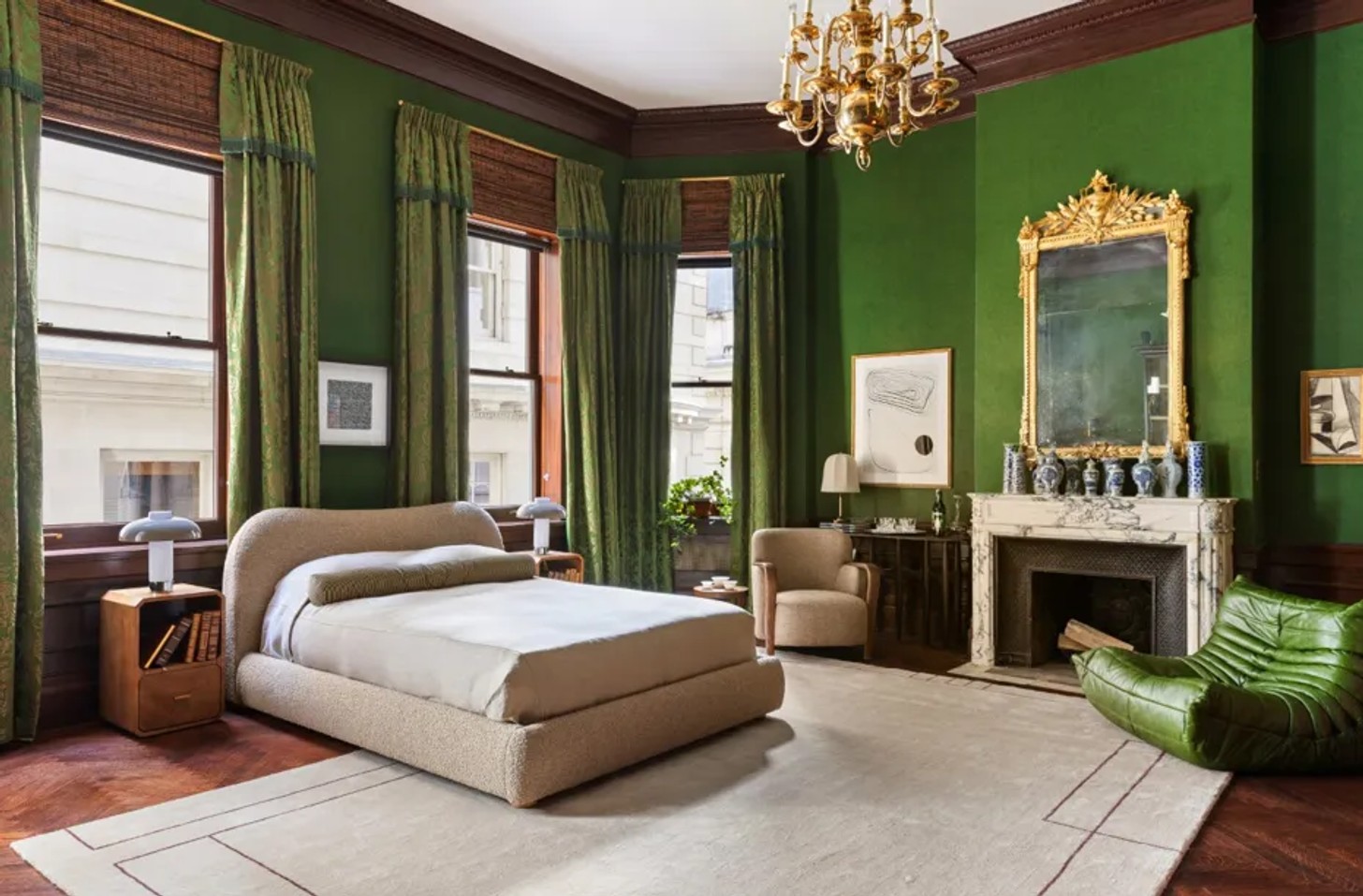
Forest, pine, bottle, and emerald tones transform ordinary rooms into destinations. They absorb light instead of reflecting it, creating intimacy that lighter colours sometimes can not achieve.
These deeper shades thrive in spaces designed for relaxing – dining rooms filled with candlelight, reading corners lined up with books, home bars, music rooms, or studies where work gets done.
Instead of making a room feel smaller, rich greens often blur architectural edges, allowing furniture, artwork, and lighting to be the focal points.
It's an old decorator's secret: darker walls can actually make a space feel more expansive by disguising where the room begins and where it ends.
Olive Brings the Outdoors In
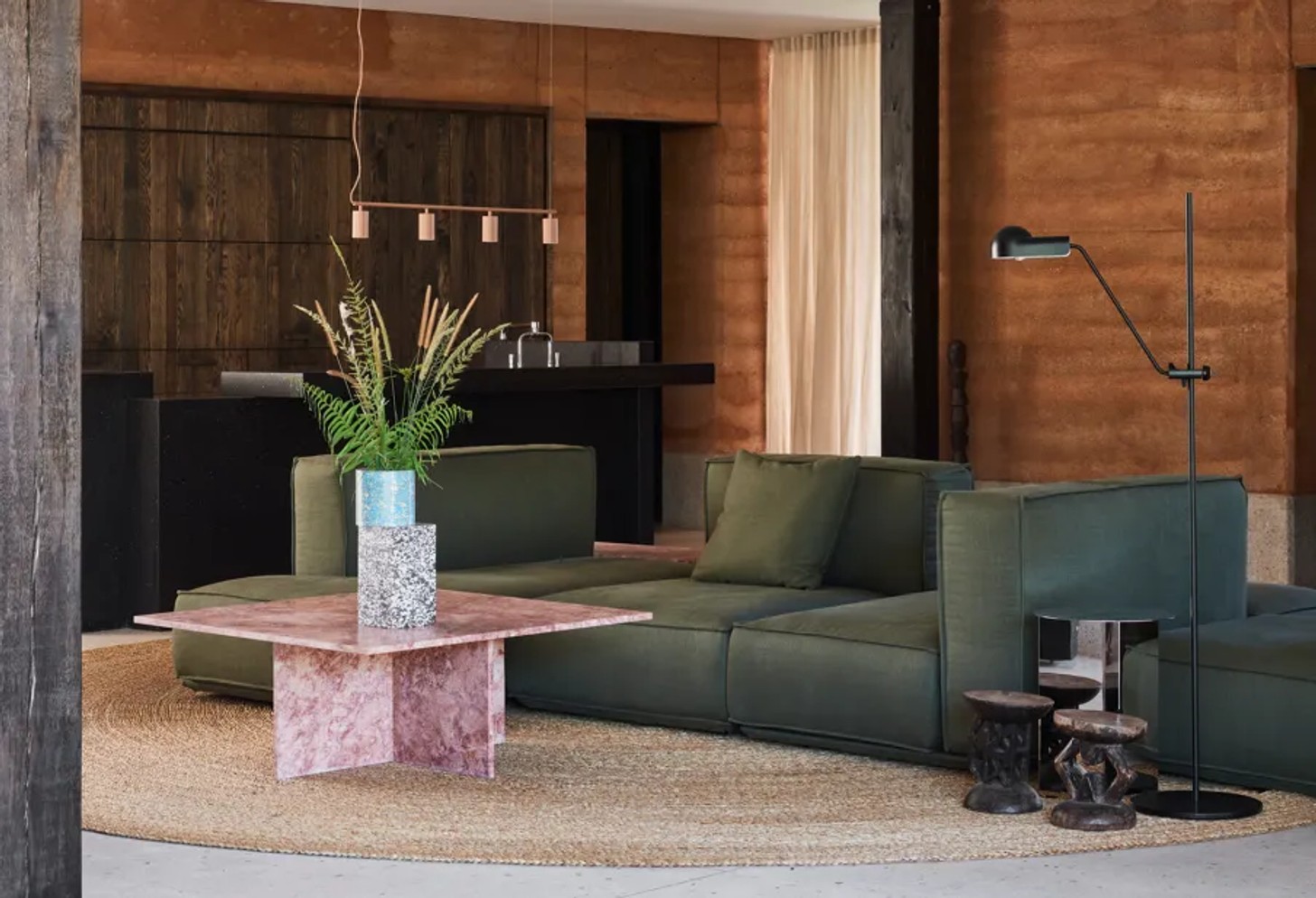
Olive sits somewhere between green, brown, and gold, making it one of the most adaptable colours in interior design.
It feels earthy without becoming too rustic, and contemporary without appearing cold.
Olive works especially well in homes where natural materials already dominate. Envision textured plaster walls, travertine, woven grasses, and handcrafted furniture. Together they create interiors that feel rooted in the landscape rather than separated from it.
The Secret Isn't More Green – It's Better Green
The most memorable interiors rarely stop at the paint.
Green becomes infinitely more interesting when it appears through layers of texture.
A velvet sofa catches light differently from a linen armchair. Glossy ceramic tiles bounce daylight across a kitchen, while a matte limewash wall softens every shadow. Botanical wallpaper introduces movement without requiring a single living plant. Patterned upholstery adds depth where solid colour might feel a bit flat.
The result is usually a room where green reveals itself gradually rather than all at once.
Designers often speak about "visual rhythm" – allowing your eye to travel naturally around a space. Repeating green through different materials creates just that effect.
A room might begin with painted walls, continue through patterned cushions, appear again in marble streaks, emerge in glazed pottery, and finally end in a single oversized plant.
Let Nature Choose Your Palette
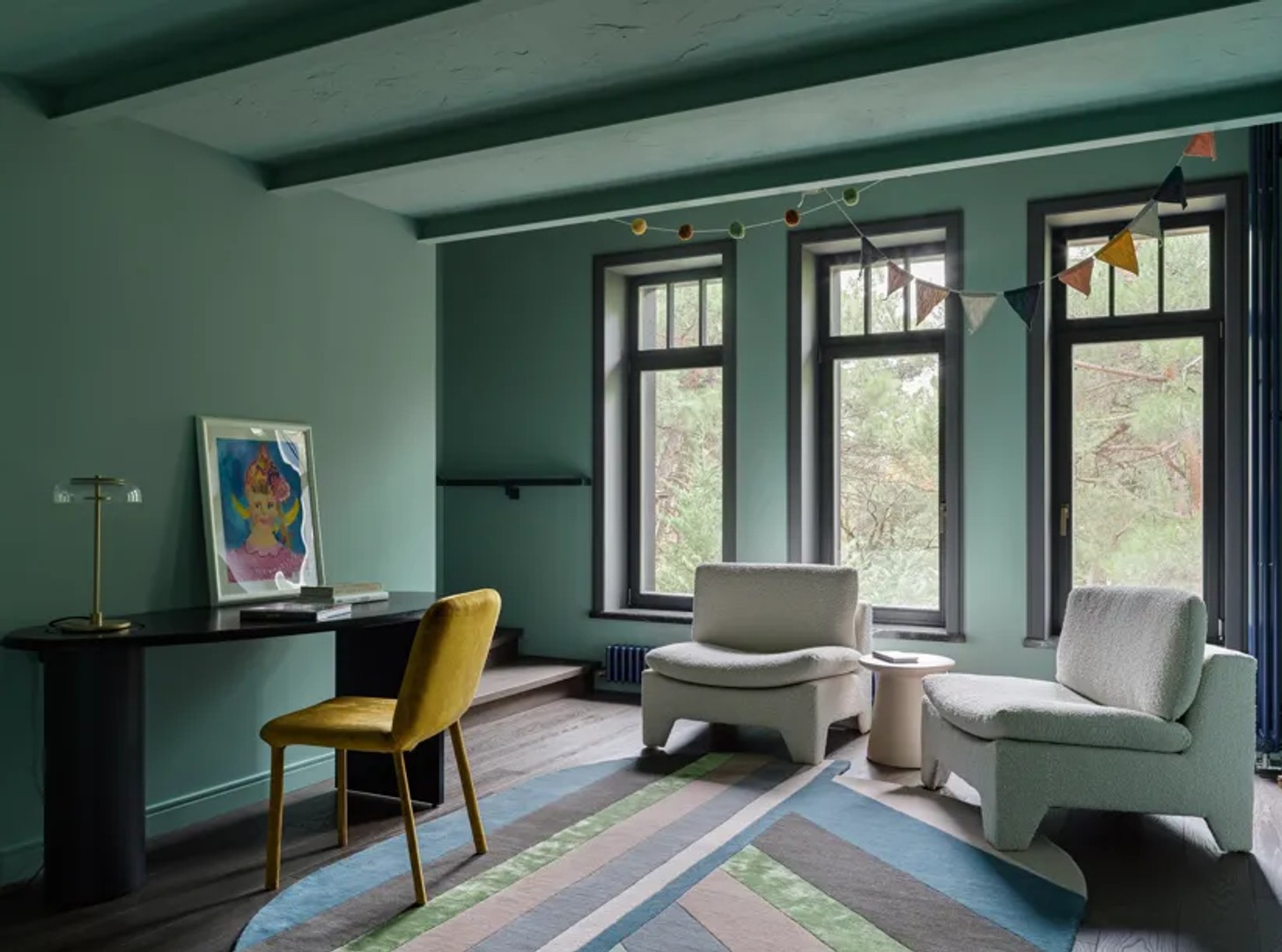
One of the simplest ways to build a convincing green interior is to borrow combinations that are already perfected outdoors.
Moss and stone.
Olive and terracotta.
Fern with walnut.
These combinations feel uniquely balanced because we've encountered them throughout nature. They require remarkably little adjustment once they are brought indoors.
More Than a Trend
Interior trends come and go, but green has survived every design movement, from Victorian conservatories to mid-century modernism and today's calmer, organic aesthetic.
Its longevity comes from something deeper than fashion.
Green reminds us that good interiors are not simply places we decorate; they are environments that shape how we feel. Whether expressed through a softly painted wall, a dramatic floral wallpaper, a velvet armchair or the gentle presence of indoor plants, green encourages homes to slow down, breathe, and reconnect with the natural world.
Credits
Adrien Dirand, Casa Mia Visuals, Elsa Young, Hayley Ellen Day, Sergey Krasyuk, Tina Kulic


