
For years, marble has been the shorthand for a beautiful kitchen. Veined slabs, waterfall islands and polished stone splashbacks have dominated interiors, offering a combination of luxury, durability and visual drama that is difficult to resist. But while marble remains a classic, today's most interesting kitchens are looking beyond it.
The shift is not necessarily about abandoning natural stone altogether. Instead, designers are becoming more adventurous with the materials they place alongside it – and, increasingly, the materials they choose instead. Kitchens are becoming more tactile, layered and individual, with surfaces selected as much for how they feel as how they look.

Timber Brings Warmth Back Into The Kitchen
Wood is having a particularly strong moment in kitchen design. From pale oak cabinetry to deeper walnut and richly grained timber islands, wooden surfaces soften the hard-working nature of the kitchen and create a more domestic atmosphere.
Rather than treating timber as a secondary accent, designers are using it across cabinetry, shelving, islands and even walls. The result is a kitchen that feels connected to the rest of the home rather than functioning as a separate, highly technical zone.
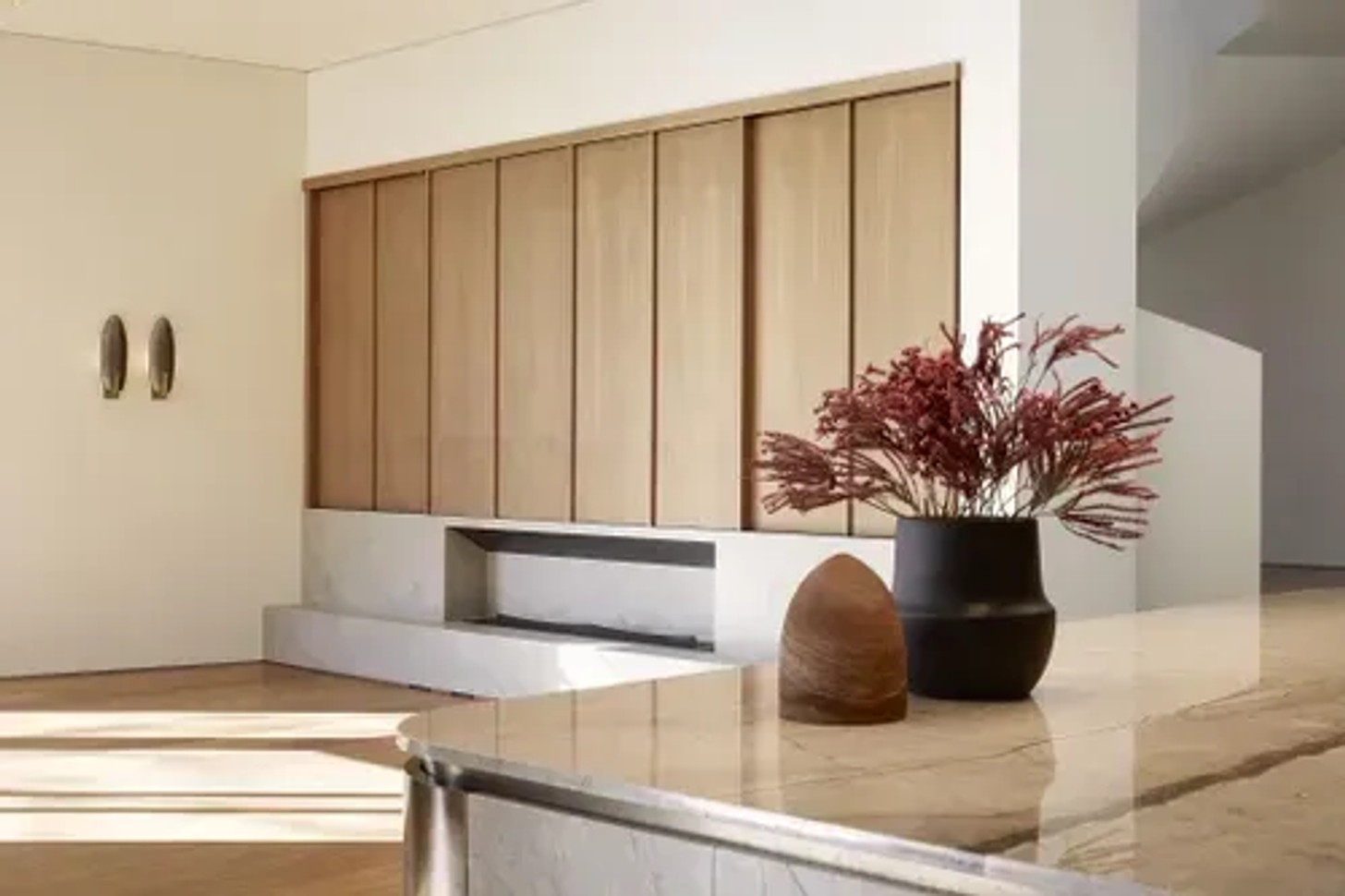
For South African interiors, where natural materials and a connection to the landscape often inform design, timber also brings an appealing sense of warmth and tactility.
Stainless Steel Is No Longer Just Practical
Once associated primarily with professional kitchens, stainless steel has moved firmly into residential interiors. Its industrial associations can give contemporary kitchens a sharper edge, while its reflective surface helps bounce light around the room.
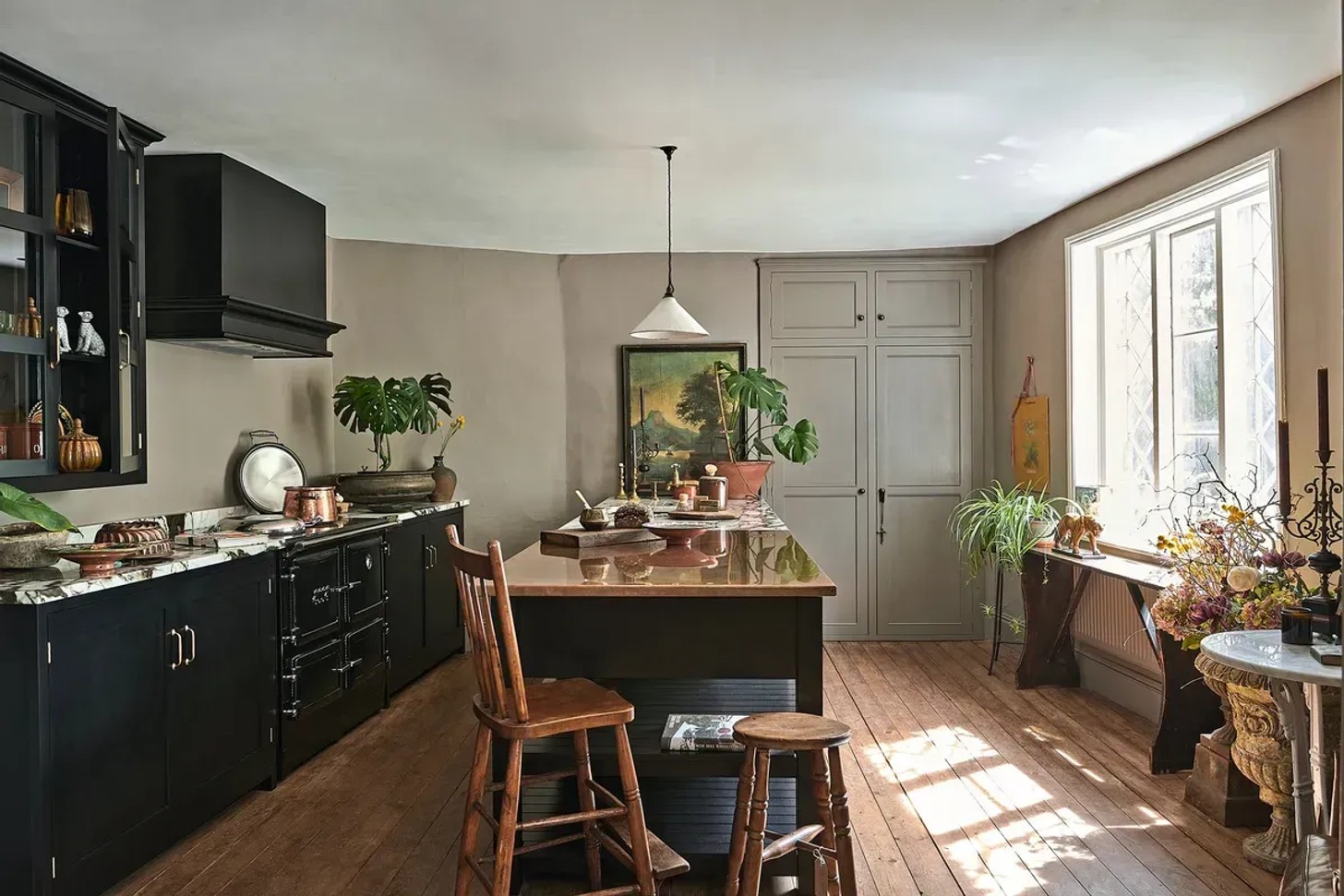
Stainless steel works particularly well when balanced with softer materials. Pairing a steel island with timber cabinetry, for example, prevents the room from feeling overly utilitarian. Full stainless-steel kitchens can also make a confident statement, particularly when combined with vintage furniture, colourful artwork or warm lighting.
Stone Is Getting More Expressive
Natural stone is not disappearing – it is becoming more adventurous. Instead of relying solely on the familiar white marble look, designers are embracing dramatic veining, darker stones and less expected finishes.
Travertine, limestone and richly patterned granite can introduce a softer, more organic quality, while honed finishes offer a quieter alternative to highly polished surfaces. The appeal lies in allowing the natural variation of the material to become part of the character of the kitchen.
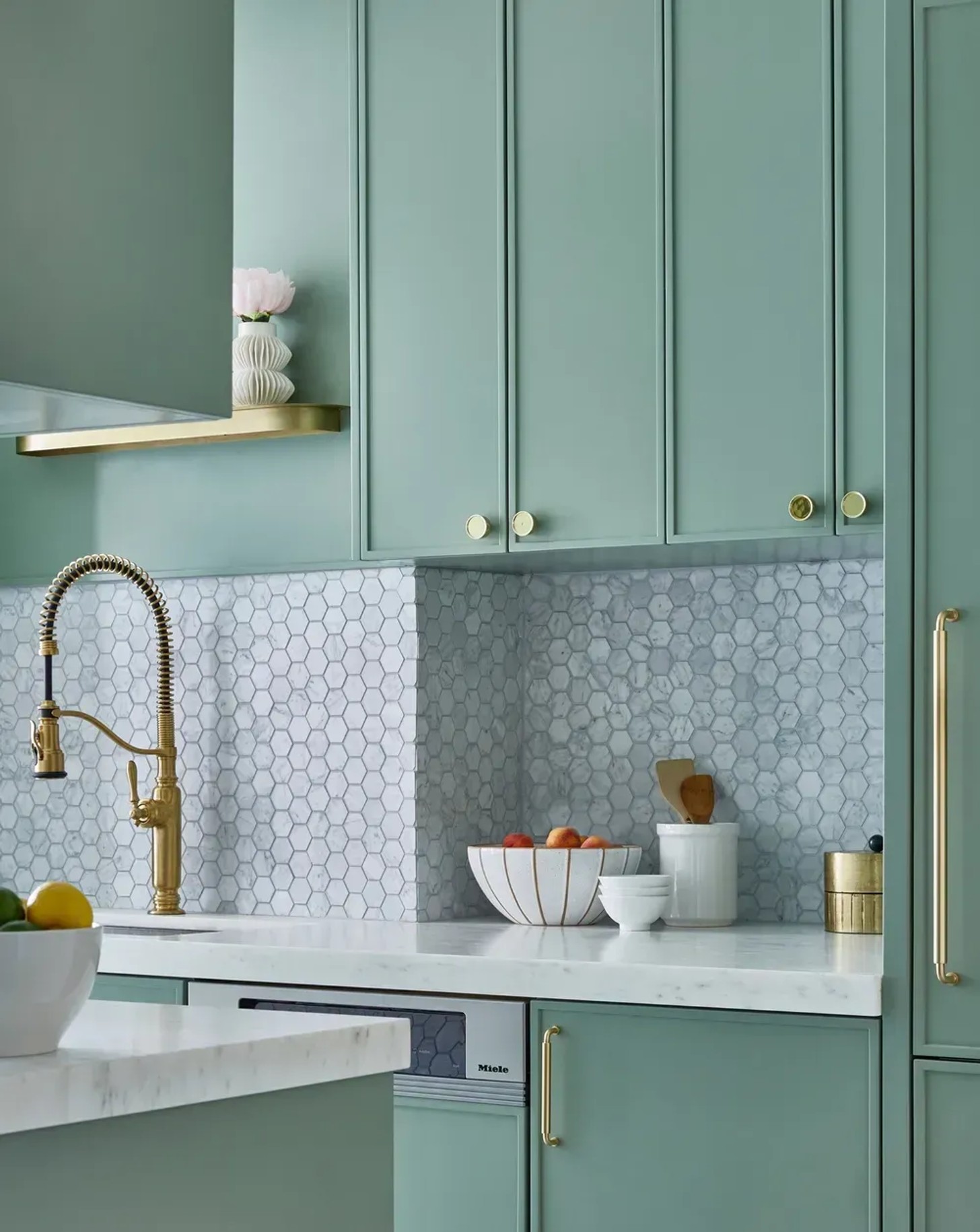
This approach also reflects a wider interiors trend towards materials that feel authentic and age gracefully rather than looking perfectly uniform from day one.
Colour And Texture Take Centre Stage
Painted cabinetry remains one of the easiest ways to bring personality into a kitchen, but colour is increasingly appearing through more unexpected materials. Ceramic tiles, linoleum, glazed surfaces and coloured glass can all introduce saturated or muted tones without overwhelming the room.
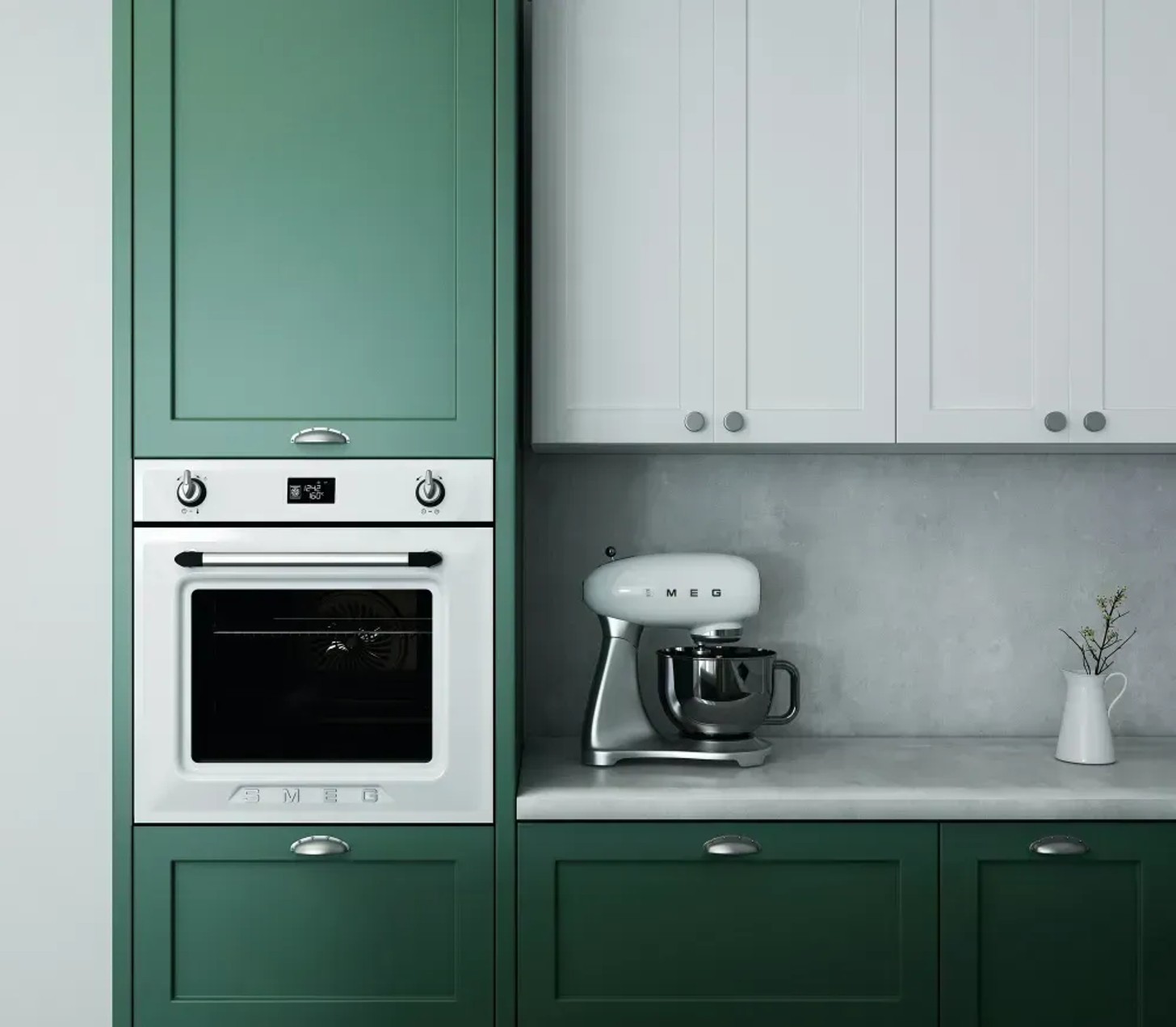
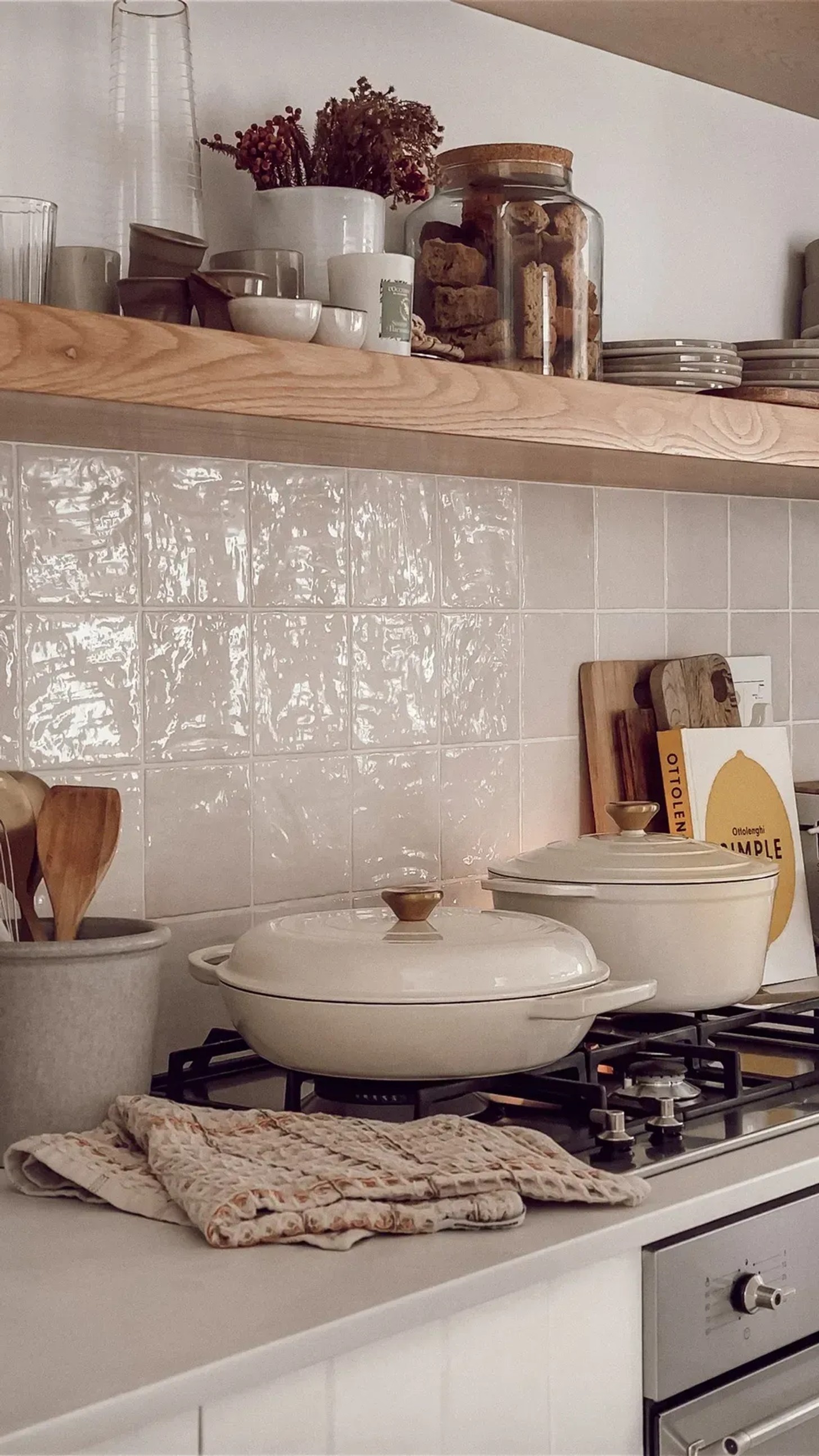
Texture is equally important. Fluted timber, handmade tiles, brushed metals and tactile stone surfaces give kitchens visual depth, particularly when used together. Rather than matching every finish, designers are deliberately allowing materials to contrast.
The New Kitchen Is More Personal
Perhaps the biggest shift is that there is no longer one defining material for the contemporary kitchen. The most compelling spaces combine several – often in ways that feel collected rather than coordinated.
A timber island might sit alongside a stone worktop; stainless steel can meet painted cabinetry; handmade tiles can provide a colourful backdrop to restrained joinery. These combinations make the kitchen feel less like a showroom and more like an extension of the home.
Marble still has its place, but today's kitchen is increasingly about material confidence rather than material status. The focus is shifting towards surfaces that bring warmth, texture, longevity and personality – creating kitchens that are designed not simply to impress, but to be lived in.
Credits
Images: Supplied, Courtesy of deVol, Jacob Snavely, Unsplash, Misha Levin


