
A well-curated shelf is about more than finding a place for books and decorative objects. It is an opportunity to tell a story about the people who live in a home, bringing together treasured possessions, collected pieces and everyday essentials in a way that feels both considered and personal. Whether styled within a living room, lining a passage or forming part of a home library, shelves can become an expressive design feature when approached with intention.
The secret lies in balancing practicality with visual interest. Rather than filling every available space, a thoughtful arrangement allows individual objects to stand out while contributing to a cohesive whole. The result should feel collected over time, rather than assembled all at once.

Start With a Clear Foundation
Before arranging objects, consider the shelf itself and its relationship with the surrounding interior. Built-in joinery can create a seamless architectural feature, while freestanding shelving offers flexibility and the opportunity to introduce contrasting materials. Timber brings warmth, metal lends an industrial edge, and painted shelving can add colour or create a quieter backdrop for a collection.
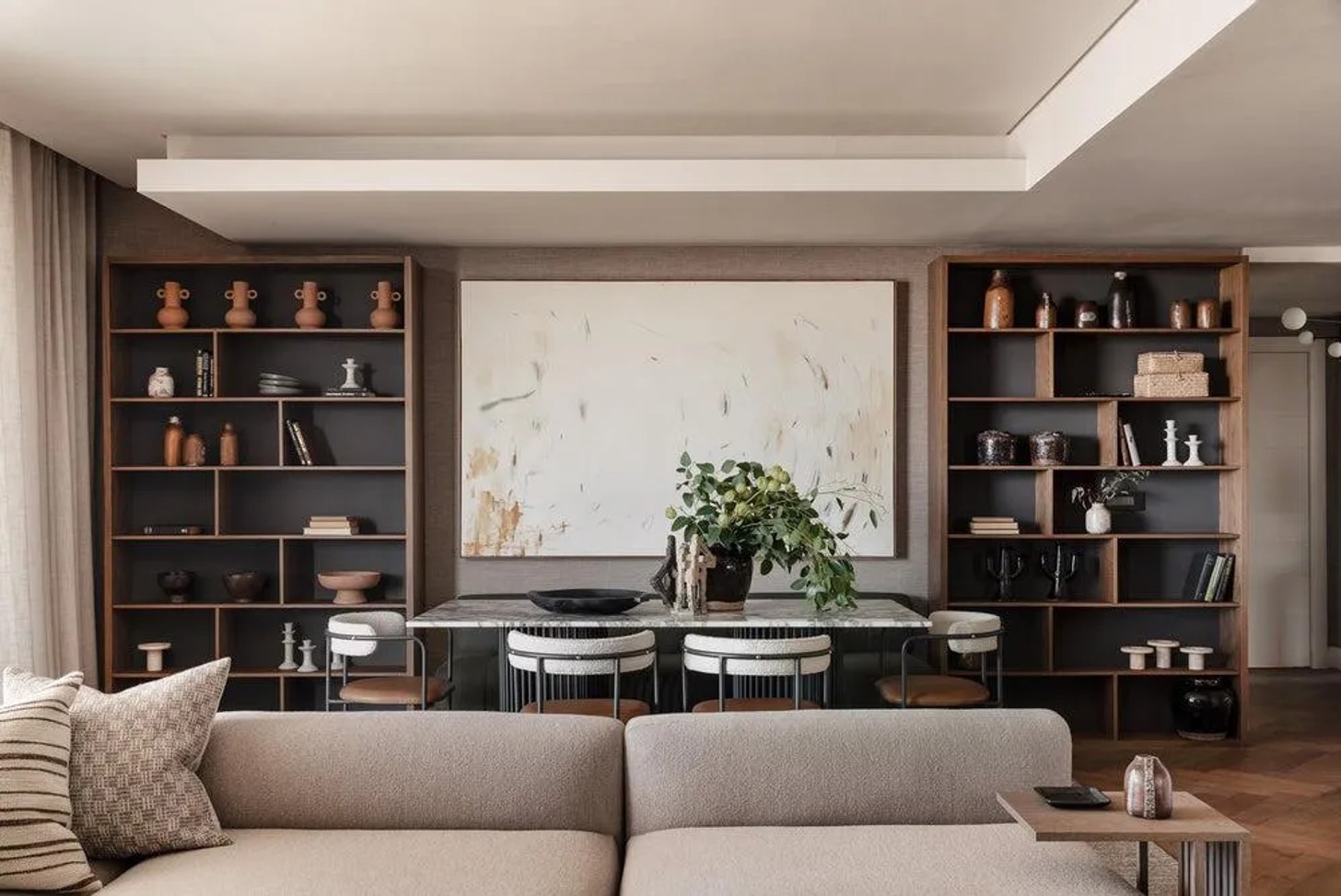
Think about what the shelves need to accommodate, too. A library of books requires a different approach from a display of ceramics, artwork and sculptural objects. Establishing their primary purpose will help determine the proportions, spacing and overall composition.
Create a Rhythm With Books
Books provide a natural starting point for shelf styling, offering colour, texture and structure. Arrange some vertically to establish order, then stack others horizontally to introduce variation. Horizontal piles can also serve as platforms for smaller objects, giving decorative pieces additional height and prominence.
There is no need to organise books solely by colour, although grouping spines by tonal family can create a more unified appearance. Alternatively, arranging them by subject, author or personal significance gives the collection a more individual character. A combination of approaches often feels the most natural.
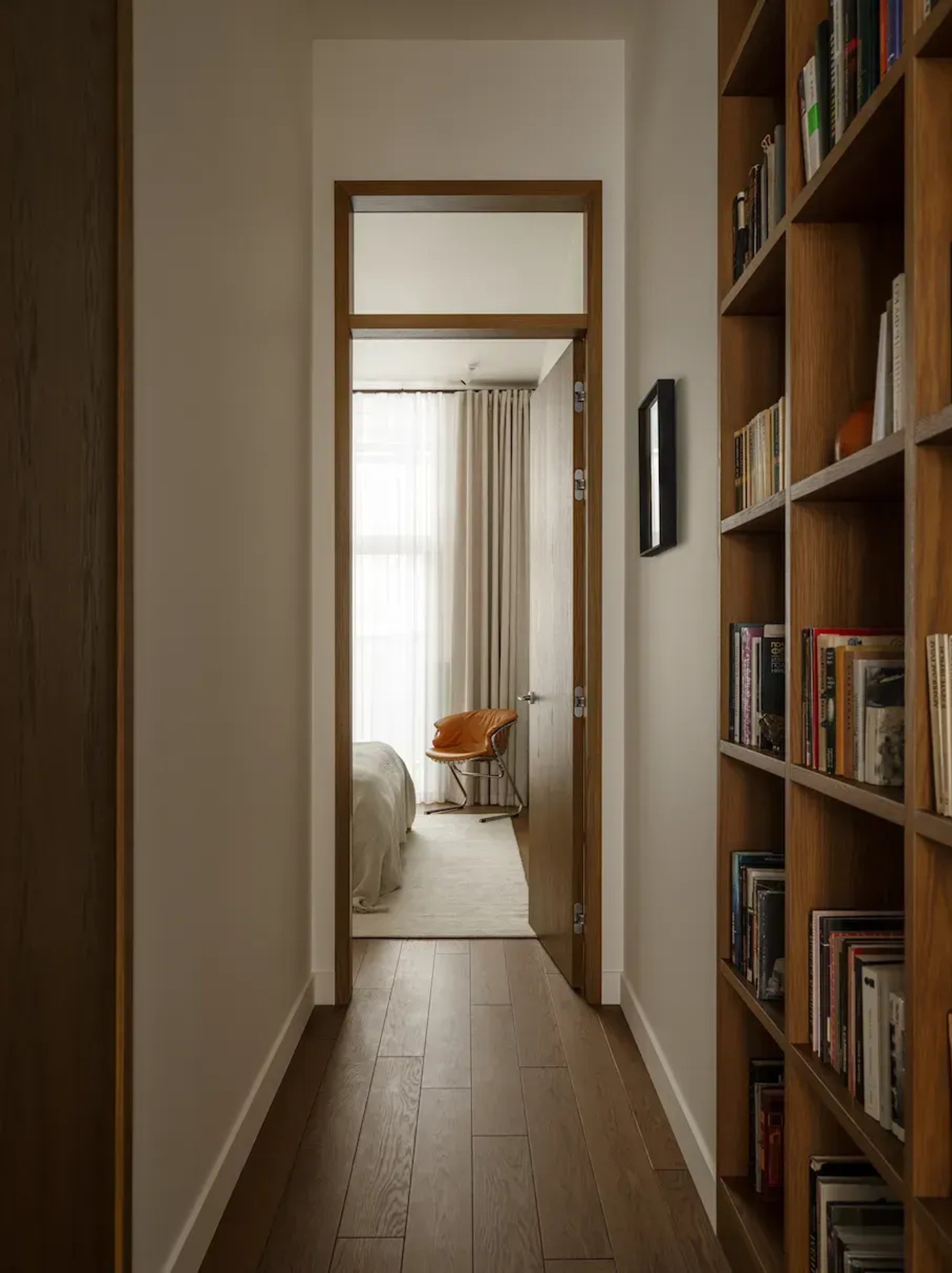
Remember to leave breathing room between groupings. Negative space prevents shelves from appearing overcrowded and allows the eye to move comfortably across the display.
Mix Materials, Shapes and Heights
The most compelling shelves combine objects with contrasting forms and finishes. A rounded ceramic vessel might sit alongside a sharply defined sculpture, while a framed artwork introduces a different scale and visual plane. Natural materials such as wood, stone and woven fibres can soften glass, metal and polished surfaces.
Varying height is equally important. Taller objects create vertical emphasis, while smaller pieces help fill gaps without overwhelming the arrangement. Grouping objects in odd numbers can be a useful starting point, particularly when styling smaller vignettes, but the overall balance matters more than following a strict formula.
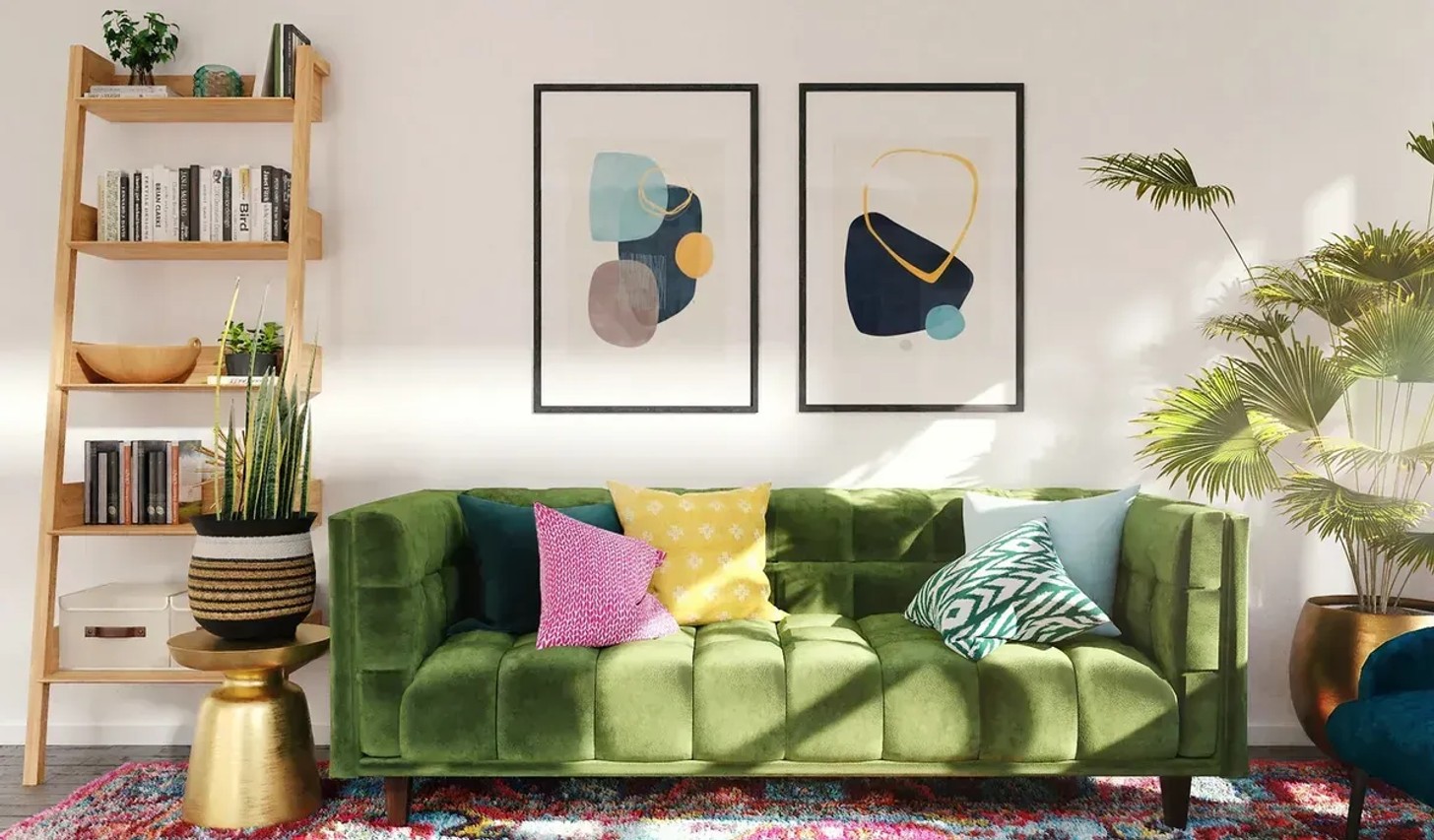
Consider how objects relate to one another, rather than treating each shelf as an entirely separate display. Repeating a material, colour or shape in different areas creates continuity throughout the composition.
Make Room for Art and Personal Objects
A curated shelf should reflect the person behind it. Framed photographs, travel finds, inherited pieces, small artworks and objects gathered over time bring character that cannot be replicated through a purely decorative arrangement.
Lean smaller framed works against the back of a shelf to introduce depth, or layer them behind books and low-profile objects. This creates a relaxed, gallery-like effect while allowing the display to evolve as new pieces are acquired.
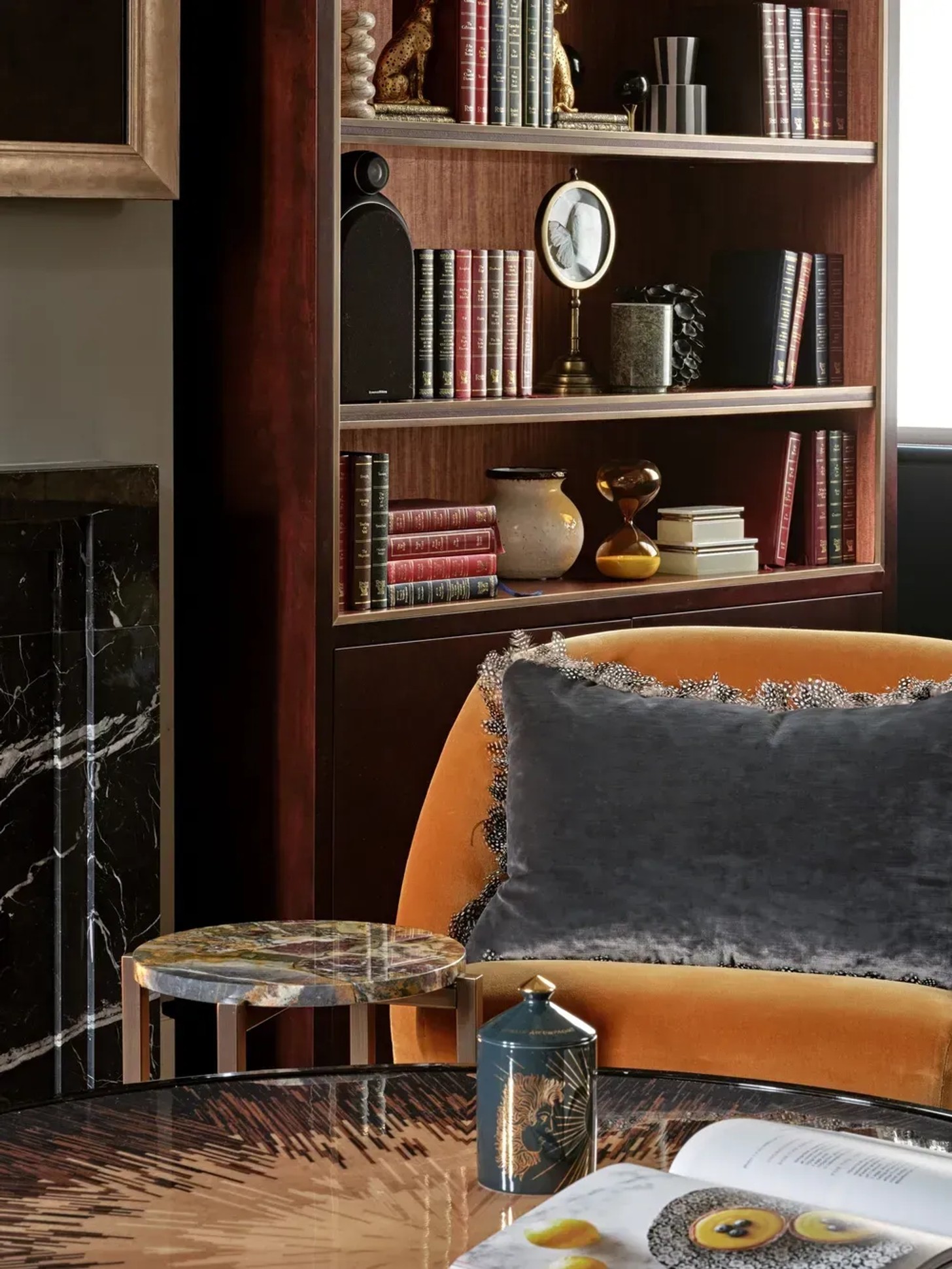
Not every object needs to be valuable or visually striking. Sometimes the most meaningful additions are those associated with a particular memory, place or person. These details give a home its individuality and make a shelf feel lived in rather than staged.
Edit, Rearrange and Allow It to Evolve
One of the most useful styling techniques is knowing what to leave out. Step back from the arrangement and look for areas that feel too crowded, repetitive or visually heavy. Removing even a few objects can make the remaining pieces more noticeable.
Lighting can also enhance a shelf, particularly when it highlights artwork, textured materials or sculptural forms. In darker corners, discreet integrated lighting can make the display feel intentional while improving visibility.
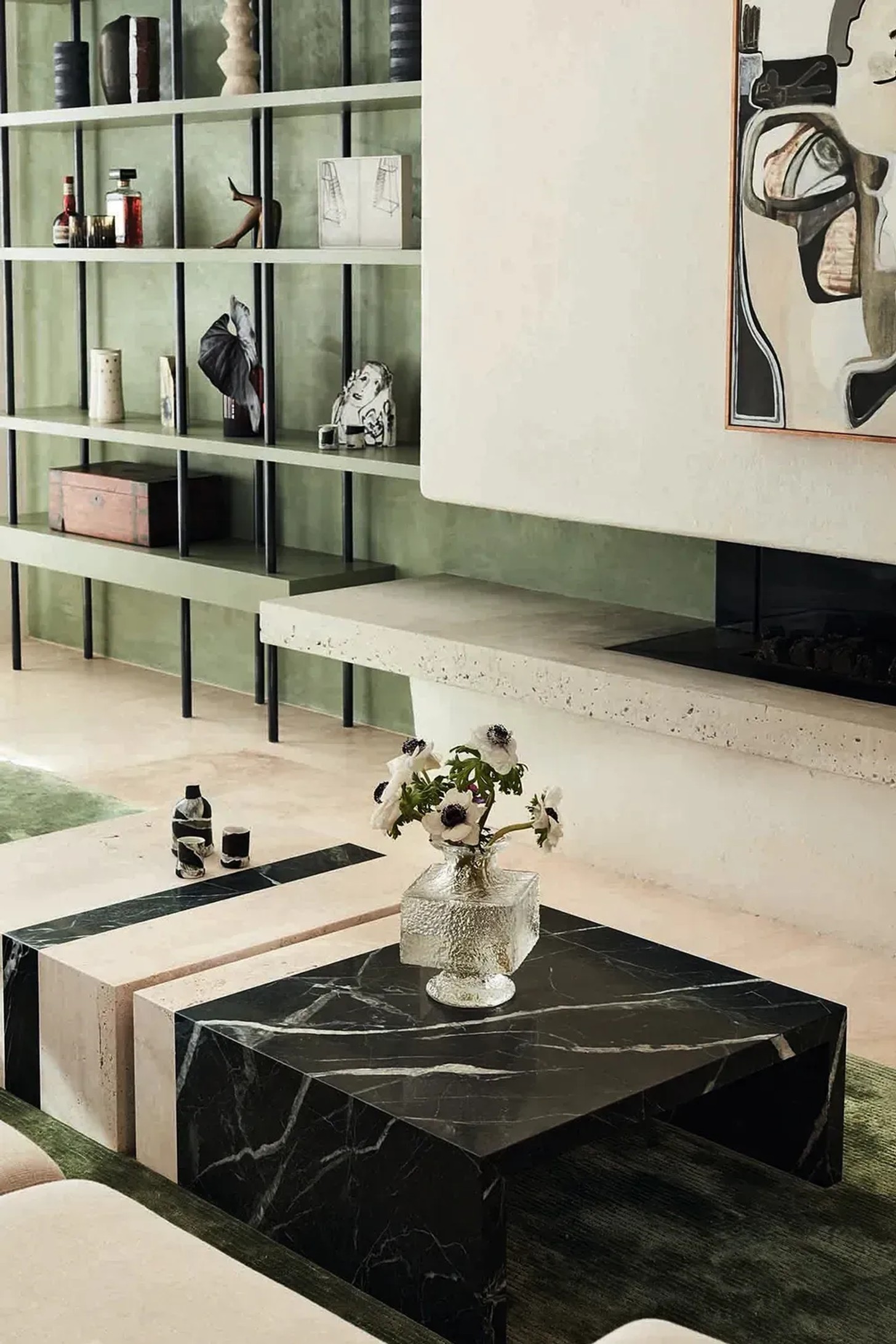
Ultimately, the art of curating a shelf lies in finding the balance between order and spontaneity. The best arrangements are neither overly precise nor entirely accidental. They bring together objects that serve a purpose, hold meaning or simply bring pleasure, creating a display that feels personal and continues to evolve alongside the home.
Credits
Images: Pexels, Courtesy of Studio 19, Mikhail Loskutov, Unsplash, Nick Smith, Prue Ruscoe


