
For years, crisp white walls were considered the hallmark of contemporary interiors. They reflected light, made rooms feel larger and provided the perfect backdrop for furniture and artwork. But as homes increasingly become places of restoration rather than simply somewhere to live, the all-white aesthetic is beginning to feel cold, impersonal and one-dimensional.
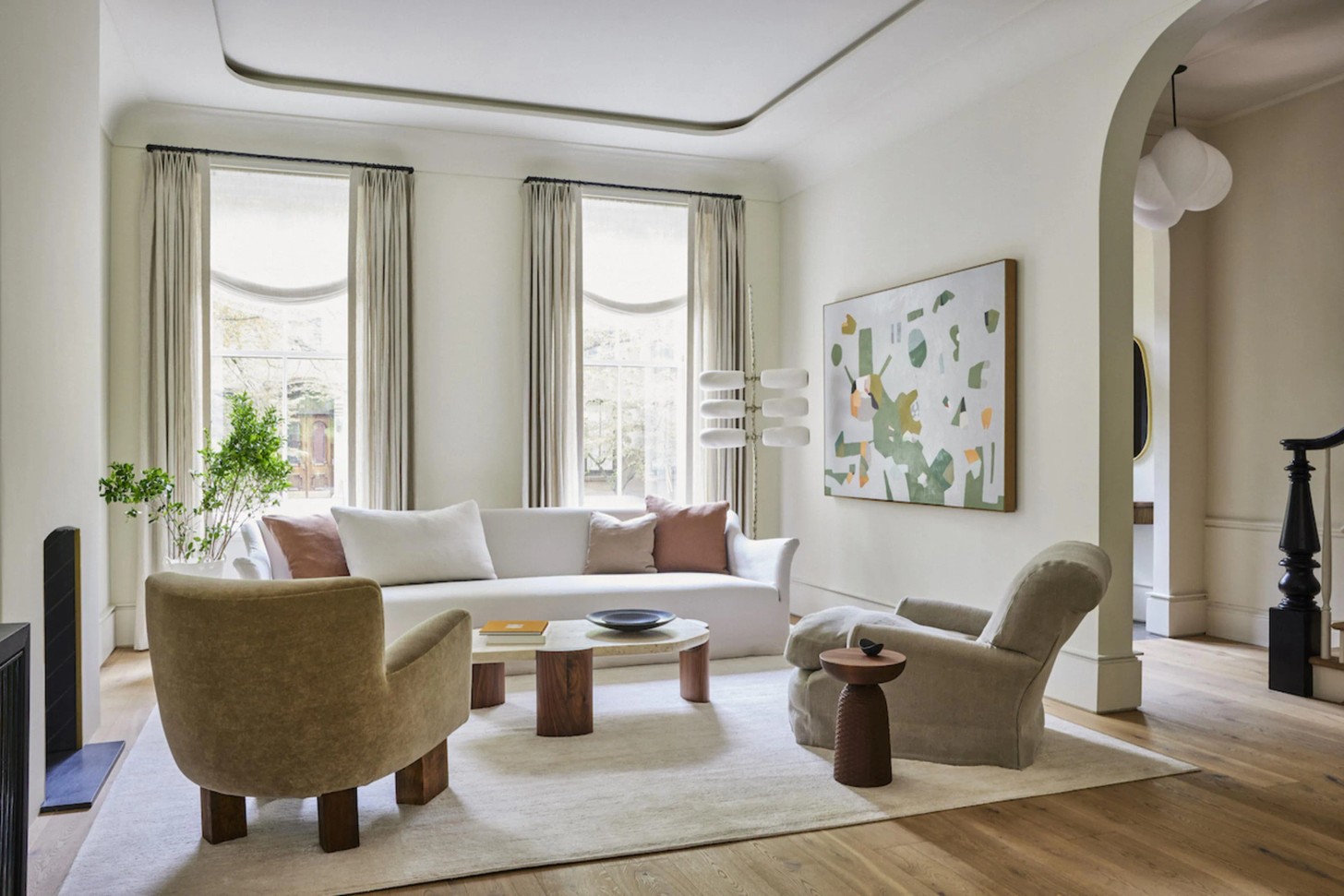
Today's interiors are moving towards spaces that feel warmer, more layered and emotionally comforting. Designers are replacing brilliant white with nuanced shades that add character while remaining timeless. Rather than dominating a room, these colours create an atmosphere that changes beautifully throughout the day as natural light shifts.

Here are seven designer-approved colours replacing white walls.
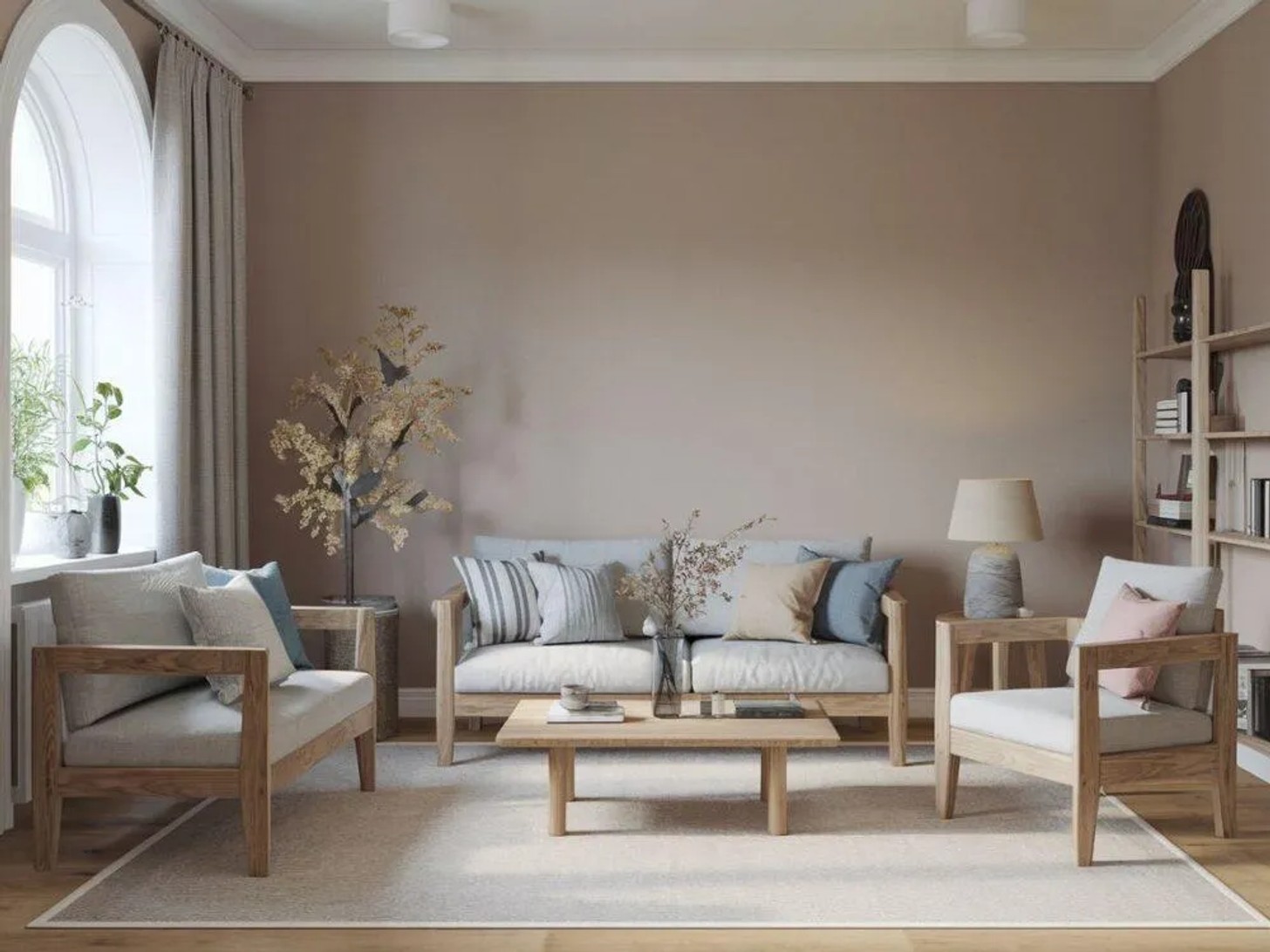
Soft Mushroom
One of the biggest shifts has been towards mushroom tones. Sitting somewhere between beige, taupe and grey, mushroom offers warmth without becoming overly yellow or brown.
Unlike bright white, it softens hard architectural lines and creates a cocooning atmosphere while remaining neutral enough to complement almost any decorating style. It pairs beautifully with timber flooring, linen upholstery, natural stone and black steel accents.
Warm Greige
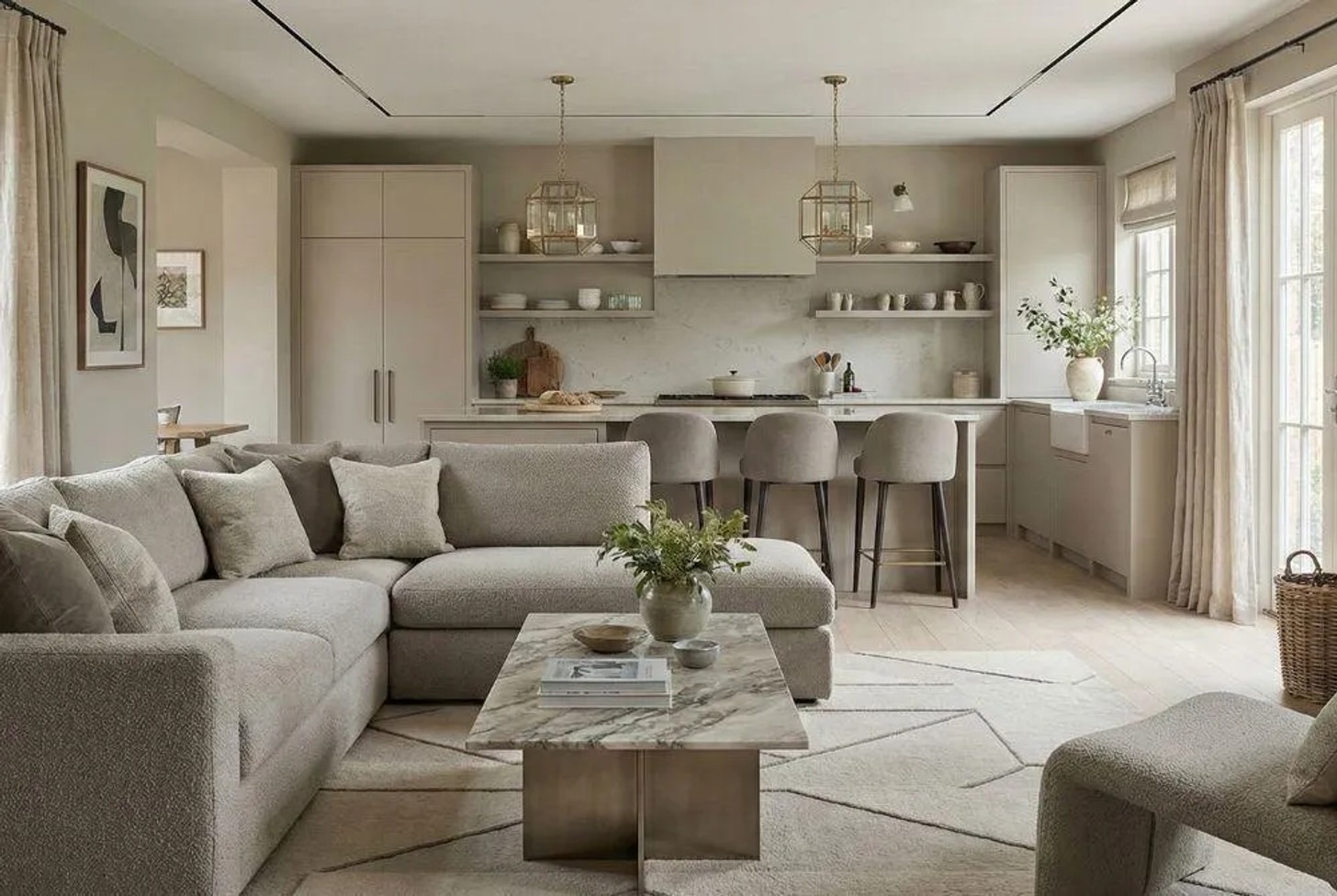
Greige continues to evolve, but today's versions are noticeably warmer than those of a decade ago. These modern blends of grey and beige create subtle depth while allowing furniture and artwork to remain the focal point.
Warm greige is particularly effective in open-plan homes where it creates continuity between living spaces without feeling stark. It also works exceptionally well with brushed brass finishes, oak cabinetry and textured fabrics. Its versatility explains why many designers now reach for greige before pure white.
Earthy Olive Green
Nature-inspired colours continue to dominate interior design, with olive green becoming one of the most versatile alternatives to white.
Muted olive creates an instant connection to the outdoors while remaining sophisticated enough for contemporary interiors. It introduces colour without overwhelming a space and works equally well in living rooms, kitchens and bedrooms.
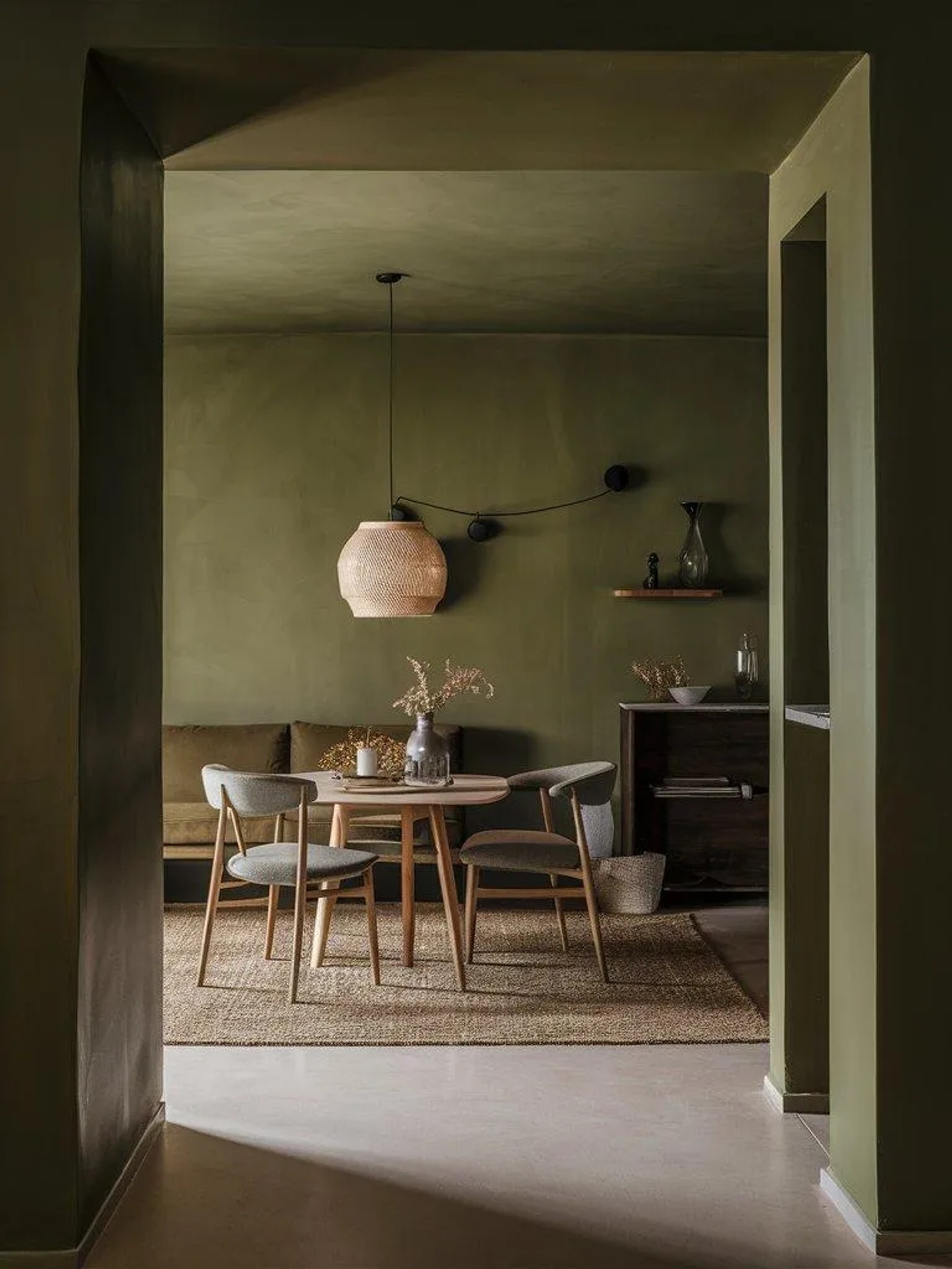
Combined with walnut furniture, woven textures and natural fibre rugs, olive walls create interiors that feel grounded and restorative.
Rich Clay and Terracotta
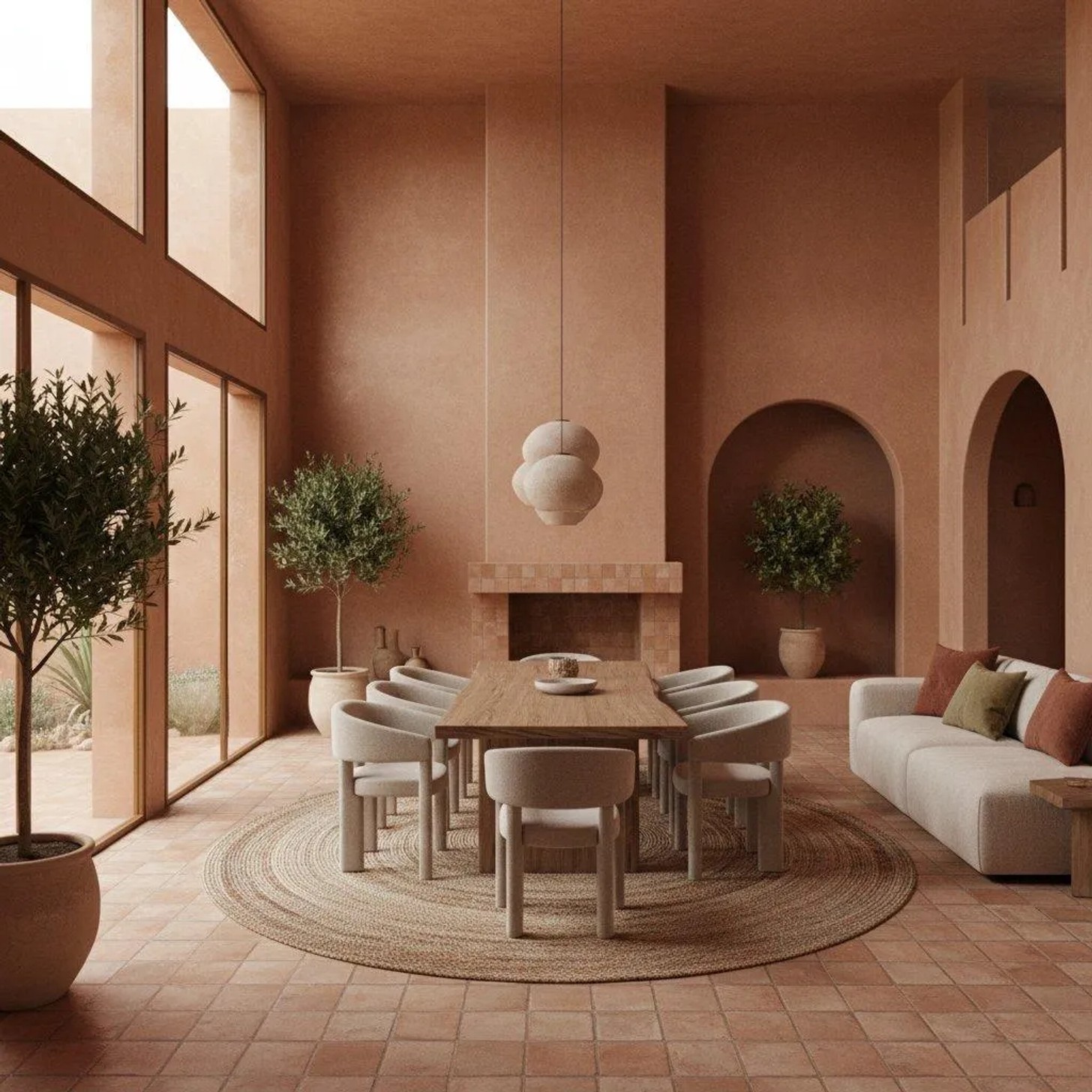
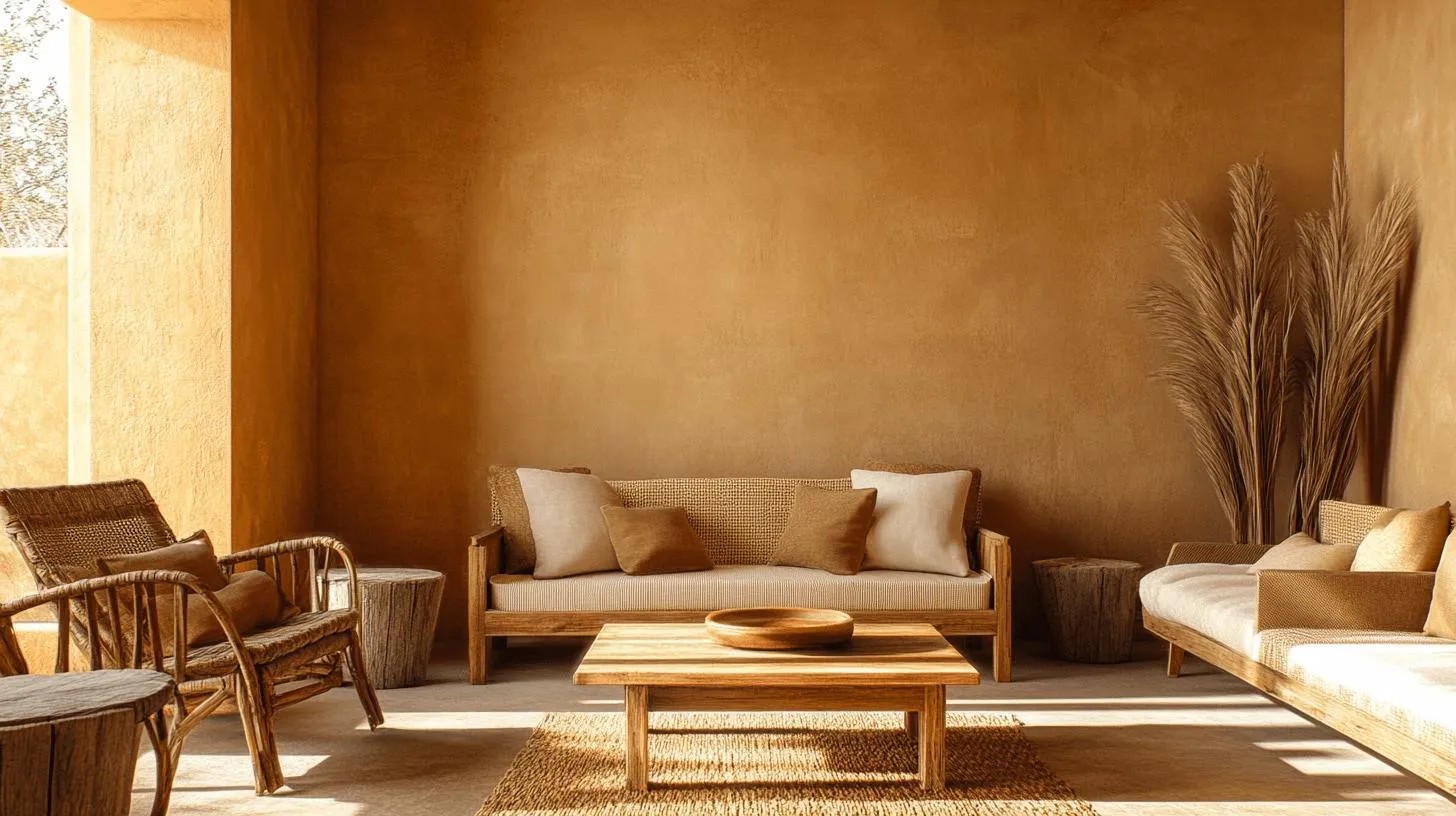
Warm clay tones are bringing depth and personality back into homes. Inspired by natural earth pigments, these shades evoke warmth, craftsmanship and timelessness.
Soft terracotta walls pair beautifully with travertine, limestone, oak and handmade ceramics, creating spaces that feel collected rather than decorated. Instead of reflecting every ray of light like white paint, these colours absorb light gently, creating an inviting atmosphere throughout the day.
Muted Blue-Greys
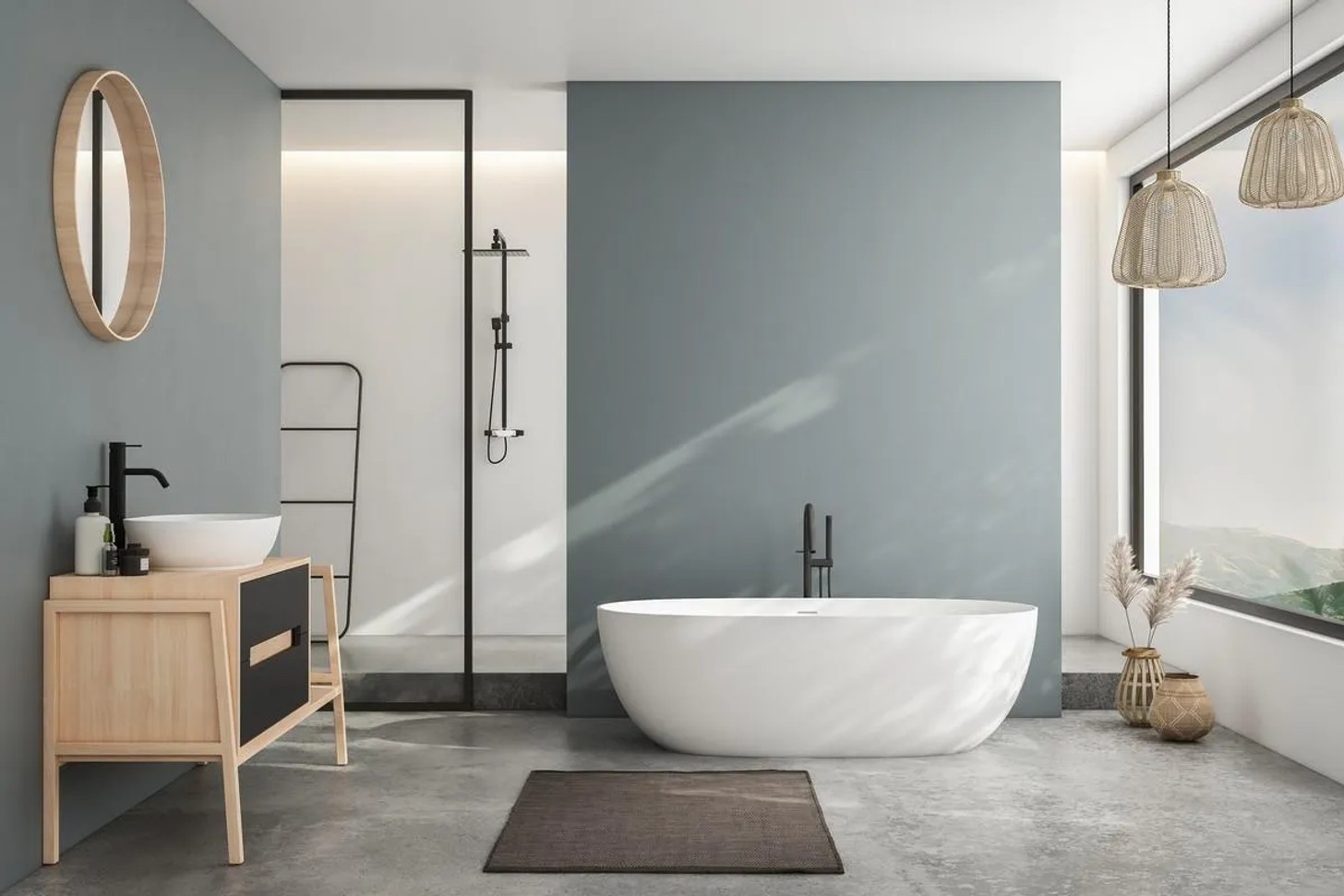
For homeowners wanting something cool without returning to stark white, muted blue-grey offers a sophisticated alternative.
These gentle shades introduce subtle colour while maintaining a serene, uncluttered appearance. Depending on the changing daylight, they shift between blue, grey and even hints of green, giving interiors a dynamic quality. They work particularly well in bedrooms, bathrooms and home offices where calm is essential.
Buttery Cream
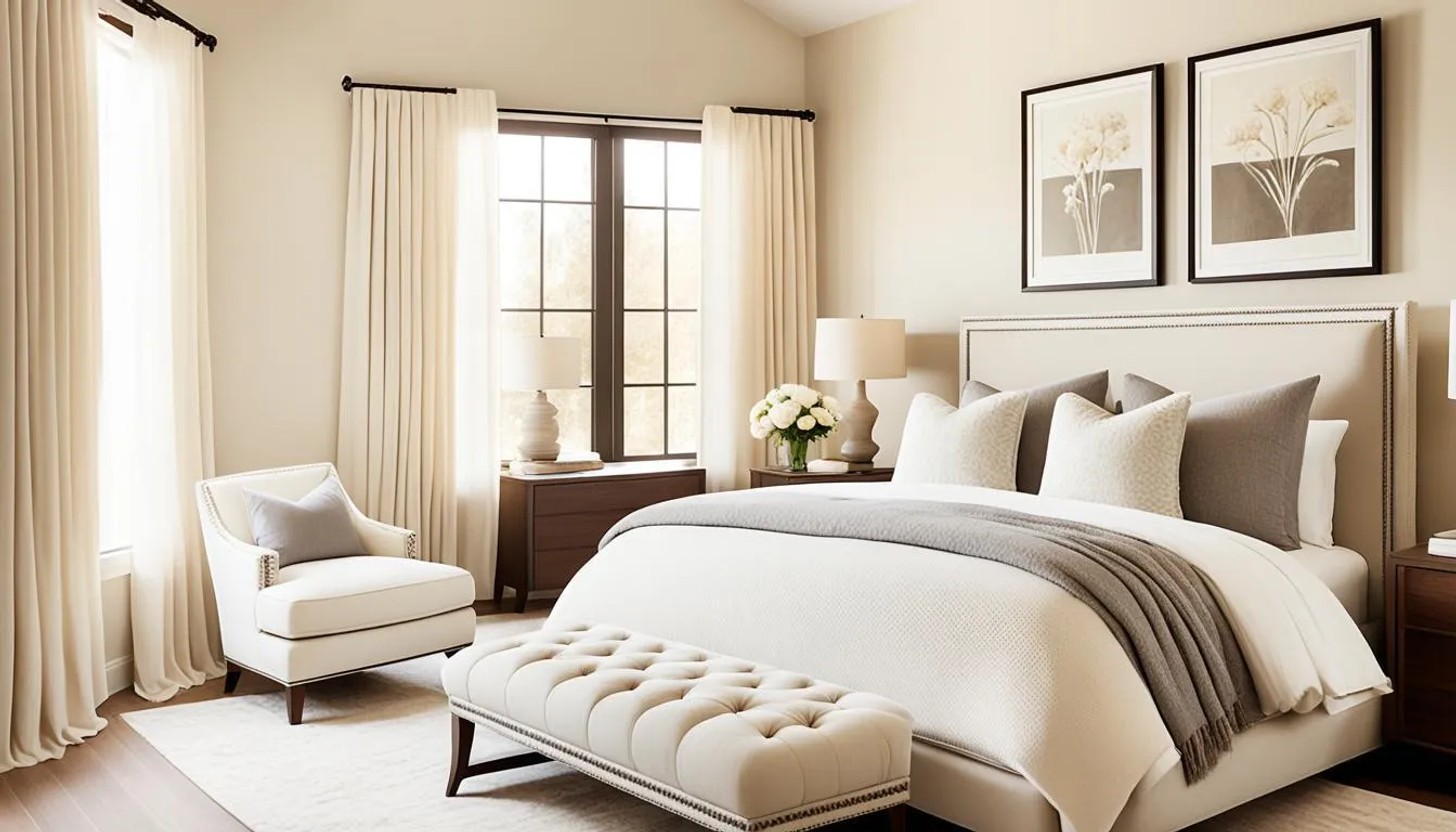
Cream has officially shed its dated reputation. Today's buttery creams feel soft, elegant and full of warmth, creating brighter rooms without the clinical appearance of pure white.
These shades flatter both traditional and contemporary architecture and complement almost every natural material, from marble and timber to linen and boucle. Designers are increasingly choosing cream because it feels welcoming while still maintaining a light and airy aesthetic.
Deep Charcoal as a Neutral
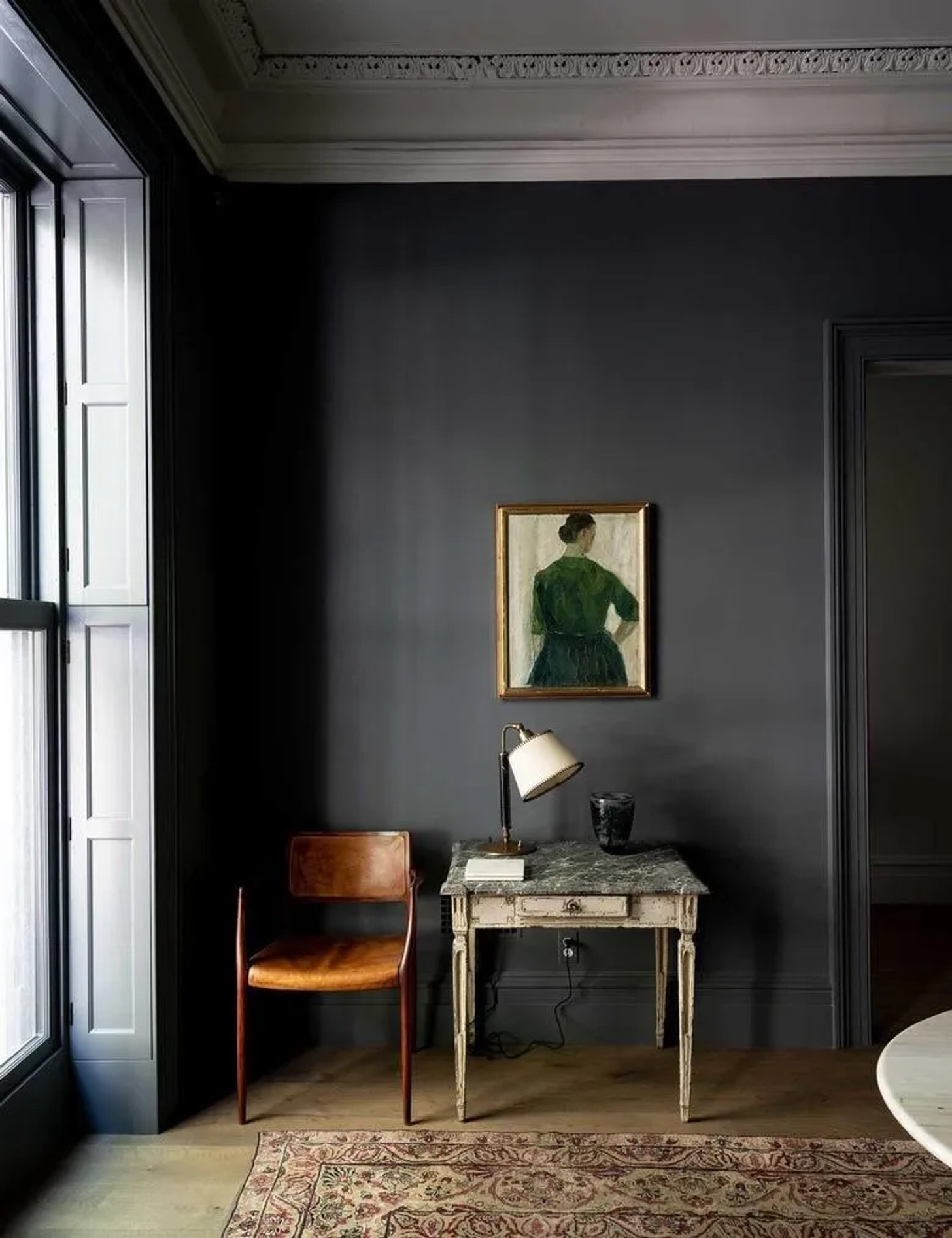
While many homeowners still hesitate to paint walls dark colours, charcoal has emerged as an unexpected neutral.
Rather than making a room feel smaller, deep charcoal creates intimacy, allowing artwork, lighting and furniture to stand out dramatically. It works particularly well in dining rooms, studies and media rooms where mood and atmosphere are more important than brightness. When balanced with warm woods, layered lighting and soft textiles, charcoal feels elegant rather than heavy.
The Future Is Warmer
The decline of white walls isn't about abandoning simplicity. Instead, it's about embracing colour that enhances wellbeing and creates interiors with greater depth and personality.
The most successful homes today feel layered, lived-in and connected to nature. Whether through soft mushroom, earthy olive, buttery cream or warm greige, these nuanced shades provide the perfect backdrop for modern living.
Rather than asking how to make a room look bigger or brighter, designers are increasingly asking a different question: how should a room make you feel? The answer, more often than not, starts with choosing a wall colour that brings warmth, comfort and lasting character.
Credits
Images: Elsa Young, Pexels, Unsplash


