
South Africa’s warmer months bring an abundance of tomatoes, chillies, stone fruit and fragrant herbs. While these ingredients are at their best when freshly picked, a little preparation can extend their usefulness well beyond the season. Sun-drying and oil-infusing are two traditional ways to preserve the flavours of a harvest, and both lend themselves to a more contemporary kitchen. With a few simple techniques, seasonal produce can become a store-cupboard staple, a thoughtful homemade gift or the starting point for an easy meal.
Making the Most of the Sun
Sun-drying is one of the oldest methods of preserving food, using warmth and moving air to remove moisture and slow spoilage. South Africa’s sunny climate makes it an appealing option, although successful drying depends on more than sunshine alone. Choose hot, dry days with good airflow, and protect produce from insects, dust and animals using a food-safe mesh cover. A food dehydrator or low oven is a useful alternative when humidity is high or the weather is unpredictable.

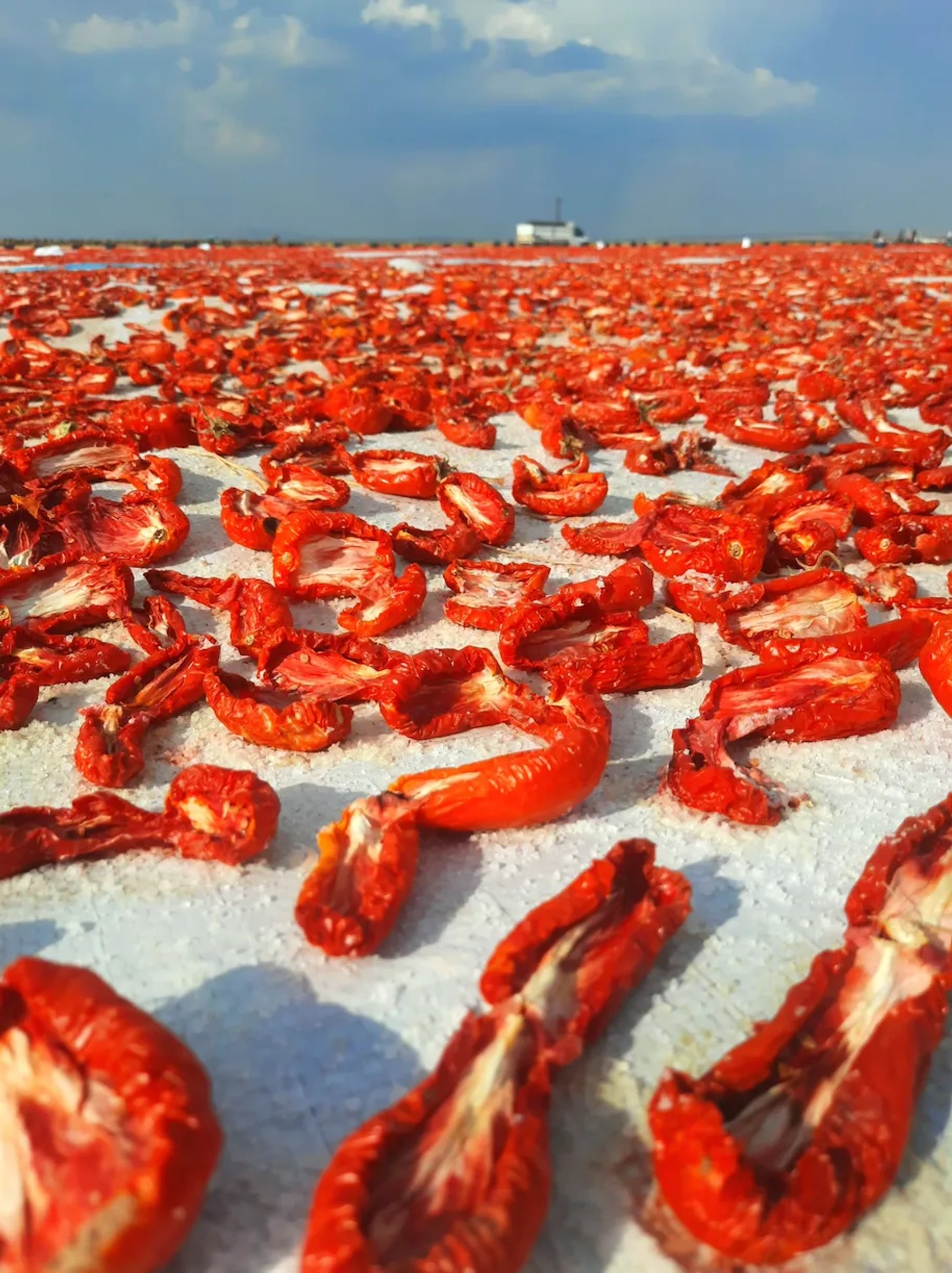
Tomatoes are a natural place to begin. Choose firm, ripe varieties, wash and dry them thoroughly, then halve smaller tomatoes or slice larger ones evenly. Remove excess seeds if desired, arrange the pieces cut-side up and season lightly with salt. Dry until they are leathery and pliable, with no moist pockets remaining. Their concentrated, savoury sweetness works beautifully in pasta, folded through couscous, scattered over bruschetta or stirred into a dressing with lemon and mustard.

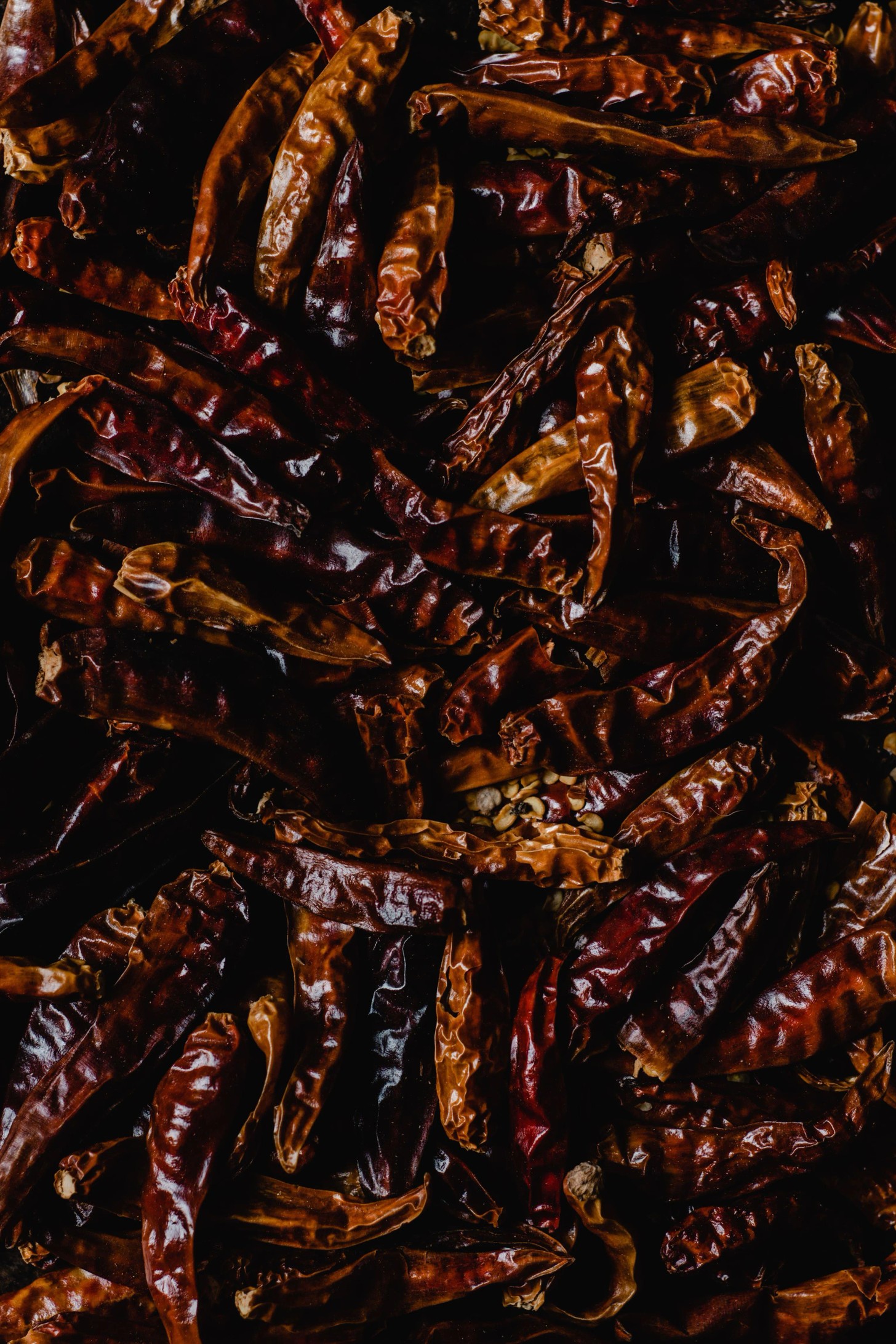
Chillies can be dried whole or split lengthways, depending on their size and how quickly they need to dry. Once crisp, they can be crumbled into chilli flakes, ground into powder or added whole to soups and stews. A pinch brings warmth to roasted vegetables, eggs, marinades and a simple tomato sauce. Wear gloves when handling hot varieties, and avoid touching your face.
Herbs, Fruit and Flavour
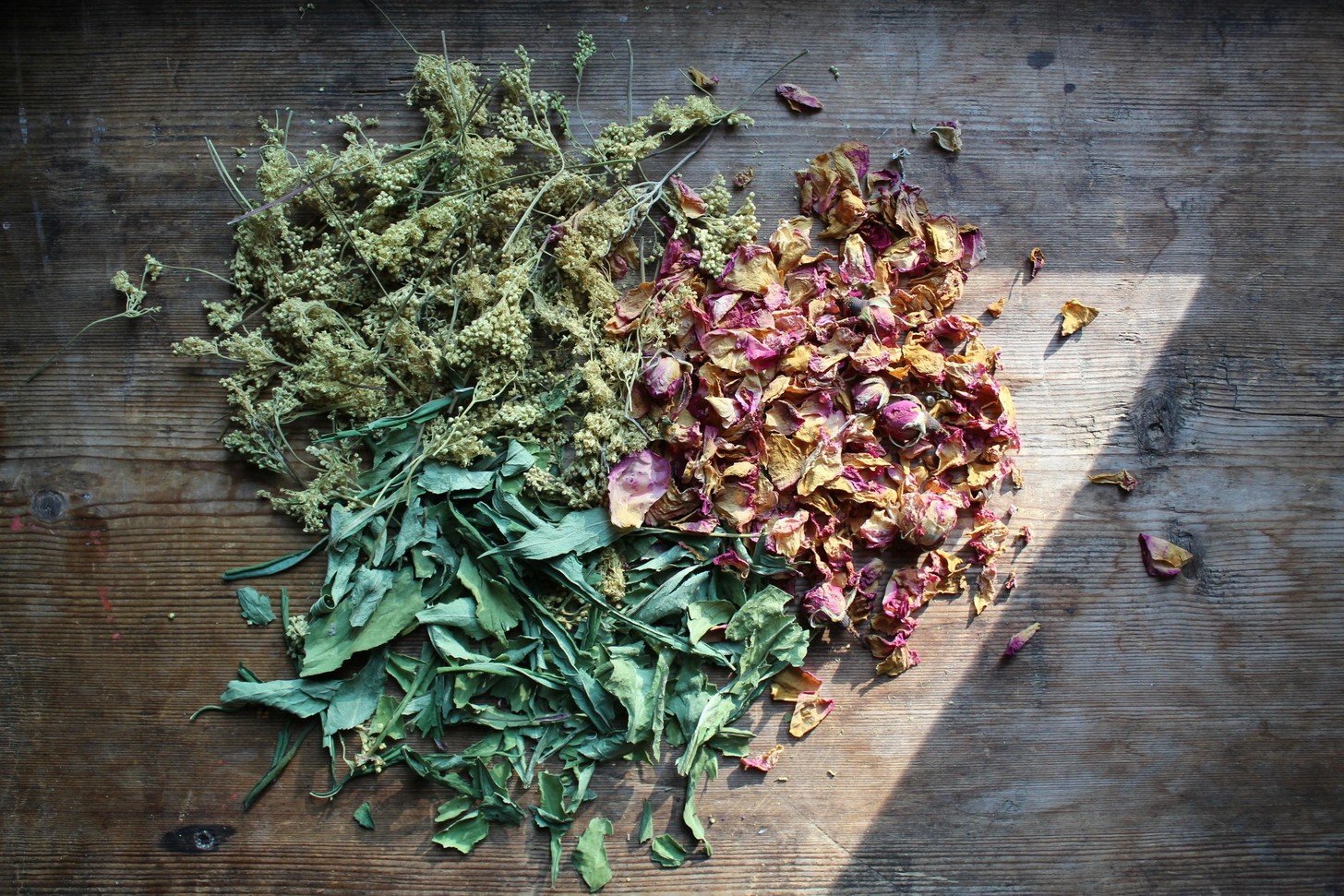
Hardier herbs such as rosemary, thyme and oregano can be dried in small, loosely tied bunches, hung upside down in a warm, well-ventilated place away from direct sunlight. Once the leaves are completely dry, strip them from the stems and store them in airtight containers. Use them to season roast potatoes, grilled chicken, vegetables or homemade focaccia. Softer herbs, including basil and coriander, are more delicate; drying them can dull their flavour, so freezing is often a better way to preserve their freshness.
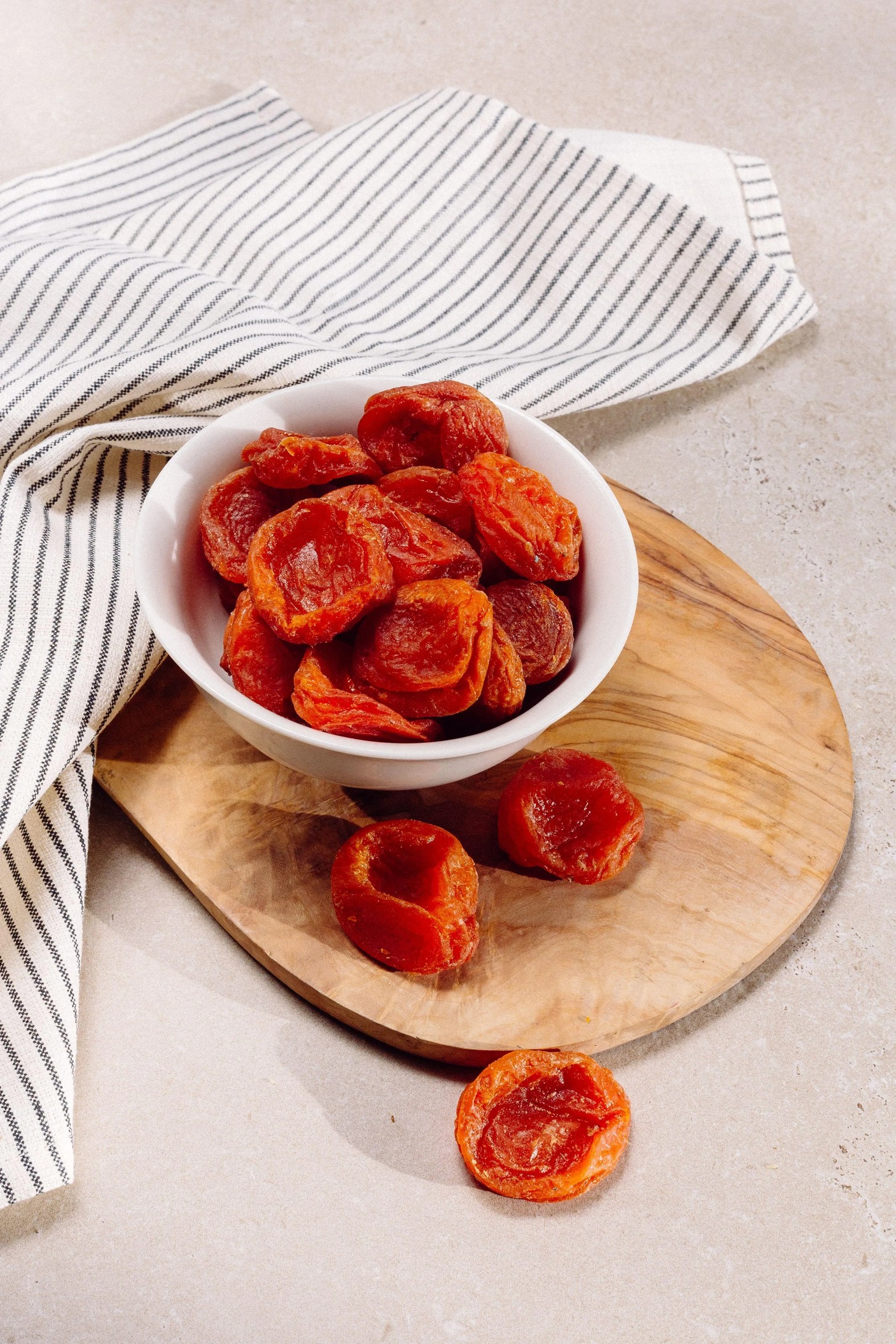
Fruit offers another opportunity to make the most of a seasonal glut. Thin slices of apples, pears, peaches or plums can be dried until chewy, creating snacks for lunchboxes, additions to breakfast bowls or toppings for cheese boards. A light brush of lemon juice can help limit browning in apples and pears. Dried stone fruit also pairs well with toasted nuts and soft cheese, making an easy addition to a summer grazing platter.
The Art of Infusing Oil
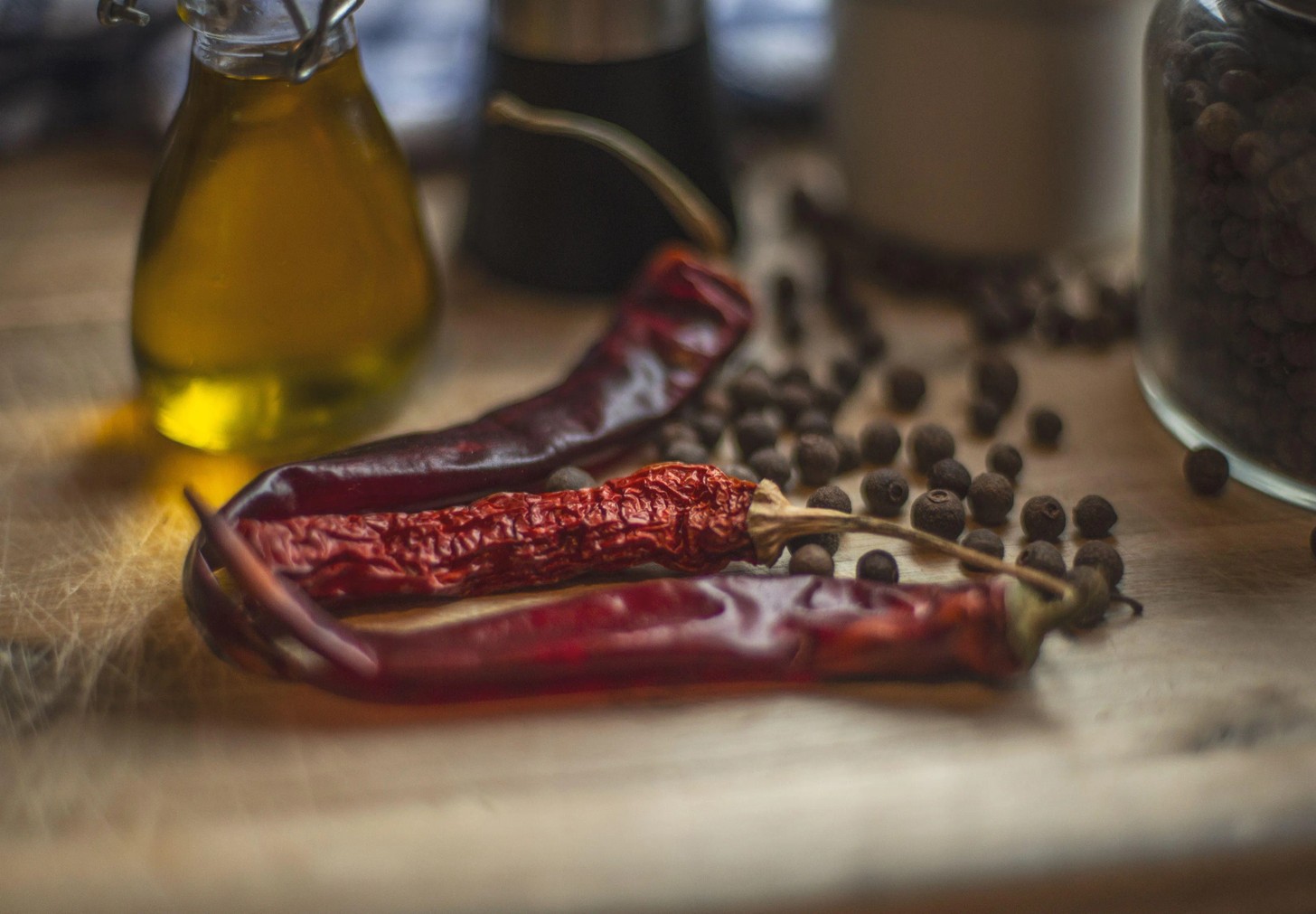
Oil infusions offer a different way to capture flavour. Dried chillies, rosemary, thyme and peppercorns can be added to a clean, dry bottle of good-quality olive oil, allowing their aromas to develop. Use the finished oil over grilled vegetables, pizza, salads or warm bread. A chilli-infused oil is particularly good drizzled over eggs or stirred through pasta, while rosemary and thyme bring a fragrant note to roast potatoes.
For safe storage, use only completely dried ingredients in oil intended to be kept. Fresh garlic, fresh herbs and fresh chillies can introduce moisture and create conditions in which harmful bacteria may grow. Do not store homemade fresh-ingredient oils at room temperature. Refrigerate them and use promptly, or freeze in small portions. When in doubt, follow tested food-preservation guidance rather than relying on appearance or smell.

A Gift from the Kitchen
Presented in clean jars or bottles, preserved produce makes a personal and practical gift. Label each with its ingredients and preparation date, add a simple ribbon and include a pairing suggestion: dried tomatoes for pasta, chilli oil for pizza, or dried peaches for a cheese board. It is a small way to share the season’s abundance.

Ultimately, preserving is less about keeping a kitchen stocked than making good ingredients go further. A little sunshine, careful preparation and thoughtful storage can turn a generous harvest into flavours to enjoy long after summer has passed.
Credits
Images: Pexels, Unsplash


