
Mission-style architecture has a distinctive sense of place. Rooted in the Spanish missions of California, the style developed into an architectural language defined by simple forms, substantial materials and a close relationship with climate and landscape. Today, its influence can still be seen in homes that favour arched openings, plaster walls, exposed timber and terracotta, creating spaces that feel both historic and remarkably relaxed.
Rather than relying on elaborate ornamentation, Mission style finds its character in proportion, texture and craftsmanship. It is an architecture that allows materials to speak for themselves, which perhaps explains why its appeal continues well beyond its original Californian setting.

A Style With Historic Roots
Mission-style architecture takes its name from the California Missions, with the earliest influences dating back to buildings constructed during the late 18th and early 19th centuries. According to architect Erik Evens, these Spanish Missions represent the starting point for Mediterranean architectural traditions in North America.
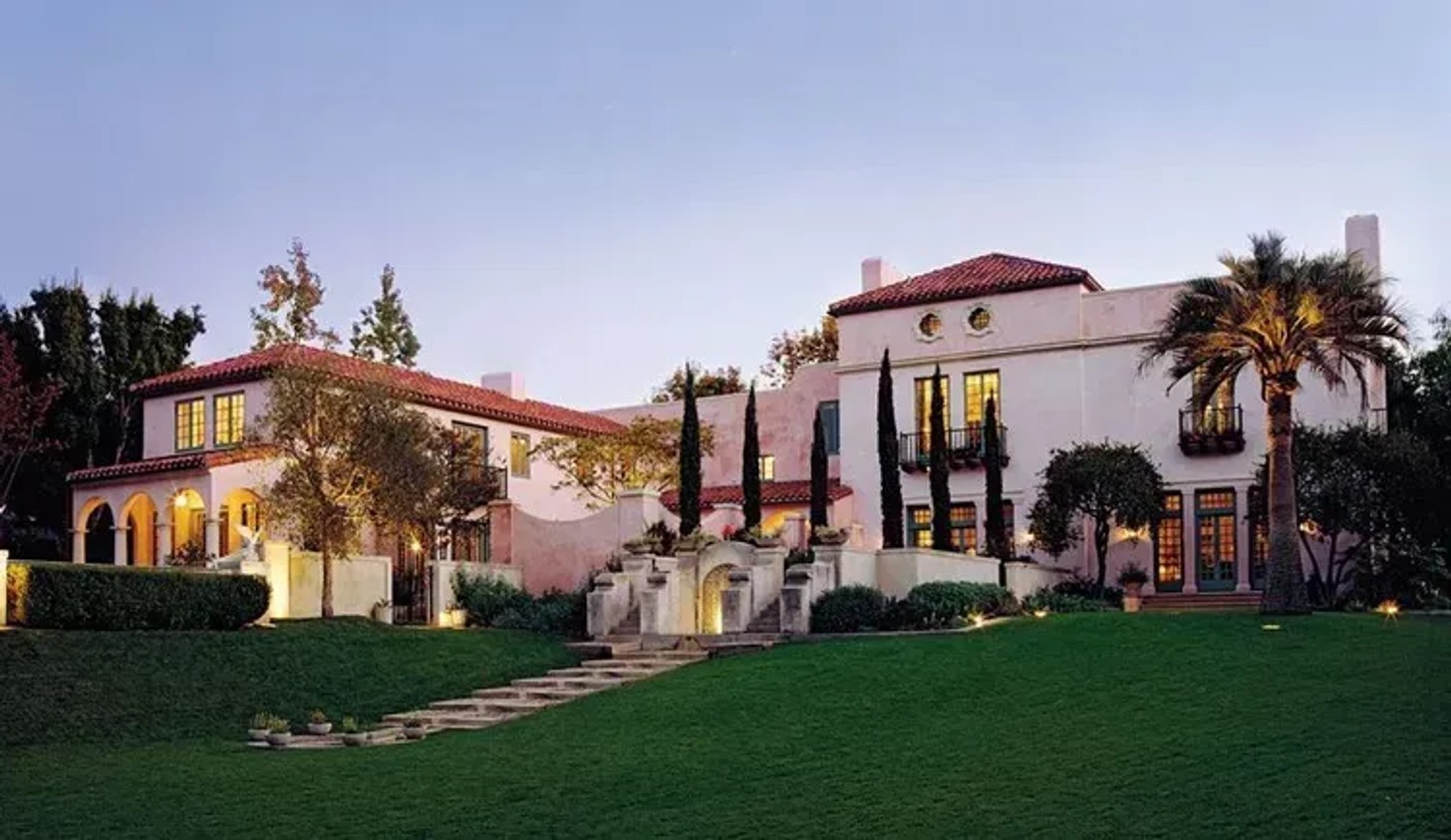
Their influence can be seen in features such as courtyards, thick walls, arcaded walkways and wide projecting eaves. Mission Revival architecture later brought these historic references into wider popularity around the turn of the 20th century, particularly as Mediterranean-inspired architecture gained traction in California.
Look For Strong, Simple Forms
One of the defining qualities of Mission style is its restraint. Instead of intricate façades and excessive decoration, the architecture tends to rely on strong, elemental shapes.
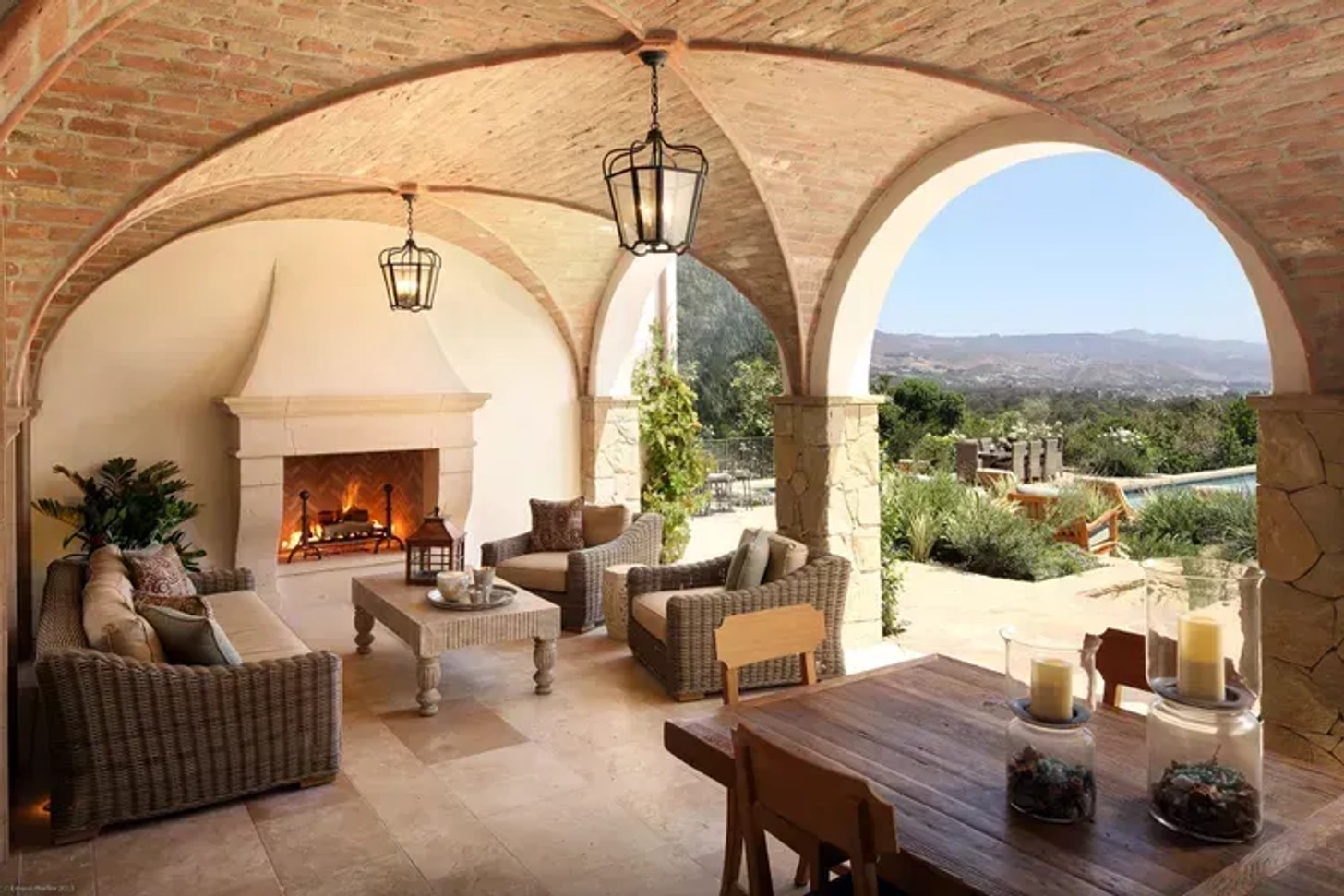
Thick stucco or plaster walls, arched openings, low-pitched roofs and wide eaves establish much of the visual language. Exterior colonnades and archways can further reinforce the connection between the house and its surroundings, while projecting eaves provide shade and contribute to the style's distinctly relaxed character.
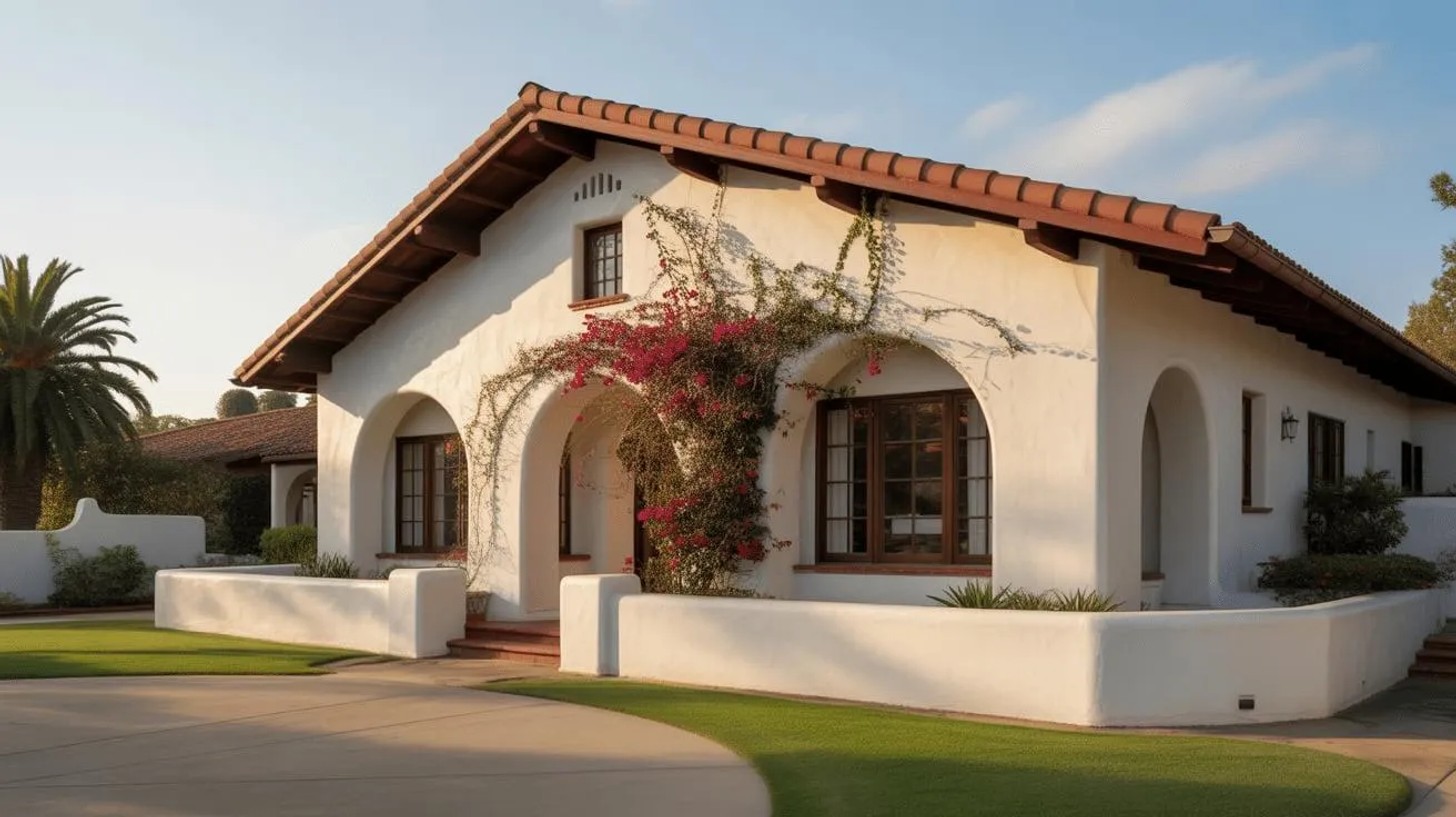
This simplicity is part of what makes Mission architecture so enduring. Its forms are decorative enough to have character, but restrained enough to avoid feeling tied to a particular moment.
Materials Take Centre Stage
If there is one principle to remember when identifying Mission-style architecture, it is that materials matter. The style typically uses a deliberately uncomplicated palette of stone, plaster, carved timber and terracotta.
Warm rubble and cut stone can add weight to the architecture, while trowelled plaster creates a softer, handmade finish. Terracotta roof tiles introduce their characteristic earthy colour, while exposed or carved timber adds warmth.
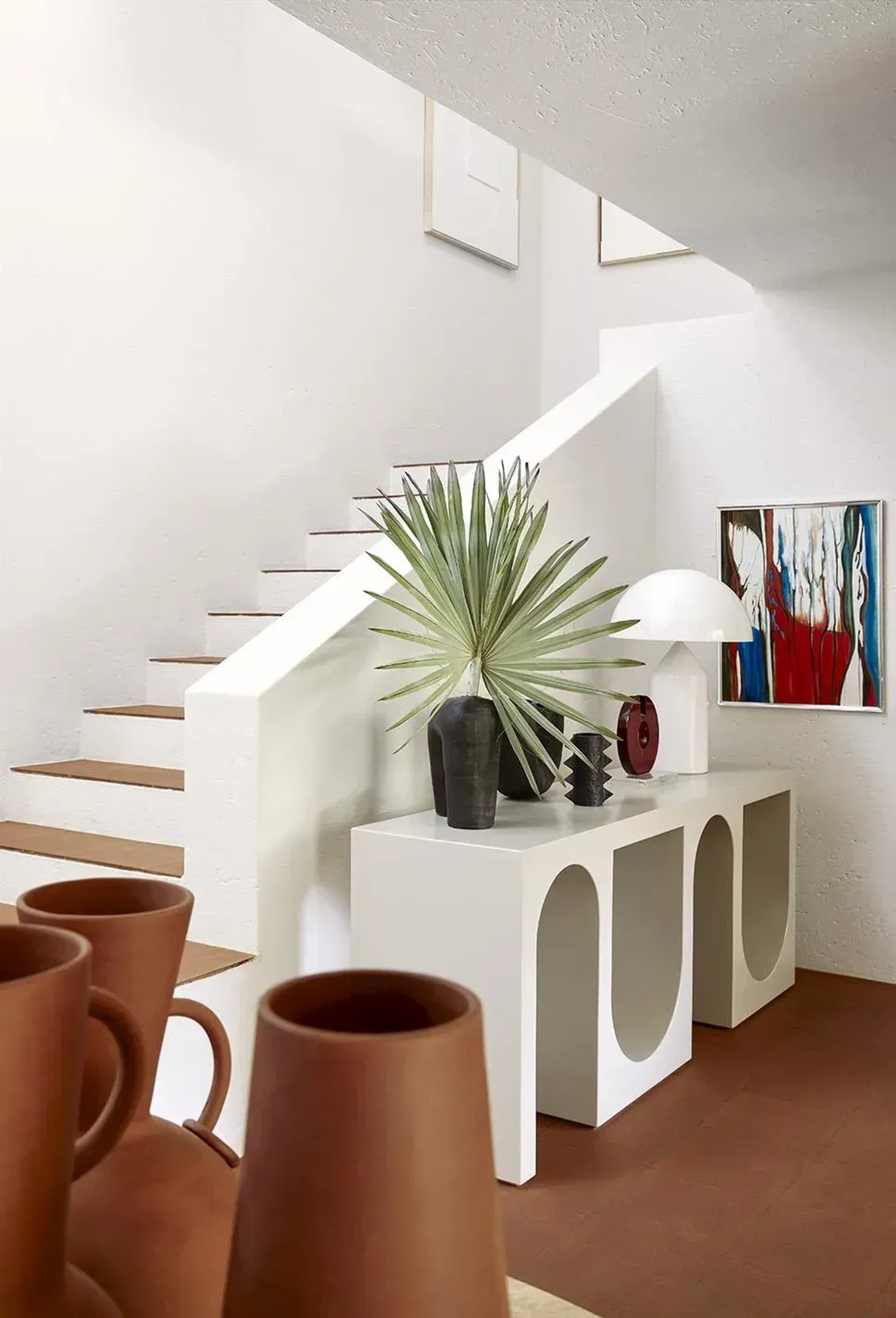
There is also an appreciation for the evidence of craftsmanship. Hand-hewn beams, carved wood and salvaged materials can contribute to the sense that the building has been made rather than simply manufactured.
Expect A Mediterranean Influence
Mission style shares several characteristics with other Mediterranean-inspired architectural traditions, particularly Tuscan architecture. Both can feature plaster walls, arched openings, clay roof tiles, broad eaves and exposed timber. The similarities are partly geographical and climatic, with comparable materials and construction techniques influencing regional architecture.
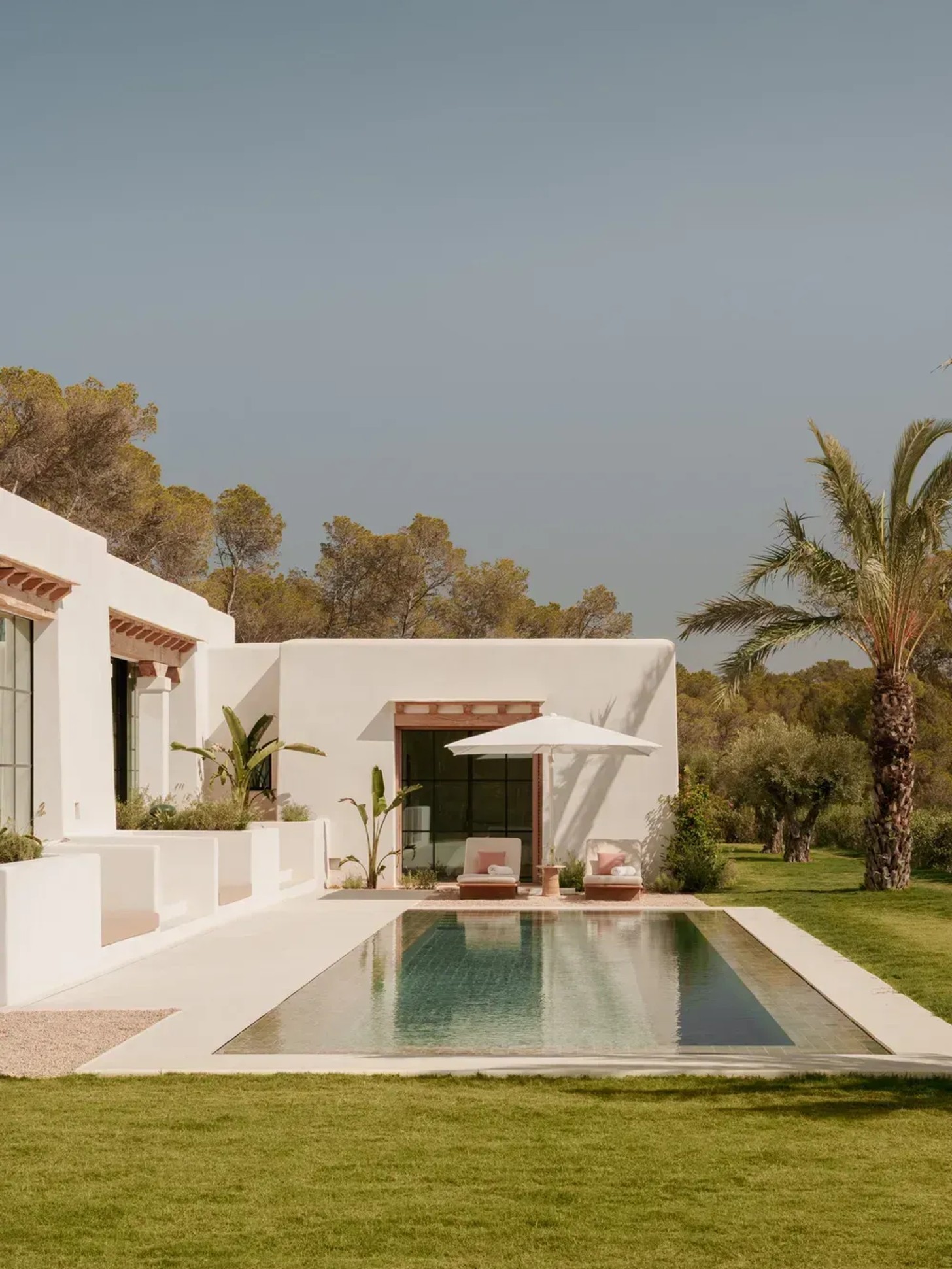
But Mission style has its own identity, particularly in its connection to California's Spanish colonial history. It is this combination of Mediterranean warmth and distinctly Californian architectural heritage that gives the style its recognisable character.
White Isn't The Only Option
The classic Mission-style exterior is often imagined in white or off-white plaster, and these pale façades remain a familiar part of the aesthetic. But the palette can be more varied than expected.
Earthy taupe, mushroom and even oxblood shades have appeared on historic Mission-style buildings. Dark-stained timber is also common for doors and window frames, while contrasting blue and blue-grey details can introduce a cooler note. For contemporary homes, this provides plenty of room to interpret the style without simply recreating a historic building.
Why Mission Style Still Works
Perhaps the enduring appeal of Mission-style architecture comes down to its ability to make simplicity feel special. Its thick walls, shaded outdoor spaces, natural materials and handmade details create homes that feel grounded rather than overly polished.
It is also an architectural style that responds naturally to its surroundings. Courtyards, arcades and broad eaves create opportunities for shade and outdoor living, while the earthy material palette establishes an easy connection with nature.
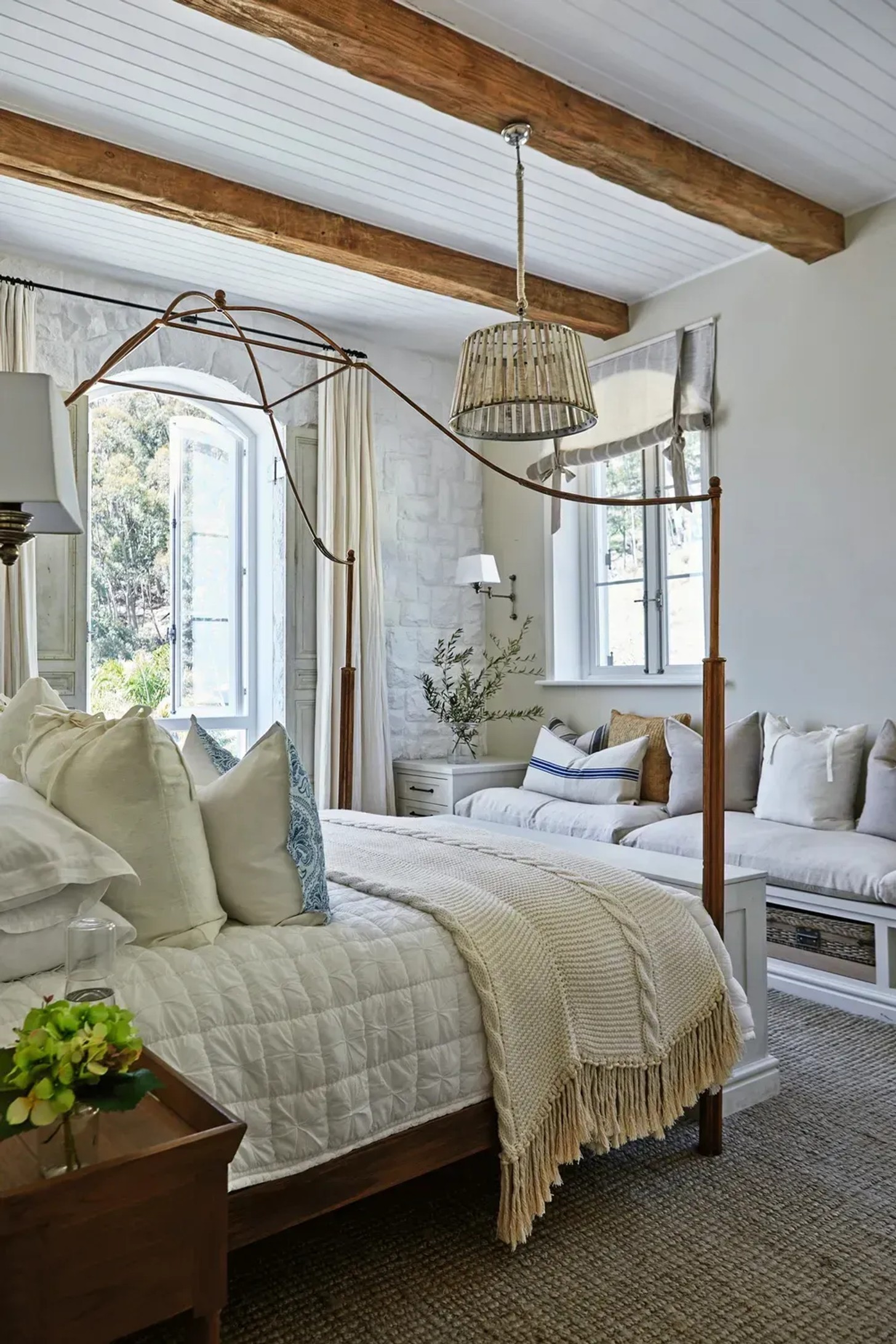
For anyone drawn to homes with history, texture and a relaxed sense of elegance, Mission style offers a compelling lesson: good architecture doesn't need to shout to make an impression.
Credits
Images: Pexels, Unsplash, Elsa Young, Vigo Jansens, Greg Cox


