
A home should tell you something about the people who live in it, and few things do that quite as effectively as art. A gallery wall is more than a way to fill an empty expanse of wall; done thoughtfully, it can become a visual autobiography, bringing together the places you've travelled, people you've loved, artists you admire and objects you simply couldn't leave behind.
The best gallery walls rarely appear overnight. They evolve as a collection grows, allowing new discoveries to sit alongside old favourites. The result should feel collected rather than overly coordinated – a little imperfect, perhaps, but entirely personal.

Start With What You Love
Before worrying about frames, spacing or symmetry, gather the pieces that genuinely mean something to you. This could include original paintings, photography, children's drawings, vintage posters, postcards or even a beautiful textile.
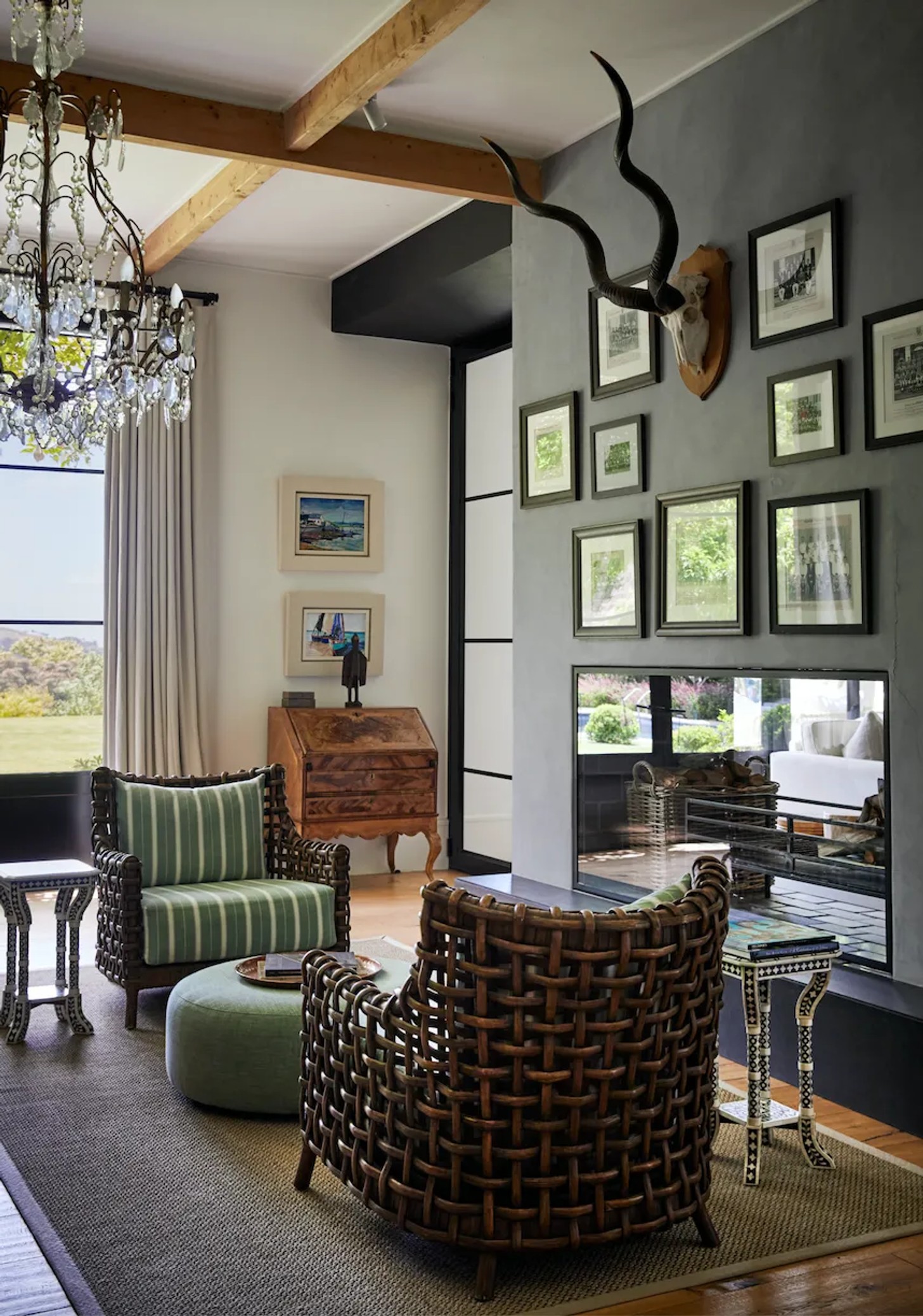
Don't dismiss something simply because it doesn't seem to belong with the rest. Sometimes the unexpected piece is what gives a collection its personality. Lay everything out on the floor before putting anything on the wall. This allows you to experiment with different combinations without committing to a particular arrangement.
Find A Common Thread
A gallery wall doesn't need to follow a strict colour scheme, but having some form of connection between the pieces will help the collection feel intentional. Look for recurring colours, materials, subject matter or styles. A series of black-and-white photographs might provide structure among more colourful artworks, while a repeated warm tone can quietly connect otherwise unrelated pieces. For a more eclectic look, allow the differences to remain visible. The aim isn't to make every work match, but to create a conversation between them.
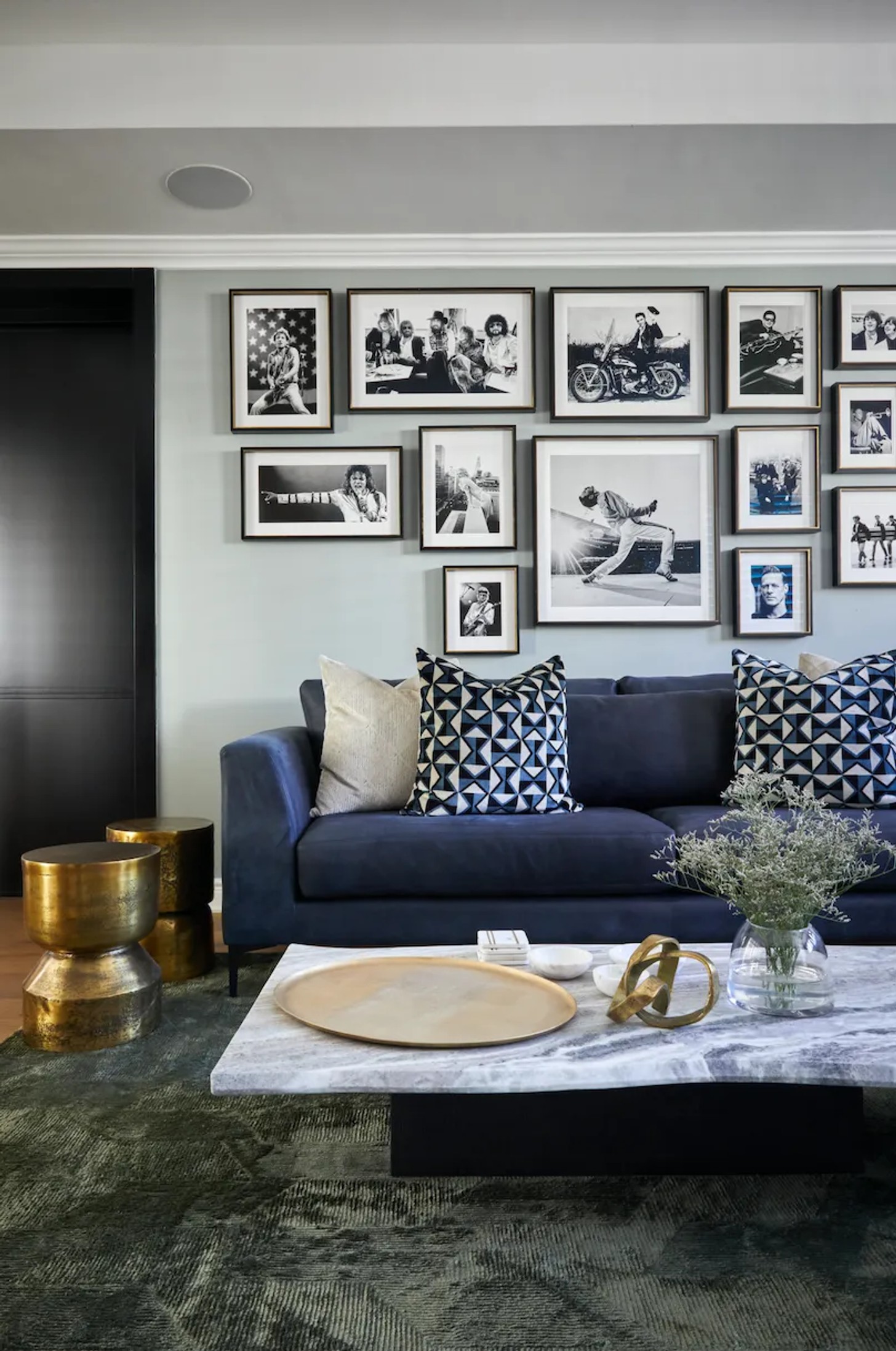
Mix Your Frames
Matching frames can create a polished, symmetrical appearance, but mixing styles often produces a more relaxed, collected effect. Try combining timber, painted and metallic frames, or introduce an ornate vintage frame alongside simpler contemporary ones. If the collection contains a lot of visual variety, keeping the frames relatively restrained can provide balance. Alternatively, a particularly beautiful frame can become part of the artwork itself.
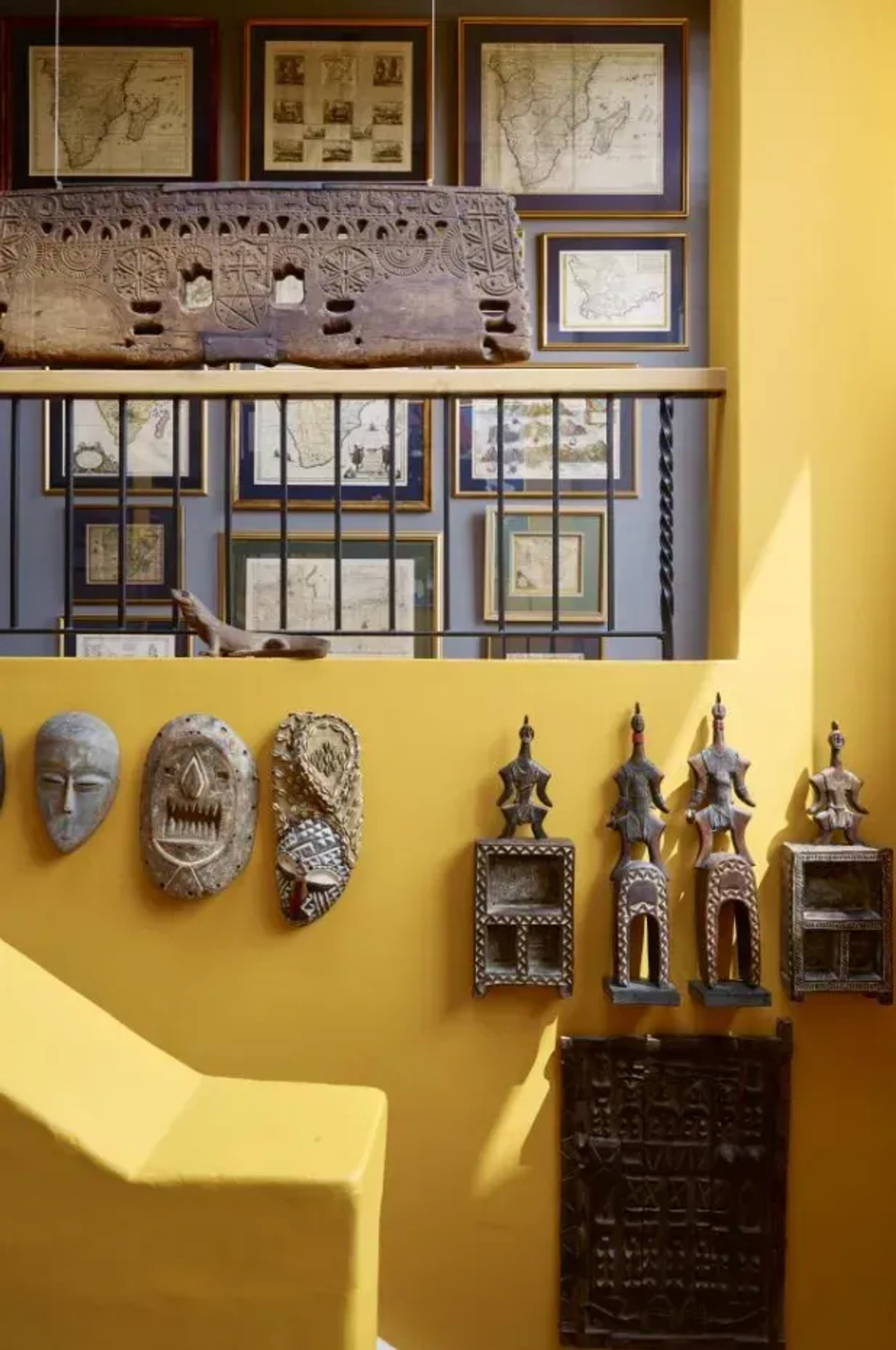
Think Beyond Paintings
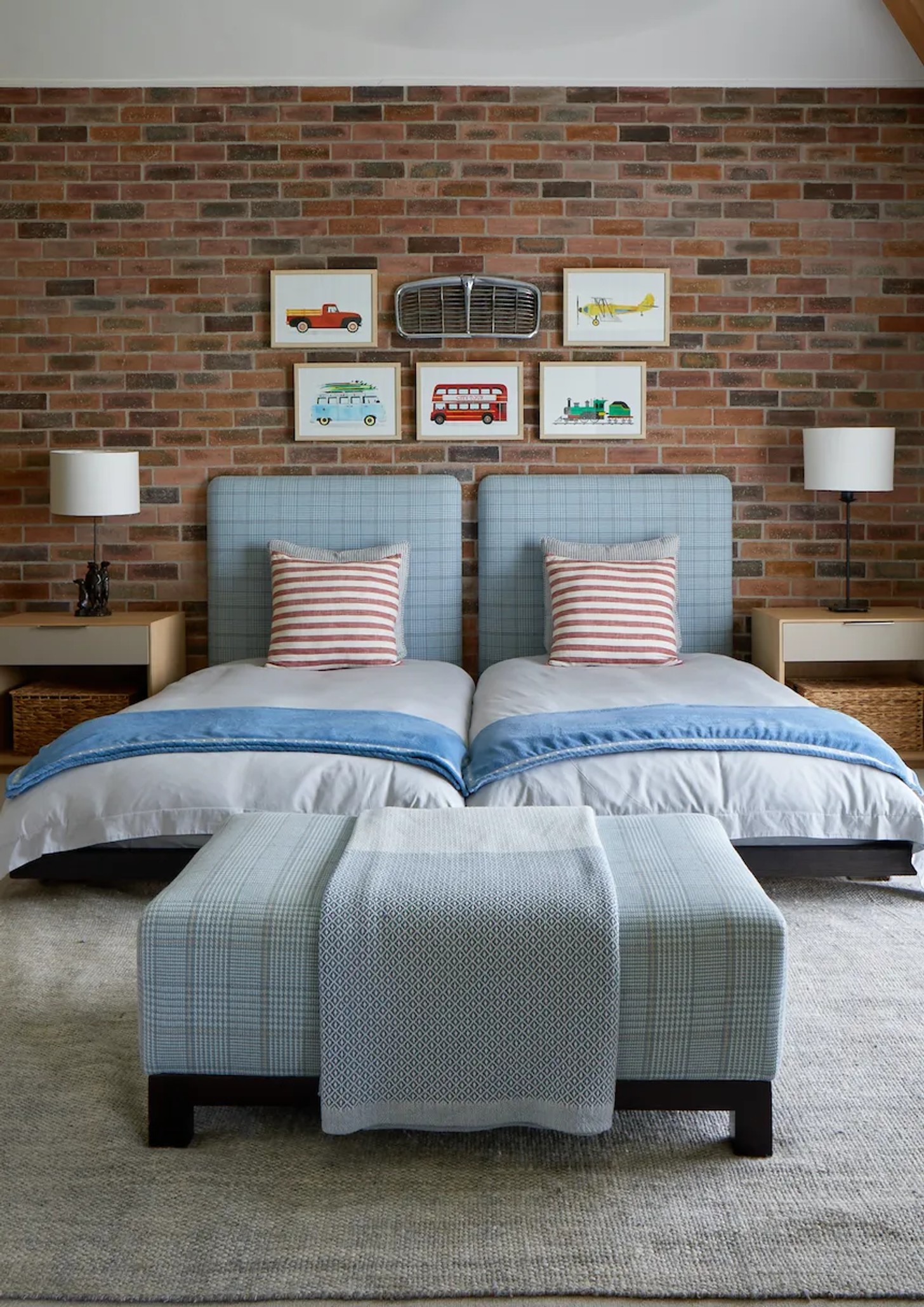
Some of the most interesting gallery walls aren't made entirely from framed art. Mirrors, ceramic plates, woven pieces, small sculptures, pressed botanicals and found objects can all become part of the composition.
This approach is particularly useful when decorating a home with an eclectic or layered aesthetic. A three-dimensional object can break up a series of flat frames and introduce texture, shadow and depth.
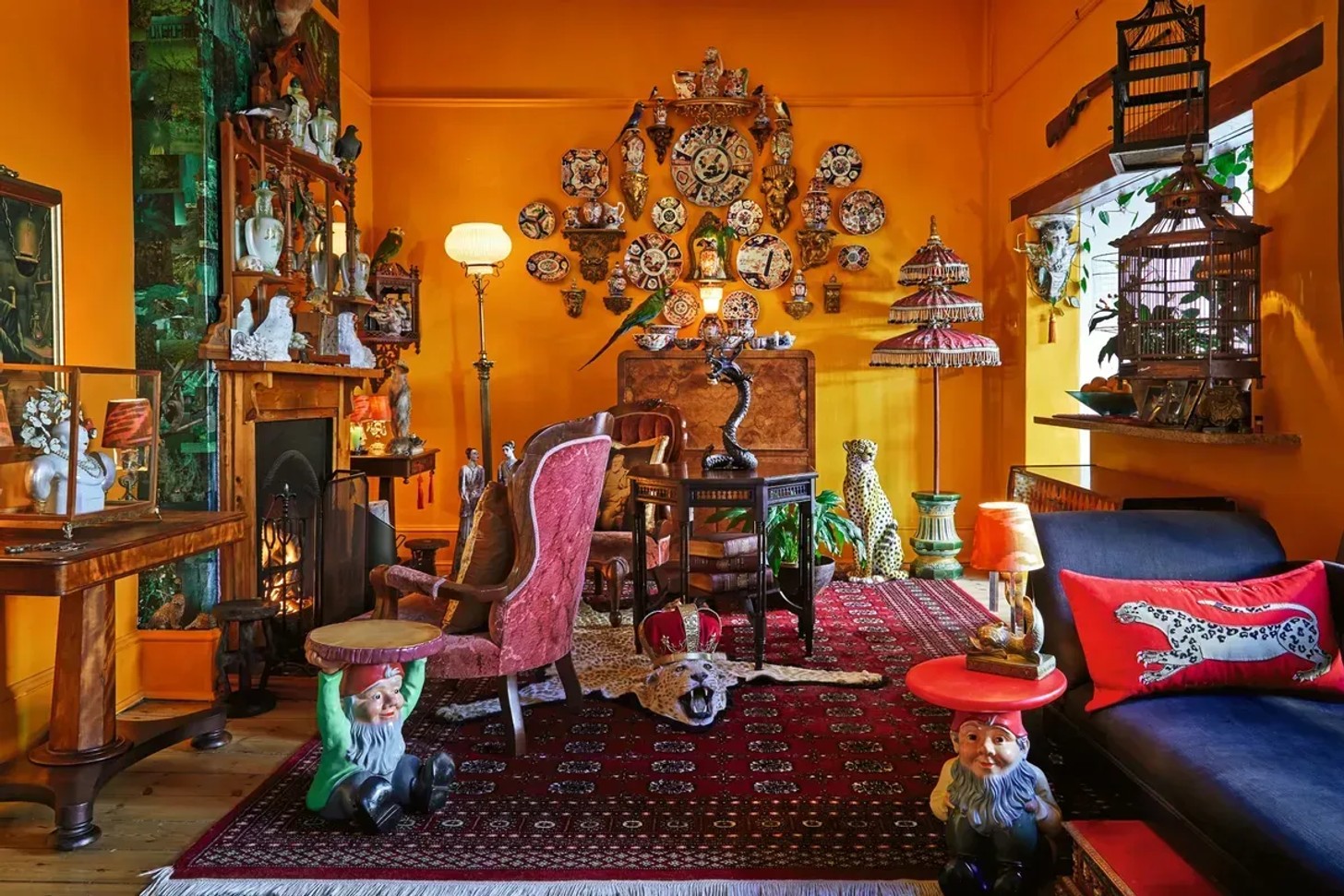
Consider The Room
A gallery wall doesn't have to live above the sofa. Hallways, staircases, bedrooms, dining rooms and even kitchens can all provide opportunities for displaying art. In a bedroom, a smaller arrangement above a bedside table can feel intimate and personal. In a dining room, a larger collection can create a dramatic backdrop for entertaining. For a narrow hallway, consider following the length of the wall rather than forcing the artworks into a traditional rectangular grid.
Don't Obsess Over Perfect Spacing
There are plenty of formulas for creating a gallery wall, but rigid rules aren't always necessary. A consistent gap between frames can make an arrangement feel cohesive, while varying the spacing slightly can create a more organic, collected appearance.
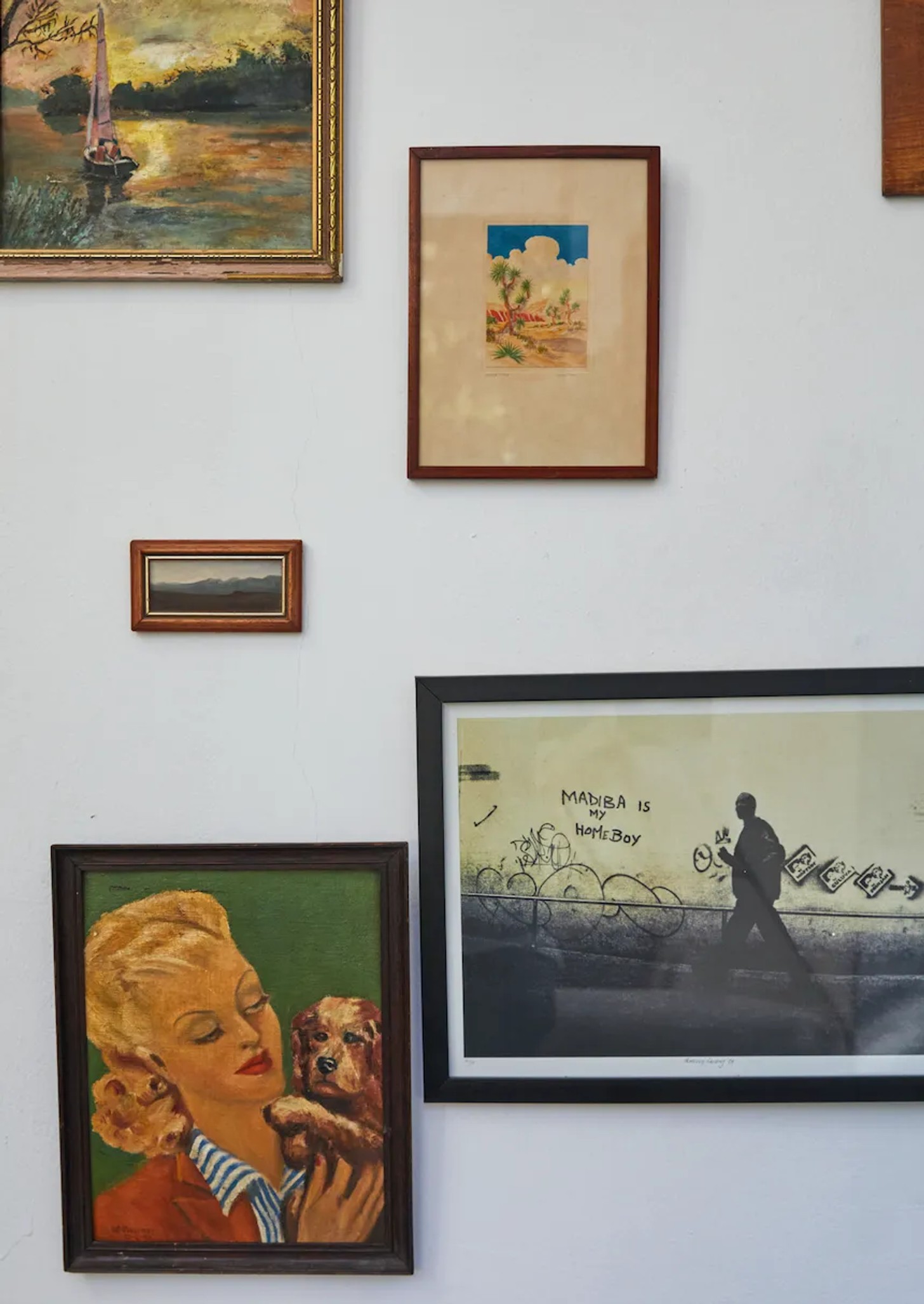
Start with your largest piece and build around it, balancing larger works with smaller ones rather than clustering everything in one area. Most importantly, step back regularly. A composition that looks balanced close up can feel very different from across the room.
Let It Evolve
Perhaps the greatest advantage of a gallery wall is that it doesn't have to be finished. Leave room for the painting you discover on holiday, the photograph you take next year or the artwork you inherit from a family member.
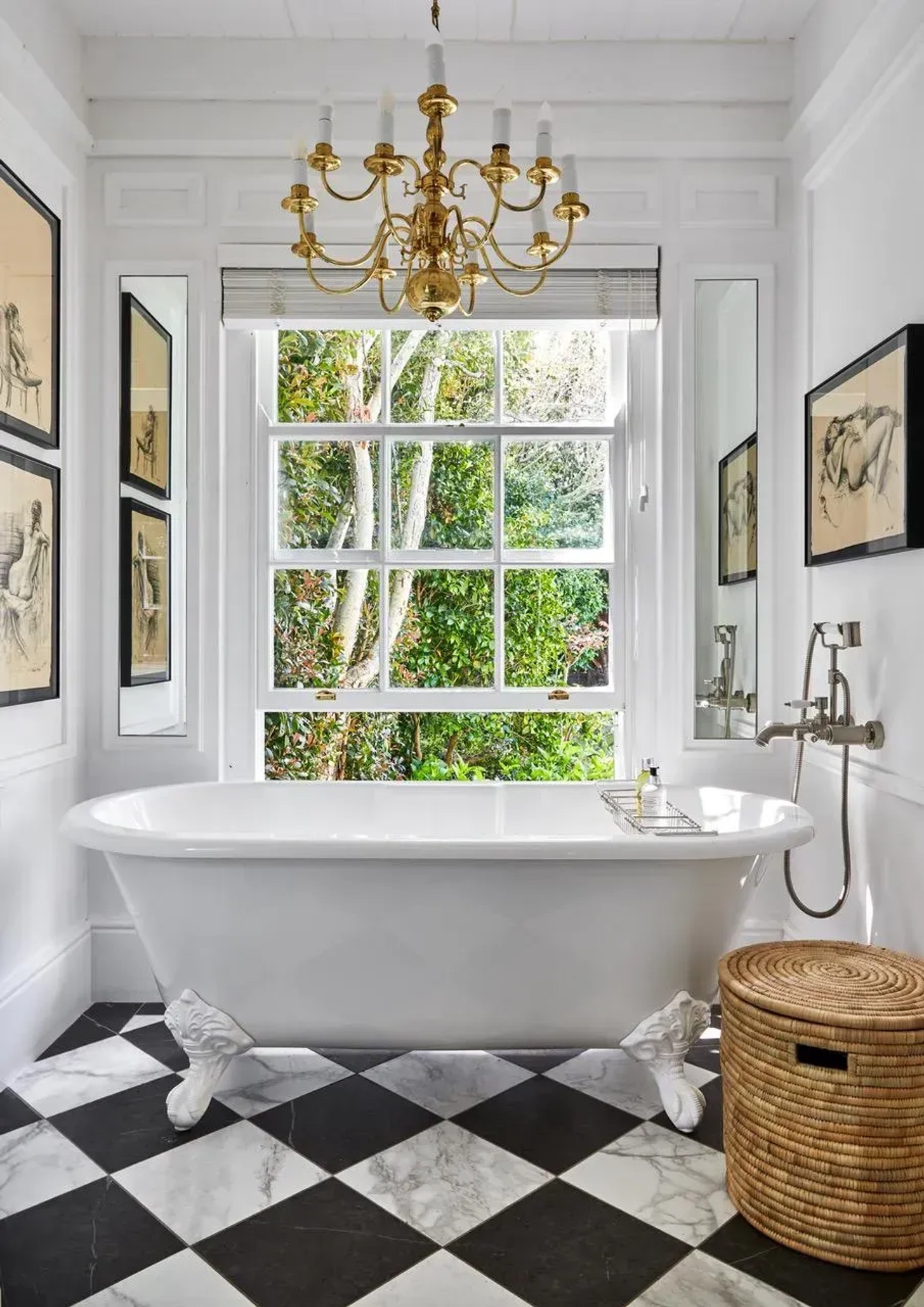
And that's ultimately what makes a gallery wall successful. It shouldn't simply demonstrate good taste; it should reveal something about the person who lives there. The most memorable collections aren't necessarily the most expensive or perfectly styled. They're the ones that make you stop, look closer and wonder about the story behind each piece.
Credits
Images: Niel Vosloo, Greg Cox, Elsa Young


