
Few pantry staples work as hard as olive oil. It finishes a salad, elevates roasted vegetables, enriches homemade bread and brings remarkable depth to everyday cooking. Yet not all olive oils are created equal, and with South Africa producing some of the world's finest extra virgin olive oils, there's never been a better time to buy local.
Whether you're a seasoned home cook or simply looking to upgrade your kitchen essentials, understanding what makes a quality olive oil can transform the way you cook and eat.

Why South African Olive Oil Deserves A Place In Your Kitchen
South Africa's Mediterranean-style climate, particularly across the Western Cape, provides ideal conditions for growing olives. Regions including the Swartland, Paarl, Stellenbosch, Robertson and the Klein Karoo have become renowned for producing award-winning extra virgin olive oils that rival international favourites.
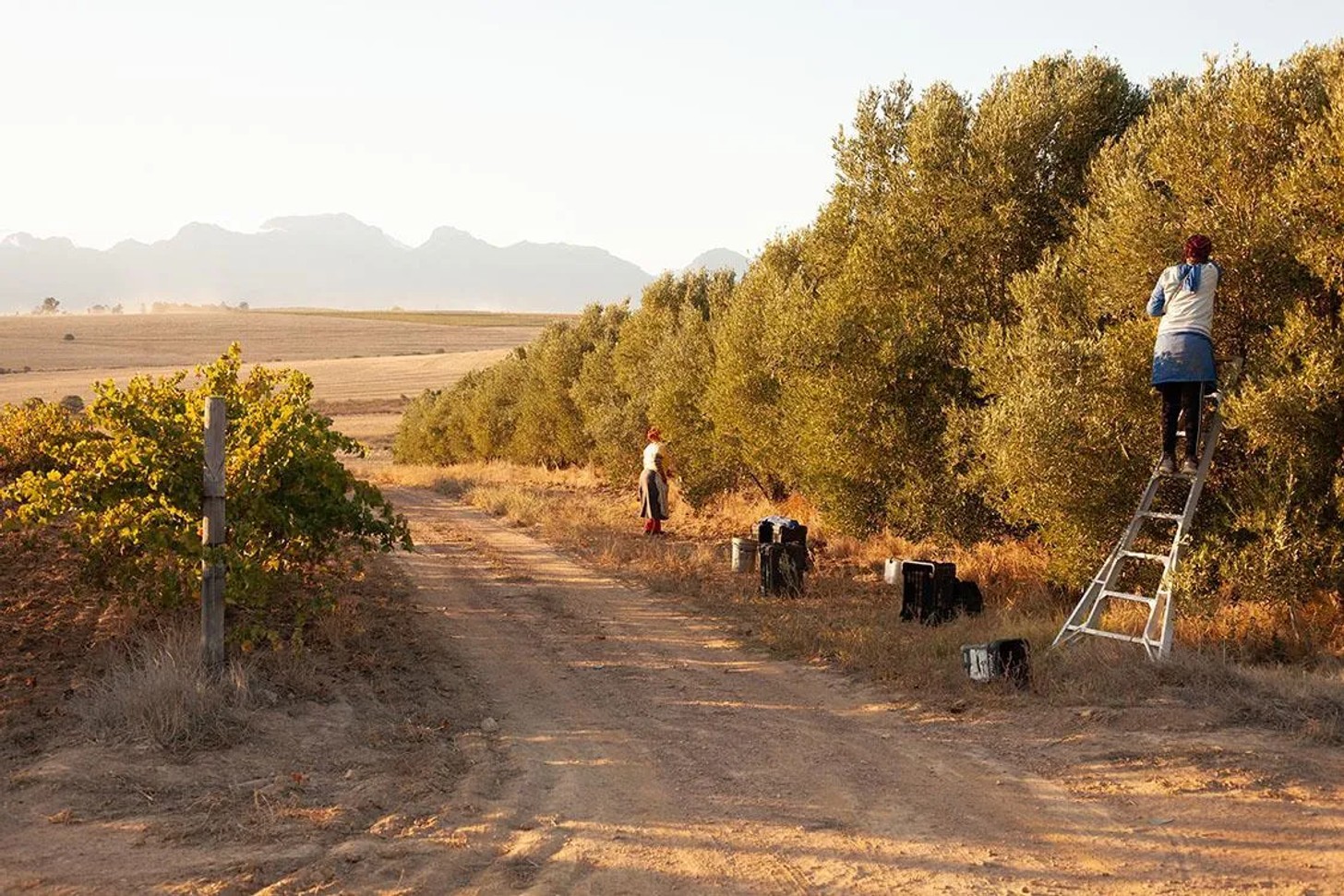
Because many local producers bottle their oils soon after harvest, South African consumers often enjoy exceptionally fresh olive oil — one of the biggest advantages of buying local.
Extra Virgin Always Comes First
When shopping, look for the words Extra Virgin Olive Oil (EVOO). This is the highest quality grade, produced without excessive heat or chemical processing. Extra virgin olive oil retains its natural antioxidants, vibrant flavour and nutritional benefits.
A good EVOO should taste fresh and balanced, often with notes of green grass, tomato leaf, fresh herbs or almonds. A slight peppery sensation at the back of your throat is considered a sign of freshness rather than a flaw.
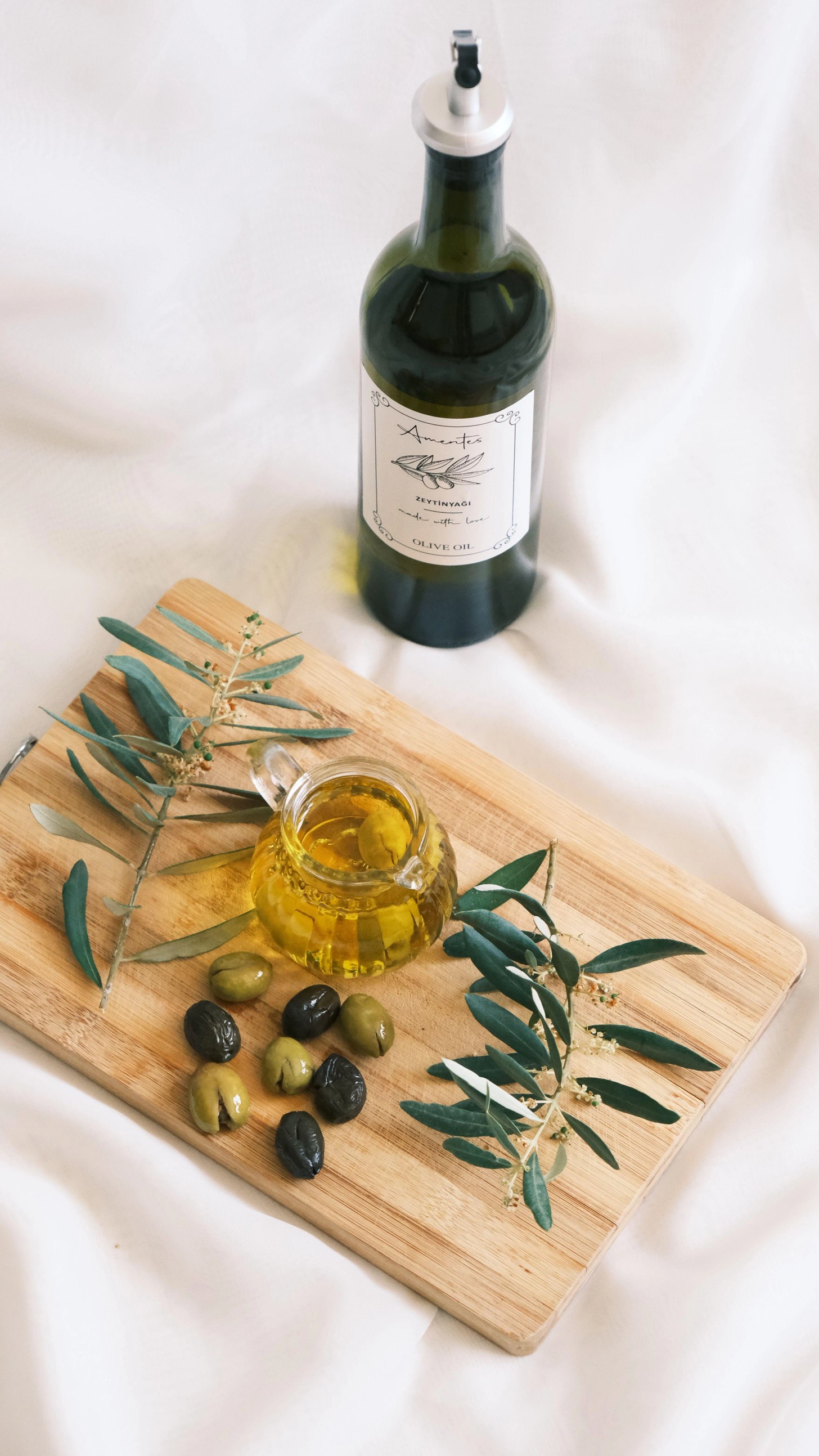
Learn To Read The Label
The best producers are transparent about their oils. Look for information such as the harvest year, olive cultivars and production region. Freshness matters, so buying oil from the most recent harvest ensures you're enjoying its best flavour and highest nutritional value. Dark glass bottles or tins are also preferable, as they protect the oil from light, helping preserve its delicate aromas and quality.
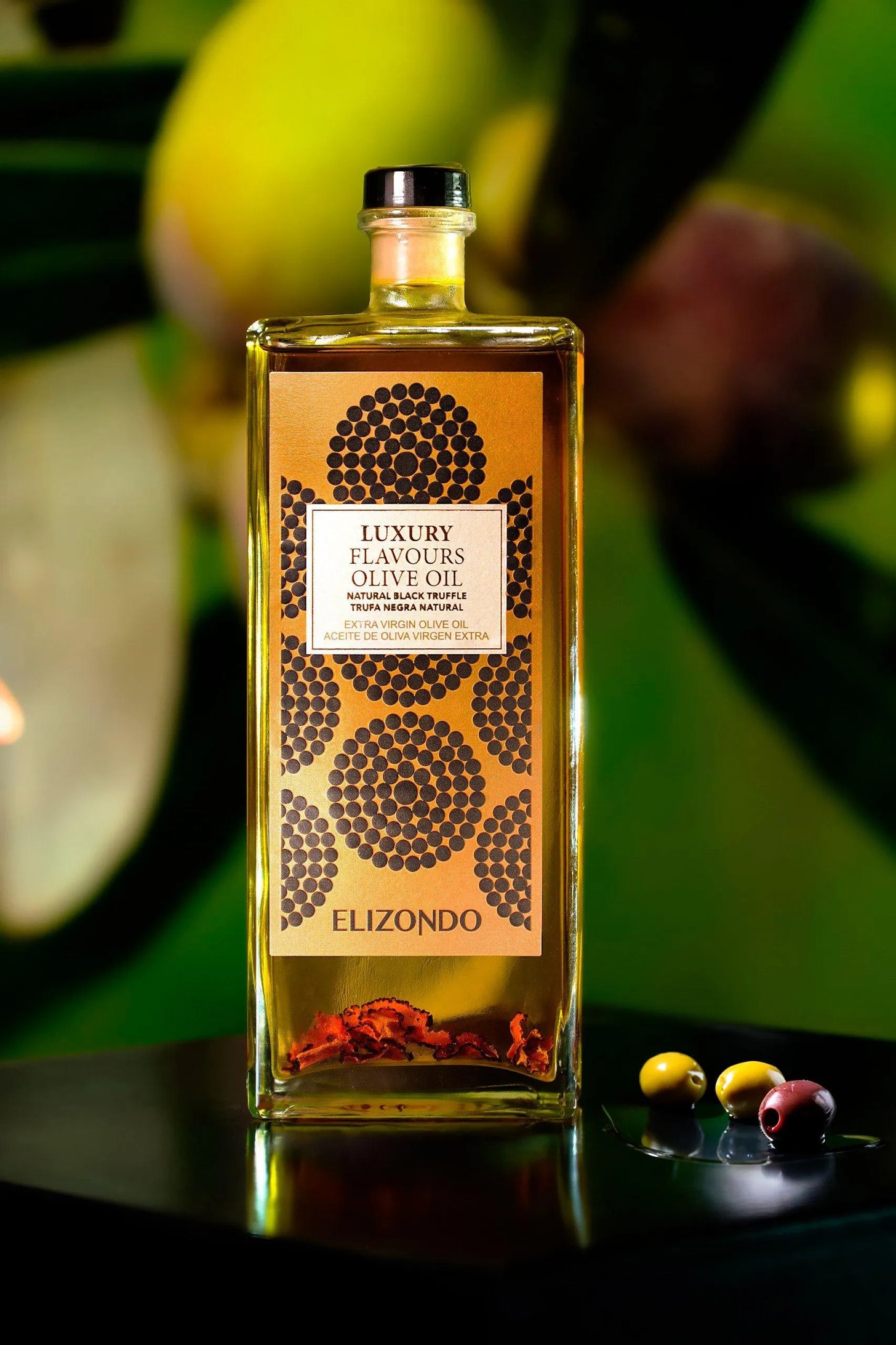
Choosing The Right Oil For Every Dish
Like wine, olive oil has its own flavour profile, and different styles suit different meals. A robust extra virgin olive oil works beautifully with grilled steak, roasted vegetables and hearty soups. Medium-bodied oils complement pasta dishes, roasted chicken and grain salads, while delicate oils are ideal for seafood, soft cheeses and fresh summer salads where subtle flavours should shine.
One of the easiest ways to identify quality is to look for the SA Olive Commitment to Compliance (CTC) Seal. This certification guarantees that the olive oil has been locally produced and independently tested for authenticity and quality, giving shoppers confidence that they're buying genuine South African extra virgin olive oil.
As Wendy Petersen, CEO of SA Olive, explains:
“Choosing Extra Virgin Olive Oil is about more than the label—it's about quality you can trust. Look for the SA Olive CTC Seal, which guarantees the oil has been locally produced, and evaluated for authenticity and quality. Once you've selected your EVOO, protect its exceptional flavour and health benefits by storing it in a cool, dark place, away from heat, light and air. By doing this you ensure that optimal care is given to your liquid gold.”
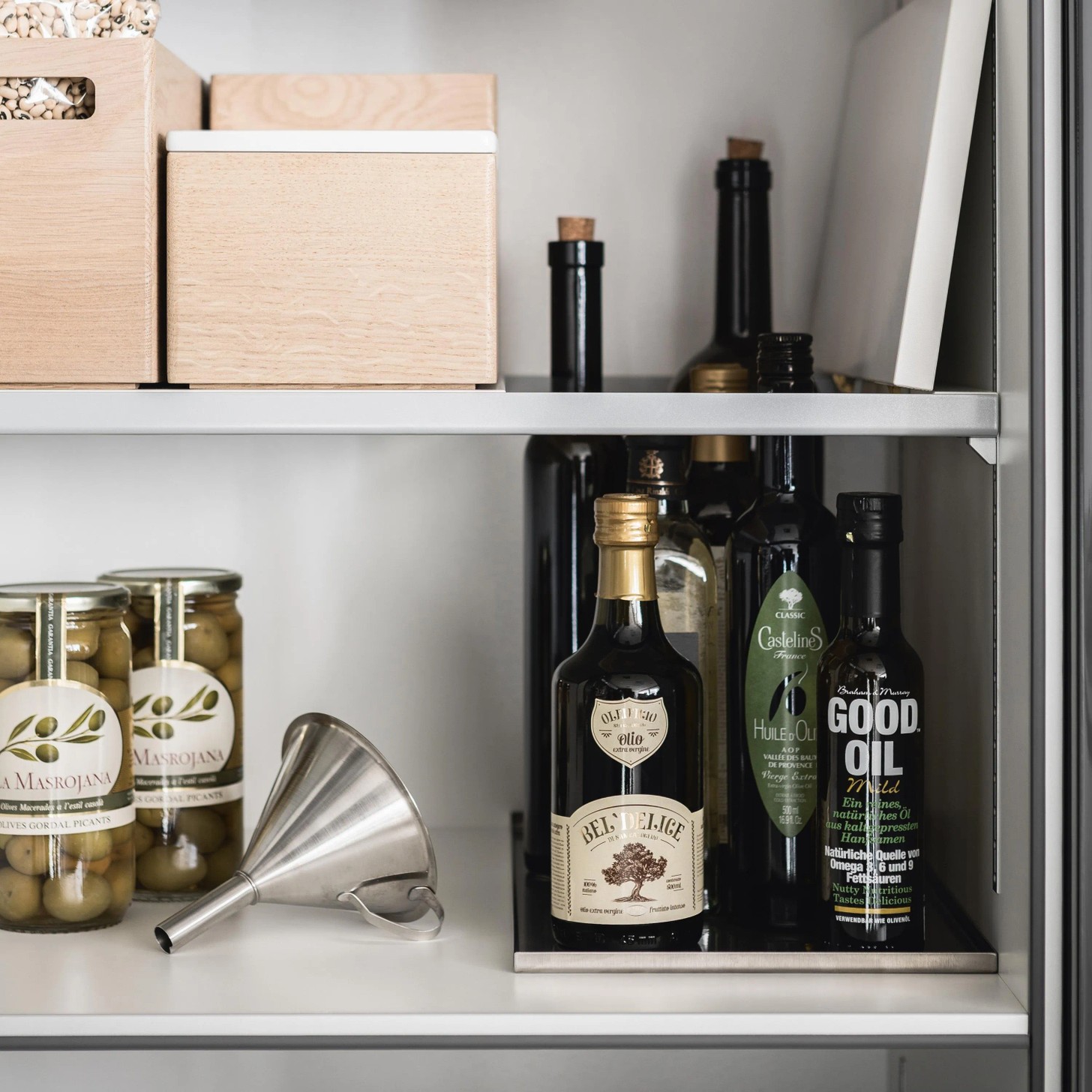
Once you've found a bottle bearing the CTC Seal, proper storage is equally important. Keep your olive oil in a cool, dark cupboard away from direct sunlight, the stove or other heat sources, and always replace the cap securely after use. These simple steps help preserve its flavour, aroma and nutritional benefits for longer.
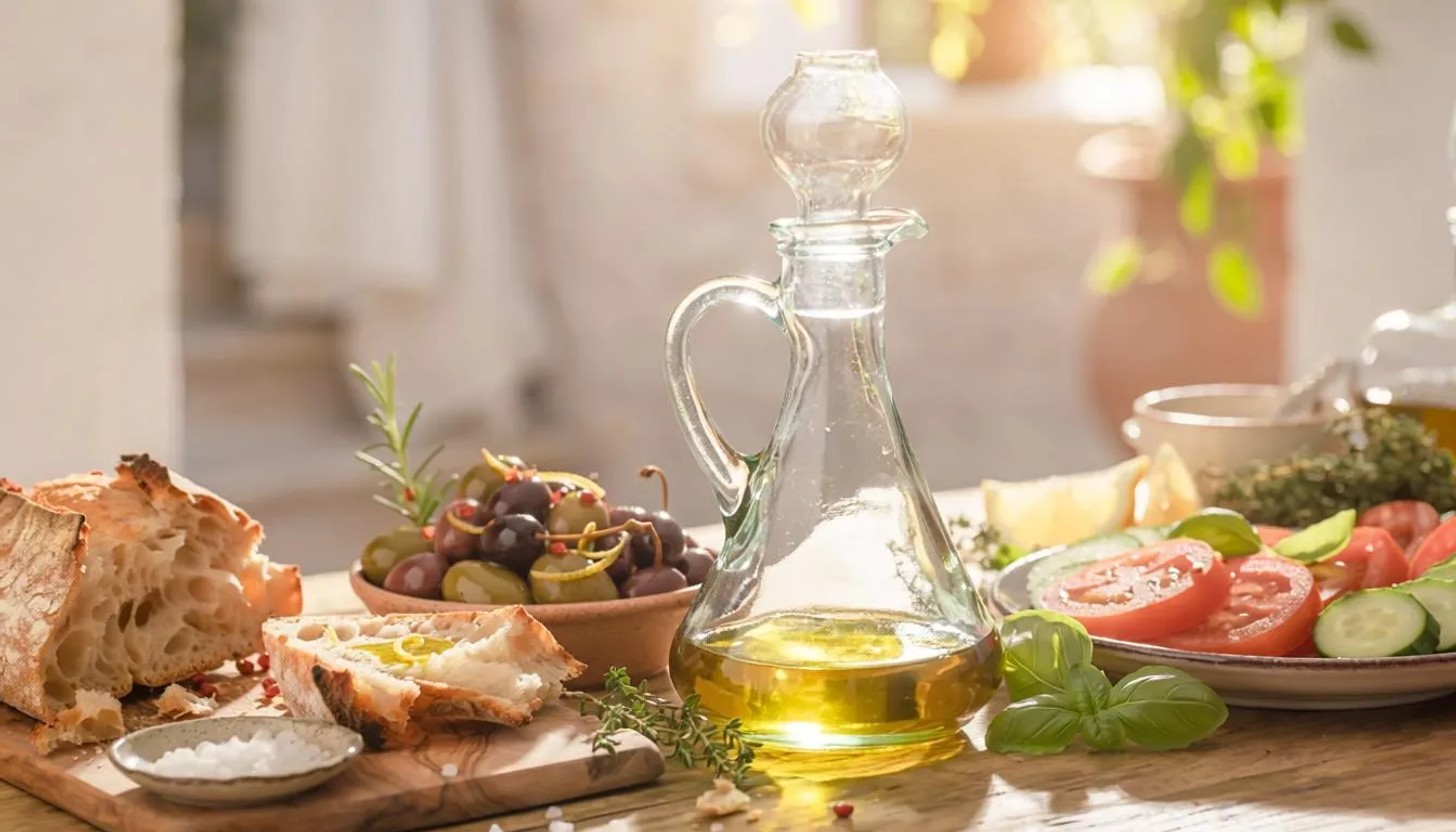
Rather than reserving your best bottle for special occasions, use it generously as a finishing oil. A final drizzle over grilled asparagus, creamy burrata or warm sourdough often makes all the difference.
Store It Properly
Heat, light and oxygen are olive oil's biggest enemies. Once opened, keep bottles tightly sealed in a cool cupboard away from direct sunlight and your stovetop. Contrary to popular belief, refrigeration isn't usually necessary unless temperatures become particularly high. Ideally, consume olive oil within a few months of opening to experience it at its freshest.
Visit The Source
One of the joys of buying South African olive oil is the opportunity to experience it where it's made. Many olive estates offer tastings alongside cellar tours, allowing visitors to compare different cultivars and production methods while learning directly from producers. A visit during harvest season provides an even deeper appreciation of the craftsmanship behind every bottle, from hand-picked fruit to cold extraction and careful bottling.

A Bottle Worth Savouring
Olive oil is more than just another cooking ingredient — it's one of the simplest ways to celebrate local agriculture and bring exceptional flavour into everyday meals. Choosing a high-quality South African extra virgin olive oil means supporting passionate local producers while enjoying a product that's fresh, versatile and full of character.
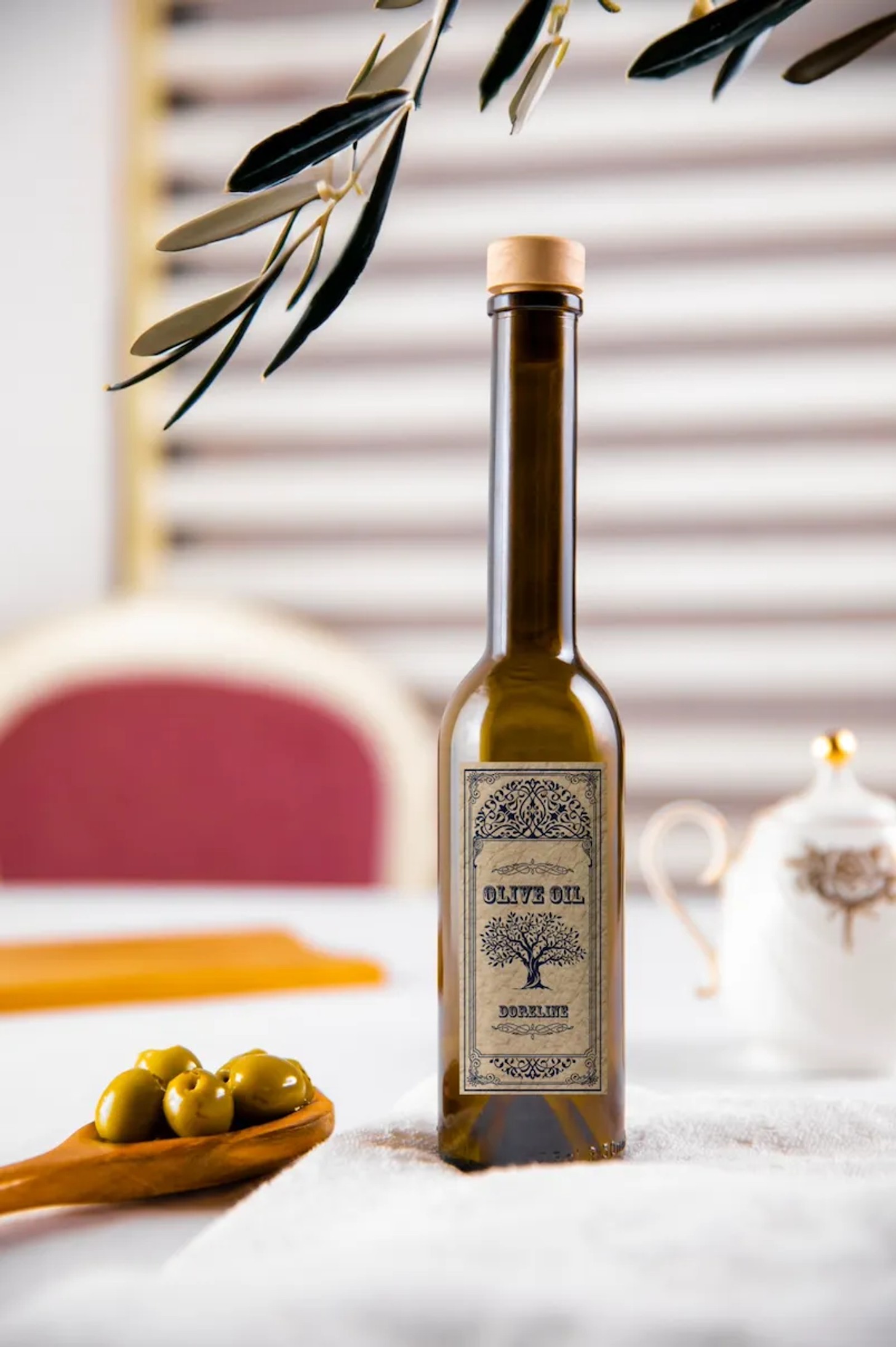
The next time you reach for a bottle, look beyond the label. Taste, smell and savour it. You may find your new favourite comes from much closer to home than you expected.
Credits
Images: Pexels


