
South Africa's sparkling wine scene has long been dominated by Méthode Cap Classique (MCC), a category that has earned international acclaim for its quality and craftsmanship. Yet among the Cape Winelands' most exciting developments is a growing interest in a lesser-known style of sparkling wine: the ancestral method.
Known in France as méthode ancestrale or pétillant naturel (often shortened to pét-nat), this centuries-old winemaking technique is finding favour among a new generation of Cape winemakers. The appeal lies in its authenticity, vibrancy and ability to showcase a wine's natural character with minimal intervention.

As consumers increasingly seek wines with a sense of place and individuality, ancestral method sparkling wines are carving out a distinctive niche within South Africa's dynamic wine landscape.
And when paired with the country's exceptional seafood, they offer one of the most exciting food-and-wine experiences of the season.
A Return to Traditional Winemaking
Unlike conventional MCC, which undergoes a carefully controlled secondary fermentation in the bottle, ancestral method wines follow a simpler and older process.
Fermentation begins in tank before the partially fermented wine is bottled, where fermentation naturally finishes. The carbon dioxide produced becomes trapped in the bottle, creating fine bubbles without the need for additional dosage or extensive manipulation.
The result is often a wine that feels fresher, more spontaneous and slightly less polished than traditional MCC. Cloudiness may be present, alcohol levels are often lower, and flavours tend to lean towards bright fruit, fresh acidity and lively texture. For many winemakers, this approach offers an opportunity to express vineyard character in a more immediate way.

Why the Cape Winelands Is Embracing the Trend
The rise of ancestral method wines reflects broader shifts within the South African wine industry. Consumers are increasingly interested in sustainability, authenticity and smaller-scale production. Winemakers, meanwhile, are exploring techniques that allow them to showcase site-specific character while intervening as little as possible in the cellar.
The Cape's Mediterranean climate, diverse terroirs and abundance of quality fruit make it particularly well suited to this style of winemaking. Chenin Blanc, Colombard, Cinsault and Grenache have all emerged as popular varieties for ancestral method sparkling wines, producing bottles that are expressive, energetic and highly drinkable. These wines feel contemporary not because they are new, but because they represent a return to simpler traditions.

A Natural Partner for Seafood
Few culinary pairings feel as distinctly South African as sparkling wine and seafood. The Cape's proximity to both world-class vineyards and exceptional coastal produce creates endless opportunities for combining the two. Ancestral method wines, with their bright acidity and fresh fruit profile, are particularly suited to seafood dishes that emphasise purity and freshness.
Unlike heavier oak-aged wines, they refresh the palate and complement delicate flavours without overpowering them. The natural effervescence also enhances texture, making them especially enjoyable alongside shellfish and raw seafood preparations.
Oysters and Ocean-Fresh Simplicity
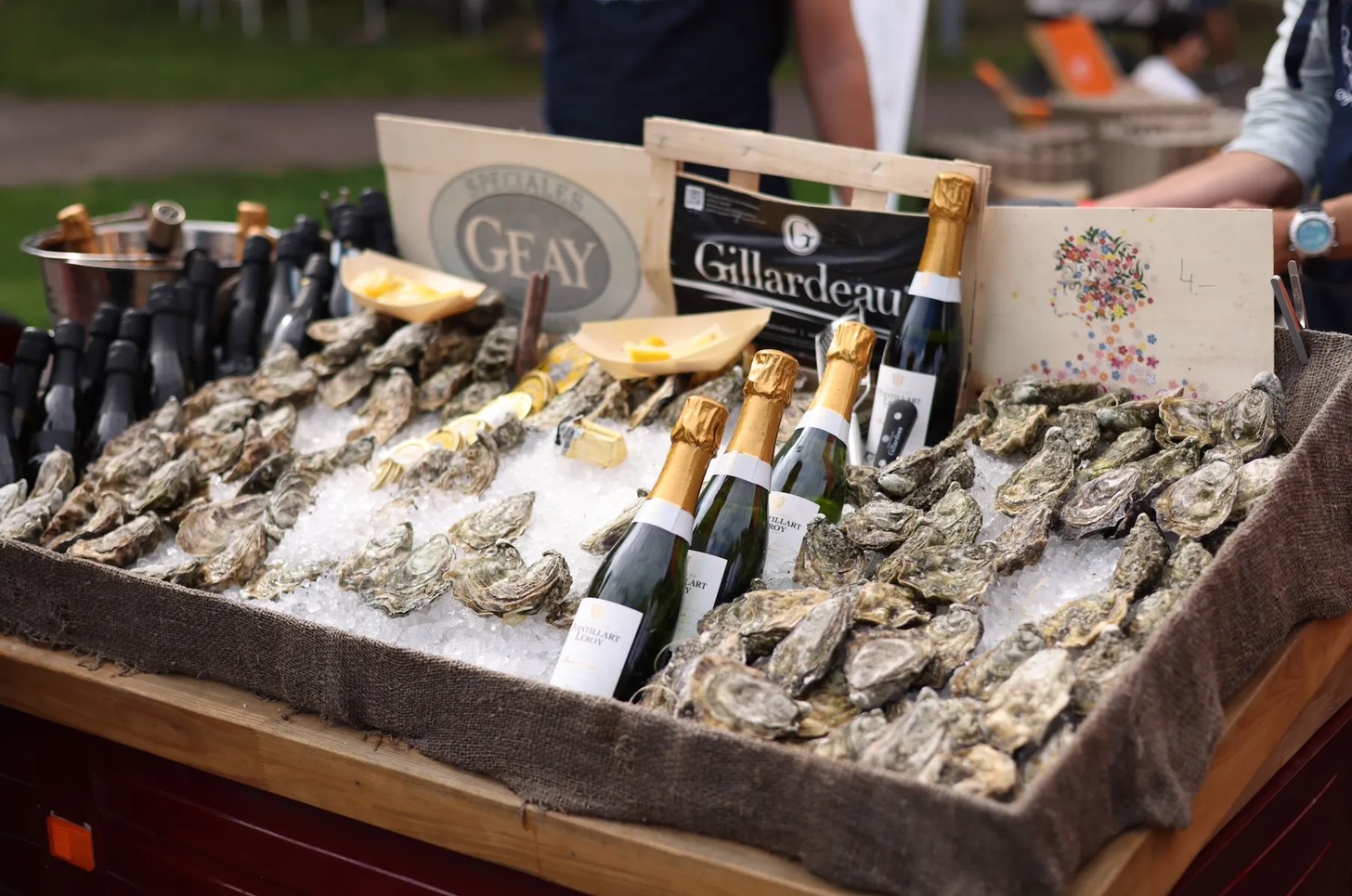
Fresh oysters remain one of the most elegant companions to ancestral method sparkling wines. The briny salinity of the oyster amplifies the wine's mineral character, while the bubbles cleanse the palate between bites. Whether sourced from Saldanha Bay or cultivated along South Africa's southern coastline, oysters provide a simple yet sophisticated pairing. Serve them with nothing more than lemon and a chilled bottle of ancestral Chenin Blanc, and the result is a celebration of both land and sea.
Yellowtail and Bright Acidity
Yellowtail has become a staple of contemporary South African seafood cuisine, appearing in everything from braais to ceviche. Its rich texture benefits from wines with enough acidity to provide balance. Ancestral method wines excel in this role, particularly those made from Chenin Blanc or Colombard.
For a summer-style pairing, consider yellowtail ceviche with citrus, coriander and chilli. The wine's freshness mirrors the brightness of the dish while softening the heat and enhancing the delicate flavours of the fish. The combination feels effortlessly modern and unmistakably local.
Mussels, Prawns and Coastal Comfort
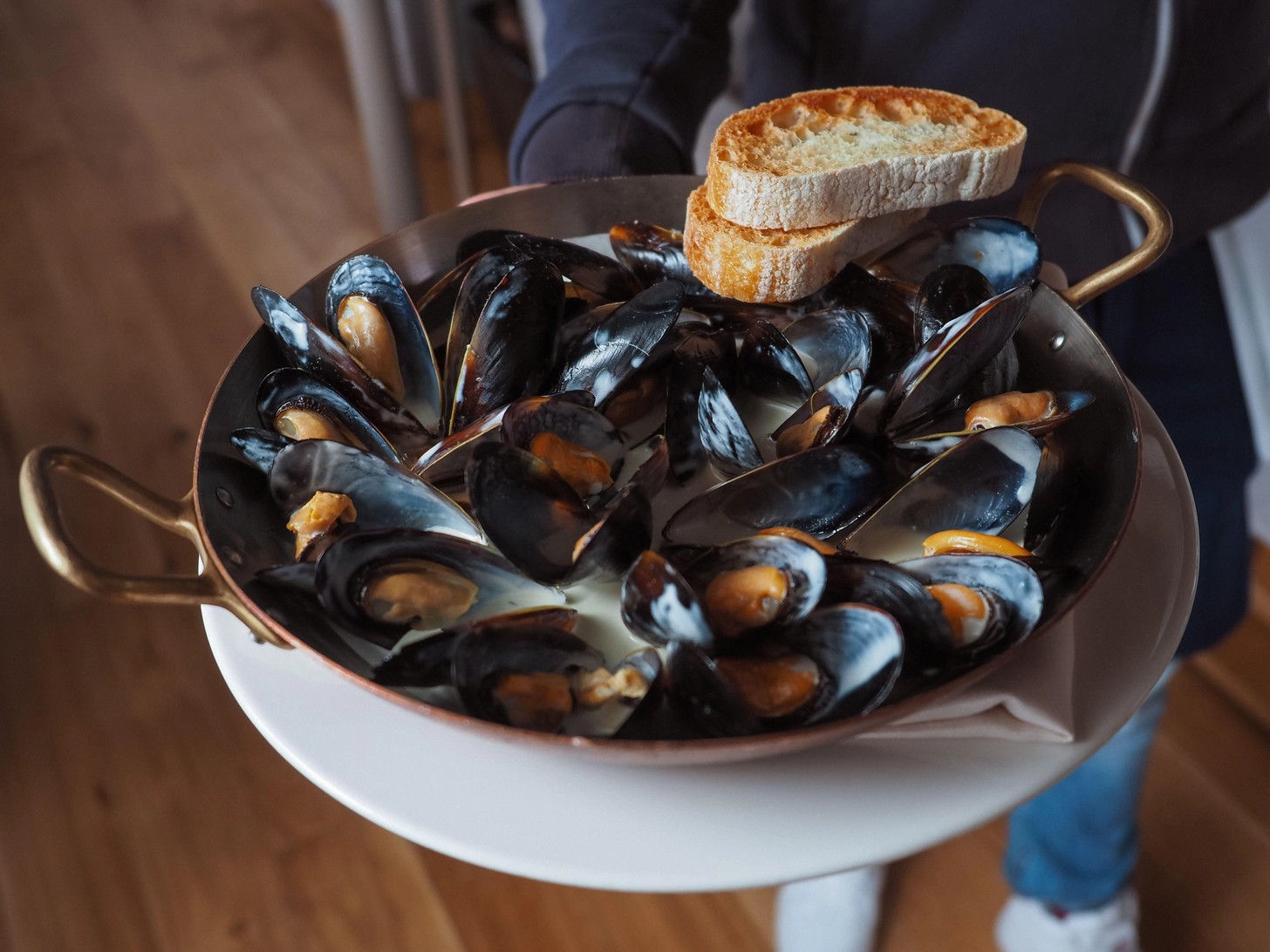
South Africans have a long-standing affection for seafood shared around the table, whether it is a pot of steamed mussels or a platter of flame-grilled prawns. The lively nature of ancestral method wines complements these dishes beautifully. Their fruit-forward profile works particularly well with garlic, herbs and subtle spice, while the natural acidity cuts through richer sauces and buttery preparations. For winter entertaining, a bowl of mussels in a white wine broth paired with a chilled bottle of ancestral method sparkling wine offers comfort without heaviness.
The New Face of Cape Wine Culture
The popularity of ancestral method wines signals a broader evolution within South African wine culture. Today's wine lovers are increasingly interested in stories of place, process and craftsmanship. They are looking beyond established categories and discovering producers willing to experiment while remaining connected to tradition.
For the Cape Winelands, this movement represents an exciting chapter. Ancestral method wines bring a sense of energy and curiosity to tasting rooms and dining tables alike, offering a fresh perspective on what South African sparkling wine can be. Paired with local seafood, they capture two of the country's greatest culinary strengths: exceptional produce and innovative craftsmanship.
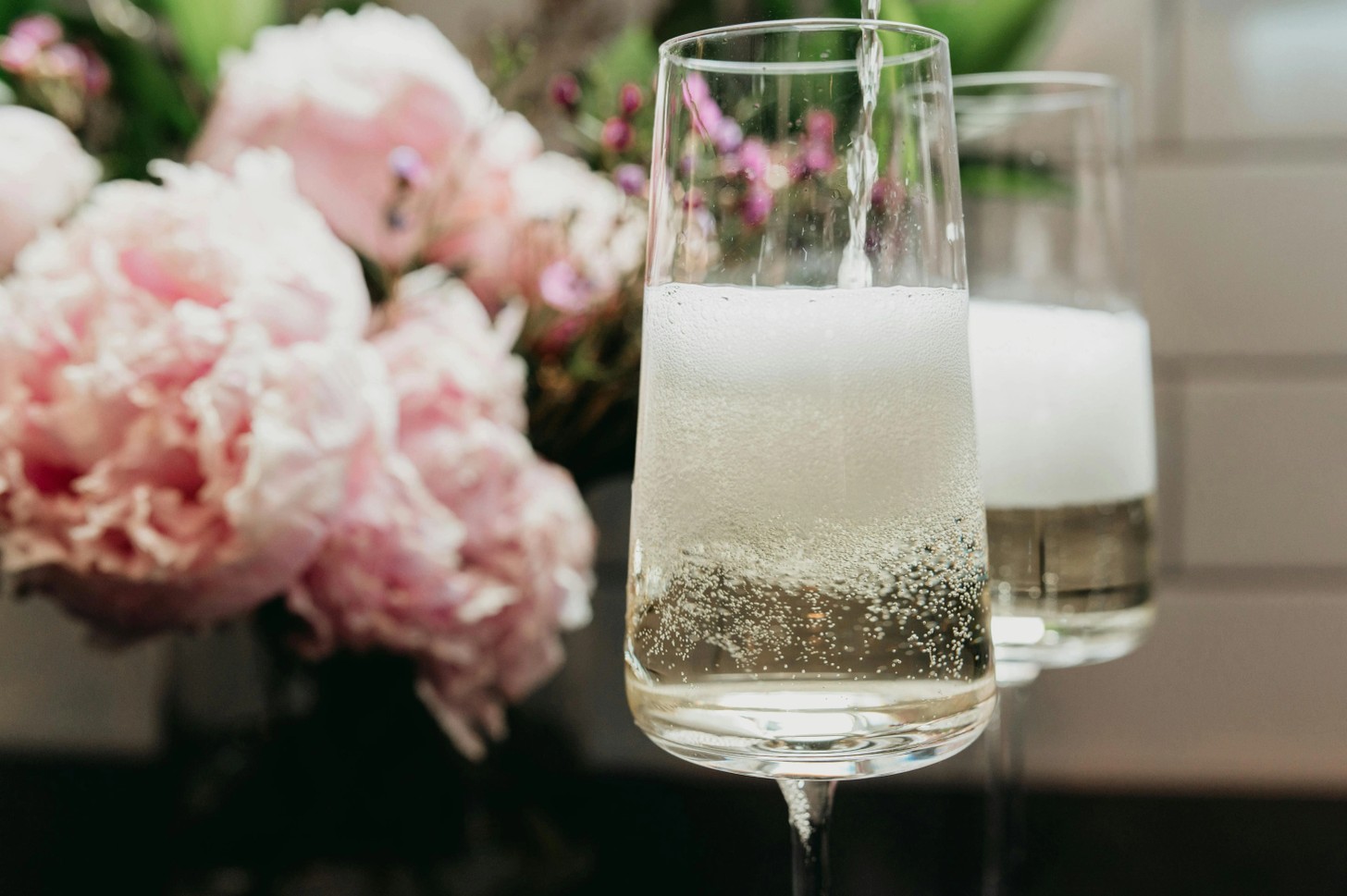
Whether enjoyed overlooking a vineyard in Stellenbosch, at a seafood restaurant along the West Coast or around a family table at home, these naturally expressive bubbles prove that some of the most exciting trends emerge not from reinvention, but from rediscovering the past.
Credits
Images: Pexels


