
A beautifully decorated room is not necessarily the one with the most colour, pattern or furniture. Often, it is the subtle interplay of surfaces that makes a space feel complete. A linen curtain catching the light, the grain of a timber table, a hand-thrown ceramic vase or a deeply textured rug can each bring something different to a room. Together, these details create an interior that feels considered, comfortable and, importantly, lived in.
Texture is an increasingly important part of contemporary interior design, particularly as homes move away from overly polished or uniform schemes. Natural materials, visible craftsmanship and tactile finishes are helping to create spaces with more warmth and personality.

Start With A Considered Foundation
The easiest way to layer texture successfully is to begin with the largest surfaces in the room. Walls, flooring, sofas, curtains and rugs establish the foundation, so consider how they work together before introducing smaller decorative elements.
A neutral palette can be particularly effective because it allows texture to take centre stage. This does not mean a room needs to be beige; warm whites, earthy browns, muted greens, soft greys and natural timber tones can all provide a versatile backdrop.
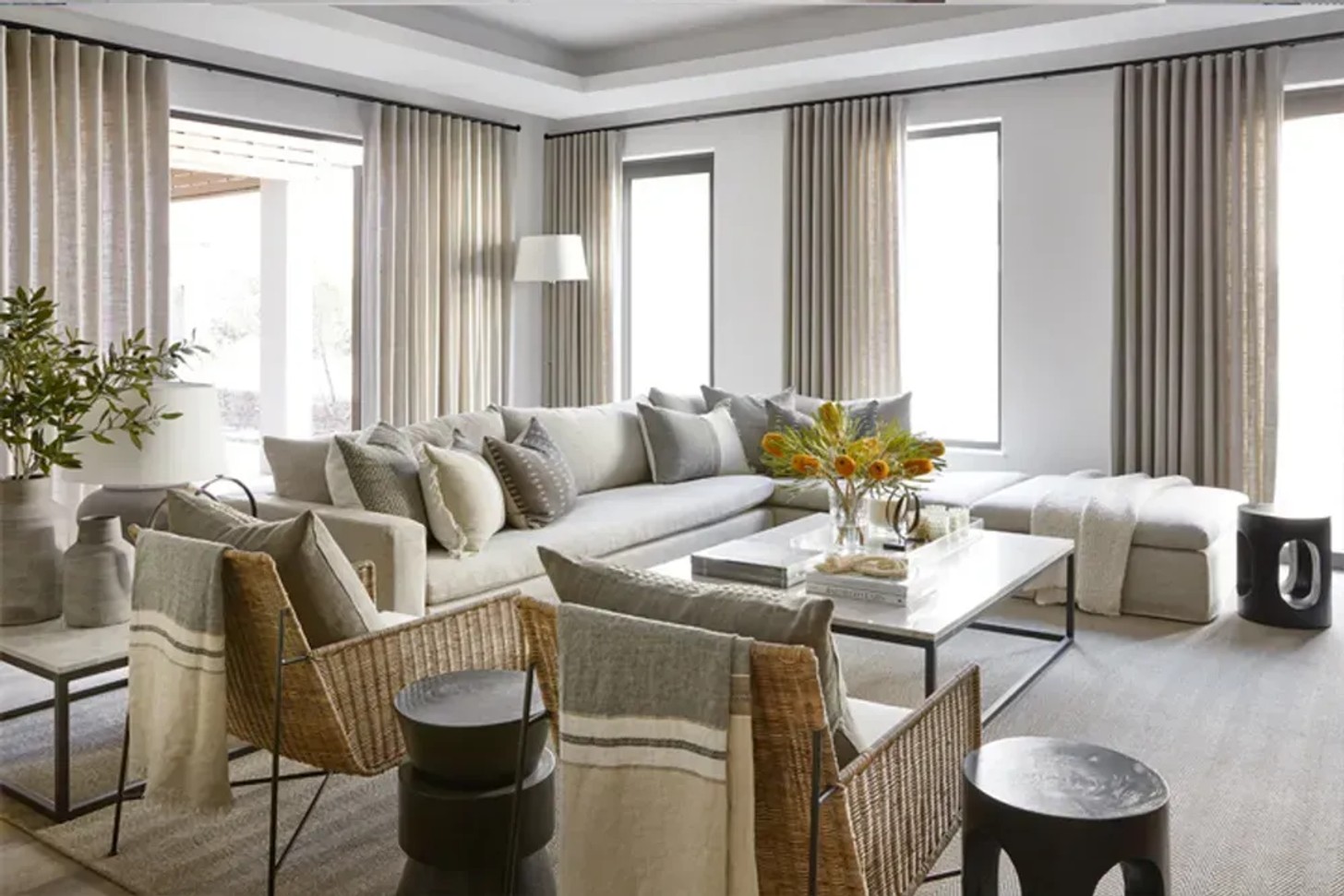
Think of a limewashed wall alongside timber flooring, or a natural-fibre rug beneath an upholstered sofa. These combinations create subtle variation without making the room feel visually busy.
Mix Hard And Soft Materials
The secret to successful texture layering is contrast. Pair materials that feel fundamentally different: rough with smooth, soft with structured, matte with reflective, and natural with refined.
A chunky wool throw can soften a leather chair, while a stone coffee table can be warmed up with woven baskets and linen upholstery. In a dining room, polished timber might sit comfortably alongside tactile ceramics, brushed metal and upholstered seating.
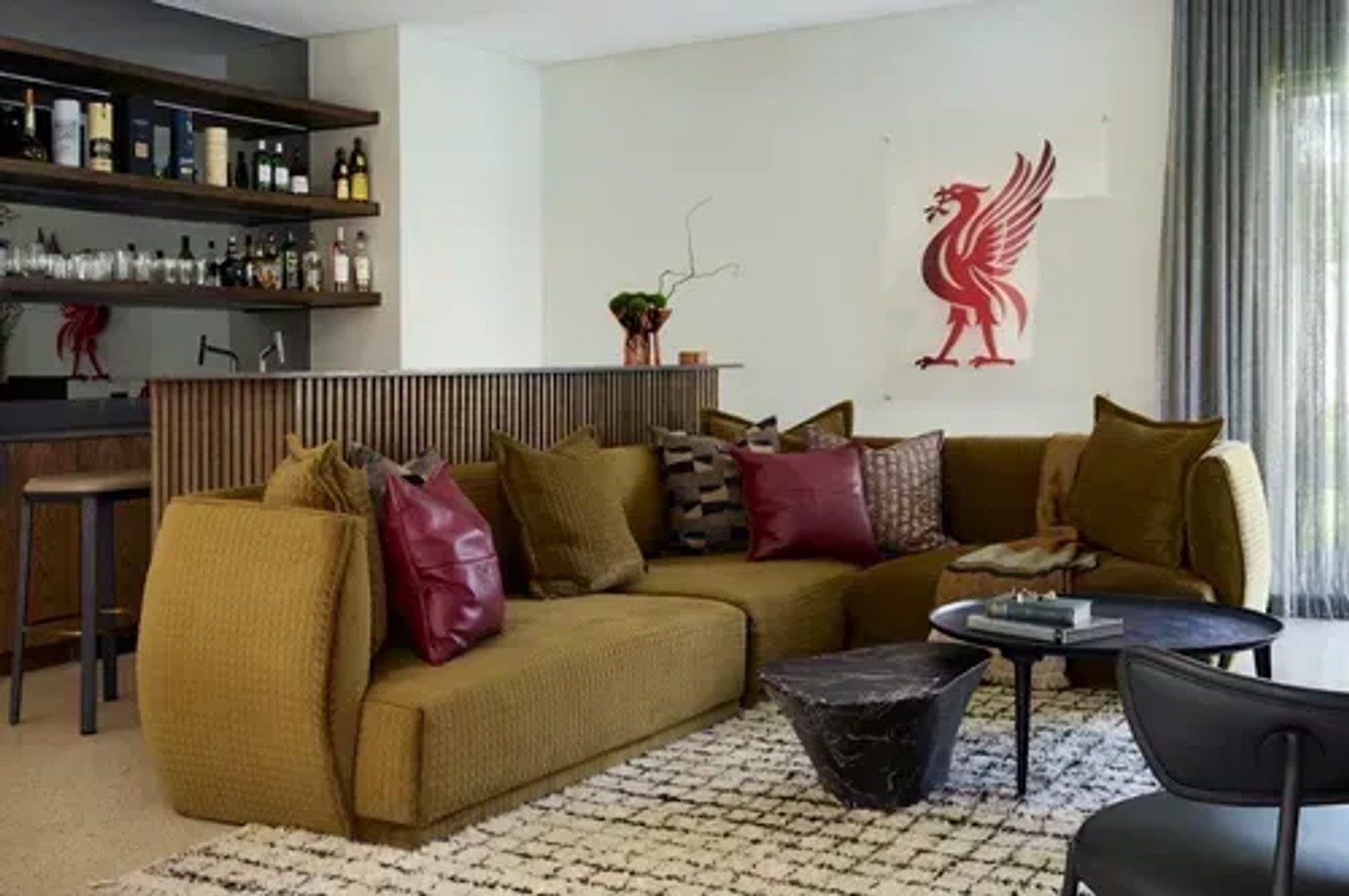
This approach is particularly useful in neutral interiors, where differences in texture can provide the visual interest that colour might otherwise create.
Bring In Natural Materials
Timber, stone, rattan, linen, wool, leather and ceramics are natural starting points for a layered interior. Their irregularities and tactile qualities add character, while their natural tones tend to work effortlessly together.
For South African homes, this can also be an opportunity to embrace materials that connect interiors to their surroundings. Local stone, timber, woven elements and handcrafted ceramics can give a space a sense of place without feeling overly themed.
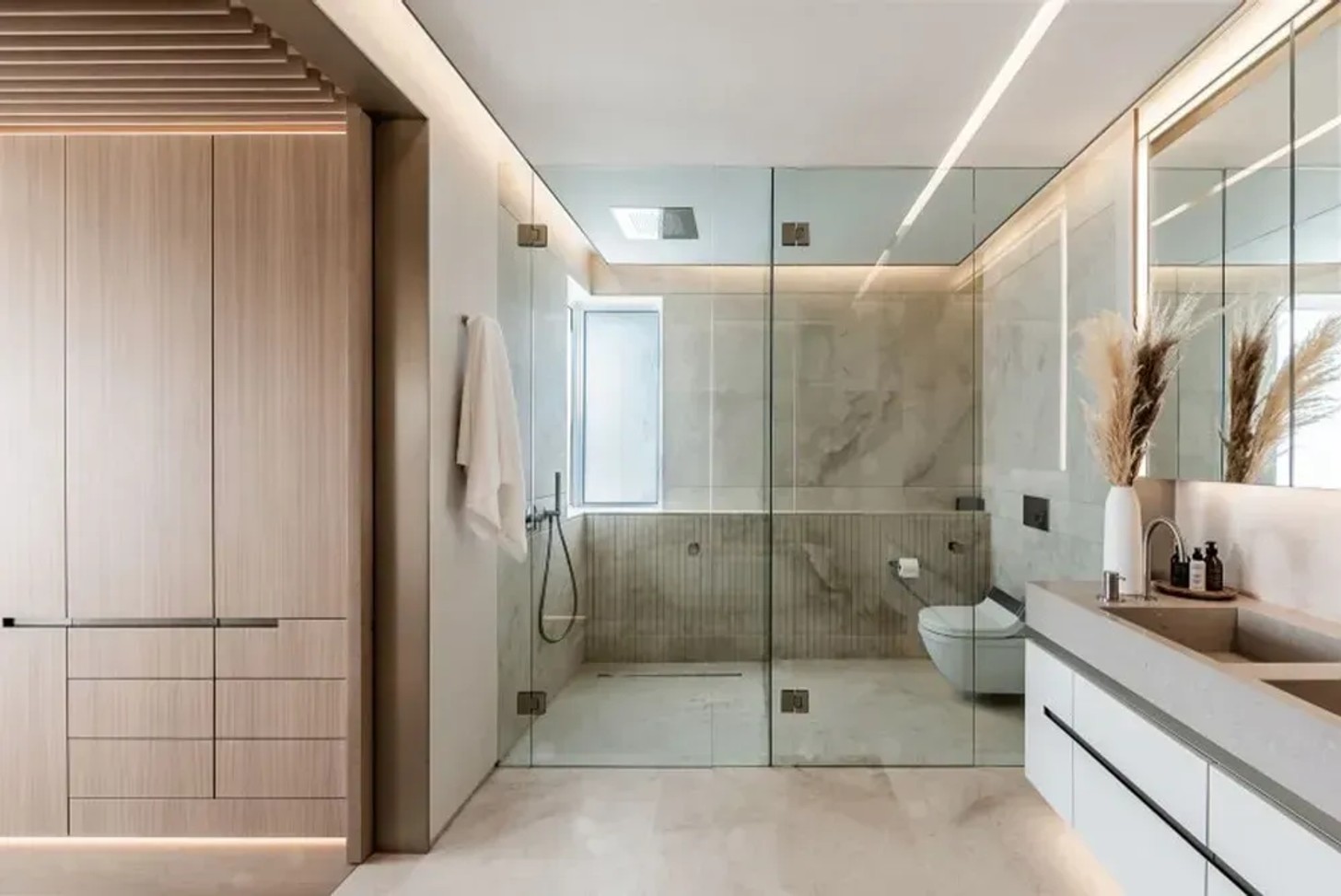
The key is not to use every natural material at once. Instead, choose a few that complement one another and allow each to have its moment.
Layer Textiles Thoughtfully
Textiles are perhaps the easiest way to introduce texture without making permanent changes. Start with a rug, then build upwards with curtains, cushions, throws and upholstery.
Rather than choosing everything from the same fabric family, vary the weave and finish. Combine crisp linen with soft velvet, a chunky knit with a fine cotton, or a patterned cushion with a more understated bouclé.
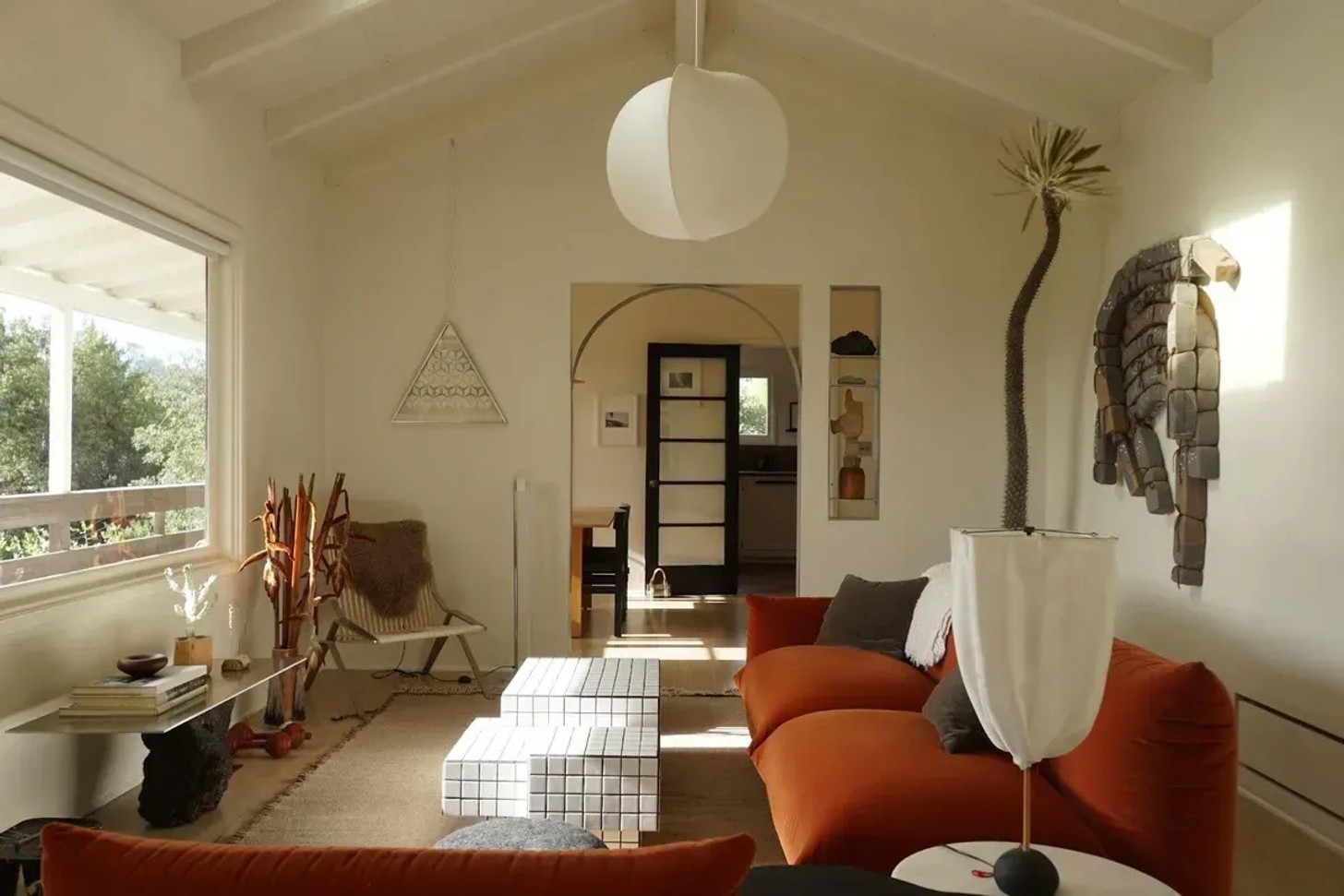
The result should feel assembled rather than matched. Texture layering is not about adding more for the sake of it, but creating contrast and rhythm so that the eye moves naturally around the room.
Let Texture Evolve
Ultimately, layering texture is less about following a formula and more about allowing a home to develop naturally. Vintage furniture, handmade objects, books, artworks and pieces collected over time can introduce another layer of visual and tactile interest.
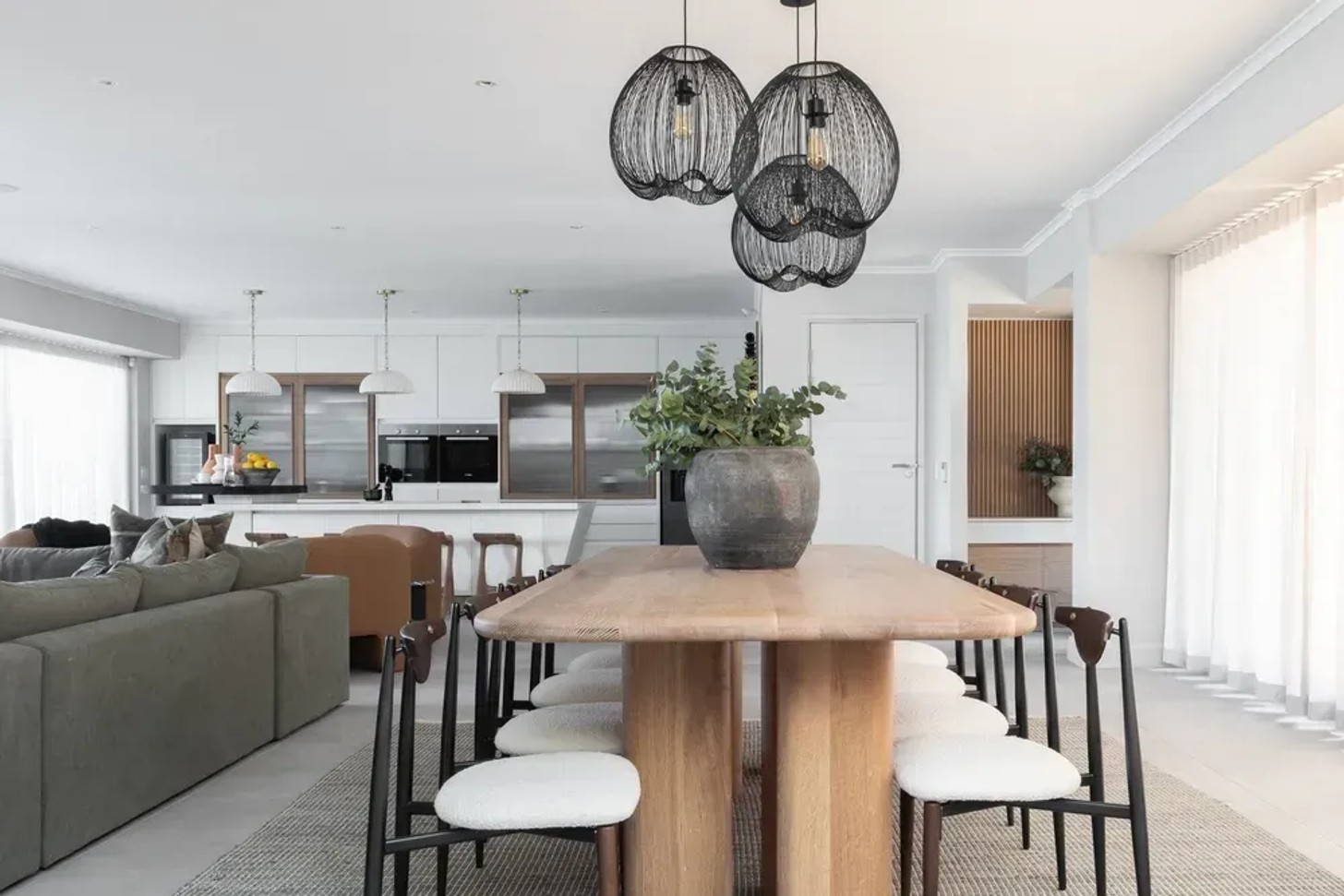
The most successful interiors are rarely completely uniform. They have moments of contrast, softness, roughness and imperfection – details that invite you to look closer and, ultimately, make a home feel like it belongs to the people who live there. Current design thinking is increasingly embracing this more personal, collected approach to interiors.
Credits
Images: Jacob Lunt, Elsa Young, Supplied, Niel Vosloo, Graham Dunn


