
Karoo Gothic is a uniquely South African design language that merges the atmospheric drama of European Neo- Gothic architecture with the stripped-back pragmatism of the Great Karoo. For decades, high- steepled churches of the 19th century, designed by the likes of Carl Otto Hager, stood as lone sentinels, but today, a new movement is moving indoors.
Karoo Gothic has shed its dusty, Victorian skin to emerge as one of South Africa’s most compelling interior design styles, with a subtle, slightly uncanny sensibility in which a serious interior suddenly reveals a playful or surreal undercurrent. It’s the unexpected delight of realising a vessel has been sculpted with watchful eyes, a chair has the shaggy silhouette of a mythical stone.

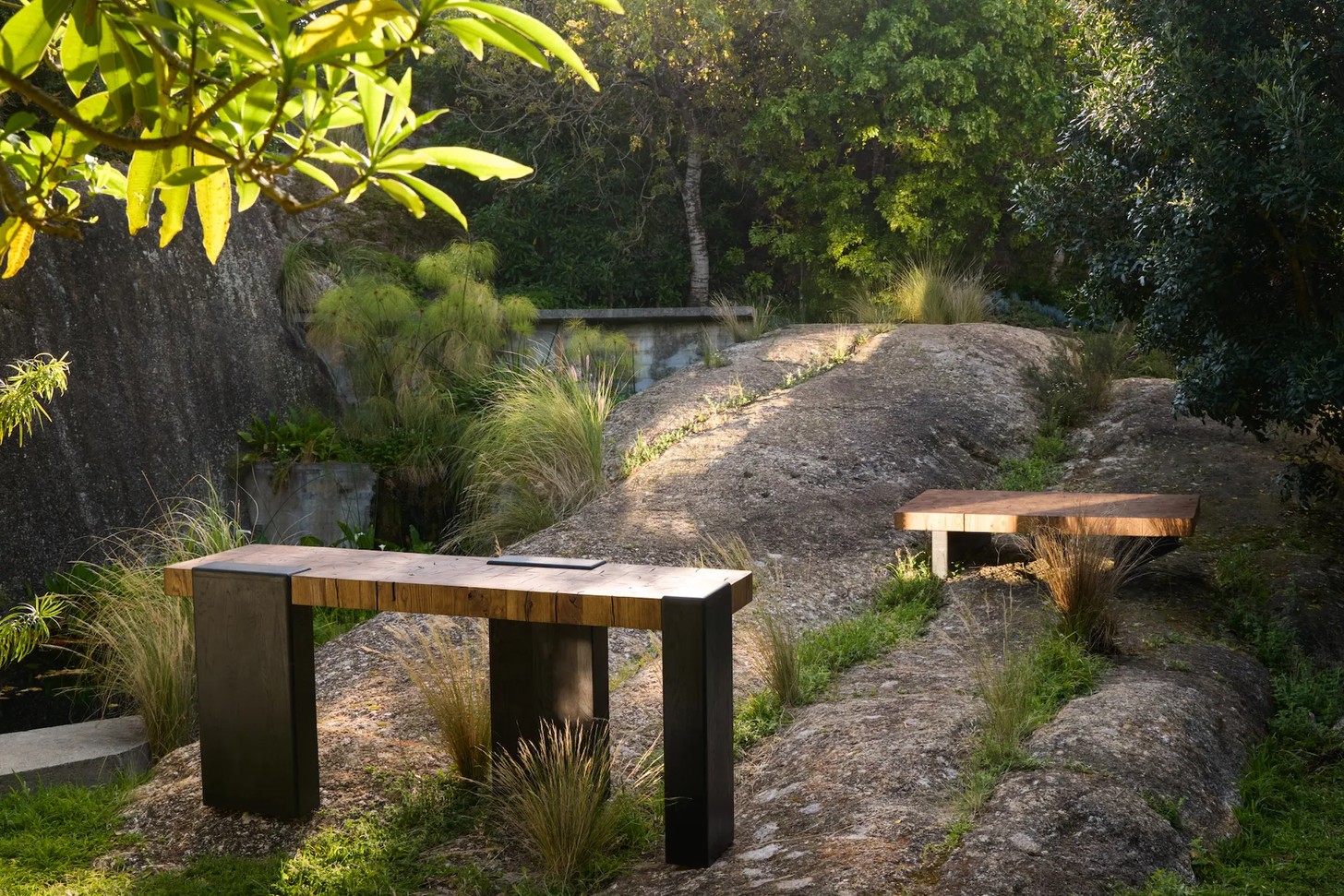
Cape Town-based designer, Jan Ernst, encapsulates this perfectly in his ceramics and artworks. ‘What resonates most with the Karoo in my work is a sense of restraint and quiet intensity,’ he says. ‘It’s a landscape that doesn’t try to impress but reveals itself slowly, often through absence rather than abundance.
The Karoo holds time in a very visible way. Perhaps through erosion, exposed layers, or surfaces shaped over centuries. In my work, I try to echo that by creating forms that feel weathered, almost unearthed, as if they’ve existed long before the moment you encounter them.’
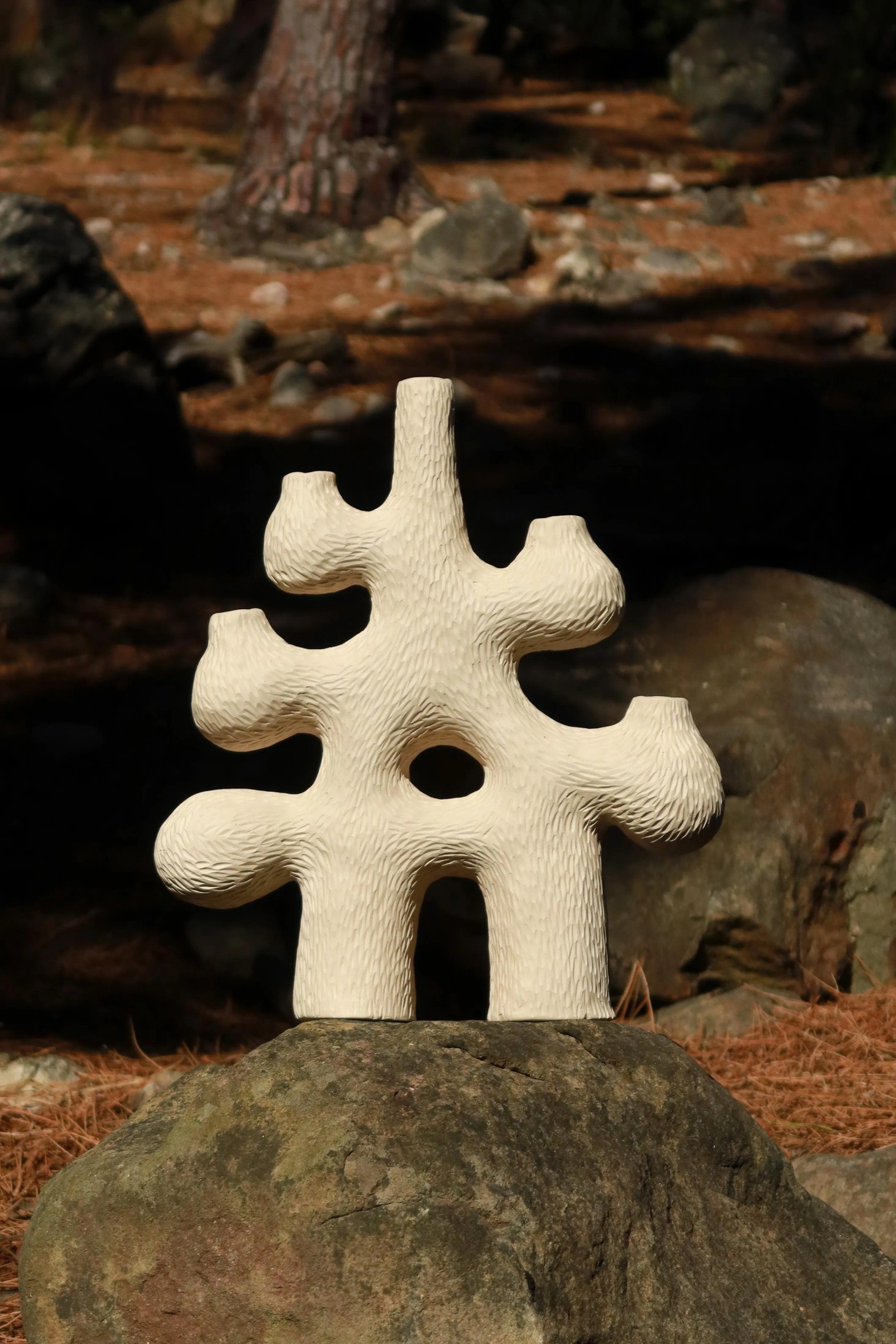
Karoo homes carry a deep sense of history through their materials, their proportions, and the way they’ve been lived in over time. Ernst’s work approaches that space from a different time, but with a similar respect for material and process.
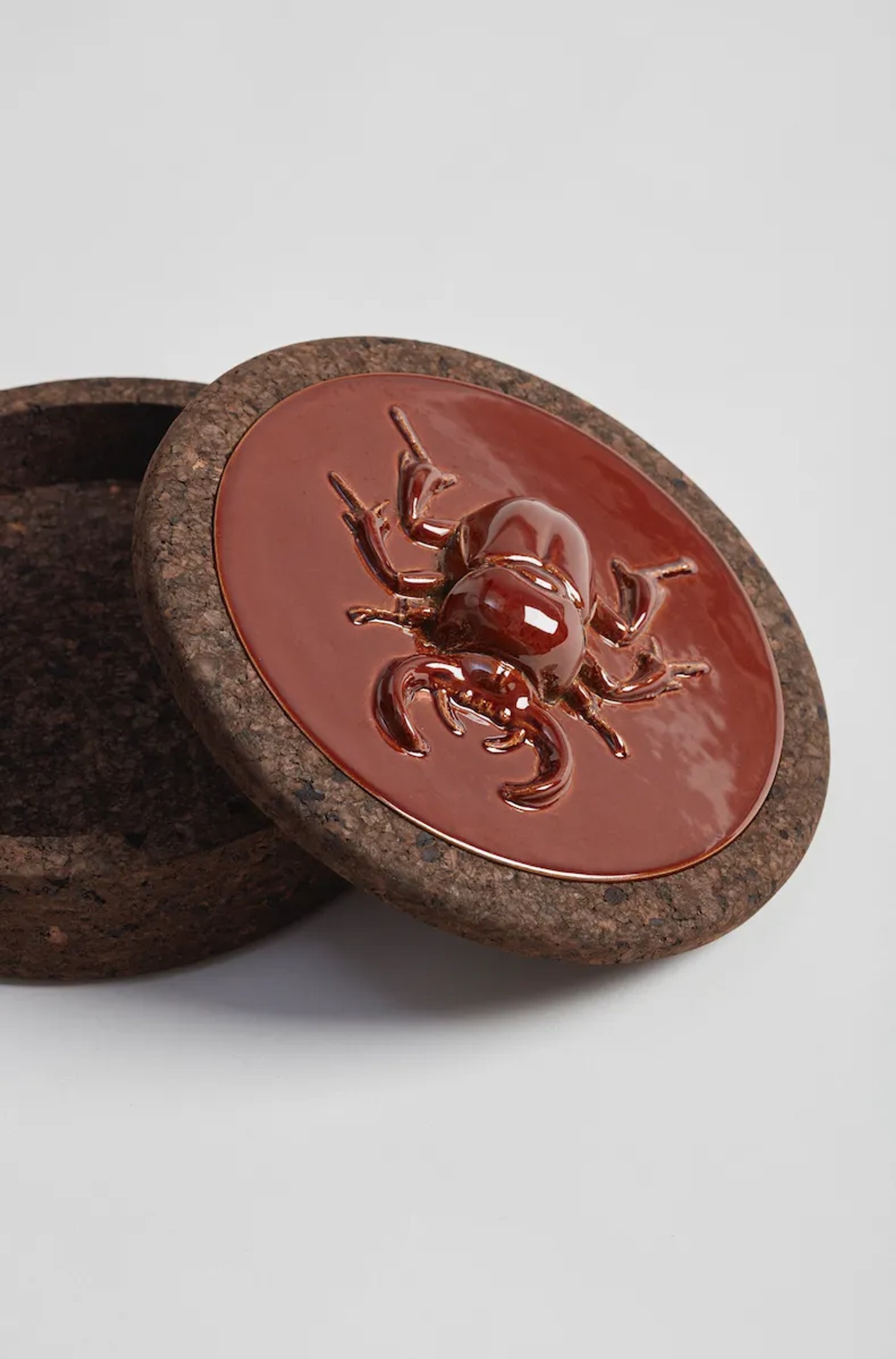
Similarly, the collaboration between heritage and high-design is best seen in the work of Wiid Design. The design studio’s Beetle trinket box pairs dark composite cork with a hand glazed ceramic lid, featuring a subtle raised scarab beetle motif, a nod to natural history, a hallmark of their design language.
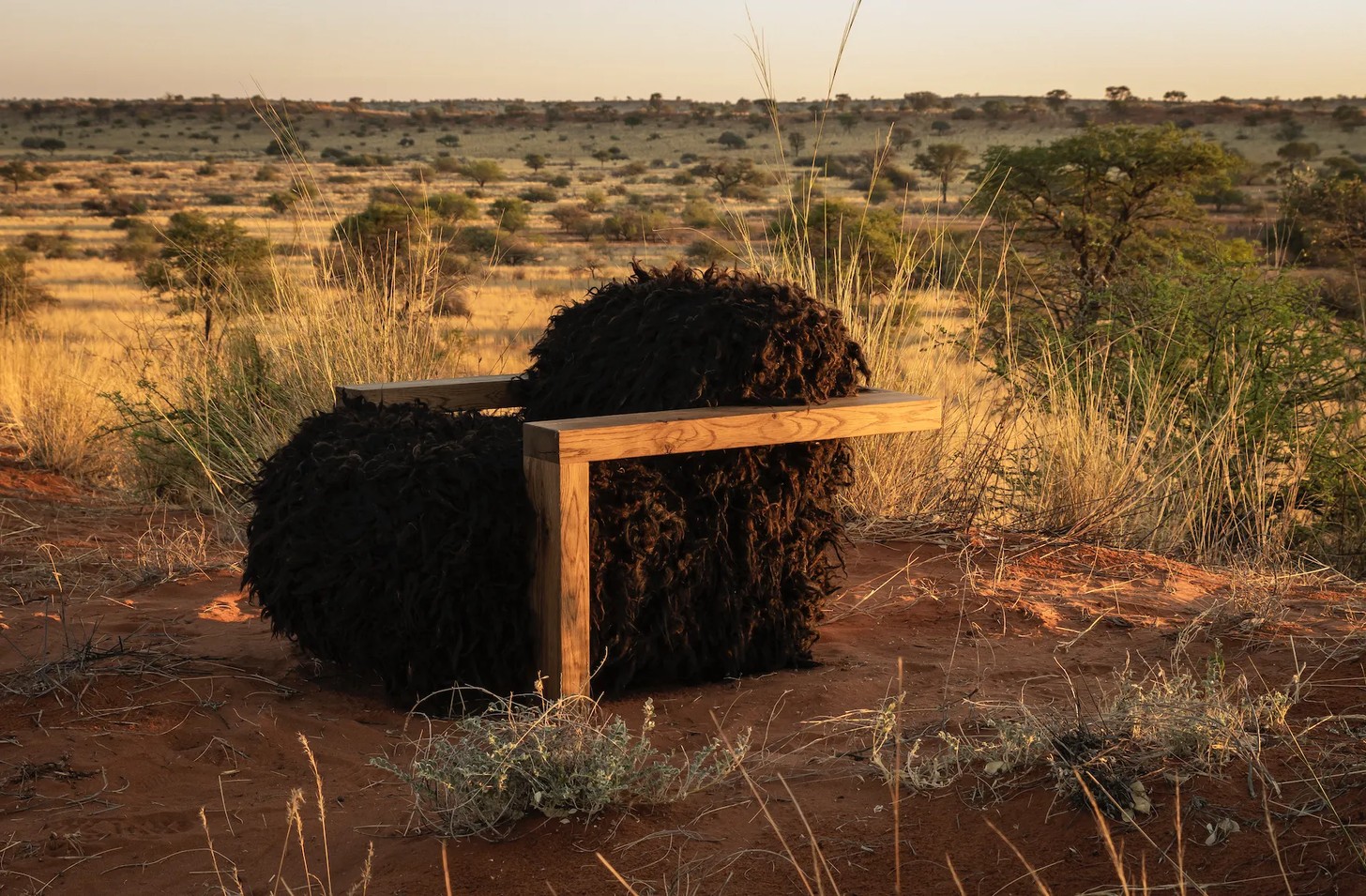
On a grander scale, the Karoo’s “architectural quietness” is often anchored by monolithic furniture, exemplified by the Weylandts Ombu Davos Occasional Chair. Woven from unaltered, reclaimed Swakara wool and framed with an Amber Oak structure, placing this chair in a sparsely furnished room, perhaps with Jan Ernst’s Emergence Chandelier hanging above, immediately establishes a sense of drama central to the aesthetic.
How to Style the Karoo Gothic
Aesthetic: Embrace the shadows: Use saturated, moody colours like deep charcoal or dried- blood reds against lime-washed walls to create a sense of depth and contrast.
Tactile layering: Soften the “hard” elements of stone and dark wood with natural, heavy-weight textiles. Use raw linens, hand-woven mohair, and thick leathers to add warmth without sacrificing the stripped-back, organic feel.
The monastic silhouette: Source furniture with “vertical drama.” Think high-back chairs or tall, narrow shelving that draws the eye upward, mimicking a cathedral nave.
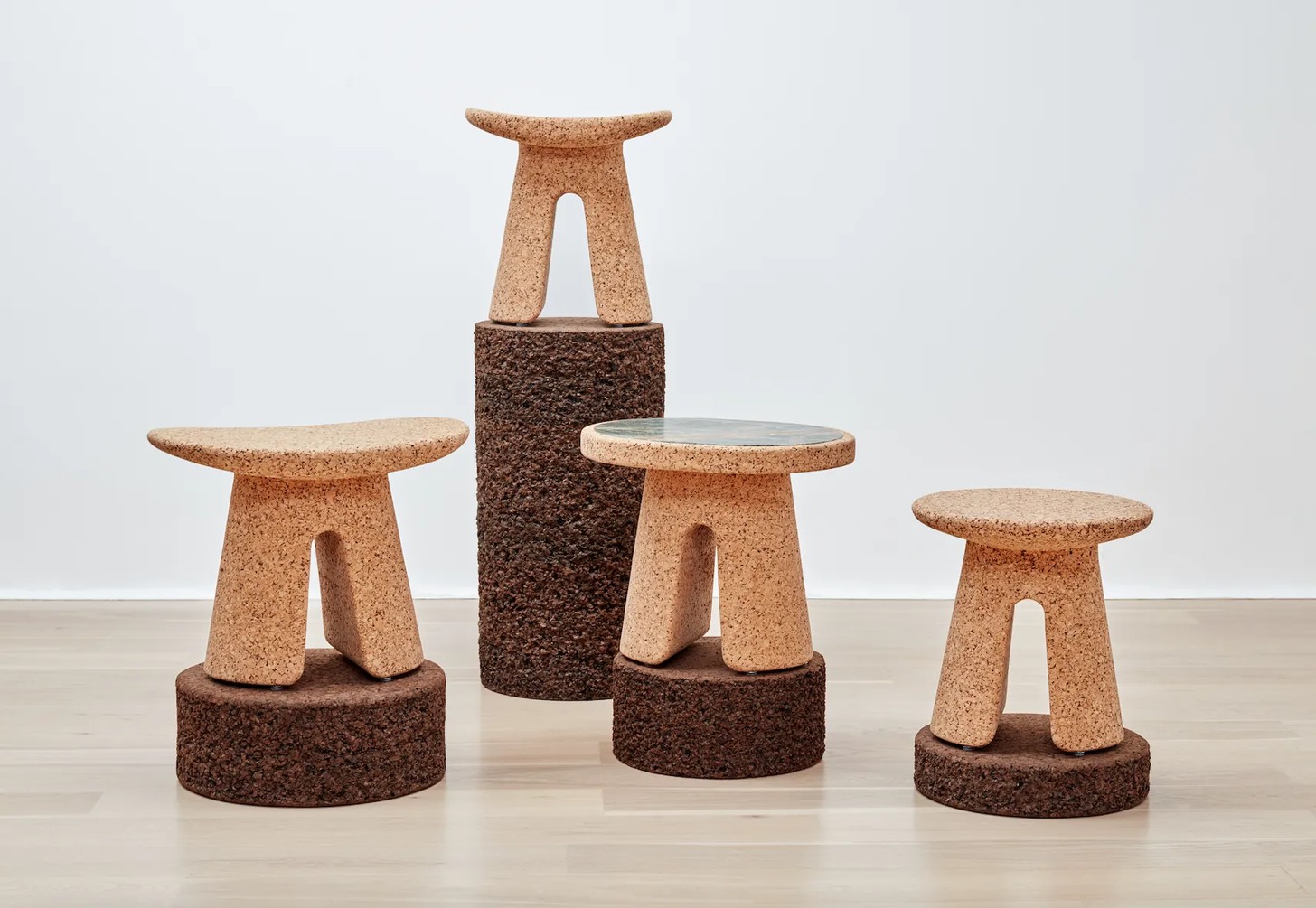
Local Curiosities: Move away from generic decor. Instead, look to standout and eclectic pieces or botanical art that focuses on resilient desert-like weathered bone and hand-forged hardware.
Mood lighting: Avoid harsh overheads in favour of cathedral-like lighting. Think candelabras and oversized ceramic lamps to create an interplay of light and shadow strategically.
Architectural quietness: Keep the floor plan edited and uncluttered. Allow a single, monolithic piece of furniture to stand as a sculptural altar within the room.
Credits
Text by Shai Rama
Images: Supplied


