
There is something inherently grounding about stone. Cool beneath bare feet, tactile beneath the hand and marked by the geology of the landscape from which it comes, natural stone has a way of making an interior feel connected to its surroundings.
In South Africa, that connection is particularly meaningful. From sandstone and granite to slate and other locally quarried varieties, stone has long been part of the country's architectural language. Today, designers are bringing it into interiors in more considered ways, using it not simply as a building material but as a decorative element that adds texture, warmth and permanence.

Let The Landscape Lead
The best starting point is to look at the landscape around you. A home in the Western Cape might draw inspiration from the warm, earthy tones of sandstone, while a property surrounded by darker rock could make a compelling case for slate or granite.
This doesn't mean matching your interiors literally to the landscape. Instead, consider the colours and textures that already exist outside and allow them to inform your material palette.
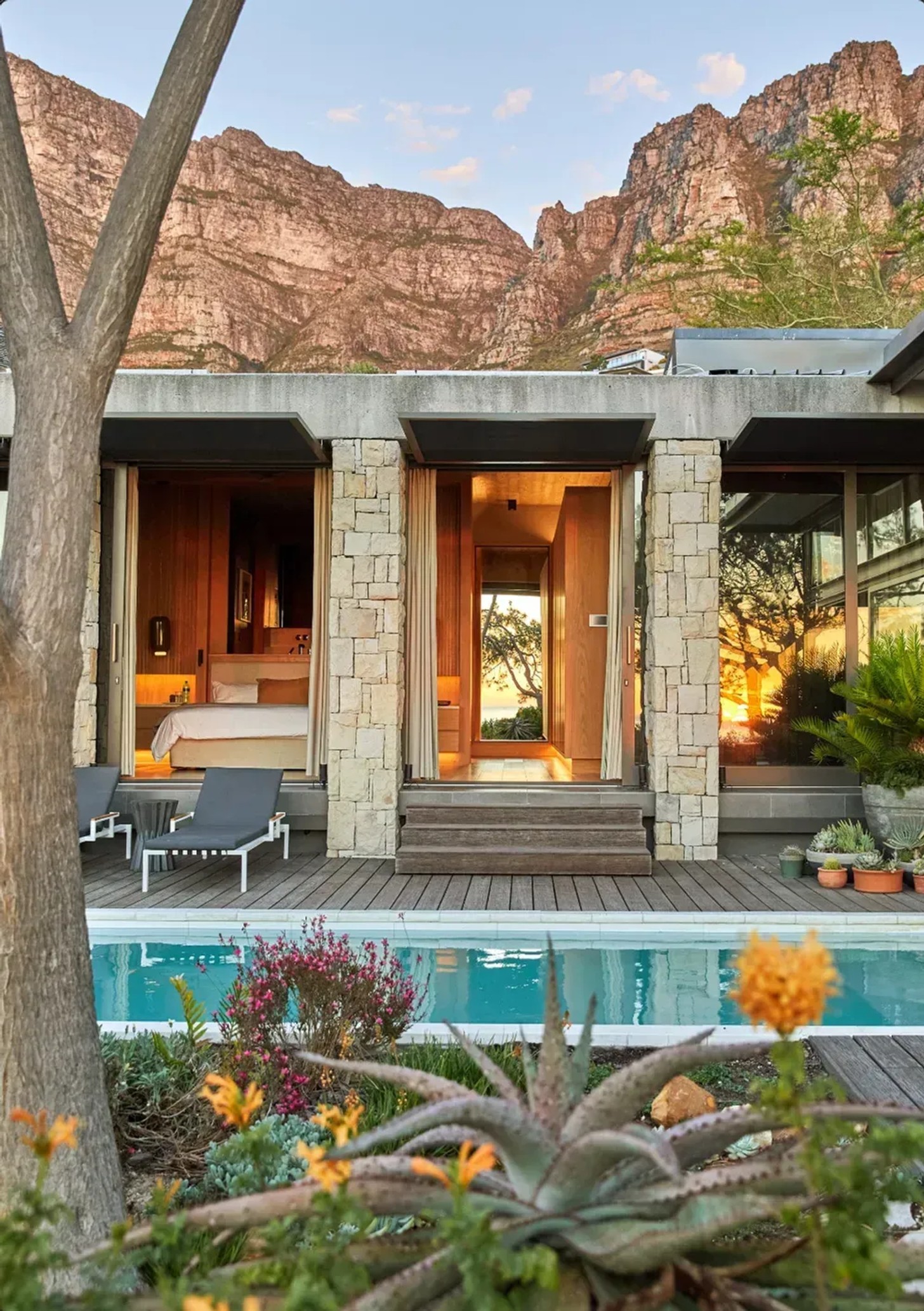
Stone can be particularly effective when paired with other natural materials. Timber, linen, wool, clay and aged metals soften its solidity, creating rooms that feel layered rather than overly hard or austere.
Make A Stone Wall The Focal Point
One of the most impactful ways to decorate with local stone is to let it become an architectural feature. A stone fireplace, entrance wall or section of exposed masonry can provide a strong visual anchor without requiring much additional decoration.
This approach works particularly well when the stone is allowed to remain relatively raw. Rather than covering every surface, use it selectively and give the material enough negative space around it to be appreciated.
Bring Stone Into The Kitchen
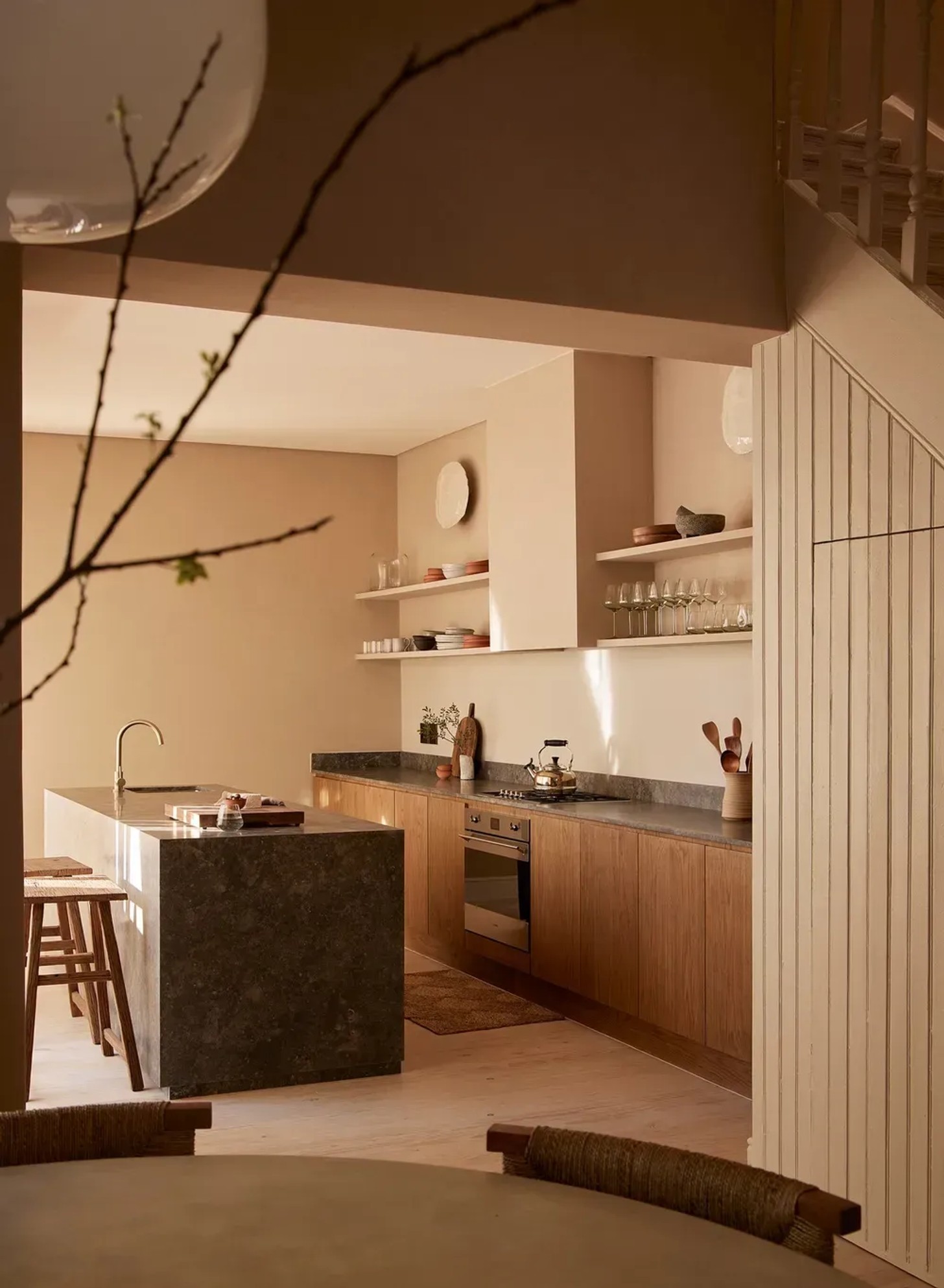
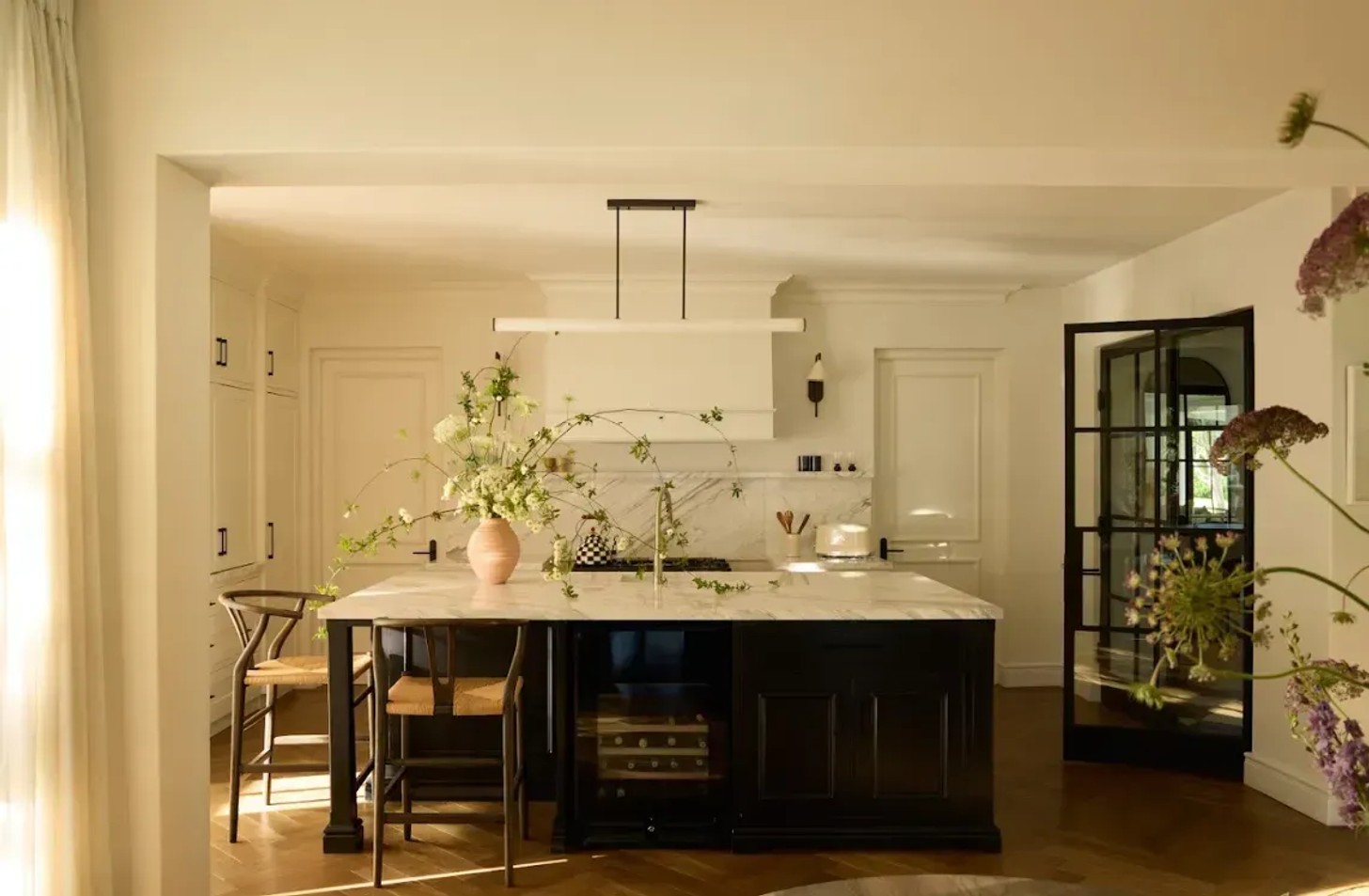
Stone has obvious practical applications in kitchens, but it can also be used to create a more distinctive material story. A locally sourced stone worktop or island can become the defining feature of an otherwise restrained kitchen.
Granite is particularly useful for hard-working surfaces because of its durability, while more tactile stones can introduce softness through their colour and natural variation. Locally quarried sandstone and granite are among the natural stones used in Cape Town interiors, with sandstone offering warmer, earthy tones and granite providing a broader range of colours and finishes.
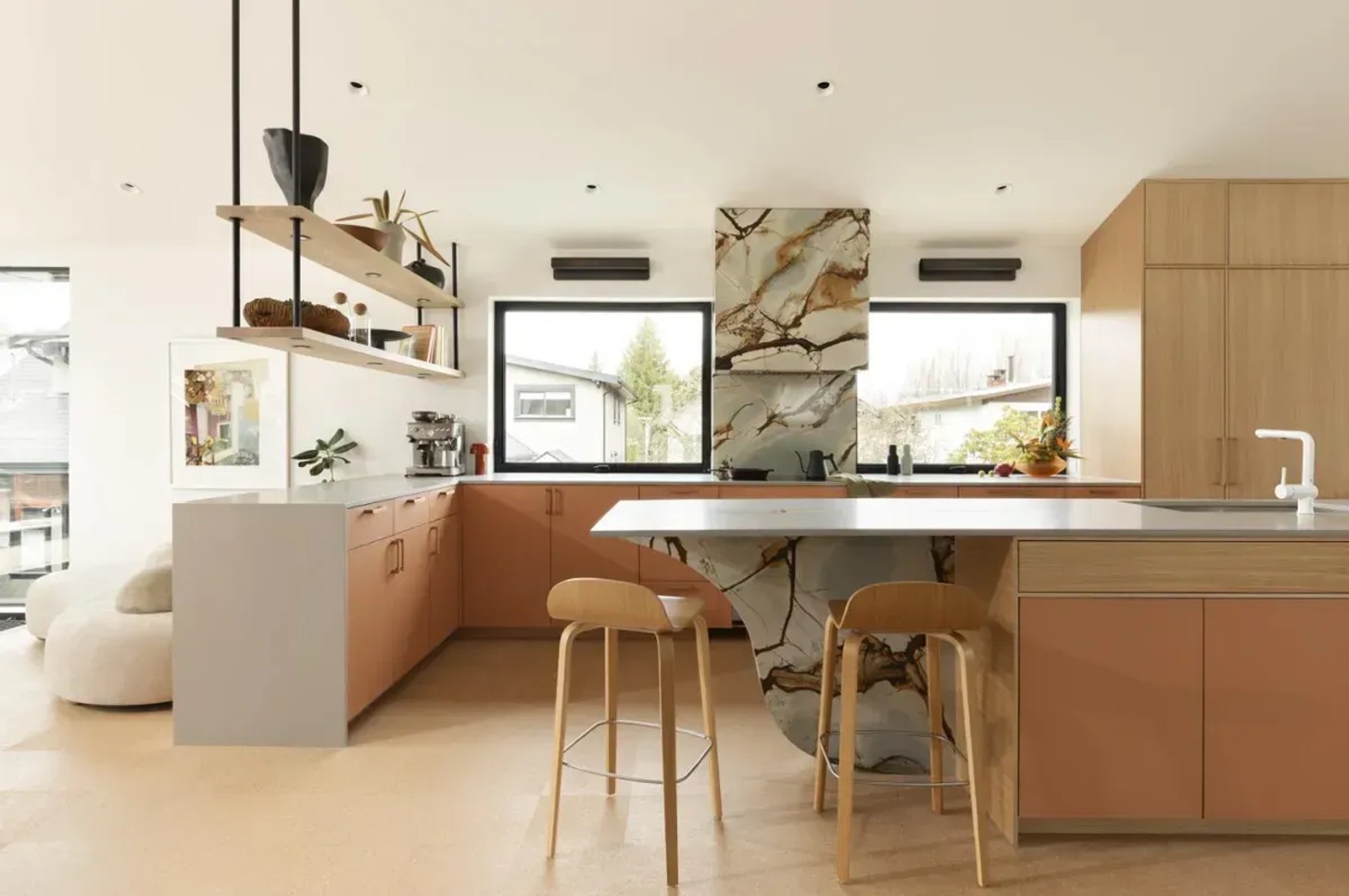
For a contemporary approach, pair a substantial stone island with simple cabinetry, timber accents and understated hardware.
Don't Forget The Floor
Stone flooring can completely change the atmosphere of a room. Instead of treating the floor as a background surface, consider it part of the architecture.
Large-format slabs can create a calm, seamless appearance, while smaller or irregular pieces feel more rustic and characterful. The finish matters, too. A honed or naturally textured surface generally feels softer and more relaxed than a highly polished one. Stone floors also work beautifully in spaces that lead directly outdoors, helping to create continuity between a terrace, courtyard and interior.
Use It In Unexpected Places
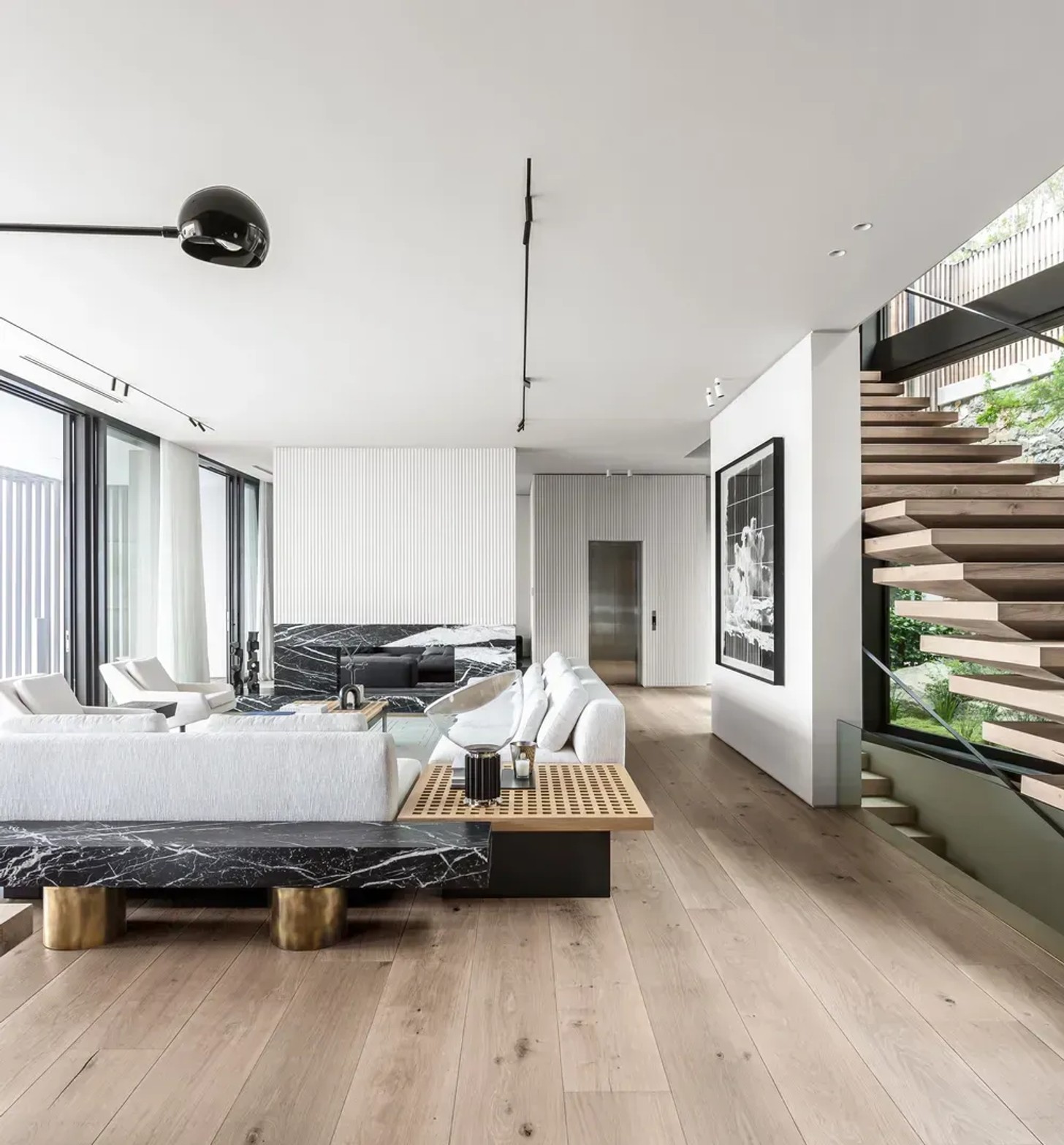
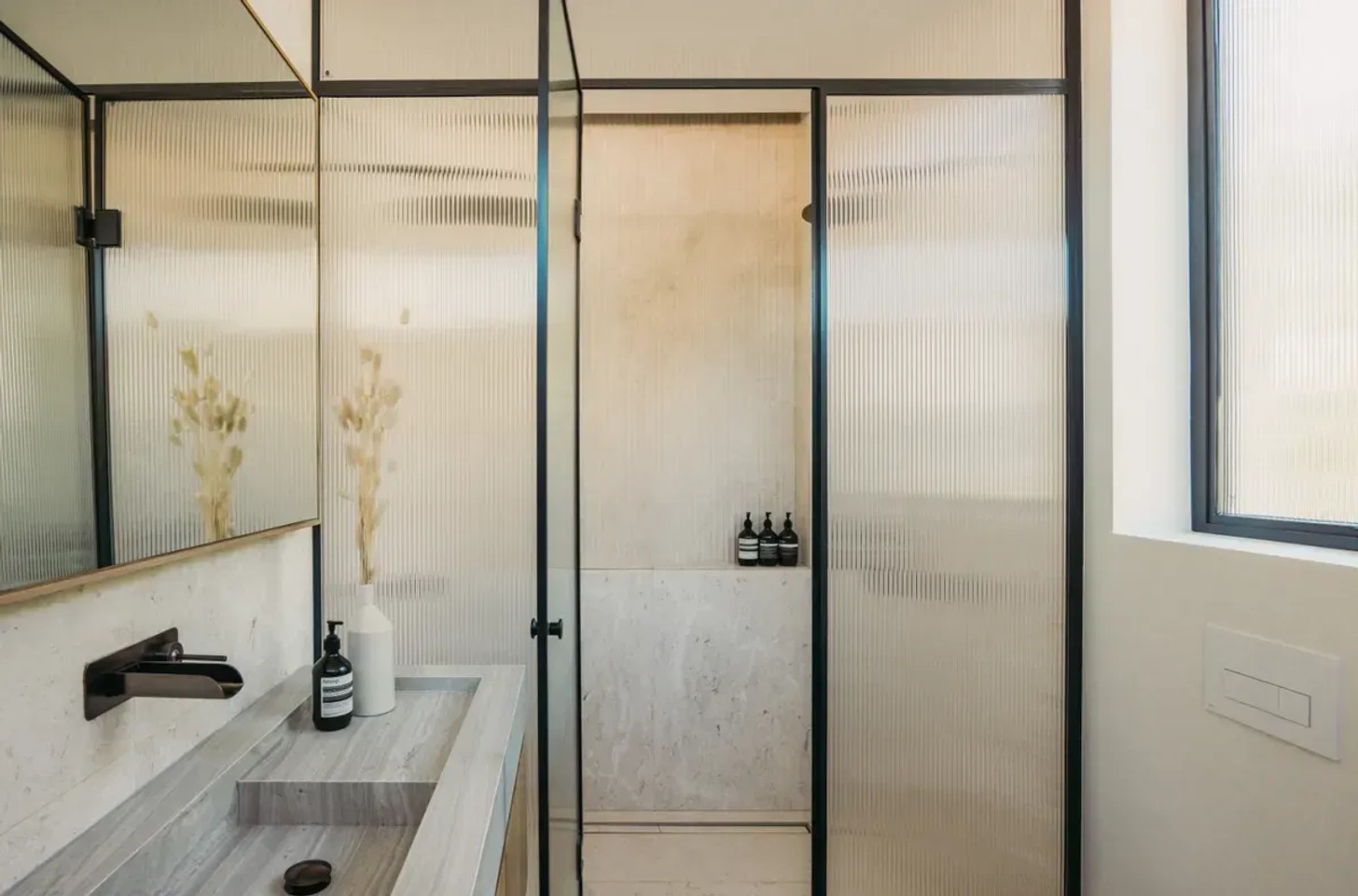
Stone doesn't have to be limited to kitchens, fireplaces and floors. A small stone shelf, bathroom vanity, window ledge or sculptural side table can introduce the material without overwhelming a room.
This is particularly useful if you're working with a smaller space or a rental where major architectural changes aren't possible. A single substantial stone object can provide the same sense of texture and permanence on a smaller scale.
Keep It Imperfect
Perhaps the greatest appeal of local stone is that it doesn't need to be perfect. Veining, colour variation, rough edges and subtle differences between pieces are precisely what give the material its character.
Rather than trying to make stone look uniform, allow its natural variation to lead the design. Combined with handmade ceramics, aged timber and tactile textiles, it can create an interior that feels quiet, sophisticated and unmistakably connected to South Africa.
Ultimately, decorating with local stone is about more than choosing a beautiful surface. It is a way of bringing a fragment of the landscape indoors — creating spaces that feel grounded in their surroundings and designed to age gracefully.
Credits
Images: Pexels, Supplied, Inge Prins, Tina Kulic, Niel Vosloo, Jacob Lunt


